REVIEW · SOUTH SINAI
Mount Sinai: Sunrise Hike & St. Catherine Private Tour
Book on GetYourGuide →Operated by Sinai Hikes · Bookable on GetYourGuide
Climb Mount Sinai for a sunrise you’ll remember. This private outing combines a pre-dawn mountain hike with time inside St. Catherine’s Monastery, including the Burning Bush Tree and the Well of Prophet Moses. The whole day feels purposeful: you work for the view, then you slow down for the sacred spaces below.
What I like most is the private pacing and local guiding. You climb with a Bedouin guide from the Jabaliya tribe, and the route is explained as you go—down to which stops matter and where to wait for first light. I also like the thoughtful cold-weather setup at the summit: cafeterias offer hot drinks and blankets for rent while you wait.
One consideration: this is a real climb at high altitude. The hike reaches about 2,285 meters above sea level and includes steep sections and 750 stone steps, so if you’re sensitive to exertion or breathing, you’ll want to think twice.
In This Review
- Key things you’ll notice on this Mount Sinai and Monastery day
- Sunrise starts before your brain fully wakes up
- The climb: checkpoint to summit in three distinct stages
- Bedouin coffee stops and optional camel rides
- Managing the cold: what it feels like at the summit
- When you reach the top: the sunrise moment plus a practical plan
- St. Catherine’s Monastery: sacred sites in a focused visit
- Burning Bush Tree and Moses’ well
- The main church and the museum access
- Visiting hours can affect your day
- Price and value: what you’re paying for at $129 per person
- Who this tour fits best (and who should skip it)
- What to bring so the day doesn’t turn annoying
- A note on guides: why this is more than just walking up a mountain
- Should you book this Mount Sinai sunrise and St. Catherine’s Monastery tour?
- FAQ
- How long is the Mount Sinai sunrise hike and St. Catherine’s Monastery tour?
- Is the tour private, and do I get a guide?
- How hard is the climb?
- Do I need to rent blankets or can I stay warm another way?
- Are camel rides included?
- What are Saint Catherine’s Monastery visiting hours?
- What should I bring, and what’s not allowed?
Key things you’ll notice on this Mount Sinai and Monastery day
- Private Bedouin guide (Jabaliya tribe) from the start through the checkpoint and up the mountain
- Cold sunrise logistics: summit cafeterias with hot drinks and blankets for rent
- Clear route structure: checkpoint to monastery, then the winding trail, then the 750 steps
- St. Catherine’s key sites: Burning Bush Tree, Well of Prophet Moses, and the main monastery church
- Timing windows for the monastery: typically 8:45 AM to 11:45 AM, with Friday limits
Sunrise starts before your brain fully wakes up
You’ll get picked up from your hotel and driven in an air-conditioned car to the foot of the mountain area near Saint Catherine’s Monastery. The day runs long—about 10 to 16 hours—because you’re building in time for the hike, the wait for sunrise, and the monastery visit afterward.
Before anyone starts climbing, there’s required registration. You’ll complete it at the Tourism Police Office, then you pass through the mountain checkpoint. This part matters because it sets expectations: the climb isn’t a casual walk, and the early start is part of the experience.
Language support is English and Arabic, and because it’s a private group, you can set your own pace with your Bedouin guide. That’s a big deal on a climb where the altitude and the steps can catch you off guard.
The climb: checkpoint to summit in three distinct stages
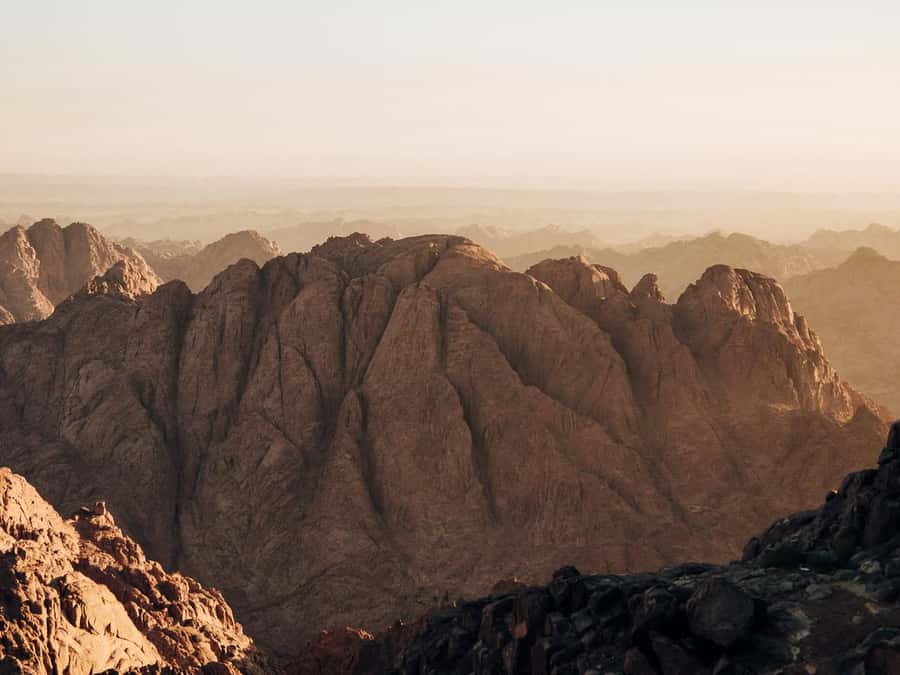
The route to the top is divided into three main sections, and knowing them helps you manage energy.
First is about 850 meters from the checkpoint to Saint Catherine’s Monastery. This portion is more about getting your legs moving and setting rhythm. It’s not the place to sprint or overthink the steepness—save your effort for the higher sections where the air feels different.
Second comes a winding 4.15 km trail. This is the stretch where many people start to feel the climb as a steady, uphill rhythm rather than “just walking.” The good news: the path includes opportunities to pause and reset.
Third is the part people remember: 750 stone steps carved into the mountain, all the way to the summit. It’s the steep finale. Your guide helps you keep the pace realistic, especially if you’re not used to stairs or steep grades.
Bedouin coffee stops and optional camel rides
As you climb, you’ll meet Bedouins with camels offering rides (up to the steps). You can choose this if you want to reduce strain, especially with the step-heavy section. You’ll also pass traditional Bedouin coffee shops, where you can take a breather.
One practical tip: if you plan to do any camel rides, treat it like a comfort add-on, not a substitute for moving. You’ll still want solid hiking shoes because the terrain around the steps and approaches is not smooth sidewalk stuff.
Managing the cold: what it feels like at the summit
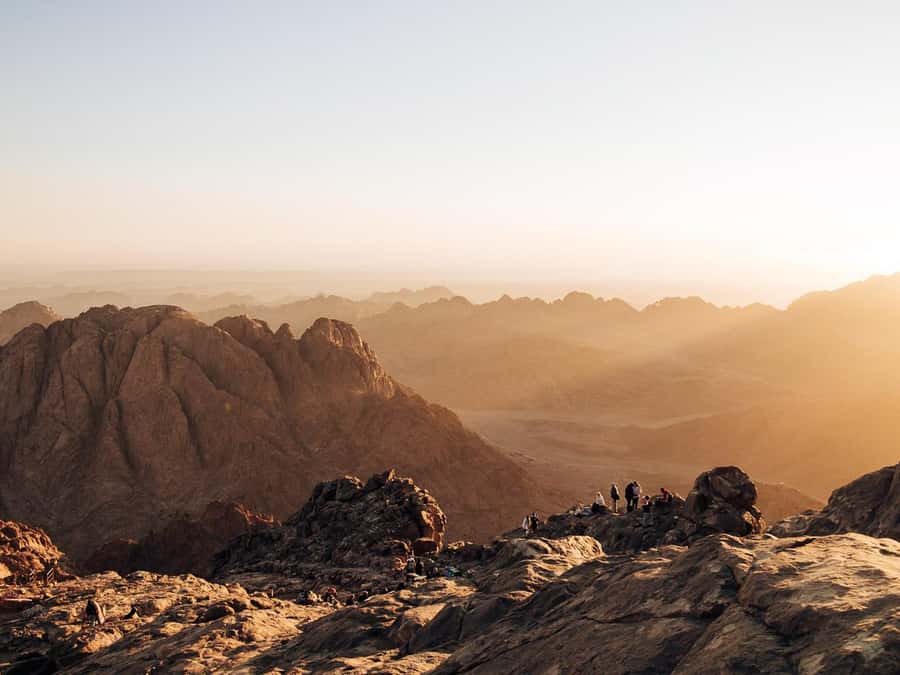
Mount Sinai is known for its sunrise, but the summit can be cold. Even if South Sinai feels warm in town, the air up top is cooler—sometimes windy—especially while you’re waiting for the sky to change.
To handle it, you’ll want the right clothing mix:
- a windbreaker and jacket
- gloves and warm socks
- a hat and sunglasses
- comfortable hiking pants
- a daypack with snacks and water
At the top, cafeterias provide hot drinks and blankets for rent while you wait for sunrise. This matters because you’re not just climbing and leaving. You’re standing around in the cold for a while, often in still air, until the light arrives.
Flashlight is also worth bringing. You’re going early, and being able to see where you step makes the climb safer and less stressful.
When you reach the top: the sunrise moment plus a practical plan
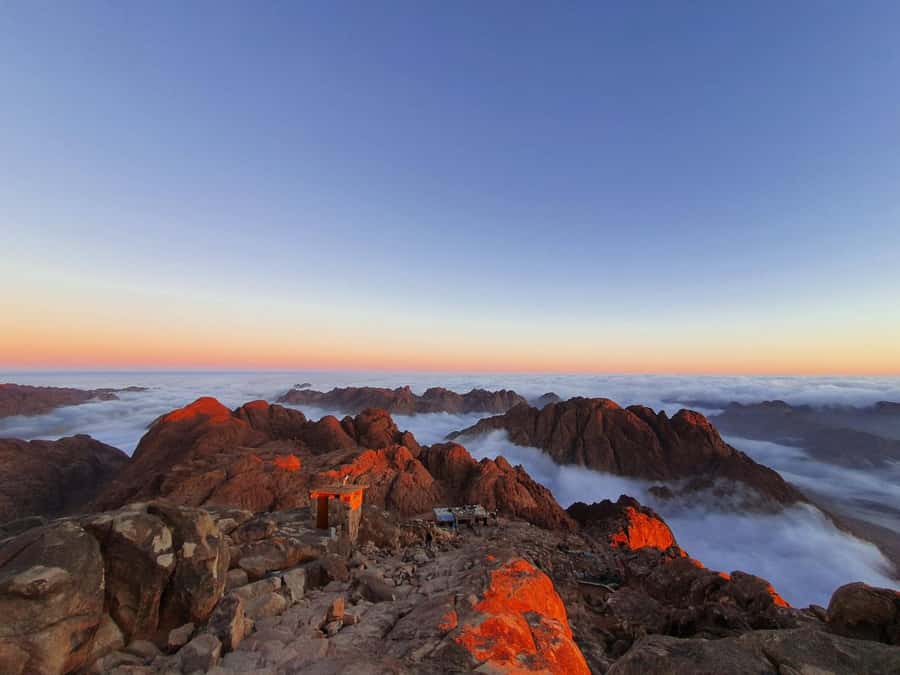
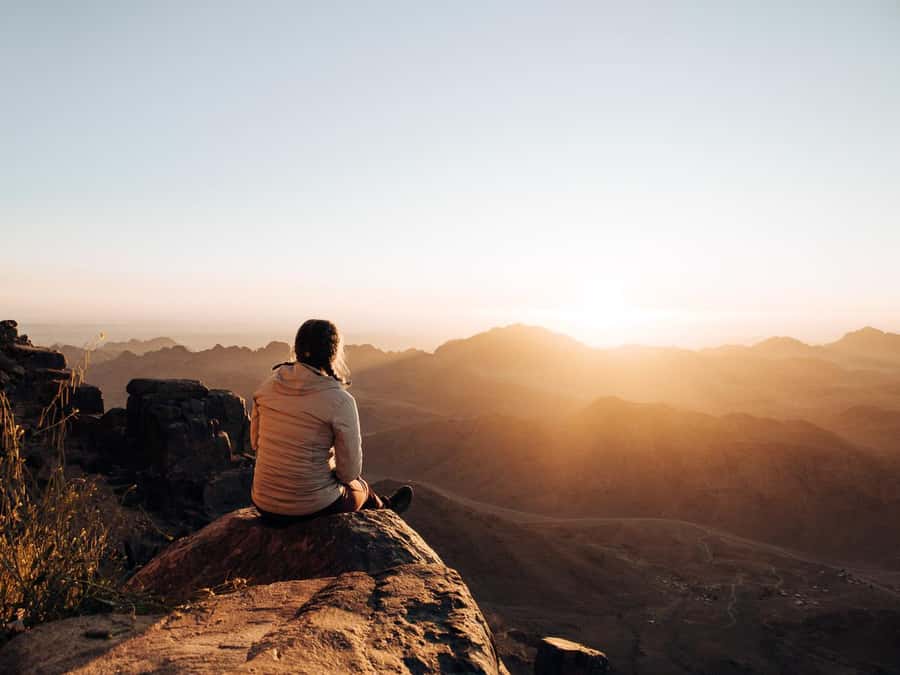
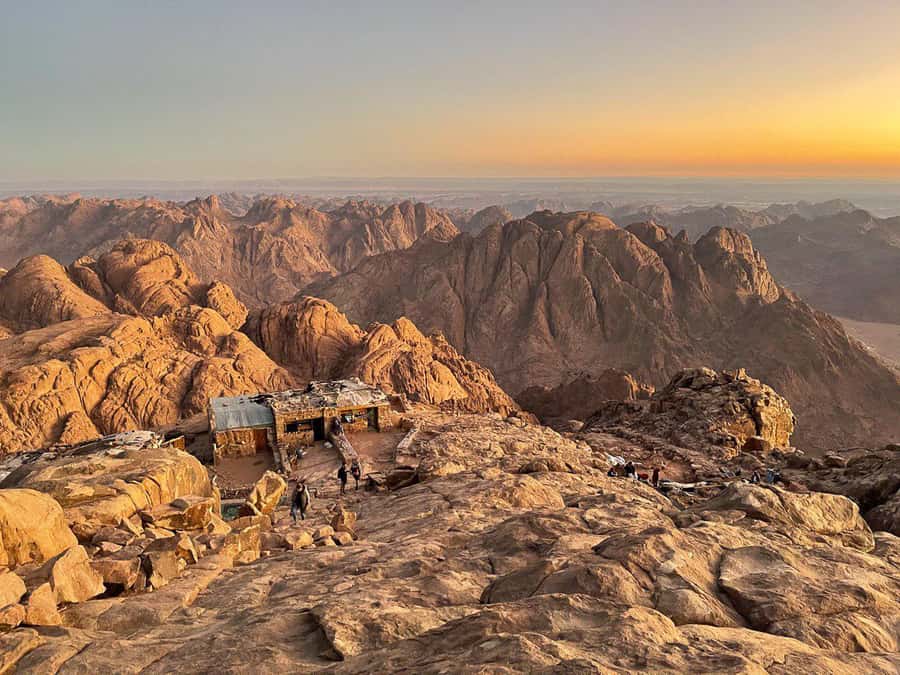
The payoff is the sunrise from the summit of Mount Sinai, also known as Mount Moses. The air is typically cooler here than in the town or on the coast, which only adds to the “we earned this” feeling.
In one recent private experience led by Mohammed Mousa, the group reached the top around 4am, and Mohammed helped pick the best viewing spot to wait until sunrise. That early arrival isn’t just about being first—it’s about having a little breathing room to get settled, warm up with a drink, and avoid the last-minute scramble.
As the sky lightens, the spiritual significance of the mountain becomes tangible because you’re literally standing where the story is tied to the landscape. Even if you’re not religious, the mix of altitude, quiet, and the first real color over the Sinai mountains hits hard.
After sunrise, you descend back down toward Saint Catherine’s Monastery. The walk down usually takes around two hours, and it’s often easier on the lungs than the steps up—but it can still be rough on knees and calves.
St. Catherine’s Monastery: sacred sites in a focused visit
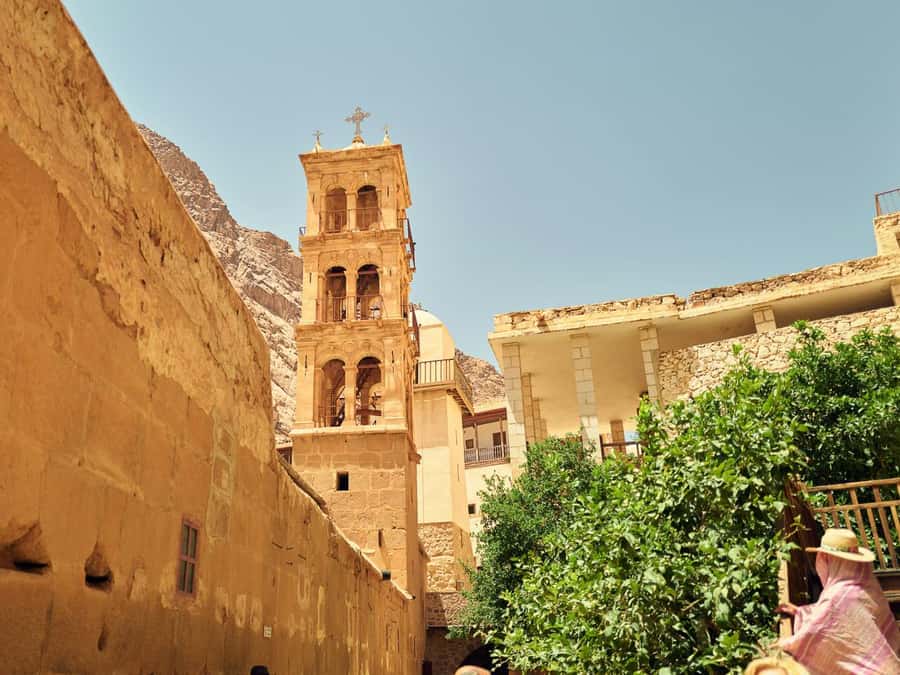
Once you’re back near the monastery, you switch gears from steep steps to walking inside an important religious site. Saint Catherine’s Monastery is a UNESCO World Heritage Site, and the visit includes several key stops.
Burning Bush Tree and Moses’ well
Two of the standout points are the Burning Bush Tree and the Well of Prophet Moses. These are the kinds of places you don’t just “see.” You pause. You look closer. You listen to the guide’s explanations so the names stop feeling like labels and start feeling like a lived tradition.
The main church and the museum access
The tour also includes the main monastery church, often referred to as the Church of St. Helena. There’s also a monastery museum, but access is only when permitted. That’s normal for sites with operating restrictions, so keep it flexible: even without museum time, the core religious landmarks are still the heart of the visit.
Visiting hours can affect your day
This is the part you need to plan around. Saint Catherine’s Monastery is generally open throughout the week except Fridays, Sundays, and Orthodox holidays. On Fridays, it’s open for only one hour. On regular days, visiting hours are from 8:45 AM to 11:45 AM.
If your sunrise and descent timing puts you in the wrong window, you might miss some of the visit time. That’s why a private guide and a well-run schedule help.
Price and value: what you’re paying for at $129 per person
At $129 per person, this tour can feel like a splurge—until you break down what’s included.
Included features that add real value:
- Hotel pickup and drop-off
- Transportation in modern AC cars
- Entrance fees of Saint Catherine National Park
- A private Bedouin guide during the climb
- One bottled water
What’s not included:
- Breakfast at the local restaurant with tea if you select the breakfast add-on
- Camel riding while climbing (optional)
- Tipping for the team
If you compare it to piecing things together yourself—getting to the pickup point early, handling registration, arranging guides for the steps, and paying entrance fees—the private structure is where the money goes. The guide time is the expensive part, and it’s also the part that most affects how comfortable and safe you feel on steep ground.
Also, the breakfast add-on is genuinely useful. After descending, one guide-arranged example included an omelette with local feta, beans, olives, salad, and fruit. Even if your meal varies, the idea is the same: you’re hungry, you’ll be cold, and this is a warm reset.
Who this tour fits best (and who should skip it)
This is a great fit if you want a classic sunrise hike but hate the chaos of group logistics. It’s especially suitable if you like learning from someone local—people have praised guides such as Mohammed Mousa and Ahmed for showing them special spots, sharing stories along the way, and keeping pace comfortable.
It’s not suitable for:
- children under 5
- pregnant women
- people with mobility impairments
- wheelchair users
- people with heart problems
- people with respiratory issues
- people over 95
If any of those apply, don’t push it. The altitude and steps aren’t the kind of thing you improvise.
What to bring so the day doesn’t turn annoying
The checklist is solid because the mountain part is the hardest part of the whole experience. Bring:
- passport or ID card
- hiking shoes
- hiking pants and comfortable clothes
- windbreaker, jacket, sunglasses, sun hat
- sunscreen and power bank
- gloves, socks
- snacks
- flashlight
- daypack
- personal medication
- cash (useful for optional purchases)
Also, skip anything not allowed. Weapons or sharp objects, drones, alcohol and drugs, and making noise/party behavior are not allowed. It’s a quiet, controlled environment—act accordingly.
A note on guides: why this is more than just walking up a mountain
This kind of day lives or dies by guiding. A private hike gives your guide room to manage pace and share the details that turn a steep climb into a story you remember.
People have specifically praised:
- Mohammed Mousa for knowing the mountain well and helping find a top viewing spot for sunrise
- Ahmed for taking people to unique spots on the climb and sharing engaging stories
- Solman Mahmud as a strong monastery guide who explained the site’s history clearly
That monastery portion is easy to treat like a checklist. A good guide keeps it human.
Should you book this Mount Sinai sunrise and St. Catherine’s Monastery tour?
I’d book it if you want a full, meaningful day—sunrise effort plus monastery landmarks—without having to manage the logistics yourself. The private guide approach is especially worth it for the steps, the cold wait, and making sure you land inside the monastery’s visiting window.
I’d hesitate if you’re not comfortable with steep stairs, if you have heart or respiratory concerns, or if cold mornings will make you miserable. The summit is cooler and you’ll be waiting for sunrise, so dressing properly isn’t optional.
If you’re the type who wants an authentic early start and doesn’t mind a long day, this is a strong choice.
FAQ
How long is the Mount Sinai sunrise hike and St. Catherine’s Monastery tour?
It runs about 10 to 16 hours, depending on the start time and how the schedule fits with the monastery visiting hours.
Is the tour private, and do I get a guide?
Yes. It’s a private group. You’ll climb with a private Bedouin guide during the ascent, and you’ll also have guidance inside the monastery sites.
How hard is the climb?
It can be challenging. The experience reaches about 2,285 meters above sea level and includes steep sections plus 750 stone steps carved into the mountain.
Do I need to rent blankets or can I stay warm another way?
You can rent blankets at the summit, and cafeterias offer hot drinks while you wait for sunrise. You should still bring warm layers like a jacket, gloves, and warm socks.
Are camel rides included?
Camel riding while climbing is optional and not included. You can choose it if you want help getting through some of the steep sections, including up to the steps.
What are Saint Catherine’s Monastery visiting hours?
On regular days, visiting hours are from 8:45 AM to 11:45 AM. The monastery is generally closed on Fridays, Sundays, and Orthodox holidays, and on Fridays it’s open for only one hour.
What should I bring, and what’s not allowed?
Bring your passport or ID card, hiking shoes, warm clothing (windbreaker, jacket, gloves), sunglasses and a hat, snacks, sunscreen, a flashlight, and personal medication. Drones, weapons or sharp objects, alcohol and drugs, and noisy or party behavior are not allowed.