REVIEW · RED SEA
From Hurghada: Abydos, Osireion, and Dendera Day Tour
Book on GetYourGuide →Operated by FTS Travels · Bookable on GetYourGuide
Old temples. Big ideas. Long day.
This private day trip links Abydos and Dendera into one powerful Egypt story, from the cult of Osiris to the goddess Hathor. You’ll also drive inland far enough to feel like you escaped the Red Sea routine, even if you’re still back in Hurghada the same day.
I especially like two things: the chance to see the Seti Temple reliefs up close, and the way the Osireion and Dendera Temple turn religion into something visual, not just names from a textbook. One consideration: plan for an early start and a lot of road time, because this is a long day with extended driving both ways.
In This Review
- Quick hits before you go
- The real payoff: Two temples, one journey inland
- Abydos Temple and the Osiris story you’ll actually remember
- Osireion Bath: watery meaning, even when you can’t enter
- The drive to Dendera: why the long road is part of the deal
- Dendera Temple Complex: Hathor, Roman rulers, and a ceiling worth slowing down
- Why the guide shapes everything: Aziz, Omran, Walid, and the VIP feeling
- Logistics from Hurghada: pickup limits, luggage rules, and time on the road
- Price and value: is $199 per person actually fair?
- What to bring and what to plan around (heat, checkpoints, and comfort)
- Who this day trip suits best
- Who should skip it (or choose a gentler alternative)
- Should you book the Abydos, Osireion, and Dendera day tour?
- FAQ
- What sites are included on this day trip from Hurghada?
- Is hotel pickup included?
- How much does the tour cost?
- What is included in the price?
- Is the Osireion Bath entered during the tour?
- What should I bring?
- Are large bags allowed?
- Who is this tour not suitable for?
- What languages are available for the guide?
Quick hits before you go
- Osiris focus at Abydos: you’ll follow the story of the underworld gateway tied to the pharaohs’ power
- Seti Temple details: filigree-like reliefs that reward slow looking
- Osireion Bath at 18 meters low: an underground-water concept you can actually wrap your head around
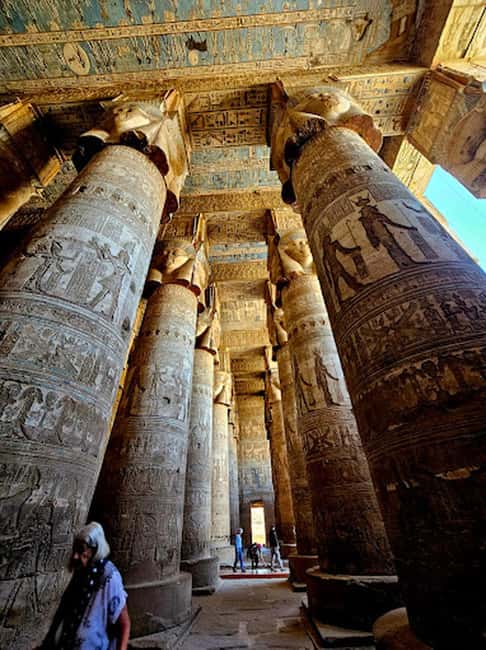
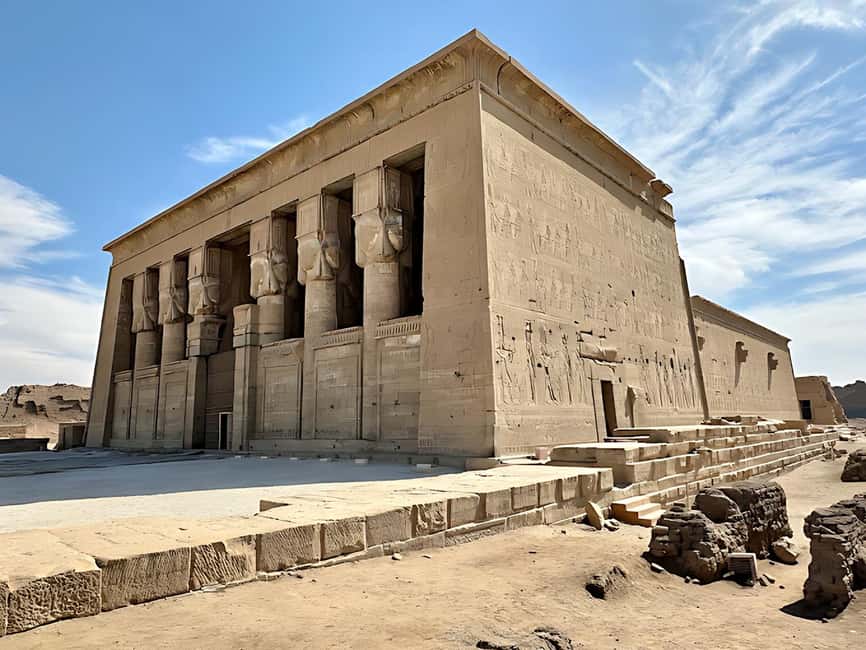
- Dendera’s Hathor temple: one of Egypt’s best-preserved temple complexes and one of the last built in Greco-Roman times
- Ceiling and Roman-Egypt mix: Roman rulers appear alongside Egyptian gods in a Hathor-centered space
- Cleopatra VII sculpture: a reminder that Egypt’s story did not end when the dynasties changed
The real payoff: Two temples, one journey inland
From Hurghada, this outing is all about contrast. You start with a major ritual center tied to royal legitimacy at Abydos, then head on to Dendera, where the temple complex feels preserved enough to study without squinting.
What I like most is that the day isn’t just “see ruins, take photos.” The sights connect through belief systems: how Egyptians imagined the afterlife, how they used temples as political symbolism, and why later rulers still decorated these spaces with their own imprint.
Yes, you’re traveling a long distance. But if you’re the type who wants meaning, not just monuments, the pacing makes sense: morning focus, afternoon payoff, and enough time with a guide to connect the dots.
Abydos Temple and the Osiris story you’ll actually remember
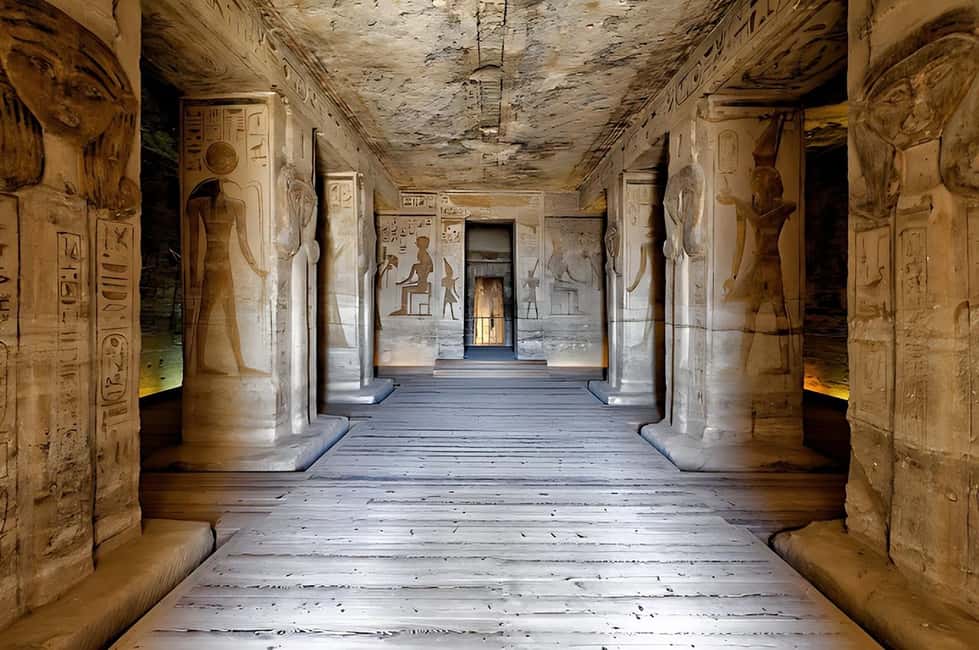
Abydos is one of those places people talk about like it mattered more than most. You’ll be picked up from your hotel in Hurghada and driven out early, so you can start with the Abydos Temple atmosphere when it’s still more manageable.
Here, the theme centers on Osiris, the god associated with resurrection and the underworld. The guide’s job is to explain why this site was once considered one of the holiest places on earth—and how “holy” worked in practical terms for ancient Egyptians. In other words: it’s not just spiritual; it’s tied to power, legitimacy, and the comfort of a system that promised continuation.
Then you move through the Seti Temple with its highly detailed reliefs. Those filigree-like carvings are the kind that reward patience. When you learn what you’re looking at—figures, scenes, and symbolic placement—the whole wall becomes a narrative, not decoration.
Osireion Bath: watery meaning, even when you can’t enter
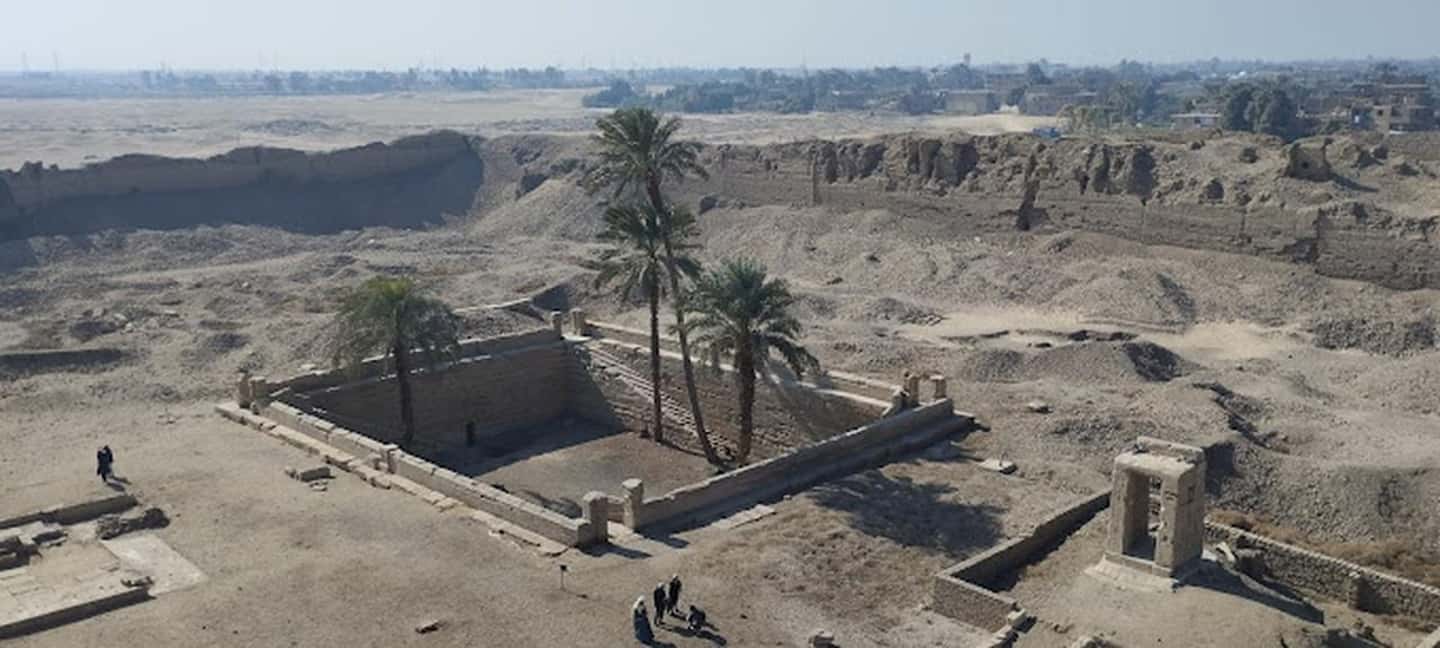
Behind the Temple of Seti I, the Osireion (the Osireion Bath) is one of the most distinctive concepts on the route. It’s an impressive building with a watery nature in its inception, built on ancient underground water springs. That “water as meaning” idea is exactly why this stop feels different from other temple ruins.
The setting is also part of the effect: it sits at a low level, described as 18 meters. Even if you’re standing above, that placement helps you understand how the builders shaped experience with engineering and environment, not just art.
One practical note based on how the visit is typically handled: the Osirion Bath is not entered as part of the tour, and you’ll mainly see it from above. That’s still worthwhile. From the viewpoint you get, you can focus on the overall form and the way the design supports the Osiris concept of transformation and passage.
And this is where your guide’s style matters. Strong guides (I’ve seen this firsthand in the way people talk about Omran, and also Aziz and Walid) make the story click—connecting legendary rulers, forgotten pharaohs, and why the message mattered at the time.
The drive to Dendera: why the long road is part of the deal
Between Abydos and Dendera, you’re doing serious inland driving. Expect around 4–5 hours each way, so this is not a “sleep in” day.
If you’re prone to motion discomfort or heat fatigue, prepare like it’s a mini road trip. Bring sunglasses, wear comfortable clothes, and plan for time on the bus. Even when the vehicle is air-conditioned (some drivers like Mahmoud have a reputation for smooth, comfortable transport), the day is long.
There’s also a real-world factor to keep in mind: the route can be challenging. One guide will handle the schedule and timing, but you still might feel road conditions in your bones. If you’re the type who hates bumpy rides, Dendera is the part I’d most prioritize in your mental checklist.
Dendera Temple Complex: Hathor, Roman rulers, and a ceiling worth slowing down
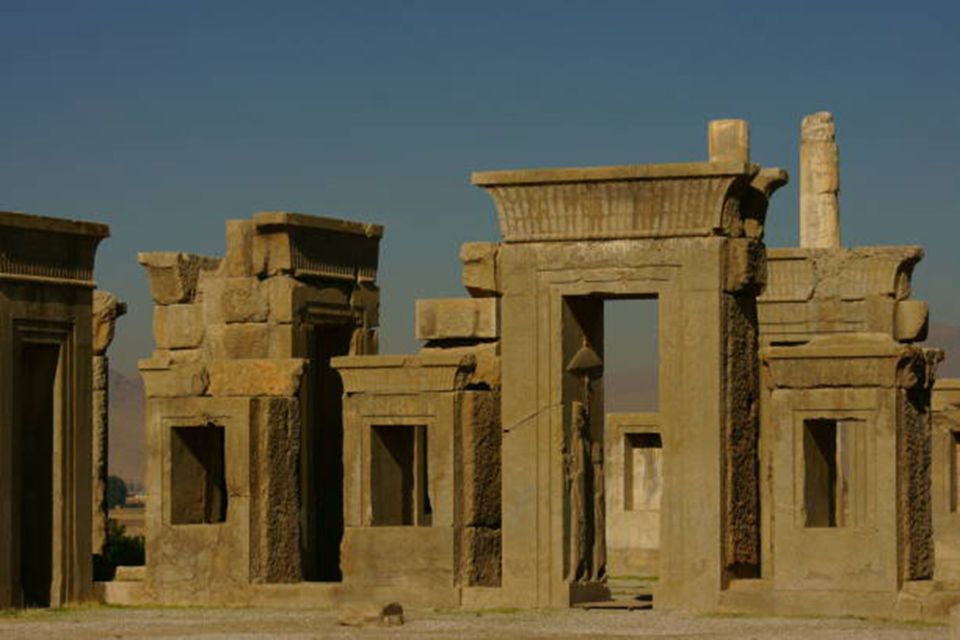
When you reach Dendera Temple Complex, you’re stepping into one of the best-preserved temple settings in Egypt. This is especially important on a day like this, because it means you can actually read details without feeling like you’re guessing where things used to be.
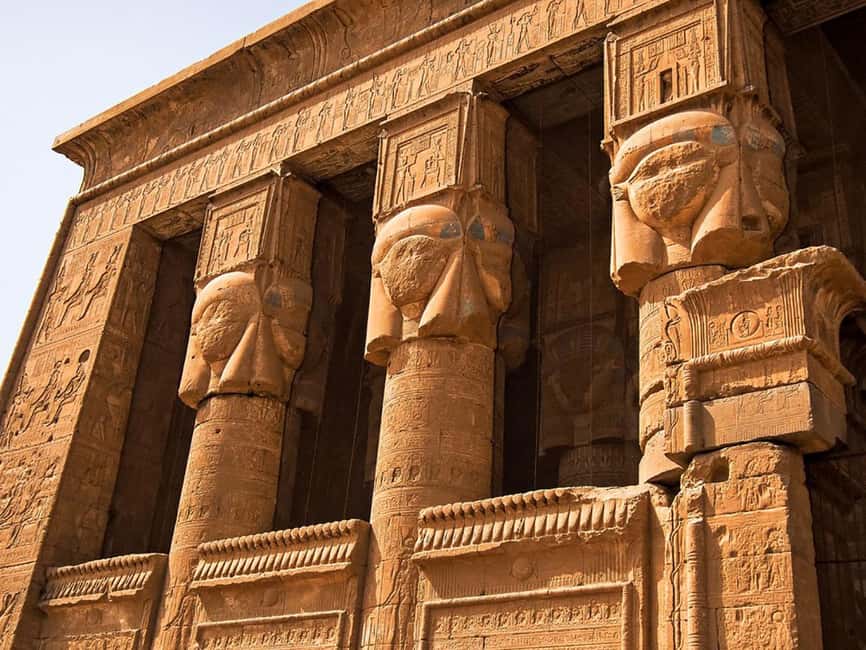
The complex is dedicated to Hathor, described here as the goddess of love, joy, happiness, and music. That matters because it changes the vibe. This isn’t only solemn. You’ll see Roman-era and Egyptian themes braided together, and it feels more like a lived cultural space than a museum shell.
One highlight people talk about for a reason: the ceiling. It’s the kind of feature that makes you realize why temples were designed as total environments. Stand back, take your time, then return closer when the guide points out what’s significant.
You’ll also notice decorations from Roman rulers alongside Egyptian gods. That “old meets new” mix is a big deal here, because Dendera is described as the last temple built in Greco-Roman times. In practical terms, it shows how later powers didn’t erase Egypt—they often layered their own authority over existing religious frameworks.
And yes, there’s a notable sculpture of Queen Cleopatra VII. Even if you’re not a die-hard Egyptology person, it anchors the site in recognizable history. Cleopatra isn’t just a name in a textbook; she becomes part of the temple’s visual world.
Why the guide shapes everything: Aziz, Omran, Walid, and the VIP feeling
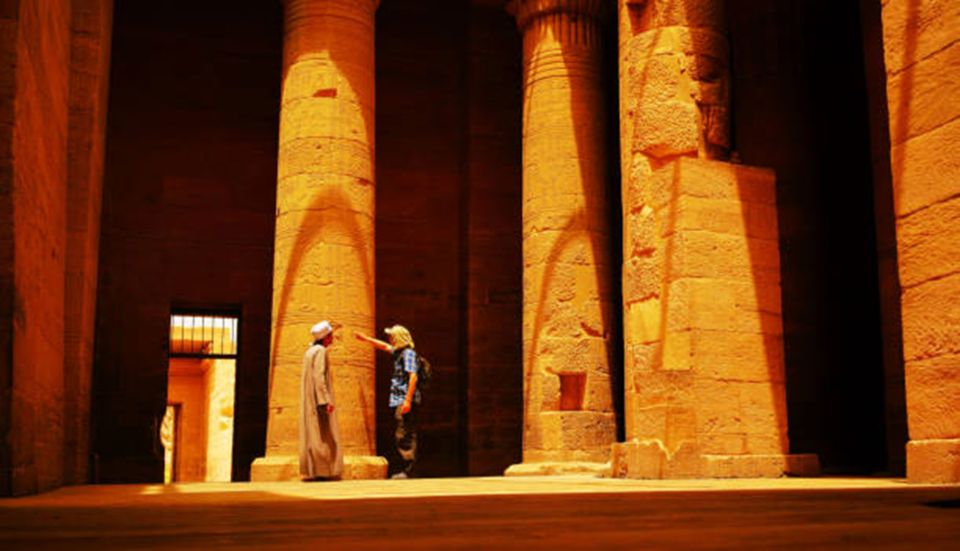
On paper, this tour is about Abydos and Dendera. In real life, it’s about your guide’s ability to make those stones feel like they had a purpose.
The most consistently praised guides are Aziz, Omran, and Walid. I like the way their approach shows up in the experience: clear explanations, detailed context, and a calm way of keeping you comfortable during a long day.
There’s also a repeated theme around “getting access” and making the visit feel special. Some guides work hard to provide access to exclusive parts of the temples, and that’s not a small perk when you’re already spending hours driving. It changes your sense of what’s possible in a site and helps the visit feel less like a conveyor belt.
If you travel solo, this matters even more. One traveler highlighted feeling safe and accepted while visiting with Omran, and that’s the kind of detail you can’t measure on a website. A caring guide who helps you navigate the environment and pace the day can make the difference between endurance and enjoyment.
Logistics from Hurghada: pickup limits, luggage rules, and time on the road
Pickup is included only within Hurghada city limits. If your hotel is in places like El Gouna, Makadi Bay, Sahl Hasheesh, Safaga, or Soma Bay, extra charges can apply (listed as 10 € per person for those pickup areas).
This matters because it affects what you pay in total. If you’re outside the covered pickup zone, factor the extra cost into your decision. For many people, the “private day trip” value still holds—but it’s better to price it accurately before you book.
Also plan for luggage limits. Large bags and luggage aren’t allowed, so pack light. Think daypack, water, sunscreen essentials, and a phone/camera setup that won’t slow you down at security checkpoints.
Finally, yes, the day is long. It’s not “quick temples and back.” You’re doing extended driving time, so if you’re easily exhausted by heat, start your morning routine early and hydrate steadily. Bottled water is included during tours and transfers.
Price and value: is $199 per person actually fair?
At $199 per person, this isn’t the cheapest option out of Hurghada. The value comes from what’s wrapped into the day: private transport from your hotel (within city limits), entrance fees to all the mentioned sights, lunch at a local restaurant, bottled water, and an Egyptologist guide, plus service charges and taxes.
So you’re not just paying for a bus ride. You’re paying for the guide time plus the access and admissions that can add up fast on your own. And you’re seeing two major temple complexes plus the Osiris-linked stop that many people skip when they do a shorter itinerary.
Where the price can feel less worth it is if you mainly want photos with minimal interpretation. This tour works best when you want explanations for what you see—because the real value is the connections the guide makes between temples, beliefs, and symbols.
What to bring and what to plan around (heat, checkpoints, and comfort)
Bring your passport or valid ID. Police or military checkpoints can check documents, so don’t assume your ID is enough without it being valid for the day. Also bring sunglasses and comfortable clothes—you’ll spend a lot of time outdoors, and the morning start can be bright.
Cash can help too, since you might want small extras at stops that aren’t listed. You’ll also want to avoid overpacking because large bags aren’t allowed.
If you’re planning around health and safety, read the limits carefully. This trip is not suitable for travelers with mobility issues, serious health conditions, or young children. It’s also listed as not suitable for pregnant women and not suitable for people with heart problems, and it’s not for wheelchair users.
That’s not a “comfort suggestion.” It’s a real scheduling and walking factor.
Who this day trip suits best
This tour fits you if:
- You want Osiris and Hathor themes explained, not just viewed
- You enjoy temple details like relief work and ceiling decoration
- You’re okay with a long day and want a single big inland day from Hurghada
- You like traveling with a guide who can adapt how you see the sites (people consistently rate the guides highly)
It’s also a good pick if you’ve done the Red Sea “easy days” and want one day that feels more like Egypt than a resort add-on.
Who should skip it (or choose a gentler alternative)
If you need step-free movement, this is likely not the right fit. The tour is not suited for mobility impairments and isn’t wheelchair friendly. If you have a heart condition or you’re pregnant, the long day and physical demands make it a poor match.
Also skip it if your travel style is short and relaxed. This is a real commitment: early departure, extended driving, and time at multiple sites.
Should you book the Abydos, Osireion, and Dendera day tour?
Book it if you want one focused inland day that ties together the big religious threads of ancient Egypt—Osiris at Abydos, and Hathor at Dendera—with an Egyptologist guide doing real interpretation. At $199, the value is strong because entrances, lunch, and guide time are included, and you’re covering multiple major sites in a single trip.
Don’t book it if your priority is minimal driving, or if mobility/health limits apply. With a long day and road time, you’ll feel it.
If you do book, pick your mindset for the road: pack light, start with water and sun protection, and let the guide set the pace. This is the kind of day that rewards patience—especially when you slow down for that Dendera ceiling and the stories tied to the temples.
FAQ
What sites are included on this day trip from Hurghada?
You’ll visit the Abydos Temple, the Osireion (Osireion Bath), and the Dendera Temple Complex, including the Hathor temple area and related monuments.
Is hotel pickup included?
Yes, hotel pickup and drop-off are included within Hurghada city limits. Pickup from other areas (like El Gouna, Makadi Bay, Sahl Hasheesh, Safaga, and Soma Bay) may cost extra.
How much does the tour cost?
The price is listed as $199 per person.
What is included in the price?
Included are entrance fees, hotel pickup and drop-off, lunch at a local restaurant, bottled water during tours and transfers, and an Egyptologist guide, plus service charges and taxes.
Is the Osireion Bath entered during the tour?
The tour information indicates the Osireion is a major stop, and it is described as not entered in the way some temple areas are; it’s primarily seen from above.
What should I bring?
Bring your passport or valid ID, sunglasses, comfortable clothes, and cash.
Are large bags allowed?
No. Luggage or large bags are not allowed on this tour.
Who is this tour not suitable for?
It’s not suitable for pregnant women, people with mobility impairments, wheelchair users, people with heart problems, and young children, due to the physical demands and long duration.
What languages are available for the guide?
The guide languages listed are English, German, French, Italian, Spanish, and Arabic.