REVIEW · MARSA ALAM
From Marsa Alam: Private Day Trip to Luxor by Car
Book on GetYourGuide →Operated by FTS Travels · Bookable on GetYourGuide
Luxor hits like a time machine once you hit Karnak. What makes this day trip work is the private, air-conditioned ride plus a guide who turns ancient scenes into clear stories. I especially like the expert-style explanations (from guides such as Dia, Aziz, and Ragab) and the fact that you see the big highlights without wasting time. The main drawback to plan for is the physical side: it’s a very long day, often driven hard by pickup times and checkpoints.
If you want maximum ancient Egypt in one go, this route is built for it: Karnak first, then a Nile-banks lunch, then the Colossi of Memnon, the Valley of the Kings tombs, and finally Temple of Hatshepsut in the desert cliffs. One consideration: the drive is long and can take more time than you expect, depending on road flow and checkpoints.
In This Review
- Key Things to Know Before You Go
- Karnak Temple First: Why Starting in the Largest Column Hall Helps
- The Nile Lunch Stop: A Proper Break on the River Bank
- Colossi of Memnon to the Valley of the Kings: Egypt in Three Real Acts
- Colossi of Memnon: Two Giant Guardians
- Valley of the Kings: Visiting 3 Tombs
- Temple of Hatshepsut: Desert Cliffs and the Woman-Power Story
- Private Car Logistics: Comfort, Checkpoints, and the Long-Day Reality
- Expect a long drive, not a quick hop
- Pickup timing changes with your hotel
- Comfort details that actually help
- Luggage rules
- What $375 Covers (and How to Judge the Value)
- Who This Tour Fits Best
- Should You Book This Luxor Day Trip from Marsa Alam?
- FAQ
- FAQ
- Is this tour private?
- What sights are included?
- How many tombs do you see in the Valley of the Kings?
- Is lunch included?
- Are entrance fees included?
- Are drinks included?
- Is a felucca ride included?
- What languages are available for the tour?
- What should I bring, and is luggage allowed?
- Can I cancel for a full refund?
Key Things to Know Before You Go
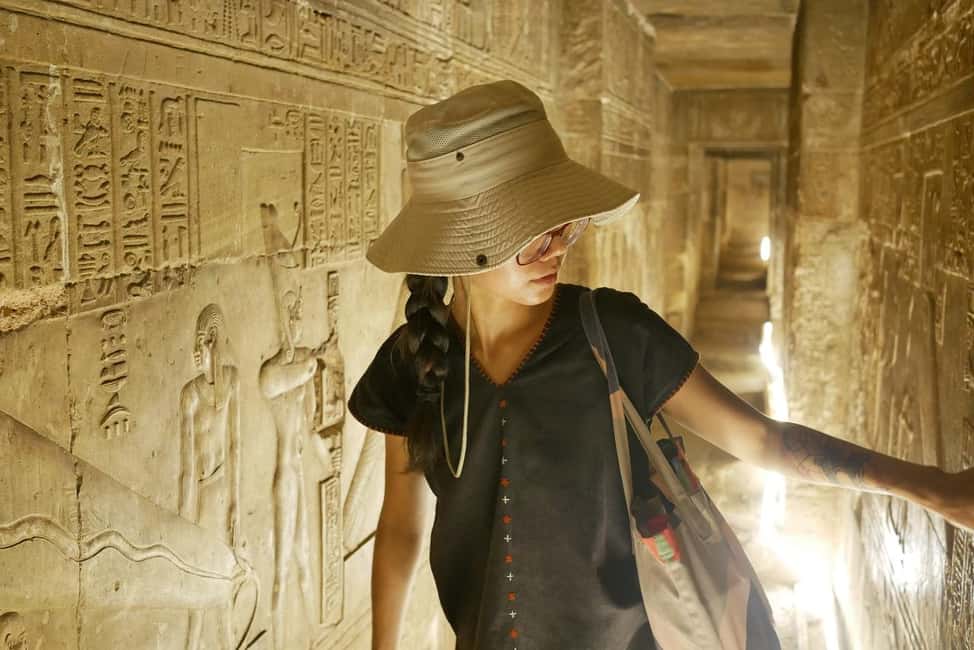
- Karnak sets the tone first: huge column halls and meaningful statue placement get explained before you’re asked to just wander.
- You visit 3 Valley of the Kings tombs: enough variety to make comparisons, not enough to drain your brain.
- Nile lunch is part of the day, not an afterthought: on the river bank at a fine dining spot; drinks there cost extra.
- Private transport keeps you moving: air-conditioned comfort, cool drinks in the vehicle, and less time stuck waiting around.
- Your guide can make or break the day: names like Dia, Aziz, and Ragab show up with praise for detail, humor, and patience (even with kids).
Karnak Temple First: Why Starting in the Largest Column Hall Helps
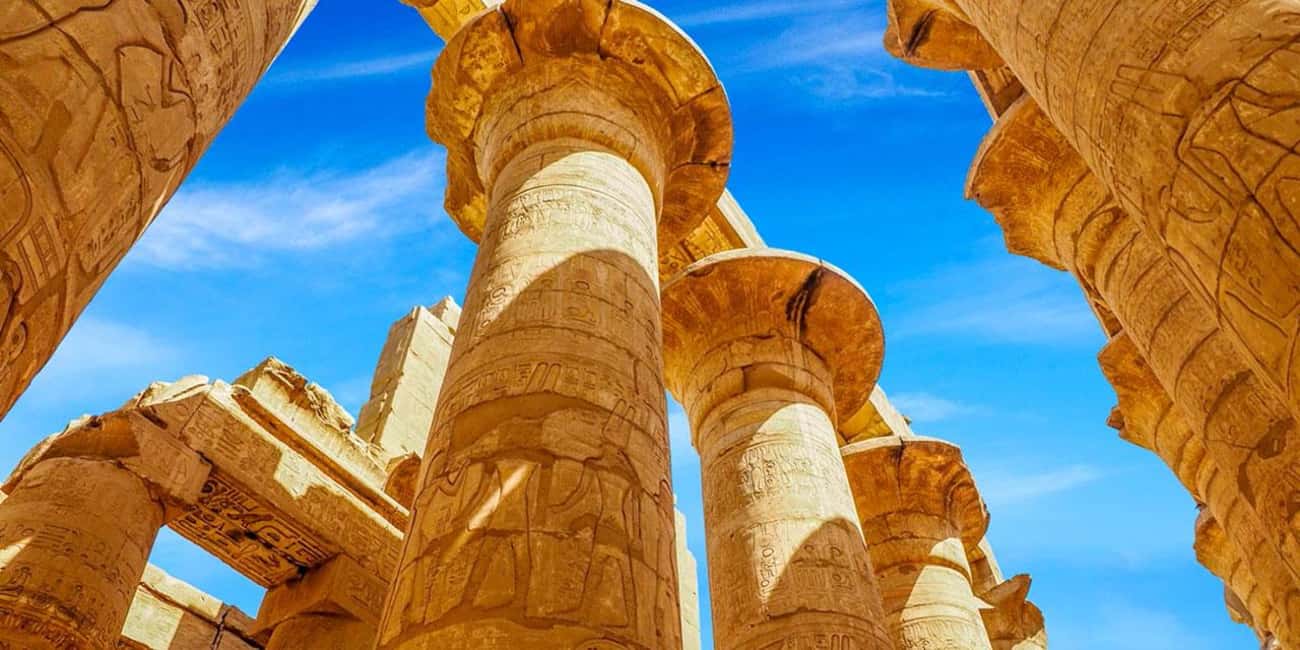
Starting at Karnak is smart because it’s the kind of place that needs context. Karnak isn’t just a collection of temples; it’s a plan. You walk through courts and halls where the architecture, scale, and symbolism all push you toward the same idea: power made visible.
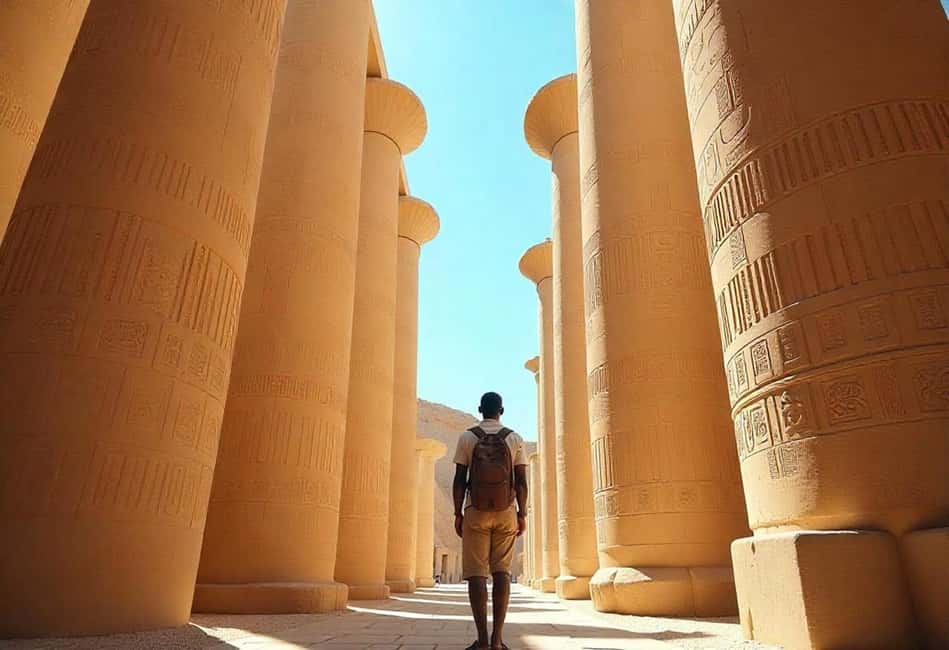
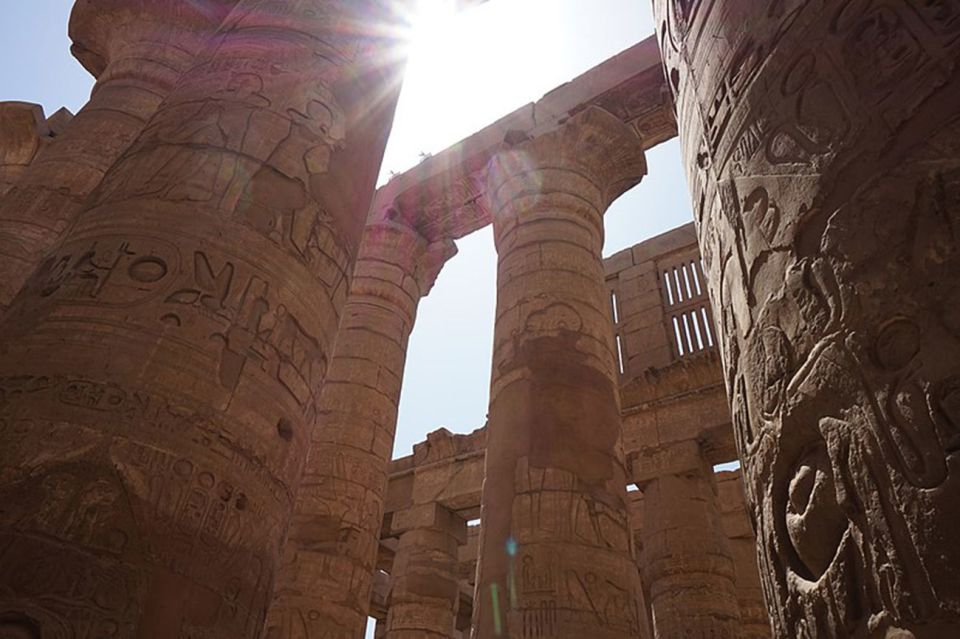
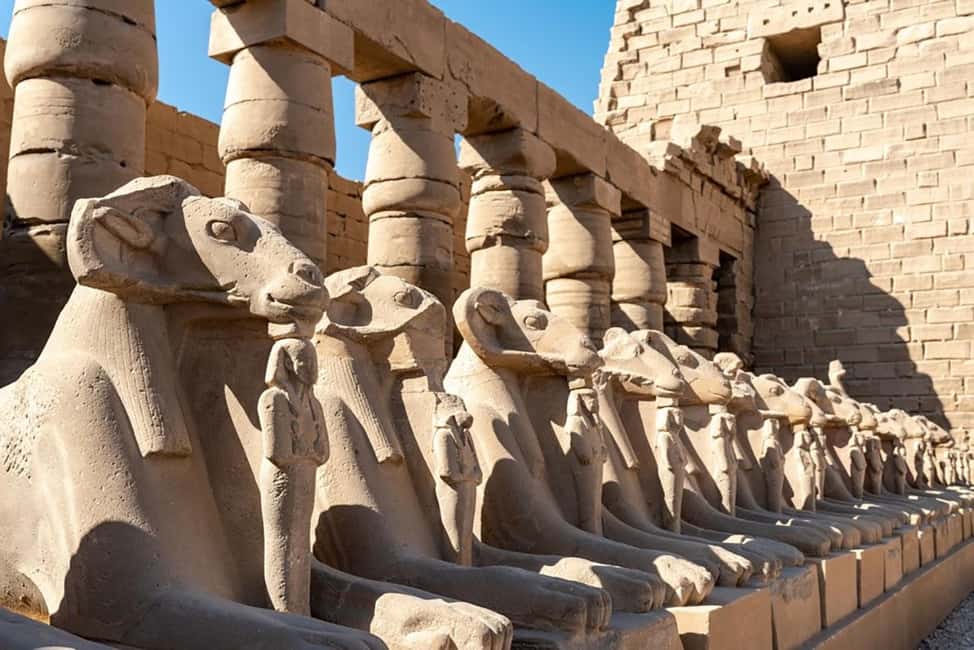
Here’s what I’d focus on during your visit. The tour starts with the sprawling complex and moves through the grounds while your private English-speaking guide explains what you’re seeing. You’ll hear about the significance of statues placed in front of immense lines of pillars—those repeated forms weren’t random decoration. They’re part of how the site communicated meaning.
Also, Karnak is one of those stops where people either rush or slow down. With this format, you can avoid the usual chaos and keep a steady pace. In feedback, this kind of pacing gets praised as especially helpful when you have children in the group, because the guide can adjust and still keep the story going.
If you care about photos, go at a walking pace instead of sprinting. You’ll get better angles on the columns and doorways, and you’ll actually understand why certain viewpoints are framed the way they are. That understanding makes the pictures feel less like “I was there” and more like “I get what I’m looking at.”
You can also read our reviews of more private tours in Marsa Alam
The Nile Lunch Stop: A Proper Break on the River Bank
After Karnak, you get a lunch stop at a fine dining restaurant situated on the banks of the Nile. This matters more than it sounds. A long-distance trip needs a real reset, not a quick snack that leaves you hungry and cranky later.
This lunch is included, but drinks in the restaurant are not. So I’d plan your water and any extras accordingly. If you tend to feel thirsty after walking in heat, remember that the vehicle includes drinks while you’re riding, but restaurant drinks are separate.
You’ll also appreciate that the schedule builds in a pause after a big ancient-site block. Even when the day is packed, this kind of break helps you maintain attention for the tombs later, when the details get more complex and you’ll want your brain fresh.
One practical tip: wear layers you can adjust. Even if the sun is intense outside, you may be moving between shaded areas, restaurant air-conditioning, and then back into open-air sites again.
Colossi of Memnon to the Valley of the Kings: Egypt in Three Real Acts
After lunch, the day shifts from temple scale to monumental relics and then into burial landscapes.
Colossi of Memnon: Two Giant Guardians
The Colossi of Memnon are two tall statues tied to Pharaoh Amenhotep III. You’ll see the figures from the outside as you take in their sheer size—these are “you can’t fake perspective” monuments. The best part is how they act like a bridge between eras. Temples and processions come with plenty of symbolism, but the Colossi hit with pure presence.
This stop is a good time to slow down. Look at how the figures sit in the space around them. Even if you don’t know a lot yet, the scale and posture help you grasp why ancient Egyptians treated these monuments as statements.
Valley of the Kings: Visiting 3 Tombs
Then comes the Valley of the Kings, a series of tombs cut into the surrounding mountains. You’ll visit 3 tombs during your tour.
Three tombs is a smart number for most people. It gives you a comparison: different tomb spaces, different decorative emphasis, and different ways the same culture expressed ideas about the afterlife. It also keeps the day from turning into a blur of sealed rooms and guardrails.
Here’s where a guide earns their pay. In these tombs, the difference between a “cool room” and “wow, I understand the scene” is explanation. Your guide helps connect what’s carved and painted with who built it and why, so you’re not just counting corridors and ceilings.
Practical note: tomb interiors can feel cooler but also tight and dim. Comfortable shoes matter, and it helps to keep your camera movements controlled so you don’t end up blocking other people.
You can also read our reviews of more tours and experiences in Marsa Alam
Temple of Hatshepsut: Desert Cliffs and the Woman-Power Story
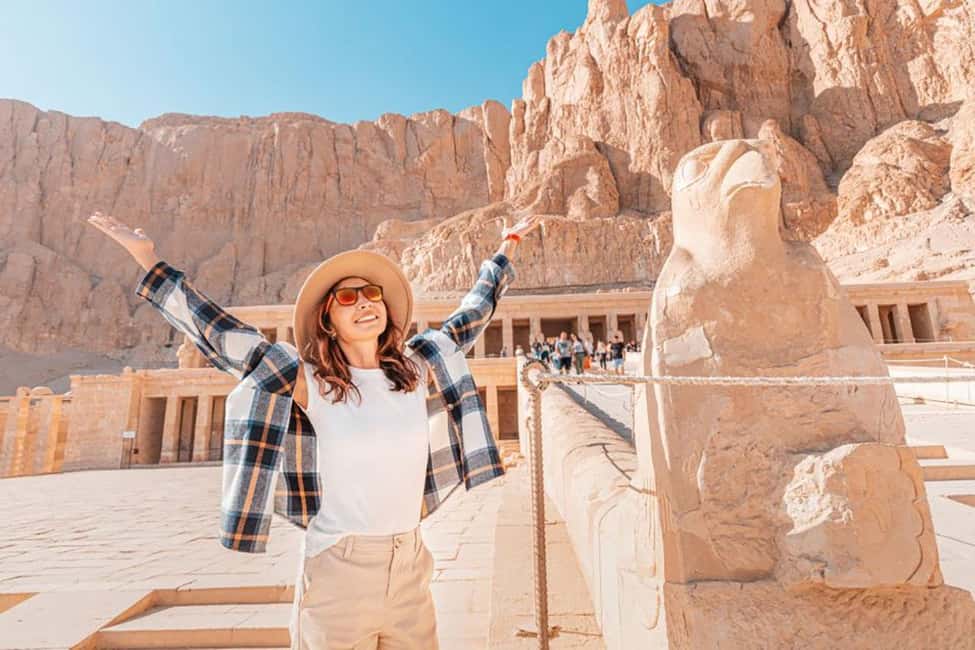
Hatshepsut’s temple is perched against sandstone cliffs, and the whole setting shapes how you experience it. You’re not walking into a flat ruin in a field—you’re entering a designed space that rises from the desert edge.
In this tour, you head there after the Valley tombs, so by then you’ve already seen monumental power and burial beliefs. That makes Hatshepsut’s temple hit differently. It’s not only about architecture; it’s about representation and legitimacy. Your guide connects the temple’s placement and design to the story around Hatshepsut, one of the most significant figures in ancient Egypt.
What I like about finishing with Hatshepsut is pacing. If you did it first, it might compete with Karnak in your mind. Ending here lets the cliffs and terraces land as a separate chapter—something with its own mood and visual logic.
If you like photos, this is also where the site layout helps you. The temple’s setting creates natural frames, and the cliff backdrop makes even basic shots look like you planned them. But don’t ignore the details your guide points out—those little cues make the place feel specific instead of generic.
Private Car Logistics: Comfort, Checkpoints, and the Long-Day Reality
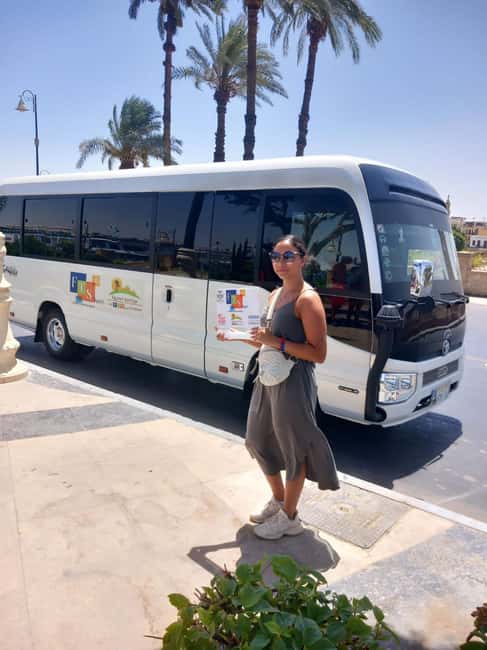
Let’s be honest: the logistics are the heart of this trip.
Expect a long drive, not a quick hop
The route from Marsa Alam to Luxor can be slower than you hope, especially with road flow and many checkpoints (one example route included driving via Safaga). Depending on conditions, the total driving time can stretch past what you might imagine from a map.
So I’d go in with the right mindset. This isn’t a “day trip” in the casual sense. It’s more like an early start, long day, and a late return. One itinerary was described as taking about 19 hours when the schedule ran full length, including early departure.
Pickup timing changes with your hotel
Pickup time depends on your accommodation location, and there can be a delay of up to 10 minutes. After you arrive at your hotel, you’ll send your room number by email so the local partner can confirm your exact pickup time at least one day before the tour.
That means: check your phone and email. Then sleep early the night before, because you may be leaving in the pre-dawn hours.
Comfort details that actually help
Good news: the transport is air-conditioned, and you’ll have drinks in the vehicle. In feedback, people praised blackout curtains for blocking morning light, and fresh water was available on the drive. There’s also a practical suggestion worth stealing: bring or use a small pillow setup (if you can) so you can rest a bit on the road.
Also, your driver situation can shift during the journey—one explanation described that the guide joins in Luxor and another driver joins en route. You don’t need to micromanage this. Just understand that the “team” may change, while your overall itinerary stays the same.
Luggage rules
No luggage or large bags are allowed. Pack light. If you’re traveling with a big suitcase, plan to store it at your hotel and bring only what you need for the day.
What $375 Covers (and How to Judge the Value)
At $375 per person, this isn’t a budget trip. But it is built around convenience and time, and that’s what you’re paying for.
Here’s what’s included:
- All transfers in an air-conditioned vehicle
- Private English-speaking guide
- Drinks while in the vehicle
- Entrance fees for the sights listed
- Lunch
- An FTS scarf if the add-on is selected
Here’s what’s not included:
- Drinks in the restaurant
- Personal expenses
- Felucca ride
So the real value question is: do you want to spend a huge amount of time coordinating buses, tickets, and transfers on your own from Marsa Alam? This private car setup removes a lot of that stress. And because the day is long, the comfort and guide-led pacing matter. You’re not just seeing monuments; you’re getting help interpreting them as you go.
The other value lever is the guide quality. The strongest feedback mentions guides like Dia and Ragab, plus Aziz described as a trained archaeologist, all praised for detailed explanation and patience. When a guide can keep kids engaged or answer tough questions without rushing, it can turn a tiring day into a memorable one.
If you’re the type who loves ancient Egypt and you want the heavy hitters—Karnak, Valley of the Kings tombs, Hatshepsut—then the price starts to make sense as a time-saver plus a “translation layer.”
Who This Tour Fits Best
This works especially well if:
- You want a tight, highlight-focused Luxor day without managing logistics.
- You’re okay with an early start and long driving time.
- You like learning while you walk, not just collecting ruins and moving on.
- You’re traveling with family and want a guide who can adjust pace (feedback includes praise for child-friendly patience).
It may be less ideal if:
- You dislike very long days with lots of riding and checkpoint stops.
- You want lots of free time to wander with zero structure.
- You prefer to do Luxor slowly over multiple days. A single day can feel rushed even when the pacing is good.
Should You Book This Luxor Day Trip from Marsa Alam?
I’d book it if your priority is hitting Luxor’s top monuments with private comfort and real guidance—especially if you’re short on time and don’t want the headache of stitching together transportation and tickets on your own.
I’d hesitate if you’re fragile on long drives, hate early departures, or want a relaxed pace. In that case, Luxor over two days might fit your body and attention span better.
If you do book, pack for the long day: comfortable shoes, sunglasses, and clothes that handle sun and air-conditioning swings. And send your room number after arrival so pickup time is confirmed. That small step reduces stress when you’re dealing with a very early start.
FAQ
FAQ
Is this tour private?
Yes. It’s a private day trip with all transfers handled in an air-conditioned vehicle and a private English-speaking tour guide.
What sights are included?
You’ll visit Karnak Temple, the Colossi of Memnon, the Valley of the Kings (3 tombs), and the Temple of Hatshepsut. Lunch is included between the main site blocks.
How many tombs do you see in the Valley of the Kings?
You’ll visit 3 tombs.
Is lunch included?
Yes. Lunch is included during the day.
Are entrance fees included?
Yes. Entrance fees for the sights mentioned in the itinerary are included.
Are drinks included?
You get drinks while traveling in the vehicle. Drinks in the restaurant are not included.
Is a felucca ride included?
No. A felucca ride is not included.
What languages are available for the tour?
The tour guide languages include English, German, and Arabic.
What should I bring, and is luggage allowed?
Bring your passport or ID card, comfortable shoes, sunglasses, comfortable clothes, and cash. No luggage or large bags are allowed.
Can I cancel for a full refund?
Yes. You can cancel up to 24 hours in advance for a full refund.