REVIEW · CAIRO
Cairo: Giza Pyramids, Memphis, Saqqara Private Tour & Lunch
Book on GetYourGuide →Operated by Best of Egypt Tours & Travel · Bookable on GetYourGuide
Cairo becomes real fast when you see pyramids with a plan. I like the private Egyptologist-style guiding (and yes, names like Sherif and Bebo show up in the reviews for a reason). You’ll also get a route that strings together Giza, Memphis, and Saqqara in one day, so you’re not stuck hopping between half-finished tours.
My favorite part is how the guide helps you slow down at the right moments for photos and context, not just checkboxes. The only real drawback to consider is that the major site entry fees are not included, so expect a bit of extra spending once you’re on the ground—and the day is long.
In This Review
- Key highlights you’ll actually feel
- A 7-hour Pyramid-Day That Hits Giza, Memphis, and Saqqara
- Great Pyramid of Giza: timing, viewpoints, and what entry fees change
- Memphis (Inebu-hedj): the capital city stop that adds perspective
- Saqqara and Djoser’s Step Pyramid: where monumental stone begins
- Lunch at the end (and how to fit it into your day)
- How a private guide makes the difference at Giza
- Price and logistics: why $42 can be good value, with one big caveat
- Who this Cairo, Giza, Memphis, and Saqqara tour suits best
- Should you book this private Giza, Memphis, and Saqqara day?
- FAQ
- What time does the pickup happen?
- Is the Great Pyramid of Giza and Sphinx visit included?
- Are entry fees included in the tour price?
- What’s included with lunch?
- Can lunch be taken earlier than the end of the tour?
- What languages are available for the guide?
Key highlights you’ll actually feel
- Early 8:00 AM hotel pickup so you start before the worst crowds and heat kick in
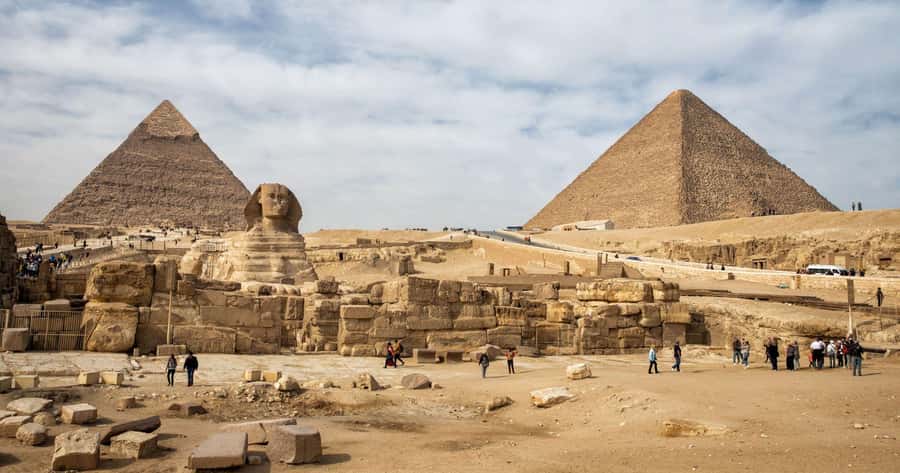
- Giza photo strategy: best viewpoints and time on the Plateau, plus exterior Sphinx viewing
- Memphis context in plain language at the ancient capital site of Inebu-hedj
- Saqqara’s Step Pyramid of Djoser: Third Dynasty and often less crowded than Giza
- Lunch included at the end (but you can usually ask to shift it earlier)
- Private guide flexibility: pace and photo stops often adjust to your style
A 7-hour Pyramid-Day That Hits Giza, Memphis, and Saqqara
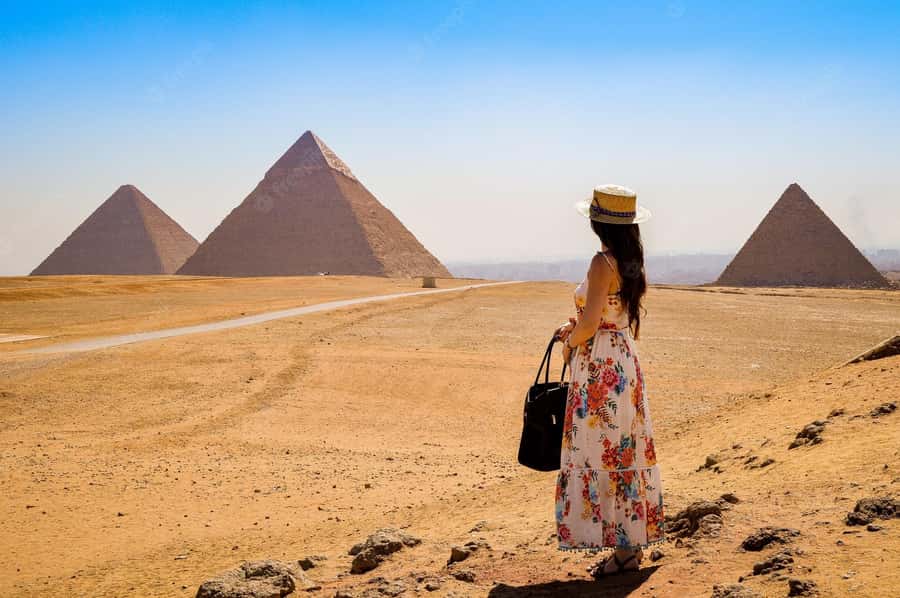
This is built as a classic Cairo opener: one morning start, three major ancient stops, and lunch wrapping up the experience. Pickup is at 8:00 AM from your hotel in Giza or Cairo, and you’ll return afterward with drop-off included.
The itinerary makes sense because each site answers a different question. Giza is about the era of the pharaohs and the biggest pyramid building in the world. Memphis gives you the political and everyday city layer—where rulers lived and administration happened. Saqqara adds the older foundation, where tomb traditions matured and the Step Pyramid of Djoser shows up like a starting gun for monumental stone building.
A private format matters here. A shared group tour can feel like a conveyor belt. With a private guide, you can ask for what you care about: camera spots, explanations that fit your level, or extra time when something visually clicks. Many reviews specifically praise how guides like Magdy, Hussam, Doha, and Amira (and drivers too) kept things smooth and un-rushed where it counts.
You can also read our reviews of more private tours in Cairo



Great Pyramid of Giza: timing, viewpoints, and what entry fees change
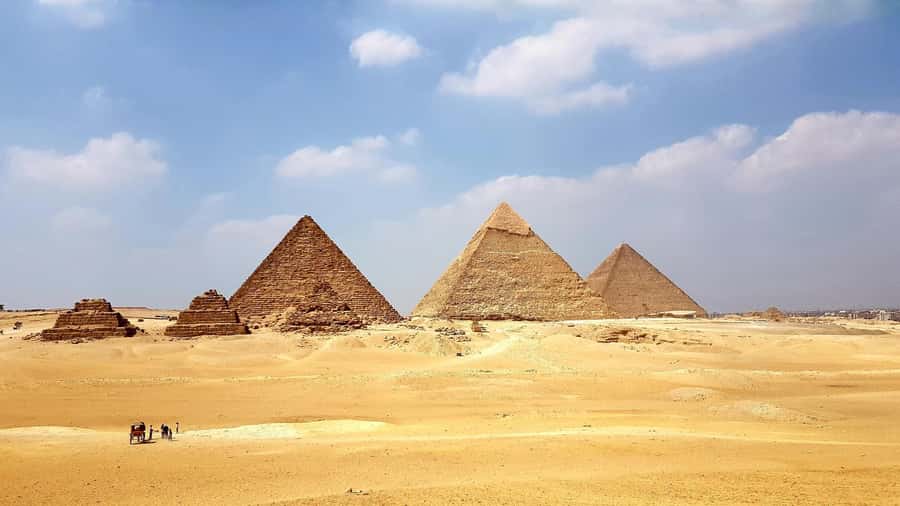
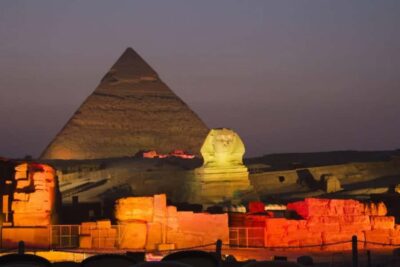
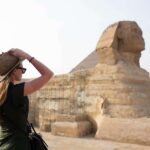
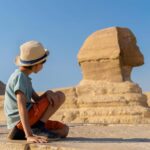
Giza is the headline, and the tour doesn’t hide it. Your first major monument is the Great Pyramid of Giza, the largest of the pyramids, at about 146.6 meters (481 ft) high. You’ll also see the Great Sphinx area from the outside.
Here’s the practical bit: entry fees for the pyramids/temples are not included, so the tour is strongest for exterior viewing and guided context rather than for going inside monuments. Some versions of this kind of day are priced higher because interior access costs extra. If going inside is your must-do, double-check what’s included for your specific booking and plan for additional ticketing.
That said, exterior time is not a downgrade—it can actually be the best value. You get the full scale without the pressure of fighting timed entry windows. Plus, guides in the real world are often the difference-maker for photos. Reviews repeatedly highlight guides steering guests toward great angles and photo spots. If you want images that look like the famous Giza posters but also feel like you were standing there yourself, that guidance is worth its weight.
Also, keep your expectations simple. You’ll see the Sphinx area from outside, not as a close-up behind-the-scenes experience. The win here is the overall flow: you cover Giza properly, then keep moving toward Memphis and Saqqara instead of staying stuck in one overcrowded zone all day.
Memphis (Inebu-hedj): the capital city stop that adds perspective
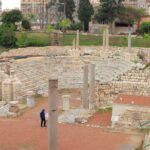
Memphis is where the pyramids stop being just monuments and start being part of a living system. The ancient city was known as Inebu-hedj, and the tour takes you to the site where you can still spot remains and ruined structures.
What I like about this stop is that it breaks the “pyramid-only” mindset. Even if your focus is architecture, Memphis helps you understand why these monuments mattered. It was a capital city—administration, craftsmanship, and power all tied together. Seeing ruins in an open-air setting also makes the history feel grounded. You’re not just looking at one famous object; you’re looking at a place where people organized their lives.
Your guide will connect the dots. In multiple reviews, people call out how guides kept things clear and helpful, and how they used the time to explain what you’re looking at. If you’ve ever wondered why the pyramids are so tied to the culture of their time, this stop helps answer it without drowning you in academic jargon.
One more practical note: Memphis is often a more relaxed break compared with the Giza rush. You still get stops and explanations, but it tends to feel easier to breathe and take photos without feeling like you’re always being herded.
Saqqara and Djoser’s Step Pyramid: where monumental stone begins
Saqqara is the “older story” counterweight to Giza. The tour includes Saqqara village and its famous ancient burial grounds, then focuses on the Step Pyramid of Djoser.
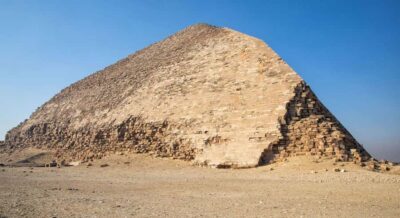
This is the standout if you like early phases of Egyptian monument building. The Step Pyramid belongs to the Third Dynasty and is described as the oldest large stone structure in Egypt. That’s a big deal. It means you’re not just looking at a finished peak of pyramid engineering. You’re looking at an origin point—the moment monumental stone becomes the language of power and burial.
Many people find Saqqara easier to enjoy than Giza because it can feel less crowded. Reviews mention that Saqqara was super cool and less crowded than Keops, which is exactly the kind of difference that changes your experience. When a site is less chaotic, your guide can slow down and help you notice details instead of rushing you along.
As with Giza, site entry fees aren’t included, so if you’re planning on any inside access or special areas, you’ll likely pay those separately on the day. Still, exterior access to the main complex and the guided overview are enough to make Saqqara feel like more than a detour.
Lunch at the end (and how to fit it into your day)
Lunch is included, and it usually lands at the end of the tour. That timing works well because you’re dealing with physical movement and big-sun walking across multiple locations.
One smart flexibility point: the tour notes that you can ask your guide to have lunch at any time you want. If you’re sensitive to heat, want a mid-day break, or you simply prefer to eat earlier to keep your energy up, ask. A good guide will adjust without making it feel like the whole schedule collapses.
What does the lunch actually feel like? Reviews describe it as a generous local buffet and also mention good quality. One review even called out lunch with a rooftop view of the pyramids, which is the kind of “Egypt payoff” moment you hope for after hours of sightseeing.
Bottom line: the included meal isn’t just a checkbox. It’s a reset button that helps you finish the day strong instead of running on museum snacks.
You can also read our reviews of more tours and experiences in Cairo

How a private guide makes the difference at Giza
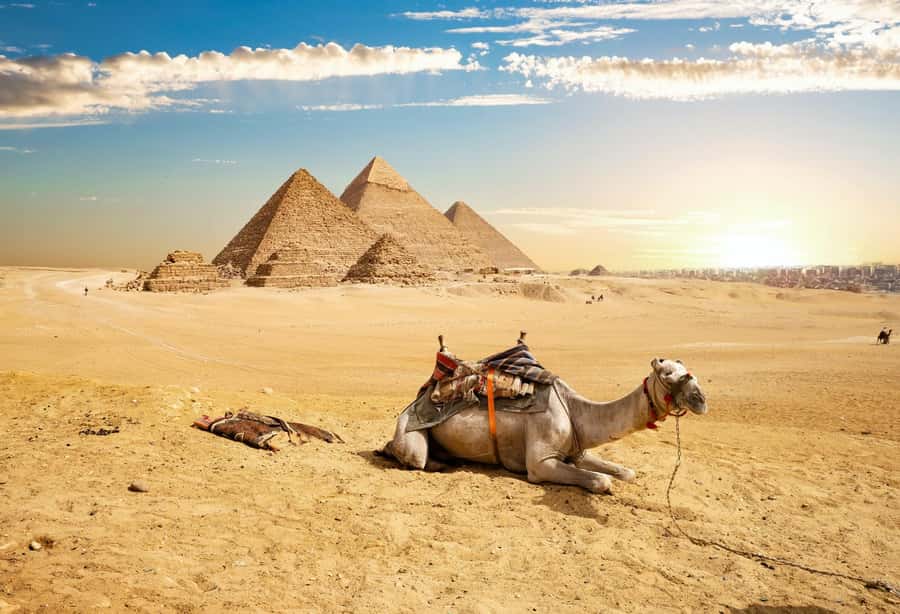
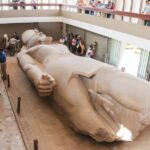
Giza is where the wrong kind of attention can become a problem. The tour’s value isn’t just that someone drives you between sites. It’s the person who manages the human side of the day.
In reviews, guides like Sherif, Magdy, Doha, Hazem, Nora, and others get praised for things that matter in real life:
- taking guests to better viewpoints
- providing clear explanations at a comfortable pace
- allowing time to explore and take photos without constant rushing
- helping guests feel safe and welcome
There’s also a repeat theme: guides who know how to handle the day can reduce hassle. One review explicitly warns that scams happen around the pyramids and recommends booking a guide for that reason. Even if you’re confident, it’s still smart to have a professional between you and the chaos.
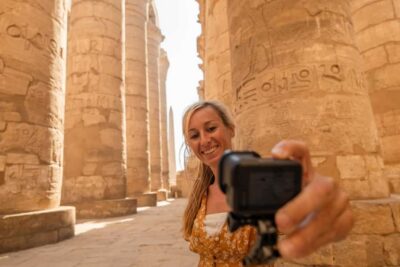
Private guiding also means your camera strategy can actually work. People mention guides taking photos for them and guiding them to angles that make the pyramids look as massive as they do in real life, not flattened like a selfie stick can manage.
And yes, drivers matter too. Reviews mention punctual, helpful drivers and cars with AC. That’s not glamorous, but in Cairo heat it’s the difference between finishing the day smiling or finishing it regretting your choices.
Price and logistics: why $42 can be good value, with one big caveat
At $42 per person for a 7-hour private tour, this can be good value—mainly because you’re getting a package that includes:
- hotel pickup and drop-off
- a professional English-speaking guide (and language options for other speakers)
- car transportation
- lunch
The big caveat is that entry fees are not included. That means your total day cost may rise depending on exactly what you want to access and what tickets are required at Giza, Memphis, and Saqqara.
So how do you judge value fairly? Ask yourself this: would you hire a guide anyway? If you want someone to explain what you’re seeing, help you avoid common hassles, and guide photo timing, then the included guide plus transport is the value engine. If you’d mostly wander on your own, then the price advantage shrinks.
One more practical detail: the tour offers live guides in Arabic, English, French, German, and Spanish. If language matters for understanding the monuments and history, pick the guide language that makes the explanations comfortable for you.
Who this Cairo, Giza, Memphis, and Saqqara tour suits best
This works especially well if you’re:
- visiting Cairo for the first time and want a tight ancient overview
- keen on pyramids but also want the city context (Memphis) and earlier developments (Saqqara)
- traveling solo and want the reassurance of a private setup
- short on time and don’t want to stitch together separate day trips
It may be less ideal if you strongly care about visiting specific interior spaces at Giza and don’t want any extra ticketing. Since pyramid and temple entry fees are not included, you’ll likely pay for any interior access yourself.
It’s also best for people who like a guided day with photo breaks and explanations, not a totally free-form roaming day. The private nature helps you adjust within reason, but the structure is still there.
Should you book this private Giza, Memphis, and Saqqara day?
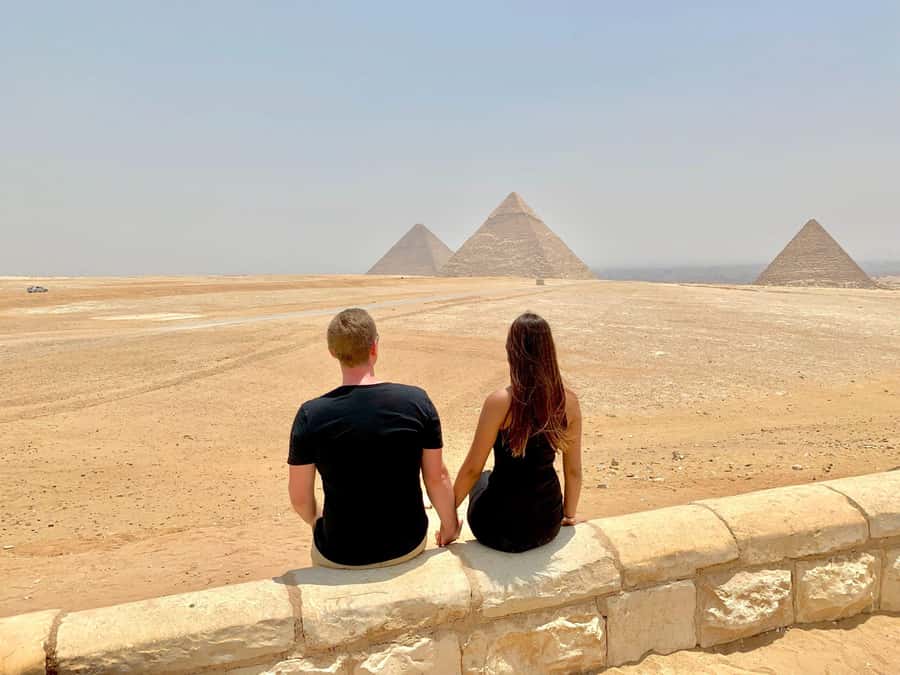
If you want one organized, high-impact day that hits the major monuments without turning your schedule into a logistical puzzle, I’d say yes—especially if you’re happy to pay separate entry fees for the sites. The combination of private guiding, transport, and included lunch is a solid deal for many first-timers.
Before you book, do two quick checks:
- Confirm what entry access you personally want at Giza and whether you’ll need to buy additional tickets on top of the tour price.
- Choose your guide language so the explanations land well—this is the sort of tour where comprehension genuinely improves the photos and the meaning.
If those two things line up, this is the kind of Cairo day that leaves you with more than just famous views. You walk away with a clearer sense of how the ancient world connected pyramids, cities, and burial traditions across generations.
FAQ
What time does the pickup happen?
Pickup is included from your accommodation at 8:00 AM.
Is the Great Pyramid of Giza and Sphinx visit included?
You’ll visit the Great Pyramid of Giza and view the Great Sphinx from the exterior. Entry fees for sites are not included, so interior access may require extra payment.
Are entry fees included in the tour price?
No. Entry fees to the temples (and the sites) are not included, and you’ll need to pay them separately.
What’s included with lunch?
Lunch is included at the end of the tour. Reviews describe it as a generous local buffet, and it’s part of the package.
Can lunch be taken earlier than the end of the tour?
Yes. The tour notes that you may ask your guide to have lunch at any time you want.
What languages are available for the guide?
Live tour guides are available in Arabic, English, French, German, and Spanish.