REVIEW · CAIRO
Cairo: Private Luxor Day Tour with Entrance fees by Flights
Book on GetYourGuide →Operated by Nice Tours · Bookable on GetYourGuide
Luxor in one long day beats the usual logistics. This private day tour pairs a quick flight from Cairo with guided stops on both the West Bank and East Bank, then eases you back with a felucca ride on the Nile.
What I like most is how much you actually get for the price. You’re not just buying monuments—you’re buying round-trip flights, entrance fees, lunch, and private air-conditioned transfers with a guide who keeps the story clear from tomb walls to temple columns.
The one real trade-off is the schedule. It’s a long, early day and the heat can be intense, so you’ll want to plan for stamina and hydration.
In This Review
- Key Points at a Glance
- Flying Cairo to Luxor: Why This Trip Works
- Door-to-Door Transfers and the Early Morning Reality
- Valley of the Kings: Tomb Choices and How to Make It Count
- Hatshepsut’s Mortuary Temple: Terraces That Read Like a Story
- Medinet Habu and the Colossi of Memnon: Desert Scale and Royal Power
- Lunch Reset and the Felucca Ride on the Nile
- Karnak Temple: Amun, Mut, and Khonsu in One Giant Planet-Scale Complex
- Luxor Temple: Amenhotep III, Finished by Ramses II
- Price and Value at $410 Per Person
- Practical Tips to Enjoy It Without Burning Out
- Should You Book This Cairo-to-Luxor Private Day Tour?
- FAQ
- What’s included for the flights?
- How long is the full tour?
- Are entrance fees included?
- Is lunch included?
- Do I get a guide, and what languages are available?
- Is transportation private and air-conditioned?
- What time does pickup happen?
- Is the felucca ride included?
- What do I need to provide after booking?
- Can I cancel and get a full refund?
Key Points at a Glance
- Flights included: one hour each way, which makes a true day trip possible.
- Private guide and car: you move on your own pace, not with random group shuffling.
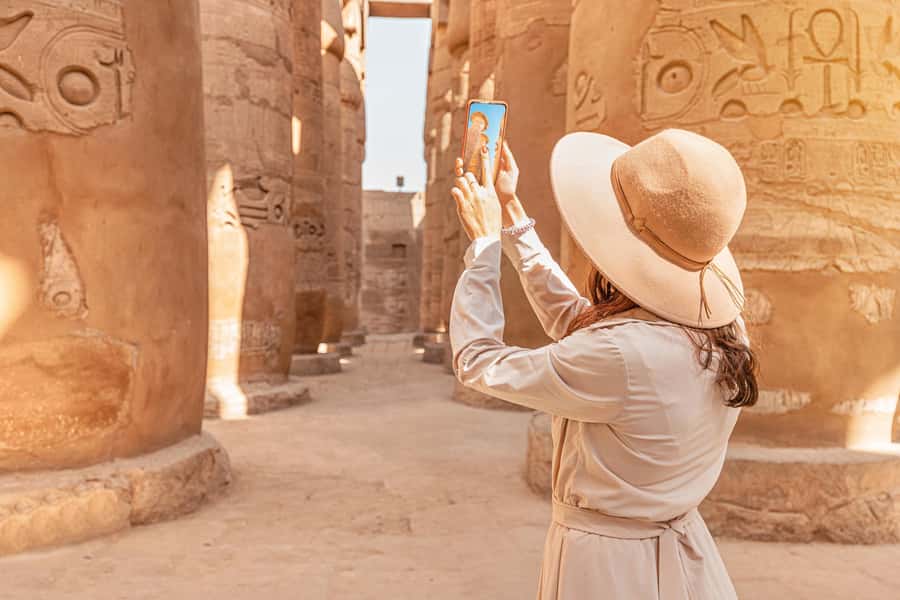
- Full Luxor highlights: Valley of the Kings, Hatshepsut, Karnak, and Luxor Temple in one pass.
- West Bank to East Bank flow: tombs first, then temples, then a calm Nile boat break.
- Heat-aware breaks: lunch time and the boat ride help reset your energy.
Flying Cairo to Luxor: Why This Trip Works
This tour is built around one clever idea: you’re not spending your day in transit. The flights are one hour each way, so you wake up early, fly to Luxor, and still have enough time to hit the major monuments that usually require more than a day.
That means your itinerary makes sense. You start on the West Bank with tombs and mortuary temples, then you shift to the East Bank for the big temple complexes. In most places, you’d need at least an overnight to do that without rushing. Here, the flight does the heavy lifting.
It’s also worth noting the tour is private. That matters in Luxor, where sites can feel “fast” if you’re stuck with a large group. With a private guide, you can ask questions, take photos without being sprinted away, and choose when you want to slow down. Several guides in this program are praised for keeping a good balance between explaining and letting you look.
Just be ready for the day to feel long in real life. Even when the plan is efficient, Luxor is outdoors, and you’ll be out walking and climbing between stops.
You can also read our reviews of more private tours in Cairo



Door-to-Door Transfers and the Early Morning Reality
Pickup is from your hotel in Cairo or Giza, typically around 6:00 A.M. But don’t be surprised if your actual pickup is earlier depending on your flight timing (some departures are reported as very early, including pre-dawn starts).
You travel in a private air-conditioned vehicle, which is a big deal in Egypt. The drive to the airport is part of the experience—just keep it practical: cool clothes for the car help, and then expect to switch to light breathable layers once you’re outside.
When you land in Luxor, your delegate is waiting for you with the company sign. That removes a lot of stress that usually comes with airport logistics. After that, the day becomes a sequence of guide-led visits: tombs, temples, lunch, then boat, then more temples, then the return flight.
The return part is simple on paper, but again, timing matters. Your guide and driver get you to Luxor International Airport in time for the one-hour flight back to Cairo, and your Cairo transfer is waiting when you arrive.
If you’re the kind of traveler who hates being rushed, this is actually a good fit—private tours often give you breathing room. Still, you should go in with open eyes: this isn’t a slow afternoon in Luxor. It’s a full day with real walking and real heat.
Valley of the Kings: Tomb Choices and How to Make It Count
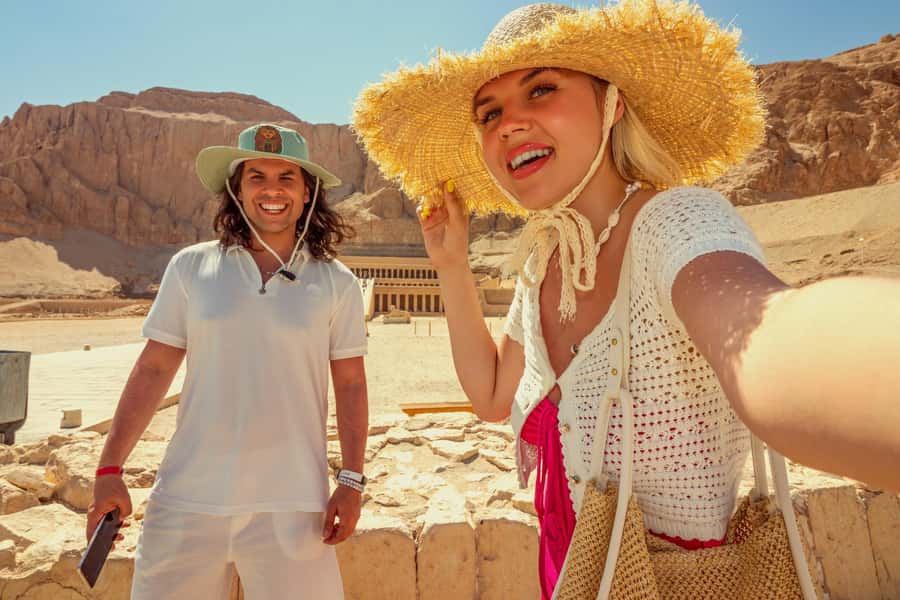
The West Bank begins with the Valley of the Kings, also known as the Valley of the Gates of the Kings. This is the place where rock-cut tombs were excavated for pharaohs and powerful nobles of the New Kingdom era—centuries of excavation carved into desert walls.
Here’s what makes this stop special: you’re not looking at one building. You’re seeing a burial landscape. The guide’s job is to give you the map in your head so the walls don’t just become pretty carvings. When you understand why a tomb’s layout matters, your eyes change.
In a one-day format, you also have to think strategically about tomb selection. Some guides are praised for giving clear advice on which tombs to prioritize. Ask your guide for recommendations based on what you want most—grand royal burials, standout murals, or a quick overview that still feels meaningful.
Also, take photos like you mean it. The Valley is photogenic, but it’s not a theme park where everything is flat and easy. You’ll be walking on uneven ground and moving between viewpoints. Good shoes help more than you’d think.
A practical caution: this site can feel intense if you try to see everything at once. With a private tour, you can set a realistic goal: choose the most important tombs for you, enjoy the walking between them, and don’t treat it like a checklist.
Hatshepsut’s Mortuary Temple: Terraces That Read Like a Story
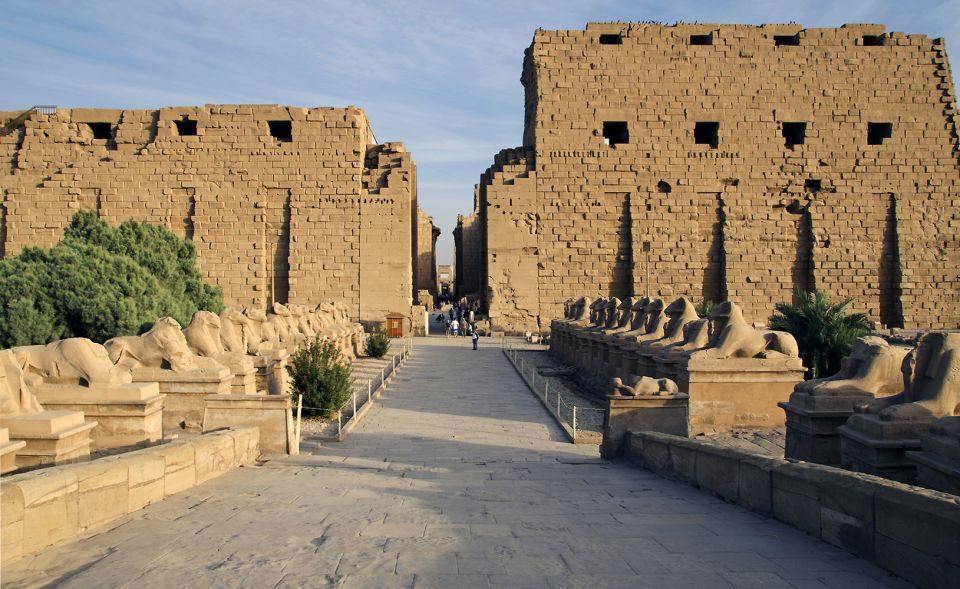
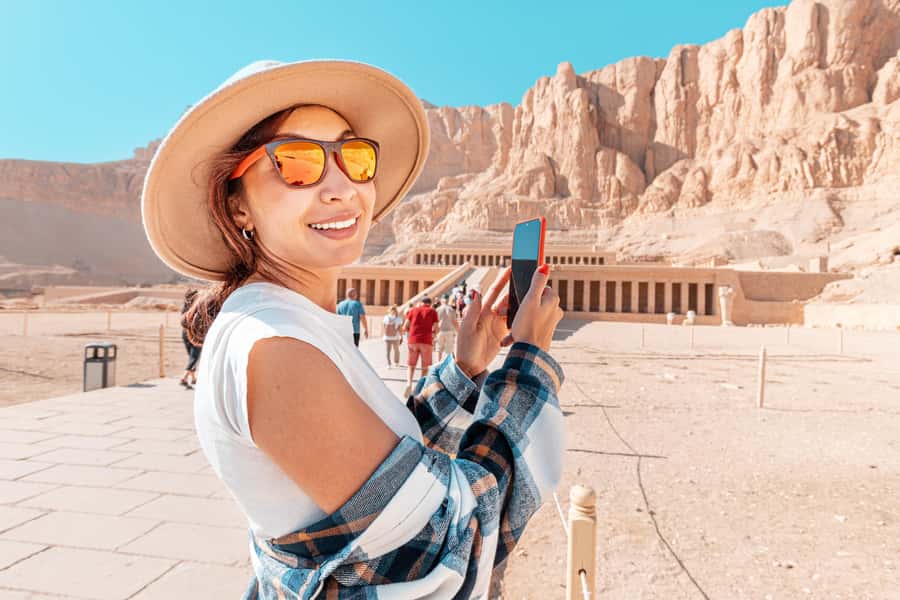
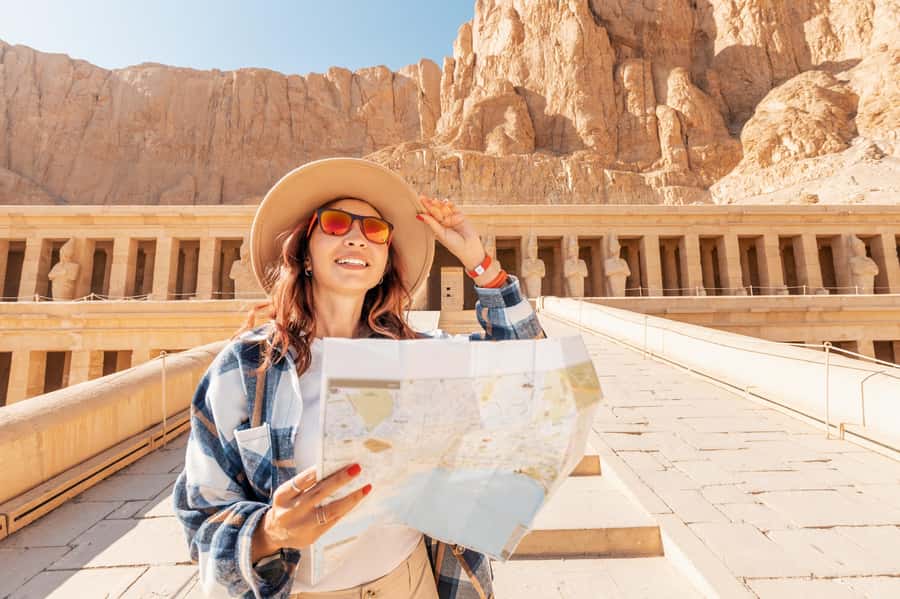
Next comes the Mortuary Temple of Queen Hatshepsut. You’ll see it opposite the city of Luxor at Deir el-Bahari, and the standout feature is visual: three massive terraces rising above the desert floor and into the cliffs.
This temple works because it’s more than architecture. It’s a statement in stone—part propaganda, part tribute, part royal legacy. When a good guide walks you through the setting and the reason the temple is designed this way, you start noticing the structure as meaning.
You’ll also get context about who Hatshepsut was and how her reign shaped what visitors see here today. The tour includes guided time, so you’re not just staring at walls; you’re learning how the temple functions as a mortuary site and as a monument meant to last.
Drawback? The terraces require steady walking and shifting viewpoints. If you’re traveling with limited mobility or you hate steps, this can feel tiring. Most people handle it fine, but it’s still a physical stop, not a quick photo-and-go.
If you’re curious about gender and power in ancient Egypt, this is one of the best places in Luxor to ask questions—your guide should be able to explain the symbolism and why this temple looks the way it does.
Medinet Habu and the Colossi of Memnon: Desert Scale and Royal Power
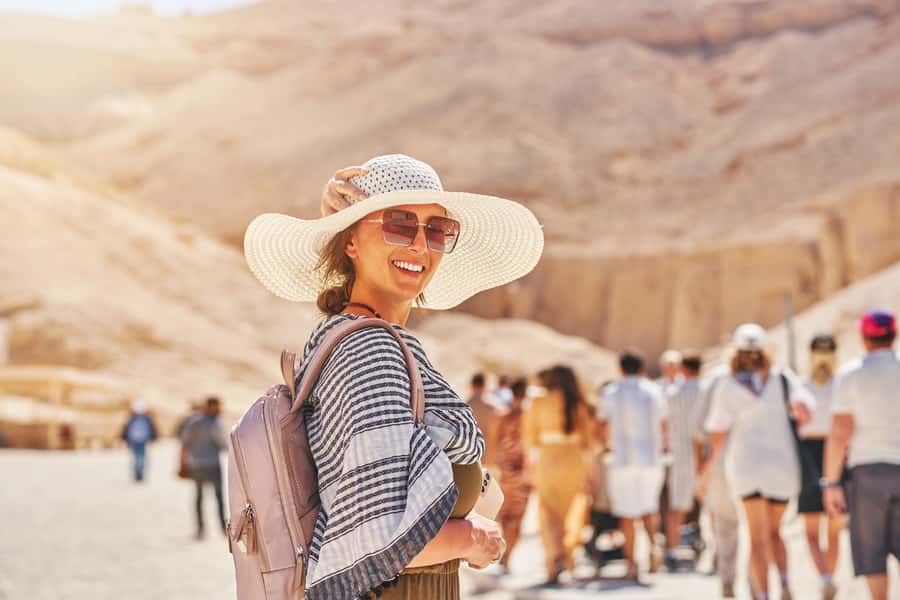
After Hatshepsut, you’ll move to Medinet Habu, where you’ll find the burial temple of Ramses III. The details here are striking: the entrance is described as 63 meters wide and 22 meters tall, and the temple includes a representation of the pharaoh punishing prisoners.
This stop gives you a different flavor than the Valley of the Kings. Instead of tombs carved for the afterlife, you’re looking at a temple designed for public religious life and royal power expressed in stone.
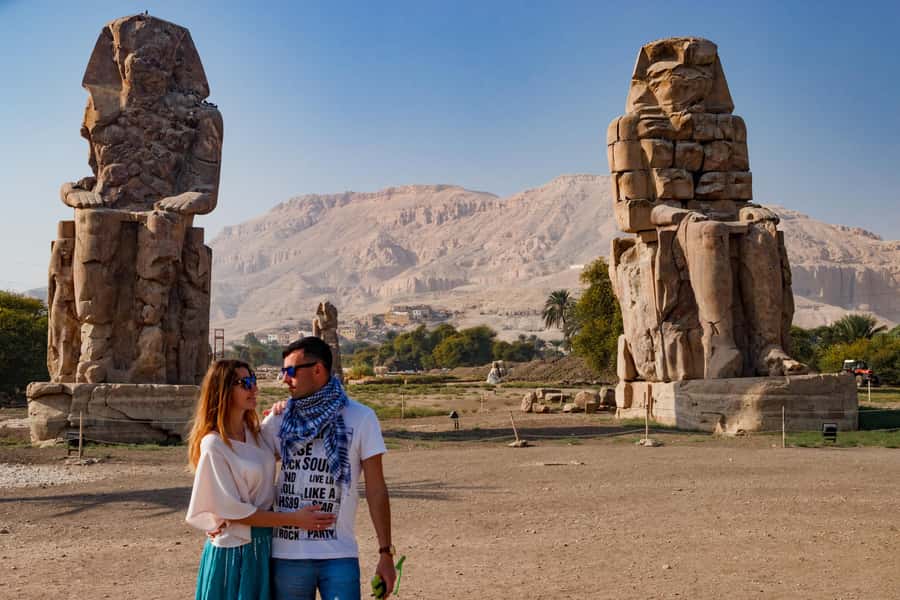
Then you’ll reach the Colossi of Memnon, where you can see the mortuary temple of Amenhotep III at this site. The famous statues are a classic “wow” moment, especially when you realize they’re tied to a larger complex rather than just two isolated figures.
These two stops together help you understand something important about Luxor: it’s not only about one dynasty or one monument. It’s about layers of royal ambition across centuries. A good guide ties those layers together so the day doesn’t feel like separate photo stops.
One practical note: the ground and lighting can be harsh. Shade can be limited. Bring sunscreen and plan to reapply. The tour includes a lot of exterior time, and you’ll feel it by midday.



Lunch Reset and the Felucca Ride on the Nile
Lunch is included at a local restaurant in Luxor. This is more than fuel. It’s your reset point, the moment you cool down, eat something Egyptian, and stop rushing through sites back-to-back.
In many tours, lunch can feel like an afterthought. Here, you get a proper meal pause, and several people describe it as a delicious traditional Egyptian lunch. That matters because if you’re going to spend the rest of the day walking temples, you need energy and you need a break from the sun.
Then comes the Nile felucca ride. This part is a mental palate cleanser. After tombs and temples, you get open water, sky, and quiet. The tour includes the boat ride and even includes a drink as you sail and soak up the scenery.
You can think of this felucca moment as the emotional rhythm shift. It turns the day from “look fast” into “slow down and breathe.” Even if you’re moving quickly overall, this stop helps the experience feel complete rather than exhausting.
Tip: use the boat for a pause in photos. Let your eyes rest, then take a few shots when the light and angle are good. If your guide offers time, it’s worth standing back and letting the scene settle before you start clicking again.
Karnak Temple: Amun, Mut, and Khonsu in One Giant Planet-Scale Complex
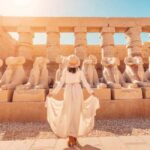
Karnak Temple is where Luxor’s scale hits you. This stop is dedicated to Amun, with Mut and their son Khonsu. Karnak isn’t one temple you visit and move on from. It’s a complex that stretches, layers, and grows in your perception the more you look.
That’s why the guided part matters. Without context, Karnak can feel like a maze of walls. With the right explanation, you start seeing patterns: religious roles, royal dedications, and how each area fits into the larger system of worship.
Karnak is also a place where you can ask practical questions. If you want the main highlights first, say so. If you prefer details and fewer crowds, ask what to prioritize. Private format helps here more than at almost any other stop.
Heat can also be a factor at Karnak, since you’ll be exposed to sun between sections. This is one reason earlier days—before the hottest hours—are often better. But even with early timing, plan to hydrate and take short breaks when your guide suggests them.
Overall, Karnak is a must. It’s one of those sites where you understand why people call Egypt awe-inspiring, even if you usually don’t fall for dramatic words.
Luxor Temple: Amenhotep III, Finished by Ramses II
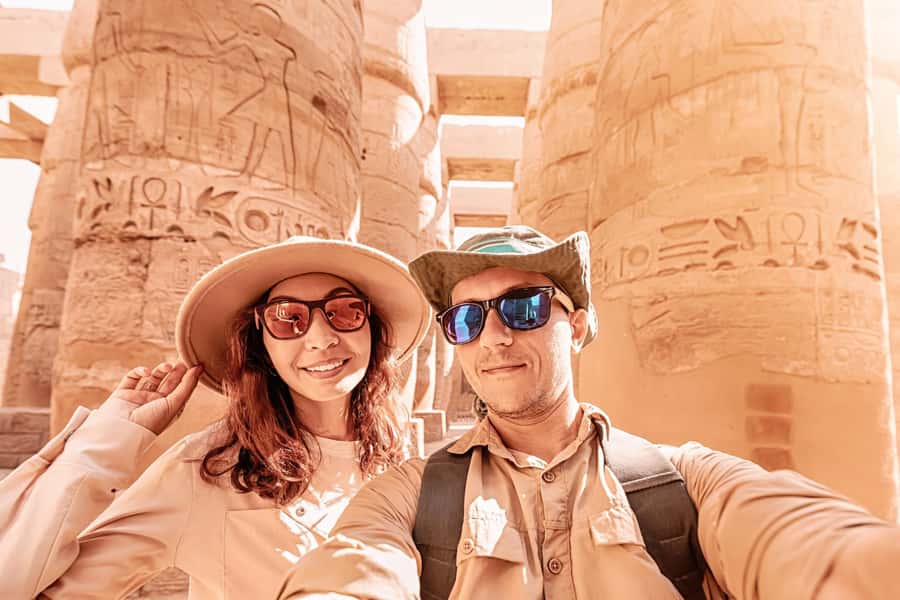
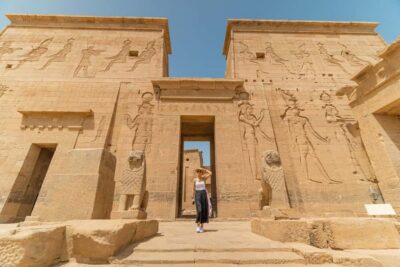
After Karnak, you’ll visit Luxor Temple. This temple was built by Amenhotep III in the 18th Dynasty and completed by Ramses II, which gives you a neat storyline across reigns.
Luxor Temple is often experienced differently than the Valley and the mortuary temples. It feels more like a living stage for religion and ceremony, not just a graveyard of stone. The guide’s explanations help you understand the temple’s role and why it’s placed where it is.
One plus of the day’s structure is contrast. You leave Karnak’s sprawling complexity and then focus on Luxor Temple as a more concentrated set of features. That makes it easier to absorb.
Also, because your tour includes entrance fees to the historical sites, you’re not dealing with ticket hassles mid-day. Everything is handled so you can spend your energy where it belongs: looking, listening, asking, and walking.
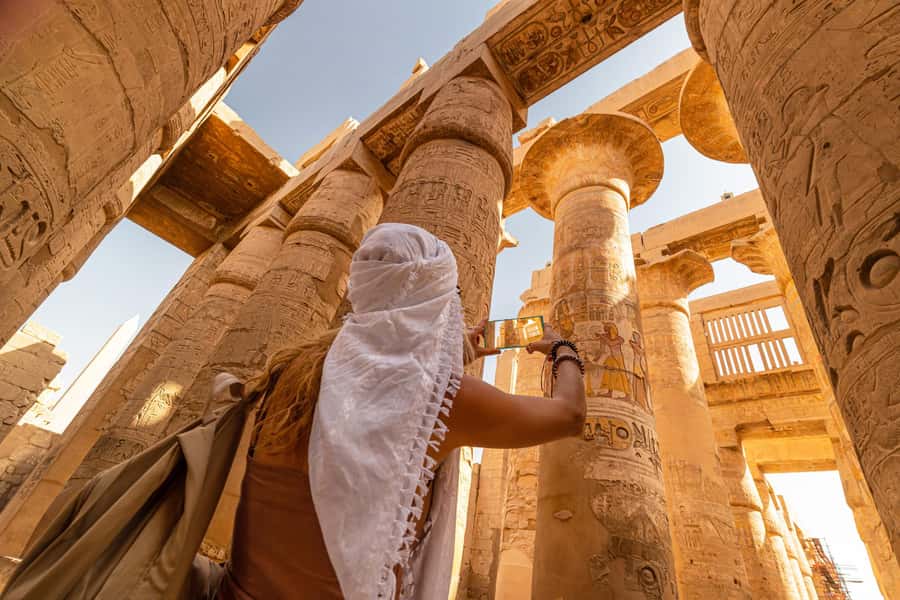
If you’re into photography, Luxor Temple tends to provide good angles around columns and facades. Just keep it realistic: you’re still on a tight day, so take the photos you care about and enjoy the rest with your own eyes first.
Price and Value at $410 Per Person
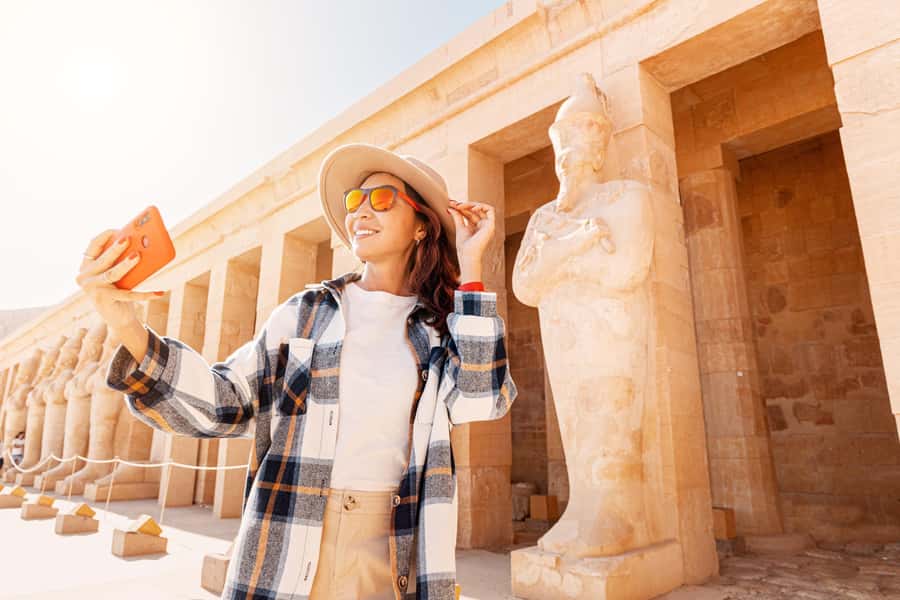
At $410 per person, this is not a budget excursion. But the price makes more sense when you break down what’s included.
You’re paying for:
- Round-trip flights between Cairo and Luxor
- Private air-conditioned transfers from door to door
- A professional English guide (with other language options available)
- Entrance fees for the historical sites
- Lunch in Luxor
- A felucca ride
- Service charges, taxes, and handling fees
That bundle is the heart of the value. Luxor isn’t cheap once you start stacking flights, guides, tickets, and transportation. This tour wraps those costs together, and the day becomes predictable.
So who gets the best deal? People with limited time in Egypt—especially if you’re based in Cairo or Giza and you don’t want to lose a full day to overland travel. It also suits solo travelers who want guidance and pacing without group pressure.
If you already have a strong Egyptology plan and you love DIY logistics, you might find cheaper options. But if you want the main sites in one day with minimal friction, this is a fair price for a complex route.
Practical Tips to Enjoy It Without Burning Out
This day is long. I’d plan for heat, walking, and a steady pace even when the tour feels “at your rhythm.”
A few practical moves:
- Bring sunscreen, a hat, and water habits you can keep up with. People note heat in the high 40s in hotter months.
- Wear comfortable shoes with grip. Valley floors and temple steps don’t forgive flimsy footwear.
- Use your guide time wisely. Ask which tomb to prioritize in the Valley and which temple areas to focus on if you have photo goals.
- If you care about timing, say it early. Private guides can adjust how you move—some are praised for pacing that avoids rushing.
- Keep an eye on comfort logistics. Some travelers report water was available but not always immediately in the car, so if you’re heat-sensitive, ask your driver/guide for water early.
One more sanity saver: treat lunch and the Nile boat ride as “checkpoints,” not just breaks. If you reset your energy there, the afternoon feels far more enjoyable.
Should You Book This Cairo-to-Luxor Private Day Tour?
Yes—if you want Luxor’s biggest hits and you’re short on time. The combination of flights included, private transfers, entrance fees taken care of, and a real guide-led route makes this a strong one-day solution.
Book it especially if:
- You’re staying in Cairo or Giza and you’d rather fly than spend your day traveling overland.
- You want both the West Bank tomb experience and the East Bank temple experience without choosing one.
- You appreciate a private pace where you can ask questions and slow down for photos.
Skip this tour (or plan a different style) if:
- You hate early mornings and long days.
- You know heat and walking are tough for you and you’d prefer a slower, overnight itinerary.
FAQ
What’s included for the flights?
Round-trip flights from Cairo to Luxor and back are included, each listed as about a one-hour flight.
How long is the full tour?
The duration is listed as 15 hours.
Are entrance fees included?
Yes. Entrance fees to all historical sites on the program are included.
Is lunch included?
Yes. Lunch at a restaurant in Luxor is included.
Do I get a guide, and what languages are available?
A professional English guide is included, and live guides are available in Arabic, English, French, German, and Spanish. There’s an option to choose other languages (with an additional cost noted).
Is transportation private and air-conditioned?
Yes. Transfers are by a private air-conditioned vehicle, with door-to-door pickup and drop-off from your hotel in Cairo or Giza.
What time does pickup happen?
Pickup is described as about 6:00 A.M. from Cairo or Giza, but actual pickup times can be very early depending on flight timing.
Is the felucca ride included?
Yes. A felucca ride on the Nile River is included.
What do I need to provide after booking?
After you book, the operator asks you for flight booking information. You must send it promptly so they can confirm your flight.
Can I cancel and get a full refund?
Free cancellation is available up to 24 hours in advance for a full refund.