REVIEW · CAIRO
Cairo: Egyptian Museum, Citadel, and Old Cairo Guided Tour
Book on GetYourGuide →Operated by Egypt Excursions Online · Bookable on GetYourGuide
Cairo packs centuries into one guided day, and this trip makes it make sense fast. You’ll cover Cairo’s big landmarks with a licensed guide, plus transport and tickets for the stops you choose.
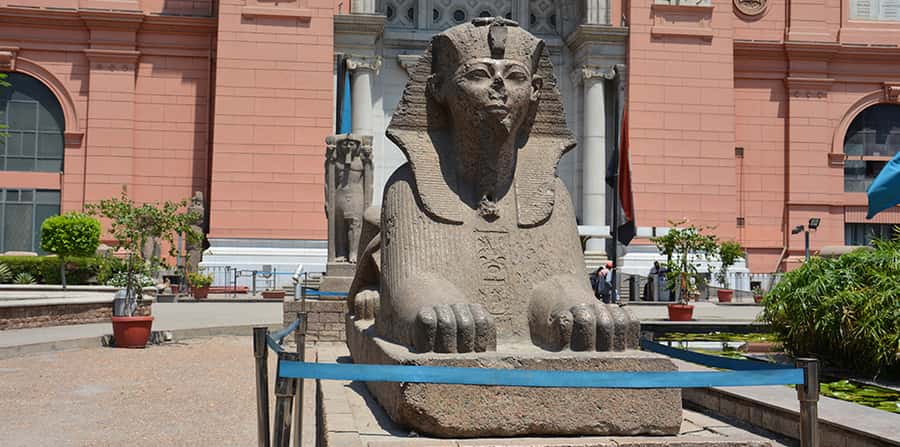
I love how the Egyptian Museum route turns thousands of artifacts into a clear storyline, from Tutankhamun highlights to the Royal Mummies Hall. I also like that the Citadel terraces give you real momentum: history plus wide views over the city.
One consideration: this is a walking-and-stairs day. It’s not suitable for wheelchair users or people with mobility impairments.
In This Review
- Key highlights that make this tour work
- How the Egyptian Museum–Citadel–Old Cairo route fits together
- Entering the Egyptian Museum without getting lost in artifacts
- The practical side of Museum time
- Saladin’s Citadel and Muhammad Ali Mosque: Cairo’s best combo of power and views
- What you’ll enjoy most at the Citadel
- A quick expectation check
- Old Cairo’s Hanging Church and Ben Ezra Synagogue: faith layered in stone
- How guides make Old Cairo easier
- Khan el-Khalili and optional shops: souvenir time with guardrails
- My practical advice on bazaar time
- VIP and add-ons: felucca on the Nile and photo help
- Shared vs private: which option fits your travel style
- My rule of thumb for choosing
- Pacing, pickup, and what to pack for Cairo’s heat and stairs
- What to bring
- What not to bring
- Is this tour worth it for $36 per person?
- Should you book this Cairo Museum, Citadel, and Old Cairo tour?
- FAQ
- What does the tour cover?
- Is hotel pickup included?
- How long is the tour?
- What’s included in the ticketed visits?
- Is lunch included?
- What is the difference between shared and private tours?
- What languages are available?
- Is the Nile felucca ride included?
- Can I add a professional photographer or extra time?
- Is the tour suitable for wheelchair users?
Key highlights that make this tour work
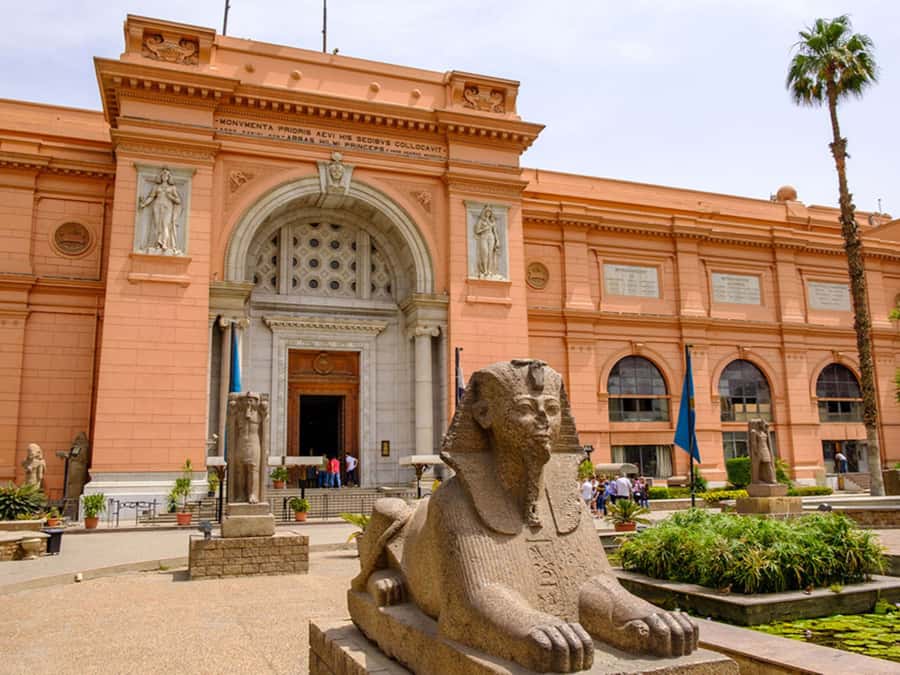
- Egyptian Museum structure: guides focus on the most important rooms, so you don’t waste your energy wandering.
- Citadel + Muhammad Ali Mosque: medieval fortress drama, then Ottoman-style domes, all in one flow.
- Old Cairo stops with payoff: Hanging Church, Ben Ezra Synagogue, and other Christian quarters you’ll want time for.
- Tour pace is often praised: guides who don’t rush you, with practical ordering to handle crowd pressure.
- Optional add-ons fit different travelers: Khan el-Khalili time, professional photos, or VIP Nile felucca.
- Private vs shared keeps it flexible: private includes lunch and multiple language options.
How the Egyptian Museum–Citadel–Old Cairo route fits together
This tour is built around a smart idea: Cairo’s story is easier when you see it in chapters. The Egyptian Museum gives you the ancient Egypt anchor. The Salah El Din (Saladin) Citadel and Muhammad Ali Mosque shift you into the medieval and Ottoman layers. Then Old Cairo brings you back to daily faith, with churches, synagogues, and mosques tucked into narrow lanes.
You’ll get a licensed guide, plus hotel pickup and drop-off from Cairo or Giza. That matters in a city where traffic can chew up time. The guide also controls the rhythm: what you see first, how long you linger, and how you move between sites.
Your exact itinerary depends on which option you book. Some versions focus on the Museum. Others combine two areas, and the full package strings all three together, sometimes with optional Khan el-Khalili market time.
You can also read our reviews of more guided tours in Cairo


Entering the Egyptian Museum without getting lost in artifacts
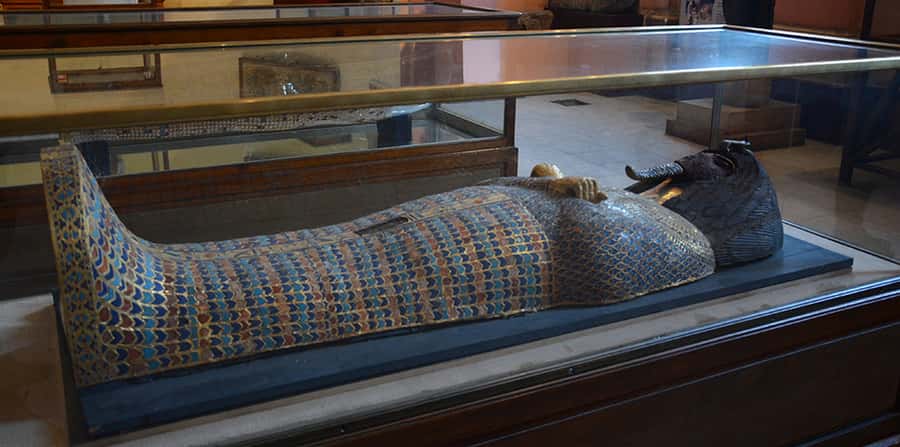
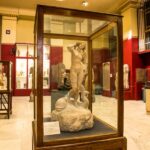
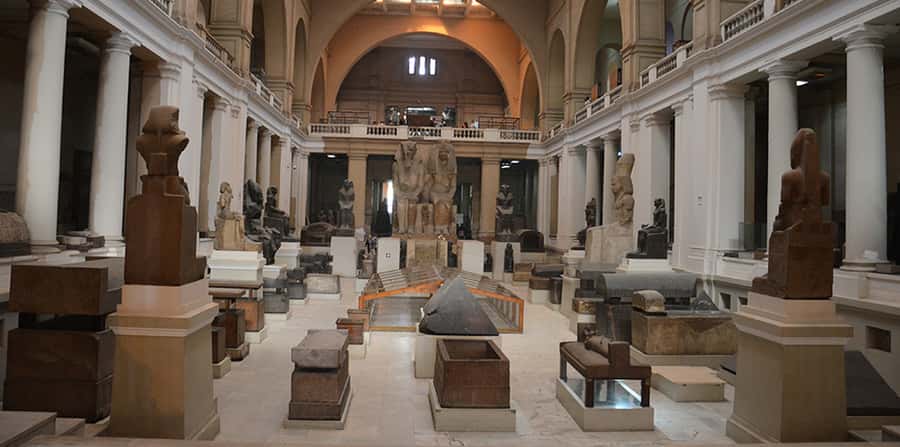
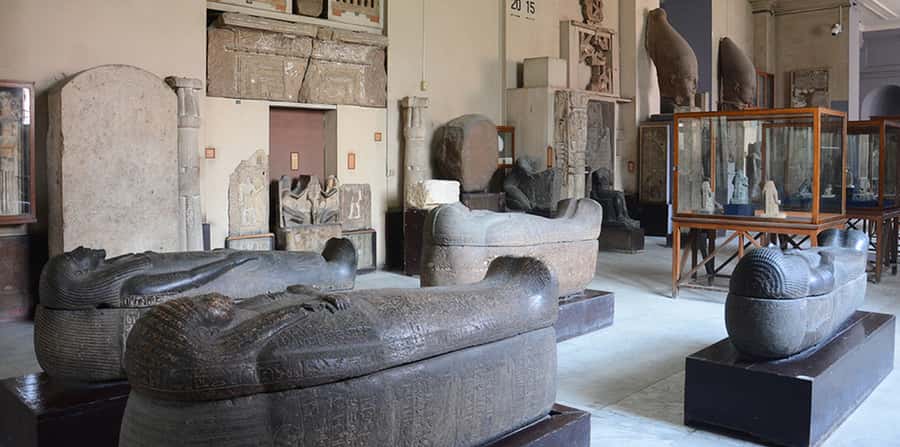
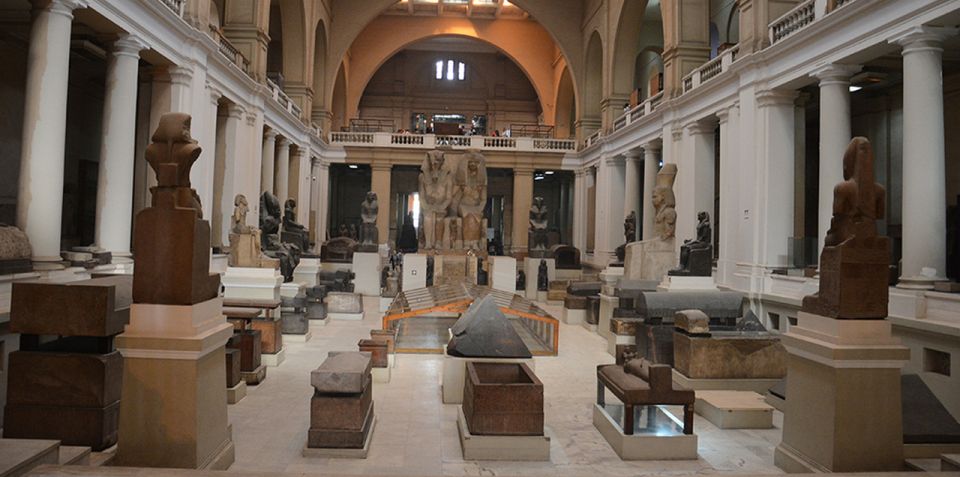
The Egyptian Museum in Cairo is huge, and that’s the challenge. Even with a ticket, you could spend hours drifting room to room and leave feeling like you saw a lot without grasping the thread.
That’s why the guide experience is the heart of this tour. Many reviews call out guides who explain what you’re actually looking at and why it matters. Names that come up often include Alaa, Esraa, Ella, Isra, Dina, and Ammash. The common pattern: they turn scattered displays into a storyline you can follow.
Here are the kinds of things you can expect to focus on:
- Tutankhamun treasures and the famous objects most visitors come to see
- statues and jewelry that help you understand royal power and craft
- Papyrus-related exhibits, since the tour includes a Papyrus Gallery stop as part of the experience
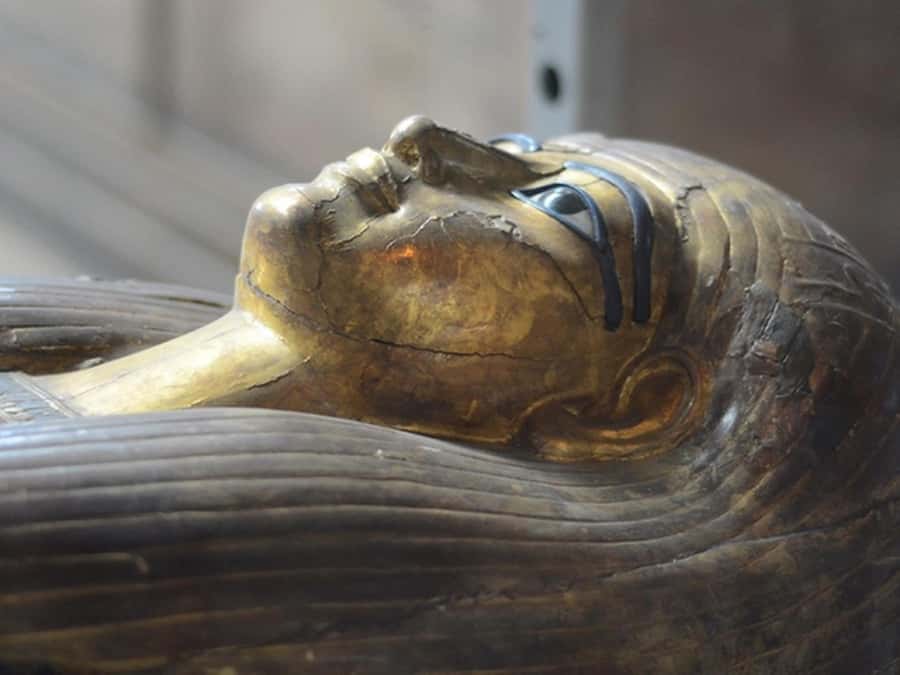
- the Royal Mummies Hall, where you get the face-to-face feeling with rulers of the past
Also, you’ll likely get built-in time to look on your own. Several reviews describe a guided segment first, then free time to explore at your pace. If you’re the type who likes photos and reading captions slowly, this setup tends to work better than a nonstop “watch me” tour.
The practical side of Museum time
Wear comfortable shoes. The Museum is not a sit-and-stare experience, even when the exhibits are amazing. Bring sunglasses and sunscreen for daylight outside, but inside you’ll mainly want breathable layers and shoes with grip.
If you’re short on time, the Museum-only option (morning or afternoon) is the most efficient choice. You won’t see Citadel and Old Cairo, but you’ll get the best concentration per hour.
Saladin’s Citadel and Muhammad Ali Mosque: Cairo’s best combo of power and views
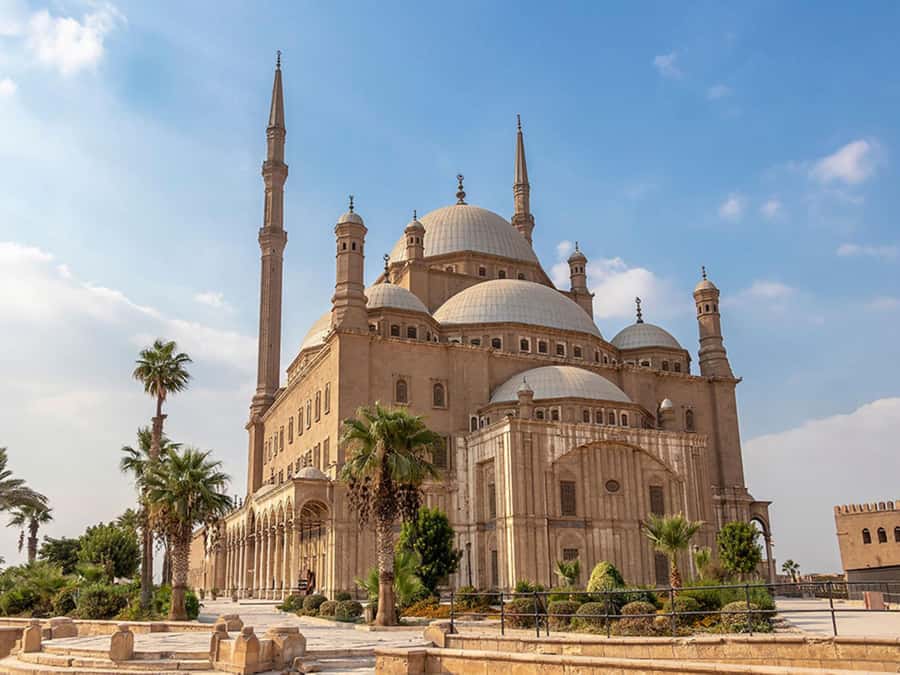
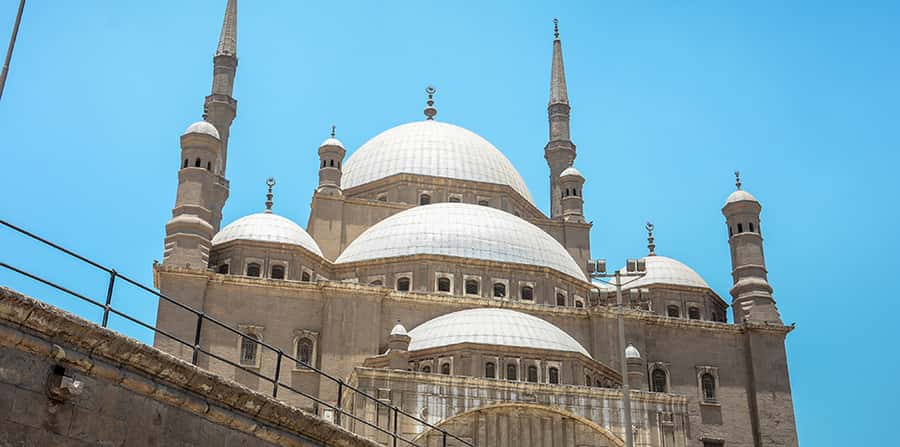
If the Egyptian Museum is about ancient identity, the Citadel is about control—who ruled, how they defended, and how they displayed authority.
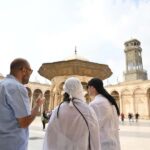
The Salah El Din Citadel sits up high above Cairo. You’ll walk through massive gates and courtyards, then move toward Muhammad Ali Mosque, famous for its Ottoman-style domes and grand interior design. The payoff isn’t only architectural. Reviews repeatedly mention the photo-and-view moment from the terraces, where you can suddenly understand Cairo’s scale.
Guides often get praised for ordering and pacing here too. One review notes a guide who arranged the route to help avoid the heaviest crowd pressure. Another mentions stopping at the right time so the experience felt unhurried. That’s a big deal at the Citadel, where heat, stairs, and crowds can pile up quickly.
What you’ll enjoy most at the Citadel
- A clear shift from ancient Egypt to later empires and religious power
- the contrast between fortress walls and the mosque’s elegant domes
- sweeping city views you can actually use for orientation during the rest of your day
You can also read our reviews of more museum experiences in Cairo


A quick expectation check
Depending on the option, you may also have lunch (VIP/private versions often include it). And some itineraries end with Citadel photo time. Either way, I suggest saving energy for the outdoor viewing spots. That’s where the day turns from “interesting” into “I get Cairo now.”
Old Cairo’s Hanging Church and Ben Ezra Synagogue: faith layered in stone
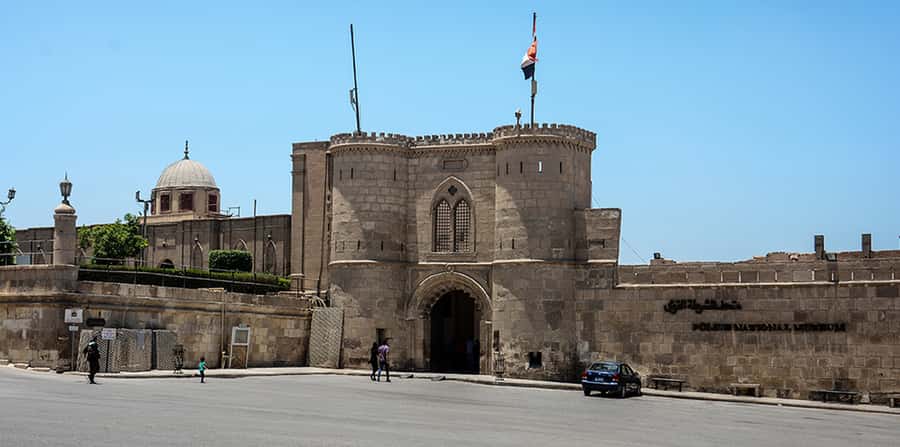
Old Cairo feels like a different world, mostly because the streets force you to slow down. Narrow lanes, old stone, and clustered religious sites make it hard to rush—even if you wanted to.
The tour’s Old Cairo segment can include:
- the Hanging Church (a major landmark for the area)
- Ben Ezra Synagogue
- other churches and mosques in the Christian quarter
A frequent highlight in reviews is how meaningful the stop at the Christian churches can be. One traveler even called out St. Barbara’s Church as especially special. Another points to the Coptic quarter as like time travel. Even if your focus is Egyptology, this is where Cairo’s spiritual layers become physical.
You’ll also often see Khan el-Khalili as an optional add-on, but Old Cairo itself already delivers a strong sense of tradition through its churches, lanes, and community feel.
How guides make Old Cairo easier
Old Cairo can be confusing if you don’t know what you’re looking at. Guides like Mariam, Esraa, and Alaa get singled out for explaining context clearly and patiently. That matters because many details in the churches and synagogues are easy to miss when you’re just photographing.
You’ll also get practical help: what to notice, where to look next, and how to keep moving without feeling herded.
Khan el-Khalili and optional shops: souvenir time with guardrails
Khan el-Khalili is often added for travelers who want more than monuments. It’s a place for spices, crafts, perfumes, and everyday shopping energy.
This tour can include bazaar time depending on the option you choose, and shopping stops are described as optional. You can also skip them by request, which is a smart safety valve if you’re not in the mood to browse.
In the included stops list, you’ll also see places like:
- Bazaar
- Oils Factory
- Cotton Store
- Carpet School (upon request)
These aren’t guaranteed to be every traveler’s favorite part, but they can be useful if you want a quick, structured way to understand Cairo’s modern craft economy. Some guides also add small cultural extras. One review mentions an authentic perfume shop stop, and another notes shopping help without pressure.
My practical advice on bazaar time
Treat shopping as optional, not a mission. Give yourself one clear target (spice blend, small souvenir, perfume) and then spend the rest of the time looking at streets and doorways.
If you hate being pulled from stall to stall, ask early to keep it light. The tour is designed to be flexible, and the guide’s job includes managing the pace.
VIP and add-ons: felucca on the Nile and photo help
If you’re choosing a VIP private style, this is where the day can end with something calmer. A felucca ride on the Nile is included in the VIP option, described as a peaceful finale.
You can also add a professional photographer service. The info provided notes that some of these add-ons may come with extra tour time, so build that into your expectations if you’re trying to protect dinner plans later.
Other add-ons mentioned for private guests can include additional historic sites such as:
- Ibn Tulun Mosque and Al-Azhar Mosque
- Gayer-Anderson Museum
- Amr ibn Al-Aas Mosque
- Al-Rifa’i Mosque and Aqmar Mosque
- Muizz Street and Abu al-Abbas Mosque
- Qalawun Complex and more
Not every option includes all of these. Think of them as tailoring tools: you can push deeper into Islamic and Coptic Cairo if that’s your main interest.
Shared vs private: which option fits your travel style
Shared tours run in English and are usually best when you want a budget-friendly group experience. Private tours can run in multiple languages and typically include lunch (for the private versions described), which can be a big comfort upgrade when the day gets long.
A consistent theme in reviews is how much guide style affects the experience. Many people mention guides who:
- explain the museum in a structured way
- answer questions without snapping
- manage time so you don’t feel rushed
- help with photos and small comfort needs
Guides named in reviews include Alaa, Esraa, Mariam, Ammash, Ella, Hiba, and Dina, among others. Drivers named include Hazem, Seif, and Mo Salah. When reviews mention safety and care—especially for solo women—that’s usually a sign the driver-and-guide pairing works well in real traffic.
My rule of thumb for choosing
- Pick shared if you’re comfortable with a group pace and want the core sights for less.
- Pick private if you want language comfort, lunch included, and time shaped around your questions.
- Pick VIP if you want the full combo and you like the idea of finishing on the Nile.
Pacing, pickup, and what to pack for Cairo’s heat and stairs
The stated duration is 3 to 6 hours, and your exact timing can shift due to traffic and site conditions. Some reviews describe a day running longer than the five-hour mark, which is normal in Cairo when you’re moving between major areas.
That’s why the pickup and meeting process matters:
- Hotel pickup is included from Cairo or Giza.
- You should be ready at the hotel lobby or main entrance at least 10 minutes early.
- Sometimes the guide will meet you at the first sightseeing location.
- You’ll receive a photo of the car when it arrives, via a notification.
Also note a key comfort point: the tour is not suitable for wheelchair users. Even when routes are well planned, you still have uneven pavement, steps, and outdoor waiting time.
What to bring
From the provided list:
- Passport or ID card
- Comfortable shoes
- Sunglasses and sunscreen
- Credit card and cash
- Comfortable clothes
What not to bring
- Large bags or luggage
- Jewelry
- Pets
- Alcohol and drugs
If you’re the type who likes a small daypack, bring just what you need for water, sun protection, and your phone/camera gear.
Is this tour worth it for $36 per person?
At this price point, the value comes from three things you don’t have to organize yourself:
- Transport in an air-conditioned vehicle between major sites
- a licensed guide who helps you see more than just what’s in front of your camera
- entry tickets to selected landmarks plus a structured route
The biggest cost you’re avoiding is decision fatigue. Without a guide, the Egyptian Museum alone can swallow hours, and Old Cairo requires context to feel meaningful. With the guide, you get an organized sweep plus room to slow down where it counts.
The main tradeoff is that the itinerary is still time-boxed. If your top goal is maximum time per exhibit or per church, the best approach is often to book the tour that matches your schedule, then add more time on your own afterward.
Should you book this Cairo Museum, Citadel, and Old Cairo tour?
If you want a guided day that covers Cairo’s most important layers in a way that usually feels calm and well paced, I think this is a strong choice. The reviews strongly suggest the difference-maker is the guide—people repeatedly praise clear explanations, patience, and good sequencing that helps you avoid wasting time.
Book it if:
- you want the Egyptian Museum and also want context for what you’re seeing
- Citadel views and Muhammad Ali Mosque are on your must-do list
- you like walking through Old Cairo’s church quarter and learning what each place represents
- you’d rather spend your time experiencing than planning routes between sites
Skip or rethink it if:
- you need wheelchair access or have significant mobility limitations
- you hate walking and stairs, even with a good guide
- you only want one site with long, unstructured time
If you can handle a “history day” with some walking, this is the kind of Cairo tour that helps the city click into place fast.
FAQ
What does the tour cover?
It’s designed around Cairo’s Egyptian Museum, Salah El Din Citadel (and Muhammad Ali Mosque), and Old Cairo. Some options can include Khan el-Khalili Bazaar as an add-on, depending on what you choose.
Is hotel pickup included?
Yes. Pickup and drop-off are included from Cairo or Giza. You should be ready at your hotel lobby or main entrance about 10 minutes before the confirmed pickup time.
How long is the tour?
The duration is listed as 3 to 6 hours, and the exact timing can vary due to traffic and site conditions.
What’s included in the ticketed visits?
Entry tickets are included to selected landmarks, based on the option you choose. The tour also includes visits such as Papyrus Gallery and Oils Factory, plus Bazaar and Cotton Store, and Carpet School upon request.
Is lunch included?
Lunch is included with the VIP Private Tour. For other private tour options, lunch is available as an add-on, and shared tours do not include lunch.
What is the difference between shared and private tours?
Shared tours include a professional English-speaking guide only and do not include lunch. Private tours include a professional guide in multiple languages and include lunch for the private option that states lunch is included.
What languages are available?
Shared tours are guided in English. Private tours can be guided in multiple languages, and you can select a preferred language when booking.
Is the Nile felucca ride included?
The felucca ride on the Nile is included in the VIP option only.
Can I add a professional photographer or extra time?
A professional photographer service is listed as an optional add-on, and some add-ons like the bazaar visit and photographer can include extra 30 minutes of tour time.
Is the tour suitable for wheelchair users?
No. The tour is not suitable for people with mobility impairments or wheelchair users.