REVIEW · CAIRO
Cairo: Private Pyramids, Museum & Bazaar Tour with Lunch
Book on GetYourGuide →Operated by Emo Tours Egypt · Bookable on GetYourGuide
Ancient Egypt in one nonstop day. This private tour strings together the Pyramids of Giza, the Egyptian Museum, and a real shopping stop at Khan el-Khalili—so you get scale, detail, and local culture without piecing it together yourself. I especially like the guided flow, because each place has a clear story to follow.
The second big win for me is the human factor: guides like Shaimaa, Thalif, and Mariam were repeatedly praised for clear explanations and for keeping things organized all day. One consideration: it’s a long day with lots of walking and time in the heat, and some guides can be a bit insistent about tips—so keep your expectations (and your budget) straight.
In This Review
- Key things to know before you go
- Private pickup, air-conditioned comfort, and an 8-hour game plan
- Giza Pyramids: Cheops, Chephren, Mykerinos, plus Valley Temple
- The Great Sphinx close-up: where lion-body symbolism meets real scale
- Egyptian Museum: 120,000 masterpieces, plus the Tutankhamun spotlight
- Khan el-Khalili bazaar: bargaining practice with brass, copper, perfumes, and more
- Lunch at the right time: keeping the day from falling apart
- Price and logistics: what $70 buys you (and what it doesn’t)
- Making the most of your day: pace, photos, and asking for what you want
- Who this Cairo tour fits best
- Should you book this private Pyramids, Museum and bazaar day?
- FAQ
- What’s the duration of this Cairo private tour?
- Where does hotel pickup and drop-off happen?
- Which sites are included in the tour?
- Is lunch included?
- Are entry fees included?
- Does the tour skip ticket lines?
- What languages are available for the guide?
- Is tipping included in the price?
- Is free cancellation available?
Key things to know before you go
- Private air-conditioned transfers: hotel pickup and drop-off in Cairo or Giza area.
- Skip the ticket line: less waiting time means more daylight at the sites.
- Giza focus with Valley Temple and Sphinx: you’re not just snapping photos from one angle.
- Egyptian Museum + Tutankhamun exhibit: gold and jewelry that were buried for thousands of years.
- Khan el-Khalili with real bargaining practice: guides help you shop smart in a maze of stalls.
- Lunch included with water: the basics are handled so you don’t lose momentum.
Private pickup, air-conditioned comfort, and an 8-hour game plan
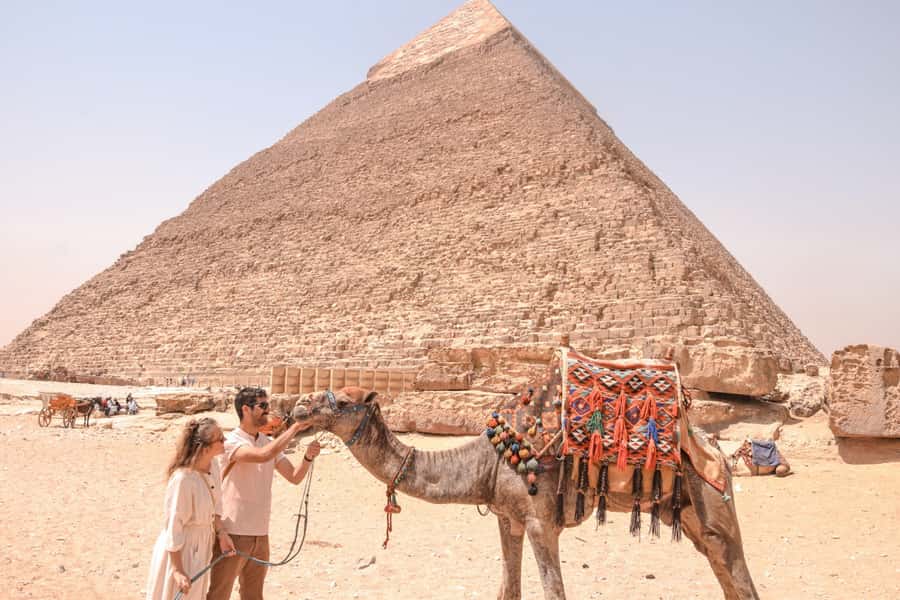
This is built as a true one-day circuit: pickup from your hotel, then out to Giza, back to central Cairo, and finally a drop-off at the end of the day. Depending on where you’re staying, pickup options include 6th of October City, Giza, Giza District, Al Haram, and Cairo, with drop-offs back at similar locations. The vehicle is private and air-conditioned, which matters on hot days when you want to keep energy for the sights.
The tour runs about 8 hours and it’s designed for first-timers who want the big hits without getting stuck in logistics. You also get a live guide in English, Spanish, German, or Arabic, and the tour includes entry fees plus bottle water, so you can focus on seeing rather than figuring.
One practical point: because it’s private, you can usually ask for small timing adjustments—like pacing or where you want photos—without turning it into a negotiation. Guides such as Mohamad and Essam were praised for tailoring the day to requests, which is exactly what you want when your time is limited.
You can also read our reviews of more private tours in Cairo



Giza Pyramids: Cheops, Chephren, Mykerinos, plus Valley Temple
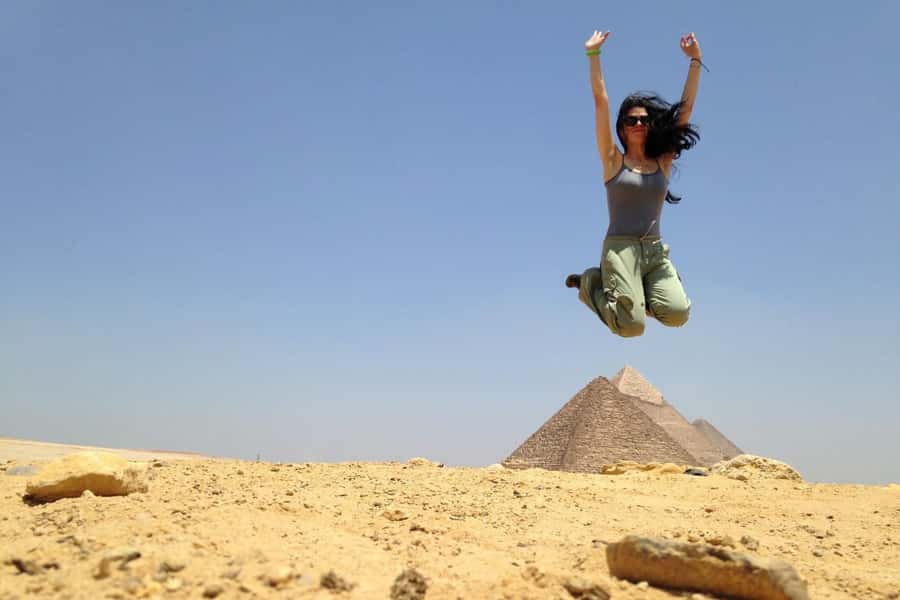
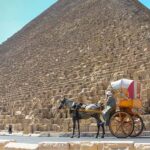
Giza is one of those places where “seeing it” and “understanding it” are two different tasks. This tour tackles both. At the pyramids, you’ll visit Cheops, Chephren, and Mykerinos, with a guided walk that helps you connect what you’re looking at to why it matters.
Then comes the part many tours skip: the Valley Temple, described in the tour details as the place where priests mummified the dead body of King Chephren. Even if you’ve read about mummification before, standing in the context of this site helps the concept feel real—like religion and ritual were part of a whole working system, not just a legend.
What I like here is that you’re not just chasing the most famous skyline shot. You’re getting a guided route that builds from monument to meaning, and that usually makes your photos better too, because you know what you’re photographing.
The Great Sphinx close-up: where lion-body symbolism meets real scale
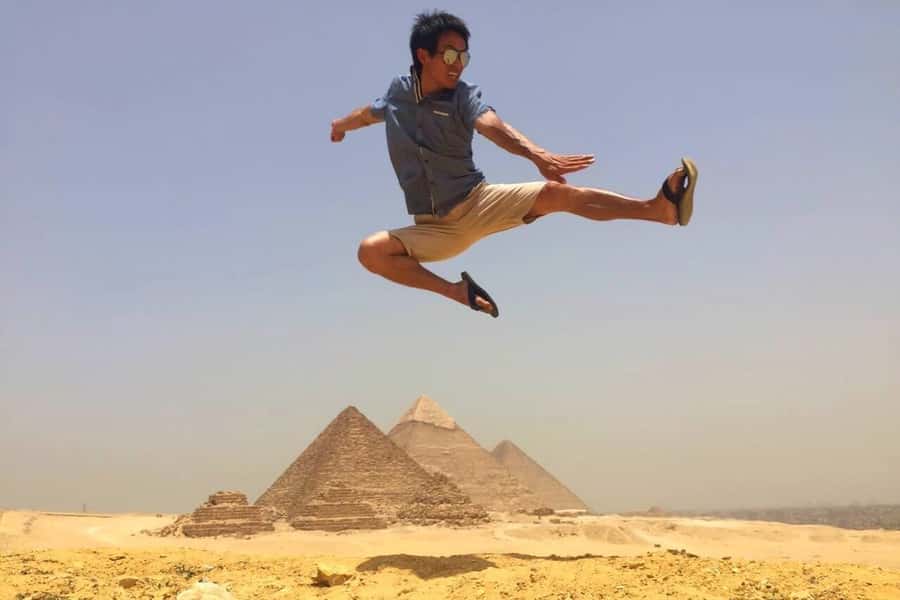
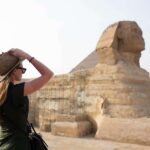
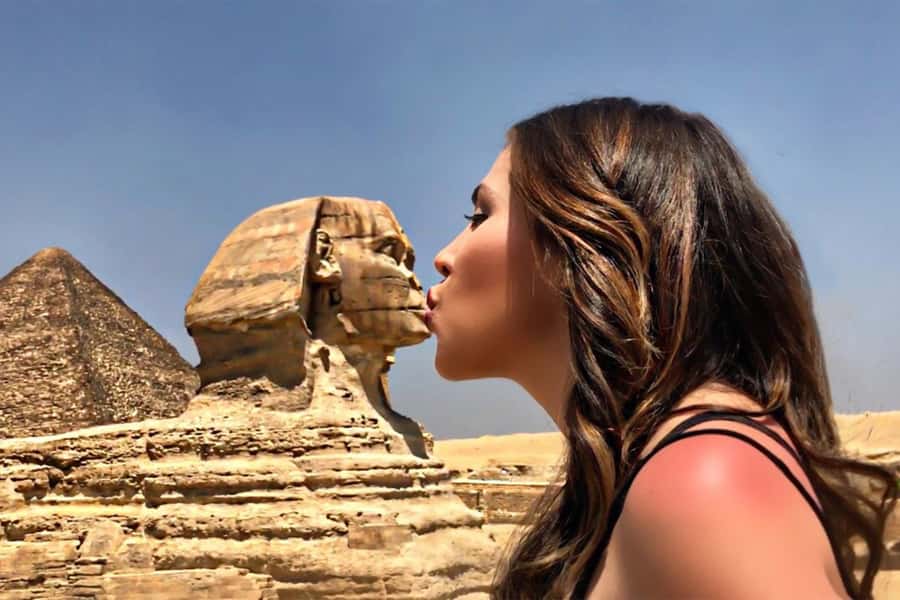
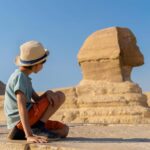
Next you’ll be at the Great Sphinx, with its lion body and the head identified as king Chephren. The tour plan is very intentional about positioning—getting you a close-up view while your guide can point out what to notice.
This matters because the Sphinx isn’t just a face you look at. It’s part of the larger funerary landscape, and when you connect it to the surrounding complex, it stops feeling like a random giant statue and starts feeling like a guardian within a bigger plan.
Expect walking and some standing for photos, especially around viewpoints. If you’re prone to fatigue or you’re traveling with kids, it helps to lean into the private format: ask for breaks early rather than waiting until you’re already tired.
Egyptian Museum: 120,000 masterpieces, plus the Tutankhamun spotlight
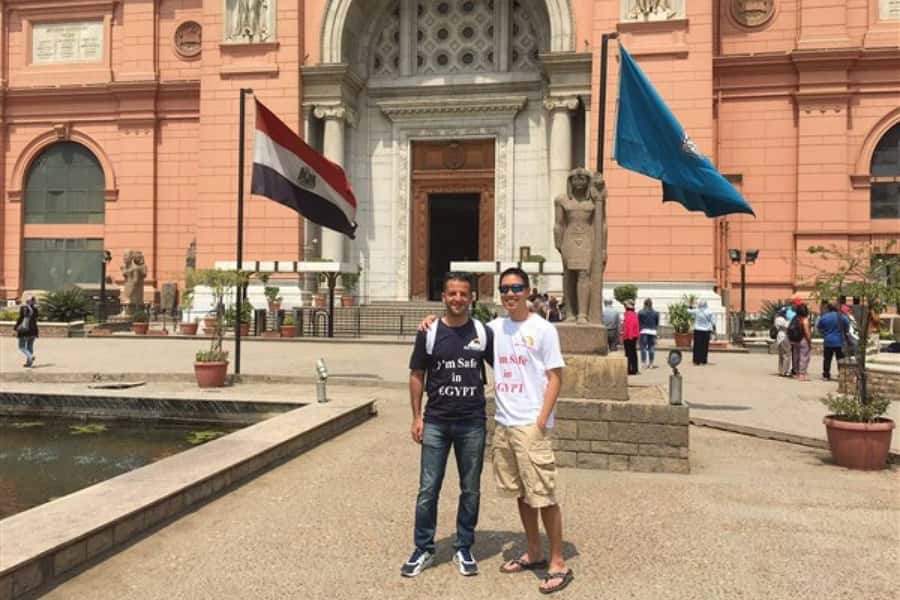
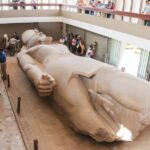
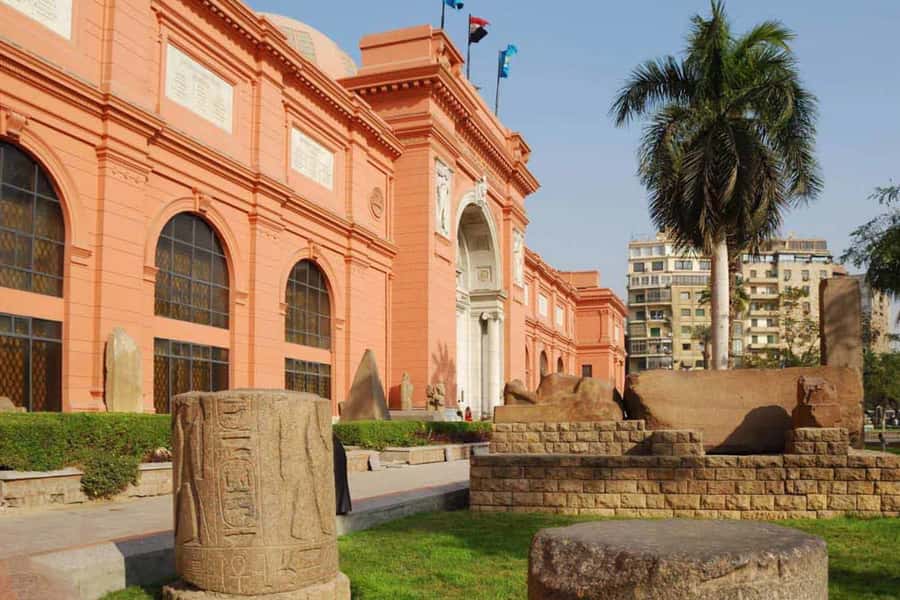
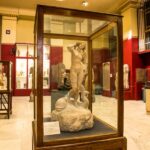
The Egyptian Museum of Antiquities is the “slow down” moment of the day. The tour details highlight the museum’s scale—120,000 masterpieces and a collection that includes over 250,000 genuine artifacts across a span that goes back roughly 5,000 years. In practical terms, that’s why a good guide makes a difference: the museum can feel like sensory overload if you’re alone.
The standout stop is the exclusive Tutankhamun exhibit, featuring treasures, gold, and jewelry that were buried for about 3,500 years and then discovered in the 1920s after the tomb excavation. This is the part you can really anchor on. Gold jewelry has a way of turning abstract history into something tangible—especially when your guide explains what you’re seeing instead of just saying “this is old.”
Guides like Shaimaa and Thalif were specifically praised for detailed explanations, and I’d take that as a sign to choose your time at the museum carefully. If the museum is your main reason for booking, arrive ready to ask questions and slow down for the most important halls rather than rushing for everything.
Khan el-Khalili bazaar: bargaining practice with brass, copper, perfumes, and more
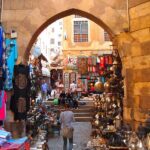
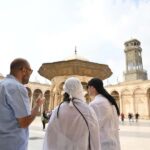
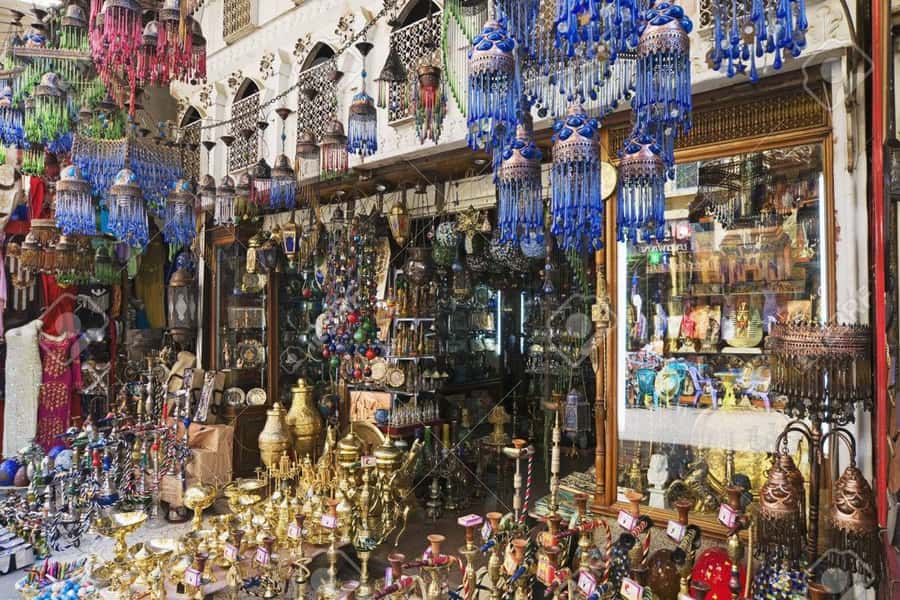
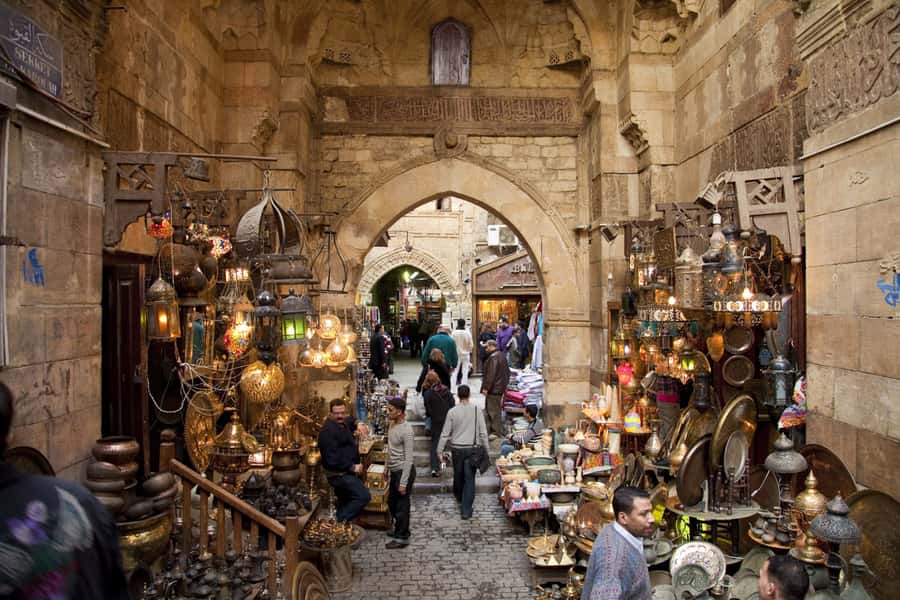
After the museum, you switch gears from galleries to street-level commerce. Khan el-Khalili is described as a historic district known for brassware, copper, perfumes, leather, silver, gold, antiques, and other goods. It’s a shopping experience, but it also works like a living snapshot of how people trade, display, and negotiate.
The tour’s goal here is smart: it’s not only about buying. You’ll also learn to haggle, and a guide helps you navigate so you’re not getting steamrolled in a loud, crowded area. I especially like that some guests felt safer because their guide stayed close—useful in a place where the pace is naturally aggressive.
One bonus: if you’re the type who loves Egyptian crafts, this is where you can spot higher-quality items by looking past the first price tag. Your guide can help you interpret materials and typical pricing habits, and that turns the bazaar from chaos into a game you can actually win.
You can also read our reviews of more museum experiences in Cairo
Lunch at the right time: keeping the day from falling apart
Lunch is included, and that matters more than it sounds. On a day built around Giza plus Cairo highlights, skipping lunch or hunting for food on your own can quietly steal an hour. Here, you get lunch as part of the schedule, along with bottle water for the walk-heavy parts of the day.
In guest feedback, lunch was repeatedly described as good—often as a buffet style meal, with people calling it tasty and satisfying. That tracks with what you want mid-tour: something filling enough to reset you, but not so slow that it steals museum time or Sphinx time.
Practical tip: take the meal time seriously. Use it to drink water, cool down, and get ready for the bazaar portion, which is where you’ll likely do more moving and standing.
Price and logistics: what $70 buys you (and what it doesn’t)
At $70 per person for an 8-hour private tour with hotel transfers, entry fees, a live guide, lunch, and bottled water, the value is in the bundle. The expensive pieces of a Cairo day usually aren’t the sights themselves—it’s the private transport, the guided time, and the time you save by not waiting.
You also get skip-the-ticket-line, which is a real quality-of-life upgrade. In Cairo, waiting can drain your energy faster than walking, so anything that reduces dead time tends to feel worth it fast.
What’s not included is tipping, so plan for that. Also, because it’s a private tour, the guide attention can feel very personal—which is great, but it also means you should be clear about your boundaries. Some guests noted tip reminders can become awkward. If you know you don’t want a back-and-forth, you’ll be happier if you set your expectation early in the day.
Making the most of your day: pace, photos, and asking for what you want
This kind of tour works best when you treat it like a guided route, not a checklist that you race through. Guides such as Mena and Mohammed were praised for excellent photo spots at the pyramids and for not rushing people through key moments. That’s what you should look for when you pick a private tour: time to stop, not just speed through.
A small tactic: decide your priorities before you go. If you care most about ancient artifacts, spend extra time in the museum halls tied to Tutankhamun. If you’re all about iconic monuments, focus your energy on the pyramids and Sphinx viewpoints and keep the bazaar shopping targeted to what you actually want.
Also, Cairo’s heat is real. The tour includes water, but you can still feel it—so wear breathable clothes, plan for sunscreen, and don’t be shy about asking for short pauses. One guest even described the guide as attentive to mobility needs, which is a reminder that guides can adjust pacing if you communicate.
Finally, if you plan to buy things or add paid experiences, have your preferred payment options ready. One guest noted they were asked about credit cards during the day, which suggests payment questions may pop up when negotiating extras.
Who this Cairo tour fits best
This is ideal for:
- First-time Cairo visitors with one day to allocate to Giza + museum + bazaar
- People who want private guidance rather than navigating entry lines and routes on their own
- Couples, solo travelers, and families who want a clear plan and a guide to answer questions
The private format also helps if you’re on a tight schedule. Several guests described the tour as accommodating—such as adjusting timing for flight plans—so if you’re managing a layover or a hard deadline, this kind of structured day can be a lifesaver.
If you hate shopping, the Khan el-Khalili stop might still be enjoyable as a cultural experience, but the main purpose there is bargaining and browsing. Treat it like a guided stroll through a trade neighborhood, and you’ll be fine.
Should you book this private Pyramids, Museum and bazaar day?
I’d book this tour if you want an efficient, guided day where the biggest icons in Cairo come with context. The combination of Giza monuments, the Egyptian Museum’s Tutankhamun focus, and a guided Khan el-Khalili shopping segment makes it a well-rounded day trip.
Skip it if you prefer unguided exploration or if you strongly dislike long walking days. Otherwise, for the price, the private transfers, entry fees, skip-the-line, lunch, and a real guide add up to a day that feels planned instead of improvised.
FAQ
What’s the duration of this Cairo private tour?
The tour lasts about 8 hours, designed as a full-day circuit from pickup to drop-off.
Where does hotel pickup and drop-off happen?
Pickup options include 6th of October City, Giza, Giza District, Al Haram, and Cairo. Drop-off is available in Cairo, Al Haram, Giza District, Giza, and 6th of October City.
Which sites are included in the tour?
You’ll visit the Pyramids of Giza (Cheops, Chephren, Mykerinos), the Valley Temple, the Great Sphinx, the Egyptian Museum of Antiquities, and Khan el-Khalili Bazaar.
Is lunch included?
Yes. Lunch is included in the tour, and bottled water is also provided.
Are entry fees included?
Yes. Entry fees are included as part of the tour.
Does the tour skip ticket lines?
Yes. The tour includes skip-the-ticket-line access.
What languages are available for the guide?
The live tour guide is available in English, Spanish, German, and Arabic.
Is tipping included in the price?
No. Tipping is not included.
Is free cancellation available?
Yes. You can cancel up to 24 hours in advance for a full refund, and there’s also a reserve now & pay later option.