REVIEW · LUXOR
Marsa Alam: Valley of the Kings & Karnak Temples Luxor Tour
Book on GetYourGuide →Operated by FTS Travels · Bookable on GetYourGuide
Luxor in one day is a marathon. You’ll cross from Marsa Alam to see Karnak Temples and the Valley of the Kings plus Hatshepsut, all with an Egyptologist guide who makes the sites click. The biggest trade-off is time: it’s a long drive both ways, so you’ll want to keep expectations realistic about how much you can linger.
What I liked most is the way the day is stitched together—West Bank tombs first, then East Bank temples—so you get the full picture of how ancient Thebes worked. The second win is the guide style. People report guides like Shaban and Ragab as especially clear, polite, and genuinely helpful, and that matters a lot when you’re walking through complex places like Karnak.
In This Review
- Key moments that make this Luxor day trip work
- Marsa Alam to Luxor: the early start that pays off
- West Bank first: the Valley of the Kings tomb visits
- Hatshepsut at Deir el-Bahari: royal power written into stone
- Colossi of Memnon: two statues, 3,400 years of presence
- East Bank payoff: Karnak Temples and the Great Hypostyle Hall
- The lunch break: a real reset in Luxor
- Optional Nile cruise: a short add-on for a change of pace
- Shopping with FTS: organic oils and Travel-Inspired Elegance scarves
- Price and value: is $306 fair for this Luxor highlights set?
- Who this tour fits best (and who should rethink it)
- A few practical tips that make the day smoother
- Should you book this Marsa Alam to Luxor day trip?
- FAQ
- What is included in the Marsa Alam to Luxor tour?
- Are drinks included with lunch?
- Which sites do you visit during the day trip?
- Is the Tutankhamun Tomb included?
- How long are the optional Nile cruise and how much does it cost?
- How many tombs will we explore in the Valley of the Kings?
- Where is pickup available?
- What languages are the guides offered in?
- What should I bring for the trip?
- Can I add FTS organic oils or Egyptian scarves to the tour?
Key moments that make this Luxor day trip work
- Early departure from Marsa Alam: you get the cool morning energy before heat and crowds build.
- Three tomb visits in the Valley of the Kings: enough variety to feel the burial storytelling, not just one stop.
- Hatshepsut at Deir el-Bahari: cliffside architecture that feels like it was designed to impress.
- Colossi of Memnon: two giant statues with long memory and good photo angles.
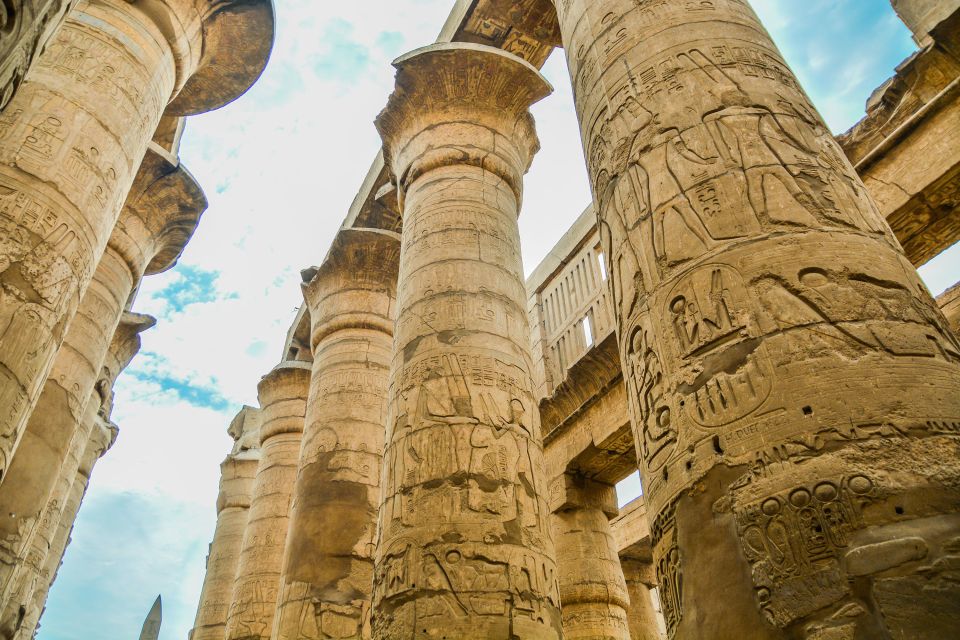
- Karnak’s Great Hypostyle Hall: 134 columns you can actually sense in your body.
- Lunch in Luxor plus onboard water/soft drinks: small practical perks that keep the day from getting messy.
Marsa Alam to Luxor: the early start that pays off
This is a straight day trip from Marsa Alam (and there’s also transfer availability from Safaga). The day begins with an early hotel pickup, then you head through the Eastern Desert toward Luxor in an air-conditioned vehicle. The ride is long, so the best strategy is mental: treat this like a “great highlights” day, not a slow museum crawl.
If your hotel offers it, request a packed breakfast the day before. That one step saves you from arriving hungry and hunting for snacks before you’re out the door. Bring sunglasses and comfortable shoes, because Luxor is the kind of place where you’ll walk more than you think.
You’ll also want to hydrate. Soft drinks or water are provided onboard, and it’s an easy win to keep drinking even if you don’t feel thirsty. The practical payoff is that you’ll enjoy the tomb interiors and temple courtyards more, rather than counting down minutes until shade.
You can also read our reviews of more tours and experiences in Luxor.
West Bank first: the Valley of the Kings tomb visits
Crossing to the West Bank is more than a geography change. This is where the ancient Egyptians put their burial work—the idea was permanence, memory, and a future life. Your first major stop is the Valley of the Kings, a place packed with tomb history linked to rulers like Tutankhamun, Seti I, and Ramses II.
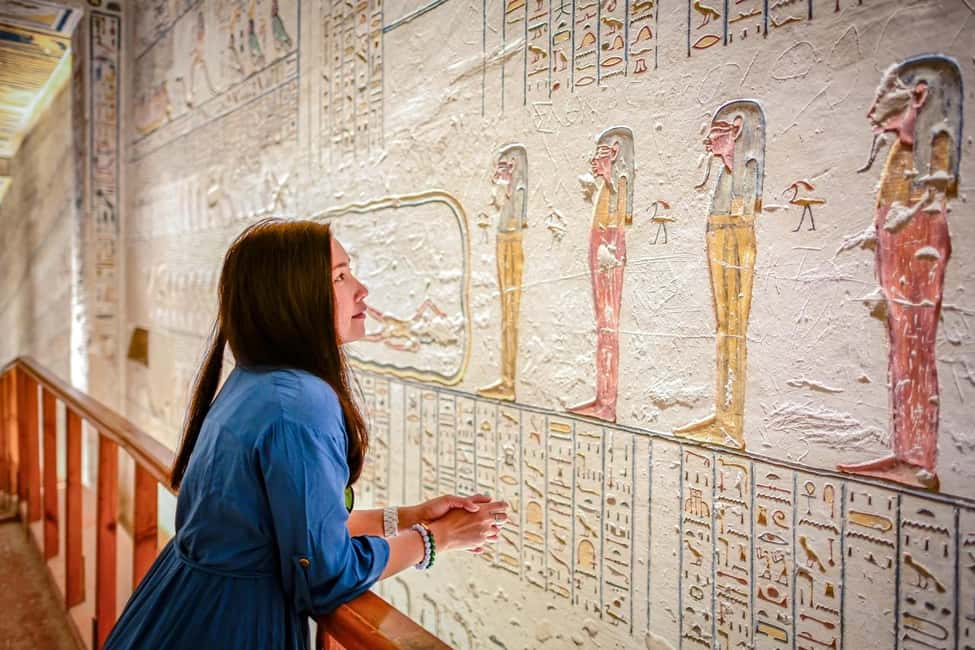
On this tour, you’ll explore three tombs with decorated walls and hieroglyphs. That number matters. One tomb is interesting; three gives you contrast—different designs, different wall scenes, and a better feel for how tomb art guided beliefs about the afterlife. It’s also a manageable pace for a day trip.
A quick reality check: tombs can be dim, with narrow pathways and lots of stone surfaces. Comfortable shoes and patience go a long way. And don’t rush the hieroglyphs if you can help it. Even when you can’t read them all, your guide’s explanations help you understand what you’re seeing—names, rituals, and the themes behind the images.
Hatshepsut at Deir el-Bahari: royal power written into stone
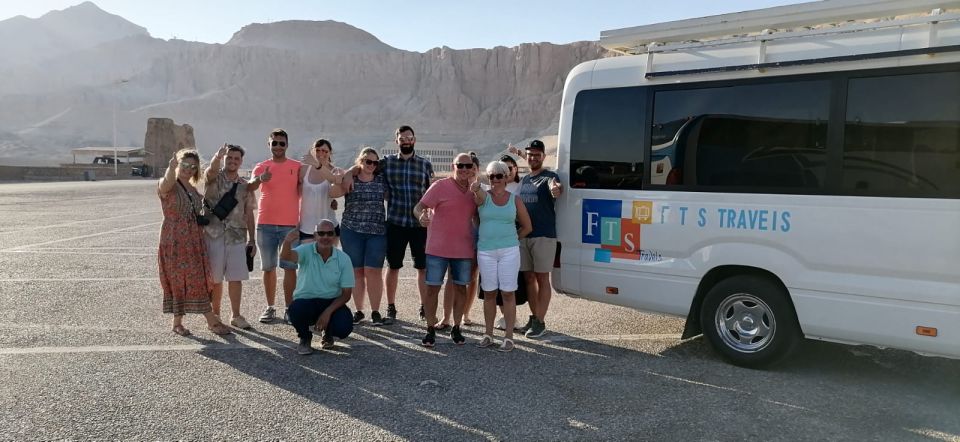
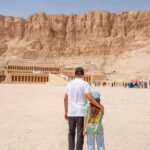
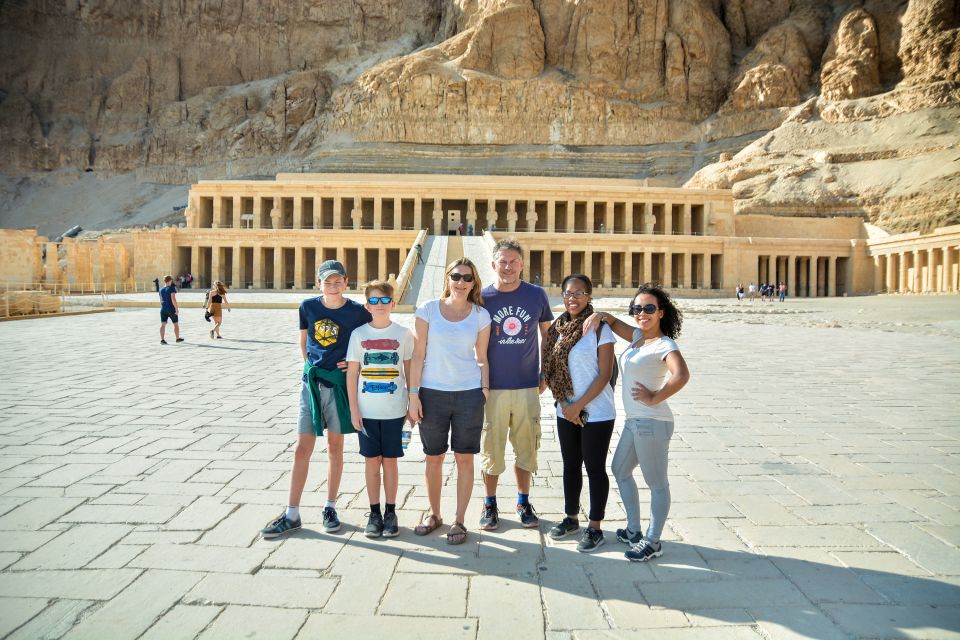
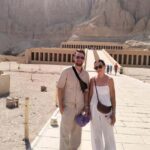
Next up is the Mortuary Temple of Hatshepsut, built into the cliffs at Deir el-Bahari. This is one of Luxor’s architecture moments: the temple isn’t just a building you enter; it’s a structure that feels like it grew out of the landscape. Hatshepsut was Egypt’s most famous female pharaoh, and the temple is designed to honor that authority.
What I like about putting Hatshepsut on the schedule after the Valley of the Kings is the shift in vibe. Tombs are private and symbolic; Hatshepsut is public-facing and monumental. The grand colonnades and detailed carvings give you something clearer and bigger to look at, especially if you’re not trying to read every line of hieroglyphs.
The guide experience is key here. A good Egyptologist won’t just point out columns and walls. They connect the design choices to what Hatshepsut wanted to communicate—power, legitimacy, and divine alignment. If you’ve ever wondered how one woman could stand out in a male-heavy royal story, this temple helps you feel the answer.
Colossi of Memnon: two statues, 3,400 years of presence
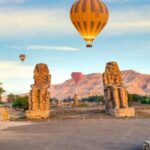
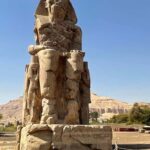
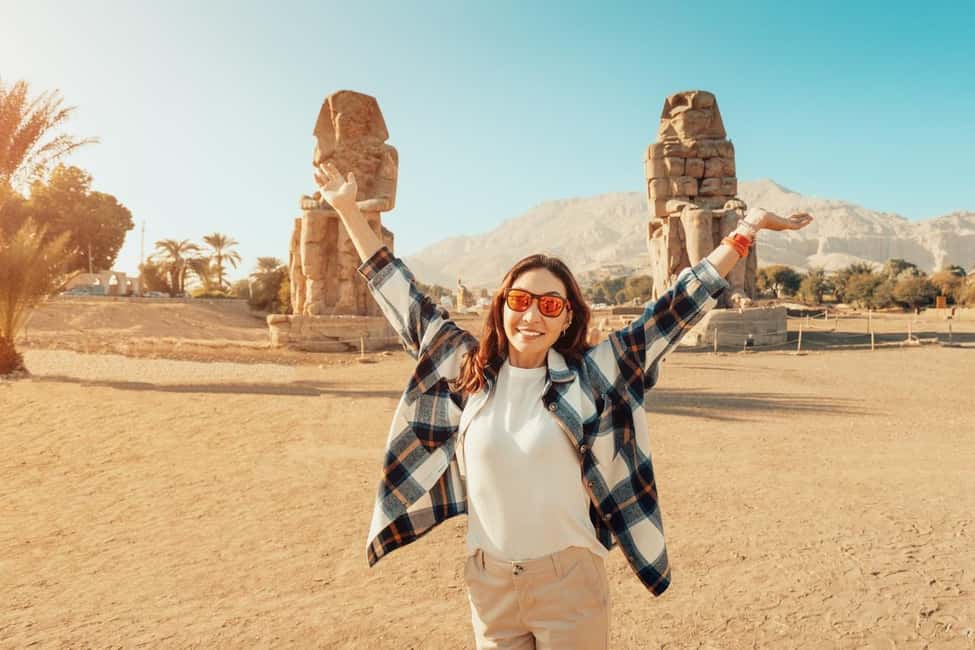
Before leaving the West Bank, you stop at the Colossi of Memnon. These are two massive statues of Pharaoh Amenhotep III, and they’ve stood for over 3,400 years. The tour describes them as the last remains of Amenhotep III’s temple, which is an important clue for how to “read” what you’re seeing.
You’re not walking through a full temple complex here. You’re meeting the survivors. That changes the way you experience the site. The statues feel like guardians watching over the area, and they offer strong photo opportunities if you’re there at a good angle and light.
This stop is also a moment to reset your brain. After tomb interiors and Hatshepsut’s cliffside grandeur, the Colossi give you open space and a clear visual landmark. Pay attention to your guide’s story—these statues have become famous for the legends attached to them, and it makes the visit more than just a quick photo stop.
East Bank payoff: Karnak Temples and the Great Hypostyle Hall
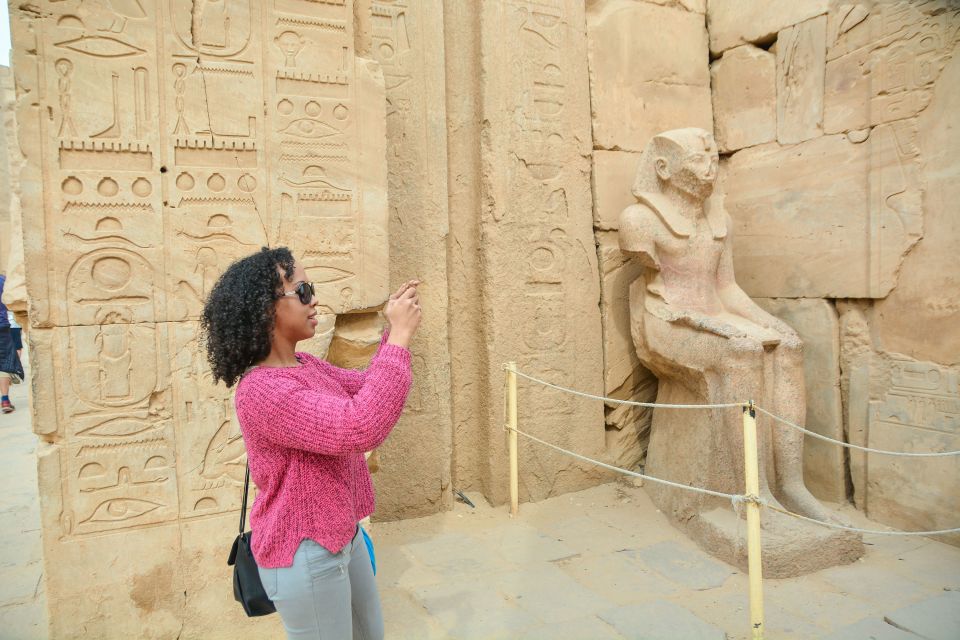
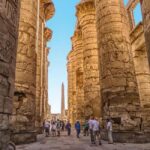
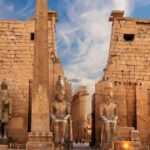
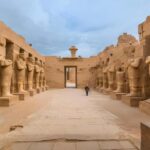
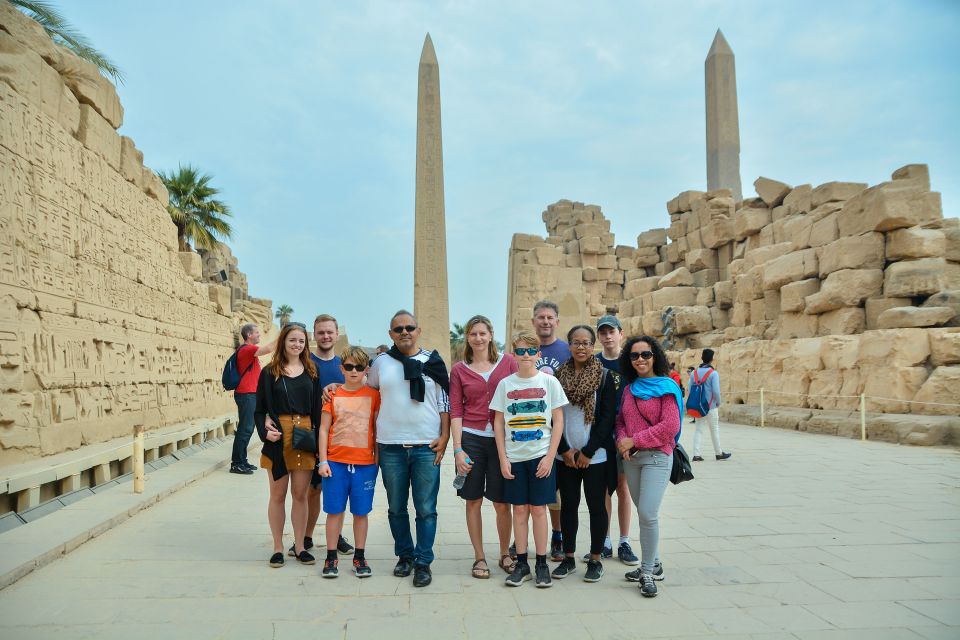
Then the day turns toward the East Bank and the Karnak Temples, the largest religious complex in Egypt. This is the part of the day where your sense of scale starts to stretch. Karnak wasn’t built in a single moment. It was expanded by multiple pharaohs over nearly 2,000 years, so you’re looking at layers of religious intention and political influence stacked over time.
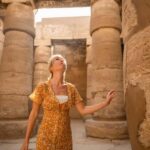
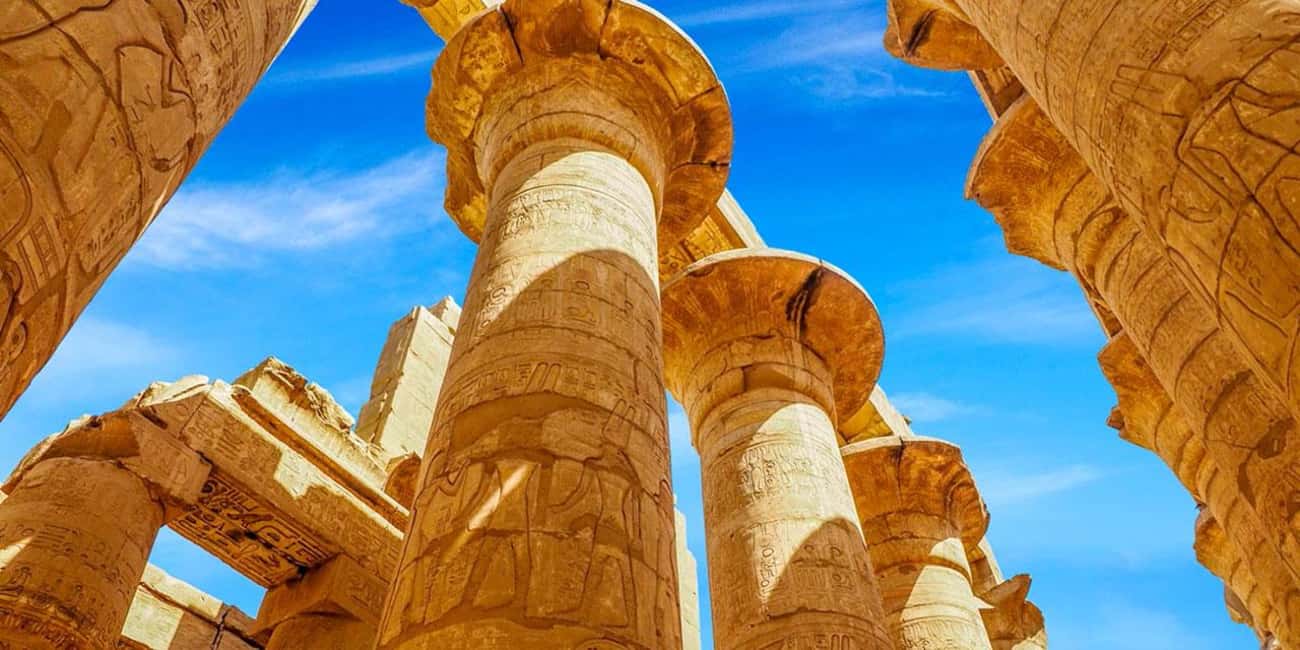
The headline stop is the Great Hypostyle Hall. You’ll walk through it and see 134 towering columns. Even if you don’t have a background in Egyptian temples, the hall’s rhythm makes its point fast: these spaces were meant to overwhelm and focus you.
It helps to know what to look for beyond the columns. Karnak also includes a sacred lake and the Avenue of Sphinxes. When your guide explains how people moved and prayed within the complex, it transforms your photos from “cool columns” into a map of ritual life.
Your guide is the difference between visiting Karnak and understanding it. People praise guides on this tour for being clear, friendly, and attentive to needs. In practical terms, that means you’re more likely to get the context that makes all those carved surfaces feel like communication instead of decoration.

The lunch break: a real reset in Luxor
Lunch is included at a local restaurant in Luxor. Drinks in the restaurant are not included, so it’s smart to plan for that and avoid assuming bottled water will automatically appear with your meal.
Still, the lunch itself is an important part of the value. After hours of walking and history stops, you don’t just need food—you need a rhythm reset. And because the schedule includes both banks, a sit-down meal helps you keep the day enjoyable rather than frantic.
If you’re picky about timing, consider how tombs can run with light and crowd flow. Your guide will manage the pace, but having a steady lunch spot keeps the day from turning into one long sprint.
Optional Nile cruise: a short add-on for a change of pace
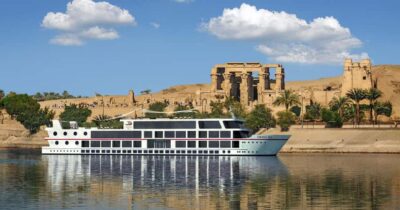
The tour offers an optional 20-minute Nile cruise. It’s not included in the base price, and you pay 10 EUR cash onsite. This is mainly a breather. You’ll get a view change without losing the whole day to transport time.
This option can also be a good choice if you prefer photos and scenery for part of the day. Even in a short cruise, the river shifts the mood of Luxor from fully archaeological to fully cinematic.
If you don’t want it, skip it and use that time to rest or refocus on the next stop. Either way, the key is staying flexible. Luxor days can move with real-life timing.
Shopping with FTS: organic oils and Travel-Inspired Elegance scarves
There’s mention of shopping for oils and scarves at FTS, and the add-ons list specific organic essential oils. If you choose add-ons, you can pick items like:
- FTS Black Seed Oil (Organic)
- FTS Peppermint Oil (Organic)
- FTS French Basil Oil (Organic)
- FTS Rosemary Oil (Organic)
- FTS Geranium Oil (Organic)
- Traditional Egyptian scarves from Travel-Inspired Elegance by FTS
These are wellness-leaning products, so decide based on what you actually want to take home. The tour includes the scarves only if you select the add-on. It’s also worth remembering that shopping stops can be quick. If you’re hoping for a long shopping session, this isn’t that kind of day.
Also, some people pick up small items like souvenirs along the way. If you want to buy handmade pieces, having small cash can make life easier. (Not every stop is guaranteed to be the same length, but it’s wise to be prepared.)
Price and value: is $306 fair for this Luxor highlights set?
At $306 per person, this tour is priced like a full-service day trip. That price covers hotel pickup and drop-off in an air-conditioned vehicle if you select that option, plus soft drinks or water onboard. It also includes an Egyptologist guide, entry fees to the visited sites, and lunch.
That’s what makes the value make sense. You’re paying for transportation time, professional interpretation, and admission to multiple major sights in one run: Valley of the Kings, Hatshepsut, Colossi of Memnon, and Karnak Temples. If you tried to replicate that independently from Marsa Alam, you’d likely spend real money on transport and separate guided time anyway.
The main “watch this” items are also clear. Drinks at the restaurant are extra. The Nile cruise is optional (paid onsite). And the Tutankhamun Tomb is not included—you choose that through an add-on option.
So the question isn’t just whether $306 is a deal. It’s whether you like a structured “great hits” day with a knowledgeable guide. If yes, this is good value.
Who this tour fits best (and who should rethink it)
This tour is ideal if you’re based in Marsa Alam and you want Luxor’s essentials without planning logistics. It also suits travelers who enjoy expert explanations. The reviews highlight guides like Shaban and Ragab for being polite, clear, and attentive, and that’s exactly what you want when you’re surrounded by complex temple layouts.
If you love slow travel—lingering in one tomb for an hour, then wandering Karnak at your own pace—this might feel rushed. The drive is long, and it’s a full itinerary. You’ll still see a lot, but you won’t have unlimited time to do “everything twice.”
It’s also a solid fit for couples and small groups who want a shared day with clear timing. If you’re traveling with kids, the guide can help you keep it interesting, but the day’s length and travel time is still something to consider.
A few practical tips that make the day smoother
Here’s how to get the most out of it:
- Wear shoes that handle uneven stone and museum-dust paths.
- Bring sunglasses and use them early; Luxor sun hits fast.
- Ask your hotel for a packed breakfast to avoid stressful morning searching.
- Keep some cash for the optional Nile cruise if you decide on it.
- If you want the Tutankhamun Tomb, plan for it via the add-on since it isn’t included by default.
Also, don’t ignore the guide’s pacing. Egyptologists are often balancing access, time, and the best lighting moments. If the guide says to look this way first, it’s usually for a reason.
Should you book this Marsa Alam to Luxor day trip?
If your goal is to see Luxor’s biggest “wow” sites in one organized day, I think this is a smart booking. You get the West Bank sequence (tombs, Hatshepsut, Colossi) and then the East Bank centerpiece (Karnak) with an Egyptologist guide and lunch included. The $306 price looks reasonable because entry fees and guidance are wrapped in, and you’re not spending your vacation time figuring out transport.
I’d only hesitate if you hate long days or need tons of downtime. Then you might prefer fewer stops or an overnight plan. But if you’re the kind of traveler who wants major sites, clear explanations, and a practical schedule, this tour does its job.
FAQ
What is included in the Marsa Alam to Luxor tour?
Hotel pickup and drop-off in an air-conditioned vehicle (if you select that option), transfer from Safaga or Marsa Alam, soft drinks or water onboard, an Egyptologist guide, entry fees to visited sites, lunch at a restaurant in Luxor, and a Luxor city tour. Some add-ons (FTS organic oils and Egyptian scarves) are included only if you choose them.
Are drinks included with lunch?
No. Drinks in the restaurant are not included.
Which sites do you visit during the day trip?
You visit the Valley of the Kings (three tombs), the Mortuary Temple of Hatshepsut, the Colossi of Memnon, and the Karnak Temples on the East Bank.
Is the Tutankhamun Tomb included?
No. Tutankhamun Tomb is not included and is available as an optional add-on that you choose.
How long are the optional Nile cruise and how much does it cost?
The optional cruise is 20 minutes. It costs 10 EUR paid in cash onsite.
How many tombs will we explore in the Valley of the Kings?
You explore three tombs.
Where is pickup available?
Pickup is available from hotels in Marsa Alam and El Quseir. Transfer from Safaga or Marsa Alam is also available.
What languages are the guides offered in?
The tour lists Arabic, English, French, and German.
What should I bring for the trip?
Bring your passport or ID card, comfortable shoes, and sunglasses.
Can I add FTS organic oils or Egyptian scarves to the tour?
Yes. There are add-ons listed for FTS organic oils (like Black Seed, Peppermint, French Basil, Rosemary, and Geranium) and traditional Egyptian scarves from Travel-Inspired Elegance by FTS.