REVIEW · LUXOR
Luxor: Farm Tour 30 Hectares(Breakfast With Arabian Horses)
Book on GetYourGuide →Operated by Sunrise ballooning luxor · Bookable on GetYourGuide
A farm breakfast in Luxor feels like a detour. This Luxor farm tour pairs traditional Egyptian breakfast with close-up time around pure-breed Arabian horses. It’s a break from temples and crowds, but still very much an Egyptian day on the Nile’s West Bank.
What I like most is the setting: a working organic farm with mango shade, alfafa fields, and room to wander. You’ll also get a real mix of animals—cows, sheep, goats, chickens, ducks, bees, and even a camel—so the visit feels rounded, not just horse-focused.
One thing to consider: it’s a farm, so expect some sun and walking over uneven ground. The tour is only 2 hours, so if you like slow, long stays, you may wish you had more time.
In This Review
- Key Things to Know Before You Go
- Luxor West Bank Farm Breakfast: Why This Feels Different
- Getting There: Pickup, River Crossing, and a Real 2-Hour Time Block
- Arriving at Al-Habib Farm: An Organic Setup With Shade and Fruit Trees
- Breakfast With Egyptian Flavors: What’s Included and What It Tastes Like
- Mango Orchard Walking: The 25 Mango Variety Detail That Makes It Fun
- Arabian Horses Up Close: Babies, Stallions, and a Working-Farm Feel
- More Than a Horse Farm: Cows, Sheep, Goats, Bees, and a Camel
- Transportation, Water, and the Comfort Stuff That Actually Matters
- Who This Tour Suits Best (and Who Might Skip)
- Practical Tips Before You Book
- Should You Book This Luxor Farm Tour?
- FAQ
- How long is the Luxor farm tour?
- Where does the tour take place?
- How do I get to the farm?
- What’s included in the price?
- What languages is the guide available in?
- What animals can I see?
- Is horse riding part of the experience?
- What’s the cancellation and booking flexibility like?
Key Things to Know Before You Go
- Orchard breakfast under shade: traditional dishes served under a kiosk with views over mango and alfafa fields
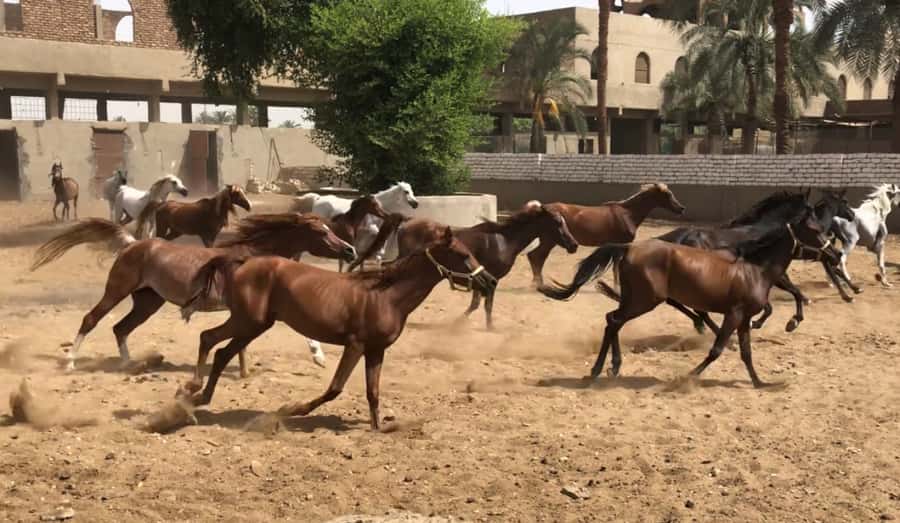
- Pure-breed Arabian horses on a real farm: from younger horses to stallions, not just a photo stop
- Animal variety beyond the horses: cows, sheep, goats, chickens, ducks, bees, and a camel
- Seasonal fruit and honey tasting: mangoes and other fruit (like lemons/figs/dates depending on season) plus honey from on-site beehives
- Most of the experience happens outside: wear comfy shoes and plan for sun, even with mango shade available
Luxor West Bank Farm Breakfast: Why This Feels Different
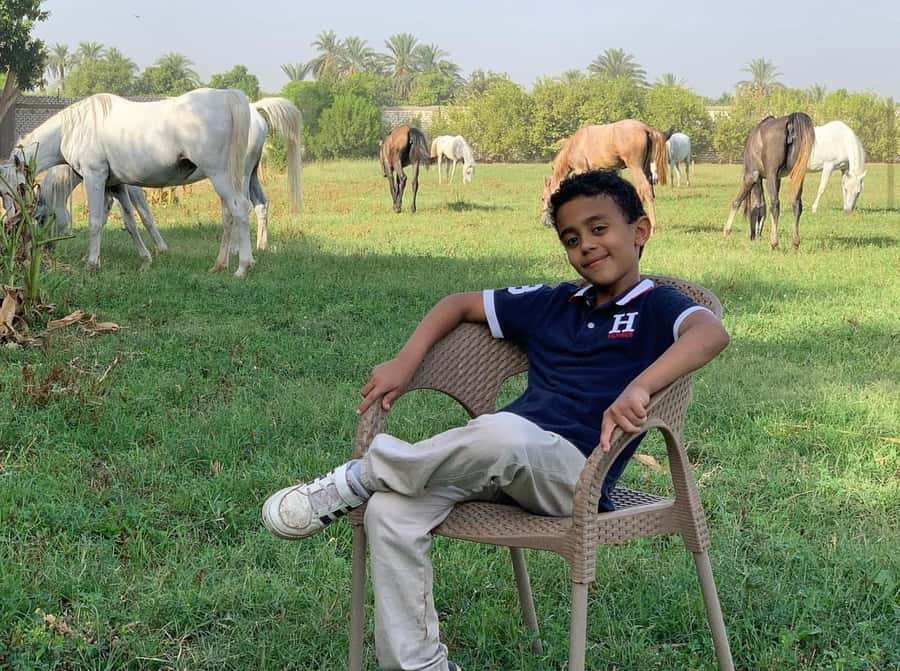
Luxor has no shortage of tours. But most are about stones—temples, tombs, long lines, and the same viewpoints again. This experience flips the script. You trade another “look at this ancient thing” moment for a live Egyptian farm day.
The heart of it is simple: breakfast first, then animals up close, all on the West Bank where farm life is still part of the landscape. If you’re tired of rushing, you’ll like the pace. There’s time to sit, time to walk, and time to meet animals without feeling herded.
And the horse factor matters. These are pure-breed Arabian horses, with dozens on the property from younger horses through stallions. That’s a big reason the tour works for families, horse lovers, and anyone who wants something human and daily-life based while in Luxor.
You can also read our reviews of more tours and experiences in Luxor
Getting There: Pickup, River Crossing, and a Real 2-Hour Time Block
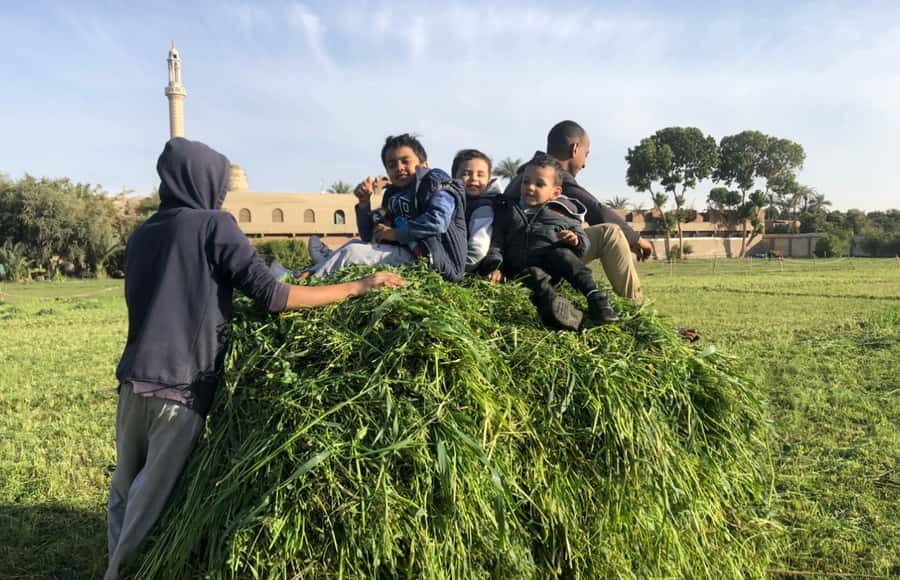
The tour starts with pickup from your Luxor hotel. Then you ride by van (about 20 minutes) toward the river crossing area. From there, you cross the Nile by boat or by bridge, before arriving at the farm.
This matters because it shapes your expectations. You’re not just stepping off a bus near a gate. You’re actually moving from town life to West Bank farm land, and that transition adds a little “scene change” right away. It also keeps the tour from feeling like a quick roadside stop.
Duration is about 2 hours total. That’s short enough to fit easily between other Luxor plans, including temple days. It’s also long enough to eat comfortably and wander at a relaxed farm pace—especially if you pace yourself and don’t try to see every animal at once.
Arriving at Al-Habib Farm: An Organic Setup With Shade and Fruit Trees
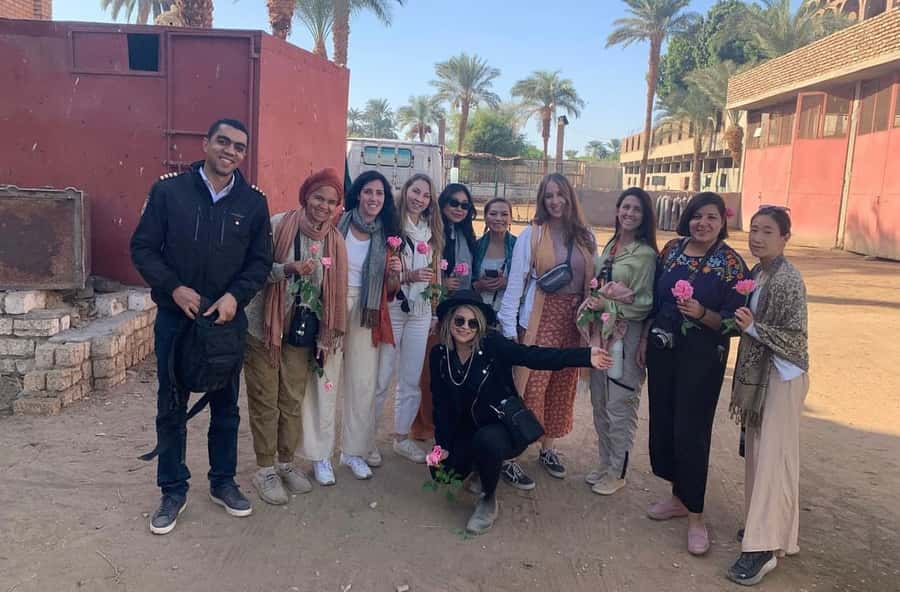
Once you reach the Al-Habib Farm, you get a classic farm-yard welcome, but with a calm, spacious feel. The property is described as a typical Egyptian farm spread across more than 50 hectares on the West Bank. There’s also the “organic farm” element emphasized, and you’ll feel it in the way the place is arranged like an orchard and working production site, not just a visitor attraction.
Before you walk, you eat under a kiosk and tree canopy. That shaded break is more than comfort—it helps you handle Luxor’s sun. The tour is heavily outside, and that initial seating area gives you a chance to slow down before you head out.
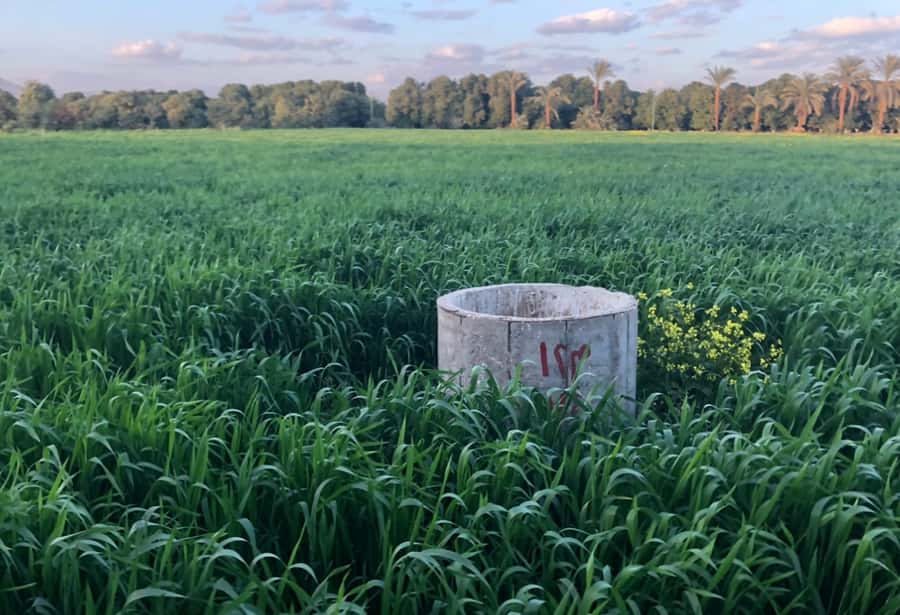
The views also aren’t generic. From the seating area, you look out over mango orchard areas and alfafa fields. This is a farm tour that’s actually shaped by farmland: orchards, fields, and the rhythm of animals and beehives.
Breakfast With Egyptian Flavors: What’s Included and What It Tastes Like
The breakfast is one of the main reasons this tour gets strong ratings. It’s not just pastries and juice. You’ll get an oriental-style Egyptian meal served under shade.
Based on the details provided, you can expect:
- traditional Egyptian dishes during the breakfast
- honey from the farm’s beehives
- homegrown fruits that vary by season (mangoes and other fruits like oranges or lemons may show up)
- tea with mint
One extra detail that sticks out is the way the bread can be served fresh and warm, and the honey can include a darker, specialty kind mentioned as black honey (made from sugarcane molasses). Those are the kinds of farm-food touches that make breakfast feel locally made rather than just “tour food.”
If you’re picky about food textures or you have dietary restrictions, it’s worth thinking ahead. The menu isn’t described as customizable, and it’s farm-prepared, so your best move is to ask about ingredients for your preferences when you arrive or via your booking message.
Mango Orchard Walking: The 25 Mango Variety Detail That Makes It Fun
After breakfast, you’re free to wander the farm. This is where the tour becomes more than an animal visit. The mango orchard includes 25 different mango tree varieties, planted across roughly 30 hectares.
That’s a neat detail because it gives you something to look for beyond the obvious. You can think of it like a mini fruit garden tour inside a real working farm. Even if you don’t know mango varieties by name, the idea of seeing different trees in one orchard turns the walk into “What’s the difference?” instead of “Where do I go next?”
You can cool off under mango branches when the sun is strong. And the farm also grows other crops such as meyer lemons, figs, olives, and dates (season and harvest timing can affect what you notice day to day).

Arabian Horses Up Close: Babies, Stallions, and a Working-Farm Feel
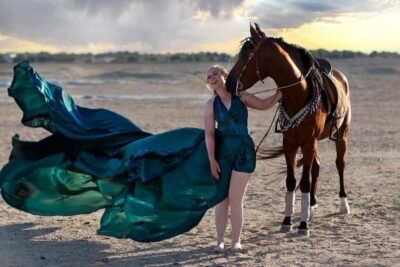
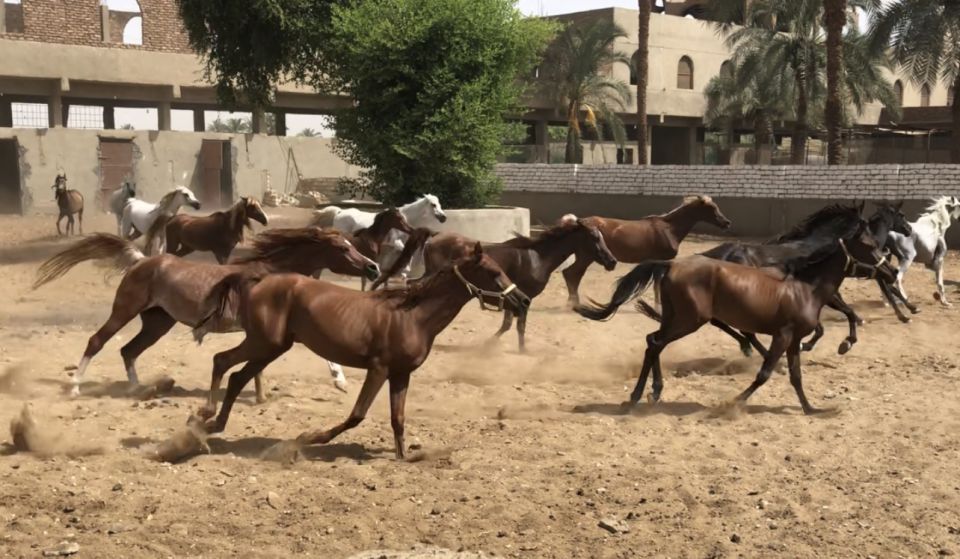
This is the headline: dozens of pure-breed Arabian horses, from younger horses to stallions. The tour is designed so you can get close—close enough to notice how the horses are handled and how they fit into a working farm environment.
That matters because horse encounters can be touristy elsewhere. Here, the horses are presented as part of the farm system, alongside cattle, sheep, goats, and beehives. You’re not just “seeing” horses. You’re walking through their space as part of the broader farm.
One thing to keep your expectations grounded: the exact level of interaction can vary. Still, the property description emphasizes meeting the animals closely, and at least one detailed experience included a chance for short rounds on horseback. If horse riding is something you care about, ask on the day whether it’s offered when you visit.
Also, if you’re going with kids, this portion is likely to be a highlight. Horses hold attention. But even if you’re not a horse person, the calm farm rhythm tends to make the walk feel gentler than typical animal attractions.
More Than a Horse Farm: Cows, Sheep, Goats, Bees, and a Camel
A great farm visit doesn’t just repeat the same attraction in different angles. This one offers multiple animal categories, so your attention keeps moving.
On the property, you can expect to see:
- cows
- sheep
- goats
- chickens and ducks
- bees (with honey production as a built-in story)
- and a camel
Bees deserve special mention because they connect the “animal” part to the breakfast part. You’re not just looking at hives—you’re eating the farm’s honey. That creates a satisfying link between what you see and what you taste.
The camel also makes it feel memorable. It’s not common to find a camel included in an easy half-day style farm tour. Even if you only spend a few minutes observing each animal group, the variety keeps the visit lively and gives you plenty of photo opportunities.
Transportation, Water, and the Comfort Stuff That Actually Matters
This tour includes full transportation pickup and drop-off, plus water and drinks. In Luxor, those small details add up. You don’t want to spend the day negotiating bottles or finding a shop once you’re on the West Bank.
The tour guide is live and bilingual (Arabic and English). That helps because farm life and animal routines are easier to understand when someone explains what you’re looking at. If you want context—how the farm works, what the crops are, why certain trees or fields exist—you’ll likely appreciate the guide presence.
Wheelchair accessibility is also stated, which is helpful if mobility is a factor. Keep in mind that farms can still be rough outside. Even with accessibility mentioned, it’s wise to wear sturdy footwear and be ready for outdoor ground conditions.
Who This Tour Suits Best (and Who Might Skip)
This experience is ideal if you want:
- a break from the usual Luxor temple circuit
- an authentic, daily-life setting on the West Bank
- a farm breakfast with real food elements (honey, fruit, tea, warm bread)
- close contact with pure-breed Arabian horses
- a family-friendly activity that doesn’t require museum patience
You might consider skipping if:
- you strongly prefer indoor, air-conditioned activities
- you hate sun and don’t like walking outdoors
- you want a long, in-depth farm workshop style experience (this is 2 hours, so it’s more of a taste-and-walk than a full-day production tour)
It also helps if you like learning while you move. The best part of this kind of tour is that it mixes sitting (breakfast) with exploring (orchard and animal areas).
Practical Tips Before You Book
A few small, practical moves will make your day smoother:
- Bring sunscreen and a hat. Mango shade helps, but you’ll still spend time in open air.
- Wear closed-toe, grippy shoes. Farm paths can be uneven.
- Keep expectations realistic about time. You’ll cover key areas, but it’s not an all-day walk.
- If horse riding is important to you, ask whether it’s available during your visit.
- If you’re sensitive about food, ask what dishes and honey are included, since the tour centers on traditional breakfast items.
The best value here comes from doing it on a day when you want something different—like after a temple-heavy morning—so the farm pace feels like a reset.
Should You Book This Luxor Farm Tour?
I’d book it if you want a genuine change of pace. For about $30 per person, you get a guided, 2-hour West Bank farm visit with pickup, breakfast, and animal time, plus water and drinks. That’s strong value when you consider how much is included and how rare this kind of experience is compared with standard sightseeing.
Skip or reconsider if you’re only looking for temples and don’t care about farms, animals, or breakfast experiences. Also, if you’re very heat-sensitive, the outdoor layout is a factor.
If you’re the type of traveler who likes seeing how people actually live—orchards, animals, honey, and morning tea—this is the kind of tour that makes Luxor feel bigger than just monuments.
FAQ
How long is the Luxor farm tour?
The duration is 2 hours.
Where does the tour take place?
It takes place on the Luxor West Bank, at the Al-Habib Farm in the Luxor Governorate area.
How do I get to the farm?
You get hotel pickup, then travel by van. You cross the Nile by boat or by bridge before arriving at the farm.
What’s included in the price?
The tour includes full transportation pickup and drop-off, an oriental Egyptian breakfast, water and drinks, a live guide, and time to visit the animals (including Arabian horses).
What languages is the guide available in?
The live tour guide is available in Arabic and English.
What animals can I see?
You can meet dozens of pure-breed Arabian horses, plus cows, sheep, goats, chickens, ducks, bees, and a camel.
Is horse riding part of the experience?
Horse riding is not described as a standard inclusion in the experience details, but at least one confirmed experience noted getting a chance to ride a horse for a few rounds during the visit.
What’s the cancellation and booking flexibility like?
Free cancellation is available up to 24 hours in advance for a full refund, and you can reserve now and pay later to keep plans flexible.