REVIEW · LUXOR
Luxor City Tour by Horse Carriage Visit Local
Book on GetYourGuide →Operated by Al Hajeej Travel Lux Egypt · Bookable on GetYourGuide
Luxor feels ancient, then suddenly very human. This private horse carriage tour lets you float past real neighborhoods and big monuments in the same afternoon. You get an English-speaking guide who ties what you see to how people live now, not just dates on stone.
I especially like the pace. The carriage moves slowly enough to take photos without sprinting, and it feels relaxing rather than rushed. I also love the mix of stops: Abu Haggag and Luxor Temple sit right next to a souq and everyday religious life along the east bank.
One consideration: you’ll want to travel light. No large bags or luggage are allowed, so plan to keep essentials easy to carry.
In This Review
- Key things to know before you go
- Horse carriage in Luxor: why it works on the east bank
- Getting picked up and meeting your English guide
- The ride itself: calm views, good photo timing
- Historic village stop: glimpses of everyday Egyptian life
- Abu Haggag Mosque: 3,400+ years of continuous worship
- The souq pass: a market scene with real shopping energy
- Coptic Christian churches along the east bank
- Luxor Temple with Ramses II: one of the big statements
- Optional Karnak Sound & Light Show: add-on for the evening mood
- Price and value: is $12 a good deal?
- Who should book this horse carriage city tour
- Tips that help you get more from the day
- Should you book this Luxor city tour by horse carriage?
- FAQ
- Is the Luxor city tour by horse carriage private?
- What is the duration of the tour?
- Where does pickup happen?
- What language is the guide?
- Is ticket line skipping included?
- What should I bring, and can I bring luggage?
Key things to know before you go
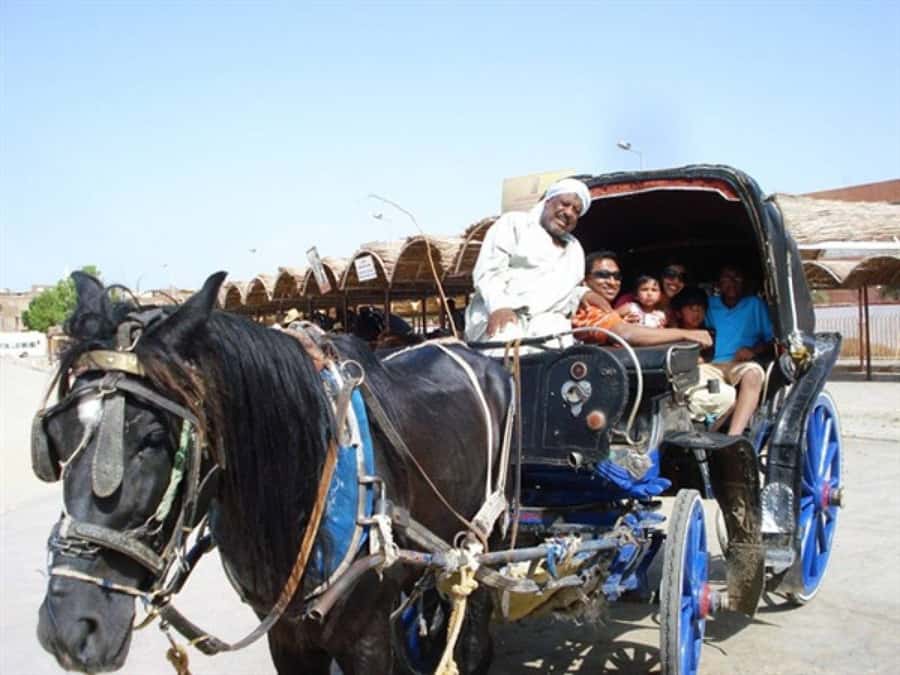
- Private horse carriage, hotel pickup included: you start and end at your Luxor hotel on the east bank.
- English live guide: you get real explanations as you ride, not just a fixed route.
- Mosque of Abu Haggag plus Luxor Temple: two landmark stops with very different vibes.
- Souq time for local goods: you pass a market scene full of everyday shopping energy.
- Optional Karnak Sound & Light Show: you can add the show if it fits your schedule.
- Bring sunglasses: the sun in Luxor makes this small detail worth taking seriously.
Horse carriage in Luxor: why it works on the east bank
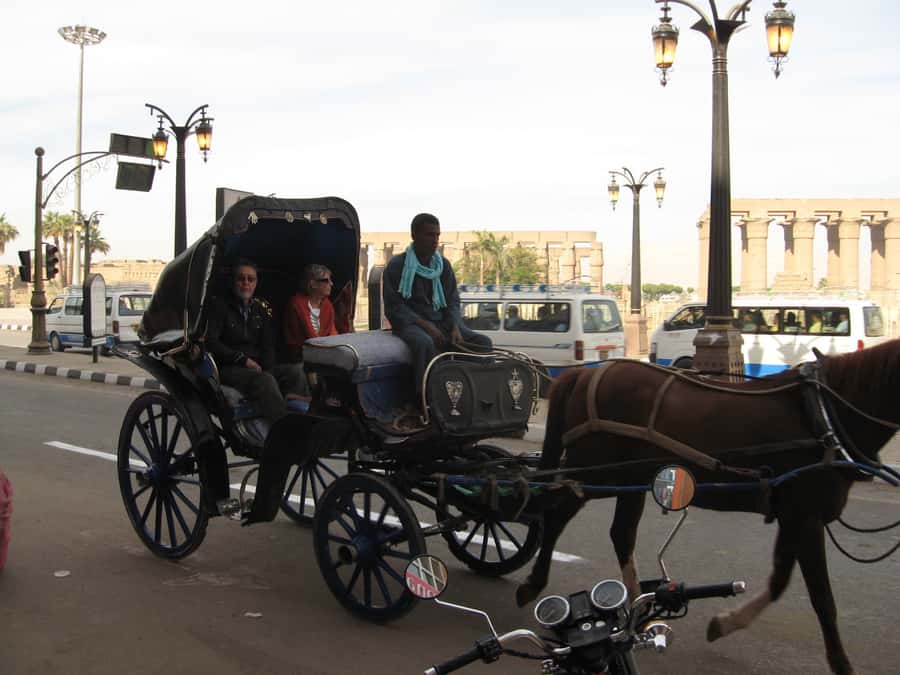
Luxor can be fast and overwhelming, especially if you’re jumping between temples and tours that want your whole day. This experience is built around a slower way to see the city: a private, horse-drawn carriage ride paired with a guided route. The result is that you get time to look around—at streets, storefronts, and the rhythm of daily life—not only at monuments.
Because pickup and drop-off are included from east bank hotels, you also avoid the hassle of finding a meeting point on your own. That matters in Luxor, where the “next stop” can be close on a map but not always easy in real life.
You’re allotted about 150 minutes total, which lines up well with the idea of a “great hits” city loop. It’s long enough to cover meaningful landmarks, but not so long that you burn out in the heat.
You can also read our reviews of more tours and experiences in Luxor.
Getting picked up and meeting your English guide
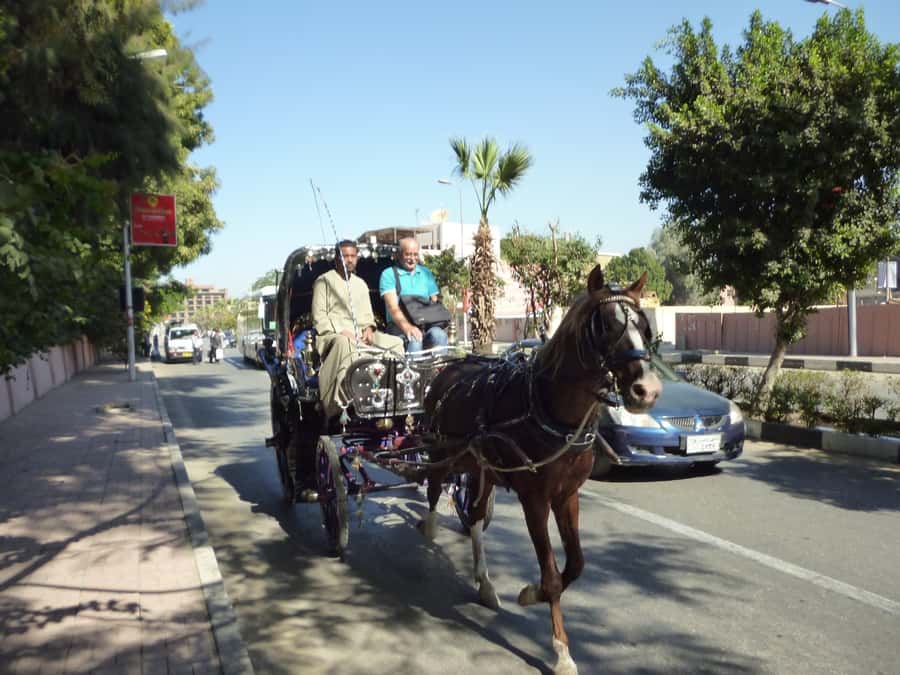
Your day starts with hotel pickup in Luxor, specifically from east bank locations. Then you meet your guide and head out by carriage. This is a private group format, so it’s not a crowded bus situation where you spend most of the ride trying to hear.
A live English guide is a big deal here. You’re not just walking past things; you’re hearing what each place means. If you like learning how cultures work, you’ll appreciate the way the guide connects history with current Egyptian life.
Two practical notes: bring sunglasses, and keep your luggage off the plan. Large bags and luggage aren’t allowed, so bring a small bag you can manage without making it everyone’s problem.
The ride itself: calm views, good photo timing
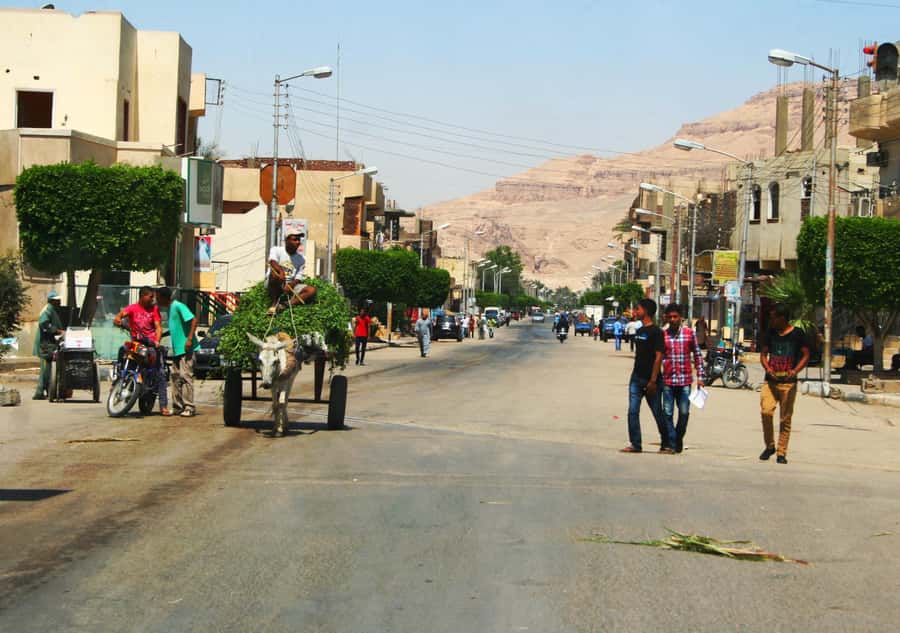
This tour is built on the carriage ride, and that changes everything. On foot, you’re always adjusting your pace, dodging crowds, and waiting at intersections. By carriage, you can settle into the flow, watch what’s happening around you, and actually frame photos rather than grabbing shots while moving.
The ride feels intentionally unhurried, which is why it’s often described as peaceful and relaxing. When you’re in Luxor, that’s more than a comfort perk. It makes the city feel less like a checklist and more like a place you can understand.
If you’re the kind of traveler who likes to take breaks—sit for a moment, watch people, then move on—this pace is a real advantage. If you’re expecting a nonstop sprint with lots of long indoor museum time, you might find the “see and learn while riding” format a bit lighter than you want.
Historic village stop: glimpses of everyday Egyptian life
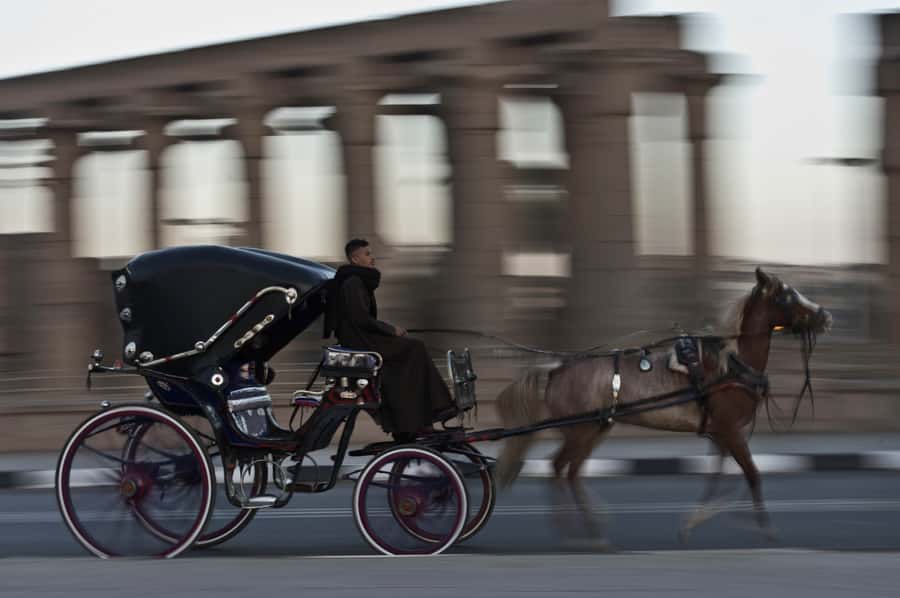
Early on, you pass through a historic village area, giving you a glimpse of the way people lived and still live close to the ancient river world. This is where the tour starts to feel different from temple-only days.
The guide’s explanations here tend to focus on traditions and daily life alongside history. That’s a smart approach in Luxor, because it reminds you that these monuments didn’t appear in a vacuum. They’re part of a living landscape where faith, commerce, and family life continue.
This segment also gives you something many big-site tours skip: time to look at ordinary streets without feeling like you’re intruding. You get the perspective of moving through the city with local context.
Abu Haggag Mosque: 3,400+ years of continuous worship
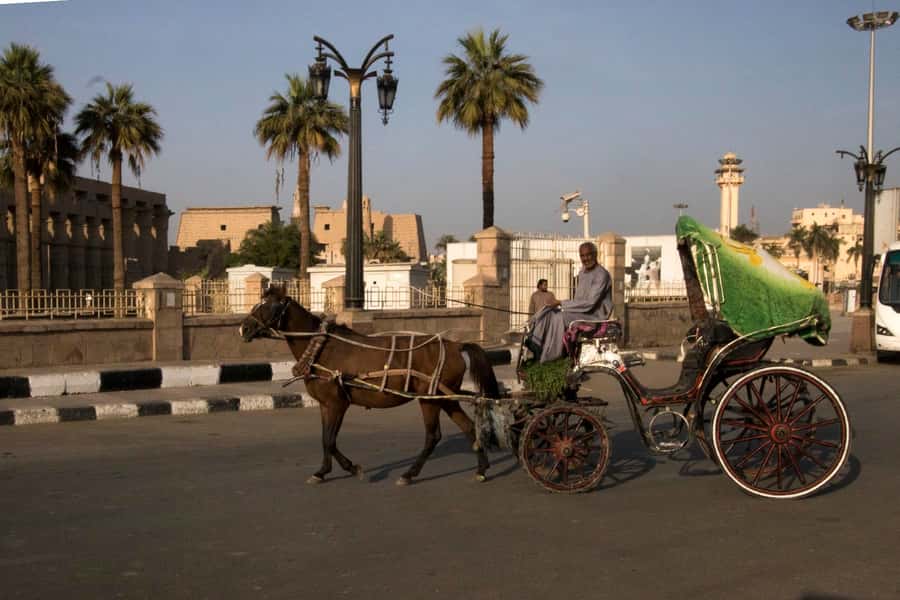
One of the most important stops is the Mosque of Abu Haggag, described as one of the oldest places of continuous worship in the world, with a history dating back over 3400 years. You’re not only seeing a religious site; you’re seeing how layers of time can sit together in one location.
The value of this stop is in the contrast. You’ll encounter a place that belongs to people’s routines and beliefs, not just tourist viewing. That makes the architecture and location feel more meaningful than it would if it were simply another “photo stop.”
You also get context for how different communities have shaped the east bank over centuries. In a city like Luxor, that helps you read what you’re seeing instead of treating each landmark like a separate island.
You can also read our reviews of more tours and experiences in Luxor


The souq pass: a market scene with real shopping energy
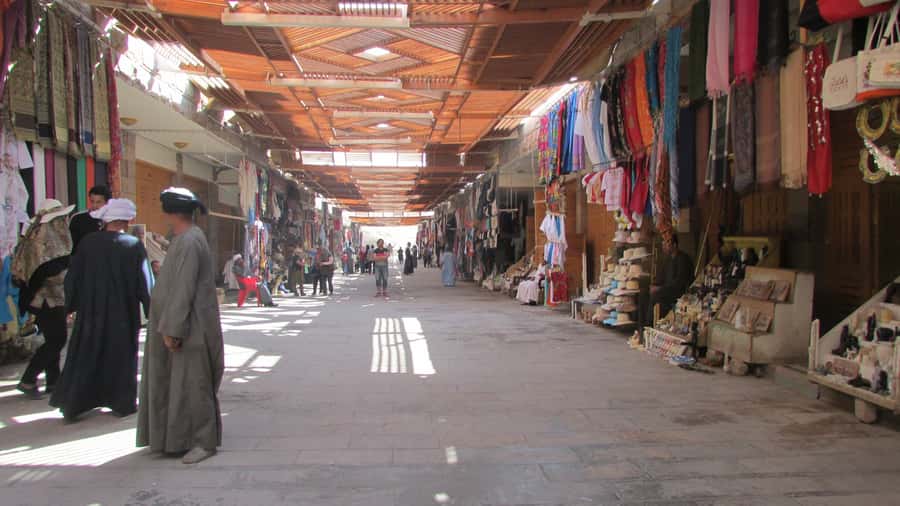
After the mosque, you move through a busy souq area—full of locals and travelers hunting for bargains and local goods. This is one of the easiest places to notice the living side of Luxor immediately.
Even if you’re not shopping, walking through (or along) market activity teaches you a lot. You see the pace of commerce, the mix of goods, and how people interact with visitors. It’s also a good point in the tour to slow down for a quick photo or two, because the guide is keeping the story going while you watch.
Do keep expectations practical: a souq is lively by nature. If you don’t enjoy crowds or you’re sensitive to noise, this is the moment to mentally brace a bit. The payoff is that the tour becomes more than temples and stones.
Coptic Christian churches along the east bank
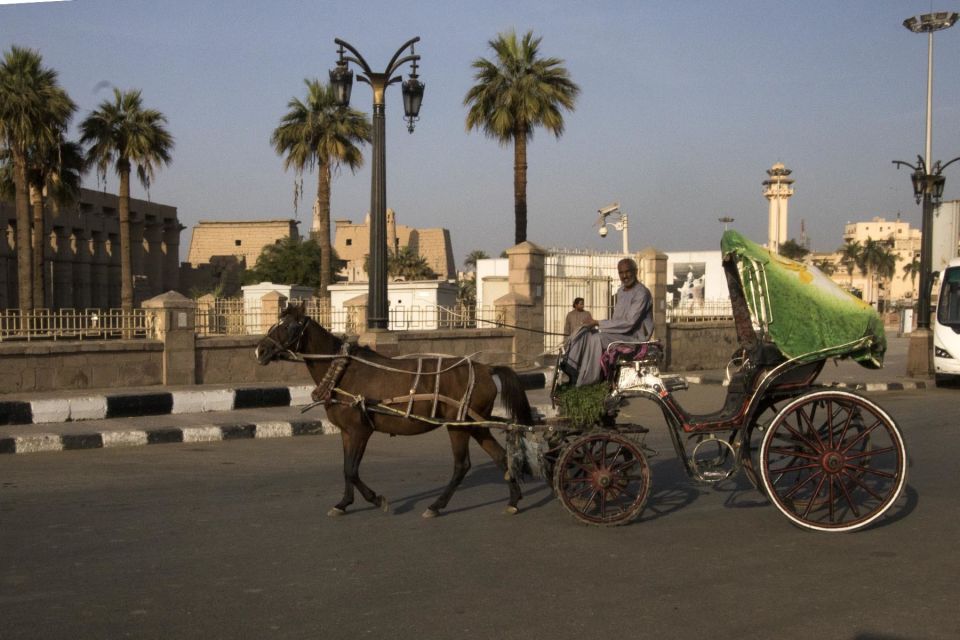
As you continue along the east bank route, you’ll pass numerous Coptic Christian churches built along the area. This is another reminder that Luxor isn’t only ancient Egyptian monuments.
The guide’s role matters here. Without context, you might notice buildings and move on. With explanations, you start to see the east bank as a timeline, not a single era.
This stop helps you understand why the city feels layered even when you’re only traveling a short distance. It’s one of those “blink and you’ll miss it” details for many visitors, but on this route you’ll actually get it pointed out.
Luxor Temple with Ramses II: one of the big statements
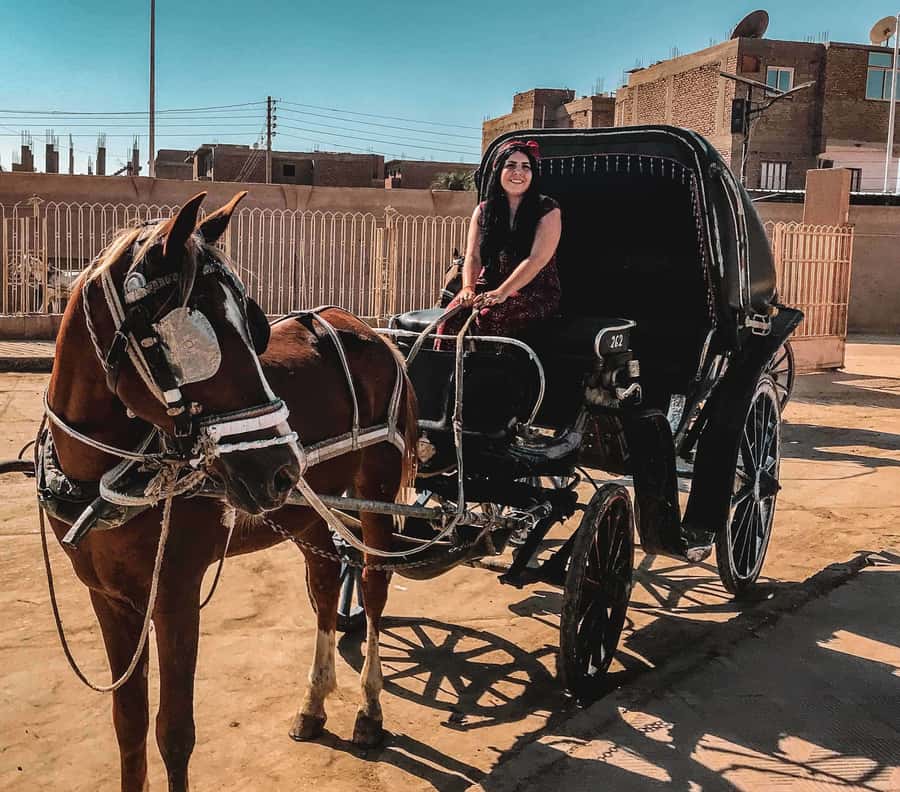
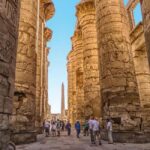
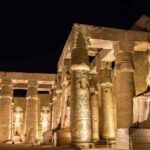
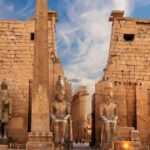
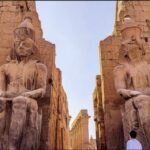
Then you get to one of Luxor’s headline monuments: Luxor Temple, built by Ramses II around 1400 BC. It’s the kind of site where you can feel the scale quickly, even if you don’t spend hours inside.
The value here is the timing. Because you’ve already seen religious life and a local market scene, the temple doesn’t feel like a random stop. It feels like the monumental side of the same long story.
Your guide will help you make sense of what you’re looking at, so you’re not left wondering what matters most. And since you’ve been moving slowly by carriage earlier, you can give Luxor Temple the attention it deserves without rushing through.
Optional Karnak Sound & Light Show: add-on for the evening mood
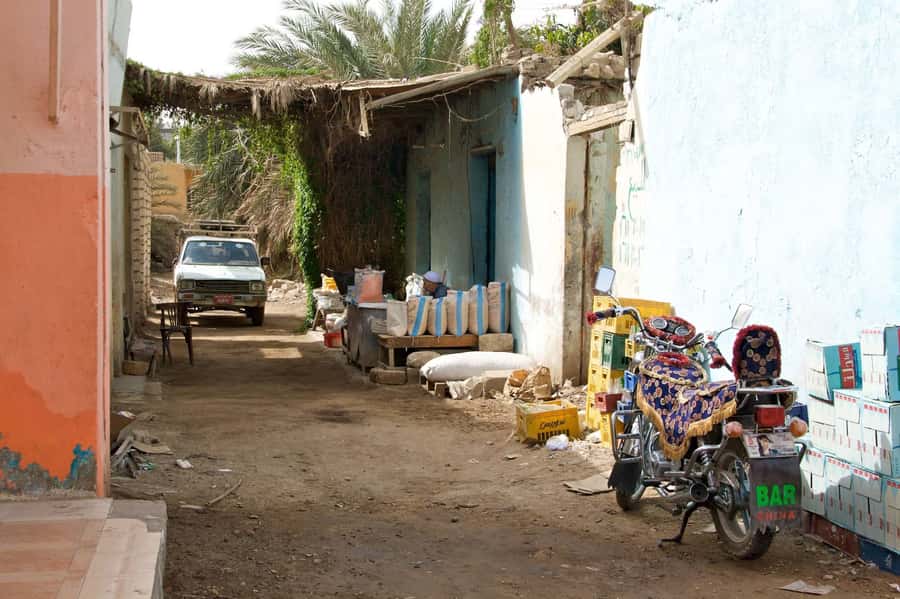
If you select the option, you can include the Sound & Light Show in Karnak. That’s a popular add-on because it turns the ancient setting into a full sensory experience, usually best when the light changes and the crowds shift.
One practical point: your total tour duration is listed as 150 minutes, and starting times can vary. If Karnak is on your must-do list, check availability for the schedule that fits your day so you don’t end up choosing between this city tour and the show.
Also note that the tour package includes skip-the-ticket-line, which can save time when you’re adding an evening component.
Price and value: is $12 a good deal?
At $12 per person, this tour is priced like a practical “Luxor highlights” option rather than a luxury experience. What makes it feel like value is that it bundles more than just sightseeing.
You’re paying for:
- hotel pickup and drop-off from east bank hotels
- a guided horse carriage tour
- an English-speaking live guide
- an experienced tour operator handling the day
For many first-time visitors, that combination reduces the stress of planning and logistics. You don’t have to figure out transportation, where to go in what order, or how to understand what you’re seeing.
Also, the private group format matters. Even when it’s not expensive, private time usually means less waiting and more flexibility to ask questions.
The only time the price might not feel like a win is if you want lots of long, inside-the-temple exploration. This tour is more about guided viewing from the route, plus key landmark stops, rather than a museum marathon.
Who should book this horse carriage city tour
I think this tour is ideal if you:
- want a calm, slower pace for seeing Luxor
- like guided context while you move through town
- care about local life, not only ancient monuments
- prefer a private group over sharing a ride with strangers
- want a “good first day” overview that doesn’t crush your energy
It’s also a nice fit if you’re traveling with someone who finds long, hot walks tough. The carriage does the heavy lifting, while you still get real sights and a guide’s explanations.
Tips that help you get more from the day
A few small choices make the tour smoother:
- Wear sunglasses and sunscreen. Luxor sun can be relentless.
- Keep your bag small. Since large luggage isn’t allowed, plan for a compact day bag.
- Have your camera ready when the guide starts describing a site. The explanation usually lines up with what you’ll want to photograph.
- If you’re adding the Karnak show, build your schedule around it rather than assuming everything happens automatically.
One more human detail I love about this experience: guides can be surprisingly personal. On some rides, the guide Adam and the carriage driver Mostafa are known for being warm and genuinely focused on how Egyptians live today. That kind of attention is why the tour can feel meaningful, not just mechanical.
Should you book this Luxor city tour by horse carriage?
If your goal is to see Luxor with less stress and more local context, I’d book it. The format hits a sweet spot: private, guided, and paced for real looking, with standout landmarks like Abu Haggag and Luxor Temple.
I’d skip it only if you want a long, deep temple-and-museum day with heavy time inside buildings. This is a guided city-and-monument ride, not a multi-hour interior exploration program.
If you’re visiting Luxor for the first time, or you want a second day option that doesn’t feel like work, this is a smart bet at a very approachable price.
FAQ
Is the Luxor city tour by horse carriage private?
Yes. The tour is listed as a private group.
What is the duration of the tour?
The duration is listed as 150 minutes.
Where does pickup happen?
Pickup is included from all East Bank side hotels in Luxor.
What language is the guide?
The live tour guide is English.
Is ticket line skipping included?
Yes. Skip the ticket line is included.
What should I bring, and can I bring luggage?
Bring sunglasses. Large bags or luggage are not allowed.