REVIEW · LUXOR
Hurghada: Luxor Tour with Valley of Kings, Karnak & Tut Tomb
Book on GetYourGuide →Operated by OceanAir Egypt · Bookable on GetYourGuide
Luxor in a single day feels like cheating—until you ride out early and see how it works. This Hurghada-to-Luxor day trip is built around a small group and an Egyptologist guide, so you spend real time on the big hitters: Karnak Temple and the Valley of the Kings, not just photo stops. The main drawback is simple: it’s a long day with a lot of driving, and comfort on the van/bus depends on your seat.
If you get a guide like Huda or Mahmoud (two names that show up again and again in real tour experiences), the sites make more sense fast—stories connect across Karnak, Hatshepsut, and the tombs. You’ll also get the practical stuff that matters: tickets handled, lunch in Luxor, snacks and water for the road. Just plan on being tired by the final stop.
In This Review
- Key Things I’d Pay Attention To
- Price and What You’re Really Paying For
- Early Pickup from Hurghada: The Long Drive Part That Matters
- Karnak Temple: Guided Time That Helps You See the Place
- Luxor Temple Photo Stop: A Quick Outside Snapshot
- Colossi of Memnon and the City of the Dead: Where the View Starts
- Hatshepsut Mortuary Temple: The 18th Dynasty Stop You’ll Remember
- Valley of the Kings: How to Plan Your Tomb Time
- A small but important practical tip
- Lunch in Luxor: Food, Timing, and One Nice Extra
- Group Size, Language, and the Guide Factor
- Comfort, Crowds, and the Reality of a 15-Hour Day
- Who This Tour Suits Best
- Should You Book This Hurghada to Luxor Day Trip?
- FAQ
- How long is the tour from Hurghada to Luxor?
- Where does pickup happen?
- What sites are included in the tour?
- Is lunch included?
- Do I get an Egyptologist guide?
- Is transportation provided?
- Are entrance tickets included?
- Does this tour include a small group?
- What should I bring?
- Is the tour suitable for wheelchair users?
Key Things I’d Pay Attention To
- Egyptologist-led Karnak: guided time plus room to walk so you can actually look, not just follow.
- Hatshepsut’s mortuary temple: a focused 18th Dynasty highlight with guided explanation at the right pace.
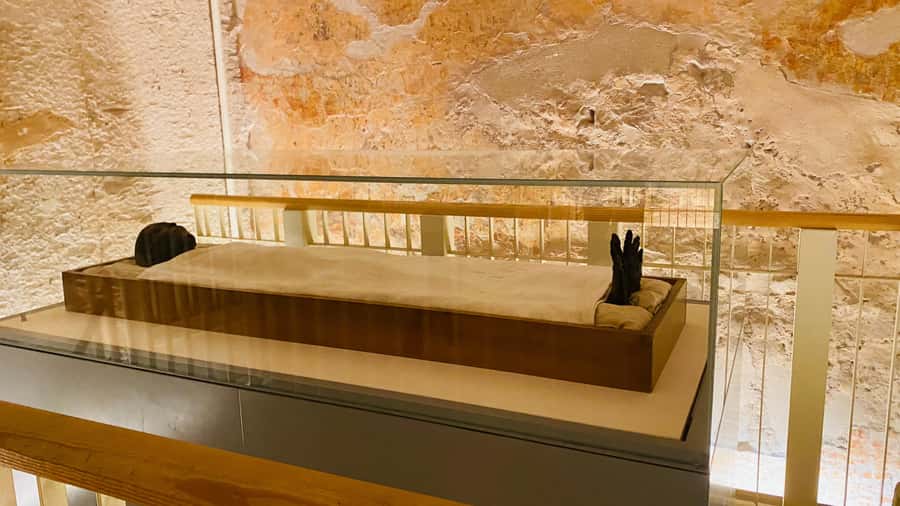
- Valley of the Kings logistics: enough time for more than one tomb, and the option to add Tutankhamun (KV62).
- Real small-group pacing: limited to 15 participants, which helps at busy sites like Karnak.
- Lunch timing and comfort: early lunch can happen, and the road is long both ways.
Price and What You’re Really Paying For
At $103 per person, this is priced like a serious day trip, not a “hop on, see a temple, hop off” outing. You’re paying for the whole package: round-trip transport from Hurghada, an Egyptologist tour guide, entrance tickets, lunch in Luxor, and on-the-road extras like mineral water and local snacks.
That’s the value equation. If you tried to piece it together yourself—driver, guided expert time, and tickets—you’d usually spend more on the parts that actually matter. The biggest thing to watch is whether you’re booking the Tutankhamun tomb add-on (KV62). The tour includes Ramses tomb access options, and Tutankhamun is handled as an option when you choose it.
You can also read our reviews of more tours and experiences in Luxor.
Early Pickup from Hurghada: The Long Drive Part That Matters
This is a 15-hour day. In real life, that usually means an early pickup—often around 3:30–4:00 a.m.—and a long ride to Luxor in an air-conditioned vehicle. One stop for restrooms is built in on the way, and there are snack and water breaks so you’re not going in totally empty.
Here’s the truth about the drive: it’s not just “far,” it’s repetitive time sitting. Several people call out limited legroom or cramped seating. If you’re tall, I’d plan ahead—wear comfortable clothes, keep water handy (you’ll have it), and bring something small to pass the time (music, downloaded podcasts, a book).
The good news is organization tends to be tight once you reach Luxor. Guides and drivers are coordinated, and the day flows site-to-site instead of stalling.
Karnak Temple: Guided Time That Helps You See the Place
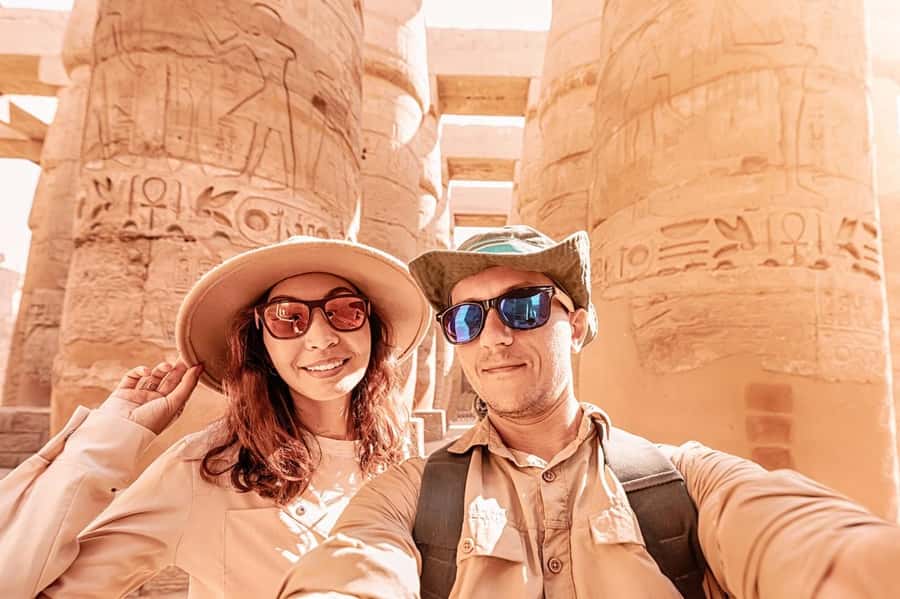
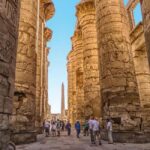
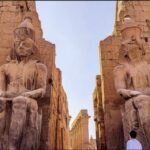
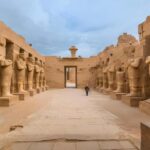
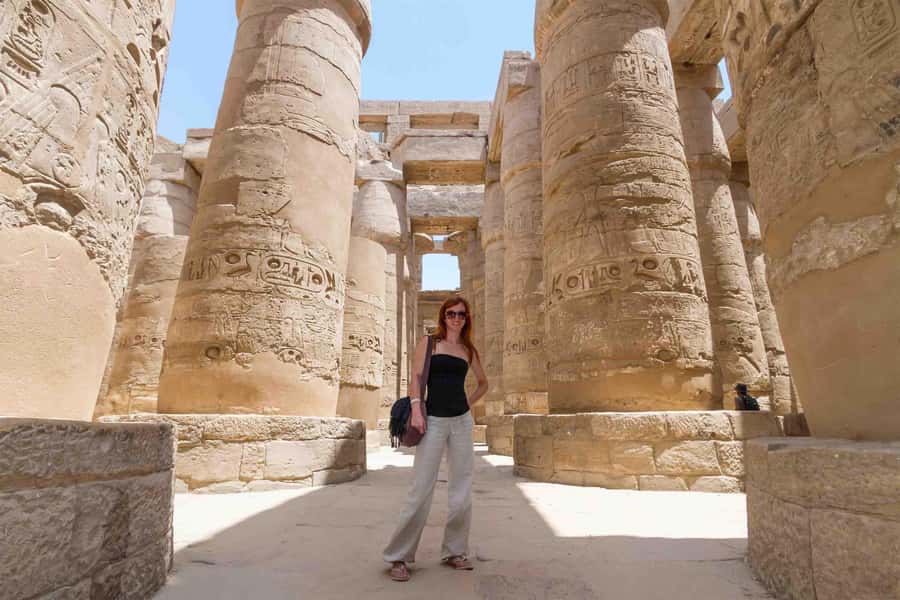
Karnak Temple is the kind of site where you can wander for hours and still feel like you’re scratching the surface. The value here is that the Egyptologist guide helps you make sense of what you’re looking at—pillared halls, chapels, and the sacred lake area that’s part of the UNESCO World Heritage setting.
You get a guided visit (about 1 hour) plus time to walk. That mix is important. A guide can point out the “why.” The walking part lets you verify it with your own eyes—columns, walls, and layout start to feel less chaotic.
Karnak also gets crowded. So I treat the guided portion as the anchor. If you’re hoping for a slower, self-paced temple stroll, this tour is still worth it, but you’ll be aware that the schedule moves.
Luxor Temple Photo Stop: A Quick Outside Snapshot
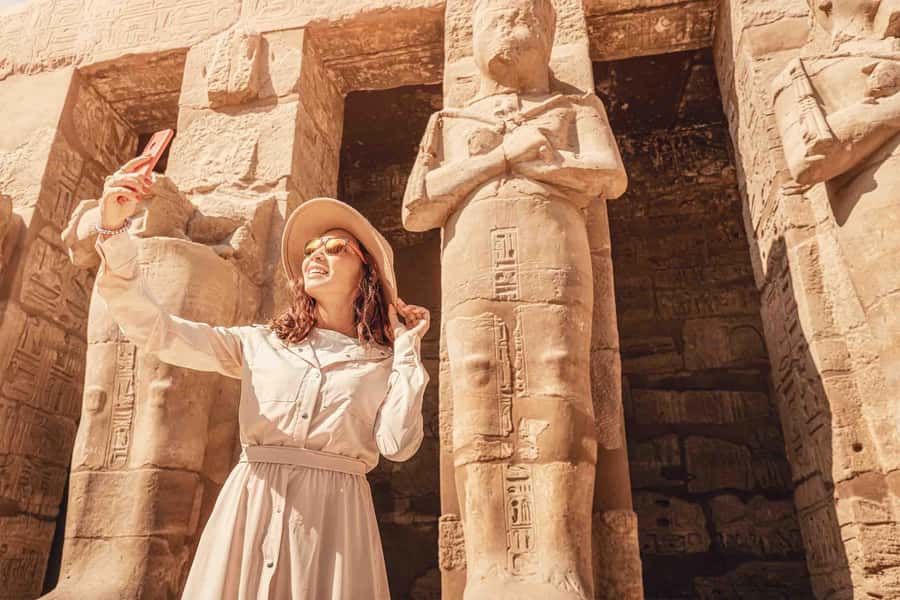
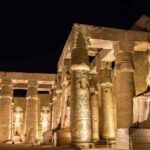
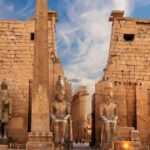
After Karnak, there’s an outside photo stop at Luxor Temple. It’s only about 15 minutes, so think of it as orientation: a quick glimpse at the other famous temple space in Luxor rather than a full guided experience.
If you love temple architecture, you might want longer here. But as a one-day plan, this “blink and you’ll miss it” stop keeps the day moving toward the things most people actually come for: the mortuary temple at the cliffs and the tombs in the Valley.
Colossi of Memnon and the City of the Dead: Where the View Starts
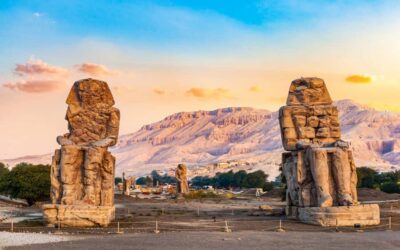
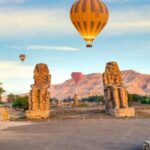
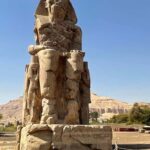
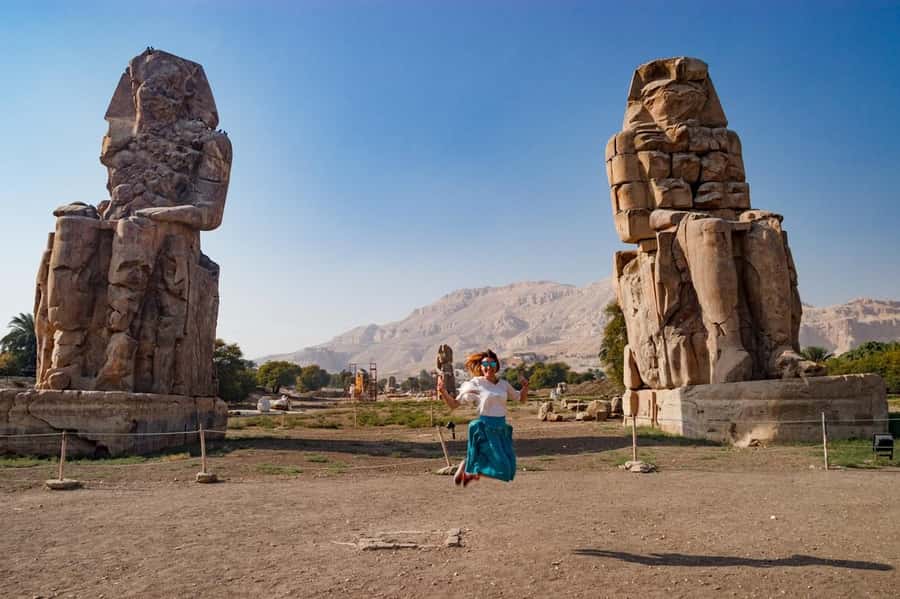
Next comes the City of the Dead area and the Colossi of Memnon. This stop is shorter (around 15 minutes with guided context), but it’s a powerful reset moment. Those giant seated statues make the ancient scale feel real, fast.
You’re guided through the significance of the location and what the Colossi represent, and you get quick time to look and take photos. If you’re the type who likes to linger, the pace may feel brief. Still, it works well as a transition: from large temple structures to the more rugged, tomb-focused Luxor you’ll see in the Valley.

Hatshepsut Mortuary Temple: The 18th Dynasty Stop You’ll Remember
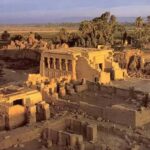
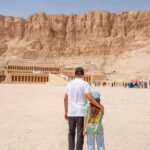
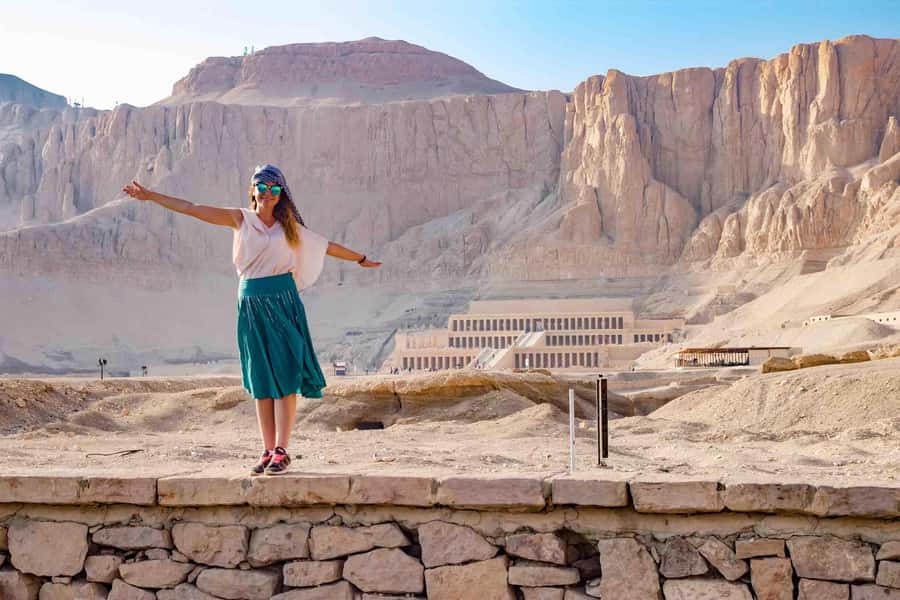
Queen Hatshepsut’s mortuary temple is one of the best stops on the whole day. It’s built during her reign in Egypt’s 18th Dynasty, and the architecture does the talking: terraces, angles, and a dramatic setting that makes the explanations feel practical.
You get about 1 hour here with a guided walk and sightseeing time. That’s enough to pick up the story while still having time to look for details—where the temple sits in relation to the cliffs, how the design supports the overall effect, and what it means as a royal mortuary site.
This is also where a great guide really shows. People repeatedly mention guides who keep the pacing human—explaining without turning it into a lecture. If you end up with someone like Mahmoud or Huda, you’ll likely get that “okay, now I get why this was built” feeling.
Valley of the Kings: How to Plan Your Tomb Time
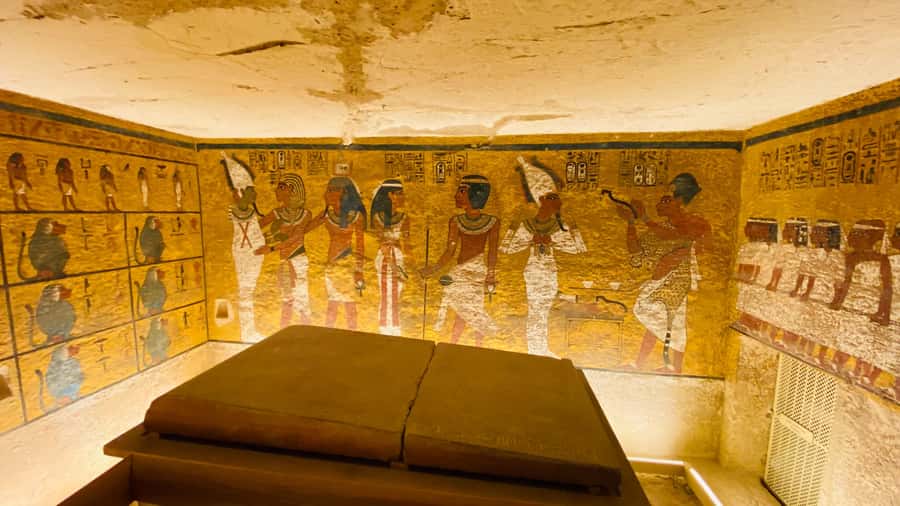
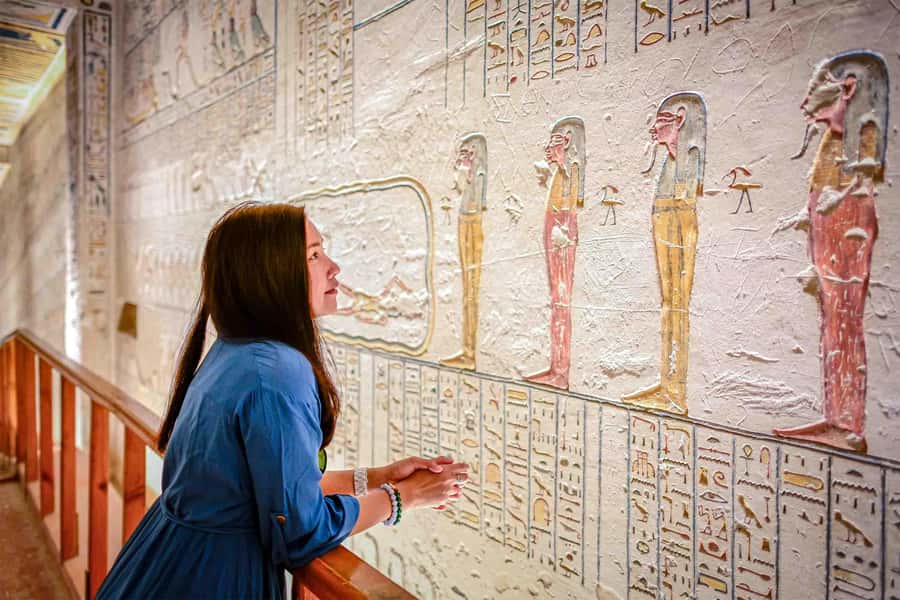
The Valley of the Kings is the core experience. The tour includes a guided visit of about 1.5 hours, and the point isn’t just seeing tomb entrances—it’s understanding how the Valley’s burial system shaped what you see in each tomb.
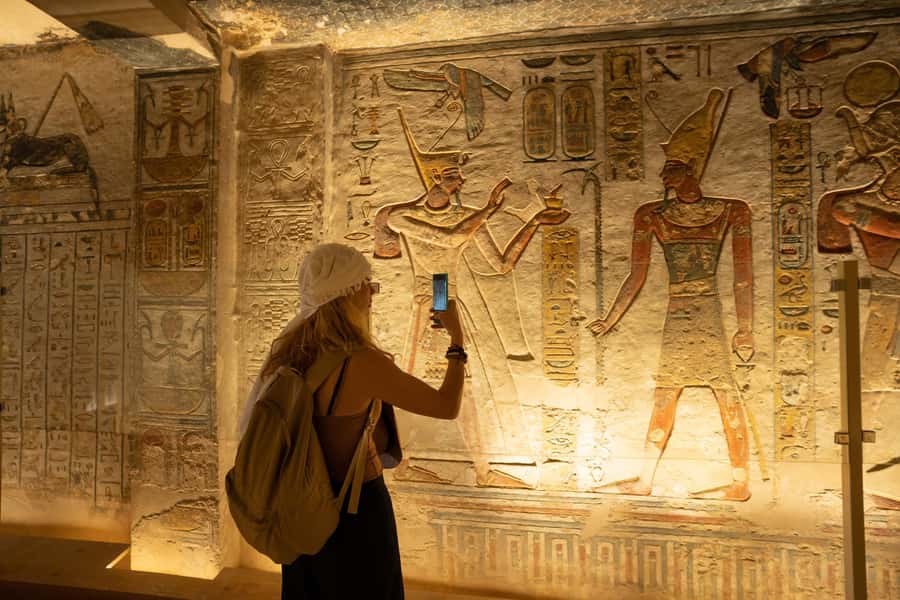
The tour also includes entry to a Ramses tomb option. The Ramses tombs you might access are listed as KV11 (Tomb III), KV2 (Tomb IV), KV1 (Tomb VII), and KV6 (Tomb IX). Which one you get depends on the operation and access.
Then comes the big question: the Tutankhamun tomb (KV62). You can book it as an option, and when it’s included you’ll go inside the tomb and see what everyone remembers from King Tut. For many people, paying extra for KV62 is the difference between a great day and the “I’ll never forget this” day.
A small but important practical tip
In tight tomb spaces, controls and rules can feel intense. One thing I’d watch for: avoid handing your phone to strangers for photos. Some people report phone issues in tomb areas (getting it back only after extra tipping). Keep your device in your own hands unless the situation is clearly official.
Lunch in Luxor: Food, Timing, and One Nice Extra
Lunch is included at a local restaurant in Luxor (about 1 hour). Drinks during lunch are not included, so if you like soda or juice, plan to cover it yourself.
A key timing note: lunch can arrive early—some people mention it happening around 10:45 a.m. That’s not wrong; it’s just how the schedule fits the long drive and tomb opening hours. If you’re not hungry right away, you might want a snack beforehand (you’ll likely have road snacks already, but your appetite may still be off at that hour).
One pleasant surprise shows up in real tour experiences: a short Nile boat crossing to the lunch restaurant area. It’s not described as the main feature, but it’s been part of how some groups reach lunch. If it happens for your group, it’s a good palate reset—quick water views, less bus time, and a chance to stretch.
Group Size, Language, and the Guide Factor
This is a small group limited to 15 participants. That matters at busy sites like Karnak, where bigger groups can feel like a moving crowd. Small also usually means fewer questions lost and more chances to hear explanations clearly.
Language options include English, French, and German. A lot of the praised value here comes from the guide experience—names that appear repeatedly include Huda, Mahmoud, and Ismail/Ismael as drivers or tour hosts. The best guides don’t just recite facts; they connect symbols, dates, and purpose so the tomb walls and temple carvings start to look less like random art.
Comfort, Crowds, and the Reality of a 15-Hour Day
Let’s talk trade-offs honestly. This tour is well structured, but it is still a full-day sprint with early pickup and long driving. People can feel “flagging” by the later stops. That’s normal.
Comfort is the variable you can control a bit:
- Choose the best seat you can when you board (ask politely).
- Wear shoes you can walk in for temple steps and uneven ground.
- Bring a hat for sun exposure in open areas and while waiting outside.
Also note what you can’t bring: no luggage or large bags. Pack light.
And one more practical detail: it’s smart to carry some Egyptian pounds for restrooms. The tour advises having small change for facilities as needed.
Who This Tour Suits Best
This day trip is a great fit if:
- It’s your first time seeing Luxor’s top sites.
- You want guide-led explanations rather than wandering with a guidebook.
- You like the idea of seeing temples plus tomb interiors in one shot.
It’s also a reasonable choice for families with older kids—one account mentions children enjoying it even though the day is long, largely because there are stops and pacing.
Skip it if:
- You need wheelchair access (it’s not suitable for wheelchair users).
- You hate early mornings and long bus rides.
- You want long, slow time in Karnak or the Valley with zero schedule pressure.
Should You Book This Hurghada to Luxor Day Trip?
I’d book it if you want one smart day that covers the headline Luxor experiences: Karnak Temple, Queen Hatshepsut’s mortuary temple, the Valley of the Kings, and the chance to add Tutankhamun’s KV62. The included tickets, Egyptologist guide, and lunch make it good value for a day this packed.
I’d think twice if you’re the type who needs breathing room at every stop. Here, you’ll get guided time and key sights, but you won’t have hours to wander completely on your own. And you should go in with realistic expectations about comfort on the road.
If you choose to go, do two things: wear comfortable shoes and protect your phone when people offer unsolicited photo help inside tomb areas. Small steps like that help the day stay smooth.
FAQ
How long is the tour from Hurghada to Luxor?
The total duration is 15 hours.
Where does pickup happen?
Pickup is included from your hotel in Hurghada (you’ll wait at the main gate along the highway, not the reception area). Longer-range pickup from Al Gona, Sahl Hashish, Soma Bay, Makadi, and Safaga can be booked as an add-on.
What sites are included in the tour?
The tour includes Karnak Temple, an outside photo stop at Luxor Temple, Colossi of Memnon, Queen Hatshepsut’s Mortuary Temple, the Valley of the Kings, and a Ramses tomb option. Tutankhamun’s tomb (KV62) is included only if you select the option.
Is lunch included?
Yes. Lunch at a local restaurant is included, but drinks during lunch are not included.
Do I get an Egyptologist guide?
Yes. The tour includes an Egyptologist tour guide, with languages available in English, French, and German.
Is transportation provided?
Yes. You travel in an air-conditioned vehicle, with pickup and drop-off from Hurghada.
Are entrance tickets included?
Yes. Entrance tickets for the attractions are included.
Does this tour include a small group?
Yes. The group is limited to 15 participants.
What should I bring?
Bring your passport or ID card, comfortable shoes, and a hat.
Is the tour suitable for wheelchair users?
No, the tour is not suitable for wheelchair users.