REVIEW · ASWAN
From Aswan: Abu Simbel Temple Day Trip with Hotel Pickup
Book on GetYourGuide →Operated by Nice Tours · Bookable on GetYourGuide
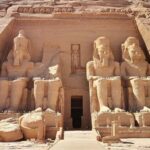
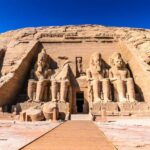
One of Egypt’s biggest wow-factors starts before dawn. This day trip from Aswan takes you to Abu Simbel, built for Ramesses II and famous for the four giant seated statues guarding the façade. I love how the hotel pickup and drop-off means you can skip the hassle of figuring out transport on your own.
I also like that you’re not rushed. You get a full visit window at the temple complex, and if you choose a guided option, the best guides tend to make the story clear, including the bigger meaning of the carvings and the relocation that saved the temples.
The main consideration is simple: it’s a long day with a long drive. If you hate early mornings or long rides in a group bus, this may feel like a grind before it feels like a reward.
In This Review
- Key things to know before you go
- Abu Simbel at Dawn: What the 10-Hour Rhythm Feels Like
- Hotel Pickup and AC Bus: Getting Out of Aswan Without Stress
- On the Road to Abu Simbel: Comfort Tips That Actually Help
- The Great Temple of Abu Simbel: Four Colossi and Why They Matter
- How Guides Turn Stairs and Shadows Into Meaning
- The Stories Inside: Light, Paintings, and the Temple Move
- Time on Site: How to Use Your Temple Visit Window
- Price and Value: Is $70 a Good Deal for This Day?
- Who This Trip Fits Best (and Who Should Skip It)
- Should You Book This Abu Simbel Day Trip From Aswan?
- FAQ
- How long is the Abu Simbel day trip from Aswan?
- Is hotel pickup and drop-off included?
- Where does pickup happen in Aswan?
- Do I need to pay extra for entry tickets?
- Is there a guide available?
- What languages are offered for the tour guide?
- Does the tour skip the ticket line?
- What should I bring for the day?
- Is this activity wheelchair accessible?
- What cancellation options do I have?
Key things to know before you go
- Hotel pickup in Aswan saves time and stress, especially with early departures
- A full Abu Simbel visit window gives you time to walk, look closely, and take photos without sprinting
- Skip-the-ticket-line can help when you arrive early with other groups
- Guide options in many languages (Arabic, English, French, German, Spanish) can turn stone into a story
- Packed lunch and water make the day easier because you’re out for about 10 hours total
- Not wheelchair-friendly due to the site and logistics
Abu Simbel at Dawn: What the 10-Hour Rhythm Feels Like
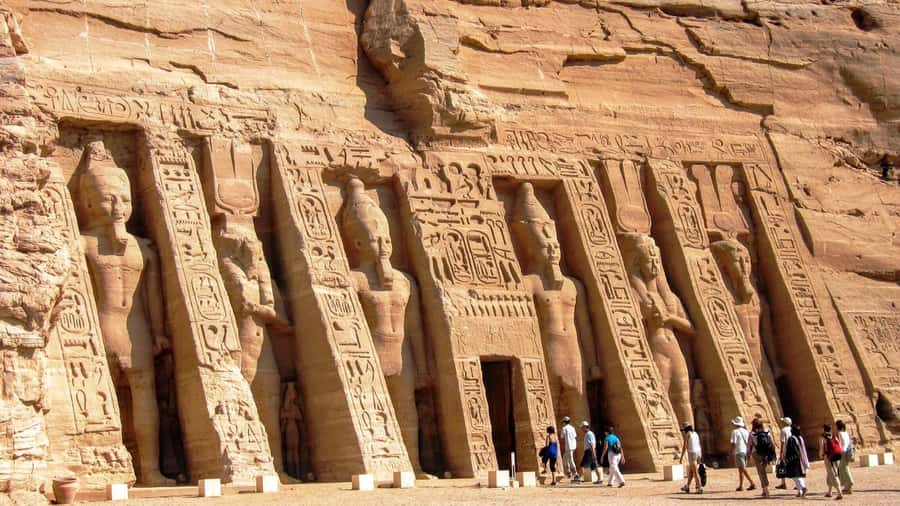
This trip is timed for the reality of distance. You’re picked up early in Aswan and you’re back the same day, with the whole experience clocking in at about 10 hours. That means you’ll spend a lot of time in transit, then concentrate on the temples once you arrive.
Expect the drive to take time, and the day stays full. Some days can start very early, and the experience only works well if you accept that trade-off: hours on the road, then a strong payoff at the site.
You can also read our reviews of more tours and experiences in Aswan


Hotel Pickup and AC Bus: Getting Out of Aswan Without Stress
The best part of this style of tour is that it handles the hardest logistics for you. You’re collected directly from your accommodation in Aswan, then moved by an air-conditioned bus with a group. At the end, you return the same way, so you don’t have to arrange a pickup in the middle of nowhere.
Pickup coverage can be wider than just one hotel zone. Depending on the add-on you choose at checkout, pickup may include the Island, Gharb Soheil, Nagaa al-Mahatta, or New Aswan. If you’re staying in one of these areas, that flexibility matters.
The ride is also set up for comfort. In the comments people repeatedly note smooth driving and clean vehicles, which is exactly what you want on a long day.
On the Road to Abu Simbel: Comfort Tips That Actually Help
You’re traveling far, and you’ll be out for most of the day, so plan to treat this like a road trip. Bring water and plan on using it, and pack sunscreen and sunglasses because you’ll be exposed to the desert sun. Comfortable shoes are a must even if your temple time is only part of the day.
The tour asks you to bring a packed lunch. That’s not a random detail; it’s your buffer when timing at the site doesn’t line up with when you’d normally want food. If you tend to get cranky when hungry, pack something you’ll actually eat.
A credit card is listed too. I’d carry it because it’s better to have it than to need it unexpectedly.
The Great Temple of Abu Simbel: Four Colossi and Why They Matter
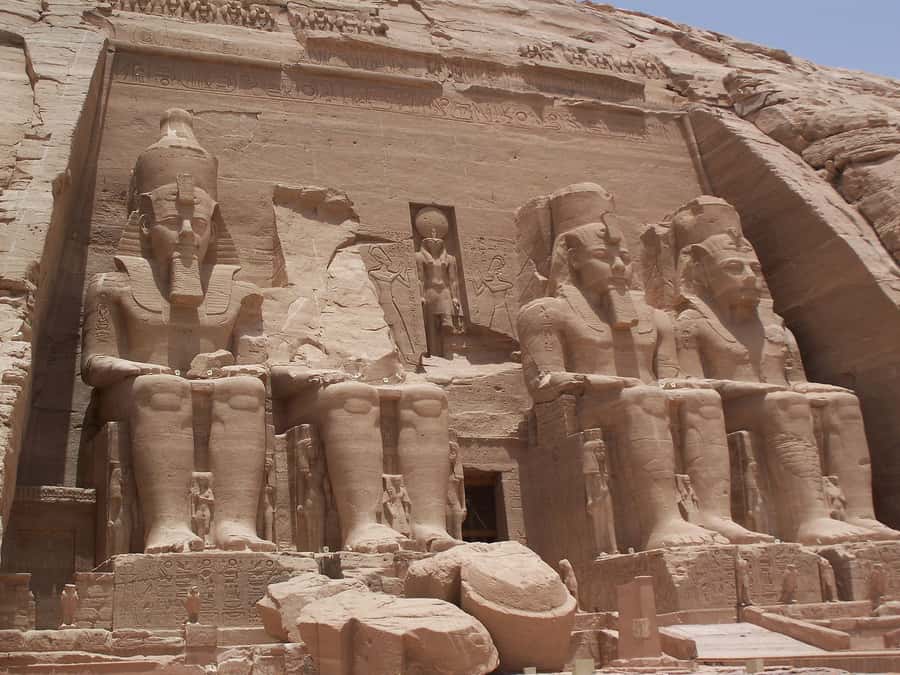
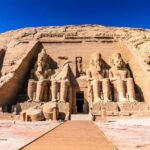
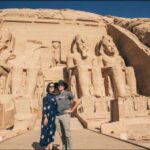
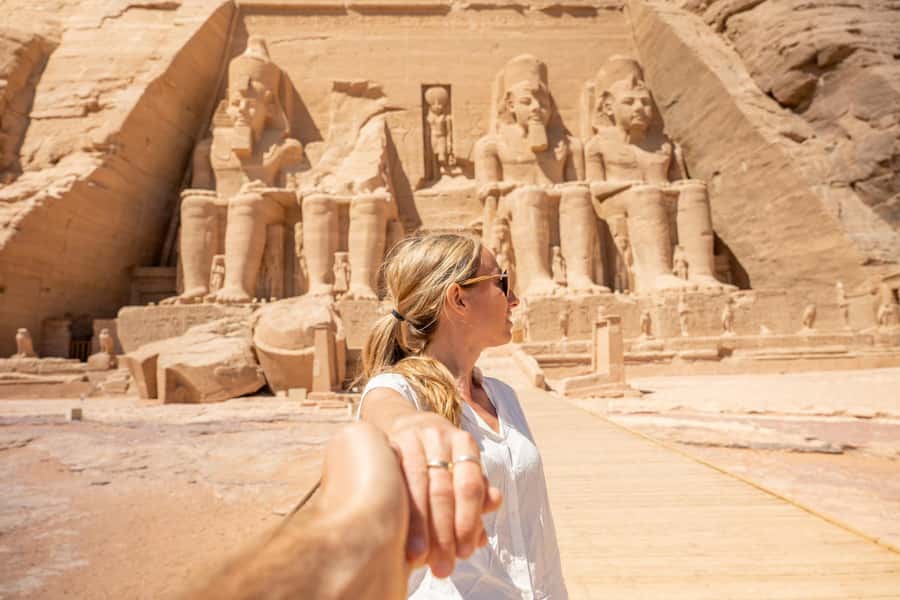
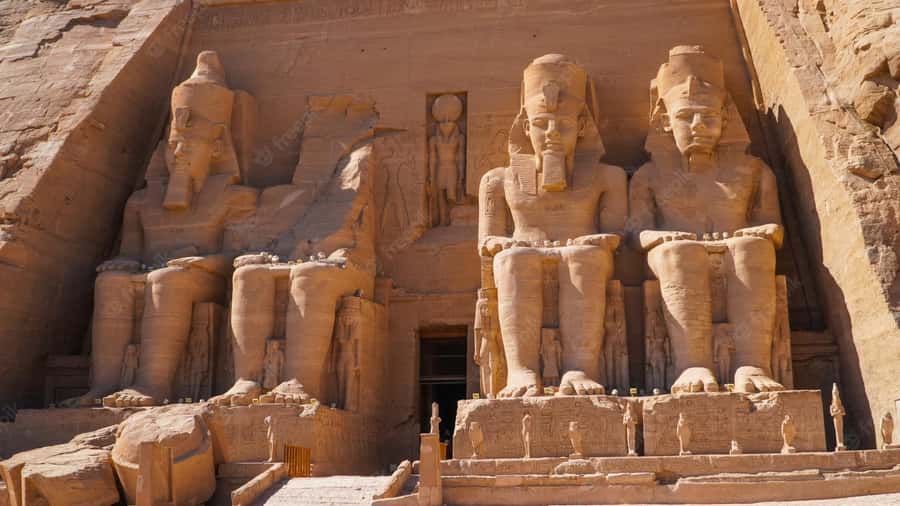
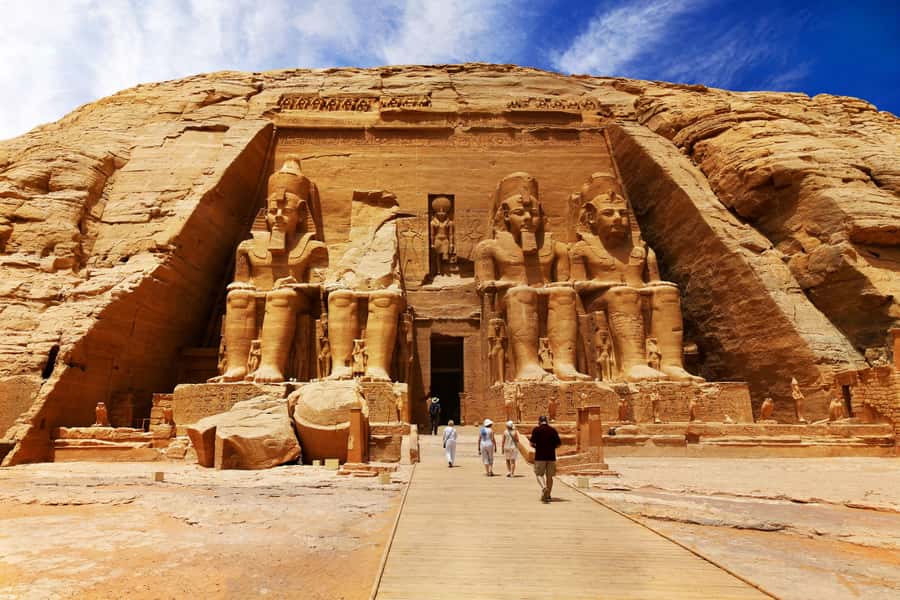
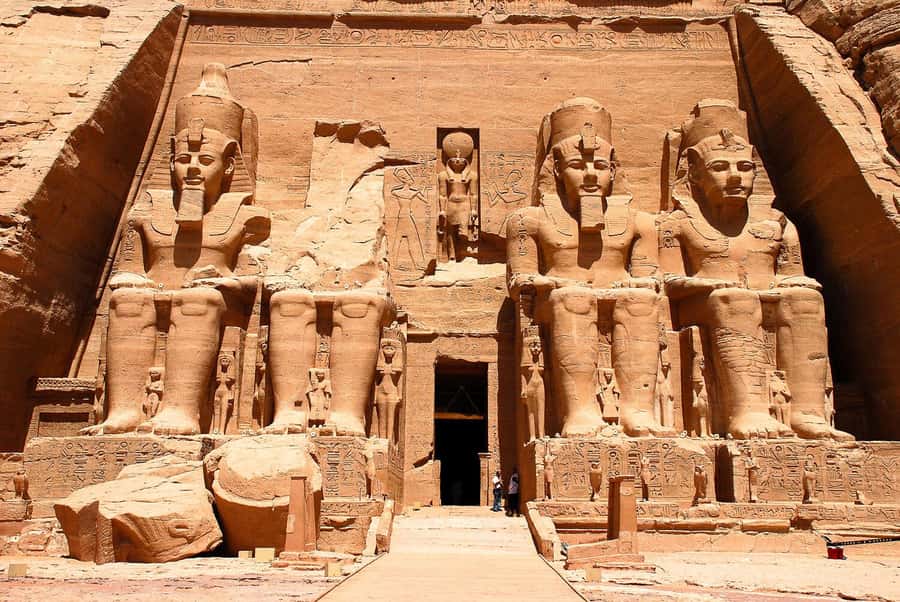
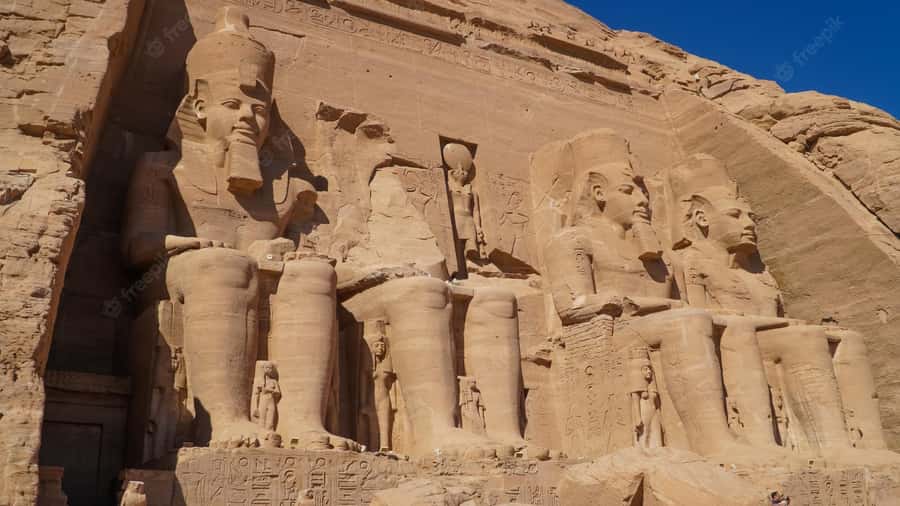
Once you arrive, the focus is the Great Temple of Abu Simbel, one of Egypt’s major UNESCO sites. The main visual hit is the façade with its four huge seated statues. It’s the kind of monument where photos don’t fully prepare you for scale, because you feel how massive the figures are once you’re standing at the entrance.
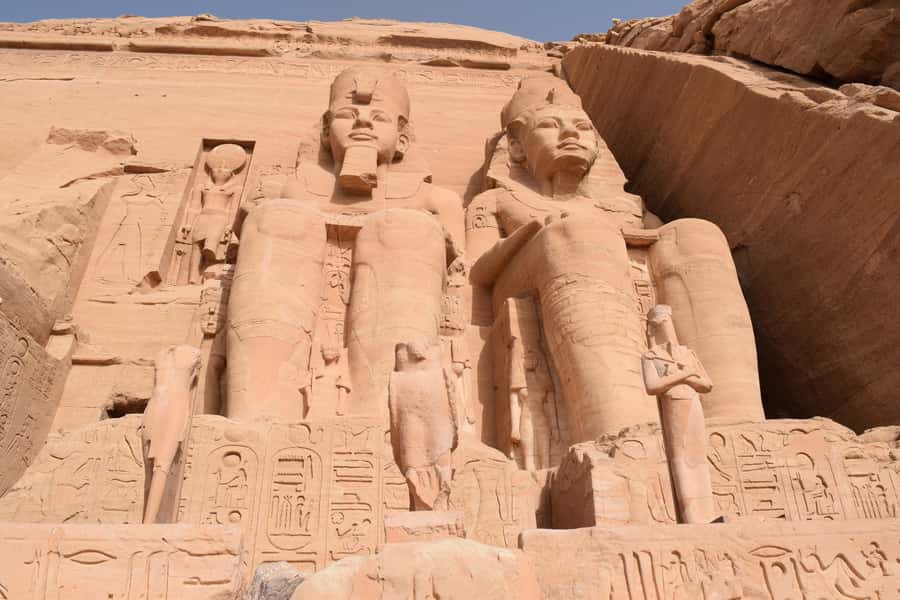
You’ll have time to explore the temple, not just stand at the gate for a quick peek. That matters because Abu Simbel rewards slow looking: carvings at eye level, details on faces, and the way the temple layout guides your attention.
If you like monuments with political messages wrapped in architecture, this is one of the best places in Egypt to see that idea in stone. This is temple design that shouts its purpose.
How Guides Turn Stairs and Shadows Into Meaning
If you select a guided option, you’re getting an English-speaking guide by default, and the tour also lists a wider set of languages depending on the guide chosen. The key is not just translation. A good guide helps you connect what you’re seeing to why it was built.
In real experiences, guides often explain the temple history in a way that sticks. For example, Ahmed Achraf is praised for detailed explanations of the temples’ background, and Mostafa, Maro, and Mido are repeatedly mentioned for making the visit feel understandable and smoothly organized.
One smart detail some groups mention: guides may share photos or preview images before you enter certain areas, so you can recognize what you’re looking at once the lights and angles change. That kind of prep can make your time inside feel less like guessing and more like watching a story unfold.
Even if you’re not choosing a guide, this is a site where a little context makes a big difference. If you’re the type who likes to ask questions, a live guide usually pays for itself in time saved and confusion avoided.


The Stories Inside: Light, Paintings, and the Temple Move
Abu Simbel isn’t only about what you see on the outside. The site’s lore includes special alignment moments tied to sunlight. One frequently mentioned point is the miracle-style design where light reaches inside on special days of the year. Hearing that before you walk in helps you notice details instead of just counting columns.
You’ll also run into wall paintings and painted surfaces that are part of the experience. Some guides explain details about the interior wall scenes and how to “read” them. Even if you don’t catch everything, that guidance helps you slow down and look at the parts you’d otherwise overlook.
There’s also the modern chapter of the story. Guides often connect the temple’s preservation to the relocation project carried out after the Aswan High Dam, with help that included UNICEF. That context turns your visit from a simple sightseeing stop into a reminder that people fought to keep this place standing.
Time on Site: How to Use Your Temple Visit Window
The visit is timed for you to have enough time to explore. That means you should do two things: first, walk the main route so you understand the overall layout, then circle back to look longer at the façade and key carved details.
If you’re choosing a guided experience, I’d listen closely at the start. Once the guide sets up what the temple is trying to say, you’ll get more from every minute afterward. If you’re choosing the no-guide option, give yourself extra time to take in the exterior first, then focus inside on the areas that most match the stories you read beforehand.
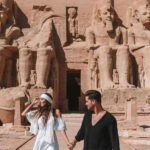
Also plan for photos. Abu Simbel has dramatic angles, and early lighting can help your pictures. If you’ve got a camera or phone that likes stable shots, you might want to pause and frame carefully rather than sprinting for one “perfect” picture.
Price and Value: Is $70 a Good Deal for This Day?
At $70 per person for an all-day trip, you’re paying mostly for logistics and time savings. That includes hotel pickup and drop-off, air-conditioned group transport, and the on-site access structure, including the option to have entry ticket handling depending on what you select.
The real question is what you save compared with doing it on your own. Here, you don’t need to coordinate transport timing, ticket entry procedures, or get yourself back to Aswan after a full day at a remote site. In practice, that’s a big value when you’re short on time in Aswan or you’d rather spend your energy looking at temples instead of managing transport.
If you choose the option that includes an English-speaking guide and the entry ticket, you also gain a live explanation layer that helps you get more meaning from the carvings and layout. If you’re the type who learns fastest through conversation, that’s where your money can show up most clearly.
Who This Trip Fits Best (and Who Should Skip It)
This is a strong pick for people who want a single-day Abu Simbel hit with minimal planning. It also works well if you’re traveling solo and want a group day structure with a guide option and organized transport.
The practical downside is physical and timing. It’s listed as not suitable for wheelchair users, and it’s a long day with early pickup. If you’re sensitive to early mornings or long drives, consider whether you’d enjoy spending most of your day on the road.
If you love monuments and want a deep, guided experience, Abu Simbel is the kind of place where a good explanation can change how you feel about what you see. If you prefer quiet sightseeing, you might still enjoy it, but you’ll want to come with a little self-prep so you can read the site as you walk.
Should You Book This Abu Simbel Day Trip From Aswan?
Yes, if you want Abu Simbel without logistical stress and you’re okay with a long day. The hotel pickup, air-conditioned group transport, and structured access make this a straightforward way to see one of Egypt’s most important monuments.
I’d book it particularly if you like having a guide to turn stone into context, since many guides are praised for clear explanations and for setting you up to understand what you’re about to see inside. Choose the guided option if you want to ask questions and connect the façade to the interior stories.
I’d skip it if you can’t handle early mornings, long drives, or if mobility access is an issue. In that case, you may be better off choosing a different approach that matches your pace and needs.
FAQ
How long is the Abu Simbel day trip from Aswan?
The duration is listed as 10 hours.
Is hotel pickup and drop-off included?
Yes. You’ll be picked up from your accommodation in Aswan and dropped off back at the end of the day.
Where does pickup happen in Aswan?
Pickup is from Aswan. An add-on at checkout may also include the Island, Gharb Soheil, Nagaa al-Mahatta, or New Aswan.
Do I need to pay extra for entry tickets?
Entry ticket inclusion depends on the option you select. The entry ticket is included if that option is selected.
Is there a guide available?
You can visit with or without a guide. If you select the guide option, an English-speaking guide is included (and other languages are available as add-ons).
What languages are offered for the tour guide?
Arabic, English, French, German, and Spanish are listed.
Does the tour skip the ticket line?
Yes, it is listed as skipping the ticket line.
What should I bring for the day?
Bring comfortable shoes, sunglasses, a credit card, sunscreen, water, comfortable clothes, and a packed lunch.
Is this activity wheelchair accessible?
No. It is listed as not suitable for wheelchair users.
What cancellation options do I have?
Free cancellation is offered up to 24 hours in advance for a full refund.