REVIEW · ASWAN
Aswan: Abu Simbel & Nefertari Temples Express Tour by Air.
Book on GetYourGuide →Operated by Sun Pyramids Tours · Bookable on GetYourGuide
Flying to Abu Simbel saves your whole day. I like this by-air approach because it turns a very long slog into a focused temple visit, so you don’t waste daylight (or patience) on the road. I also like how the tour frames what you’re seeing through the UNESCO relocation story, so the temples feel more than just impressive stone.
The only real downside is pacing. At 6 hours total, you’ll be on the move, and there’s limited time for slow reading and wandering once you’re inside. Also note: if you’re picked up from Soheil Island, Hisa Island, Aswan Airport, or a Nubian hostel, there’s an extra cost.
In This Review
- Key highlights worth your attention
- Why this Abu Simbel tour feels worth it (even if it’s a long day)
- Hotel pickup in Aswan: easy start, watch the pickup location cost
- Flight to Abu Simbel: the fastest route to first impressions
- Ramses II sun temple: where the scale hits you first
- The UNESCO relocation story: why Abu Simbel survived
- Temple of Queen Nefertari: finer carvings in a shorter window
- Timing and guidance: what “guided” often means in a 6-hour express format
- What’s included (and what that means for your day)
- Price and value: is $589 a bargain or a splurge?
- Who this tour suits best
- A practical checklist before you go
- Should you book this Abu Simbel express tour?
- FAQ
- How long is the Abu Simbel express tour by air from Aswan?
- Where does the tour start and end?
- Are flights included in the price?
- Which temples do you visit?
- Is a guide included?
- What language options are available for the guide?
- Do I need to pay an entrance fee?
- What do I need to bring?
- Is the tour wheelchair accessible?
Key highlights worth your attention
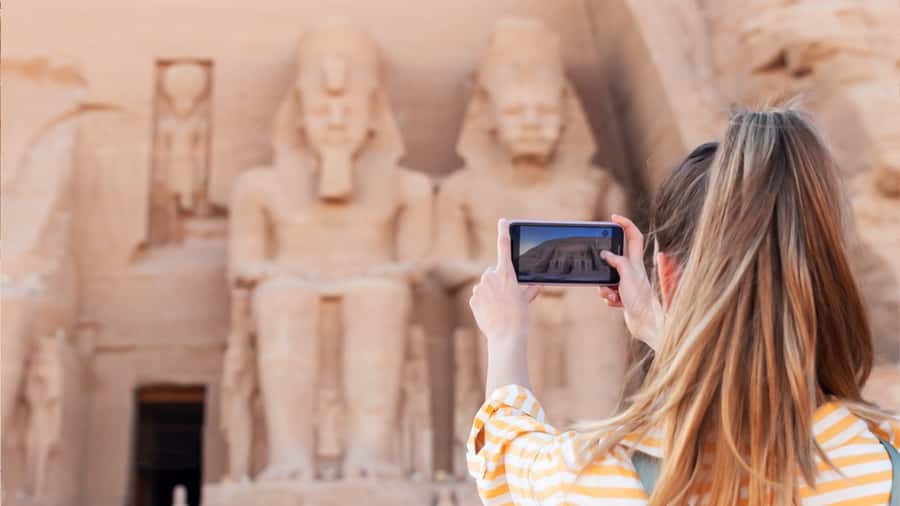
- Direct flight from Aswan cuts the travel time and keeps the experience tight and doable
- Ramses II’s sun temple gives you a front-row view of monumental façades and wall details
- Battle of Kadesh mural is a standout moment inside the larger temple
- Temple of Queen Nefertari focuses on refined carvings and the story of Ramses’ wife
- UNESCO relocation context helps you understand why these temples exist where they do today
- Hotel pickup and drop-off in Aswan makes the day feel simple and stress-free
Why this Abu Simbel tour feels worth it (even if it’s a long day)
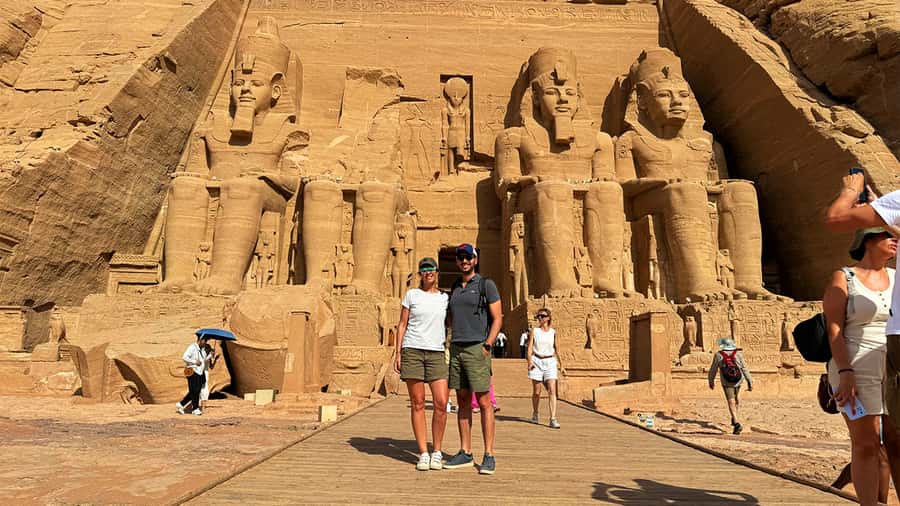
Abu Simbel is one of those places that sounds simple on paper: visit a couple of temples and go home. In reality, getting there by land can eat up most of a day. That’s why this express format works so well for I-you planning.
You’re not just traveling to a sight. You’re making a time-saving choice. By flying from Aswan, the day becomes a temple day, not a transportation day. That matters if you have only a short window in Aswan, you dislike long transfers, or you’re trying to pack Ancient Egypt into a manageable schedule.
And because the guide explains what you’re looking at, the trip also earns its keep. Abu Simbel isn’t just big. It’s specific: the temple layout, the carvings, and the whole relocation saga connect into one message.
You can also read our reviews of more tours and experiences in Aswan.


Hotel pickup in Aswan: easy start, watch the pickup location cost
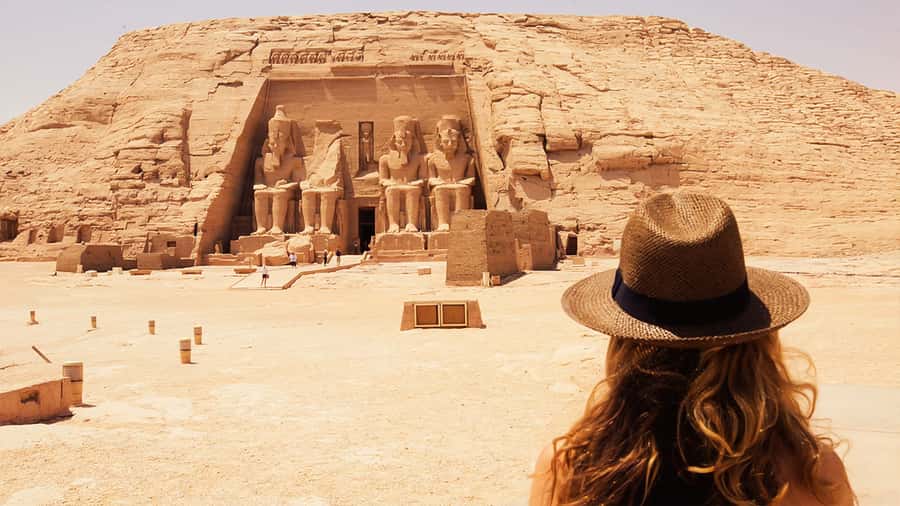
The tour begins with hotel pickup and ends with drop-off back in Aswan. That’s a big deal, because it removes the need to coordinate taxis, timing, and meeting points on your own.
One practical thing to watch: pickup can cost extra if your hotel is on Soheil Island, Hisa Island, near Aswan Airport, or at a Nubian hostel. If you’re staying somewhere outside the standard Aswan pickup radius, check your confirmation details early so there are no surprises on the day.
Flight to Abu Simbel: the fastest route to first impressions
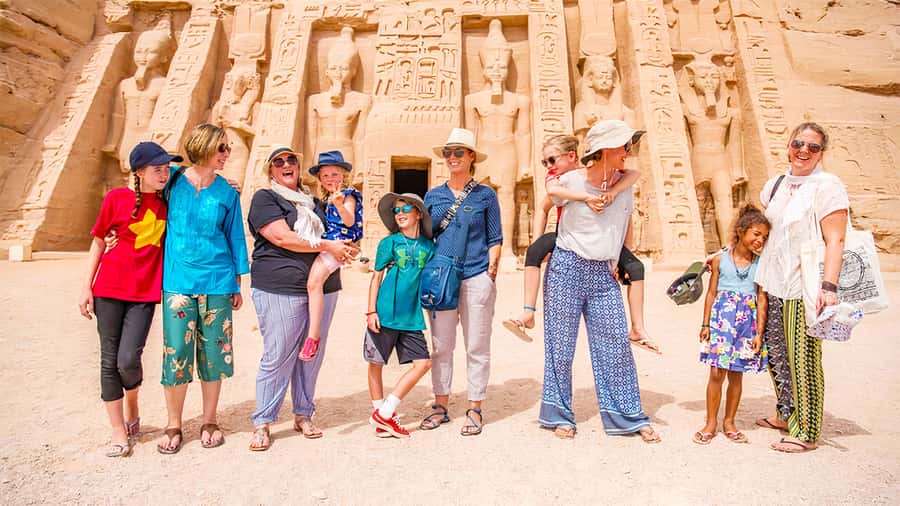
Once you’re picked up, you head to Abu Simbel by flight, then you transition into the temple visits. The structure is built around one key idea: you arrive with energy instead of arriving exhausted.
This express format also helps you avoid the classic problem of Abu Simbel trips: you spend so much time traveling that you rush through the temples. Here, the temple portion gets protected—about three hours for the Ramses II temple area, then about one more hour for Nefertari’s temple.
I’d take that trade anytime. A temple experience is about time inside—time to look closely, not time in transit.
Ramses II sun temple: where the scale hits you first
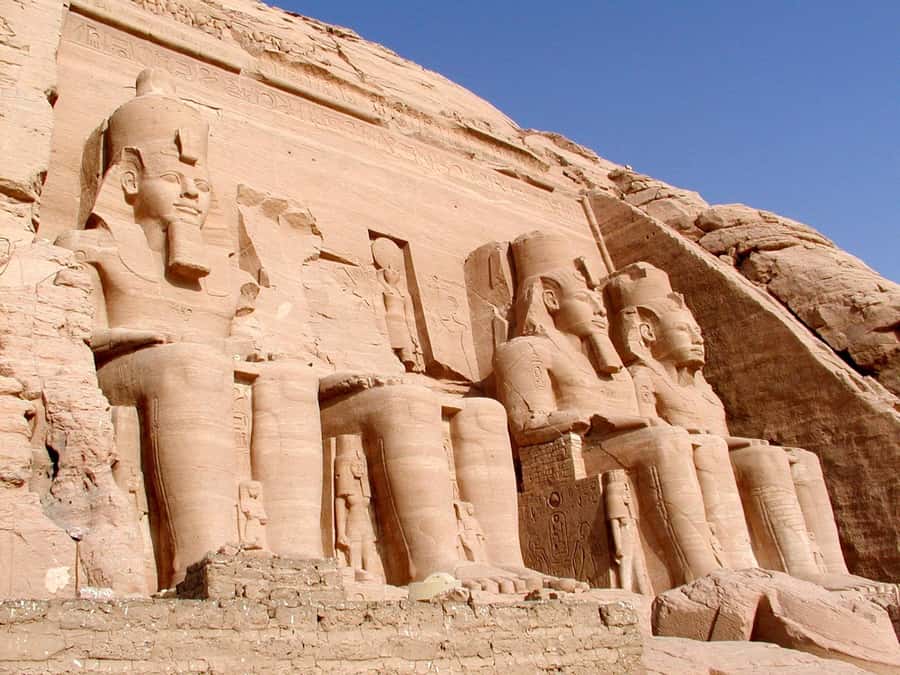
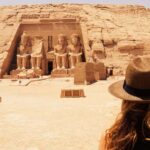
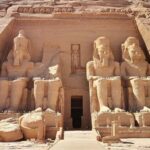
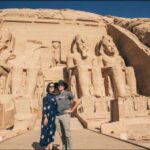
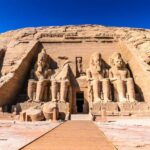
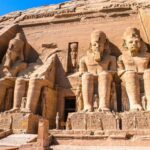
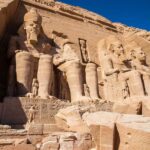
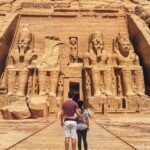
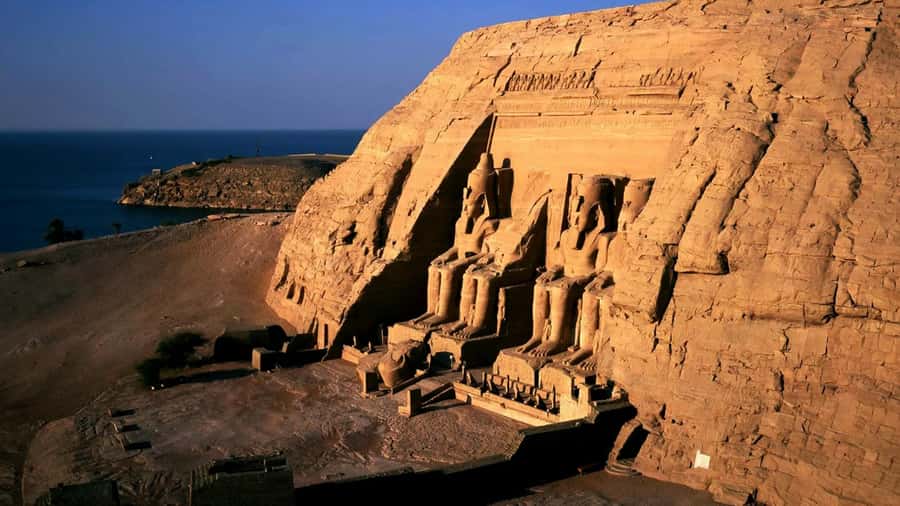
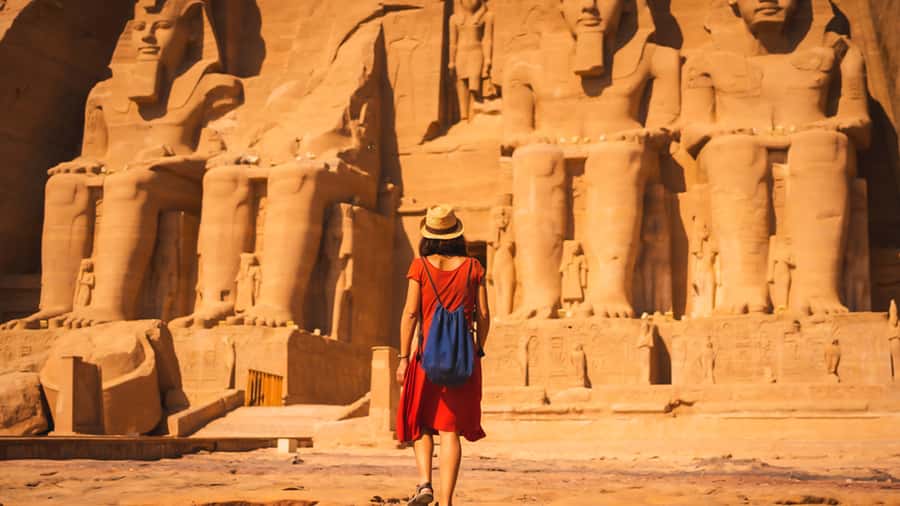
The first major stop is the sun temple of Ramses II at Abu Simbel. This is the bigger show. It’s the temple dedicated to Ramses himself, and it’s famous for the sense of power you feel before you even read a single sign.
In the larger temple, you’ll see intricate murals, including a depiction of Ramses’ victory at the Battle of Kadesh. That specific reference matters because it grounds the temple in a real political moment, not just a decorative myth. You’re looking at propaganda as architecture—stone built to project authority.
The guide’s job here is to translate the visuals into meaning. If you’re the type who likes to understand what you’re photographing, the guided portion is the best time to ask questions—like what the figures represent, how the scenes are arranged, and why this temple design became so iconic.
One practical note: since you’re on a schedule, come prepared to walk and focus. Don’t plan on long detours inside.
The UNESCO relocation story: why Abu Simbel survived
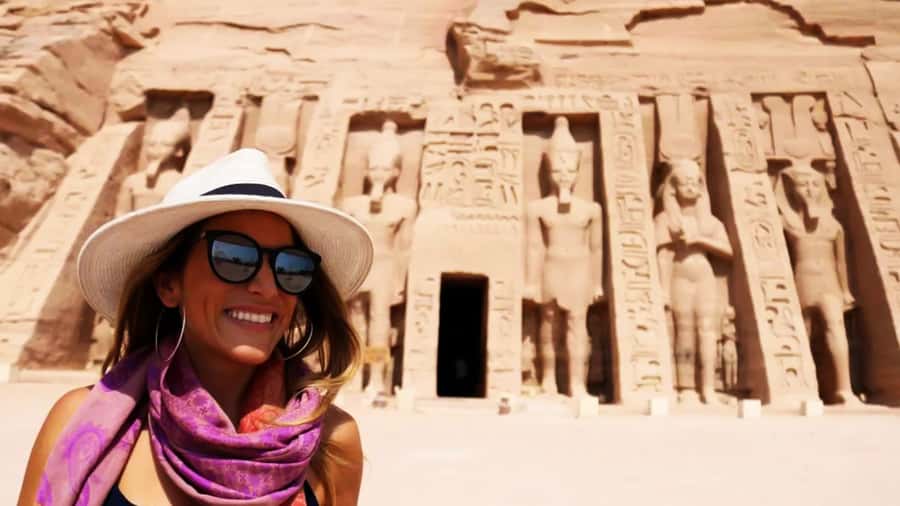
Abu Simbel’s biggest behind-the-scenes chapter is the relocation. The temples were rediscovered in 1813, then moved in 1960 to protect them from rising Nile waters, with UNESCO support.
Here’s why I think this tour detail is more than trivia: relocation changes how you experience the place. You’re seeing a carefully preserved monument that was engineered to survive a modern threat. The result feels like a rescue mission written in stone.
When the guide connects the location to the threat and then to the 1960 move, your brain starts to work differently inside the temple. Instead of thinking only about ancient construction, you also think about preservation, planning, and what it takes to save cultural monuments.
This is the kind of context that makes a fast trip feel substantial.
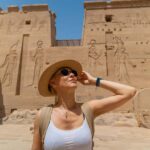
Temple of Queen Nefertari: finer carvings in a shorter window
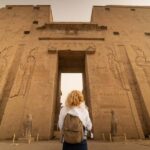
After the main Ramses temple, you visit the Temple of Queen Nefertari. This temple was built by Ramses II in honor of his wife, and it’s constructed alongside the great sun temple.
Even though your time here is shorter—about one hour—the difference is noticeable. The carvings here have a different feel: more refined, more intimate in detail. The experience shifts from the sheer mass of Ramses’ temple to the craftsmanship tied to Nefertari’s role in the royal story.
If you enjoy architectural details, this is the stop that usually rewards you for slowing down your eyes even when your schedule doesn’t. Pick one or two sections to study rather than trying to see everything. With an express tour, your best friend is selective attention.
Timing and guidance: what “guided” often means in a 6-hour express format
You’ll have a live guide, and the tour is offered in multiple languages including English, Arabic, Japanese, Spanish, French, and German. A wheelchair-accessible option is also listed.
Still, here’s the key reality check: this is an express tour with guided sightseeing, not a long, sit-down lesson. The structure is designed to move you from flight to temples to the return flight, and you’ll likely get your main explanations during the guided portions and then do more on-the-spot looking.
So if you’re expecting a private, slow, deeply customized lecture, adjust your expectations. I’d treat this as a well-organized introduction followed by active self-guided viewing inside the site.
A simple strategy helps: write down 2-3 questions before you arrive at Abu Simbel. Questions like:
- What am I meant to notice first in the murals?
- What does the Battle of Kadesh scene communicate?
- How do the Nefertari carvings relate to her role in the royal program?
With a tight schedule, questions turn a short guide interaction into lasting value.
What’s included (and what that means for your day)
This tour includes hotel pickup and drop-off, flight tickets, and transportation by air-conditioned van. You also get an Abu Simbel entrance fee, bottled water, and a guide.
So the usual “hidden hassle” items are already handled: you’re not buying flights separately, and you’re not negotiating entry logistics at the last minute. For a 6-hour day, that saves mental energy.
What you need to bring is simple and direct: your passport.
Price and value: is $589 a bargain or a splurge?
$589 per person is not a budget price. But it does cover several things that add up fast when booked separately: flights from Aswan, guided access to Abu Simbel, transfers, and the entrance fee.
The value comes down to a trade-off:
- If you have limited time in Aswan, you pay to protect time inside the temples.
- If you were planning to do this by land on your own, you’d likely lose hours (and risk tiring out before you truly enjoy the sites).
This tour makes the most sense when you’re thinking like a strategist, not like a bargain hunter. If Abu Simbel is a must-see and you don’t want a big chunk of your day consumed by transport, this express-by-air format is exactly what you’re paying for.
Who this tour suits best
This is a strong fit if:
- You’re short on time in Aswan but still want to see Abu Simbel properly
- You want a guided explanation while you’re there, not just a drop-off-and-figure-it-out plan
- You prefer air travel to long road transfers
It may not be ideal if:
- You like slow museum-style pacing and lots of free time to wander
- You want a private-by-default feel where every moment is personalized and extended
A practical checklist before you go
Here’s the stuff that keeps the day smooth:
- Bring your passport
- Wear comfortable walking shoes (you’ll be inside and moving between areas)
- Keep expectations aligned with the schedule: this is a focused visit, not an all-day deep study
Also, if you’re staying outside standard Aswan pickup zones (Soheil Island, Hisa Island, Aswan Airport, or Nubian hostels), confirm any extra pickup cost ahead of time.
Should you book this Abu Simbel express tour?
If Abu Simbel is on your list and you want a smart, time-saving way to do it from Aswan, I think this is a yes. The by-air setup is the heart of the value: you get to spend your limited time on temples, not on travel.
Book it if you like clear guidance, want to understand the UNESCO relocation context, and are happy with a brisk but structured pace. Skip it if you need long unhurried time inside, or if you want a fully private, slow-paced style of guiding.
FAQ
How long is the Abu Simbel express tour by air from Aswan?
The tour duration is 6 hours.
Where does the tour start and end?
The tour includes hotel pickup and drop-off from Aswan, and you return to Aswan after the temple visits.
Are flights included in the price?
Yes. Flight tickets are included, and you travel by air to Abu Simbel and back.
Which temples do you visit?
You visit the sun temple of Ramses II and the Temple of Queen Nefertari at Abu Simbel.
Is a guide included?
Yes. The tour includes a live guide.
What language options are available for the guide?
The tour is offered with live tour guide options in English, Arabic, Japanese, Spanish, French, and German.
Do I need to pay an entrance fee?
Yes, the Abu Simbel entrance fee is included.
What do I need to bring?
You’ll need your passport.
Is the tour wheelchair accessible?
Yes, wheelchair accessibility is listed.