REVIEW · CAIRO
Giza: Pyramid, Memphis, Sakkara W/Opt Dahshur & Felucca Tour
Book on GetYourGuide →Operated by Egypt Excursions Online · Bookable on GetYourGuide
One day can stretch 5,000 years. This tour strings together Giza’s pyramids and the Great Sphinx, then pushes on to Memphis, Sakkara, and Dahshur, with an optional Felucca sail for a calmer finish. I especially love how the stops feel connected, so you’re not just collecting monuments. I also like that your guide helps with timing, ticket lines, and lots of photo moments. A real consideration: it’s a lot of walking in sun and heat, and it can run close to the longer end of the day.
If you’re booking for the history-matching game, you’ll appreciate the structure. Sakkara’s Step Pyramid of Djoser explains how pyramid building started, then Dahshur shows the builders experimenting. Giza looks like a finale—Sakkara and Dahshur help it make sense, instead of feeling like five separate postcard stops.
Pick your pace with the right option. The shared tour is English-only and skips lunch, while private options can add lunch and more flexibility (plus more languages for guides). If you want the most rounded Egypt feeling, the VIP version adds a Nile Felucca ride to end things on a gentle note.
In This Review
- Quick hits before you go
- One day, four corners of Egypt’s ancient world
- Choosing the right route: Pyramids-only, full day, or VIP Felucca
- Giza Plateau: Khufu, Khafre, Menkaure, and the Great Sphinx
- Memphis: the Colossus of Ramses II and a different kind of “wow”
- Sakkara’s Step Pyramid of Djoser: where pyramid building begins
- Dahshur’s Bent and Red Pyramids: the “test run” lesson
- Shopping stops: papyrus, oils, carpets, and how to keep control
- Guide quality and photo help: why names like Mohamed Saleh and Shereen come up
- Timing, pickup, and how to avoid a heat-burn day
- What’s included for your money (and where extra costs can appear)
- Should you book this Giza, Memphis, Sakkara & Dahshur tour?
- FAQ
- What sites are covered on this tour?
- How long is the tour?
- Is lunch included?
- Is the Felucca boat ride included?
- What languages are available for the guide?
- Are entry tickets included?
- Do I skip the ticket line?
- Can I cancel for a refund or pay later?
Quick hits before you go
- Giza plus the early capitals: the day links pyramid design to changing power centers.
- Shared vs private (and language): shared is English-only; private can be in many languages.
- Dahshur’s engineering tests: Bent and Red Pyramids show progress, not just scale.
- Sakkara’s Step Pyramid first: Djoser sets the stage for everything that comes after.
- Photo-friendly guidance: many guides are praised for making posing and timing easier.
- VIP Nile Felucca finish: a quieter ending if you pick the most complete option.
One day, four corners of Egypt’s ancient world
The big win here is how the tour moves through time without leaving you to figure it out. You start at the Pyramids of Giza, then step into Memphis, the first capital-like power base, and you keep going to Sakkara and Dahshur, where pyramid building evolved. It’s the kind of route that makes Giza feel less like a single stop and more like the end of a long process.
I like that you can choose how much you want to pack in. If you’re short on time, there’s a Pyramids-only option (morning or afternoon). If you want the full story arc, you can add Memphis, Sakkara, and Dahshur—and in the VIP version, a Felucca ride on the Nile caps it off.
Yes, it’s popular for a reason. But don’t treat it like a quick sightseeing sprint. This is a sun-and-steps day, and the best results come when you plan for breaks, water, and comfortable shoes.
You can also read our reviews of more tours and experiences in Cairo.

Choosing the right route: Pyramids-only, full day, or VIP Felucca
Start by picking the option that matches your energy level and your interest in “how it all fits together.”
- Shared tour: English-speaking guide only, includes entry tickets to selected landmarks, includes hotel pickup and drop-off from Cairo or Giza, and includes bottled water. Lunch is not included.
- Private tour: you can choose the guide language from the available list, and lunch can be added (or included depending on the package you select).
- VIP private tour: the most complete version—Pyramids of Giza plus Memphis, Sakkara, Dahshur, plus the Felucca ride.
One practical note: some options are Pyramids-only, while others add Memphis/Sakkara/Dahshur depending on what you book. So read your selected option carefully before you go hunting for interior pyramid time or specific site stops.
Giza Plateau: Khufu, Khafre, Menkaure, and the Great Sphinx
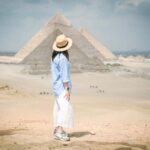
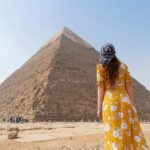
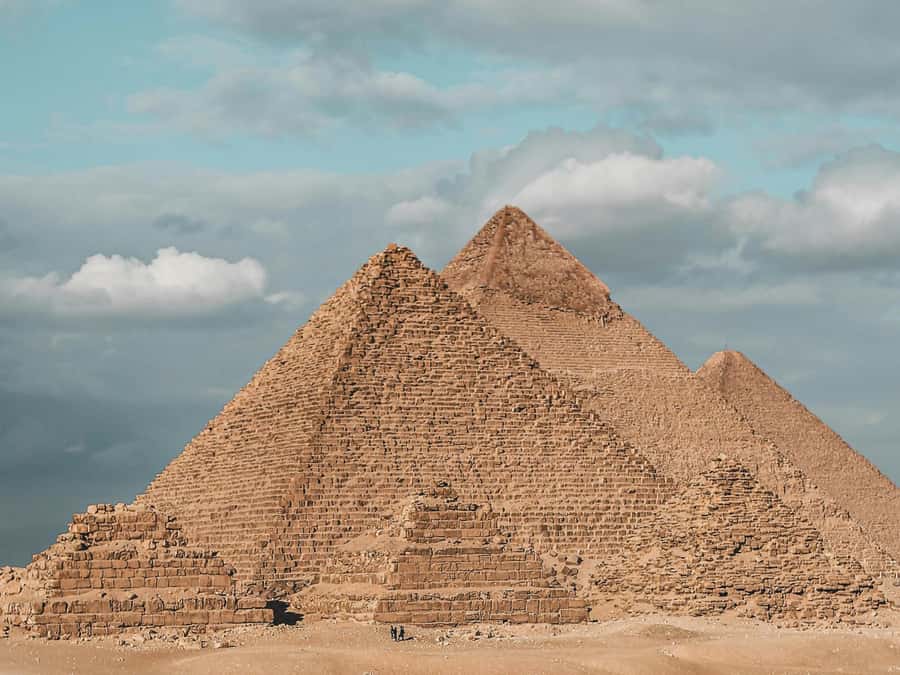
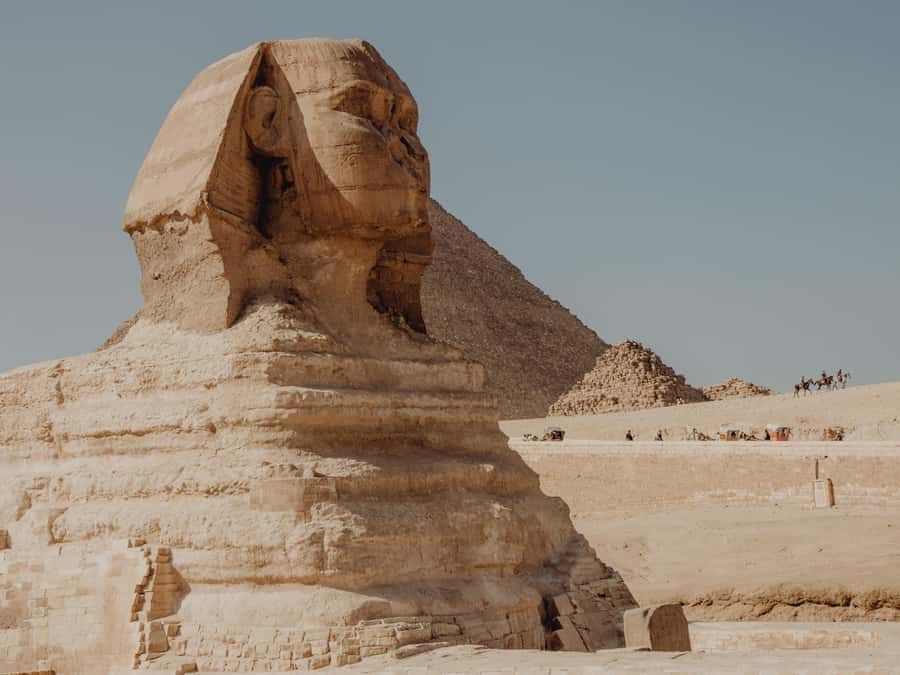
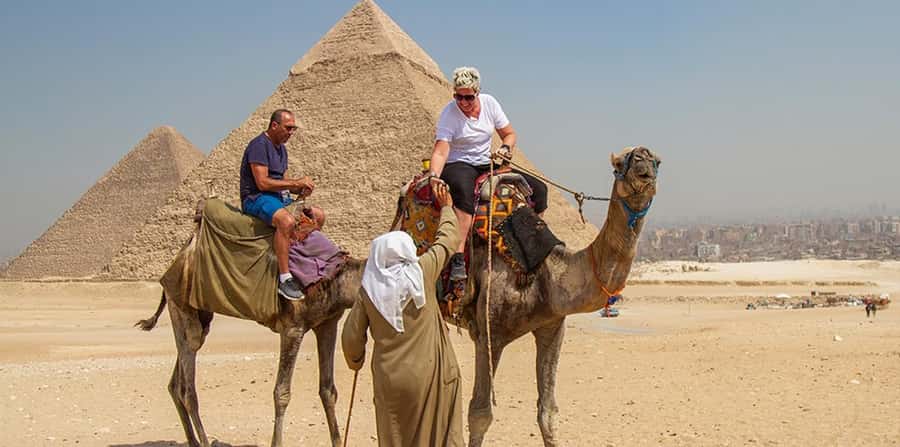
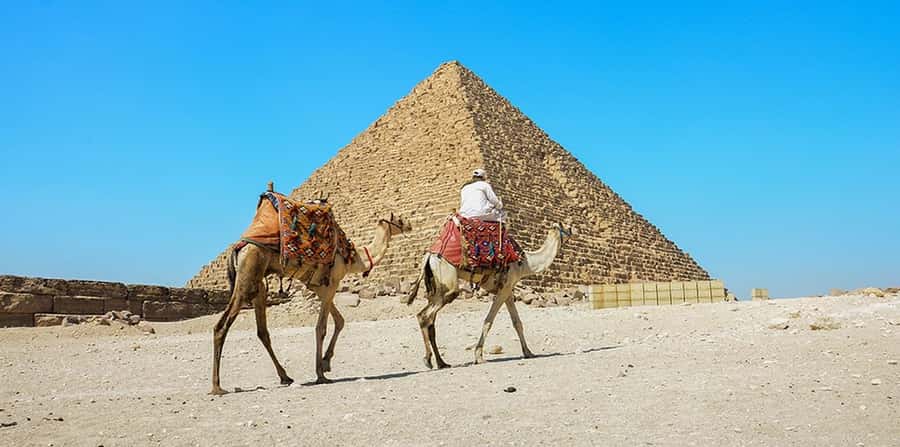
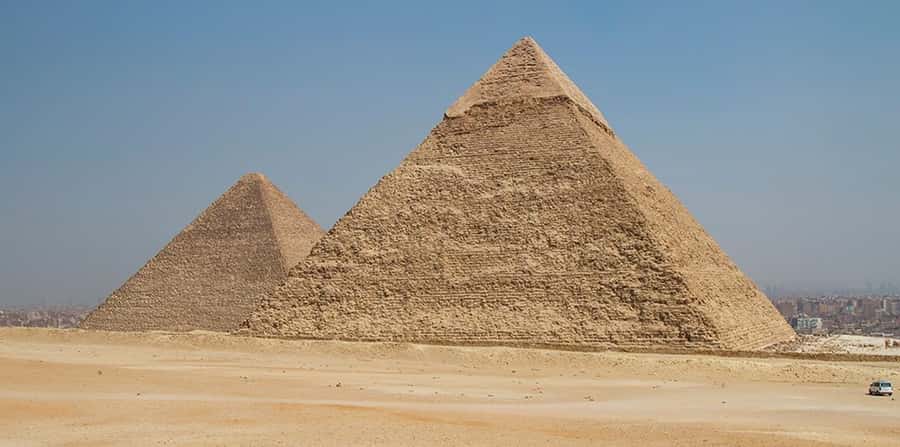
Giza is the headline, and it delivers fast. You’ll stand before the Great Pyramid of Khufu, with the Khafre and Menkaure pyramids nearby—plus the Great Sphinx, carved as a timeless guardian watching the plateau.
What I like about having a guide at Giza is the way you start noticing details. You hear stories about construction and the pharaohs behind these monuments, and that turns your photos from “big rocks” into “big ideas.” It also helps with timing, because ticket lines and crowds can make a short visit feel chaotic.
For logistics, plan for sun and uneven ground. This is where a hat and sunscreen aren’t optional accessories—they’re survival gear. If your goal is photos, you’ll also want to be ready for small repositioning moves throughout the plateau, so you’re not just standing there waiting for the perfect angle.
If you’re considering going into pyramids: Dahshur and some sites can involve steep, tiring access. People have specifically warned that interior climbs can be a workout and that tunnels can feel long. It’s doable, just don’t pretend it’s effortless.
Memphis: the Colossus of Ramses II and a different kind of “wow”
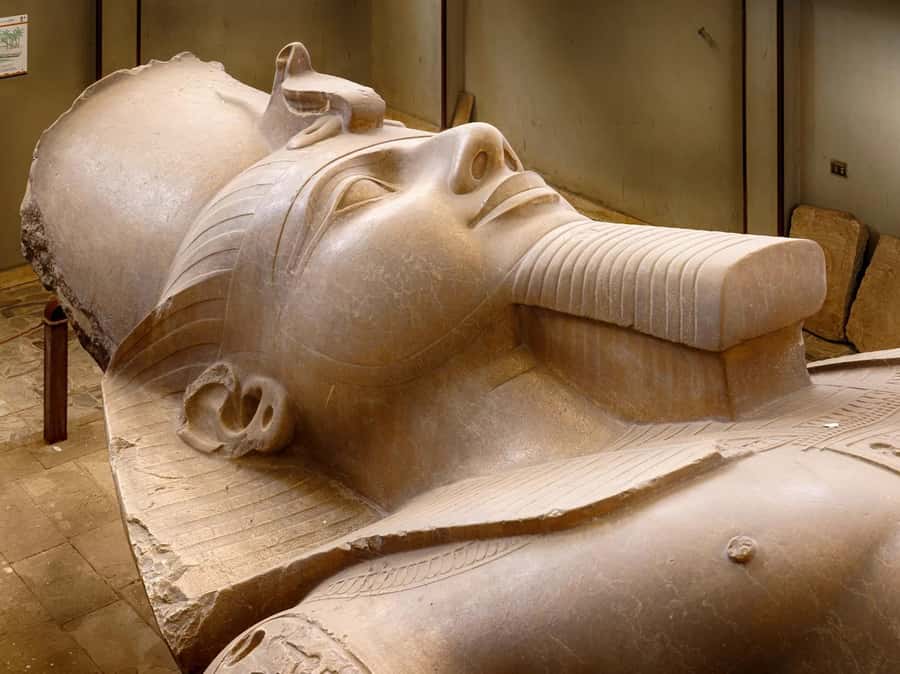
Memphis is a relief after the pyramid grandeur. The energy shifts from giant tomb architecture to the presence of power—statues, ruins, and remnants of Egypt’s earliest capital city.
The stop that tends to stick with people is the Colossus of Ramses II. You get to see it in person, not in a book, and it changes how you imagine the scale of pharaonic rule. There’s also an alabaster Sphinx connected to the city’s story, which helps the stop feel more dimensional than a quick photo stop.
Memphis also has a practical advantage: it often feels less frenetic than the busiest parts of Giza. That means you can slow down, absorb context, and take photos without feeling like you’re constantly being herded along.
Sakkara’s Step Pyramid of Djoser: where pyramid building begins
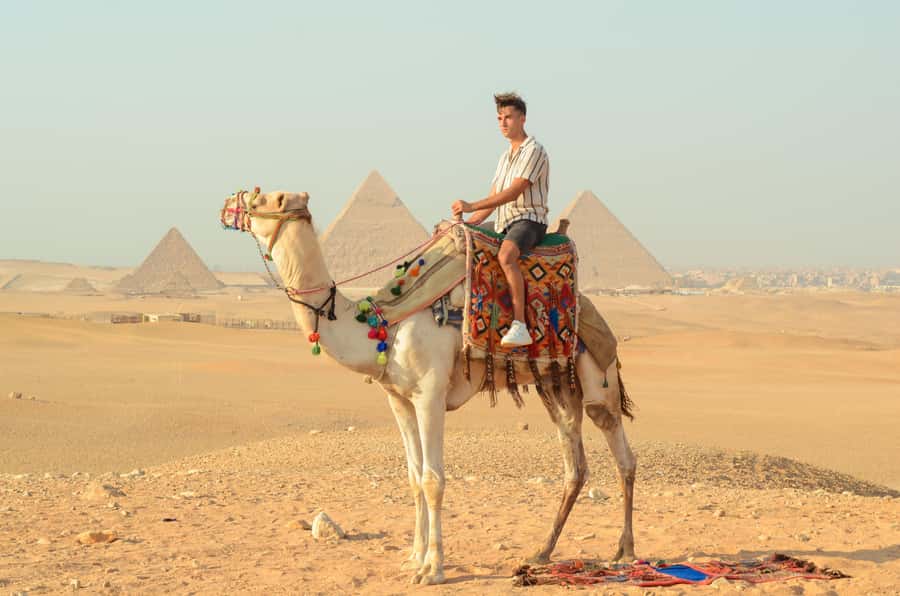
Sakkara is where the tour earns its “I’m glad I booked this” moments.
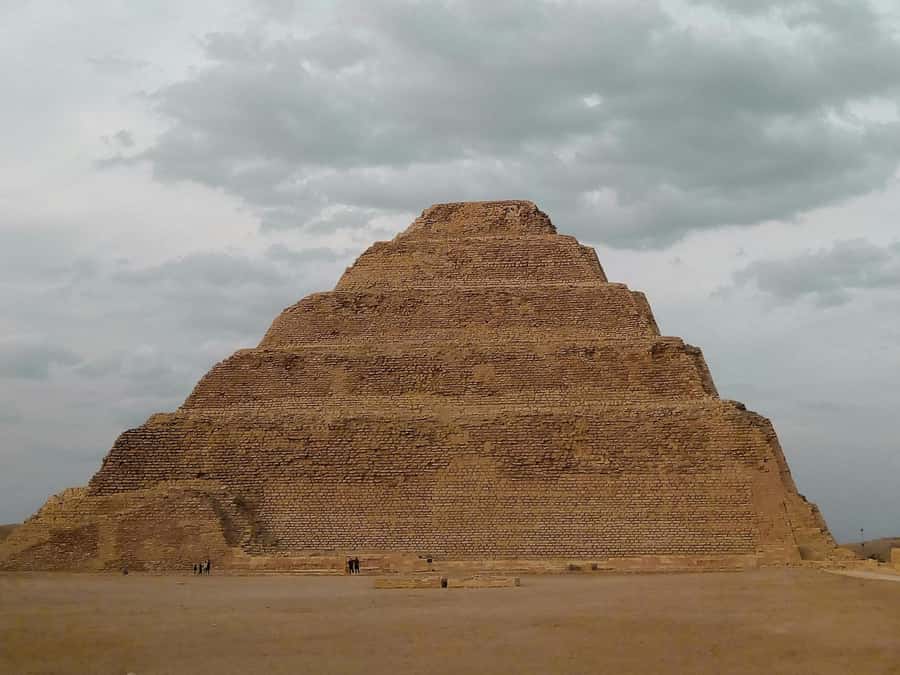
The centerpiece is the Step Pyramid of Djoser, a revolutionary design that marks a key turning point in how pyramids were built. With a good guide, you don’t just see a stepped shape—you understand why it mattered and how it relates to later developments you’ve already seen (or will see) at Giza and Dahshur.
I also like Sakkara for the surrounding tombs and early dynasty evidence. Even when you don’t memorize names, the site layout gives you a sense of belief systems and funerary thinking. You start connecting architecture to what people thought would happen after death.
Timing here matters. Sakkara is often described as a welcome break between major sites. If your schedule runs long, it’s one of the stops where you can still feel satisfied without rushing every corner.


Dahshur’s Bent and Red Pyramids: the “test run” lesson
Dahshur gives you the engineering mindset you don’t always get with a first-time pyramid trip.
You’ll visit the Bent Pyramid and the Red Pyramid. The Bent Pyramid is famous for showing early experimentation—builders trying new approaches rather than executing the final “smooth and perfect” version on the first try. The Red Pyramid is one of the oldest and largest, and it shows how those experiments evolved into something more successful at scale.
What makes Dahshur valuable is the way it reframes the entire day. Instead of treating Giza like a random set of winners, you see how builders learned by doing. That’s why the Dahshur stop feels like the missing chapter for many people who come for the big pyramids.
If your option includes going inside: be ready for effort. There are steep descents in tunnels reported by people who visited interiors at Dahshur. It can be empty inside except for small living things (yes, bats have been spotted), so set expectations before you commit.
Shopping stops: papyrus, oils, carpets, and how to keep control
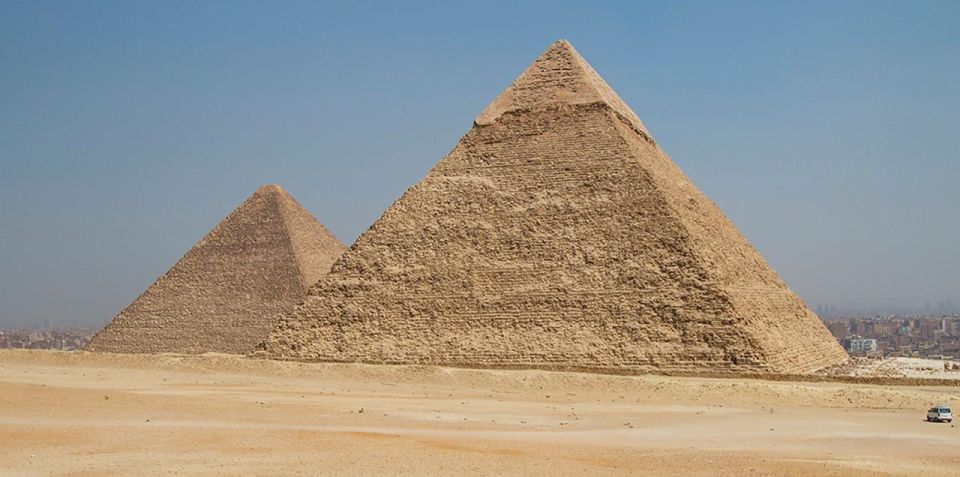
This tour includes several optional shopping-style visits. You may pass through places like a Papyrus Gallery, Oils Factory, Bazaar stops, a Cotton Store, and a Carpet School upon request. You’ll also see perfumes and similar crafts mentioned as part of the day’s experience.
Here’s the practical part: shopping stops are not mandatory in the sense that you can request to skip them. If you’re focused on monuments, ask early to keep it minimal. If you’re interested in crafts, these stops can be fun because you get to see how products are made, not just how they’re sold.
One value angle: these included stops can reduce your need to hunt for them on your own. But you still control the budget. Don’t let a friendly presentation turn into pressure. If something feels like too much, you can politely move on and refocus on photos and site time.
Guide quality and photo help: why names like Mohamed Saleh and Shereen come up
Guide talent is the difference between a checklist and a memorable day.
In the feedback I’ve seen tied to this tour, several guides show up repeatedly for the same strengths: clear explanations, smart pacing, and strong photo help. Names that have been praised include Mohamed Saleh, Shereen, Aya, and Sayed—people mention that these guides take care of admission lines and help with angles, posing, and timing.
Even if you don’t care about photos as a priority, this matters. When someone knows how to move through a site efficiently, you spend less time stuck and more time actually looking. That’s why people often describe these tours as feeling efficient even when the day runs long.
My advice for you: tell your guide your top two priorities at the start of the day. If your priorities are pyramid interiors and fewer stops at shops, say it immediately. You’ll get a day that feels tailored instead of generic.
Also, if photography is important to you, ask whether a photographer add-on is available for your chosen package. There’s mention of professional photographer service as an extra, and many guides are eager to help you get good results without making the day feel staged.
Timing, pickup, and how to avoid a heat-burn day
The tour duration runs from about 3 to 8 hours depending on what you choose. That range is mostly about how many sites you add and whether lunch and the VIP Felucca ride are included.
Pickup is included from Cairo or Giza, and you’ll be asked to be ready at your hotel lobby or main entrance at least 10 minutes before the confirmed time. If your hotel is hard to access, you’ll meet the driver at the nearest reachable point.
Here’s how to protect your energy:
- Wear comfortable shoes you can trust on uneven ground.
- Bring sunglasses, sunscreen, and a sun hat. The sun doesn’t care about your itinerary.
- Plan to drink water often. Bottled water is included, and guides commonly hand out extra refreshments too.
Traffic can shift the exact pacing, and the tour duration and order can vary based on site conditions. So keep your expectations flexible. You’re not going to win against Cairo traffic, but you can avoid stress by starting hydrated and prepared.
What’s included for your money (and where extra costs can appear)
Pricing starts around $41 per person, and the value is in what gets handled for you.
You’re paying for:
- Transportation in an air-conditioned vehicle
- A professional licensed guide
- Entry tickets to selected landmarks
- Hotel pickup and drop-off from Cairo or Giza
- Bottled water
- Skip-the-ticket-line support
- Optional included stops tied to crafts (papyrus gallery, oils factory, bazaar-type visits, cotton store, and carpet school upon request)
What can cost extra depending on your choice:
- Lunch (included in VIP; can be added for private options)
- Felucca ride (VIP only)
- Any extras not mentioned in your program
- Drinks during the day
- Airport transfers (extra fee)
Compared to doing this on your own, the big savings aren’t just money. It’s time spent figuring out tickets, routes, and how to handle the crowds. A guided day also tends to reduce the chance you spend your limited hours in the wrong place, at the wrong moment.
Should you book this Giza, Memphis, Sakkara & Dahshur tour?
Book it if you want a guided, well-structured day that connects the big pyramid sites to the earlier capitals and the evolution of pyramid building. It’s especially good for first-timers who want the classic pyramids, but also want the “why” behind them.
Skip or reconsider if:
- You want only one site and you’re hoping for a short stroll—this is a sun-and-steps tour.
- You need wheelchair-friendly access. This experience isn’t suitable for wheelchair users or people with mobility impairments.
- You hate shopping stops. You can request to skip many of them, but you’ll still pass through areas designed for craft and souvenir viewing.
If you’re aiming for the full arc—Giza to Memphis to Sakkara to Dahshur—and you like the idea of a peaceful Nile ending, the VIP private option is the most satisfying match.
FAQ
What sites are covered on this tour?
You can choose from Pyramids of Giza (with the Great Sphinx), Memphis (including the Colossus of Ramses II), Sakkara (including the Step Pyramid of Djoser), and Dahshur (including the Bent Pyramid and Red Pyramid). The VIP private option adds a Felucca ride on the Nile.
How long is the tour?
The duration is 3 to 8 hours, depending on which option you choose and the day’s conditions.
Is lunch included?
Lunch is included in the VIP private tour. For private tours, lunch may be available as an optional add-on. Shared tours do not include lunch.
Is the Felucca boat ride included?
The Felucca ride is included only in the VIP private option.
What languages are available for the guide?
Shared tours are guided in English only. Private tours can be in multiple languages, including German, French, English, Spanish, Italian, and more languages available as add-ons.
Are entry tickets included?
Yes—entry tickets to the selected landmarks are included.
Do I skip the ticket line?
Yes, skip-the-ticket-line access is included.
Can I cancel for a refund or pay later?
You can cancel up to 24 hours in advance for a full refund. You can also reserve now and pay later.