REVIEW · ASWAN
From Aswan: 4-Day Nile Cruise from Aswan to Luxor with Guide
Book on GetYourGuide →Operated by Nice Tours · Bookable on GetYourGuide
Four days on the Nile feels like time travel. The real draw here is how smoothly Aswan to Luxor rolls into one temple-to-temple story, with a private guide steering the day. Two things I especially like: 5-star cruise comfort with full-board so you’re not hunting meals all day, and a guide-led route that hits the big names without turning it into a race.
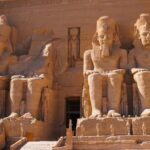
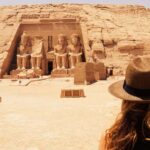
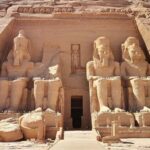
There’s also a tempting optional add-on: an early trip to Abu Simbel. It’s a long day, but if you’ve ever seen Ramses II’s colossi, you’ll understand why people plan their whole trip around it. One consideration: the Luxor touring day can feel time-pressed, so if you want slow walks and extra photo stops, build in some breathing room outside this 4-day window.
Finally, expect a lot of “wow” moments that are easier to enjoy when someone gives you the map in your head. In this cruise circuit, guides like Ahmed Sony and Mariam have been praised for clear explanations at Philae, while Khaled Galal and Manal have stood out on the Luxor side for making the West Bank and Karnak make sense.
In This Review
- Key things to know before you go
- Philae Temple first: where Aswan sets the tone
- Abu Simbel day: when Ramses II steals the show
- Kom Ombo: the crocodile god’s double stop
- Edfu Horus Temple: what to watch for on the middle day
- Luxor West Bank: Valley of the Kings and Hatshepsut
- Karnak and Luxor Temple on the East Bank: your bearings at last
- Price and logistics: is $830 good value?
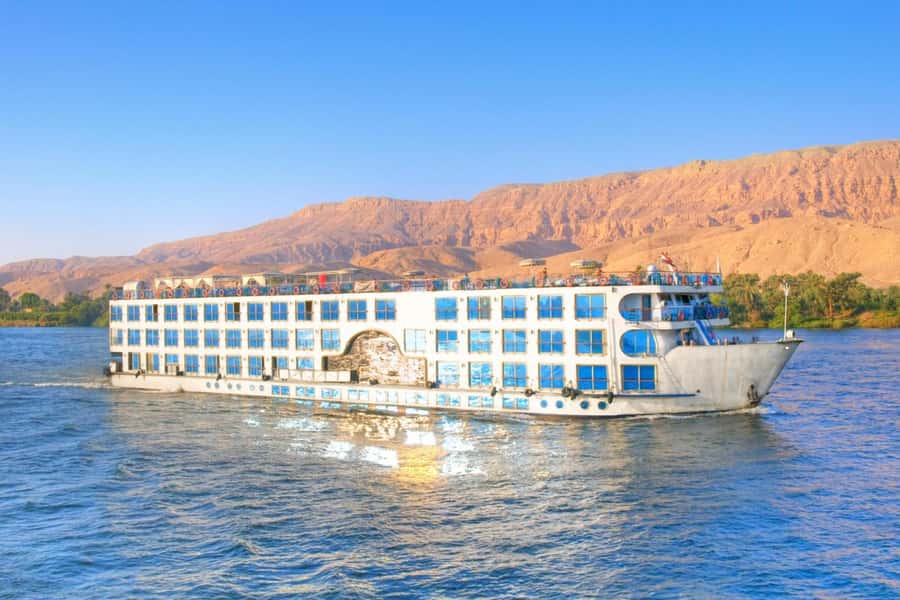
- Ships and service: what to expect when the Nile is running
- Best fit: who should choose this cruise
- Should you book this Aswan-to-Luxor 4-day cruise?
- FAQ
- FAQ
- How long is the cruise?
- Where does this Nile cruise start and end?
- Which temples and sites are included along the way?
- Is Abu Simbel included?
- Are meals included?
- Are entry fees included?
- Does the tour include a guide?
- What languages are available for the live guide?
- What time changes should I expect?
- What’s the cancellation policy?
Key things to know before you go
- Philae Temple starts the trip right after hotel pickup in Aswan, with a guide-led orientation that helps everything click later.
- Abu Simbel is an optional early add-on on Day 2, letting you see Ramses II’s temple if you’re willing to start before you’re fully awake.
- Kom Ombo and its double-temple layout give you a fun change of pace from the single-temple rhythm.
- Edfu’s Horus Temple is the spiritual center of the middle day, with large-scale carvings and lots to notice.
- Luxor gets split by geography: West Bank royal tombs and Hatshepsut on one side, then Karnak and Luxor Temple on the East Bank.
- You travel with full-board (meals handled), plus a local lunch stop in Luxor—simple, practical, less logistics for you.
Philae Temple first: where Aswan sets the tone
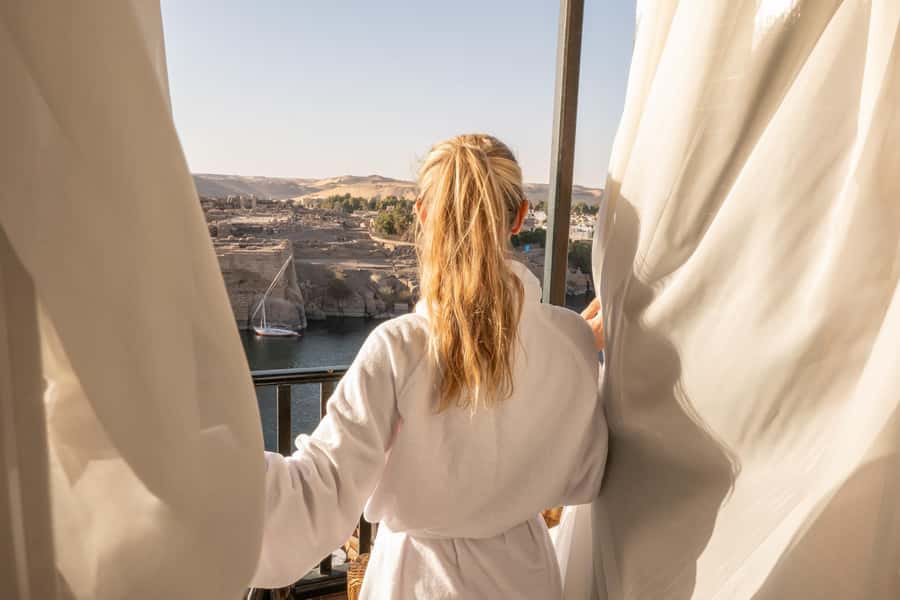
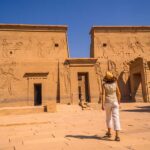
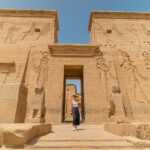
Most cruise days start with a simple welcome meeting. This one starts with momentum: your guide picks you up from your Aswan hotel and takes you to Philae Temple. The setting matters here. Philae sits against the skyline, and once you’re inside, you quickly see why it’s often called the Pearl of Egypt: the mix of Graeco-Roman structures with Egyptian sanctuaries makes it feel like Egypt kept talking long after the “classic” era.
The guide-led format is a real win. You’re not just looking at walls; you’re learning what the spaces were for, what the names mean, and why particular motifs show up. People have praised guides such as Mariam and Mohamed Abdu for explaining details clearly at Philae—exactly what you want on a first temple day.
After the visit, you head back to the ship for lunch and then you can ease into the cruise pace. This is when the Nile part starts feeling like a vacation, not a moving museum. You’ll relax onboard while the day settles down and the next stops line up.
Practical tip: wear comfortable shoes for Philae. Even when the walking isn’t huge, temple floors and steps add up.
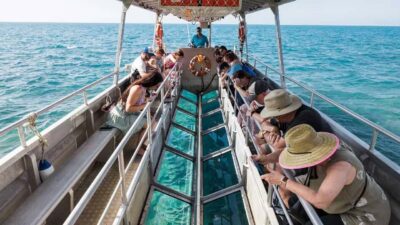
You can also read our reviews of more boat tours in Aswan

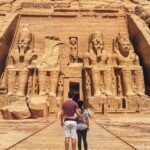

Abu Simbel day: when Ramses II steals the show

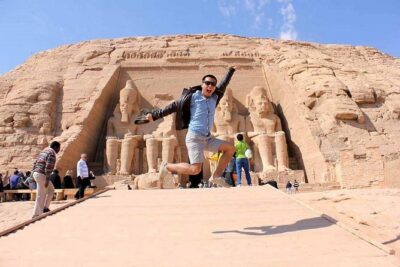
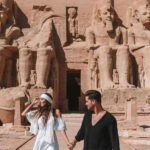
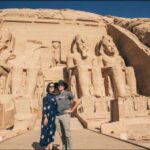
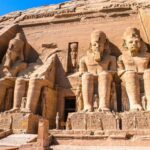
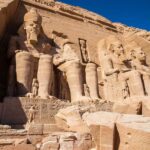
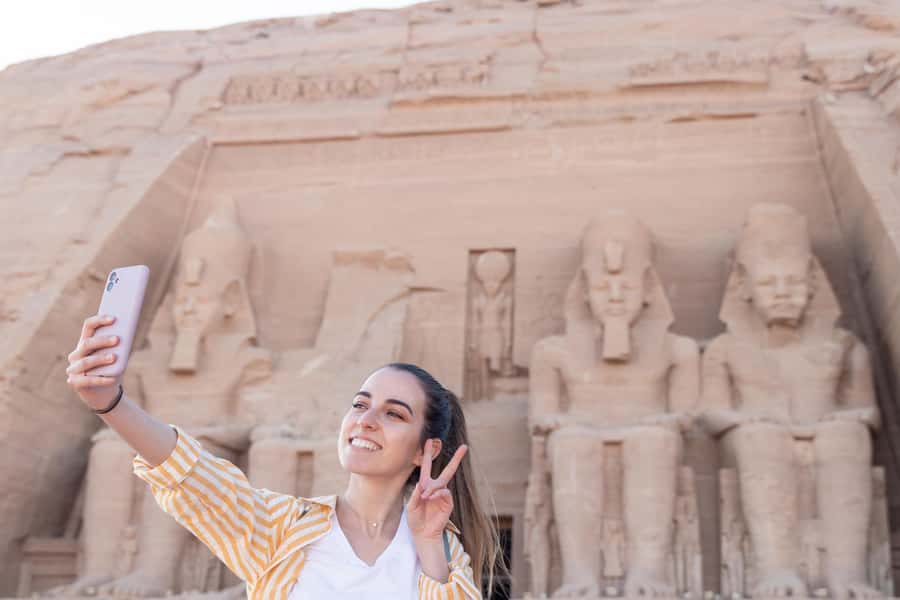
Day 2 offers a fork in the road. You can take the optional guided Abu Simbel tour or enjoy a free morning. If you choose Abu Simbel, plan for an early start—Ramses II’s temple is the kind of sight that rewards the effort.
Abu Simbel is built by Ramses II, and it has a fascinating modern chapter too, not just an ancient one. The guide’s job is to connect those dots so it isn’t only a dramatic photo stop. People who booked this add-on with guides like Agmeth (nicknamed The Tigger) and Ahmed Sony often highlight the value of having someone explain what you’re seeing inside the temples before the crowds (or the bus rides) start to blur details.
Once Abu Simbel is done, lunch onboard keeps you from getting stuck in the “we’re starving, now what?” problem. Then the cruise sailing begins in earnest.
That afternoon/evening shift is smart planning: after lunch you move toward the next ancient site instead of spending hours on transit while you’re hungry. You’ll tour Kom Ombo next, and it’s a nice contrast after Abu Simbel’s scale.
Kom Ombo: the crocodile god’s double stop
Kom Ombo’s temple is dedicated to Sobek, the crocodile god, and Horus, the falcon-headed god. The big reason Kom Ombo works so well on this itinerary is the design: it’s essentially a double-temple plan. Each side has its own gateways and chapels, so you get two “stories” in one place.
With a guide, it’s easier to notice the differences in how each deity is represented and how the space is organized for worship. This is also where the private guide format shines. Your time isn’t wasted waiting for everyone to figure out where to stand or what to look at.
After Kom Ombo, you return to the ship for dinner and then you sail overnight toward Edfu. Overnight sailing is one of those sneaky travel advantages: it turns what would be “dead transit time” into part of the experience. When it works, it makes the whole cruise feel longer than it is.
Edfu Horus Temple: what to watch for on the middle day
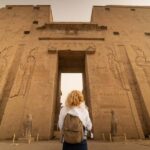
Edfu can feel like the cruise’s calm center. You get breakfast, then your guide meets you for a tour focused on Horus Temple. This is the largest temple dedicated to Horus in this area, and that scale is the first thing you’ll notice once you’re inside.
One of the best reasons to stop here is the quality of the carvings. The wall reliefs give historians useful information about the Hellenistic period—so you’re not only seeing “ancient Egypt” in a single chapter. You’re seeing how Egyptian religion was understood and carried forward during a different era too. The guide’s explanations matter, because the carvings can look like decoration if you don’t know what to look for.
People have described great results here with guides who used pictures and clear explanations. The practical catch: the schedule can feel tight. A cruise can only fit so much into a day, and if you hate feeling rushed, I’d protect your energy on this middle day by keeping expectations realistic. Bring a small bottle of patience. Temples will still be temples.
Practical tip: set expectations for photo time. If you want more, plan to take a few longer glances during the tour stops, not only at the very end.
Luxor West Bank: Valley of the Kings and Hatshepsut
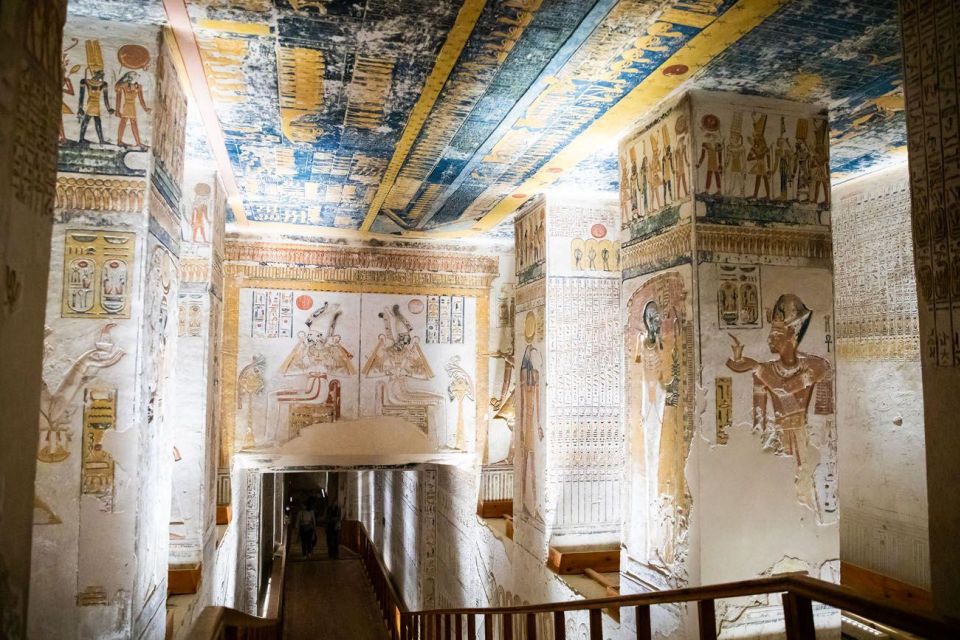
Day 4 is where you transition from cruise mode to land-tour mode. You can leave your luggage at reception, then spend the day exploring Luxor with your driver and guide, and you’ll finish with a drop-off at your accommodation.
Start on the West Bank with the Valley of the Kings. This is the part of the itinerary that turns ancient Egypt into a story with stakes. You’ll see royal tombs from Egypt’s New Kingdom era, with passageways decorated by reliefs and hieroglyphs. The guide framing is important here: you’ll learn about the ancient Egyptian beliefs about the afterlife, not just the layout of corridors and chambers.
One practical detail: tombs can be cooler than the sun outside, but they’re still dim. If you’re going to take pictures, check your camera settings quickly and don’t burn your whole battery chasing the perfect shot.
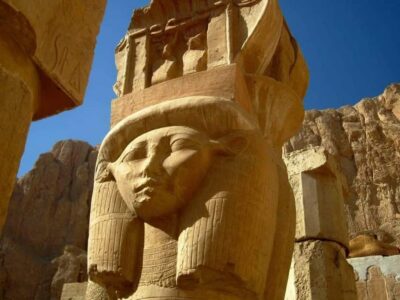
Next comes Queen Hatshepsut’s Mortuary Temple. This stop is one of the most satisfying on the whole itinerary because it’s about ambition and planning. Hatshepsut admired Mentuhotep II’s temple, and she ordered her own temple built to mirror it—but on a larger scale—right next to the older one. That side-by-side comparison is one of those “wait, that makes sense” moments when a guide’s explanation helps you see the meaning in the architecture.
People like Khaled Galal and other praised Luxor guides have been singled out for making these stops understandable, not just descriptive. The best guides connect the why, not only the what.
You’ll also stop briefly at the Colossi of Memnon. Even if you keep it short, it’s worth seeing in person because the scale is hard to absorb from pictures.
Then there’s lunch in a local restaurant in Luxor—built into the day so you’re not forced to grab something between temples. That pause helps you enjoy the East Bank later without feeling fried.
You can also read our reviews of more guided tours in Aswan

Karnak and Luxor Temple on the East Bank: your bearings at last
After lunch you move to the East Bank, and the key here is sequencing. You’ll start with Karnak Temple, the massive UNESCO-listed complex. It’s made up of several temples and smaller enclosures, with achievements stretched over about 1500 years. Karnak can overwhelm you fast, so your guide’s job is to help you build a mental map: where the main parts are, what each section signaled, and why so many builders kept adding layers.
The temple feels like generations talking to each other across centuries. When you get the orientation, it becomes less “giant stone maze” and more “slow, readable history.”
Next is Luxor Temple. This one has a different energy—more “front of house.” It was used as the main function during the annual Opet celebrations, a festival started by Amenhotep III and completed by Tutankhamun. Even if you’re not a festival historian, the Opet link gives you a reason to notice certain alignments and spaces beyond simple decoration.
By the end of the day, you’ll feel the satisfaction of seeing both sides of Luxor. The West Bank handles the afterlife story. The East Bank handles the living ceremonial story. It’s a clean split.
Price and logistics: is $830 good value?

At $830 per person for a 4-day Aswan-to-Luxor cruise, the value depends on what you would otherwise pay to stitch this together yourself.
Here’s what’s included that matters most for value:
- Hotel pickup and drop-off
- A 5-star Nile cruise with full-board (meals handled)
- Private guide and driver for tours
- Lunch in Luxor
- Abu Simbel tour only if you select the option
Not included (and worth budgeting):
- Entry fees
- Drinks
So the question isn’t only whether $830 sounds good. It’s whether you want to spend your vacation doing transfers, figuring out tickets, and bargaining with multiple vendors. This package does that heavy lifting. In Upper Egypt, that convenience can be worth a lot.
One note from real-world experience: cruise ships can vary in how modern they feel. Some guests have flagged that certain ships are a bit dated, with attention needed for details like room cleaning and that you might hear engine activity at night. That doesn’t erase the value, but it can affect how “5-star” you feel day-to-day.
Ships and service: what to expect when the Nile is running
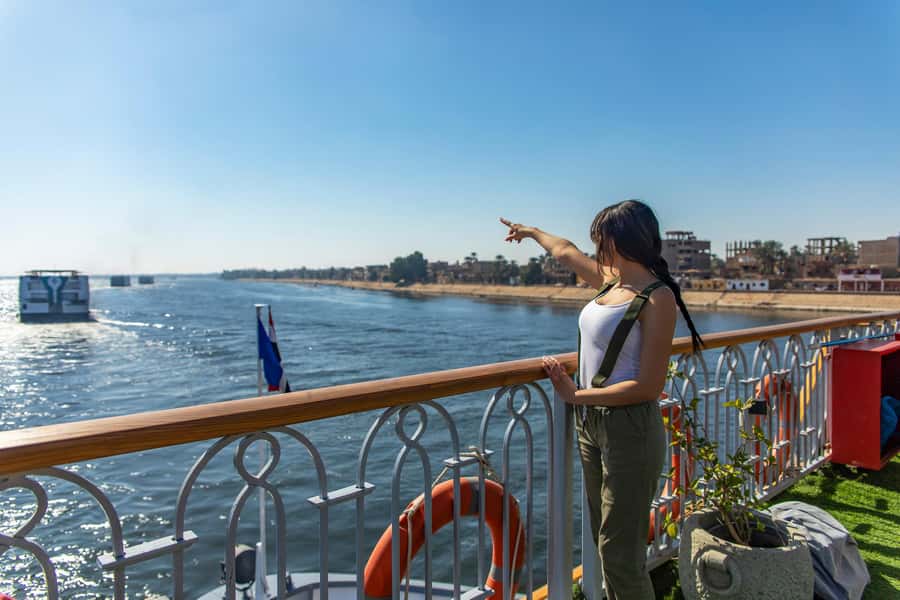
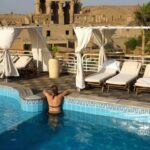
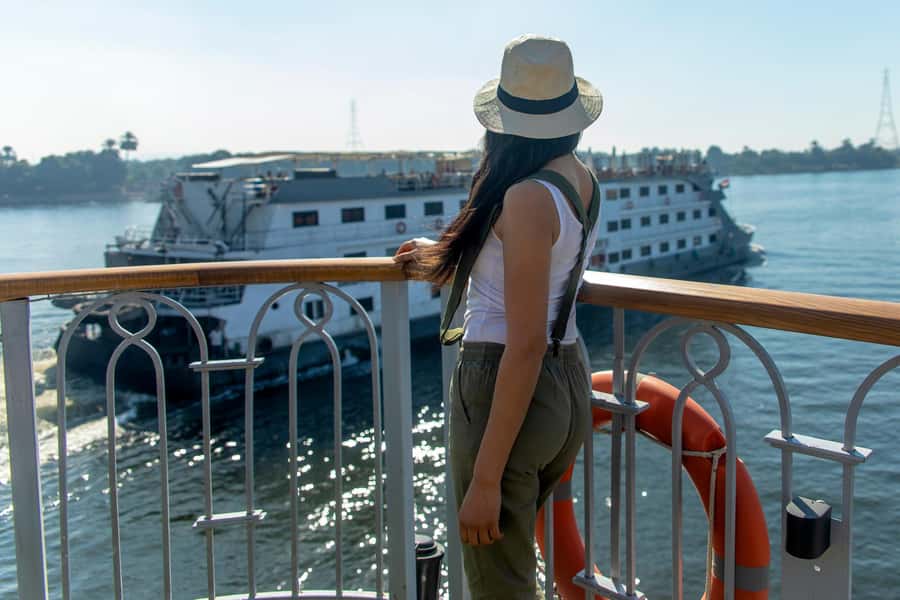
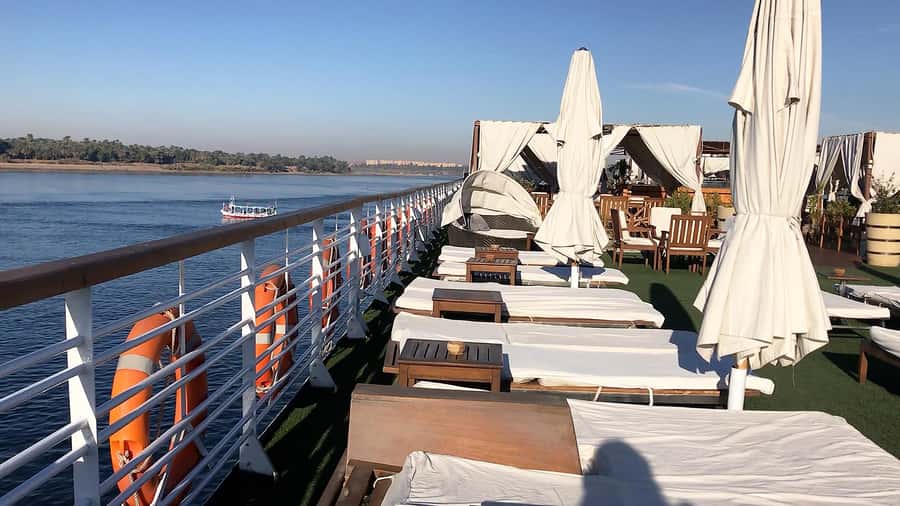
This cruise style is built around comfort plus a packed touring calendar. That usually means you’ll spend your mornings and afternoons in temples, and your evenings onboard.
Where the experience tends to be strongest is the staff and the onboard rhythm. Guests have praised attentive crews, lots of food choices, and friendly service. People also mentioned extra small touches like snacks and small gifts, which cost you nothing but improve the feel of the trip.
But I’ll keep it real: the cruise day has a lot of movement, and some ships operate overnight while sailing. So if you’re a light sleeper, pack earplugs. Also, if you care a lot about room-to-room cleanliness, keep your standards consistent and bring along a small travel cleaning kit.
Tipping and sales pressure: a few guests described guides being pushy about tips or about asking for reviews in front of them. Others mentioned the classic after-temple “shopping stop” pressure. My advice: tips are normal, but you don’t have to be pressured to tip on the spot. If you’re not buying, you can politely but firmly say no. Keep your money and decision-making with you.
Best fit: who should choose this cruise
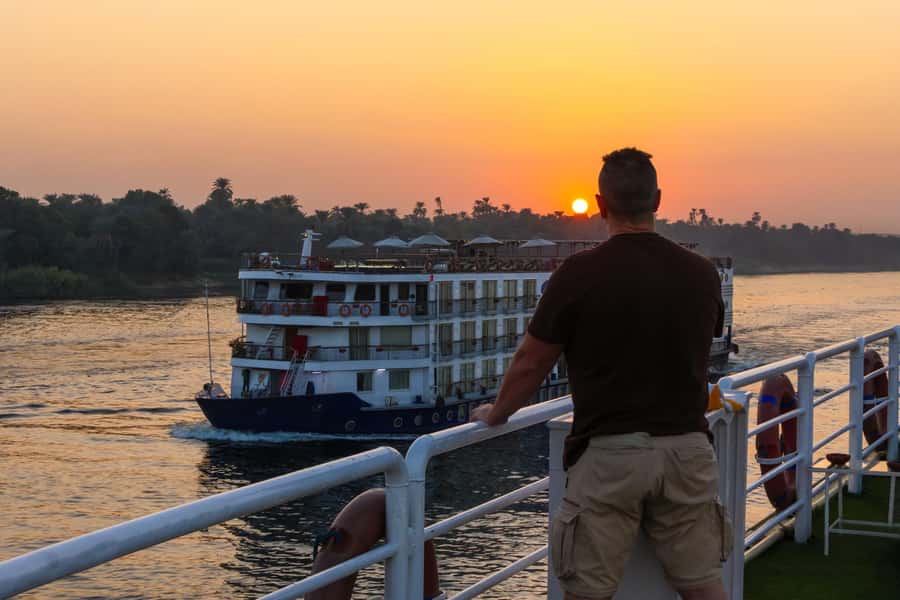
This itinerary is a great match if:
- You want the big Upper Egypt sites in a tight time window without planning yourself
- You like learning with a private guide, especially for tombs and temple symbolism
- You’re comfortable with long days that mix early starts (if Abu Simbel is selected) with late onboard downtime
It may be less ideal if:
- You hate feeling rushed and want maximum free time in each location
- You’re extremely sensitive to nighttime noise from the ship while sailing
- You dislike any shopping pressure at the end of tours—because you’ll want strong boundaries
For families, it can work well since guided explanations can keep kids engaged. Guides like Mariam and others have been specifically praised for making the information clear and appropriate even for younger visitors.
Should you book this Aswan-to-Luxor 4-day cruise?
If you want a high-coverage Nile experience—Philae, Abu Simbel (optional), Kom Ombo, Edfu, Valley of the Kings, Hatshepsut, Karnak, and Luxor Temple—this is a solid way to do it. The included private guiding and full-board reduce your stress more than you’d think.
My call: book it if you’re happy with a mostly scheduled day and you’ll use the guide time well. If you want the freedom to wander without a clock, add an extra day in Luxor so you can slow down after Karnak and when the West Bank still feels magical.
FAQ
FAQ
How long is the cruise?
It runs for 4 days.
Where does this Nile cruise start and end?
It starts in Aswan and ends in Luxor, traveling on the Nile between them.
Which temples and sites are included along the way?
You’ll visit Philae Temple in Aswan, Kom Ombo, Edfu (Horus Temple), and in Luxor you’ll see the Valley of the Kings, Hatshepsut Temple, Karnak Temple, and Luxor Temple.
Is Abu Simbel included?
Abu Simbel is included only if you select the option for the day trip from Aswan.
Are meals included?
Yes. The cruise includes full-board, and there is also lunch at a local restaurant in Luxor.
Are entry fees included?
No. Entry fees are not included.
Does the tour include a guide?
Yes. You’ll have a private guide and a driver for the tours included in the itinerary.
What languages are available for the live guide?
The guide can be in Arabic, English, French, German, or Spanish.
What time changes should I expect?
Some changes can occur due to sailing conditions.
What’s the cancellation policy?
You can cancel up to 24 hours in advance for a full refund.