REVIEW · ASWAN
Aswan: Abu Simbel Group Tour with Guide and Entrance Fees
Book on GetYourGuide →Operated by Nice Tours · Bookable on GetYourGuide
Abu Simbel kicks off before sunrise. This full-day group trip out of Aswan pairs an early convoy ride with a guided visit to Ramses II’s colossal temples—while hotel pickup and entrance fees are handled for you. I love how the guide-led timing helps you see both the Great Temple and the smaller Hathor Temple without turning it into a logistics project, and I also like that the famous relocation story is part of the experience, not just a trivia line.
One thing to consider: you’re on a long desert schedule, and time inside the temples can feel short if you like slow wandering and extra photos.
In This Review
- Quick hits worth knowing
- Abu Simbel Before Sunrise: what the early convoy accomplishes
- Pickup and A/C Transport: convenience that actually matters on this route
- Great Temple of Ramses II: what to watch for with a guide in front of you
- Temple of Hathor and Queen Nefertari: smaller, but very much part of the message
- The 1960s relocation story: why you should care where the blocks ended up
- Timing and pacing: how long you’ll really have at the temples
- Price and value: is $65 a bargain or a trap?
- What to bring so the day doesn’t annoy you
- Who this tour is best for (and who should adjust expectations)
- Guides you’ll be in good hands with
- Should you book this Aswan to Abu Simbel group tour?
- FAQ
- How long is the Aswan to Abu Simbel day trip?
- Is hotel pickup included?
- Are entrance fees included?
- What about food and drinks?
- What languages are the guides available in?
- Can I cancel and get a full refund?
Quick hits worth knowing
- Early convoy timing: you leave Aswan early so your visit starts when conditions are better and crowds are often lighter.
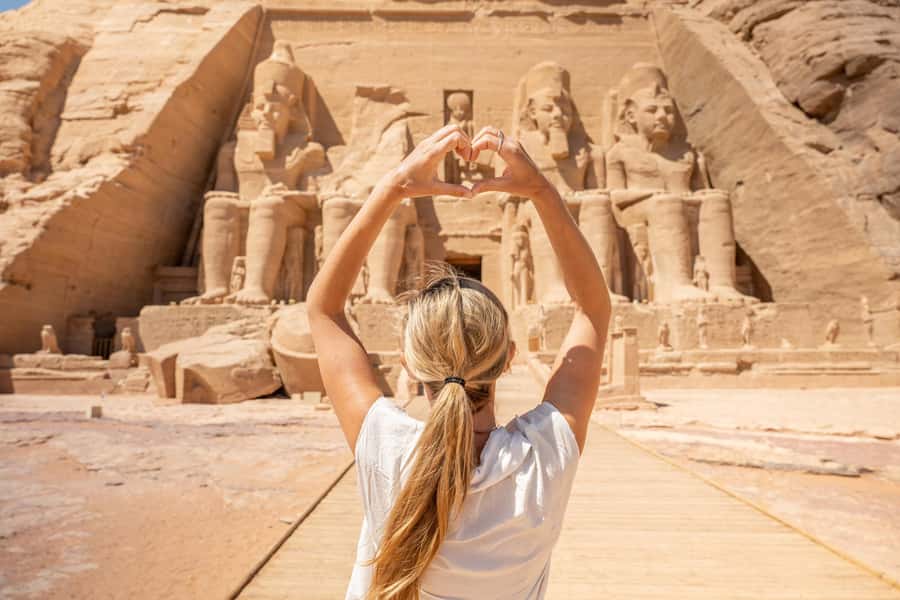
- Two major temples in one go: the Great Temple of Ramses II plus the Temple of Hathor for Queen Nefertari.
- The “moved by humans” angle: learn how the temples were relocated block by block during the 1960s campaign linked to the High Dam.
- Real guide characters: guides like Shazly Ali, Mido, Waleed Adnan, Ahmed Achraf, and Hani are repeatedly praised for clear explanations and good pacing.
- Comfort + coverage: round-trip transport in an air-conditioned vehicle with pickup and drop-off within Aswan.
- Plan for a fast visit: even when the stop feels long enough, you’ll want to be ready to move when the group does.
Abu Simbel Before Sunrise: what the early convoy accomplishes
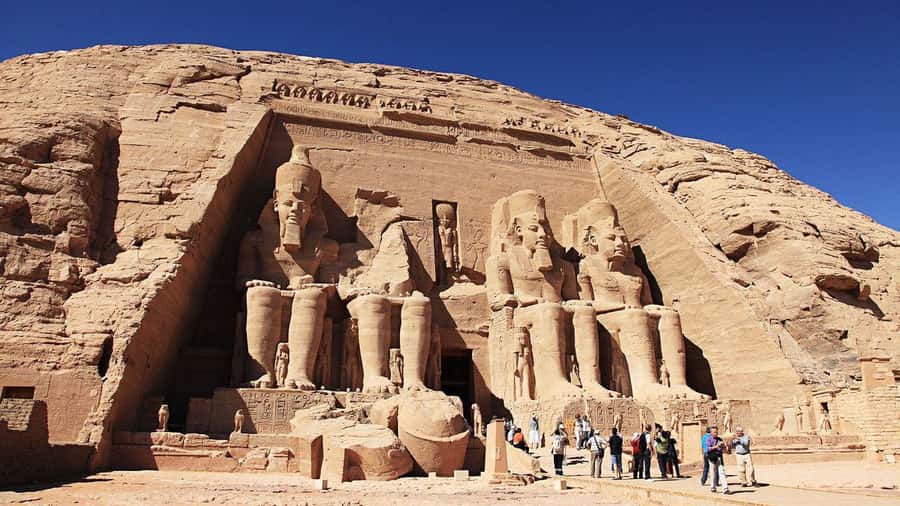
Most people go to Abu Simbel for the same reason: those massive seated statues and the feeling that you’re looking at something built to last forever. The smart twist on this tour is the early start from Aswan. You travel out with the daily convoy and arrive with enough time to start seeing immediately, rather than spending the day playing catch-up.
You’ll also feel how the pace is designed. The day is built around getting you to the monuments early and then getting you back to Aswan without turning the trip into an all-night slog. If you dislike waiting around in the heat, this structure helps. If you’re the type who loves taking your time, you’ll still enjoy it—you’ll just want to keep expectations realistic about how long you’ll be inside.
And yes, it’s a bit of a long day. But when people call Abu Simbel a once-in-a-lifetime stop, it’s usually because of the scale. This tour sets you up to actually see the scale, not just read about it later.
You can also read our reviews of more guided tours in Aswan

Pickup and A/C Transport: convenience that actually matters on this route
There’s a difference between a “guided day trip” and a trip where logistics eat your morning. Here, hotel pickup and drop-off are included (as long as you’re staying in the standard pickup zone in Aswan). That means you don’t need to figure out meeting points with the heat and timing on your side.
The ride is in an air-conditioned vehicle, which matters because the approach to Abu Simbel is long. You’ll likely also have a bathroom stop along the way—people describe at least one WC break during the drive. Some days include a coffee stop around bus-stop areas, but meals are not part of the package.
A practical note: if you’re staying in places outside the included pickup areas—like Gharb soheil, The Island, Nagaa al-Mahatta, or New Aswan—this tour doesn’t include pickup there. You’ll want to confirm where you can meet before you go, so you don’t lose time (or pay extra) on the front end.
Great Temple of Ramses II: what to watch for with a guide in front of you
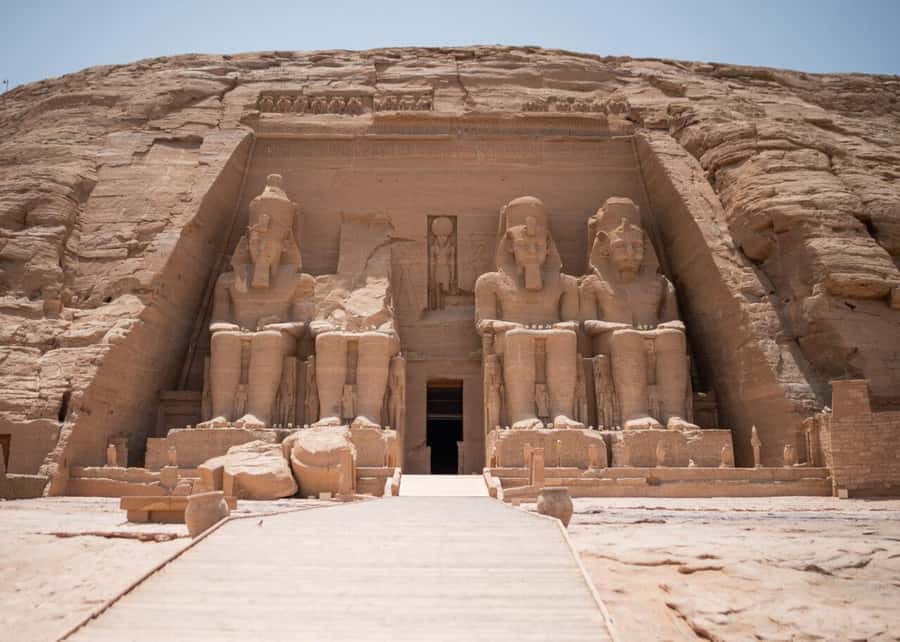
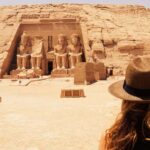
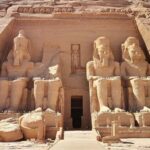
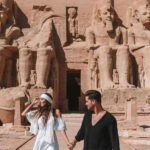
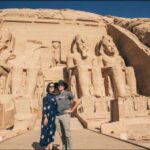
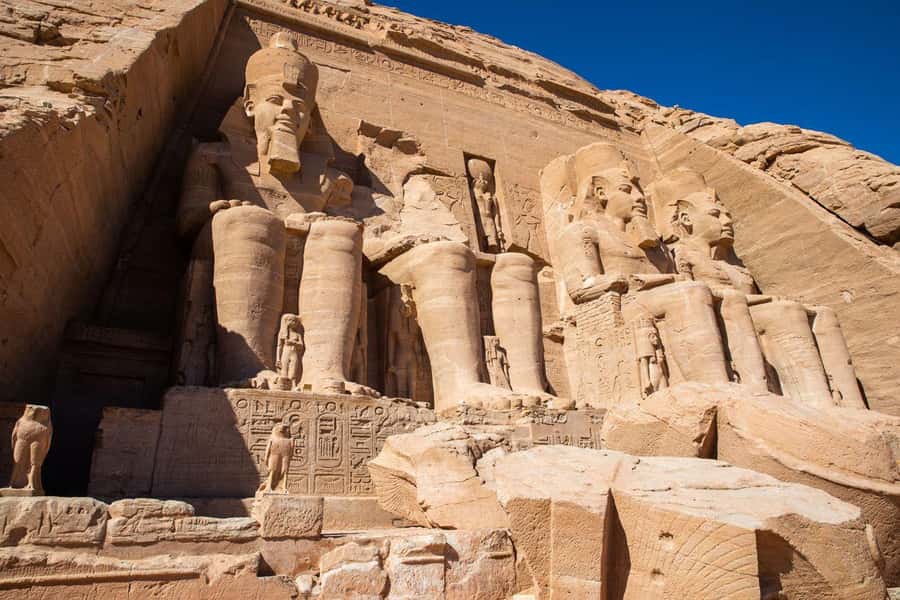
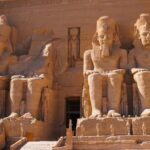
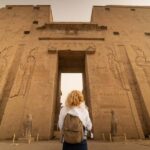
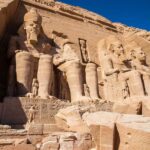
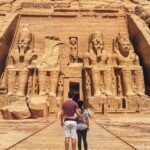
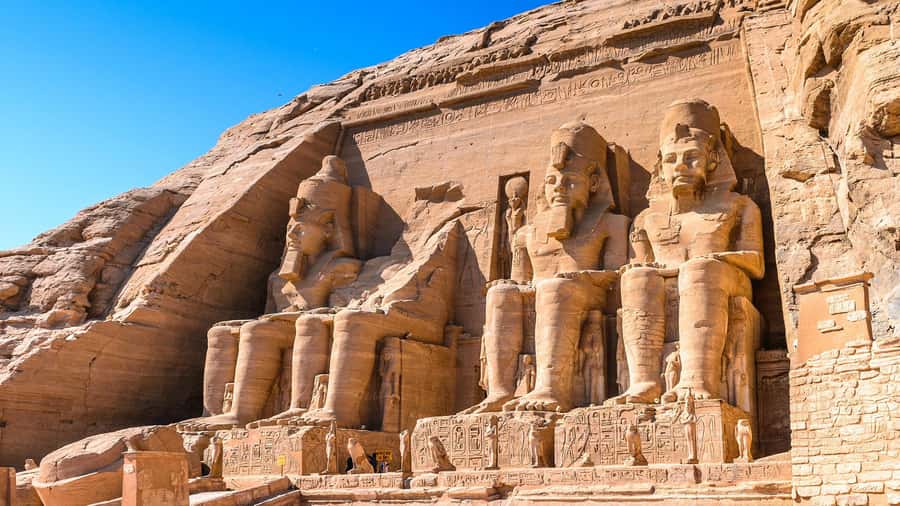
The Great Temple is the big headline. It’s dedicated to Ramses II, and it’s famous for the towering entrance statues and carved façade that make you stop mid-walk and stare upward. Going with a guide helps because you’re not just looking—you’re getting the story that explains why these figures are so oversized and so intentional.
A good guide will set expectations right before you walk in. Based on how many guides on this route are described—people name guides like Mido, Ahmed Achraf, and Ahmed Ashraf—the best moments tend to be the short talk that gives you context on Ramses II and the monument’s design choices. That kind of framing makes your time inside feel efficient, even if the stop isn’t long.
Inside, focus on two things:
- The statues and their placement: you’ll understand the “statement” the temple makes once you know who it’s honoring and how power was displayed in stone.
- The carvings and layout: your guide helps you connect what you’re seeing with what it represented in the 13th century BCE.
One more practical thing: some days feel like a quick visit once you’re inside. People report a range—some end up with about an hour to about two hours total at the temples, depending on how the schedule lands. So go in with a simple plan: hit the main views first, then use any remaining time for deeper looking.
Temple of Hathor and Queen Nefertari: smaller, but very much part of the message
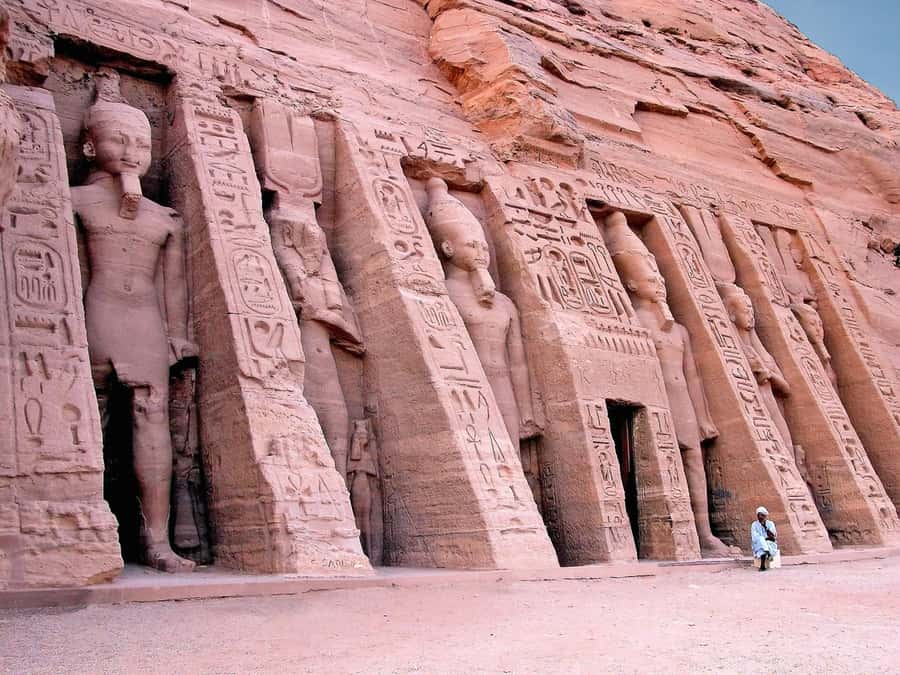
After the Great Temple, you’ll also visit the Temple of Hathor, dedicated to Queen Nefertari. It’s easy to think of the second temple as the “bonus stop,” but with the right explanation it lands as part of the same overall statement.
The Hathor Temple is often described as smaller, yet it’s still packed with symbolism and detail. A strong guide will connect Nefertari to the reign of Ramses II and point out how the temple was designed to honor her role. People name guides like Hani and Waleed Adnan as examples of guides who provide story-driven explanations and keep the group moving without feeling rushed.
If you only care about the most famous views, you can still enjoy this. But if you care about the human details—who was honored, how that honor was carved—this is where the visit starts to feel more personal. It becomes less about stamp-collecting and more about understanding who these monuments were built to celebrate.
The 1960s relocation story: why you should care where the blocks ended up
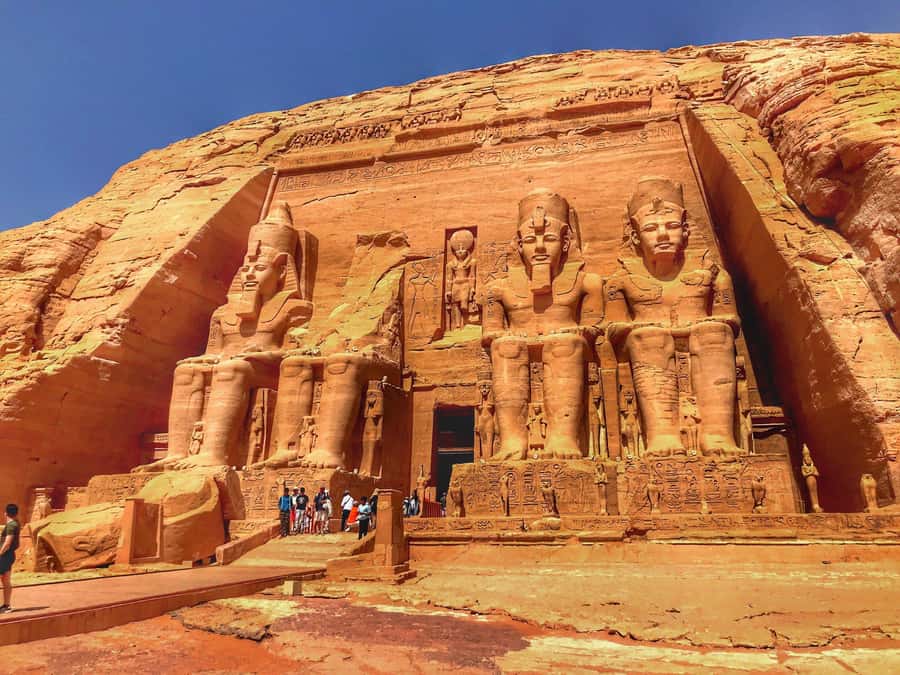
One of the most fascinating parts of Abu Simbel isn’t only the ancient craftsmanship. It’s the modern engineering miracle of the 1960s campaign, when the temples were relocated block by block to higher ground. You’ll hear this as part of the tour explanation, because the site’s meaning is tied to that history too.
Here’s why it matters for your visit:
- You’re not only looking at an Egyptian monument preserved through time—you’re looking at a monument preserved through active human intervention.
- The move changes how you interpret what you see. You can appreciate the temples as both ancient architecture and a modern conservation effort.
- It helps you understand why people are so serious about this site being treated with care.
Guides who emphasize this point well—names that show up often include Ahmed Achraf, Mido, and others—tend to make the relocation story feel tangible. You’ll stop thinking of it as “they moved it somehow” and start picturing the scale of the operation.
And yes, it’s a UNESCO-listed site. But treat that as a bonus label. The real value is that you leave knowing what the site overcame, not just that it exists.

Timing and pacing: how long you’ll really have at the temples
This is the part you should plan around.
The total tour duration is listed as 10 hours, and that includes the driving time from Aswan to Abu Simbel and back. The drive is long enough that the day can feel like a marathon, even when the vehicle is comfortable.
At the temples, the stop duration can vary. Some accounts describe a shorter window (around an hour or about an hour and 15 minutes). Others note more comfortable time to move between the Great Temple and the Temple of Hathor. The safe takeaway: expect limited time, and don’t bank on having hours of slow museum-style browsing.
If you want maximum satisfaction, do this before you arrive:
- Decide what your must-see is (main statues and façade views for the Great Temple).
- Know you also need time for the Hathor Temple.
- Keep your phone ready, but don’t spend every minute filming. The light and crowd flow are part of the experience.
The guides are generally good at balancing explanation with movement. Still, if you’re the type who hates being guided and wants total freedom, a private tour (if you’re able to book one) may suit you better than a group schedule.
Price and value: is $65 a bargain or a trap?
At $65 per person for a full day, the best way to judge value is to itemize what’s included.
You get:
- Hotel pickup and drop-off (within the included Aswan zones)
- An English-speaking guide
- Entrance fees for Abu Simbel
- Round-trip transport in an air-conditioned vehicle
You don’t get:
- Food and drinks
That balance is what makes the price feel fair. Many Abu Simbel experiences become pricey once you add entry fees and private transport. Here, the entry fee is included upfront, so you’re not doing surprise math while you’re already tired and hungry.
Could it still feel like a tight schedule for the price? Yes, especially if you’re expecting lots of time on-site. That’s the trade you’re making: you’re paying for a complete day trip that runs on a set timetable.
For most people, it’s a strong deal because you’re buying the hard parts—entry and getting there—without extra hassle.
What to bring so the day doesn’t annoy you
This route is practical-day-trip territory. If you show up prepared, you’ll feel much happier once you’re on the road.
Bring:
- Comfortable shoes (you’ll be on your feet for temple viewing)
- Sunglasses and sunscreen
- Water
- Comfortable clothes
- A packed lunch (food isn’t included)
A small but important tip: since meals aren’t covered, plan around the fact that the drive may not align with your usual lunch schedule. People note there may be coffee shop options at stop areas, but don’t count on it as your full meal plan.
Also, pack a light layer if you tend to get cold in A/C.
Who this tour is best for (and who should adjust expectations)
This Abu Simbel group tour is a great fit if you:
- Want a guided explanation of what you’re looking at (Ramses II and Queen Nefertari)
- Prefer all-in entry and pickup rather than handling tickets and meeting points yourself
- Don’t mind a group pace in exchange for hassle-free logistics
It may be less ideal if you:
- Want long, quiet time in the temples and lots of unscripted roaming
- Get frustrated by group waiting (which can happen when people aren’t ready at meeting times)
- Need guaranteed time to linger for photography beyond what the schedule allows
If you’re traveling as a couple or solo and you still love the idea of a group guide but want more control, ask about the practical timing. The tour can deliver a memorable experience, but your expectations about how long you’ll be inside will shape how you feel afterward.
Guides you’ll be in good hands with
One of the most praised parts of this trip is the human factor: the guide.
Names that show up repeatedly include Shazly Ali, Mido, Waleed Adnan, Mohammed Ibrahim, Ahmed Achraf, and Hani. The common thread in the feedback is clear: good guides manage two jobs at once—give you enough context so the monuments make sense, and still keep you moving so you don’t feel stranded.
Many guides are described as friendly and funny, and several are praised for explaining the reconstruction and historical background so it clicks while you’re standing in front of the temple. If you’re the type who reads every sign, you’ll appreciate the added framing. If you usually skip the explanation, you’ll be less tempted to tune it out because the guides tend to keep it connected to what you’re seeing.
Should you book this Aswan to Abu Simbel group tour?
I’d book it if you want a straightforward, low-stress day trip to a top-tier monument with entrance fees and pickup included. For $65, you’re paying for the hardest parts of the day—getting there, getting in, and having someone explain what you’re looking at—without turning your schedule into a spreadsheet.
Skip it only if your top priority is maximum time inside the temples with zero group pacing. In that case, you’ll likely want a plan built for more freedom.
If you do book, go in prepared for an early start, wear your best walking shoes, bring water and lunch, and give yourself a simple viewing checklist. Do that, and Abu Simbel will feel less like a rushed stop and more like the big, unforgettable experience it’s supposed to be.
FAQ
How long is the Aswan to Abu Simbel day trip?
The tour duration is listed as 10 hours.
Is hotel pickup included?
Hotel pickup and drop-off are included for pickup from Aswan. Pickup is not included from Gharb soheil, The Island, Nagaa al-Mahatta, or New Aswan.
Are entrance fees included?
Yes. Abu Simbel entry fee is included.
What about food and drinks?
Food and drinks are not included. You’ll want to bring a packed lunch and water.
What languages are the guides available in?
The live tour guide is available in Arabic, English, French, German, and Spanish.
Can I cancel and get a full refund?
Yes. Free cancellation is available up to 24 hours in advance for a full refund.