REVIEW · ASWAN
Aswan: Kalabsha Temple and Nubian Museum Private Tour
Book on GetYourGuide →Operated by Sun Pyramids Tours · Bookable on GetYourGuide
Two worlds meet on the Aswan waterfront. What makes this tour fun is the story of Kalabsha Temple—a temple that ended up rebuilt near the High Dam site after the original was moved to avoid flooding. I also like how the setting gives you that dam-and-lake scale right away, so ancient stone feels connected to today’s Aswan.
Then you pivot from Roman-era temple details to human stories at the Nubian Museum, opened in 1997 and named from the ancient Egyptian word nbu for gold. I love that the museum focuses on Nubia’s culture through monuments and artifacts you would otherwise never track down. One possible drawback: it’s a short day and there’s no food included, and there can be an extra pickup cost if you’re staying on Soheil or Hisa Island, near Aswan airport, or in a Nubian hostel.
In This Review
- Key highlights at a glance
- Kalabsha Temple: why this moved temple still feels alive
- Emperor Augustus and the Ptolemaic story you can actually picture
- Nubian Museum: the meaning of nbu and why the collections feel personal
- The 5-hour flow: what the timing feels like in real life
- Private guide comfort: small details that make the day smoother
- Price and value: is $100 per person a fair deal?
- Who should book this Aswan combo (and who might not)
- Should you book this Kalabsha Temple and Nubian Museum Private Tour?
- FAQ
- How long is the Kalabsha Temple and Nubian Museum private tour?
- What does the $100 per person price include?
- Is food included on the tour?
- What language is the live tour guide?
- Where is the pickup, and is there any extra cost?
- Is the tour wheelchair accessible?
Key highlights at a glance
- Kalabsha Temple relocation: rebuilt on a hill close to the High Dam site after the dam changes
- Roman and Ptolemaic connections: temple background tied to Toutmosis II, Amenophis II, and repairs during Roman invasion
- Augustus + pharaoh iconography: a guided look at combined royal imagery (Egyptian pharaohs alongside a Roman emperor)
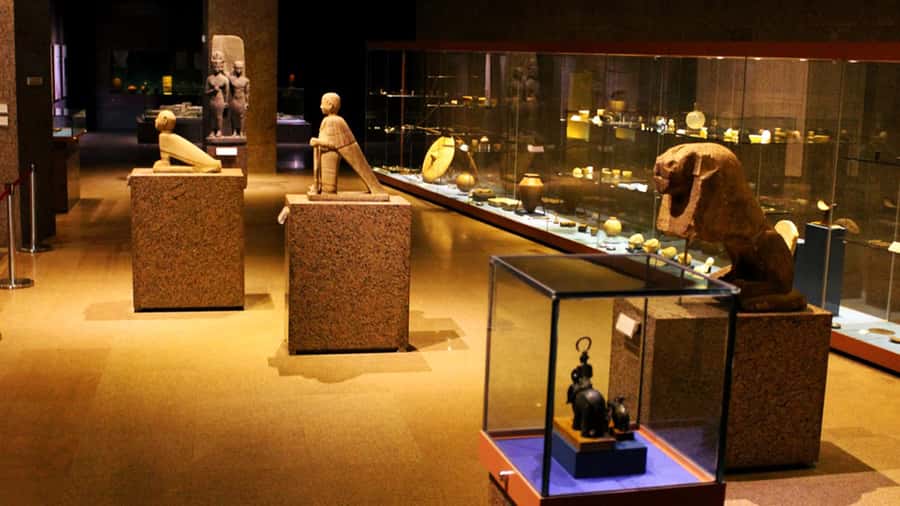
- Nubian Museum meaning and mission: nbu = gold, with a clear focus on history, art, and culture of Nubia
- Rare Nubian collections: monuments and artifacts that might have been lost in Lake Nasser’s waters
Kalabsha Temple: why this moved temple still feels alive
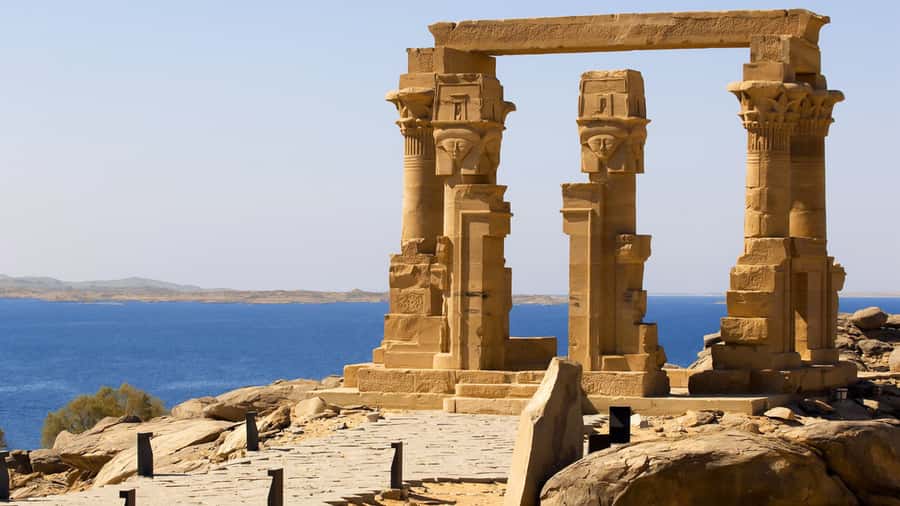
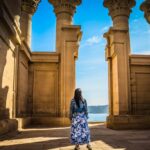
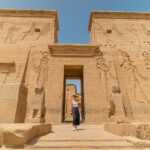
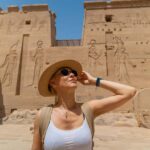
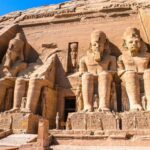
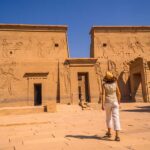
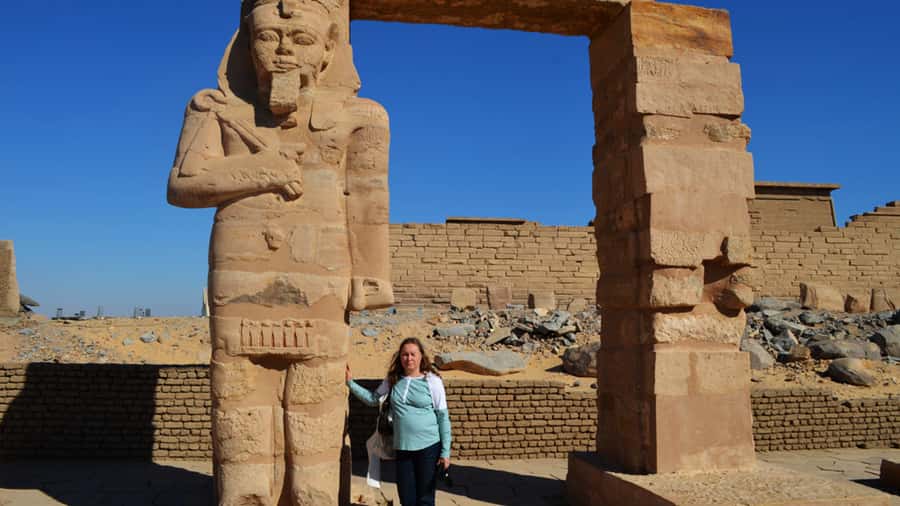
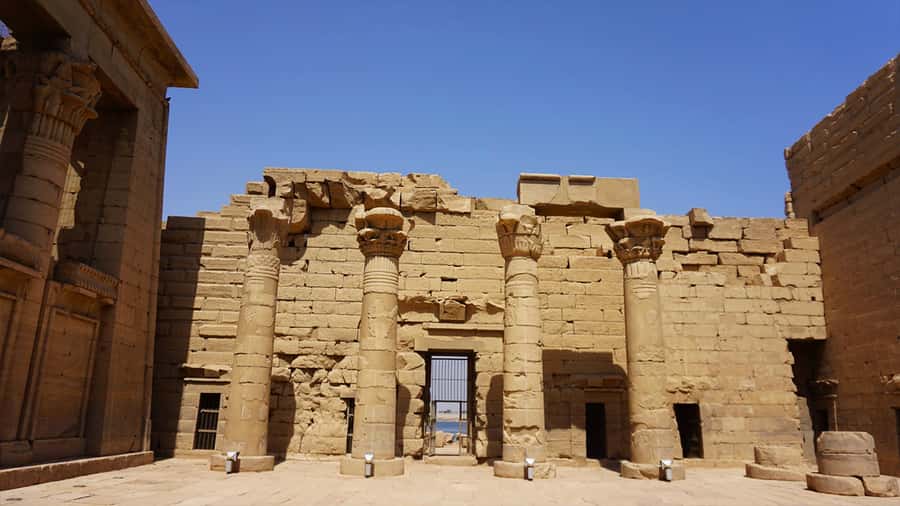
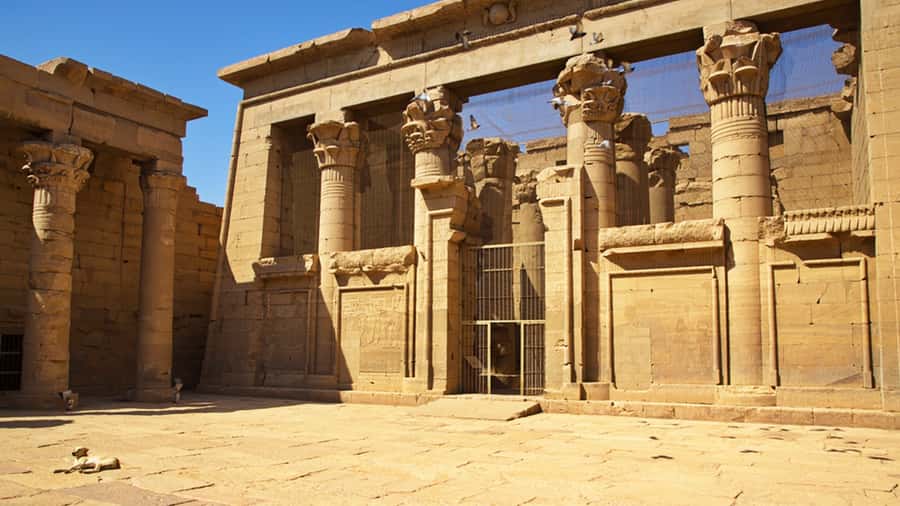
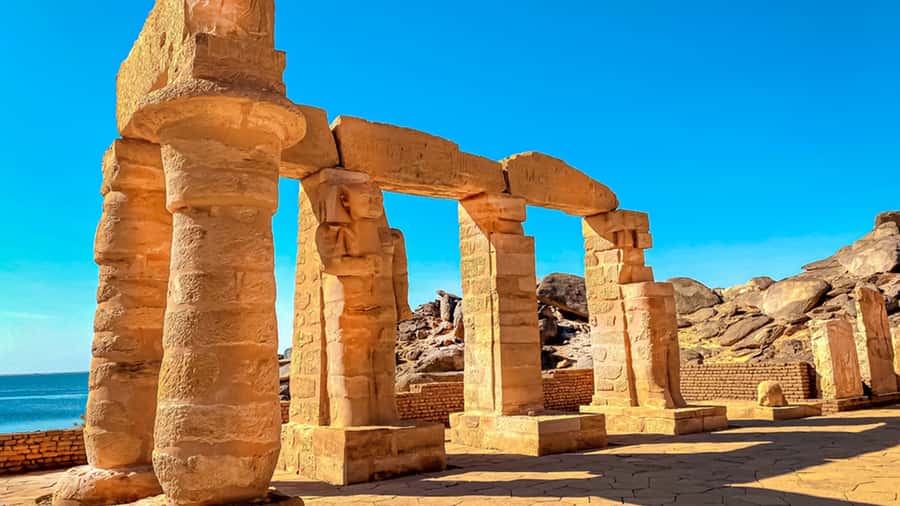
Kalabsha Temple is the kind of place that surprises you—in a good way—because it doesn’t just sit there like a museum piece. It has a built-in plot twist: it was originally constructed at Kalabsha (about 40 miles south of Aswan) by Toutmosis II and Amenophis II, then later repaired during the Roman invasion. The modern chapter came when the Aswan High Dam changed the landscape.
On this private tour, you’re driven to the rebuilt temple area on the Western Bank near the High Dam site. That matters. When you look at temple blocks and carved surfaces in a landscape like this, you start to understand how conservation decisions shaped what you can still see today. It’s not just history on the wall; it’s history in motion.
Your guide walks you through what you’re seeing instead of leaving you to guess. That’s especially helpful for Kalabsha, because the details connect different eras. You’ll hear how the temple’s identity shifts across dynasties and invaders, and you’ll get the context that turns carvings into a timeline. If you’re the type who likes knowing why a temple looks the way it does, you’ll likely enjoy the pace here.
One more thing I liked: the visit stays practical. You get about an hour to explore with guidance and sightseeing. That’s a sweet spot. You’ll have time to look closely without getting temple-fatigue.
You can also read our reviews of more private tours in Aswan
Emperor Augustus and the Ptolemaic story you can actually picture
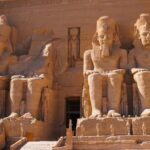
Even if you don’t consider yourself a “history person,” the Kalabsha visit has a hook that’s easy to remember: the connection between the Ptolemaic dynasty and the Roman emperor Augustus. The tour description points to what’s distinctive—combined images of Egyptian pharaohs alongside Roman imperial imagery.
This is where I think a good guide earns their fee. Without that commentary, you might recognize names or symbols but miss the bigger idea. With it, you start to see how rulers used art and architecture to claim legitimacy. Egyptian kings and Roman power weren’t just coexisting; they were represented together in ways that made political control look natural.
That combined-imagery theme is also why this temple feels worth the ride. It’s not only about ancient Egypt in isolation. It’s about how Egyptian sacred space handled outside authority, and how Rome didn’t arrive empty-handed—it brought its own political language, then learned to speak it through the local visual system.
If you’re coming from the modern Aswan dam area, this is a smart mental bridge: you’re already aware of engineering changes. Now you’re looking at political and cultural engineering too.
Nubian Museum: the meaning of nbu and why the collections feel personal
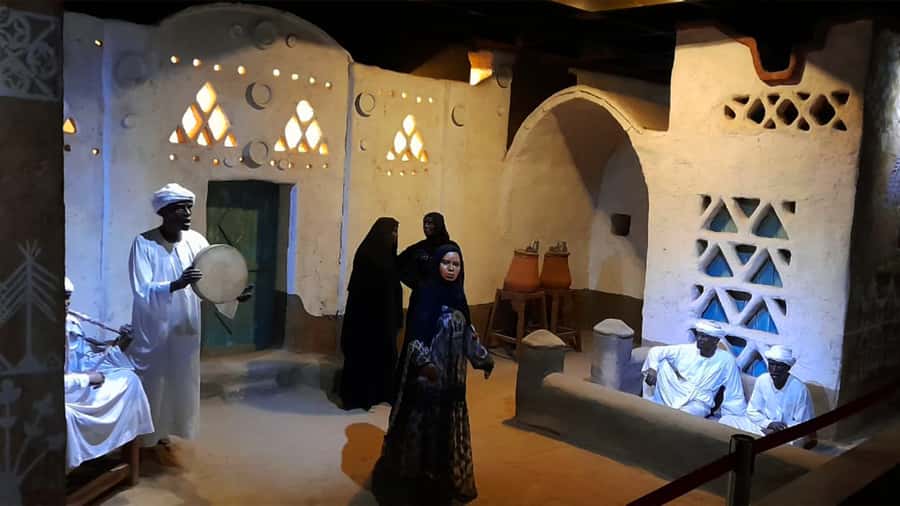
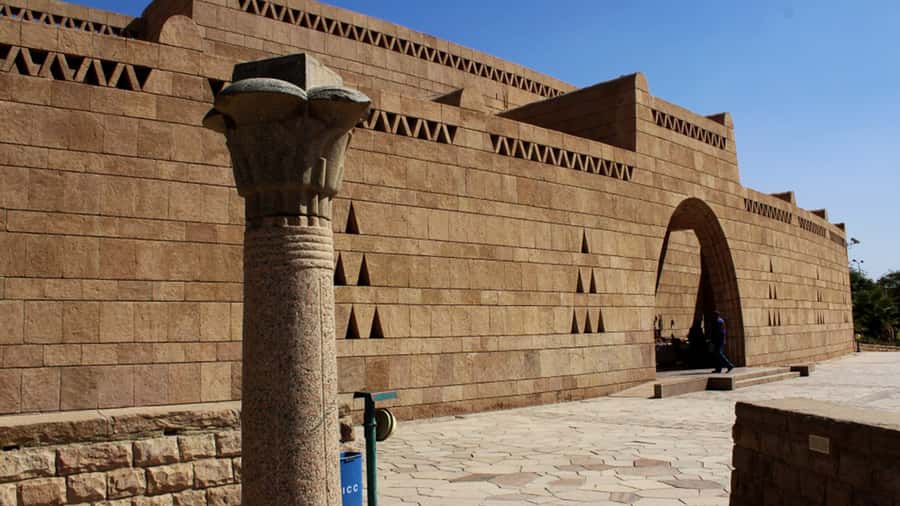
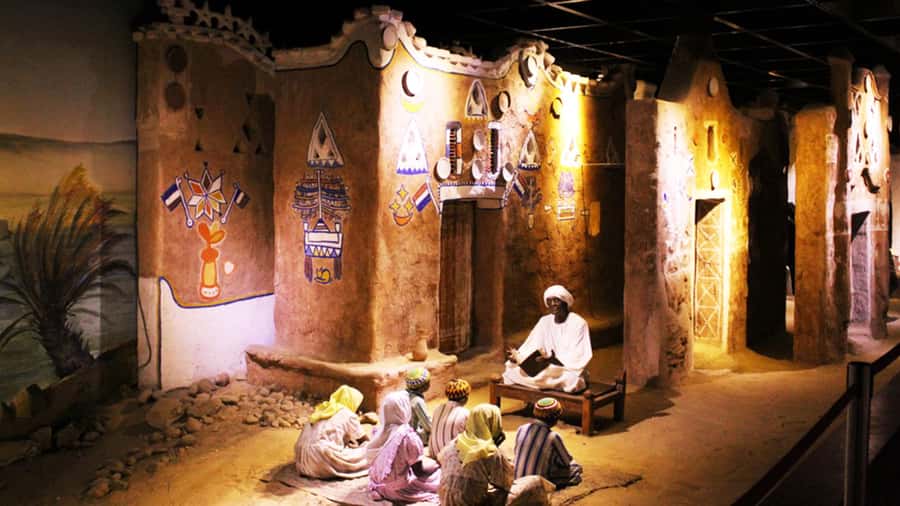
After the temple, the day shifts into something more intimate: the Nubian Museum. It opened in 1997, and its name comes from nbu, an ancient Egyptian word meaning gold. That’s not a random fact to toss in; it hints at why the region mattered economically and culturally, and it gives you an entry point into the displays.
The museum focuses on Nubia’s long history through monuments and artifacts. What I like about that approach is how it avoids turning Nubia into a footnote. Instead, you get a shaped narrative: history, art, and culture presented with enough structure that you can follow what you’re looking at.
This is also where the tour adds real value if you care about material culture—things that survived when other pieces were threatened by the dam project. The tour notes that thousands of artifacts that would have been lost in Lake Nasser’s waters are on display. Even if you don’t know the dates yet, that message changes your mindset as you walk through rooms. You’re looking at objects with a second life.
You’ll spend about two hours here, guided. That’s long enough to actually read key labels and still short enough to keep the visit from dragging. Also, the museum is a good follow-up to Kalabsha. Temple architecture can feel abstract. Artifacts in a museum bring the human scale back—daily life, identity, trade, and regional traditions.
If you want a quick takeaway: Kalabsha shows sacred power across time; the Nubian Museum shows who that power touched and how Nubians carried their own story forward.
The 5-hour flow: what the timing feels like in real life
This is a compact tour—about five hours total—with hotel pickup and drop-off in Aswan. That makes it a strong option if you only have one day and you want two very different stops without exhausting logistics.
Here’s how the time usually plays out:
- Pickup from Aswan (start of day)
The tour uses an air-conditioned car for every transfer, with bottled water on your journey. That simple comfort matters in Aswan. It keeps the day from turning into a sweaty scramble.
- Kalabsha Temple (about 1 hour)
You get a guided tour and sightseeing. Expect walking and looking, not just standing and listening. The guide’s job here is to point out what to notice so you don’t miss the key parts of the temple’s story.
- Nubian Museum (about 2 hours)
This is more interior and more label-driven. Plan to slow down and take your time with the sections that interest you. Two hours gives you enough attention span to learn without feeling trapped.
- Return to Aswan
The tour ends back in Aswan, so you don’t have to build a second plan for transport.
One practical note: food and drink aren’t included. If you’re prone to getting cranky when you’re hungry (no judgment), grab something small before you go. You’ll likely want a snack or a drink during the gap between the temple and museum.
Private guide comfort: small details that make the day smoother
This is a private tour with a private guide, offered in English and Arabic. That setup has a direct impact on quality. You don’t just follow a script—you can ask questions as you go and get explanations tailored to your pace.
The experience quality shows up in the way the day runs. The tour description emphasizes professional pickup/drop-off, a contemporary air-conditioned car, and bottled water. In a place where heat and timing matter, that’s not fluff—it’s the difference between enjoying the stops and rushing through them.
There’s also a human factor from the guides who lead these tours. One guide named Walaa is specifically mentioned as friendly and knowledgeable, and what I take from that is simple: you’ll get someone who can keep the story clear and adjust timing when needed. That flexibility is helpful on any day when you’re balancing sightseeing with travel time.
Price and value: is $100 per person a fair deal?
At $100 per person for a private 5-hour combo, the value depends on what you want out of the day.
Here’s what you’re paying for:
- Hotel pickup and drop-off within Aswan
- Private guided visits at both Kalabsha Temple and the Nubian Museum
- Admissions to the historical locations included
- Air-conditioned private transfers plus bottled water
- All taxes and service fees handled
If you were to do this yourself, you’d spend time coordinating transport, then pay for admissions, and you’d still need someone to explain what you’re looking at—especially at Kalabsha, where context matters for understanding the different periods and the combined imagery.
So the price feels most fair if you like guidance and want a one-day plan that doesn’t turn into a logistics project. If you’re a solo budget traveler who just wants to wander independently, you might find cheaper options. But if you want your day to run smoothly and feel meaningful, this price looks reasonable.
Also keep in mind: there may be an extra cost if you’re not starting from a typical Aswan hotel location (Soheil island, Hisa island, Aswan airport, or a Nubian hostel). That’s not a dealbreaker, but it can change the real cost.
Who should book this Aswan combo (and who might not)
You’ll probably love this tour if:
- you want an easy one-day schedule that covers both a moved temple and a museum focused on Nubia
- you like guided interpretation, especially for temple art and political symbolism
- you care about how modern infrastructure like the High Dam changed what survived—and where
It may not be the best fit if:
- you want a full day with free time for long meals or extra stops
- you dislike structured guiding and prefer to explore on your own
- you don’t want to pay an extra pickup fee due to where you’re staying
Should you book this Kalabsha Temple and Nubian Museum Private Tour?
I’d book it if you want maximum meaning per hour. Kalabsha gives you the big story of relocation and layered rule—Egyptian dynasties meeting Roman influence—while the Nubian Museum gives you the people and artifacts behind the region. The private format, professional transfers, and included admissions keep the day simple.
Before you reserve, do two quick checks: confirm your pickup location rules (especially if you’re on Soheil or Hisa islands or staying near Aswan airport), and plan your own food since nothing is included. If those fit your style, this is a solid Aswan day with real learning built in.
FAQ
How long is the Kalabsha Temple and Nubian Museum private tour?
It runs for about 5 hours total.
What does the $100 per person price include?
Hotel pickup and drop-off in Aswan, a private guide, admission to the listed historical locations, air-conditioned car transfers, bottled water, and all taxes and service fees.
Is food included on the tour?
No. Food and drink are not included.
What language is the live tour guide?
The guide is available in English and Arabic.
Where is the pickup, and is there any extra cost?
Pickup is from Aswan. If your hotel is in Soheil island, Hisa Island, Aswan airport, or a Nubian hostel, there will be an extra cost.
Is the tour wheelchair accessible?
Yes, the tour is wheelchair accessible.