REVIEW · ASWAN
Best Private Day Trip To Abu Simbel From Aswan
Book on GetYourGuide →Operated by Emo Tours Egypt · Bookable on GetYourGuide
Abu Simbel feels like a time machine. This private day trip from Aswan turns a long drive into something useful, with guided temple context and a comfy ride. I love that the tour is set up as a smooth, air-conditioned round-trip—no wandering, no guesswork. And I really like the value: entry fees, lunch, and a local guide are included, so you’re not doing math in your head all day.
One thing to plan for: it’s a full-day effort with a serious road run (about 3 hours each way). And the temple explanations may be limited once you’re inside, so expect the best story time to happen before you go in and then you’ll explore more on your own once you arrive.
In This Review
- Key highlights at a glance
- Abu Simbel’s Big Reputation, Explained In One Day
- Price and Logistics: What You’re Actually Paying For
- 8:00 AM Pickup: Turn the Long Drive Into Real Temple Prep
- Abu Simbel First Stop: Ramses II’s Temple in the Right Frame
- Second Temple Time: Nefertari and the Hathor Connection
- Breaks, Bathroom Stops, and Lunch That Doesn’t Feel Like a Trap
- The “No Hidden Costs” Part You Should Care About
- Timing: 9 Hours That Still Feels Like a Full Day
- Who This Private Abu Simbel Trip Is Perfect For
- Book It or Skip It? My Practical Recommendation
- FAQ
- What time does the Abu Simbel day trip run from Aswan?
- Where do you get picked up and where do you return?
- What temples will I visit on this day trip?
- Is a guide included, and what languages are available?
- What’s included in the price?
- What is not included?
- What do I need to bring for the tour?
- How far in advance do I need to book, and can I cancel?
Key highlights at a glance
- Private pickup from your Aswan hotel, plus return at the end of the day
- Guided access to Abu Simbel’s main sites: Ramses II temple and the Nefertari (Hathor) temple
- Built-in context on the ride, so the carvings and statues make more sense when you’re there
- Skip-the-line entry and included entry fees to reduce hassle at the gate
- Lunch at a local restaurant and bottled water included, so you can focus on the temples
Abu Simbel’s Big Reputation, Explained In One Day
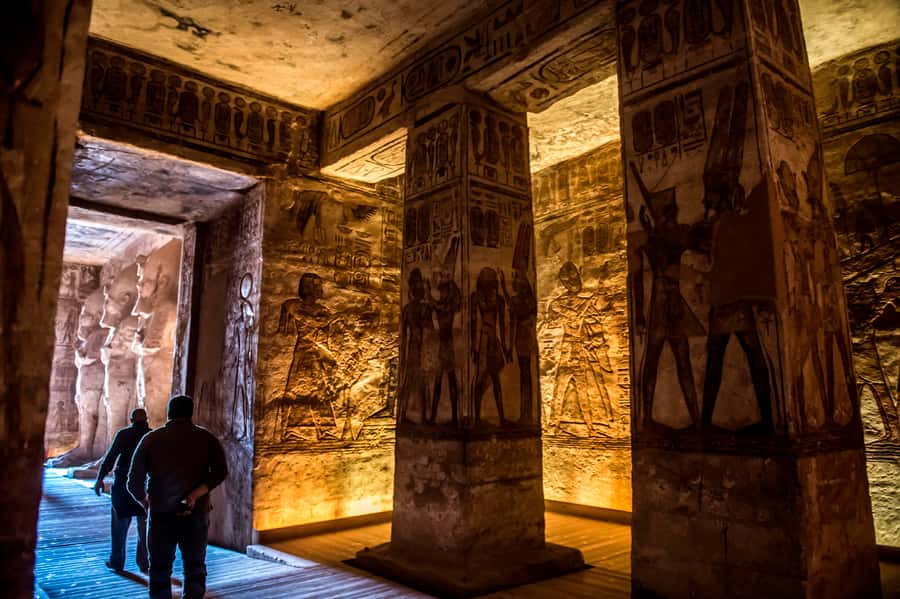
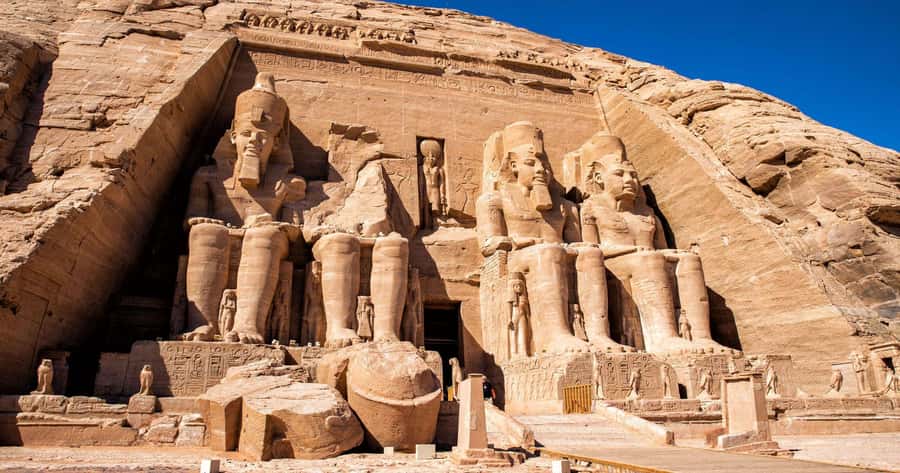
Abu Simbel isn’t just another “nice temple” stop. It’s one of Egypt’s most dramatic power statements—Ramses II putting his name, his gods, and his authority right into stone.
The reason it’s so special is also practical. When the Nile’s flooding threatened the original temples, international cooperation helped save them—so what you see today is a monumental rescue story as much as an ancient one. On this trip, you’ll get the main symbolism, not just a quick photo stop.
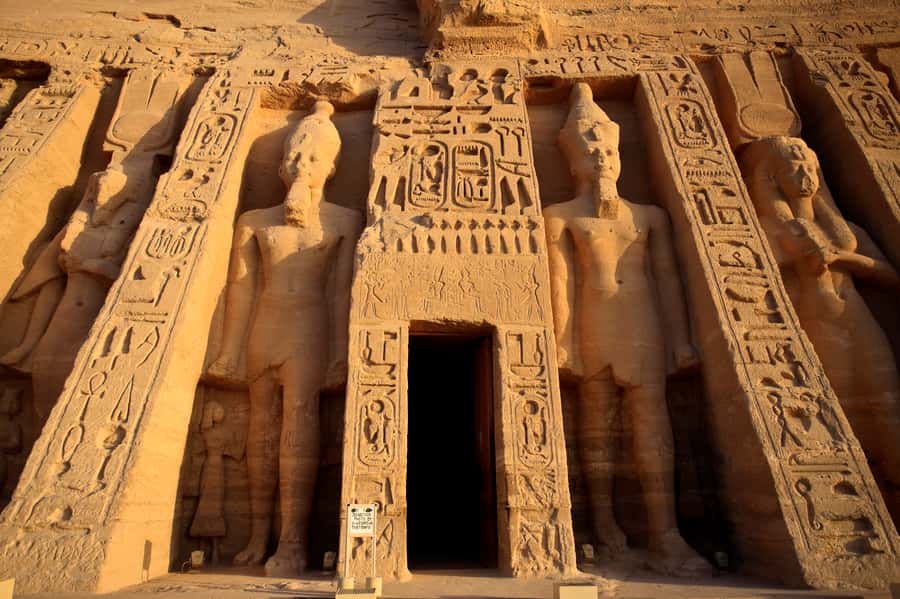
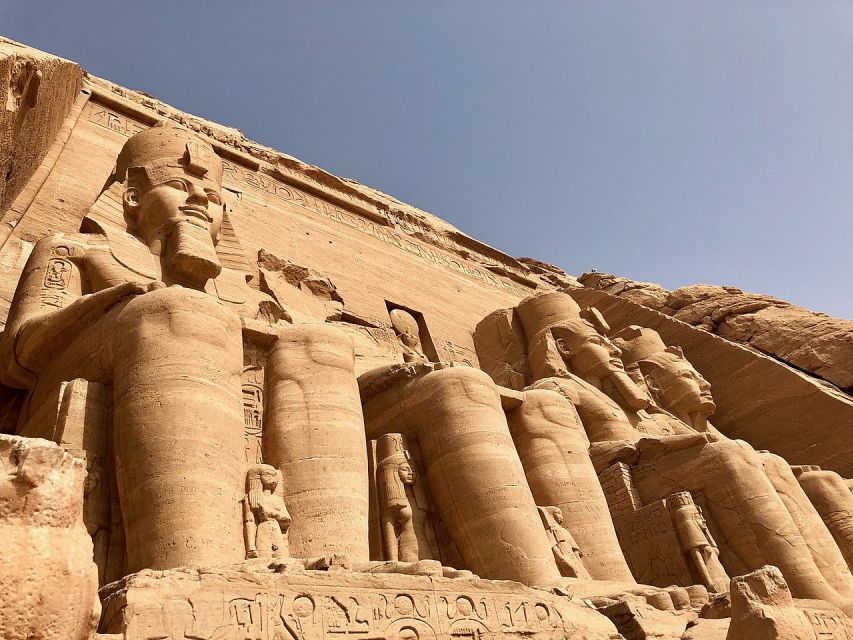
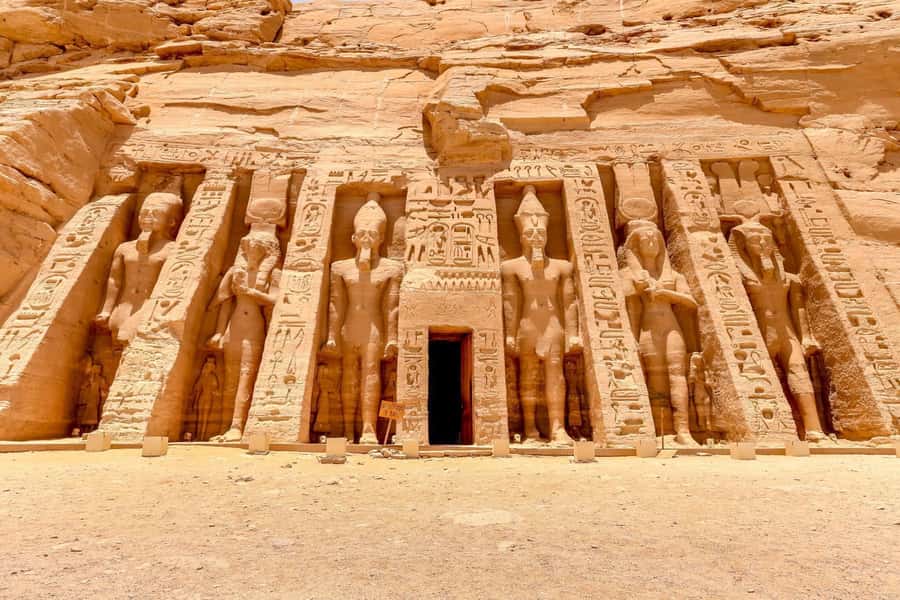
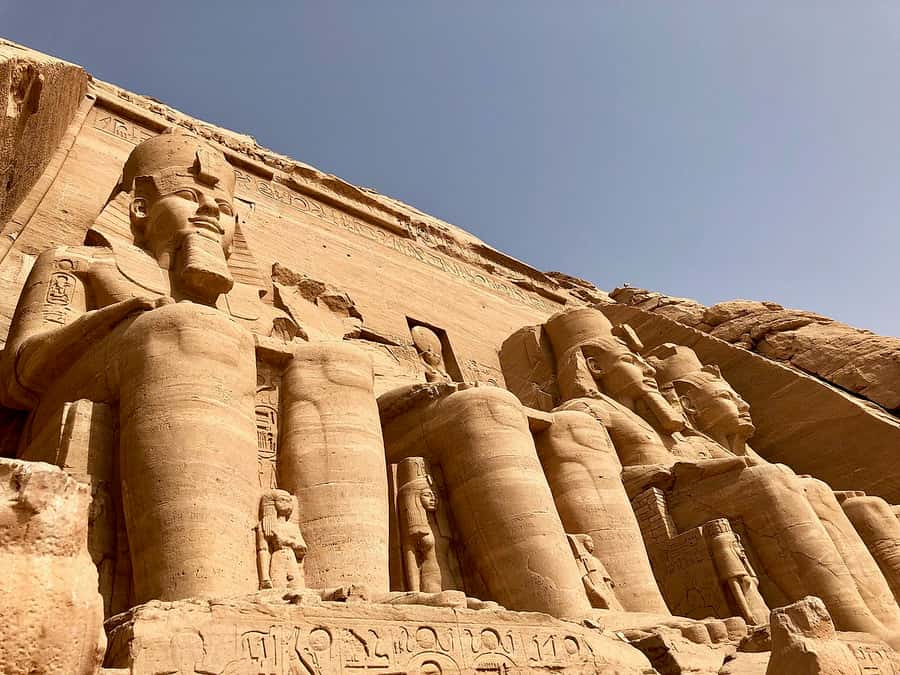
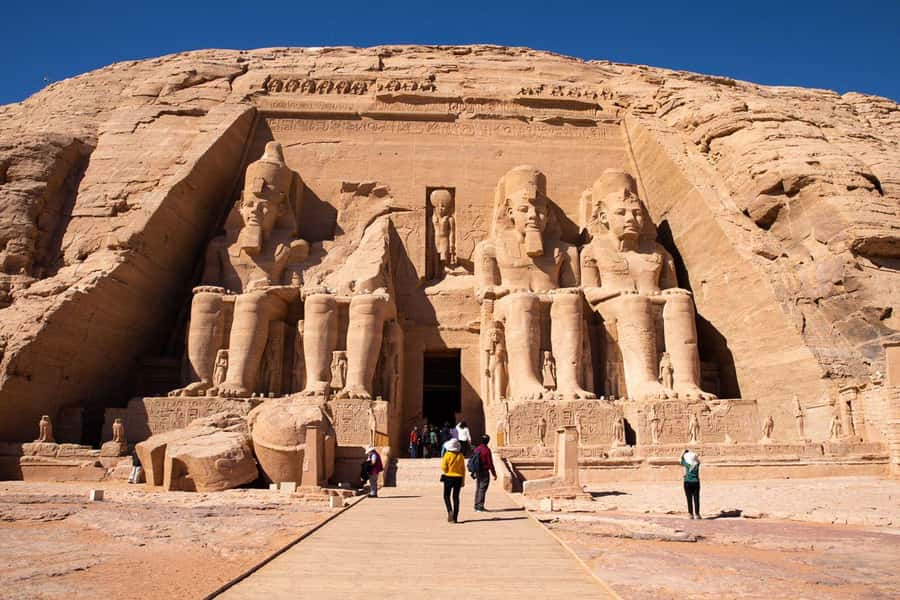
You’ll see two temples in one visit. The big one is often called the Sun Temple of Ramses II, with the facade built to connect Ramses and the divine. The smaller temple is dedicated to Queen Nefertari and is closely linked with Hathor (often described as the wife of the sun god in the tour’s framing). Together, the two sites bring that royal + divine connection into focus.
You can also read our reviews of more private tours in Aswan
Price and Logistics: What You’re Actually Paying For
$145 per person sounds specific, and you should expect clear value. In this case, the cost makes sense because you’re buying time, comfort, and access.
Here’s what’s included in the price package:
- Private air-conditioned transfers (hotel pickup and return)
- Local guide at Abu Simbel
- Entry fees
- Lunch at a local restaurant
- Bottle of water
- Skip the ticket line
And what’s not included:
- Tipping
This matters because Abu Simbel is far enough from Aswan that transportation becomes a big part of the day. A shared tour can turn into waiting time—your private plan is meant to keep the day moving. Also, having entry fees handled means you don’t need to track separate payments or scramble for tickets once you’re there.
8:00 AM Pickup: Turn the Long Drive Into Real Temple Prep
The day starts at 8:00 AM with pickup from your Aswan hotel. From there, you head south for about 3 hours of driving each way. That’s long, so comfort is not a luxury here—it’s part of surviving the day.
One of my favorite parts of this kind of private structure is how the ride stops being dead time. The setup commonly includes guide context while you’re still in the vehicle. You can get familiar with what you’re about to see—Ramses II’s program of gods and royal symbolism, plus the Queen Nefertari/Hathor connection—before you step into the heat and the crowds.
Even better, guides you may encounter (names that show up in service histories include Samir Gaber, Sami, Zakariya, Mustapha, and Mohammed/Tarek) often use photos and simple visual aids to explain key points before entering. That approach is smart. It helps you spot what you would otherwise miss—like key figures, the way the facade is organized, and why the temples are paired.
Practical tip: bring your passport. Not just for entry—this tour also requires passport details during booking, so have it ready.
Abu Simbel First Stop: Ramses II’s Temple in the Right Frame
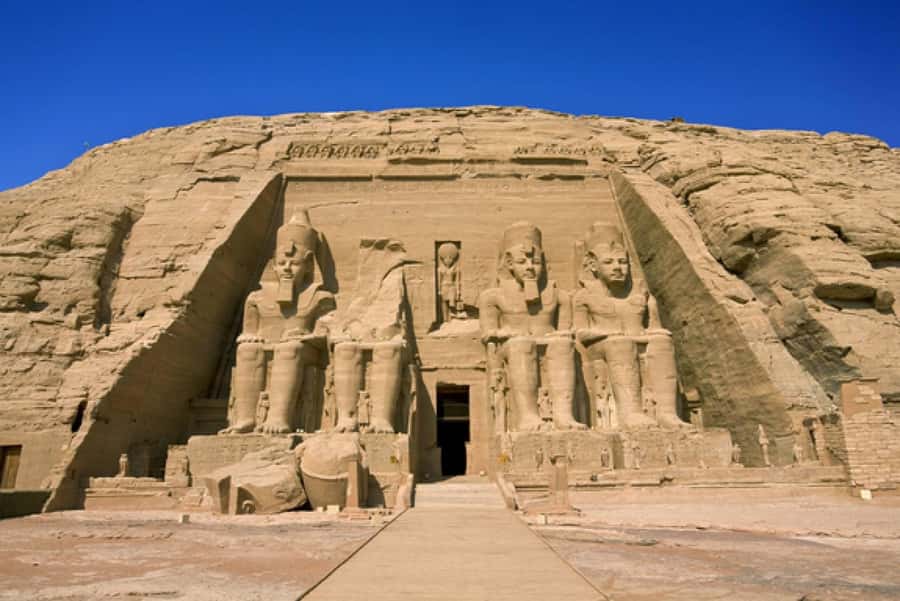
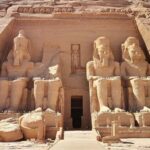
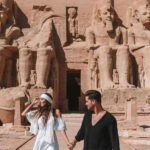
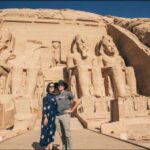
Once you arrive, you get guided time—about 2 hours at the Abu Simbel temple site for the first main visit. This is the portion people remember because Ramses II is everywhere, and the facade is basically a stone stage.
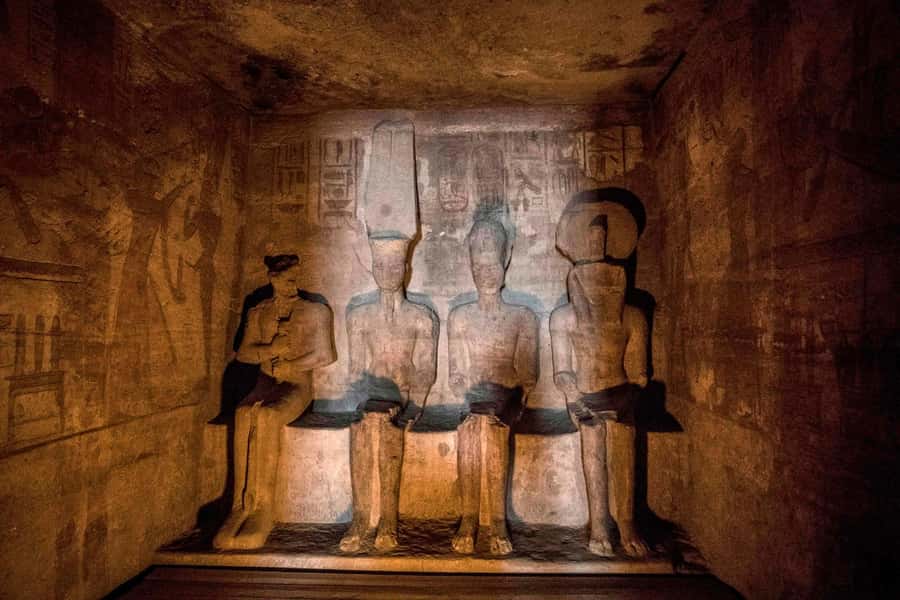
The tour framing you’ll hear connects Ramses II to multiple universal gods—Ptah, Re-Her-Akhtey, Amun-Re—along with Ramses himself. In plain terms, the temple is built to connect royal authority to divine power. That’s why the big temple often gets called the Sun Temple of Ramses II: it’s not just about religious worship; it’s about cosmic timing, symbolism, and public messaging.
What I like about getting a guide here is that you don’t have to guess what you’re looking at. A good guide will help you interpret the carvings and the overall message of the facade and major statues so the visit feels like comprehension, not just staring.
A note on how explanations typically work: in this style of guided access, much of the deeper explanation may happen outside the inner spaces, with the guide using pre-arrival context and images. Once you’re inside, you’ll often be more on your own—so pace yourself. You don’t want to rush here. Spend time at the best viewing angles and let your eyes adjust.
Second Temple Time: Nefertari and the Hathor Connection
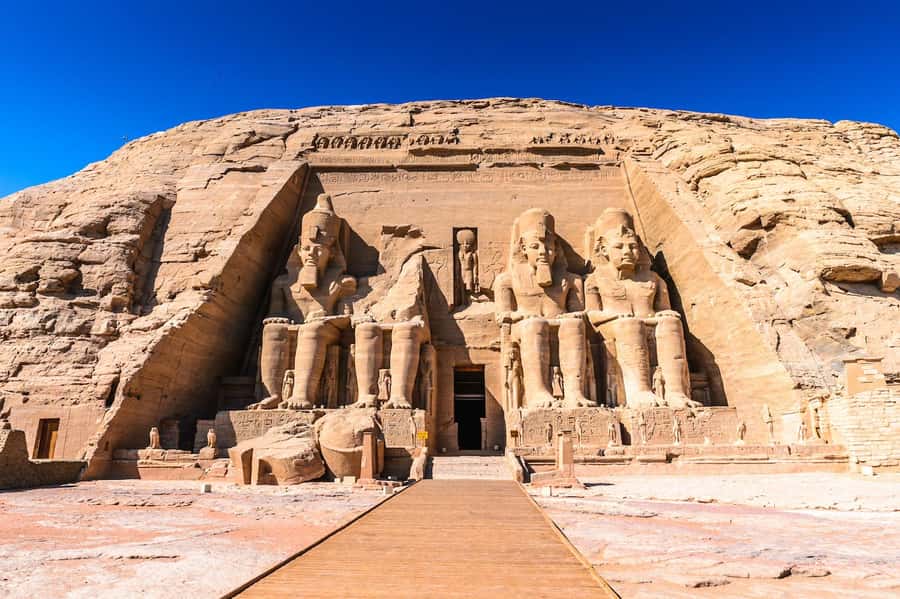
After the Ramses II temple segment, you’ll spend additional guided time at the Queen Nefertari temple (about 1 hour for the guided visit at the Nefertari site).
This is the “small temple with big meaning” counterweight to the massive facade experience. The tour calls Nefertari’s temple the Temple of Hathor, tying it symbolically to the sun god through Hathor’s role in the storytelling. It’s a companion piece: not just different stonework, but a different kind of message—royal partnership, divine femininity, and the idea that the two temples work together as one visual argument.
The best way to enjoy this stop is to slow down and compare. Look for how the scenes and iconography support the temple’s purpose. If you already understand the Ramses II side, Nefertari’s temple suddenly feels less like a “bonus” and more like the other half of the story.
You can also read our reviews of more tours and experiences in Aswan


Breaks, Bathroom Stops, and Lunch That Doesn’t Feel Like a Trap
The long road trip needs real breaks. This tour includes lunch at a local restaurant and bottled water, which is more valuable than it sounds when you’re traveling in heat.
In practice, many private drivers build in reasonable bathroom and snack stops on the way, because the schedule is tight and the drive is long. You’ll also want these breaks because Abu Simbel is not the place for decision fatigue. If you’re already hydrated and fed, you’ll spend your energy on the temples.
Lunch is typically described as a Nubian-style or local grilled-meat type meal on the day, and most experiences describe it positively. One nice detail: there’s no mention of forced detours to high-pressure shopping stops in the core tour structure. That matters on a day like this, where every hour is precious.
Food tip: eat normally, then hold back room for water. Don’t assume you’ll want a huge second meal after the temples.
The “No Hidden Costs” Part You Should Care About
“No hidden costs” is more than marketing language here. You get a clear list of what’s included: transfers, local guide, entry fees, lunch, and water.
That transparency matters because Abu Simbel tours can get messy when extras start appearing—ticket add-ons, transportation fees, or surprise surcharges. In this setup, you’re paying for a complete experience designed around the distance.
One cost consideration that you should remember: tipping isn’t included. If you like a specific guide (or you had a driver who handled the long drive calmly), set aside some cash so you’re not scrambling at the end.
Timing: 9 Hours That Still Feels Like a Full Day
This is listed as about 9 hours, running daily 8:00 AM to 5:00 PM.
Here’s what that means for your energy:
- You’ll spend a big chunk of the day on the road (roughly 3 hours each way).
- You’ll have guided time at the temples (about 2 hours plus another guided segment and around 1 hour for Nefertari).
- You’ll need time for lunch and practical stops.
So you’re not doing “lots of extra sightseeing.” You’re doing the real target site, properly. If you want a relaxed day in Aswan with time for strolls and cafes, Abu Simbel won’t be it. But if you want one of Egypt’s most famous monuments, with a plan that keeps you from losing time at ticket lines, this is a strong match.
Who This Private Abu Simbel Trip Is Perfect For
I’d point this tour at people who want:
- Private, door-to-door transport from Aswan
- Guided temple context without the stress of figuring things out on your own
- A day that prioritizes Ramses II + Nefertari rather than scattering time
It’s also a smart fit if you don’t want to gamble on “DIY logistics” for a remote site. Abu Simbel’s distance is the whole game. In a private plan, you’re paying to reduce friction so you can enjoy what matters.
If you’re traveling with limited tolerance for heat or you prefer your days organized, this format helps. And if you’re a first-timer to Aswan, it’s an easy way to see what makes the region famous beyond the city itself.
Book It or Skip It? My Practical Recommendation
Should you book this tour? If your goal is a one-day, high-impact Abu Simbel visit, I think you should strongly consider it. The included guide time, entry fees, skip-the-line access, and lunch make the day feel structured instead of stressful.
I’d hesitate only if:
- You hate long car rides and wouldn’t enjoy the road part even with a guide explaining the story en route.
- You’re expecting a super slow, museum-style visit where every minute is leisurely. This is built for a full schedule, not linger-and-browse.
If you’re flexible and you want Abu Simbel done properly from Aswan, this private day trip is one of the more straightforward ways to make it happen.
FAQ
What time does the Abu Simbel day trip run from Aswan?
The tour runs daily from 8:00 AM to 5:00 PM and is about 9 hours total.
Where do you get picked up and where do you return?
You’re picked up from your hotel in Aswan and returned to Aswan at the end of the tour.
What temples will I visit on this day trip?
You’ll visit Abu Simbel (including the Ramses II temple) and the Temple of Nefertari in Abu Simbel.
Is a guide included, and what languages are available?
Yes. A local guide is included, and the tour guide languages listed are English, Spanish, German, and Arabic.
What’s included in the price?
The included items are hotel pickup and return, private air-conditioned transfers, a local guide, entry fees, lunch at a local restaurant, and bottled water.
What is not included?
Tipping is not included.
What do I need to bring for the tour?
You need your passport. Booking also requires passport details.
How far in advance do I need to book, and can I cancel?
You need to book 48 hours in advance. You can cancel up to 24 hours in advance for a full refund.