REVIEW · CAIRO
Cairo: 5-Day Siwa Oasis, WWII, Amun Temple & Hot Springs
Book on GetYourGuide →Operated by Sun Pyramids Tours · Bookable on GetYourGuide
Siwa feels like Egypt’s secret side door. This 5-day private trip links WWII at Alamein with the slow magic of the oasis, plus temple stops tied to Amun and the Oracle area. I especially like the way the day-to-day pacing helps you go from big history to quiet desert life without whiplash.
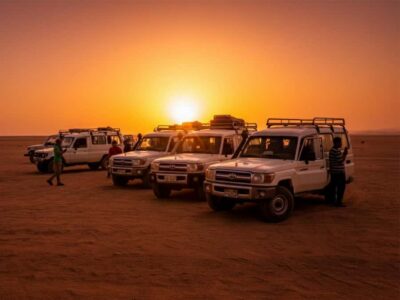
Then there’s the other part I really liked: the desert safari moments, from a marked early-footprint site to fossil coral reefs, with chances to relax in cold and hot springs. One possible drawback: travel days involve long drives, and the program notes that Shiata/Shiette Lake is closed, so the exact swimming plan may be different than you expect.
In This Review
- Key things that make this Siwa itinerary worth your time
- From Cairo to Alamein: WWII in the Western Desert
- Siwa’s old town and the Amun/Oracle-area temples
- Desert Safari Day: fossil reefs, early footprints, cold water time, and sand fun
- Mountain of the Dead and Roman Spring eye in Abu Sherouf
- Ghaliet Ecolodge & Spa: where you reset after the desert
- Guides, drivers, and how the private setup actually feels
- Price and value: is $1,018 per person a good deal?
- Who should book this Siwa private tour (and who shouldn’t)
- Should you book this Siwa private tour?
- FAQ
- What is the duration of the tour?
- Do I get picked up from Cairo and returned to Cairo?
- What is the included accommodation in Siwa?
- What meals are included?
- Which languages can the guide speak?
- Is the group private?
- Do we visit WWII sites in Alamein?
- Are there spring and hot spring experiences?
- Is Shiata/Shiette Lake available for swimming?
- Do I need to share my passport details in advance?
- Are entrance fees included?
Key things that make this Siwa itinerary worth your time
- WWII in Alamein first, so the desert journey starts with real context, not just sightseeing.
- Shali (old town) + Amun temples give you the oasis story in a single flow, from settlement to worship sites.
- Desert stops are specific, including a claimed early human footprint and Cambrian-era fossil coral reefs.
- Water breaks are built into the tour: Cleopatra Spring area, cold-spring time at Shiata (noting possible closure), plus Bir Wahid hot springs.
- A true sunset slot at Fitnas Island, timed for that classic desert-gold light.
From Cairo to Alamein: WWII in the Western Desert

You start early, with pickup from your Cairo hotel at 06:00 AM. The drive is about three hours to Alamein, and it’s long enough that you’ll want to be comfortable before you leave—snacks and water help, and good walking shoes won’t hurt for short museum-and-cemetery time.
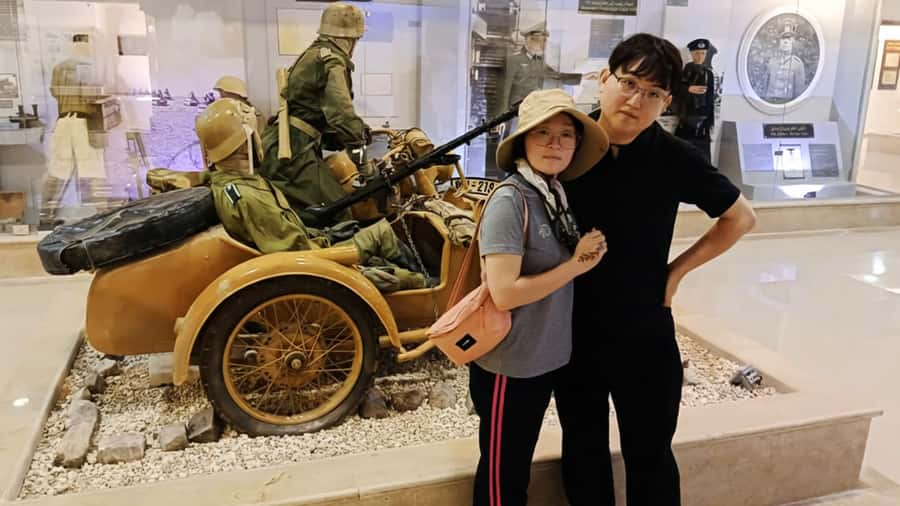
At Al Alamein, the focus is the WWII story: you visit the WWII Museum and the Cemetery. This matters because it changes how you read the rest of the trip. You’re not just driving through open desert; you’re moving through the same kind of wide, exposed terrain that shaped real military choices. After that, you continue westward toward Siwa, with a stop area at the bay of Marsa Matrouh on the Mediterranean coast before the longer drive into the desert.
By the time you reach Siwa, the day has done its job: it loads your eyes with history, then sets you up for a calmer second day in the oasis. Dinner and overnight are in Siwa, so you’re not stuck doing another late transfer.
You can also read our reviews of more tours and experiences in Cairo.
Siwa’s old town and the Amun/Oracle-area temples
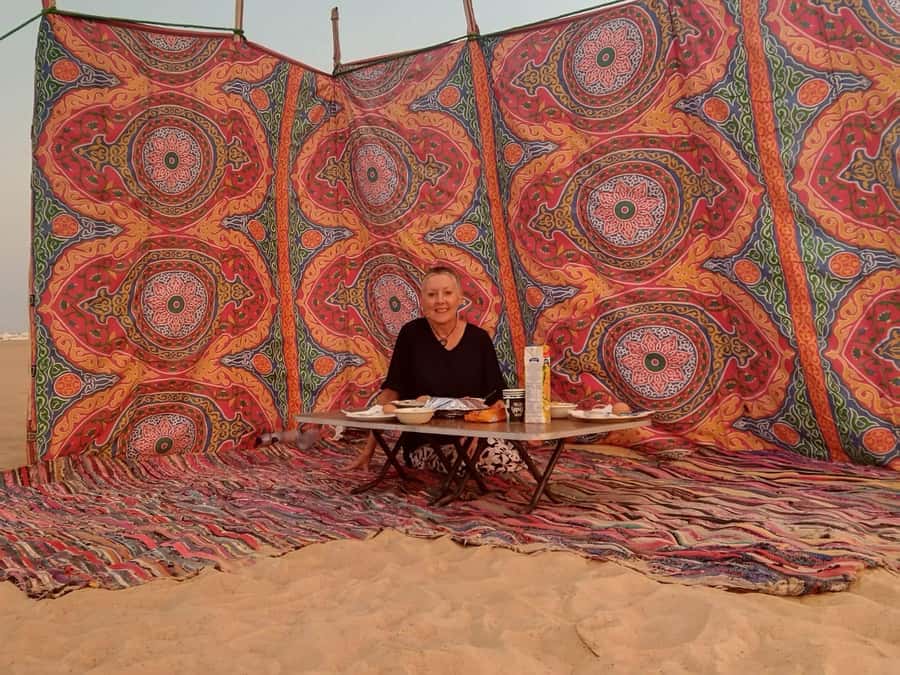
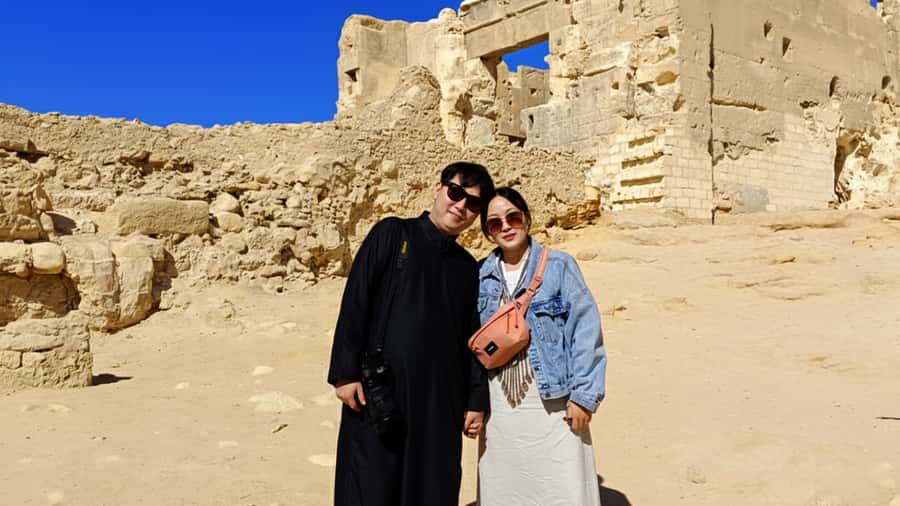
Day 2 is when Siwa starts to feel like a different world. After breakfast, you go to Shali, the old town of Siwa. Even if you only spend a short time there, the mud-brick feel and tight lanes give you that immediate sense of place—this is architecture that grew to handle the desert, not fight it.
From there, you head to temple sites that connect to Amun. The itinerary includes the Alexander Temple at Aghurmi Village, dedicated to the God Amon and tied to the 26th Dynasty, followed by Amun Ra Temple at Um Ubeyda. If you’ve been curious about why Siwa is linked to the Oracle tradition, these stops are part of that broader religious geography. They’re not just photo points; they’re the reason the oasis mattered to travelers long before modern roads existed.
Next comes Cleopatra Spring (Ein Guba). Springs are the lifeline of Siwa, so this stop is practical as well as scenic. A spring in the desert is a big deal—water controls daily life, crops, and even where settlements make sense.
Then there’s Siwa House Museum. This type of stop is where you can learn how local life is organized, not just how the past looks in ruins. It’s also a good break in the day when you want your guide to slow down and explain what you’re seeing.
The day ends with a sunset moment at Fitnas Island. Plan for a camera-ready glow and cooler air compared with the midday heat. After that, you’re back at your hotel.
Desert Safari Day: fossil reefs, early footprints, cold water time, and sand fun
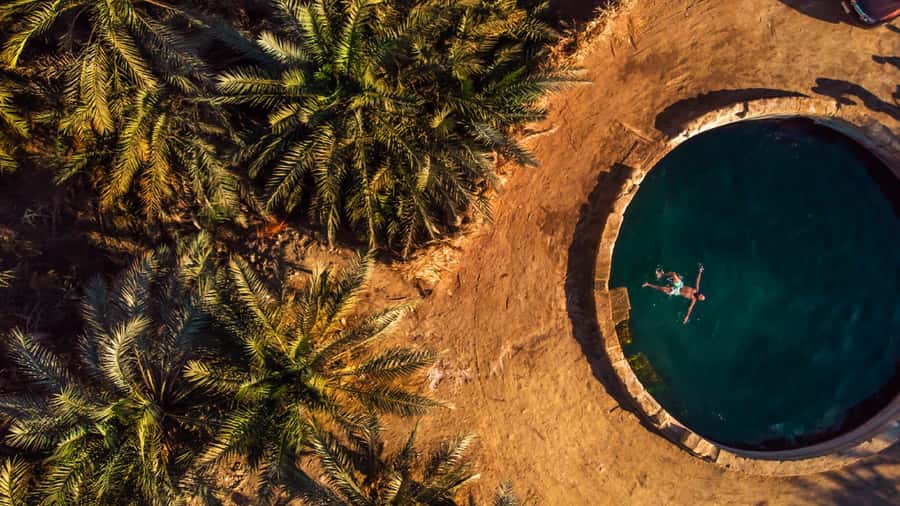
Day 3 is the one many people remember most: a full on desert day built around natural features, not only ruins.
You begin with breakfast and then set off toward Maraki Village. From there, you cross the desert and stop near Great Siwa Mountain, where the program points out an area with the first human footprint above the mountain, dated to pre-history. The exact science behind claims like this isn’t something you can verify on the spot, but the usefulness of the stop is clear: it gives you a marker for how far back people have related to this region.
Then you continue to the fossils area, specifically described as rocky coral reefs dating to the Cambrian era. Seeing fossil coral-reef rock after driving through sand is one of those mind-bending contrasts that makes the Western Desert feel less like empty space and more like deep time.
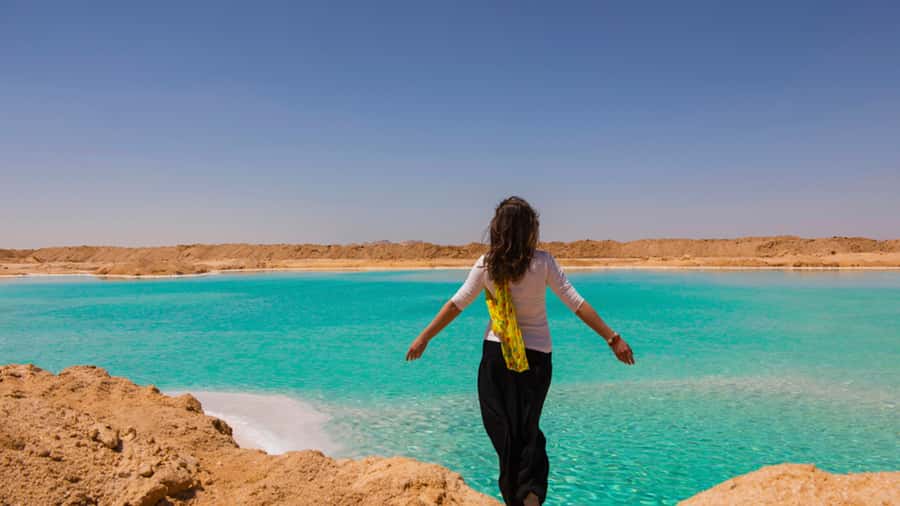
Next is Shiata Lake, described as a spring eye in the middle of the desert. The program also mentions a chance to watch flamenco birds, plus time to swim in cold spring water and relax. Here’s the important note: the itinerary includes a reminder that Shiette Lake is closed. That means your day may be adjusted. I’d treat any swimming expectations at Shiata as flexible, and let your guide know early how you’re hoping to spend the water time.
The program also adds another option: sand surfing. If you like active travel, this is the part where you can trade “look” time for “do” time.
Afterward, you drive to Bir Wahid hot spring. This is the calm-down phase: chilling and relaxing your muscles in warm water. Then you return to the hotel for dinner and overnight.
Mountain of the Dead and Roman Spring eye in Abu Sherouf
Day 4 shifts from desert dunes to vertical history. You visit the tombs inside Gabal El Maouta (Mountain of the Dead), including tombs identified as SI Amon, MSW Isis, and the Crocodile Tomb. This is the type of site where it helps to have a guide who can connect names and purposes to what you’re looking at, because the value comes from interpretation, not just walking between stones.
After that, the itinerary includes the Dakrour Mountains, followed by a stop at Abu Sherouf in the Siwan region. This part is about experiencing Bedouin-style life, and then enjoying the Roman Spring eye there.
That mix is important. Ruins give you the story of power and belief. Springs and daily-life stops help you understand the living system that still matters here. It’s a smart way to avoid the trip becoming only “walk, photo, move on.”
Then you return to your hotel for dinner and overnight.
Ghaliet Ecolodge & Spa: where you reset after the desert
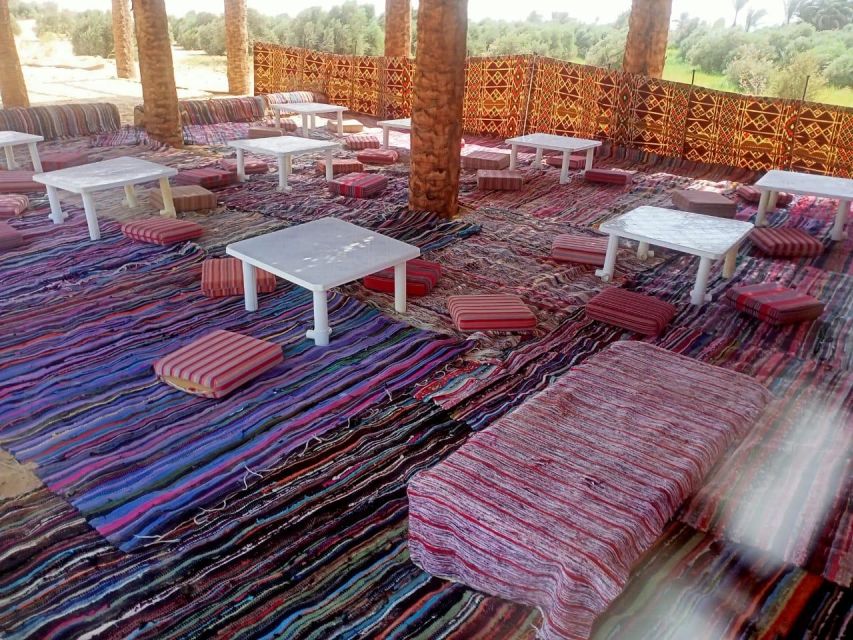
Your included base for four nights is Ghaliet Ecolodge & Spa in Siwa. After long drives and outdoor time, staying in one place matters. You avoid the hassle of checking in and out, and it makes it easier to keep your energy for the active parts of the days.
Meals are structured around the hotel and day trips. Breakfast and dinner are included at the hotel, and lunch is included during the Siwa sightseeing portion. In real-world terms, that means you’re not constantly negotiating where to eat, and you can focus on the sites and the pace your guide sets.
One thing I appreciated in the practical feedback from prior guests: the hotel experience is usually clean and comfortable, with breakfast described as delicious and having a local touch. Another point to keep in mind is that hotel plans can change. The operator notes they may switch to another property of the same category, but there’s at least one account of the hotel being changed to a lower category. If hotel quality matters a lot to you, it’s worth asking for confirmation of the exact property name in advance.
You can also read our reviews of more tours and experiences in Cairo
Guides, drivers, and how the private setup actually feels
This is a private group with an English guide available (along with other languages). The private format is the quiet superpower of this trip. You can move at a pace that works for you, stop when you need photos or water, and ask more questions than you’d get in a bigger group.
You’ll also have a driver as part of the setup. In at least one experience shared with a 3-year-old, the overall flow stayed smooth, which is a sign that the itinerary is workable for families—within reason, of course. Desert days can’t be made short, but they can be made well-managed.
If your guide is Mahmud Elkhesen, you’re in good shape: one guest specifically praised him as educated, willing, and knowledgeable. Even if you don’t get him, the key is that you have a guide who can explain how the temples and tombs fit the oasis story—without turning it into a lecture.
Price and value: is $1,018 per person a good deal?
At $1,018 per person for 5 days, you’re paying for more than just a hotel room and a couple attractions. What’s included adds real weight:
- Pickup and return from your Cairo hotel
- 04 nights at Ghaliet Ecolodge & Spa
- English guide (and other languages available)
- All sightseeing tours listed in the program
- Entrance fees to the specified sites
- Lunch during sightseeing in Siwa
- Bottled water during the trip
- Taxes and service charges
- Portage when needed
What’s not included is mostly what you’d expect: international airfare, Egypt entry visa, tipping, personal spending, and certain beverages. The practical way to judge value is this: the tour handles the big logistical friction—transport across huge distances, desert-day coordination, sites, and entry fees—so you’re not piecing it together yourself from scratch.
Is it cheap? No, because Siwa is far and the days are loaded with driving. But it’s also not a luxury-only price tag. You’re buying structure and reliability: fewer decisions, fewer gaps, and a guide to translate what you’re looking at—especially important when the sites are spread out and specific.
Who should book this Siwa private tour (and who shouldn’t)
This tour makes sense if you want:
- A desert escape that still includes meaningful stops like the WWII Alamein museum and cemetery.
- A structured way to see Siwa’s old town, Amun-related temples, springs, and tombs in a few days.
- Active downtime: cold/hot spring time, possible sand surfing, and long scenic drives with scheduled breaks.
You might skip it (or at least reconsider timing and expectations) if:
- You hate early mornings and long transfers. Pickup at 06:00 AM starts your first day, and the drives are significant.
- You strongly care about a specific swimming location tied to Shiata/Shiette Lake, since the program notes it’s closed.
Should you book this Siwa private tour?
If your travel style is equal parts history + nature + a little adrenaline, I think this is a solid pick. The itinerary connects big-picture meaning (Alamein WWII) with the oasis reason-for-being (Amun/temple sites and spring water), then rewards you with a full desert day built around unusual things: fossil reefs, marked ancient-footprint stops, and time in cold and hot springs.
Before you book, do two quick checks:
- Confirm what happens on Day 3 regarding Shiata/Shiette Lake since it’s marked closed.
- Ask the operator to confirm your exact stay at Ghaliet Ecolodge & Spa, given the possibility of property changes.
Do that, and you’ll be set for the kind of trip that feels far from the usual route—without giving up the comfort of having everything arranged.
FAQ
What is the duration of the tour?
The tour runs 5 days. It includes 04 nights in Siwa.
Do I get picked up from Cairo and returned to Cairo?
Yes. The tour includes pickup from your Cairo hotel and return to your accommodation in Cairo.
What is the included accommodation in Siwa?
The included hotel is Ghaliet Ecolodge & Spa in Siwa. The provider notes they may change the accommodation if needed, and they’ll inform you if any change involves extra charge.
What meals are included?
The itinerary includes breakfasts and dinners at the hotel, plus lunch during the sightseeing days in Siwa, following the meal plan shown day by day.
Which languages can the guide speak?
The live guide can speak English, French, Spanish, Italian, German, and Arabic.
Is the group private?
Yes, it is a private group experience.
Do we visit WWII sites in Alamein?
Yes. You stop at Al Alamein, including the WWII Museum and the WWII Cemetery.
Are there spring and hot spring experiences?
The itinerary includes visits to Cleopatra Spring (Ein Guba) and includes spring time at Shiata Lake and hot spring time at Bir Wahid. There is also a Roman Spring eye visit at Abu Sherouf.
Is Shiata/Shiette Lake available for swimming?
The program includes a note that Shiette Lake is closed, so you should confirm the on-the-ground plan for Day 3 with the operator.
Do I need to share my passport details in advance?
Yes. You need to share a soft copy of your passport at least 24 hours before your travel date to issue necessary desert-tour licenses.
Are entrance fees included?
Yes. Entrance fees to the mentioned sightseeing are included.