REVIEW · CAIRO
From Cairo: 5-Day Nile Cruise to Aswan & Balloon by Flights
Book on GetYourGuide →Operated by Nice Tours · Bookable on GetYourGuide
Nile sunrise hits different. This Cairo-to-Aswan package strings together the Nile classics from Luxor down to Aswan, then adds one high point: a hot-air balloon flight at sunrise. You’ll cover both the famous temple sites and a few practical “how it was built” stops, all while you sleep on the river and avoid constant hotel changes.
What I like most is the temple focus with a professional Egyptologist guiding the story, not just pointing at stones. In Luxor and on the West Bank, you get clear context for Amun, kings, and queens, then the trip continues with the Temple of Horus at Edfu reached by a horse-drawn carriage.
The main drawback is that the schedule is timing-sensitive. If the Cairo-to-Luxor flight runs late or wind cancels the balloon, you can lose prime time, and then everything else feels rushed.
In This Review
- Key things to know before you go
- Flying In, Then Living on the Nile: The Big Idea
- Day 1: Luxor East Bank Power, Plus Felucca Tea
- Day 2: Sunrise Balloon, Then the West Bank’s Heavy Hitters
- Day 3: Edfu Temple of Horus by Horse-Drawn Carriage, Then Kom Ombo
- Day 4: High Dam, Unfinished Obelisk, and Philae Temple
- Day 5: Abu Simbel Morning, Then Fly Back to Cairo
- Guides, Languages, and the Quality Variable You Should Expect
- Price and Value: What Your $1,400 Covers (and What It Doesn’t)
- Practical Tips That Make This Route Feel Easier
- Should You Book This Cairo-to-Aswan Nile Cruise with Balloon?
- FAQ
- How long is this Nile cruise experience?
- Where does the trip start and end?
- Does the package include the hot-air balloon ride?
- What is the minimum age for the balloon ride?
- Are entry fees and drinks included?
- What meals are included on the cruise?
- Can the cruise handle special diets?
- What languages are guides available in?
Key things to know before you go
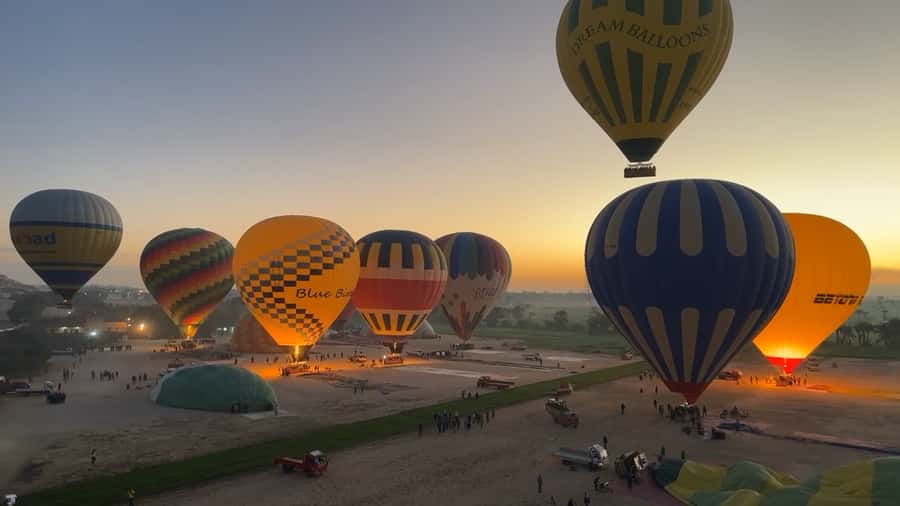
- Sunrise balloon over Luxor is the wow moment, but weather can affect it.
- Karnak + Luxor Temples give you the East Bank power of Amun and royal building projects.
- Valley of the Kings + Hatshepsut turns tombs and temples into a full West Bank story.
- Edfu by horse-drawn carriage adds a charming, old-world way to reach the Temple of Horus.
- High Dam, unfinished obelisk, and Philae add engineering and daily-life context, not just monuments.
- Abu Simbel early morning is a long day, but it’s the kind of detour your camera will thank you for.
Flying In, Then Living on the Nile: The Big Idea
This trip is designed for one thing: time. You fly from Cairo to Luxor, then you go by boat all the way down to Aswan. That means fewer hotel moves, fewer packing sessions, and more daylight for temples.
It’s also a pretty classic Nile storyline. East Bank in Luxor sets the stage with gods and royal monuments. West Bank shifts the mood to kings, queens, and the afterlife. Then Edfu and Kom Ombo keep the temple rhythm going. Finally, Aswan and Abu Simbel bring you into Egypt’s southern power era, where empires leave marks in stone and landscape-scale engineering.
You can also read our reviews of more boat tours in Cairo



Day 1: Luxor East Bank Power, Plus Felucca Tea
Your day starts with pickup in Cairo (or Giza) and a transfer to the airport for the included flight to Luxor. When you land, a driver is waiting for the next step, so you’re not hunting for transportation after travel fatigue.
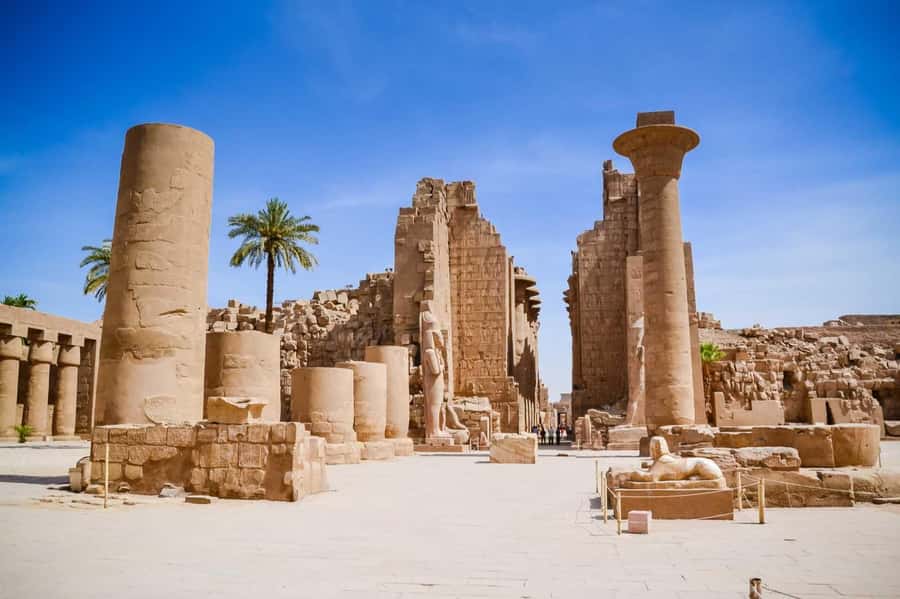
Karnak Temple is where you feel Egypt’s ambition. It’s the big one in Luxor, dedicated to Amun, along with Mut and Khonsu. If you’ve ever wondered why people talk about Karnak as if it’s a whole city of temples, this stop is the answer: it’s massive, layered, and best understood with explanations that connect the buildings to the religion behind them.
Next you visit Luxor Temple, built by Amenhotep III in the 18th Dynasty and completed under Ramses II. That handoff across reigns matters. You’re not just seeing one moment in time; you’re seeing generations of building effort.
Then comes a softer break: a felucca ride with traditional Egyptian tea included. It’s a small thing, but it helps. After hours of stone and shade-chasing, you get a slower pace on the water. It’s also a nice way to “reset” before the cruise.
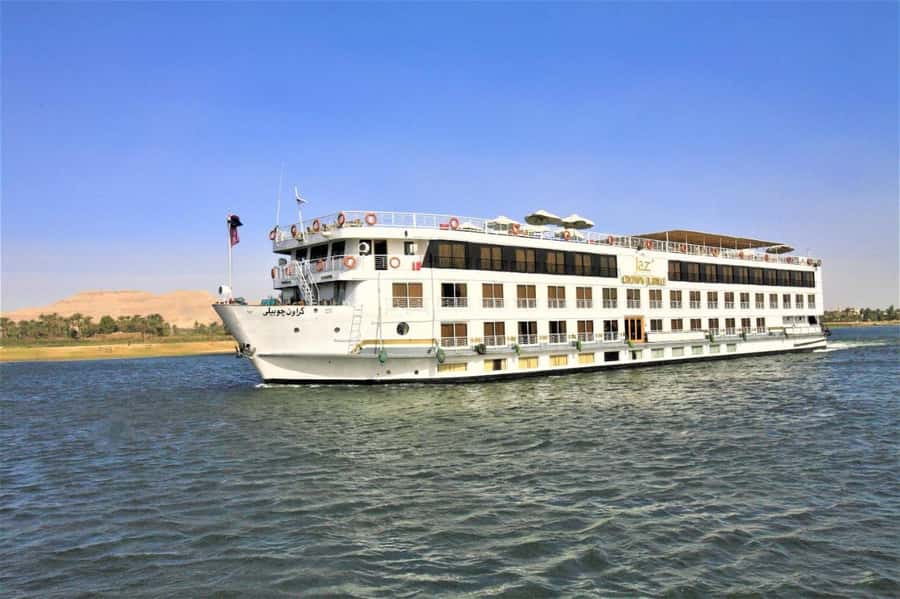
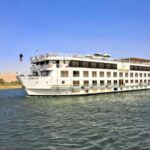
At the end of the day, you’re dropped at the cruise ship for your cabin and accommodation.
Day 2: Sunrise Balloon, Then the West Bank’s Heavy Hitters
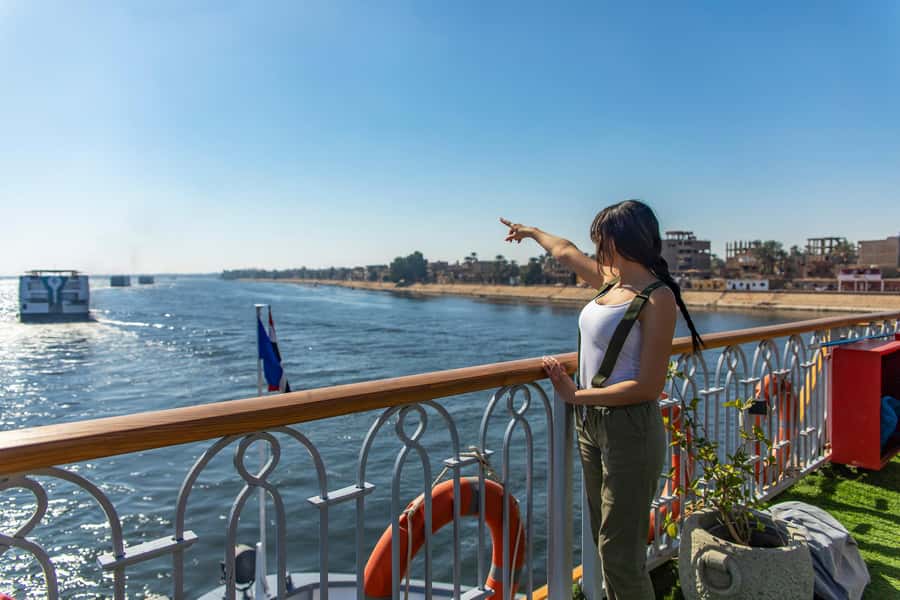
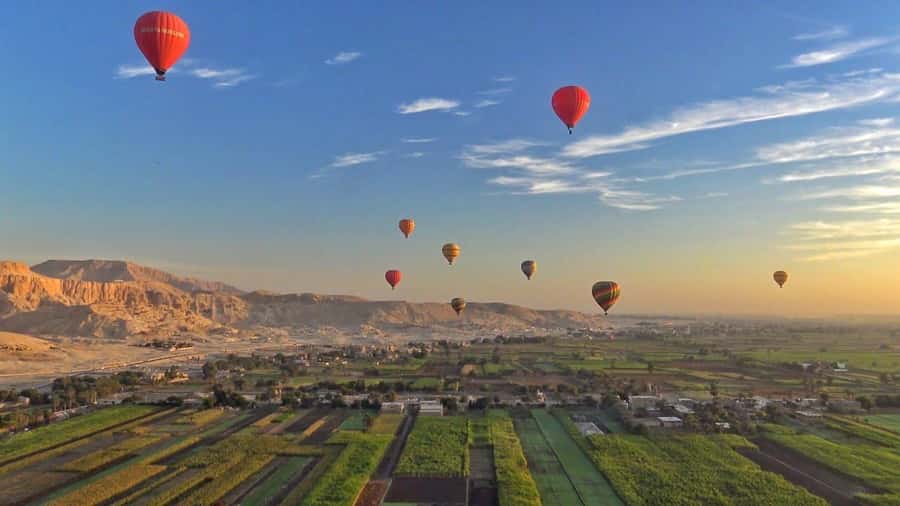
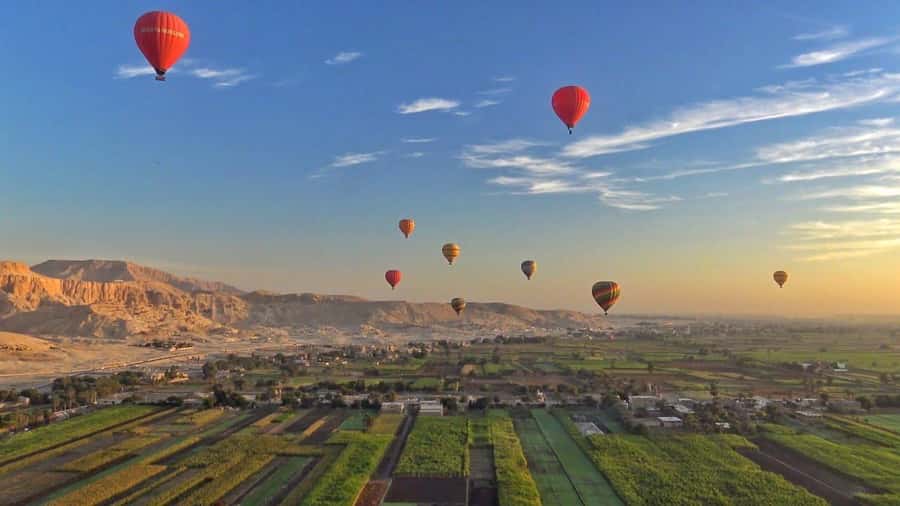
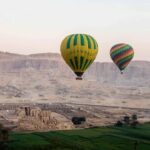
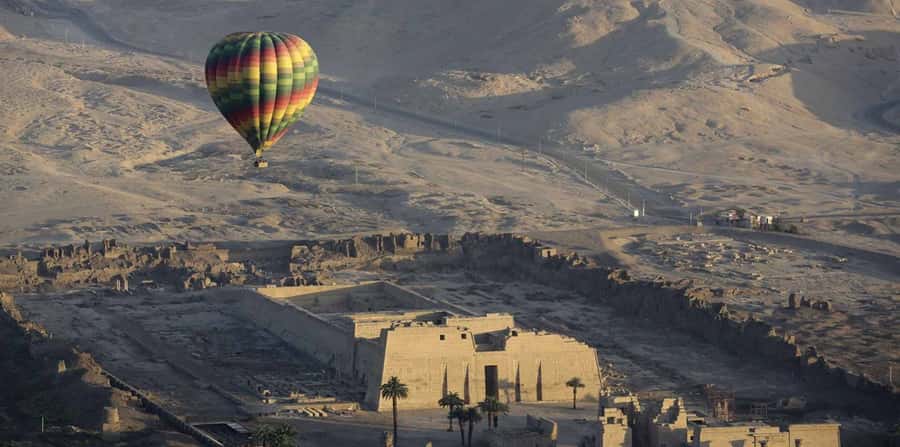
Day 2 is built around a very early start. You get up for a hot-air balloon sunrise flight with a bird’s-eye view of Luxor. From a value standpoint, this is the part you can’t really DIY without planning and luck. Done well, it turns familiar temples into something larger, because you see how the city and river sit together.
One practical note: balloon rides have a minimum age of 6 years old, so this is not a stroller-friendly add-on.
After landing, you head to the West Bank of Luxor. The first major stop is the Valley of the Kings, where you can see the tombs and resting places connected with kings like Merneptah, Ramesses III, and Ramesses VI. This is the area where the afterlife isn’t a concept—it’s architecture, burial planning, and painted memory.
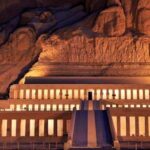
Then you visit the Mortuary Temple of Queen Hatshepsut, dedicated to the fifth pharaoh and known as Egypt’s only female ruler in that famous line. Her temple works best when you understand that it’s both a religious site and a political statement.
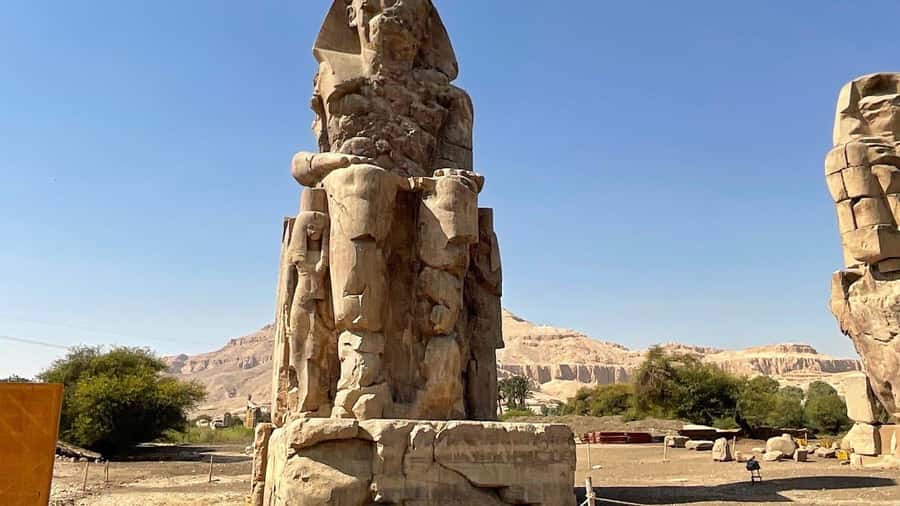
You finish at the Colossi of Memnon, and you’ll get to see the wider connection to the mortuary temple of Amenhotep III. It’s a stop that can look like just two statues at first glance—until your guide connects what you’re looking at to what stood there before.
You return to the ship for dinner.
Day 3: Edfu Temple of Horus by Horse-Drawn Carriage, Then Kom Ombo
The third day leans into the “most preserved” feeling at Edfu. After breakfast, you take a horse-drawn carriage to the Temple of Horus. The carriage part isn’t just for photos. It makes the approach feel like a ritual transfer from modern road life into temple time.
You’ll also get a guided visit to the Temple of Horus in a smaller group, which is a real quality upgrade. Big groups can turn history into a blur. A smaller group makes it easier to hear the details and ask questions.
Edfu is also where Egypt’s temple design language starts to click. You’re not learning everything at once, but the pattern becomes clearer: gods, kingship, ritual spaces, and the symbolism that repeats with purpose.
Back on board, you’ll have a buffet lunch as the boat sails to the next stop. In the afternoon, you visit the Temple of Kom Ombo, described as unusual for honoring two great gods. That “dual focus” is worth paying attention to, because it’s one of the reasons Kom Ombo feels different from the others.
Dinner and free time follow back on the ship.
Day 4: High Dam, Unfinished Obelisk, and Philae Temple
Day 4 mixes big monument emotion with practical history.
First up is the High Dam. Even if you’re not a technical person, it’s a key context stop because it explains how modern Egypt shaped agriculture and desert development. It gives you a bridge between ancient water reliance and modern water management.
Then you see the unfinished obelisk in the Northern Quarries. This is a fascinating pause in the story: it shows the process behind monument building. The data point here matters—three sides of the shaft, nearly 42 meters long, were completed, while inscriptions were not finished. You’re getting a rare look at what’s missing, and that can teach you more than a perfect finished object.
You end the day at Philae Temple, and it’s guided by an Egyptologist, which you’ll appreciate here because Philae is full of layered meaning. The setting is landscaped, and the explanations focus on stories and aspects of daily life from ancient Egypt, not just the temple walls.
Back on the ship, you have lunch and downtime to reset before Abu Simbel.
You can also read our reviews of more tours and experiences in Cairo

Day 5: Abu Simbel Morning, Then Fly Back to Cairo
The day starts early with a group transfer to Abu Simbel Temples—one of the most dramatic temple complexes in Egypt. You meet your guide at the temples and learn about the twin temples of Ramesses II and Nefertari, built into the mountainside under the Ramesses II dynasty.
This is the stop that feels like a full “destination,” not a quick add-on. It takes time and focus, because you’re not just looking at carving detail; you’re seeing a huge state project aimed at religious and political messaging.
After the visit, you return to the cruise ship for your luggage. Then it’s off to Aswan airport for the included flight back to Cairo (about 1 hour 30 minutes). When you land, your Cairo driver meets you outside the airport and returns you to your hotel.
Guides, Languages, and the Quality Variable You Should Expect
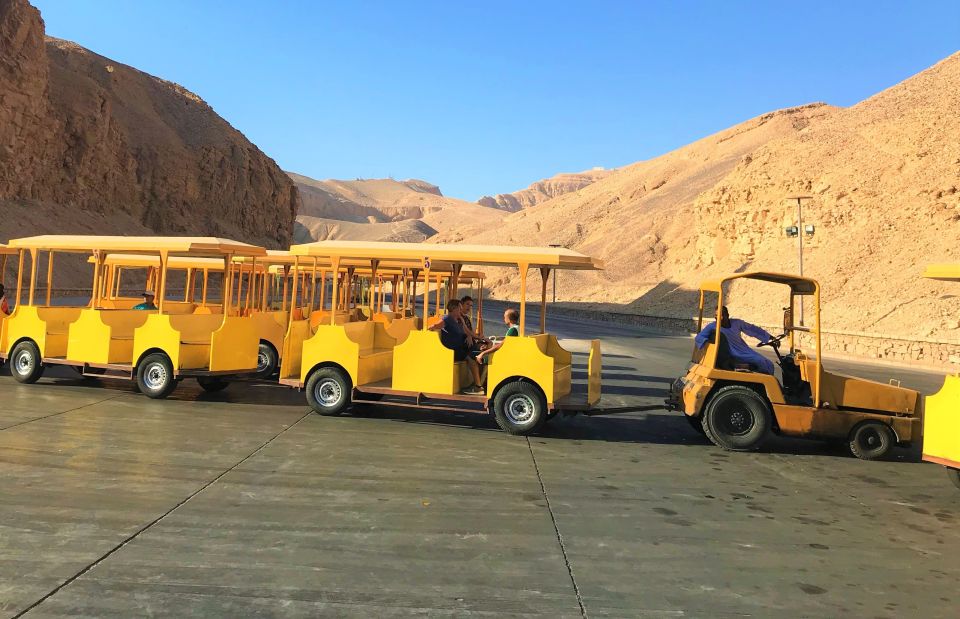
This package includes an expert English-speaking Egyptologist guide, and other languages are available as options (Arabic, French, German, Spanish). On the guide side, you’ll often hear praise for how clearly they explain what you’re seeing. Some guides named in past experiences include Mustafa in Luxor and Rinet in Aswan, with others mentioned like Ahmed, Achraf, and Mina Gabra. Having a guide who can connect the dots matters a lot on a route like this—especially when you’re moving from Karnak to Valley tomb names to Edfu’s religious layout.
Still, here’s the reality check: this is a multi-stop, multi-transfer itinerary. So I recommend you treat it like a train timetable in a movie: you get the best trip when you stay flexible and double-check the next pickup time.
Price and Value: What Your $1,400 Covers (and What It Doesn’t)
At $1,400 per person, this isn’t a budget cruise. But it’s also not just a boat ticket. Your price includes:
- Round-trip flights (Cairo to Luxor, and Aswan back to Cairo)
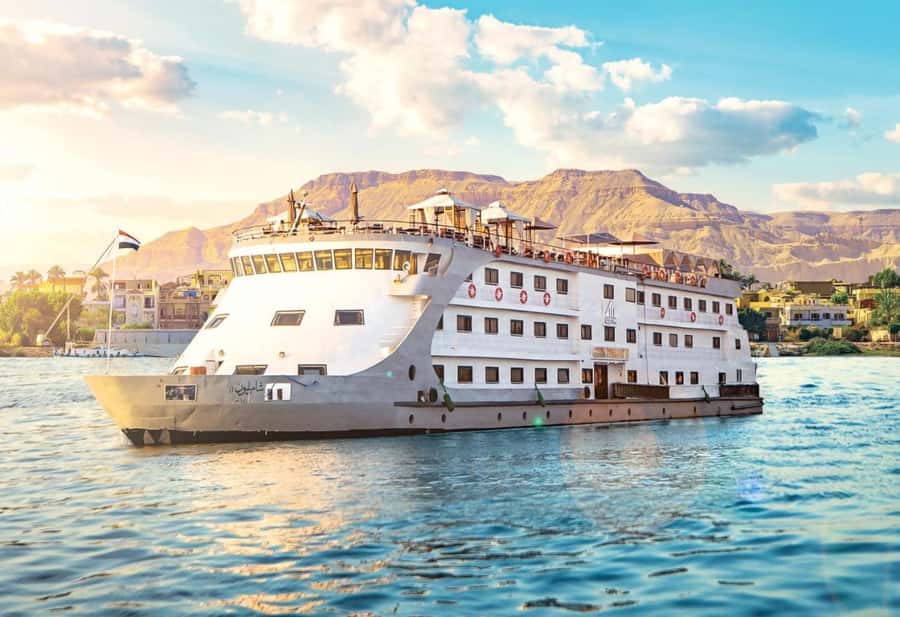
- 4 nights in a cabin on a 5-star cruise with full-board meals
- Egyptologist guidance and visits to all the listed sites
- All local transportation and private air-conditioned vehicle transfers
- Felucca ride, and the hot-air balloon ride
- A licensed professional driver
What’s not included is important:
- Entry fees
- Drinks, including water
So the value question is simple: if you would otherwise have to assemble flights, ship, guides, and major transfers yourself, this price starts to look more rational. If you’re a careful budgeter who doesn’t mind doing some logistics, you could sometimes find cheaper combinations. But the time savings here are real, and Egypt rewards time spent well.
Practical Tips That Make This Route Feel Easier
A trip like this has a few predictable friction points. You can reduce them with small habits.
- Bring earplugs if you’re sensitive to noise. Some river cabins can be louder than you’d expect.
- Pack for early mornings. Day 2 and Abu Simbel day both reward you for being ready before sunrise.
- Plan a hat and sunscreen habit. Temples mean long sun exposure, even when you have shade for part of the walk.
- Double-check what time you’re leaving for the next stop. This is a handoff-heavy itinerary: airport, ship, temple vehicle, then back again.
If you’re traveling with kids, remember the balloon minimum age is 6. Also, the cruise can accommodate vegan, vegetarian, and halal diets, which is a big plus for families and groups with specific needs.
Should You Book This Cairo-to-Aswan Nile Cruise with Balloon?
I’d book this if you want a classic Egypt route with maximum highlights: Karnak, Valley of the Kings, Hatshepsut, Edfu, Kom Ombo, Philae, and Abu Simbel, plus the kind of balloon sunrise that’s hard to replicate on your own.
I’d hesitate if you hate schedule risk. The whole trip leans on smooth transfers and on the balloon being flyable. If you’re the type who gets stressed by timing changes, build a little mental buffer.
And one last smart move: when you book, confirm the cabin details you’ll actually get for the cruise nights. The ship is included, but cabin comfort can make or break your sleep—and this itinerary has early starts.
FAQ
How long is this Nile cruise experience?
It lasts 5 days and includes 4 nights on the Nile cruise.
Where does the trip start and end?
You’re picked up in Cairo or Giza and you’re dropped back at your Cairo hotel after the final flight.
Does the package include the hot-air balloon ride?
Yes. It includes a sunrise hot-air balloon ride.
What is the minimum age for the balloon ride?
The minimum age is 6 years old.
Are entry fees and drinks included?
No. Entry fees and all types of drinks including water are not included.
What meals are included on the cruise?
Your cruise includes full-board, so your meals are covered during the 4 nights onboard.
Can the cruise handle special diets?
Yes. Vegan, vegetarian, and halal diets can be accommodated.
What languages are guides available in?
Guides can be provided in Arabic, English, French, German, or Spanish.