REVIEW · LUXOR
Dendara Temple Guided Tour From Luxor
Book on GetYourGuide →Operated by Emo Tours Egypt · Bookable on GetYourGuide
Hathor’s world starts near Luxor. I love how Dendara Temple feels preserved and readable, and I love having a guide who turns carvings into plain explanations. The one drawback: even though it’s marketed as half-day, the total day is 8 hours and lunch isn’t included.
This isn’t just a quick temple stop. You’ll move through a complex tied to Hathor, and you’ll get to see standout spaces like the Hypostyle Hall and the Chapel of Isis while learning what Ptolemaic-era temple details were doing there.
Logistics are mostly smooth, which matters in Luxor heat. Expect a private air-conditioned vehicle, a bottle of water, entry fees handled, and a guide in multiple languages, plus skip the ticket line. Still, it’s a guided experience, so if you want total freedom to wander alone, plan for that.
In This Review
- Key highlights you’ll actually care about
- Dendara Temple: Hathor’s complex just north of Luxor
- What the 8-hour schedule really feels like (despite half-day wording)
- Pickup and getting started fast: AC comfort and a clear meeting point
- Inside the temple complex: Hypostyle Hall, Chapel of Isis, and the best way to look
- Why a guide matters here: turning carved symbols into meaning
- Private tour value: what you get for $85 per person
- Practicalities: what to expect from the day
- Who this Luxor-to-Dendara tour fits best
- Should you book the Dendara Temple Guided Tour from Luxor?
- FAQ
- Where is the Dendara Temple tour based?
- How long is the tour?
- Is this a private tour?
- What language options are available for the live guide?
- What is included in the price?
- Is lunch included?
- Do I need to wait in line for tickets?
- Can I cancel for a full refund?
- Can I reserve now and pay later?
Key highlights you’ll actually care about
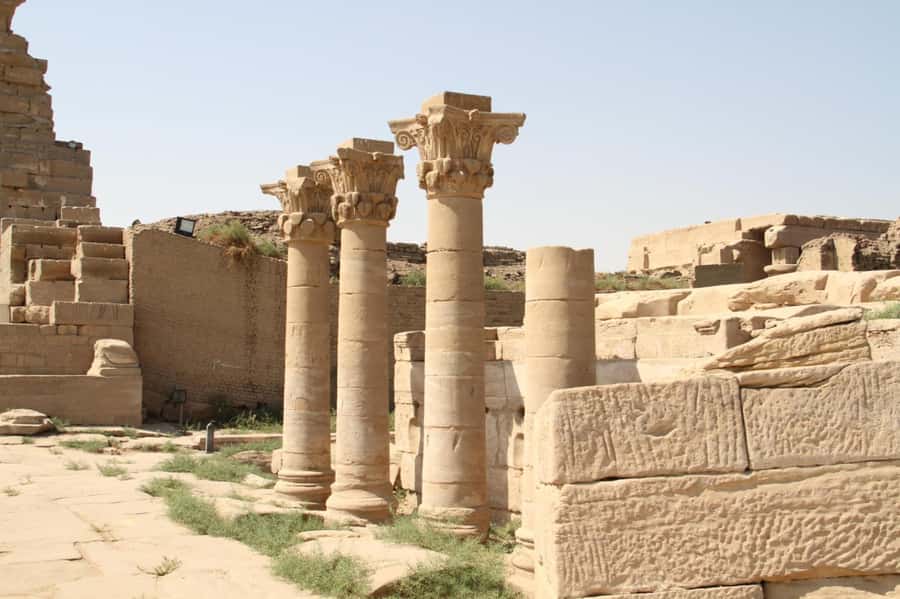
- Dendara Temple (Hathor): a well-preserved complex north of Luxor with major carved details
- Private guide: you’re not just looking, you’re understanding symbols and religious meaning
- Skip-the-ticket line: less waiting time before you want to start seeing
- AC private transfers + water: comfort is built into the cost
- Hypostyle Hall and Chapel of Isis: temple spaces with distinct vibes and focus areas
Dendara Temple: Hathor’s complex just north of Luxor
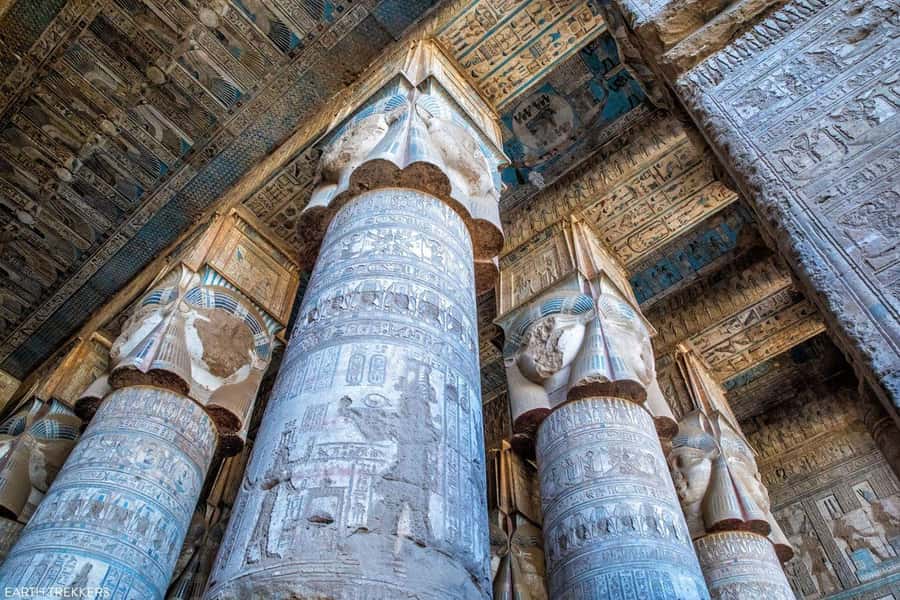
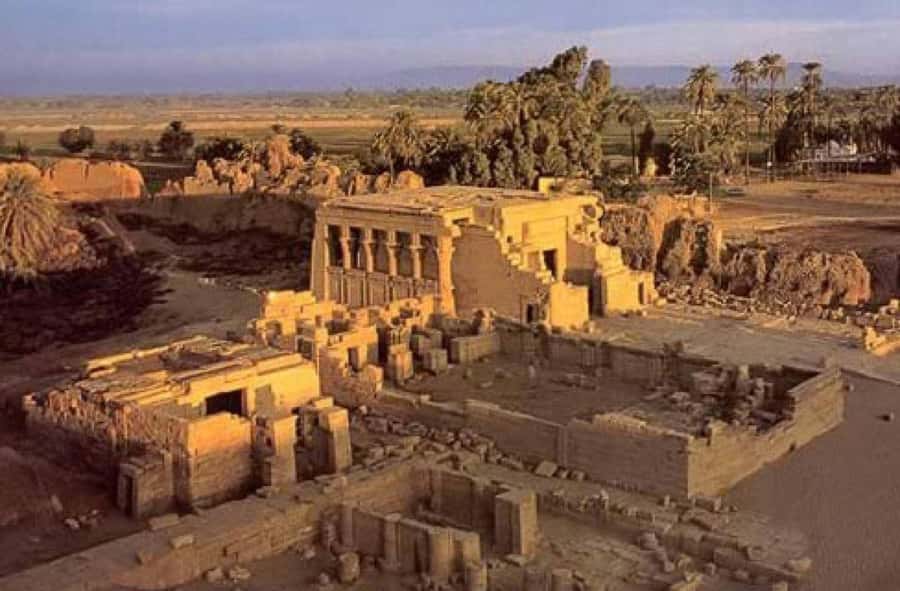
Dendara is the kind of place that rewards slow looking. The temple complex is dedicated to Hathor, and that dedication shows up in the themes of the carvings and the way the spaces relate to religious practice. If you’ve ever stared at Egyptian walls and wondered what you’re even looking at, this is a good fix: the guide is there to connect the art to the meaning.
What I like most about Dendara is that it feels like an intact world rather than a pile of stones. The complex is described as being from the Ptolemaic era, which matters because it helps you place the temple in time. Egyptian temple building didn’t stop after the pharaohs—this era kept religious traditions alive and expressed them through architecture and iconography that you can still see.
And yes, you will get the classic hieroglyphs and carved figures. But it’s the way the guide helps you interpret them—without making it sound like a school lesson—that makes the difference. The goal isn’t trivia. The goal is to help you understand what visitors usually miss: how the temple was meant to be used and experienced.
You can also read our reviews of more guided tours in Luxor

What the 8-hour schedule really feels like (despite half-day wording)
The trip is listed as 8 hours, even though it focuses on a half-day temple visit. In practice, that’s usually because the day includes travel time, pickup coordination, and the guided tempo inside the complex.
Here’s the way to think about it:
- You’ll spend the day moving between Luxor and Dendara.
- You’ll then have a guided temple window (the tour portion is listed as 3 hours).
- You’ll finish with drop-off back in Luxor.
So if you’re hoping to squeeze in more sights immediately afterward, keep your expectations realistic. This isn’t a “grab a temple and go” situation. It’s an organized day built around one major site—exactly what you want if Dendara is the highlight of your time.
Also note: lunch isn’t included. If you’re sensitive to timing, bring a snack or plan a meal right after. You don’t want your attention to drift from the carvings to the problem of hunger.
Pickup and getting started fast: AC comfort and a clear meeting point
Luxor tours can start messy if you don’t know where to stand. This one helps. You’re told you’ll find the tour guide in the lobby area holding a sign with the company name. That simple detail saves time, especially when you’re tired from the morning routine.
There are two pickup options listed, both tied to Luxor (including Luxor Governorate). The important takeaway for you: you’ll be picked up in Luxor, and you’ll be returned to Luxor as well, which keeps the day straightforward.
Once you’re in the car, the private air-conditioned vehicle is more than a comfort upgrade. It changes the whole experience because Luxor heat can drain you. When you arrive ready, you walk slower, notice more, and actually enjoy reading the temple surfaces instead of rushing because you’re uncomfortable.
You also get a bottle of water, which is the kind of small thing that adds up. It’s not fancy, but it keeps the day smoother.
Inside the temple complex: Hypostyle Hall, Chapel of Isis, and the best way to look
Dendara Temple is a complex, so your eyes need a plan. This tour is built around a guided route that points you toward key areas rather than leaving you guessing.
Here are the spaces you should be mentally tracking:
Hypostyle Hall
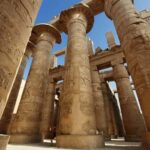
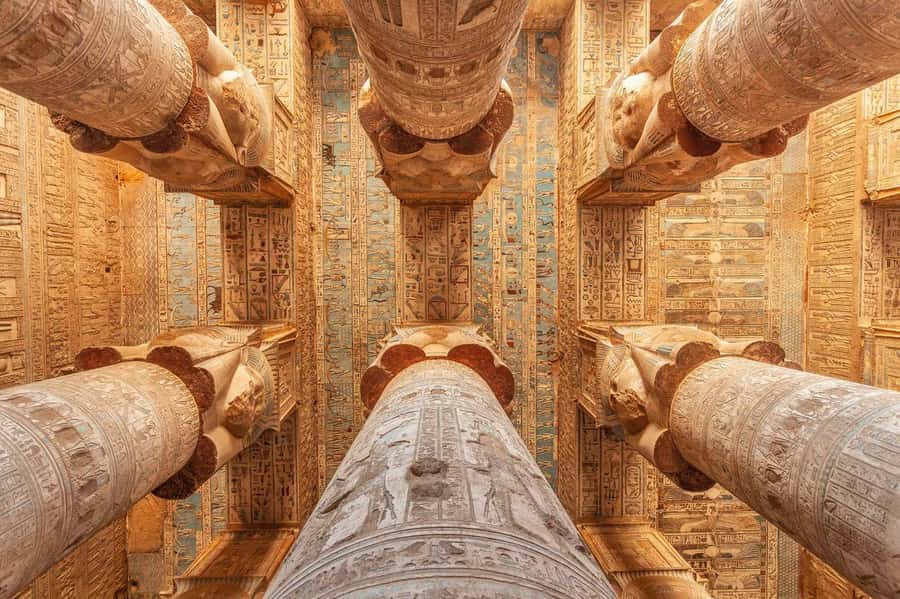
The Hypostyle Hall is where you’ll notice columns and ceiling rhythm. In Egyptian temples, halls like this weren’t just for walking through; they were designed for movement through layered religious meaning. Even if you don’t memorize what every scene represents, the guide helps you see why the space is structured the way it is.
Chapel of Isis
The Chapel of Isis is described as a serene contrast to larger spaces. The vibe tends to be more focused and ceremonial. If you’re the type who likes a quiet moment inside a loud building, this is where you’ll want to slow down, stand back, and let the carvings register.
Hieroglyphics and intricate carvings
This is the main reason to go guided. Dendara is known for detailed surfaces, and hieroglyphs can feel random until someone shows you the logic behind them. The tour emphasizes learning the religious significance of the sacred site—so you’re not just taking photos, you’re building a mental map of what the temple is doing.
A practical note: when you’re in a temple complex, you’ll hit bright sunlight and shaded areas quickly. Take a second to adjust your phone camera or eye focus. The carvings look different depending on light, and you’ll get sharper results if you don’t rush.
Why a guide matters here: turning carved symbols into meaning
A temple is only half the experience. The other half is interpretation. With this tour, the guide is included, and the tour is explicitly described as focusing on the religious significance of what you see—especially Hathor and the temple’s Ptolemaic context.
The guide’s value shows up in three ways:
1) Context
The tour frames Dendara as a dedicated Hathor complex. That makes the art feel purposeful rather than decorative. Once you know the “who” and “why,” you look differently.
2) Readable explanations
The experience is described as expert-guided, with time spent walking you through the temple’s monuments and architecture. One key point from the provided feedback is that the guides explain patiently and support pictures. That combo matters: you want someone who can handle questions without making you feel rushed.
3) Better photo moments
If you care about photography, guides can help you time angles and find spots that show carvings without glare. You’ll get more than a random picture of columns—you’ll get images that actually reflect the place.
One small planning thought: the tour is offered in English, German, Spanish, and Arabic. If Italian is your preferred language and you’re choosing between options, that can affect how comfortable you feel with the explanations. In other words, pick the language you’ll understand best, not just the one that fits your schedule.

Private tour value: what you get for $85 per person
At $85 per person, you’re paying for more than a ticket to a temple. For your money, you get:
- Private transfers in an air-conditioned vehicle
- Entry fees included
- A tour guide
- Bottle of water
- Skip-the-ticket line access
Private transport is a big deal on temple days because it keeps your time tight. You’re not negotiating shared pickup points or waiting for other groups. Even if you’re traveling solo, the “private group” format keeps the focus on one set of needs.
Is it worth it? For me, the best test is this: if you’re going to spend 3 guided hours inside Dendara, you’re basically paying to make that 3-hour window really work for you. Without a guide, you might enjoy the temple, but you’ll likely miss the layers behind the scenes.
What’s not included is also part of the value equation:
- Lunch isn’t included
- Tipping isn’t included
So budget a meal (or a snack strategy) and some gratuity if you feel the guide earned it. When you add that to your day, the total cost still often makes sense because you’re getting handled transportation + entry + guidance in one package.
Practicalities: what to expect from the day
Here’s what you can plan around, based on the tour details:
Timing and pace
The guided tour portion is listed as 3 hours, and the total duration is 8 hours. Expect a paced route, not a “do whatever you want” wander.
Group type
This is a private group. That typically means less waiting and less time feeling like you’re just one of many.
Language support
The guide can work in English, German, Spanish, and Arabic. If you’re choosing between languages, go with what lets you follow the explanations without effort.
What to wear
Temple visits are usually a mix of outdoor walking and shaded interiors. Wear comfortable shoes, and bring something light for sun. If you get sunburn easily, you’ll want coverage—Dendara is outdoors enough that you won’t forget it.
What to bring
You already get water, but bring a small personal snack if you’re hungry easily since lunch isn’t included. Also consider a power bank if you’re taking lots of photos; temples are stop-and-go, and your phone will drain fast.
Who this Luxor-to-Dendara tour fits best
This trip is a strong match if:
- You want one major site done properly rather than a rushed list of many stops
- You like temple art but want help making sense of hieroglyphics and symbolism
- You prefer private logistics and don’t want to deal with shared-group time
It may be less ideal if:
- You want a totally independent experience with no guide steering
- You’re very strict about meal timing and don’t want to plan for lunch outside the tour
- You’re hoping for a purely spontaneous schedule with minimal structure
Should you book the Dendara Temple Guided Tour from Luxor?
I’d book it if Dendara is on your must-see list and you want the site to make sense as you look. The combination of a private AC vehicle, entry fees included, and a guide focused on the temple’s religious meaning is exactly how you turn a temple visit into something you remember.
Skip booking if you’re trying to stack too many plans into the same day. The overall 8-hour duration is manageable, but it’s not a quick side trip. Also, plan food, because lunch isn’t included.
If you’re traveling in Luxor and you want a calmer, deeper temple experience centered on Hathor, this is a sensible use of time—and good value for what’s wrapped into the price.
FAQ
Where is the Dendara Temple tour based?
The tour is from Luxor, and it visits Dendara Temple, located north of Luxor. The activity info lists Red Sea Governorate, Egypt, but the pickup and drop-off are in Luxor.
How long is the tour?
The total duration is 8 hours, including the guided temple portion.
Is this a private tour?
Yes. It’s described as a private group with private transportation.
What language options are available for the live guide?
The live tour guide is available in English, German, Spanish, and Arabic.
What is included in the price?
Included are all transfers by a private air-conditioned vehicle, private transportation, entry fees, the tour guide, and a bottle of water.
Is lunch included?
No, lunch is not included.
Do I need to wait in line for tickets?
The tour includes skip-the-ticket line access.
Can I cancel for a full refund?
Yes. You can cancel up to 24 hours in advance for a full refund.
Can I reserve now and pay later?
Yes. The option is listed as Reserve now & pay later (book your spot and pay nothing today).