REVIEW · LUXOR
Aswan: 3-Day Nile River Cruise to Luxor with Guided Tours
Book on GetYourGuide →Operated by Egyptology Travel CO · Bookable on GetYourGuide
Three days, two time zones, one Nile. This Aswan-to-Luxor cruise is interesting because it strings together Egypt’s headline sites with real guided context, then lets you recover on the water between stops. I like that you get a proper 5-star cruise stay (2 nights) plus lunch and breakfast included, and I also like the full guide-led sweep—from Philae Temple to Karnak.
The one thing to plan around is crowds. Even with a guide and a set route, popular temples like Karnak and the Valley of the Kings can be busy, so your best advantage is going with the flow and using your guide to time your photos and entrances.
In This Review
- Key highlights to look for
- Why this Aswan to Luxor Nile cruise works as a 3-day plan
- Day 1 in Aswan: Philae Temple, High Dam, then Kom Ombo at sunset
- Day 2 to Edfu: horse carriage ride, Sacred Drama scenes, then Esna lock and Luxor arrival
- Day 3 in Luxor: Valley of the Kings, Deir el-Bahari, Karnak, and Luxor Temple
- Cruise comfort and included meals: what to expect on board
- Guides, drivers, and the art of avoiding stress (and sales pressure)
- Timing quirks: Monday sailings and Luxor drop-off
- Price and value: what $480 includes, and what you’ll still pay for
- Who this tour is best for (and who should think twice)
- Should you book this Aswan to Luxor Nile cruise?
- FAQ
- What is the duration of this tour?
- Where does pickup happen and what time?
- Which temples are visited during the trip?
- Do you visit Kom Ombo and when?
- Is there a horse and carriage ride included?
- Do you pass through Esna lock?
- What meals are included?
- Are entrance fees included?
- Is WiFi included on the cruise?
- What about cancellation and changes?
Key highlights to look for
- Philae Temple + High Dam early in the trip, pairing sacred history with modern engineering
- Sunset at Kom Ombo, when the Nile temples feel calmer and more scenic
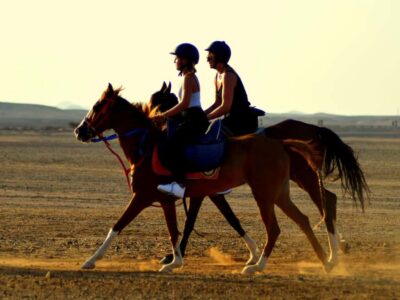
- Horse and carriage ride to Edfu Temple, a classic local touch included in the program
- Guided Valley of the Kings + Hatshepsut at Deir el-Bahari, not just drop-offs
- Karnak and Luxor Temple in one day, with the Great Hypostyle Hall experience built in
- English live Egyptology guide, with helpful drivers and “meet and assist” support
Why this Aswan to Luxor Nile cruise works as a 3-day plan
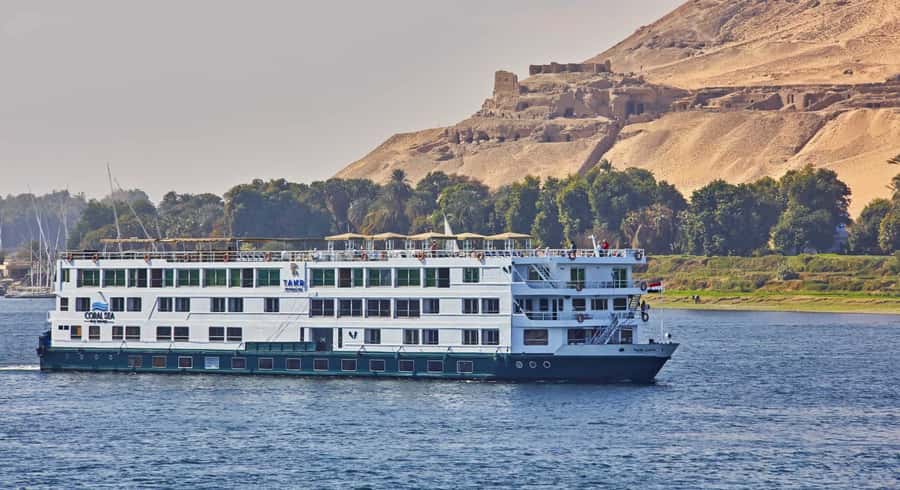
This is the kind of trip that saves you mental energy. You’re moving the famous route between Aswan and Luxor, but you’re not doing it like a chaotic DIY run. Pickup happens from your Aswan hotel at 8:00 AM, the schedule is structured, and you’re not left figuring out the order of things.
The itinerary is also built around variety. You get big-stakes ancient sites (Philae, Edfu, Karnak, Valley of the Kings), engineering history (the High Dam), and Egyptian river-life moments (sailing time, passing locks like Esna, and sunset temple time at Kom Ombo). If you’re short on vacation days, that mix is exactly what you want.
Also, the value is more than the cruise itself. The price includes a live Egyptology tour guide in English, transfers/meet-and-assist, and key meals (lunch day 1 & 2, breakfast day 2 & 3). Those inclusions matter because Egypt site visits can get expensive once you start adding guides, entry tickets, and transport on your own.
You can also read our reviews of more boat tours in Luxor
Day 1 in Aswan: Philae Temple, High Dam, then Kom Ombo at sunset
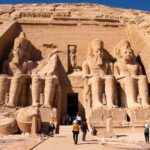
Day 1 starts strong: pickup at 8:00 AM in Aswan, then straight to Philae Temple, dedicated to the goddess Isis. What makes Philae worth your time is how it sets the tone for the whole trip. It feels ceremonial and grounded in myth, and your guide’s explanations (what the temple was for and how Egyptians viewed the divine) can turn photos into real understanding.
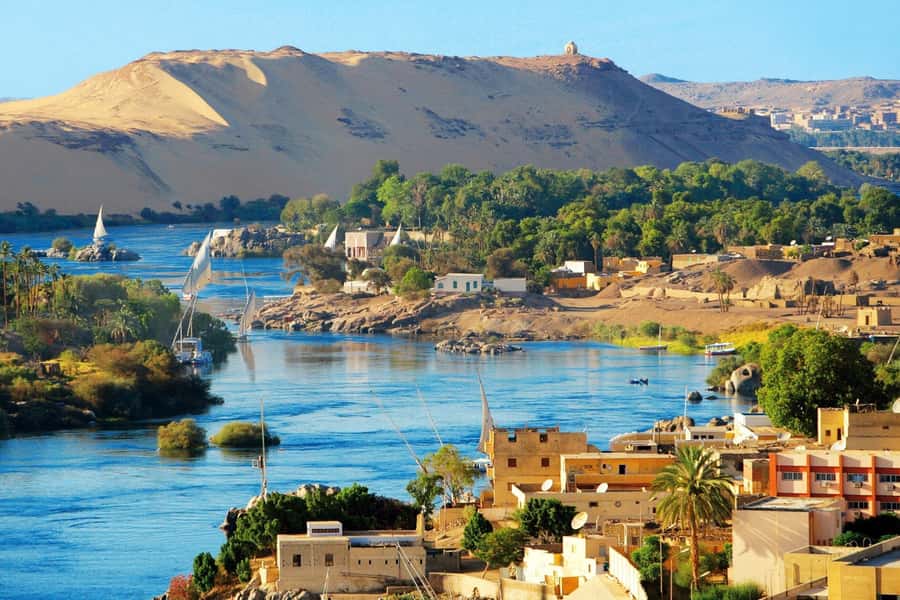
Next comes the High Dam. This isn’t an “ancient ruins” stop, and that’s a good thing. Built in 1960, it changed the way the Nile floods and how communities survive along the river. Seeing it on day 1 helps you understand why the Nile is both sacred and practical in Egypt’s story—water as worship, and water as infrastructure.
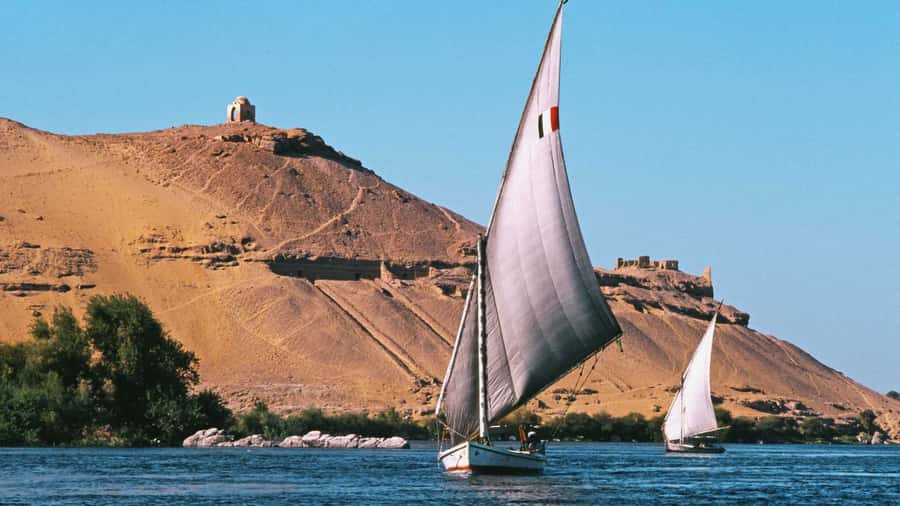
After that, you check in to your cruise and set sail around 2:00 PM. The afternoon sailing is not just “travel time.” You’re getting the Nile view rhythm, plus you arrive at Kom Ombo with enough time for sunset temple views. Kom Ombo is focused on gods Sobek and Horus, and that sunset timing can make your visit feel less rushed, especially compared with earlier daytime crowds at other sites.
One small logistics note: the cruise then continues toward Edfu, where you overnight.
Day 2 to Edfu: horse carriage ride, Sacred Drama scenes, then Esna lock and Luxor arrival
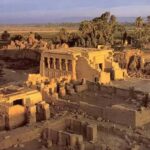
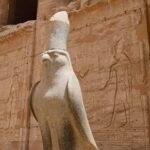
Morning on day 2 means breakfast first, then you go to the Temple of Horus at Edfu. You’ll take a horse and carriage ride, which sounds touristy—until you do it. It gives you a quick “local pace” moment before you step into the stone world of Edfu.
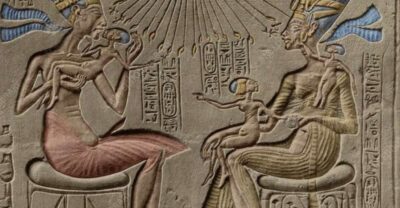
Inside Edfu, the temple’s scenes and inscriptions relate to the Sacred Drama, the conflict between Horus and Seth. This stop is a great match for what you’ve already seen at Philae, because you’re continuing the theme: Egyptian religion shown through architecture and carved stories. Your guide’s job here is to point out what to look for so the carvings don’t turn into random wall art.
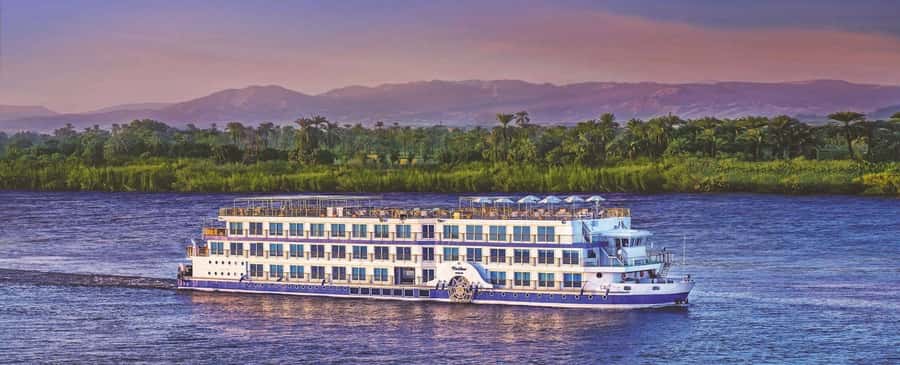
After Edfu, you return to the cruise for afternoon tea while sailing toward Luxor. On the way, you pass through Esna lock. That’s the kind of detail that makes a Nile cruise feel more like living geography than a hotel shuttle. You get to see how the river is managed, literally moving vessels through controlled water sections.
You arrive in Luxor at around 7:00 PM. That timing is handy: it gives you a full guided day, and then it leaves you a bit of evening to settle in without another temple sprint immediately after.
Day 3 in Luxor: Valley of the Kings, Deir el-Bahari, Karnak, and Luxor Temple
Day 3 is where most people feel the “wow” shift. It’s packed, but it’s also logically sequenced: royal tombs and mortuary landscapes first, then the two major temple powerhouses of the east bank.
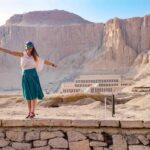
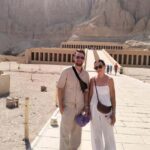
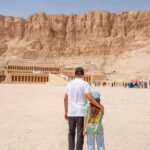
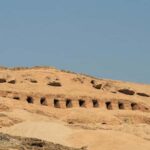
You start outside Luxor at the Valley of the Kings, with a guide. This isn’t just wandering. You’re meant to understand the idea of royal burial and the logic of why certain tombs matter. From there, you move to the Temple of Queen Hatshepsut at Deir el-Bahari. Hatshepsut was the first pharaonic woman to rule Egypt, and that fact lands differently when you’re standing in the place her power is translated into stone.
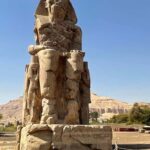
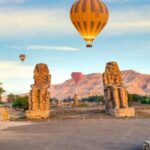
Next stop: the Colossi of Memnon, facing the Nile. These statues are iconic because they’re monumental and slightly uncanny in how they still hold attention even when you know the basics of who they represent. The river-facing location also makes them easy to picture as part of a larger sacred landscape.
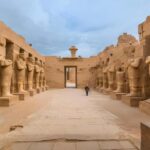
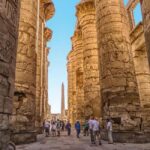
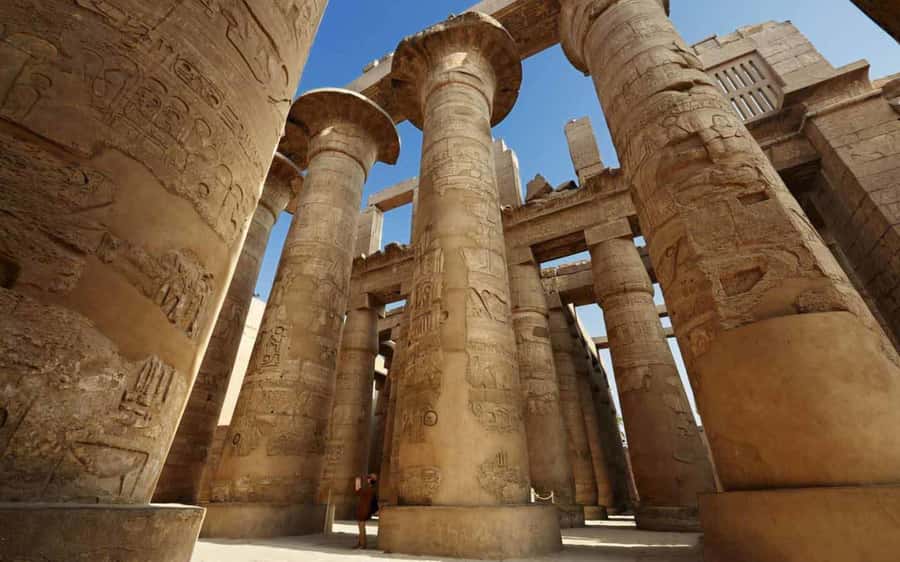
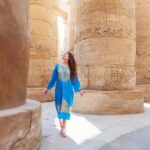
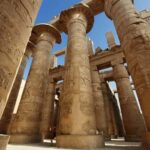
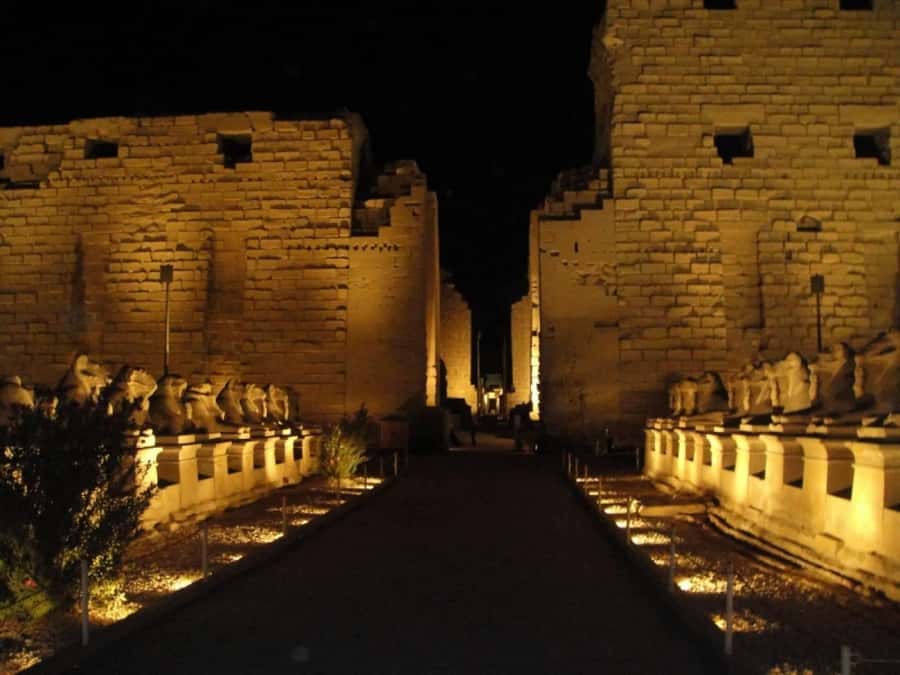
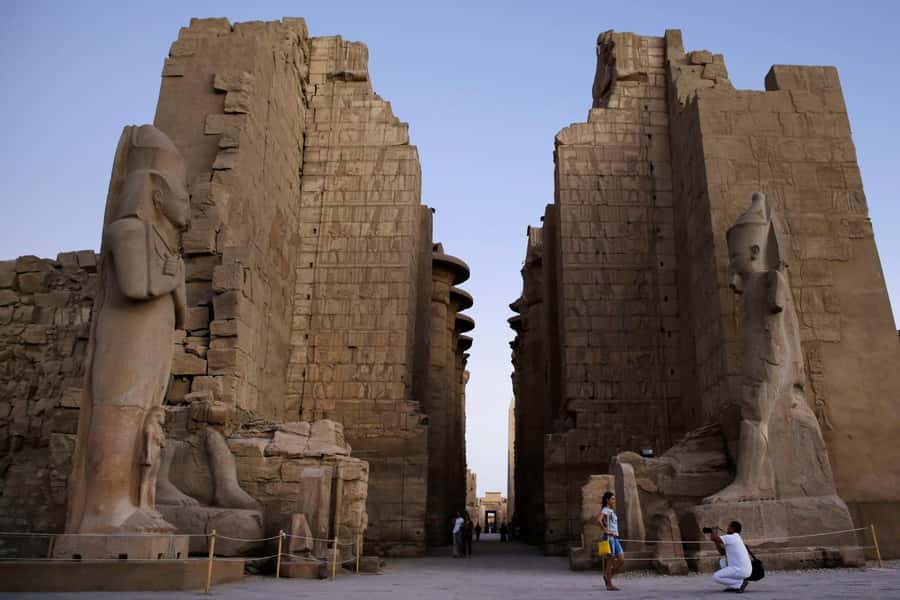
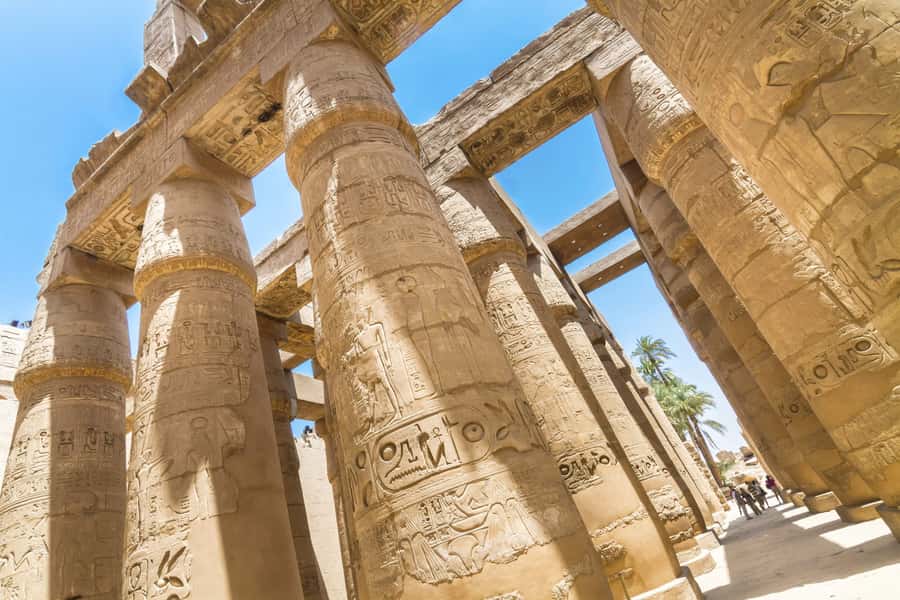
Then it’s time for Karnak Temple Complex, dedicated to Amun and Mut. This is the big one. You walk through the giant pillars of the Great Hypostyle Hall, where scale does a lot of the teaching. Karnak also includes a fascinating historical note: the oldest peace treaty mentioned in historians’ records, associated with the Hittites and Egyptians. The Egyptian version was preserved on a wall in the Temple of Amun at Karnak. Even if you don’t memorize the names, your guide can help you grasp why that’s such a big deal—ancient diplomacy preserved in temple stone.
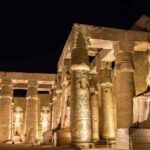
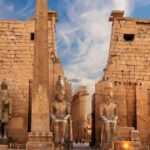
After Karnak, you see the Luxor Temple and the Obelisk of Ramses II in front of the 1st Pylon. Luxor Temple feels more immediate after Karnak’s sprawl. It gives you a strong final “anchor” view of royal power on the east bank.
Your day ends with transfer to the airport or railway station for departure.
Cruise comfort and included meals: what to expect on board
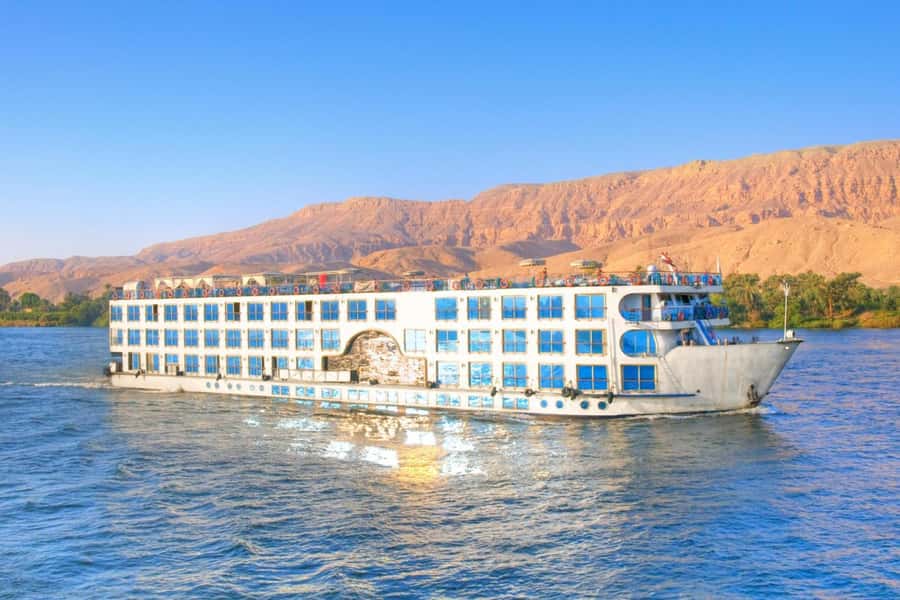
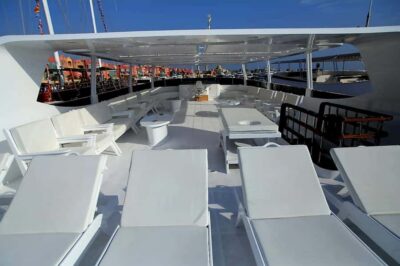
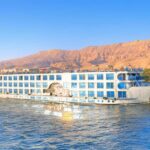
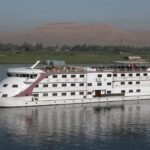
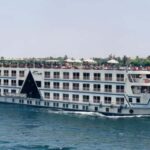
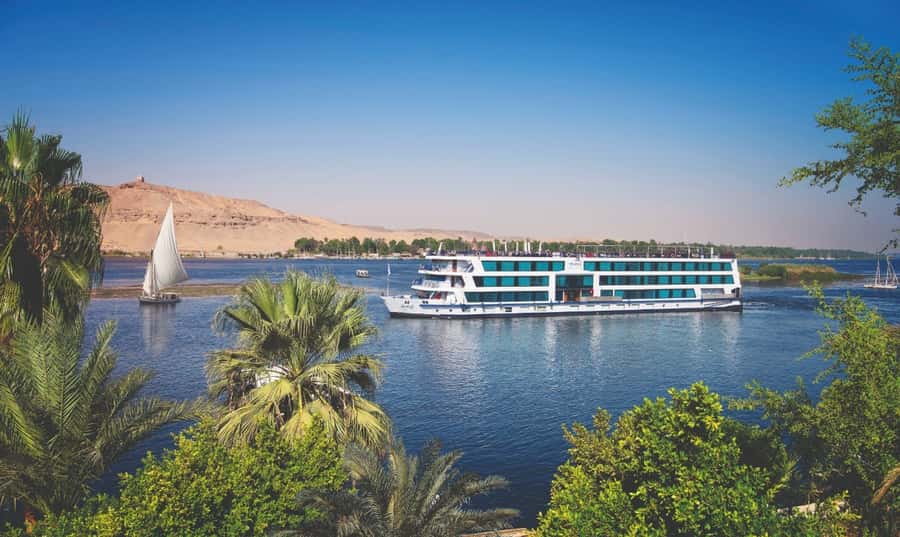
This trip includes 2 nights accommodation in a River Nile cruise with a cabin that has all facilities, plus lunch and breakfast on the days stated. In plain terms: you sleep on the ship, you eat on the schedule, and you don’t need to plan your own food between sites.
Based on guest feedback patterns, ship quality can vary. Many people describe the cabins as comfortable and the staff as friendly, and some mention clean rooms and solid onboard facilities. But you should be aware that “5-star” in Egypt can mean different things than you might expect at home. There are also reports of an older-feeling ship and at least one mention that bathroom amenities weren’t robust. None of that ruins the experience, but it should adjust your expectations.
Food is another mixed spot. Some guests describe varied options and good meals; others have called it average or even mediocre—especially for vegetarian diners. My practical advice: treat meals as fuel for temple days, not as the main event. If you have strong dietary preferences, consider planning simple snack backup.
Also, WiFi isn’t included. One guest was disappointed that boat WiFi wasn’t free. If you need constant connectivity, plan to use your phone data when possible or expect limited access.
You can also read our reviews of more guided tours in Luxor
Guides, drivers, and the art of avoiding stress (and sales pressure)
The biggest difference on this cruise is often the guide. This program includes an Egyptology tour guide in English, and you’ll likely have different guides across Aswan and Luxor segments. Names that have shown up on this kind of service include Omar in Aswan and George in Luxor, plus other guides such as Samy/Samy, Adel, Achmed, Hussein, Esshak, and Ahmed Abbas.
What you’ll want from your guide is practical clarity:
- What you’re looking at (not just what it is)
- Why it mattered to Egyptians
- Where to stand for better photos
- How to keep you moving without constant stops for side conversations
Several reviews highlight guides who actively protect you from persistent selling at major sites. That’s a big deal in Egypt. It makes a day feel smoother and lets you focus on temples instead of negotiating your way out of pressure.
Timing matters too. The itinerary has set visit order, but some temples can be extremely crowded. That’s why having a guide who knows quick ways to manage entrances and photo angles can save your day, even when the site itself is busy.
Timing quirks: Monday sailings and Luxor drop-off
There’s one operational note you should know: on Mondays, the boat sails late night or on Tuesday afternoon instead of the first day afternoon. The good part is that this doesn’t change the actual tours and sightseeings you’ll do—you’re still covered on the listed visits.
Also, you’ll be dropped off inside Luxor city on the east bank of the Nile. That’s helpful if you plan a post-tour hotel stay or you’re catching a later flight/connection.
Price and value: what $480 includes, and what you’ll still pay for
At $480 per person for a 3-day/2-night package, the value comes from the combination of:
- Two nights on a Nile cruise
- Guided visits across Aswan, Edfu, and Luxor
- Key meals (lunch day 1 and 2; breakfast day 2 and 3)
- Pickup in Aswan and transfers at the end
- Horse and carriage ride to Edfu
- Taxes and charges
- Meet and assist service
- Skip the ticket line (so you spend less time waiting)
What’s not included is also important:
- Entrance fees
- Drinks
- WiFi
In other words, you’re paying for logistics plus guided access, not for every single site cost and comfort add-on. If you’ve ever done Egypt temples “a la carte,” you’ll feel the savings here. You also avoid a lot of hassle—getting drivers, negotiating schedules, and stitching it all together yourself.
Who this tour is best for (and who should think twice)
This cruise is a strong fit if you:
- Want the Aswan-to-Luxor highlights without planning every transport leg
- Like having an English-speaking guide explain what you’re seeing
- Prefer a structured pace: temples plus sailing, rather than nonstop driving
- Value included meals and transfers
You might think twice if:
- You’re very sensitive to crowds at famous sites (Karnak and the Valley of the Kings can feel packed)
- You need free onboard WiFi
- You expect luxury “always perfect” ship conditions—this is more about the itinerary and the guide than a spa-style hotel experience
- You have strict dietary needs (vegetarian options were sometimes described as limited or hit-and-miss)
Should you book this Aswan to Luxor Nile cruise?
I’d book this if your goal is a complete, guided overview of Egypt’s best-known Nile-side monuments in a short window. The included guide, the horse-and-carriage Edfu add-on, and the way the days are sequenced (royal tombs, then Karnak, then Luxor Temple) are the reasons.
But go in with two smart expectations: crowds happen, and you’ll want to budget for entrance fees and drinks since they’re not included. If you want a smooth trip, pick a date and then let your guide handle the day-to-day friction—especially around busy temple entrances and selling pressure. With that mindset, this is exactly the kind of 3-day Nile experience that leaves you with both photos and real stories to tell.
FAQ
What is the duration of this tour?
It runs for 3 days, with 2 nights accommodation on a Nile cruise from Aswan to Luxor.
Where does pickup happen and what time?
Pickup is from your hotel in Aswan at 8:00 AM.
Which temples are visited during the trip?
You’ll visit Philae Temple, the Temple of Horus at Edfu, the Valley of the Kings, Temple of Queen Hatshepsut (Deir el-Bahari), Karnak Temple Complex, and Luxor Temple.
Do you visit Kom Ombo and when?
Yes. On day 1, the cruise arrives at Kom Ombo in time for sunset.
Is there a horse and carriage ride included?
Yes. You’ll have a horse and carriage ride to Edfu Temple on day 2.
Do you pass through Esna lock?
Yes. On day 2, the cruise passes through Esna lock while traveling toward Luxor.
What meals are included?
Lunch is included on day 1 and day 2. Breakfast is included on day 2 and day 3.
Are entrance fees included?
No. Entrance fees are not included.
Is WiFi included on the cruise?
No. WiFi is not included.
What about cancellation and changes?
The tour offers free cancellation up to 24 hours in advance for a full refund. Also, on Mondays the sailing timing may shift, but the tours and sightseeings you do remain covered.