REVIEW · LUXOR
From Luxor: 5-Day Nile Cruise to Aswan with Balloon Ride
Book on GetYourGuide →Operated by Nice Tours · Bookable on GetYourGuide
If you want the Egypt highlights packed with zero guesswork, this Luxor-to-Aswan cruise is a strong pick. You’ll start in Luxor with Karnak and Luxor Temple, then add a sunrise hot air balloon before sweeping the West Bank and sailing downstream to Aswan’s biggest temple sites.
What I like most is how this route strings the classics together day after day without wasting your precious hours. I also like the mix of big guided temple time plus calmer moments like the felucca ride on Day 1.
One thing to consider: the schedule leans early and full. The balloon and Abu Simbel both mean alarm-clock life, and if you’re hoping for a slow, flexible pace, this plan may feel rushed at times.
In This Review
- Key highlights that make this itinerary work
- Why Luxor to Aswan feels easier than doing it all on your own
- Where the value is: a tight “temples + Nile time” combo
- Who this tour suits best (and who should think twice)
- Day 1 in Luxor: Karnak, Luxor Temple, then a calm felucca drift
- Day 2 sunrise balloon and the Luxor West Bank’s greatest hits
- Day 3: Edfu’s Horus Temple and Kom Ombo’s double layout
- Day 4 Aswan prehistory to modern engineering: High Dam, Obelisk, Philae
- Day 5 Abu Simbel at sunrise-time levels of early
- Balloon ride reality check: what to know before you trust the sunrise
- Cruise ship comfort: what’s included, and what to double-check
- Food, drinks, and the pricing trap to plan for
- Your guides can make or break the days
- Temple days can feel rushed: how to keep it enjoyable
- Small practical tips that pay off fast
- Should you book this Luxor-to-Aswan cruise with balloon ride?
- FAQ
- How long is the trip?
- Where does it start and end?
- Is the hot air balloon ride included?
- Are children allowed on the balloon ride?
- What meals are included?
- Are entry fees included?
- Does the tour include Abu Simbel?
- What language guides are available?
- Are drinks included on the cruise?
Key highlights that make this itinerary work
- Sunrise balloon over Luxor with temple-and-river views from above
- Private West Bank touring time for Valley of the Kings and Hatshepsut
- Edfu and Kom Ombo paired together so you see Horus then the double temple layout
- Aswan day trips built around High Dam, Unfinished Obelisk, and Philae Temple
- Abu Simbel by air-conditioned van with an early start to beat the crowds
Why Luxor to Aswan feels easier than doing it all on your own

I get it: Egypt can feel like a lot on paper. This 5-day cruise cuts through that chaos. You’re not stitching together trains, drivers, and ticket lines across two cities. You’re handed a route with pickup, scheduled guided visits, and a ship base that keeps your luggage in one place for most of the trip.
It’s also a smart way to see the Nile “as a trip,” not just as scenery. You’ll spend your days in temples and tombs, then return to the boat for onboard meals and downtime. It’s a good match if you like your sightseeing structured but still want a breather built in.
You can also read our reviews of more boat tours in Luxor
Where the value is: a tight “temples + Nile time” combo
At about $1,200 per person, the big question is value for money. Here, the value isn’t only the cruise bed. It’s that you’re getting multiple days of guided touring across Luxor and Aswan, plus the hot air balloon and felucca ride. Those two alone can easily run high when you book separately.
That said, it’s not a totally hands-off price. Entry fees and drinks aren’t included, and you’ll likely want to budget extra for whatever you choose to buy at temple stops. If you like to shop for papyrus, oils, or souvenirs, you’ll also want a plan for pacing—some stops are set up with shopping opportunities.
Who this tour suits best (and who should think twice)
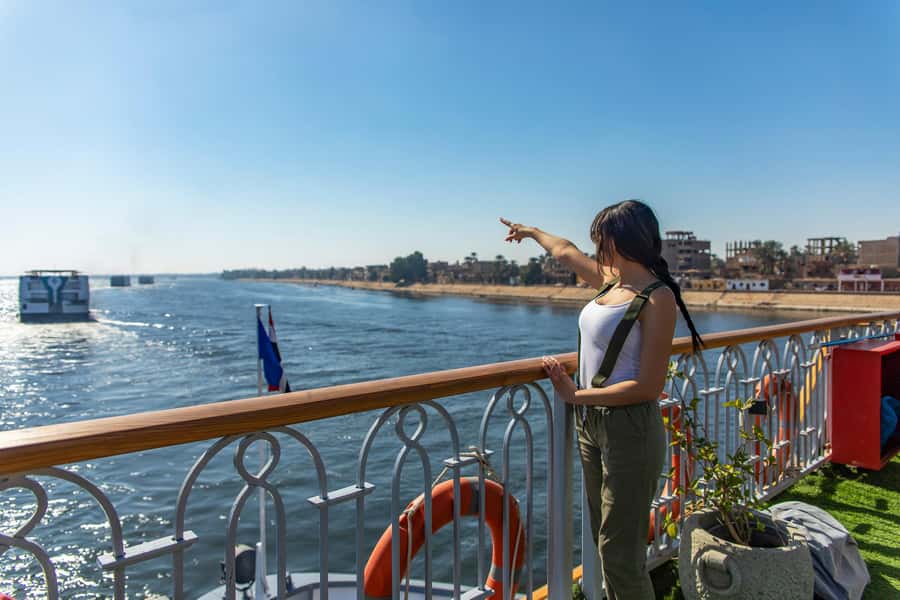
This cruise fits best if you:
- Want to see the major Luxor-West Bank temples and Aswan temple sites in one flow
- Prefer being guided through sites with an Egyptologist explain-it-to-you approach
- Like your days full enough to feel worth the trip, but not so packed you’re on the move all day
It might be less ideal if you:
- Want a slow, lazy vacation where you can roll out whenever
- Don’t do well with early starts (balloon sunrise plus an Abu Simbel morning push)
- Are very sensitive to comfort issues on a boat (one review flagged an older/dated cabin feel and possible odor problems on a specific sailing)
Day 1 in Luxor: Karnak, Luxor Temple, then a calm felucca drift
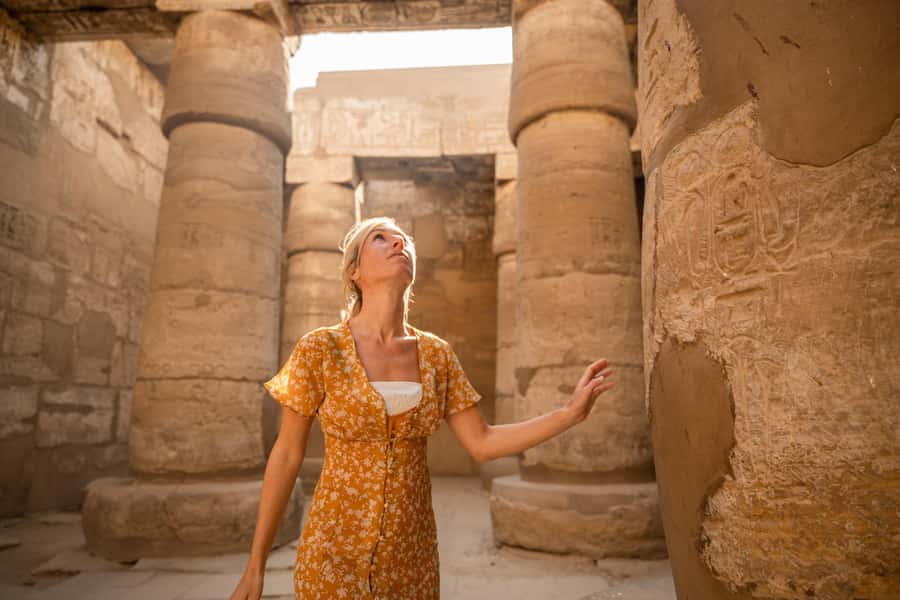
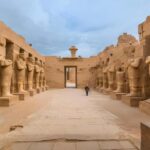
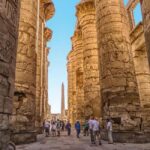
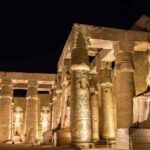
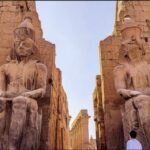
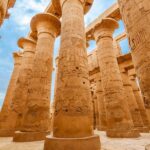
Your trip starts with pickup in Luxor (or from the airport), then you meet an English-speaking Egyptologist guide. The first main event is Karnak Temple, one of the largest religious complexes ever built, tied to the gods Amun, Mut, and Khonsu. Even if you’ve seen photos, being there in person hits differently because it’s just scale after scale.
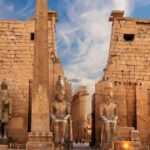
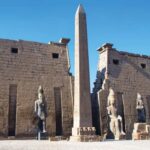
Next you’ll move to Luxor Temple. It’s more graceful and city-centered than Karnak, and it helps you shift from giant ruins to a more “lived-in” feeling of ancient Thebes.
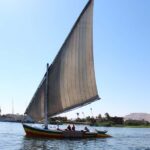
Then comes the part I really like: you unwind with a felucca ride on the Nile. It’s not a sightseeing lecture. It’s a gentle reset—breeze, water, and Luxor’s skyline while the day cools down.
After the tours you transfer to the ship, with onboard lunch and dinner and your first night on the Nile.
Day 2 sunrise balloon and the Luxor West Bank’s greatest hits
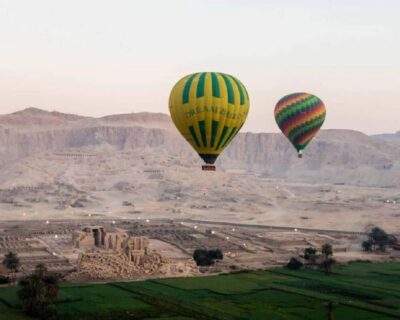
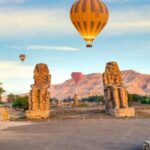
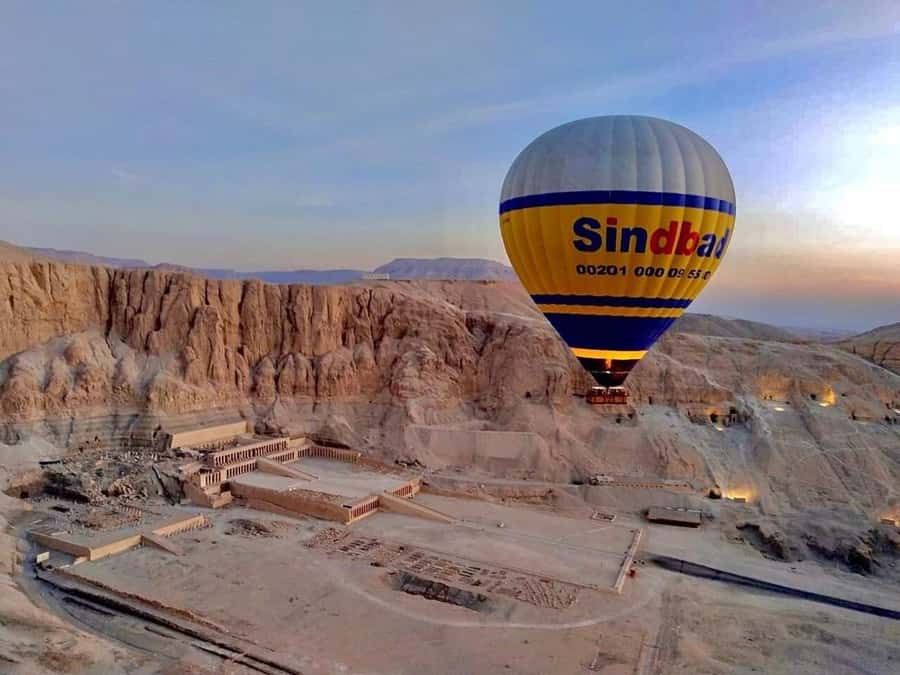
Day 2 is when the trip turns into an unforgettable highlight reel. You start early with a hot air balloon ride over Luxor—morning light, temple views, and the patchwork of fields and monuments below. It’s the kind of experience that makes the rest of the tour feel even more meaningful once you’re back on the ground.
A practical note: the provider asks you to request a breakfast box the night before, since the balloon day starts early.
After the balloon, you explore the West Bank with your private guide, hitting the big three:
- Valley of the Kings: where pharaohs like Tutankhamun and Ramses II were buried
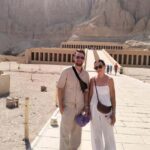
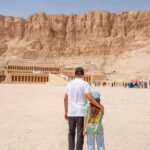
- Temple of Hatshepsut: a stunning cliffside complex built by Egypt’s powerful female ruler
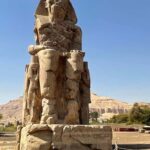
- A brief stop at the Colossi of Memnon
This is a full-feeling day. The Valley of the Kings especially can be tiring because you’re walking, climbing steps, and moving between tombs. I’d call it amazing—but plan to go with a “steady pace” mindset.
You return to the ship for lunch, then cruise on with onboard downtime.
You can also read our reviews of more tours and experiences in Luxor

Day 3: Edfu’s Horus Temple and Kom Ombo’s double layout
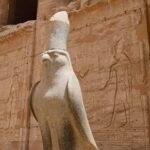
Day 3 is built around two temple stops that pair nicely: Edfu and Kom Ombo. Edfu is visited on a group tour, so you may be moving in a busier rhythm than your private days. The temple itself is dedicated to Horus, and it’s especially notable for how well-preserved the artwork and hieroglyphs remain compared to many sites.
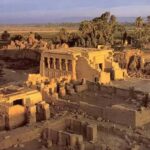
After that, the ship arrives at Kom Ombo, and you head out to see the double temple honoring Sobek and Horus. What makes this one memorable is the twin design and mirrored layout. It’s the kind of architecture detail that’s hard to “get” from photos, but a guide’s explanation helps you read the whole site faster once you’re there.
Back on board you’ve got dinner and overnight time. This is also a good day to recharge, because days 2 and 3 can feel like back-to-back “temple marathons.”
Day 4 Aswan prehistory to modern engineering: High Dam, Obelisk, Philae
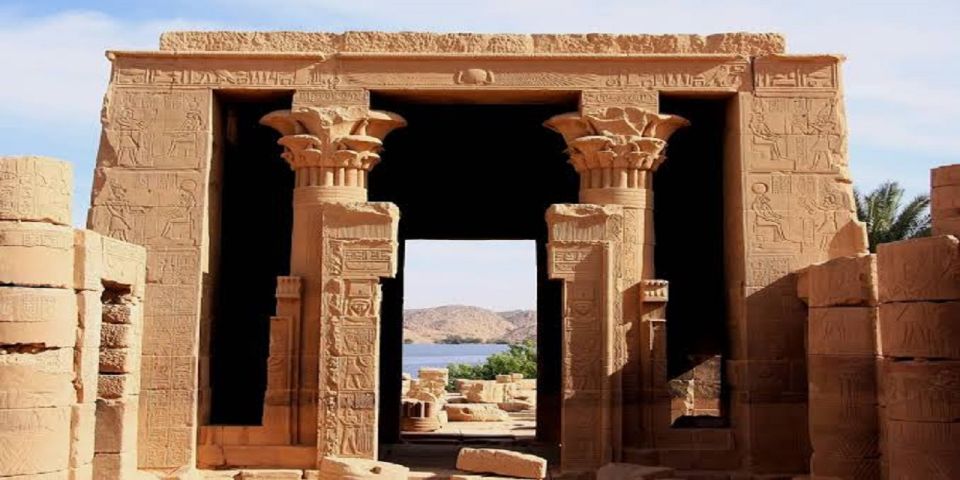
Day 4 starts with the High Dam, which is a modern engineering landmark. It helps you understand how the Nile story has changed over time—Egypt isn’t only ancient monuments; it’s an active landscape of water management too.
Then you visit the Unfinished Obelisk. This is one of those stops that’s less famous than the temples, but it’s fascinating because it gives you a direct look at ancient construction in progress. You get to see how the builders worked before the final product existed.
The day ends at Philae Temple, dedicated to Isis, set on an island. You’ll likely feel a shift here: Philae often feels more cinematic than some inland sites because of its island setting and how the temple meets the water.
Afterward, you’re back onboard for lunch and the rest of the day at your own pace.
Day 5 Abu Simbel at sunrise-time levels of early

On Day 5, you start very early—around 4:00 AM—and this is the “big risk, big payoff” day. You leave your luggage at the reception, then travel by air-conditioned van to Abu Simbel, about 4 hours away.
Abu Simbel is home to the colossal rock-cut temples of Ramses II and his queen Nefertari. This is one of the most iconic temple scenes in Egypt, and it’s also the kind of stop that can feel rushed if you’re not prepared.
One review sentiment I think you should take seriously: if you’re thinking Abu Simbel is the one you can skip, it may still be worth it, but only if you’re okay trading comfort for payoff. The early wake is real. The distance is real. If you hate early starts, this is where you’ll feel it.
After the Abu Simbel visit, you head back to Aswan and arrive around 2:30 PM, with a safe drop-off at your accommodation.
Breakfast is included that day, with the balloon-style “request a breakfast box” approach again.
Balloon ride reality check: what to know before you trust the sunrise
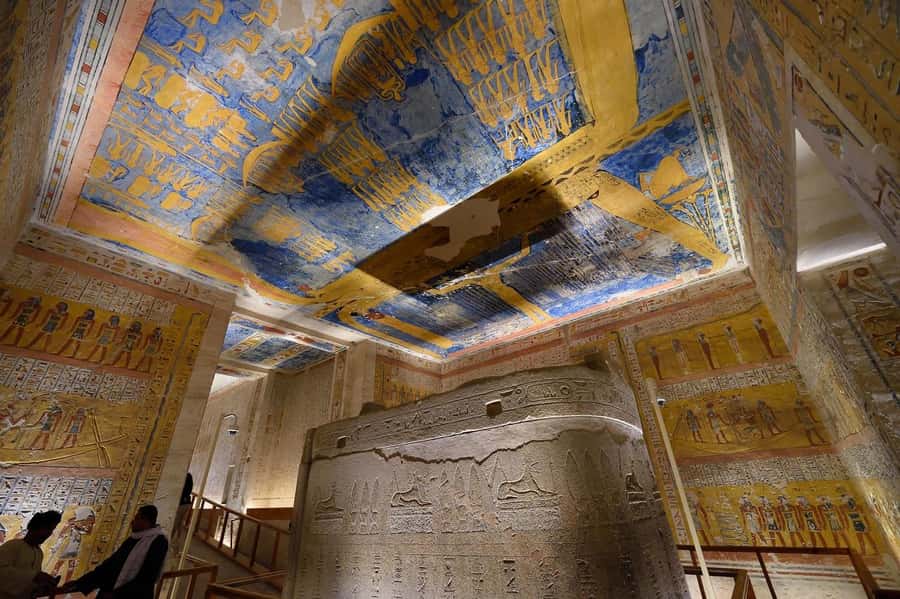
The balloon ride is a centerpiece, and for good reason. It’s different from every temple stop. You’re seeing Luxor from above—temple silhouettes, the Nile, and the region’s geometry rather than just walls and carvings.
Two important considerations:
- Children under 6 can’t join the balloon flight (civil aviation rule).
- The balloon is scheduled early. If your sleep is fragile, pack like it matters.
Also, the balloon day can affect your tempo later. If the day runs behind schedule, it can squeeze time on West Bank tombs. So I recommend bringing a calm, flexible attitude for Day 2.
Cruise ship comfort: what’s included, and what to double-check
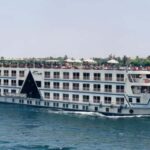
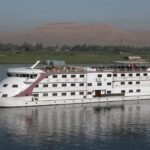
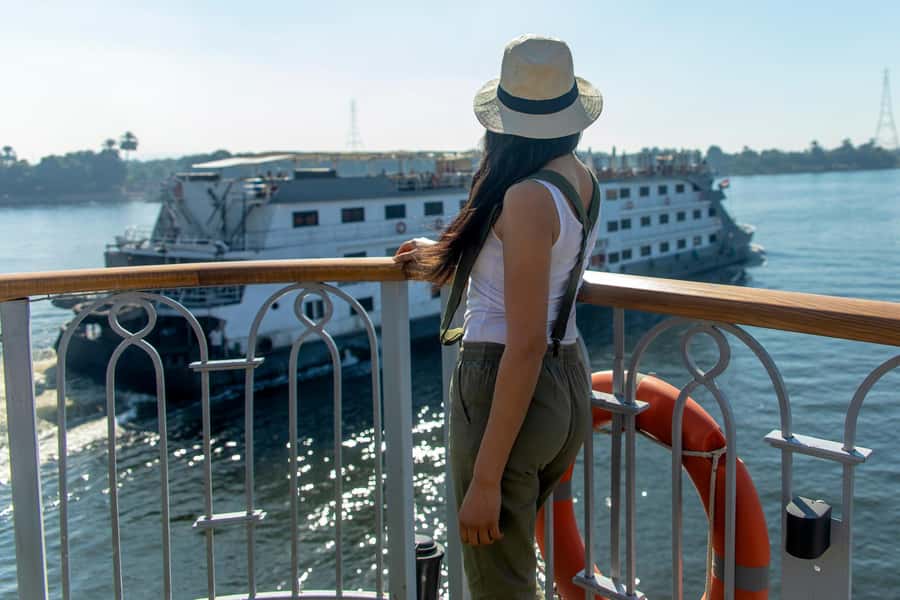
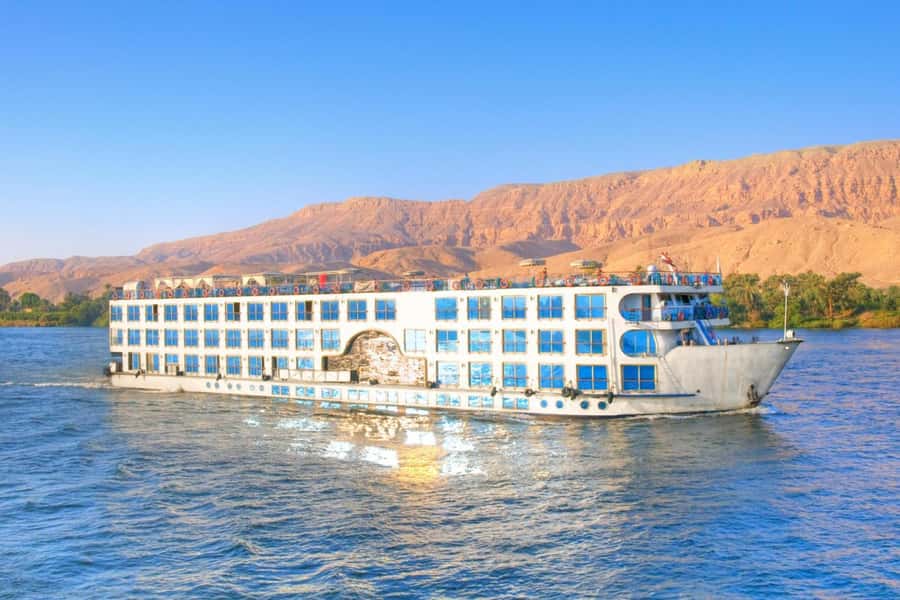
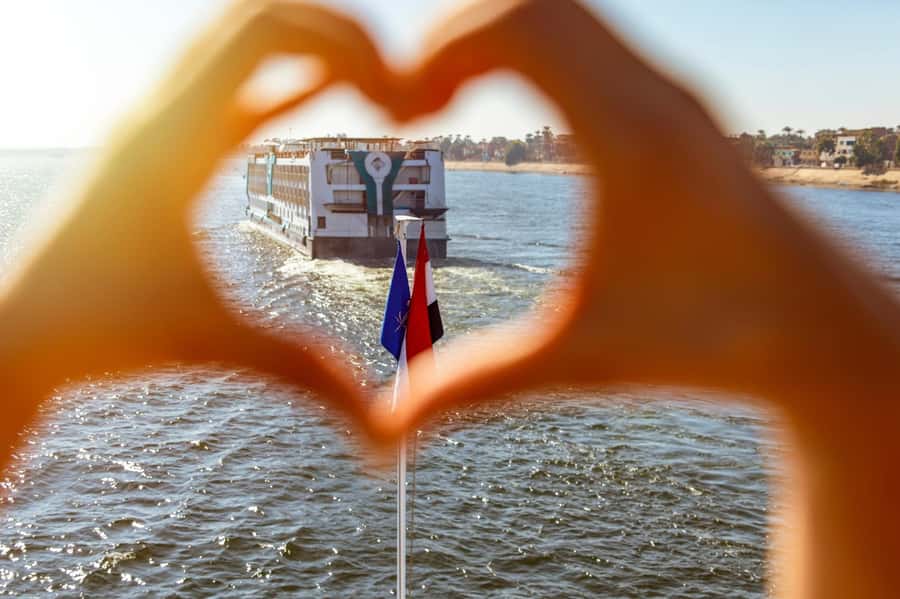
The cruise package includes four nights in a 5-star cruise setting, with a private cabin, Nile views, and meals onboard. In general, the service is a big part of the experience, and many people highlight attentive staff and solid food.
That said, cabin comfort can vary by ship and sailing. One review flagged a very dated boat feel and possible exhaust odor that made someone dizzy. Another noted a ship change from a worse option to a better one after raising a concern. The lesson for you: before you lock in, ask what ship name and cabin category you’ll get, and confirm what’s realistic for comfort.
Food, drinks, and the pricing trap to plan for
Meals are included onboard—lunch and dinner on Day 1, full-board on Days 2–4, and breakfast only on Day 5. That’s a lot of included food, and it helps keep the trip simpler.
But drinks are not included. Some reviews mention that water and alcohol on board can be pricey, with examples of a big markup compared with buying off the boat. If you want to control costs and hydration, it’s smart to pick up water during temple stops or when you’re off-ship, and keep a personal budget for onboard drinks.
Internet is also not mentioned as included, so don’t plan on reliable Wi-Fi for work calls unless you ask first.
Your guides can make or break the days
This itinerary leans heavily on your guides. The good news: an Egyptologist guide is part of the package, and some names that have been mentioned include Amr, Fofa, Mohamed Rafaie, Mary, Ahmed, Mustafa, Gabriel, Issac, Heba, Manel, Omar Shareef, Martina, Samir, Mostafa, Marcos, Mohammed, and Himmat.
Here’s the practical takeaway: explanations vary depending on the person assigned. If you care about understanding what you’re seeing, you’ll want to be engaged—ask questions at Karnak, confirm which tomb you’ll enter in the Valley of the Kings, and request a few minutes of extra context at the temple you most care about.
If you need a different language, the tour notes that non-English options (German/Spanish/French) can be added. Without that add-on, plan on English.
Temple days can feel rushed: how to keep it enjoyable
Even with guided structure, some temple days can run tighter than others. For example, Edfu and Kom Ombo are visited with a group element, and there have been mentions of those stops being a bit rushed for seniors due to time limits and sailing schedules.
My advice is simple:
- If you want more time inside tombs or for photos, arrive with energy and don’t rely on “we’ll have more time later.”
- Build in a “watch, listen, then see with your own eyes” rhythm. Don’t just follow. Take in the details when your guide points them out.
Also remember: each day has different guide teams. If one day’s pacing feels less satisfying, the next guide may be totally different, so don’t let one day sour the whole week.
Small practical tips that pay off fast
These aren’t glamorous, but they’re worth it:
- Bring a way to carry water you can access quickly on walking days.
- Dress for early mornings. Balloon days and Abu Simbel mornings can feel cooler than you expect.
- Use sunscreen plus a hat. Temple time stacks fast, and outdoor sun doesn’t care about your schedule.
- Expect shopping moments around temple stops. If you don’t want it, keep moving. If you do want souvenirs, set a spending limit before you get pulled into the offer-and-haggle rhythm.
If your priority is photos, tell your guide early so they know you want a few minutes at each key viewpoint. That simple prompt can improve your whole day.
Should you book this Luxor-to-Aswan cruise with balloon ride?
I’d book it if you want a first-timer-friendly way to see Egypt’s biggest Nile temples without juggling logistics. The balloon ride and the full Luxor-West Bank hits are the reason this works, and the ship-based structure makes it easier than doing everything by day tour.
I’d pause or ask tougher questions if:
- You’re extremely sensitive to comfort on boats, since ship variations have been reported
- You hate early mornings and can’t handle a very early Day 5 push
- You’re hoping tickets and drinks are fully included (they’re not)
If you’re okay with a packed itinerary and you want the famous sites plus sunrise magic, this is a solid choice.
FAQ
How long is the trip?
It’s a 5-day experience, covering Luxor to Aswan.
Where does it start and end?
You’re picked up in Luxor (or from the airport) and dropped off in Aswan at the end.
Is the hot air balloon ride included?
Yes, the itinerary includes a hot air balloon ride over Luxor.
Are children allowed on the balloon ride?
Children under 6 can’t join the hot air balloon flight due to a civil aviation rule.
What meals are included?
Day 1 includes lunch and dinner onboard. Days 2–4 include full-board meals onboard (breakfast, lunch, and dinner). Day 5 includes breakfast only, and you can request a breakfast box.
Are entry fees included?
No. Entry fees are not included in the package price.
Does the tour include Abu Simbel?
Yes. On Day 5, you travel by air-conditioned van to Abu Simbel and visit the Ramses II and Nefertari temples.
What language guides are available?
English is included. Other languages (Arabic, German, Spanish, French) are available as an add-on. The provided list also says Arabic is available.
Are drinks included on the cruise?
No. Drinks are not included.