REVIEW · LUXOR
Cairo: Private 5-Day Egypt Tour with Alexandria & Balloon
Book on GetYourGuide →Operated by Nice Tours · Bookable on GetYourGuide
Five days, four big wow moments. What makes this tour feel special is the mix of iconic monuments and “only-here” moments like a hot-air balloon over Luxor.
I especially like that day one is guided from pick-up to the Pyramids of Giza and Sphinx, then straight on to the Egyptian Museum. It saves you from doing Egypt’s big sights in a fog of taxi negotiations and last-minute ticket lines.
My second favorite part is the slow pace of the river: a 5-star Nile cruise with full-board comfort, plus temple visits that are easier to enjoy when you’re not rushing between stops. One drawback to keep in mind: this schedule runs on early starts and weather can affect balloon timing, so expect a day that’s tightly run rather than flexible.
In This Review
- Key things that make this tour a smart fit
- Day 1 in Cairo: Giza Plateau, Sphinx, and the Egyptian Museum
- Flying to Luxor: Why the Domestic Flight Matters
- Hot-Air Balloon Over Luxor: Sunrise Views With Real Weight
- Luxor West Bank: Valley of the Kings, Hatshepsut, and Memnon
- Karnak Temple Complex: The Power of 134 Columns
- 5-Star Nile Cruise: Edfu by Horse Cart and Kom Ombo for Two Gods
- Abu Simbel: A Long Morning to See Ramses II and Nefertari
- Alexandria Day Trip: Roman Ruins, Catacombs, and the Citadel
- Price and Logistics: Is $1,100 Good Value for This Much Egypt?
- Private Egyptologist Guidance: When Names Matter
- Food, Comfort, and What to Plan for Each Day
- Who This Tour Fits Best
- Should You Book This Cairo-to-Alexandria Private Tour?
- FAQ
- How long is the tour?
- What cities and major sites are included?
- Are domestic flights included?
- Is the hot-air balloon ride included, and is there an age limit?
- What meals are included during the 5 days?
- Can the tour handle dietary preferences?
- What languages are guides available in?
Key things that make this tour a smart fit
- Private, expert-guided touring across Cairo, Luxor, and Alexandria so you’re not stuck reading signs while other groups do the talking
- A sunrise hot-air balloon over Luxor, one of those Egypt moments that you feel more than you photograph
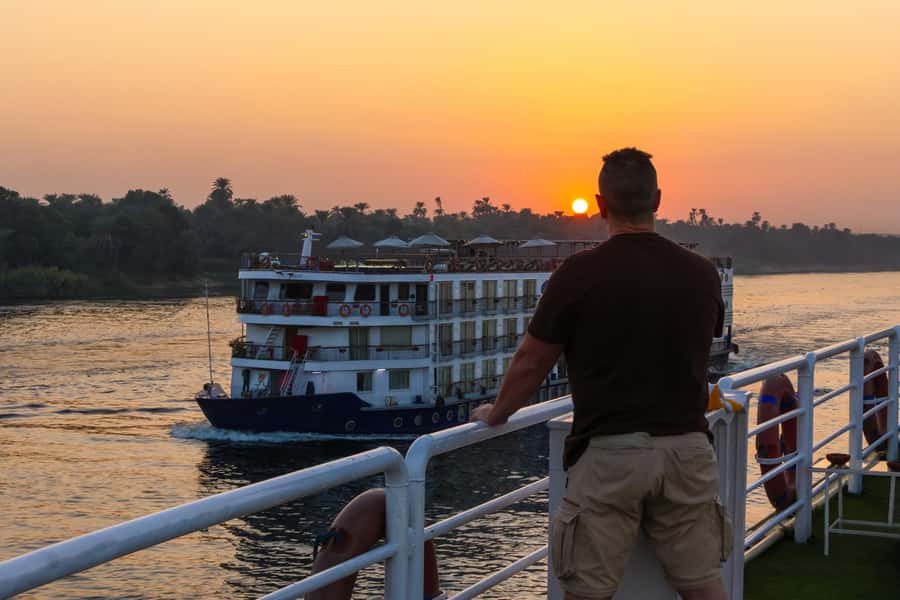
- Two nights on a 5-star Nile cruise with full-board meals, then temple time at Edfu and Kom Ombo
- Abu Simbel included via an early small-group trip to see Ramses II and Queen Nefertari’s cliff temples
- Alexandria in one packed day: Roman ruins, the catacombs, and the Bibliotheca Alexandrina area
Day 1 in Cairo: Giza Plateau, Sphinx, and the Egyptian Museum
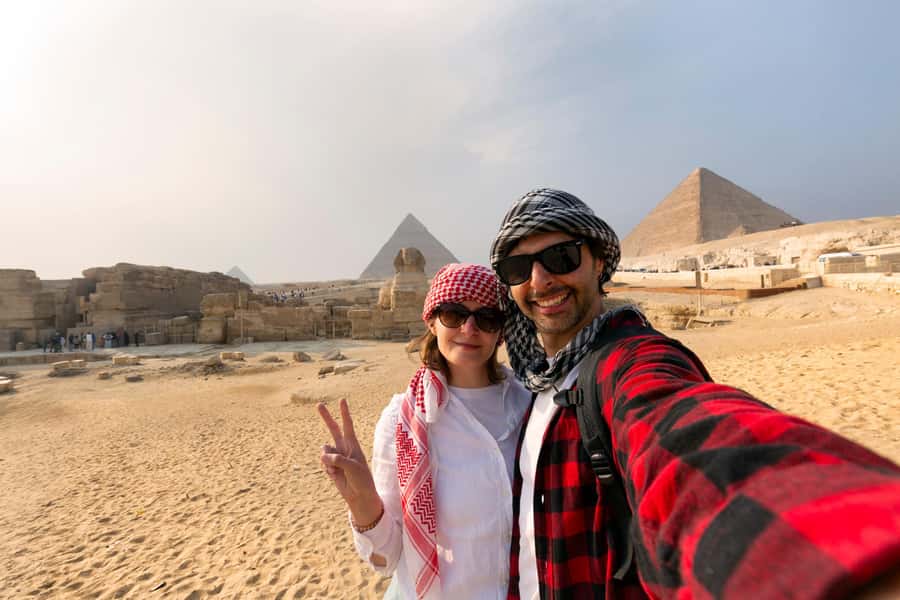
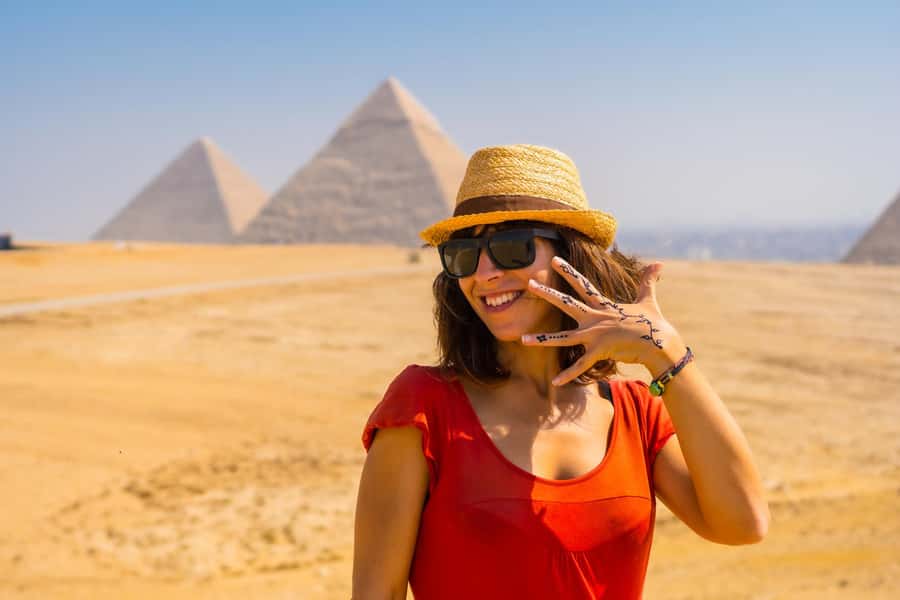
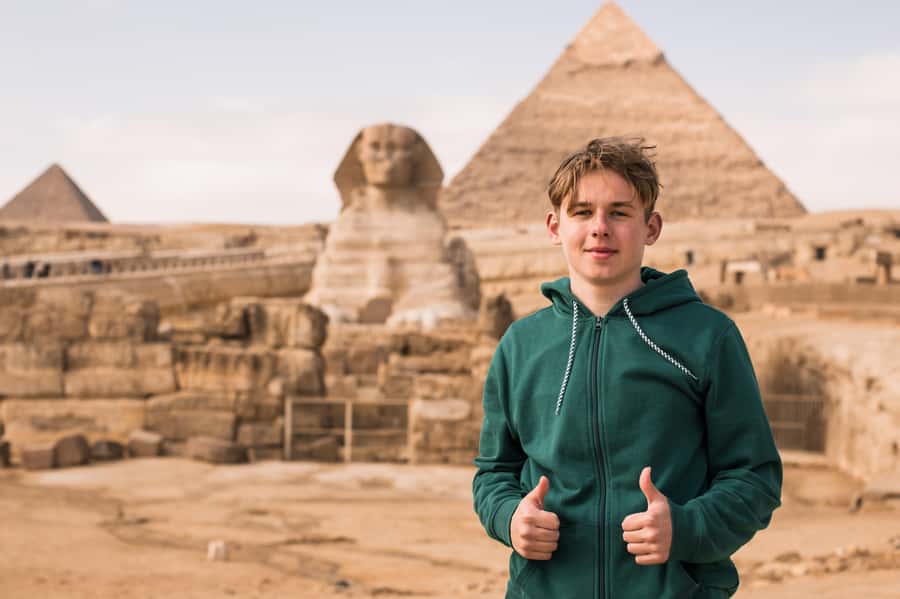
Day one starts with hotel pickup in Cairo, then a drive to the Giza Plateau. You’ll walk the ground at the Great Pyramids and the Sphinx, with a guide explaining the burial beliefs and royal rituals behind these monuments.
What I like about this approach is that the guide turns the pyramids from “big shapes” into something you can place in time. Even if you only know a few pharaoh names, it helps you connect the dots while you’re still standing there.
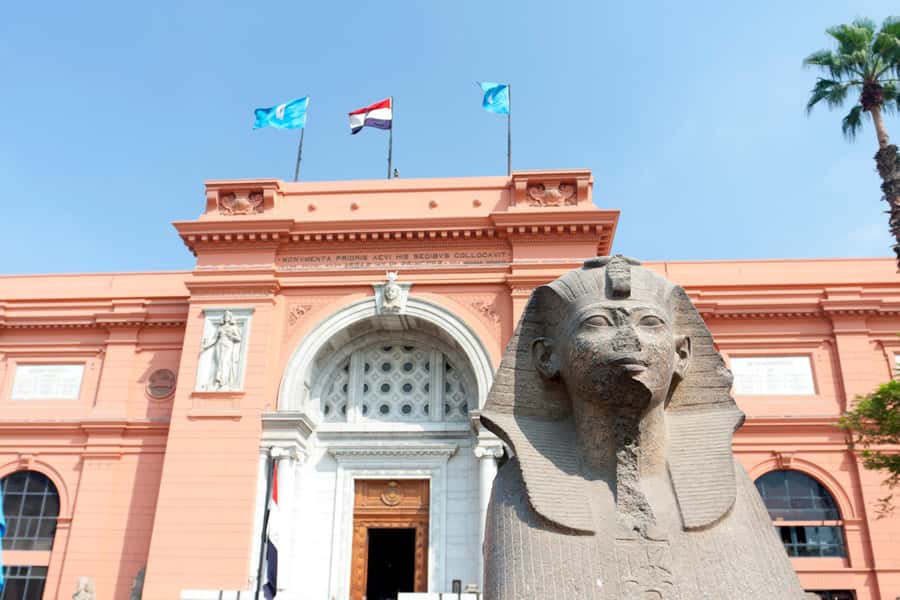
After lunch at a premium local restaurant, you’ll head to the Egyptian Museum, which holds more than 150,000 artifacts, including Tutankhamun’s golden treasures and royal mummies. This is the right move for a first-time visit because you’re not just staring at statues—you’re seeing the supporting cast of Egyptian power.
One practical note: the museum can feel busy. Give yourself permission to pause often, and don’t try to sprint through every hall. Your guide will help you focus on the most important rooms.
You can also read our reviews of more private tours in Luxor
Flying to Luxor: Why the Domestic Flight Matters
After the museum, you transfer to the airport for a domestic flight to Luxor. You’re aiming for comfort and saved time, not slow overland travel, and that’s a real value on a 5-day schedule.
Once you arrive in Luxor, you meet the local representative and go to your carefully selected Luxor 5-star hotel for the night. This matters because day two begins early, especially if you’re doing the balloon ride at sunrise.
If you’re sensitive to travel days, pack a small “grab-and-go” kit: water, a light layer, and anything you need for early starts. Even in a private setup, Egypt timing can be… Egypt timing.
Hot-Air Balloon Over Luxor: Sunrise Views With Real Weight
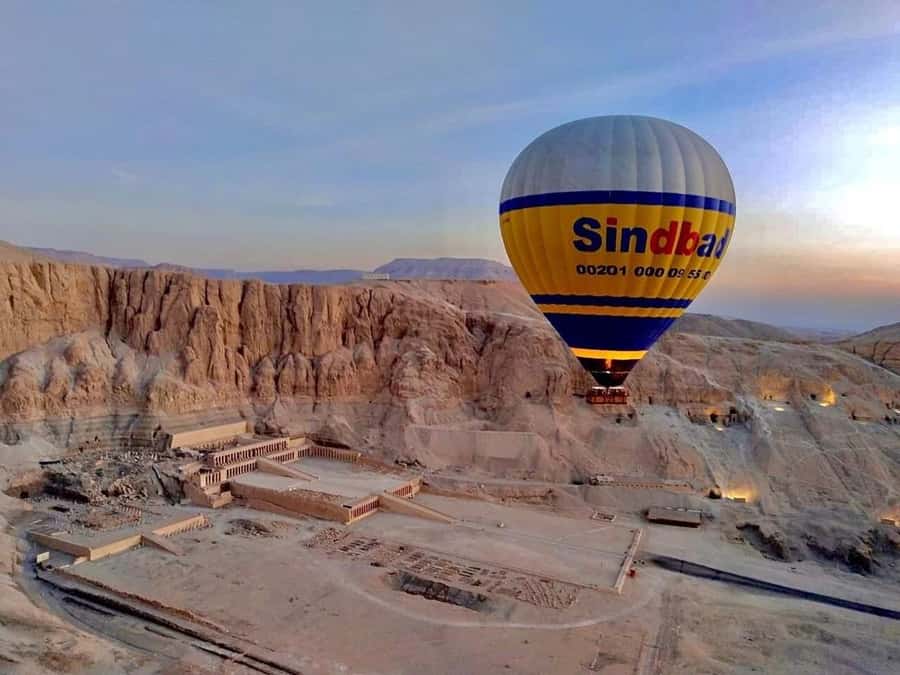
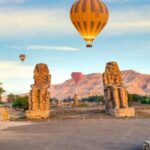
The balloon ride is the headline: you float over Luxor’s ancient area as the sun rises. The tour describes it as a silent feeling, with the temples, tombs, and the Nile below you as the light changes.
This is the kind of activity that’s hard to replace with anything else in Egypt. Watching the river and monuments from above gives you a new sense of scale, especially for a city where everything is crowded with history.
Two things to plan around:
- The minimum age is 6 (younger kids can’t participate).
- Balloon operations depend on conditions, and weather can cancel or change rides, so build flexibility into your mood.
What to wear? Comfortable shoes and a light jacket are smart. Even at sunrise, temperatures can surprise you, and you’ll want to move easily while boarding and disembarking.
Luxor West Bank: Valley of the Kings, Hatshepsut, and Memnon
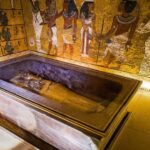
Day two keeps you on Luxor’s West Bank, the area tied to royal burial in the New Kingdom. You start with the Valley of the Kings, the final resting place of pharaohs like Tutankhamun.
Then you visit three decorated tombs with your guide’s commentary. This is a big part of why a guided tour helps: tombs can look similar at first glance, but the details—symbols, scenes, and how the chambers are arranged—become meaningful when explained clearly.
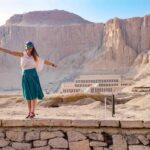
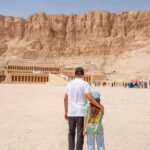
Next up is Queen Hatshepsut’s Temple at Deir el-Bahari, carved into limestone cliffs. Hatshepsut’s story is one you’ll likely recognize from modern history, but standing in the site’s geometry makes it feel real and political, not just academic.
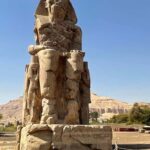
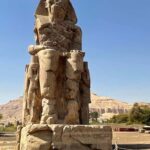
You also pause at the Colossi of Memnon, two towering statues of Amenhotep III. These are huge, but the better value is the way they frame the rest of the visit: you start connecting why ancient builders obsessed over monumental visibility.
Karnak Temple Complex: The Power of 134 Columns
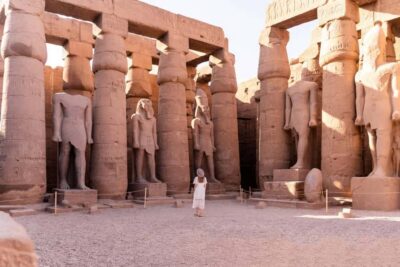
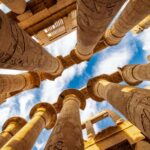
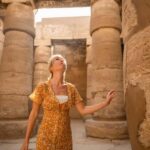
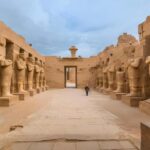
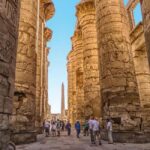
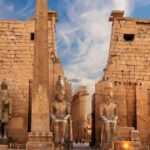
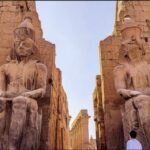
After crossing to the East Bank, you’ll explore Karnak Temple Complex, described as the largest religious site ever constructed. Your walk takes you through the Great Hypostyle Hall, with 134 towering columns.
This is where Egypt starts to feel less like “one building” and more like an entire system of devotion. Karnak grows over time, with layers of construction and worship, so your guide’s timing matters—you’re meant to see how the space is organized, not just stare at tall stone.
Give yourself a moment to look upward when you enter the hypostyle hall. The roofline and column grid change the way you perceive the entire place.
You can also read our reviews of more tours and experiences in Luxor

5-Star Nile Cruise: Edfu by Horse Cart and Kom Ombo for Two Gods
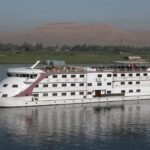
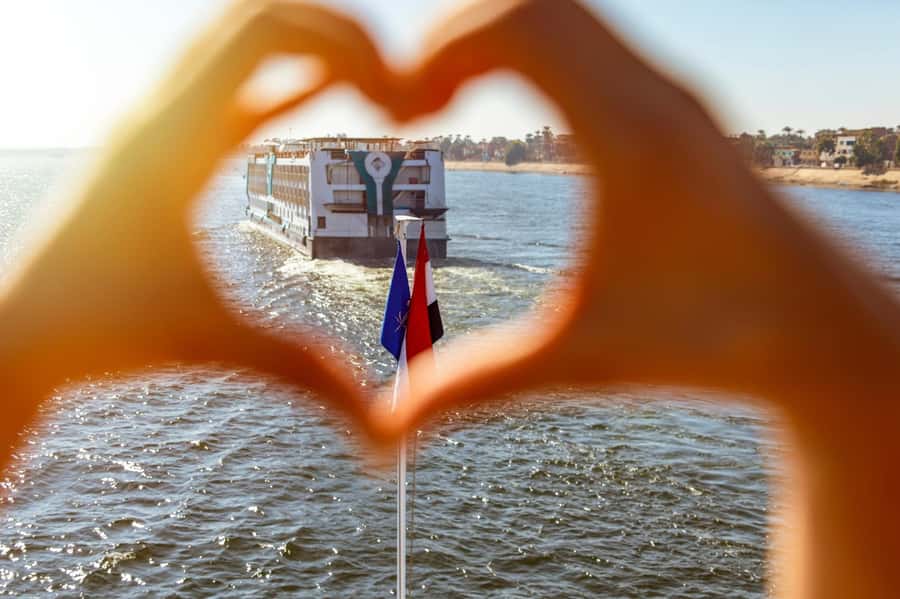
Boarding the cruise is the transition from land touring to slower river time. On this schedule, you enjoy dinner onboard and then overnight accommodation during the cruise portion of the trip.
Day three begins after breakfast aboard the ship. You take a traditional horse-drawn carriage ride through Edfu to the Temple of Horus, often considered one of Egypt’s best-preserved ancient temples.
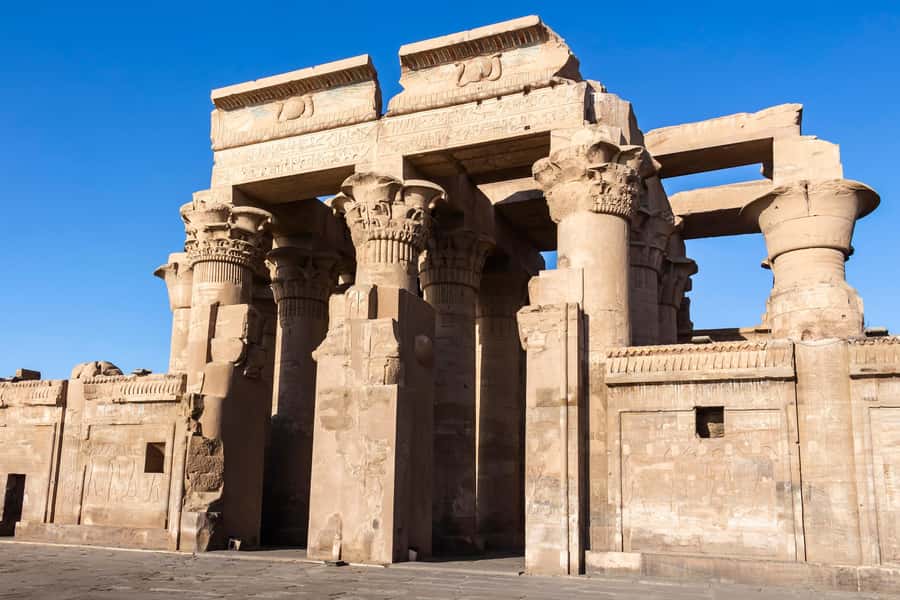
Then your cruise sails toward Kom Ombo, where you visit the temple dedicated to two gods: Sobek (the crocodile god) and Horus the Elder. That dual dedication is unusual, and it’s one of those details that makes the temple feel different from the major “single-god” sites.
Between temple visits, you’ll get deck time. Watching rural life along the riverbanks is a nice rhythm break from monuments, and it helps you digest what you just saw.
Abu Simbel: A Long Morning to See Ramses II and Nefertari
Abu Simbel is the kind of place you don’t want to experience tired, which is why it’s planned as an early start. Day four includes an early excursion from your base, with breakfast boxes provided.
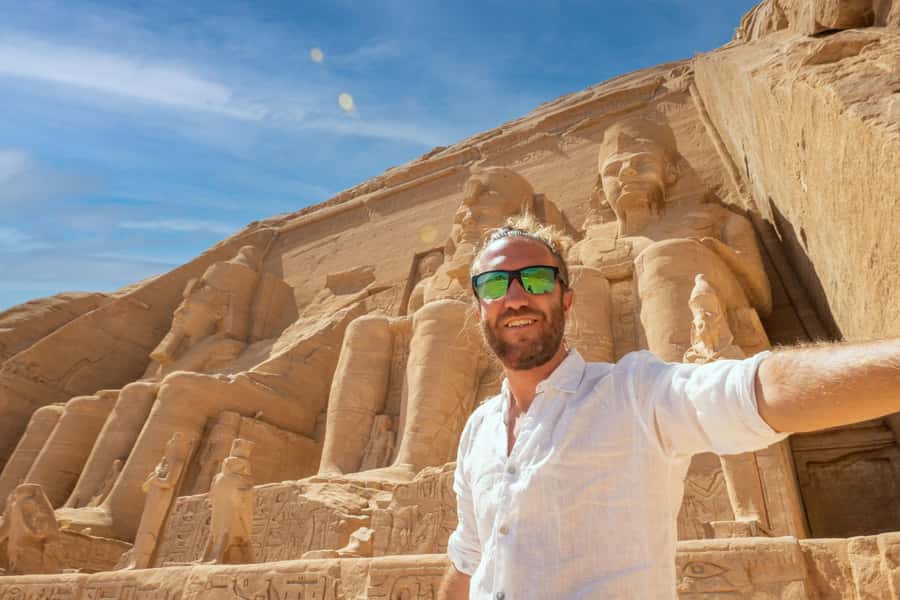
You’ll go to see the colossal twin temples of Ramses II and Queen Nefertari, carved into cliffsides overlooking Lake Nasser. Even if you know the photos, being there changes everything about scale—these aren’t “big ruins,” they’re engineered statements of power.
The tour notes this is a small-group excursion, which is usually easier for questions and smoother pacing than large coach crowds. After the UNESCO-listed visit, you transfer to Aswan airport for the included flight back to Cairo.
Back in Cairo, you’ll transfer to your hotel for the final night, and this is your chance to sleep without being woken for another early pick-up.
Alexandria Day Trip: Roman Ruins, Catacombs, and the Citadel
Your last full day takes you from Cairo to Alexandria, Egypt’s Mediterranean coastal city. You start at Kom El-Deka, where you can see remarkably preserved Roman amphitheater ruins and ancient villas.
Then you descend into the Catacombs of Kom El Shoqafa, a burial site combining Egyptian, Greek, and Roman traditions. This stop is different from the pharaoh-and-temple pattern, and that’s a good thing on day five: it keeps the trip from feeling like one continuous “temple loop.”
Lunch is included at a carefully selected local restaurant. After that, you visit the Bibliotheca Alexandrina, the modern library inspired by the legendary ancient Library of Alexandria.
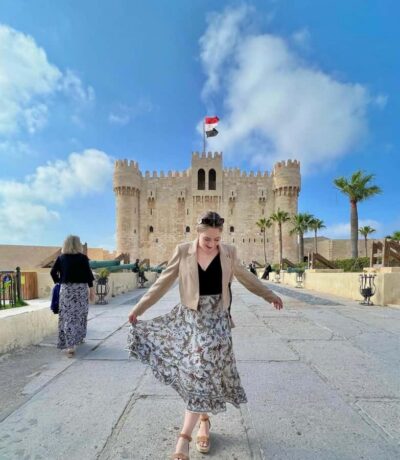
Finally, you end at the Citadel of Qaitbay, built on the ruins of the ancient Lighthouse of Alexandria, one of the Seven Wonders of the Ancient World. It’s a strong finish because it ties the city’s story to something global.
Price and Logistics: Is $1,100 Good Value for This Much Egypt?
At $1,100 per person for 5 days, the value isn’t just in the sights—it’s in how the itinerary reduces your stress. What you’re paying for includes:
- Private transportation in air-conditioned vehicles
- A professional English-speaking Egyptologist guide
- Domestic flights (Cairo → Luxor and Aswan → Cairo)
- Two nights on a 5-star Nile cruise with full-board meals
- 5-star hotels in Cairo and Luxor
- The hot-air balloon over Luxor
- Guided visits to the listed temples and sites
Entrance fees and drinks aren’t included, so you should still budget for day-to-day add-ons. But the big ticket items—flights, cruise nights, balloon, and guided temple time—are handled, and that’s where “value” usually lives for travelers short on time.
If you were planning this alone, you’d likely spend a lot of energy syncing flights, arranging guides, and managing early-morning transport. This tour’s strength is that it compresses the hardest logistics into one plan.
Private Egyptologist Guidance: When Names Matter
A private guide is more than convenience. It changes how you experience the sites—especially when the monuments are huge and the details matter.
The tour offers an expert Egyptologist guide and live interpretation across multiple languages: Arabic, English, French, German, and Spanish. In the guide names attached to real bookings, you may see people like Jasmine, Fayez, or Mina, each described as friendly and good at explanation.
What I’d do if I were traveling: ask your guide to point out one or two “how to read this place” clues per stop. For example, ask what detail you should notice inside a tomb, or why a temple is arranged the way it is. That turns each stop into a mini lesson without feeling like homework.
Food, Comfort, and What to Plan for Each Day
Meals are included across the days:
- Day 1: Lunch
- Day 2: Breakfast, Lunch, Dinner
- Day 3: Breakfast, Lunch, Dinner
- Day 4: Breakfast (with breakfast boxes earlier)
- Day 5: Breakfast, Lunch
Drinks aren’t included.
Dietary options are listed: vegan, vegetarian, and halal meals are available if you inform the team when booking. That’s important on a tour like this because you don’t want to gamble on what you can eat while moving between cities.
Comfort-wise, the pace is active. Expect early mornings for balloon and for Abu Simbel, plus long, structured days of walking. Bring layers, stay hydrated, and don’t underestimate how much sun exposure you’ll get around open-air monuments.
Who This Tour Fits Best
This tour is a strong fit if you:
- Want a guided “best-of” route without planning flights and transfers
- Care about big highlights like Giza, Karnak, Abu Simbel, and Alexandria
- Want a mix of intense history and calmer river time through a Nile cruise
- Are comfortable with early starts, especially if you’re counting on the balloon ride
It’s also a good option for travelers who value private pacing. The itinerary is heavy—private guidance helps you move efficiently without losing context.
Should You Book This Cairo-to-Alexandria Private Tour?
I’d book it if your goal is simple: see Egypt’s signature hits with strong logistics, a real guide, and time saved through domestic flights and a cruise. The combination of sunrise balloon + temple days + Abu Simbel + Alexandria is a lot for 5 days, and it’s the kind of packing that’s hard to pull off independently.
I’d think twice if you hate tight schedules or you’re the type who needs everything to be predictable to the minute. Balloon rides depend on conditions, and Abu Simbel requires early timing, so you’ll want patience and a flexible mindset.
If that sounds like you, this is a practical, high-value way to experience a wide slice of Egypt in one trip.
FAQ
How long is the tour?
The tour lasts 5 days.
What cities and major sites are included?
You’ll cover Cairo, Luxor, Abu Simbel, and Alexandria, with visits such as the Pyramids of Giza and Sphinx, Egyptian Museum, Valley of the Kings, Karnak Temple, Edfu, Kom Ombo, Kom El-Deka, Kom El Shoqafa catacombs, and the Citadel of Qaitbay.
Are domestic flights included?
Yes. Domestic flights are included for Cairo → Luxor and Aswan → Cairo.
Is the hot-air balloon ride included, and is there an age limit?
Yes, the hot-air balloon ride over Luxor is included. The minimum age is 6 years.
What meals are included during the 5 days?
The tour includes lunch on day 1; breakfast, lunch, and dinner on days 2 and 3; breakfast on day 4; and breakfast and lunch on day 5.
Can the tour handle dietary preferences?
The tour lists vegan, vegetarian, and halal meal options. You should inform the team when booking.
What languages are guides available in?
Live tour guide languages listed are Arabic, English, French, German, and Spanish.