REVIEW · LUXOR
Luxor: Private East and West Banks Tour and Felucca Cruise
Book on GetYourGuide →Operated by Nice Tours · Bookable on GetYourGuide
Luxor in one private day beats rushing. This 8-hour tour strings together the big-ticket sites on both banks, from tombs in the Valley of the Kings to Karnak’s columns, with a calm felucca ride on the Nile in between. It’s the kind of day plan that helps you see how the ancient city actually worked.
I like the mix of stops because it tells a real story: the west bank monuments (Valley of the Kings and Hatshepsut at Deir el-Bahari) and the east bank temples (Karnak and Luxor Temple) are different worlds with one shared worldview. I also love the breather you get on the water; you won’t feel like you’re just “temple hopping.”
One caution: it’s a long, outdoor day in Luxor. You’ll walk, you’ll be in sun, and you’ll want a little extra water and shade than you think.
In This Review
- Key highlights that make this tour worth your time
- East Bank hotel pickup to the west bank sites
- Valley of the Kings: the tomb area people remember
- Mortuary Temple of Queen Hatshepsut at Deir el-Bahari
- Colossi of Memnon: a quick stop with strong connections
- Lunch at a local restaurant: plan for timing, not just taste
- Felucca cruise on the Nile: the emotional reset
- Karnak Temple: Amun’s stage, built for scale
- Luxor Temple: Amenhotep III and Ramses II in one view
- Price and logistics: is $115 good value for this day?
- Who this tour suits best (and who might want to adjust)
- Should you book this Luxor East and West Banks tour?
- FAQ
- What’s included in the tour price?
- Do you pick up from West Bank hotels?
- How long is the tour?
- Which sites are visited during the day?
- Is a felucca cruise included?
- What languages are available for the guide?
Key highlights that make this tour worth your time
- Private guide, private pace: many guests rave about guides like Salma, Shaimaa, Jackie, and Mohamed Rafaie for clear explanations and smooth timing.
- Two-bank payoff: you cover the west bank tomb area and the east bank temple core without wasting time between locations.
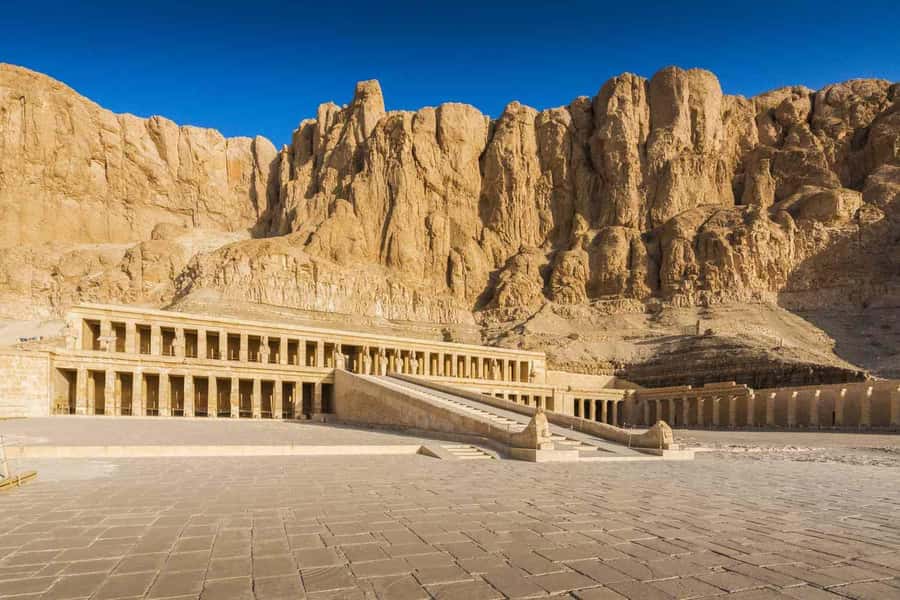
- Deir el-Bahari views: Hatshepsut’s terraced temple feels dramatic in real life, especially with the guide’s step-by-step context.
- Colossi of Memnon stop: a quick, iconic moment that connects you to Amenhotep III even if you don’t do his full temple complex.
- Felucca reset: the Nile sail helps your brain cool down after the heat and stone.
- Efficient ticket handling: entrance fees are included and you skip the ticket line, so you spend less time queuing.
East Bank hotel pickup to the west bank sites
This tour is built for convenience right from the start. Pickup is from East Bank hotels, which matters because Luxor’s west bank drives can add hassle if you’re not already close to the main temple zone. Once you’re on the road, your guide starts giving you the “map in your head” that makes the monuments easier to understand later.
Timing is a big deal here. The best moments at Luxor’s sites aren’t just about what you see; they’re about how long you can look before the day turns into a crowd scene. A strong guide helps you get your bearings fast—where to stand, what to notice first, and what details to save your time for.
You can also read our reviews of more boat tours in Luxor

Valley of the Kings: the tomb area people remember
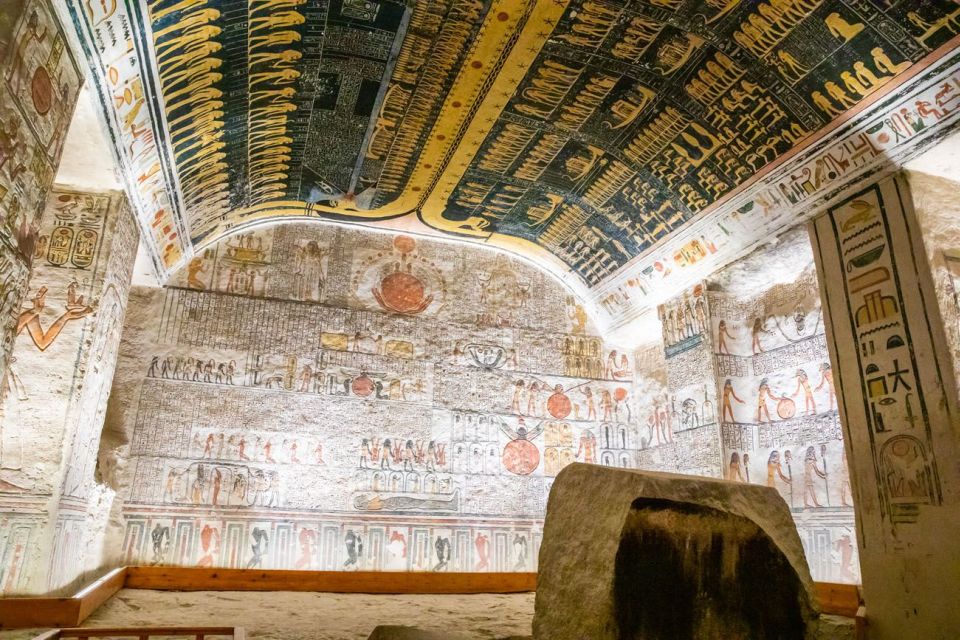
The west bank begins at the Valley of the Kings, often called the Valley of the Gates of the Kings. Even without being inside a specific tomb for hours, you feel the logic of the place: kings planned their afterlife in a hidden valley, away from the everyday life of the Nile towns.
What I like about going with a private guide here is the focus. You don’t just wander. You’re told what you’re looking at and why it matters—especially when it comes to the tombs’ artwork and the idea of kingship as a system, not a single person. One guest highlighted how their guide helped them spot important paintings once they were inside the tomb area, which is exactly the sort of payoff you want from a guide.
Practical tip: this is one of those stops where the light can make photos tricky. You’ll do better if you listen first, then take pictures with purpose instead of constantly adjusting your phone.
Mortuary Temple of Queen Hatshepsut at Deir el-Bahari
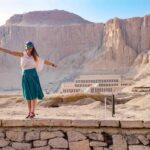
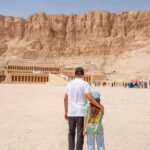
Next comes the famous terraced rise of Deir el-Bahari—and the Mortuary Temple of Queen Hatshepsut. This is where Luxor stops being “ruins you visited” and becomes “architecture you can feel.” The temple’s terraces climb up toward the cliffs, and the setting turns the site into a staged landscape.
Hatshepsut’s story also lands better when you have context. Your guide ties the site to the idea of royal power expressed through building, ceremony, and symbolism. In practical terms, you’ll know where to look on each terrace level and what details are worth pausing for. That’s what you want when the day is moving; otherwise, the place is too big and your attention leaks out.
Heat note: this area is mostly outdoors. Start with sunscreen and a cap, and don’t plan on finding shade everywhere. Take breaks when your guide offers them, even if you feel tempted to “keep going.”
Colossi of Memnon: a quick stop with strong connections
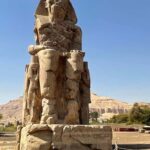
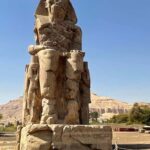
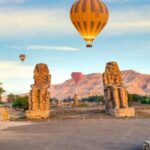
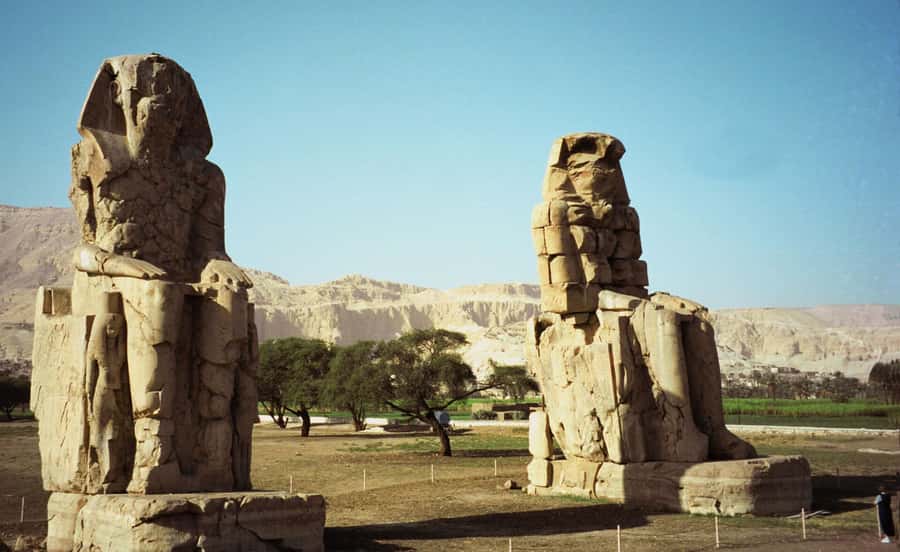
After Hatshepsut, you’ll see the Colossi of Memnon. These huge seated statues are an iconic Luxor image, and they’re also a useful checkpoint. Your guide connects them to the mortuary temple of Amenhotep III, so you’re not just looking at two statues—you’re placing them in the bigger west bank story.
This stop is shorter than the others, but it’s a good pace change. It lets your legs reset before the schedule picks back up again.
If you’re into photo moments, this is also one of the easiest places to frame: the scale does most of the work for you.
Lunch at a local restaurant: plan for timing, not just taste
Lunch happens after the west bank highlights, and it’s included. Most people are ready for a proper sit-down by then, and the included lunch is genuinely useful because it prevents a “find food in the heat” scramble.
A practical heads-up from past experiences: water can feel limited on long days. One guest specifically wished they had packed more, since only a single bottle was provided for the whole stretch. I’d treat included lunch as food security, not hydration security. Bring extra water if you can, especially in hotter months.
Also, consider having small bills ready for tips. More than one person mentioned that small expenses pop up in Egypt—things like restrooms—so keep your cash sorted.
You can also read our reviews of more private tours in Luxor


Felucca cruise on the Nile: the emotional reset
Then you get the felucca ride on the Nile. This is not a random add-on. It’s a mood switch. After a day of stone and sun, the water gives you breathing room and lets the river scenery do what captions can’t: make Luxor feel connected.
You’ll also get a drink during the sail, and you’ll be able to soak in the views without constant staring at signage. Even if you’re not a “boat person,” this portion is where the day starts to feel like a journey instead of a checklist.
If your schedule is tight, this is still valuable. It breaks up the tempo before the more intense temple blocks begin.
Karnak Temple: Amun’s stage, built for scale
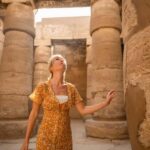
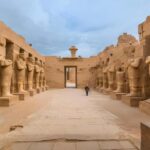
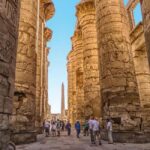
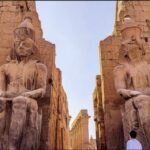
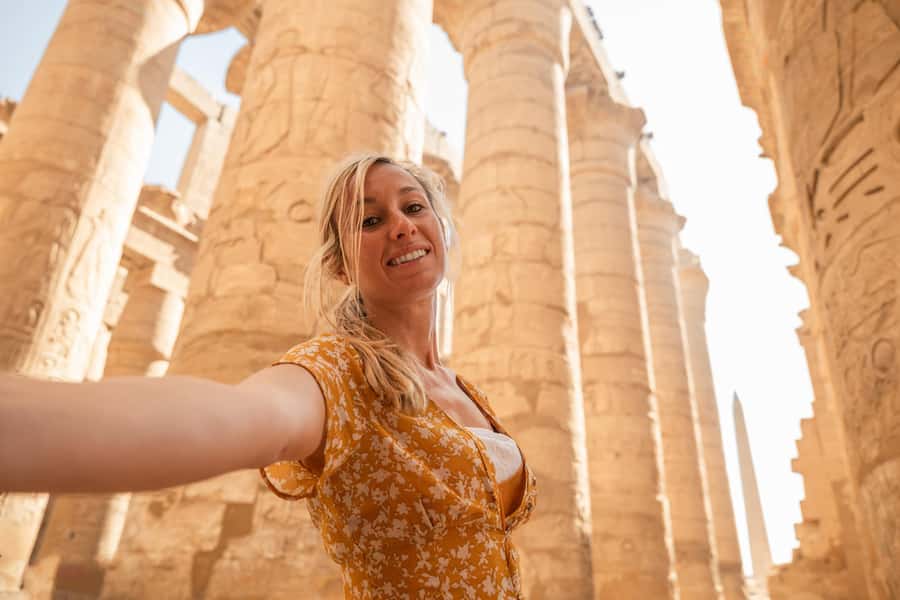
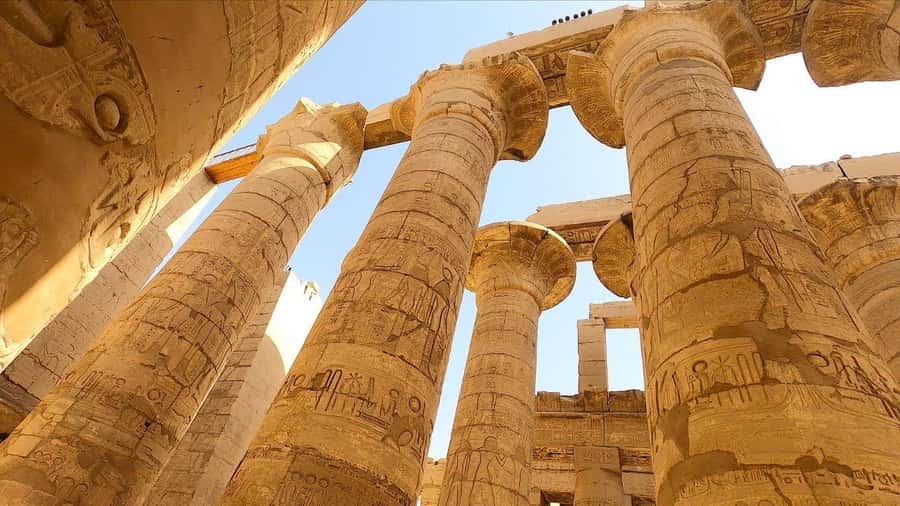
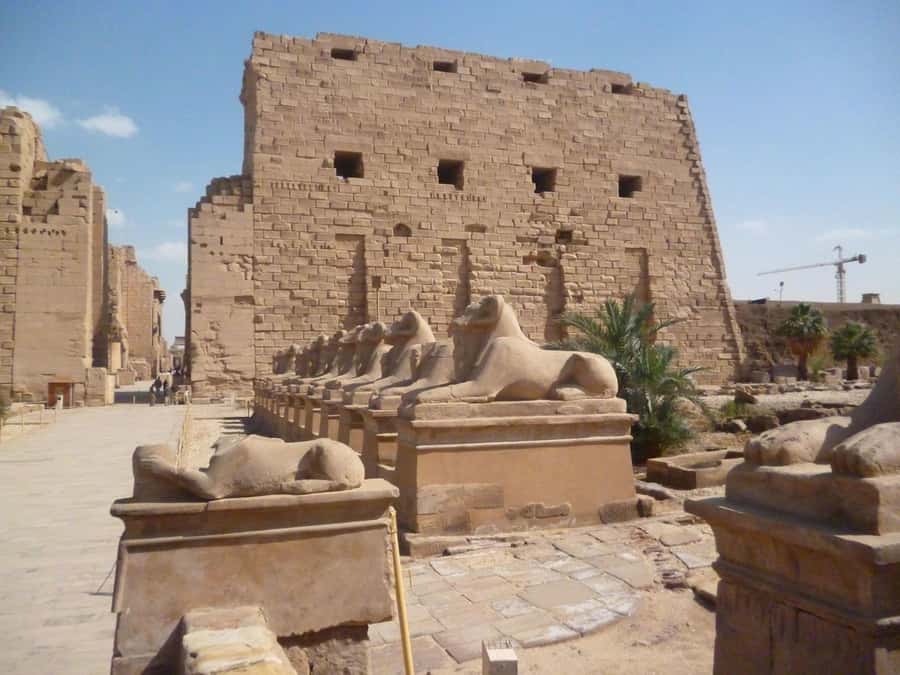
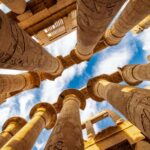
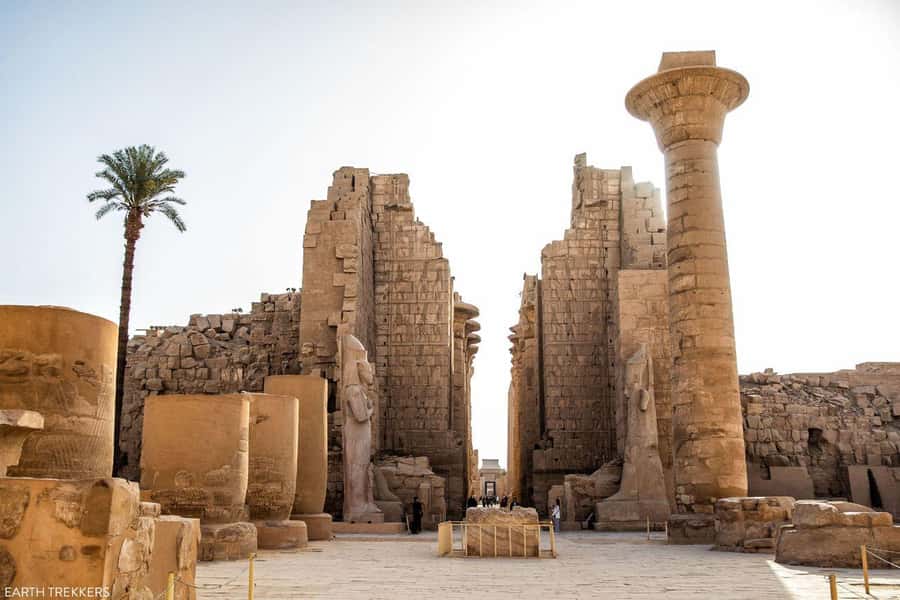
Karnak Temple is the kind of place where your brain has trouble keeping up at first. It’s dedicated to Amun, along with Mut and Khonsu as part of the Theban triad, and the site’s scale is the point: worship here was designed to impress and to communicate power.
With a good guide, you won’t just see rows of columns. You’ll understand what the spaces were meant to do—where people stood, what rituals connected to the gods, and why Karnak became so monumental over time. Guests often praise guides such as Jackie and Shaimaa for turning the temple into something you can follow instead of something you just stare at.
Practical photo tip: take one slow circuit early, then return to your favorite angles. Karnak rewards patience more than sprinting for the best shot.
Luxor Temple: Amenhotep III and Ramses II in one view
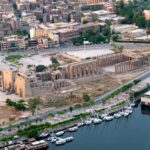
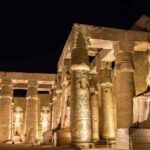
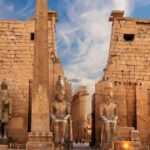
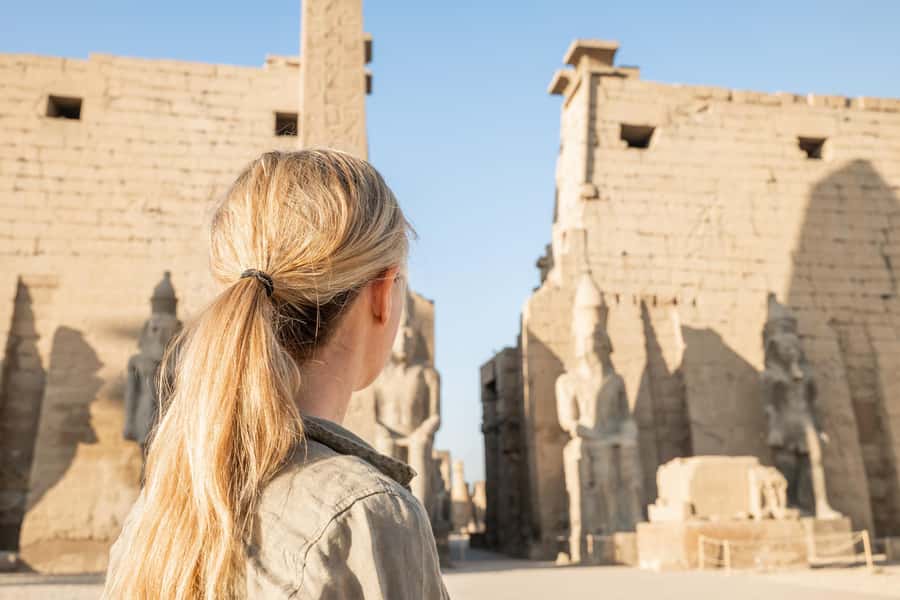
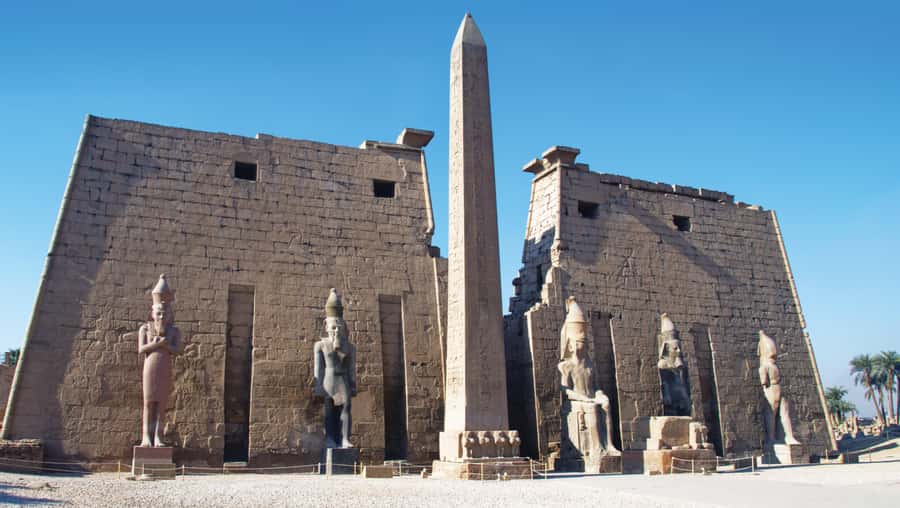
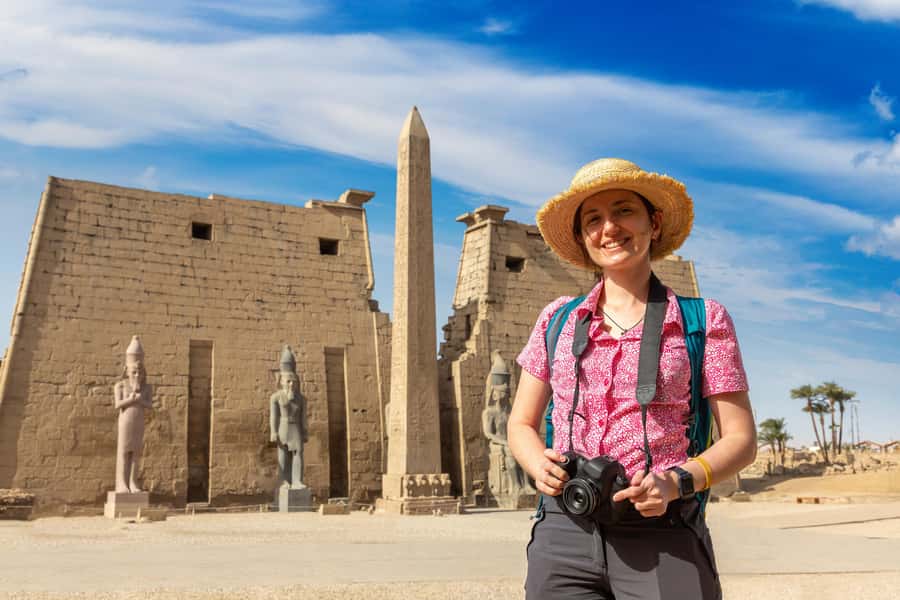
The day finishes at Luxor Temple, built by Amenhotep III in the 18th Dynasty and completed by Ramses II. That “two reigns in one place” detail matters because Luxor’s monuments aren’t frozen in time. They’re layered—built, expanded, and reshaped as power shifted.
This stop is a strong closer because it feels more connected to the modern city than some of the west bank sites. You get the feeling that Luxor has always been a place where people live next to their past.
Your guide should help you spot the logic of the layout and the symbolism embedded in the design. If you’re the type who likes to ask questions, Karnak and Luxor Temple are perfect places to do it—your guide can explain what you’re seeing right in front of you.
Price and logistics: is $115 good value for this day?
At $115 per person for an 8-hour private tour, the value largely comes from what’s included. You’re not only paying for a driver and a guide. You’re also getting entrance fees covered, lunch included, and the felucca ride built into the day. Pickup and drop-off are from East Bank hotels, which reduces the hassle cost.
So when you ask if it’s worth it, don’t just compare against “cheaper tours.” Compare what you’re getting:
- entrance fees handled for the main sights
- a private driver instead of shared transport
- a guide to explain what you’re actually looking at
- felucca time on the Nile, not just a photo stop
Two budget notes to watch:
- If you’re staying on the west bank, pickup isn’t included and there’s an extra $5 per person.
- The tour provides an English-speaking guide, but Spanish/German/French add-ons can cost extra.
Also factor in heat and time. A well-paced private day can feel more efficient than a group tour that keeps stopping for late arrivals and ticket lines.
Who this tour suits best (and who might want to adjust)
This tour is ideal for you if you want a high-impact Luxor day without spending your limited time figuring things out. It works well for first-timers who want the east and west banks covered together, and for repeat visitors too—because having a guide connect the dots makes even familiar sites feel new.
It’s also a good fit if you care about explanations. Many of the guides named by past guests—like Mohamed Rafaie, Manal, and Esraa—were praised for giving clear, engaging commentary and making the day feel organized.
If you’re the type who hates long days, do a reality check. This is eight hours with outdoor walking. You can absolutely make it enjoyable, but you’ll want to plan your day around it. Skip this if you’re trying to do “no walking, no sun” tourism.
Should you book this Luxor East and West Banks tour?
Book it if you want the classic Luxor highlights in one day, with a guide to connect the stories and save you time. The big win here is balance: west bank tombs and temples, then a felucca reset, then Karnak and Luxor Temple to close the loop.
If you’re sensitive to heat or you’re traveling with limited stamina, consider adjusting expectations (bring water, plan shade breaks, and keep your pace sane). Otherwise, this is a solid value private day that helps Luxor make sense quickly.
FAQ
What’s included in the tour price?
Entrance fees to the temples, hotel pickup and drop-off from East Bank hotels, an English-speaking guide, a private driver, a felucca ride, and lunch.
Do you pick up from West Bank hotels?
No. Hotel pickup and drop-off in the West Bank is not included and costs an additional $5 per person.
How long is the tour?
The duration is 8 hours.
Which sites are visited during the day?
The tour includes the Valley of the Kings, the Mortuary Temple of Queen Hatshepsut at Deir el-Bahari, the Colossi of Memnon, Karnak Temple, and the Luxor Temple built by Amenhotep III and completed by Ramses II.
Is a felucca cruise included?
Yes, there is a felucca ride on the Nile, and you’ll also have a drink during it.
What languages are available for the guide?
The tour offers Arabic, English, French, German, and Spanish. An additional cost applies if you choose a Spanish, German, or French-speaking guide.