REVIEW · LUXOR
Luxor Day Tour Visit Dendara And Abydos Temples
Book on GetYourGuide →Operated by Egypt Nile Felucca · Bookable on GetYourGuide
Two temples, two moods, one unforgettable day. This Luxor day tour pairs the color-rich Temple of Hathor in Dendera with the underworld-focused Temple of Seti I at Abydos, and you feel the shift in atmosphere as soon as you leave Luxor. I love that the sites are among Egypt’s best preserved, with carvings that still look sharp in person. I also like the hands-on way the tour is guided, including clear explanations of symbols and photo help so the ruins make sense fast.
One practical drawback: it’s a long driving day (about 10 hours), so you’ll want to plan for heat and fatigue. Tipping is also not included, so budget a little extra if you’re happy with your guide and driver.
Private A/C car with hotel pickup and drop-off
Skip-the-line entry so you lose less time waiting
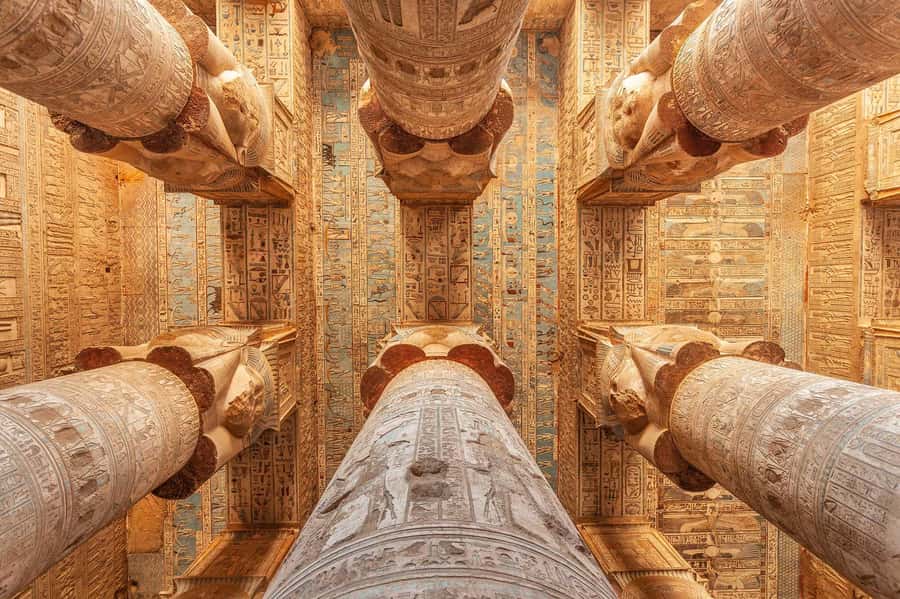
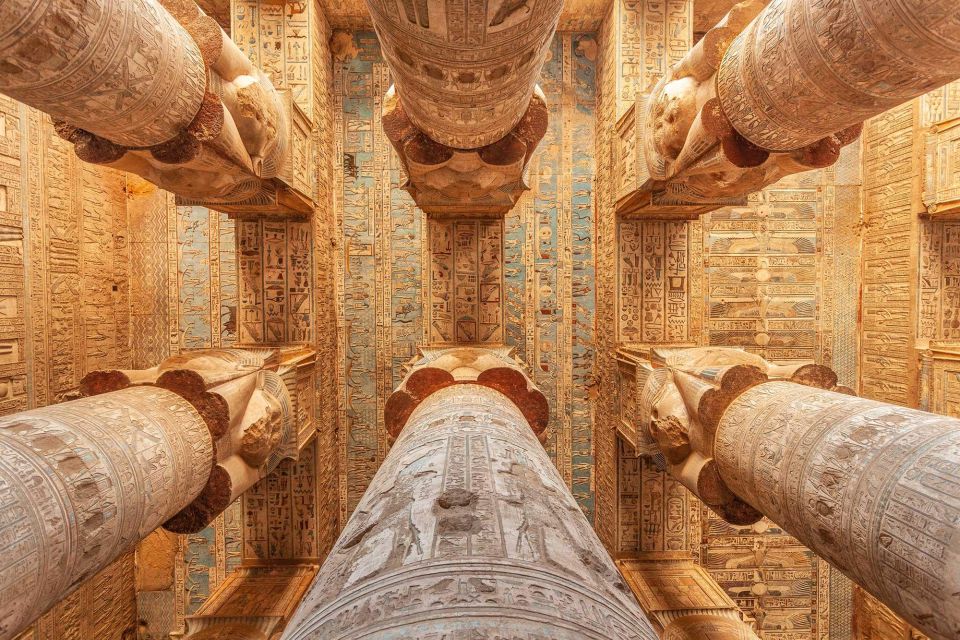
Dendera’s Temple of Hathor is famed for its preserved colors
Abydos Temple of Seti I + Osireion connects the underworld myth to real archaeology
Guides with strong teaching talent often make the hieroglyphs and wall scenes easier to read
Lunch and bottled water included, plus the day can be adjusted for what you want to see most
In This Review
- Two Temples, Two Worlds: Why Dendera and Abydos Work as a Duo
- From Luxor Pickup to Temple Doors: The 10-Hour Logistics That Matter
- Abydos Temple of Seti I: Osiris, the Osireion, and the Wall Writing You’ll Notice
- Dendera’s Temple of Hathor: Where Preserved Color Changes Your Experience
- Comfort on a Long Day: Heat, A/C, and When You’ll Actually Get Time to Breathe
- Lunch That Feels Local: What’s Included and What Might Cost Extra
- The Real Difference: Your Egyptologist Guide and How They Change What You See
- Skip-the-Line Entry and Entrance Fees: Time You’ll Feel Right Away
- Price and Value: Is $80 Worth It?
- Who This Luxor Day Trip Is Best For
- Should You Book This Dendera and Abydos Day Tour?
- FAQ
- Which temples are included in this Luxor day tour?
- Where do you get picked up in Luxor?
- How long is the tour?
- Is this tour private, and is transportation air-conditioned?
- What’s included for the guide and temple access?
- Is lunch included?
- What languages can the guide speak?
- Do I need to budget for tipping?
- Is free cancellation available?
Two Temples, Two Worlds: Why Dendera and Abydos Work as a Duo
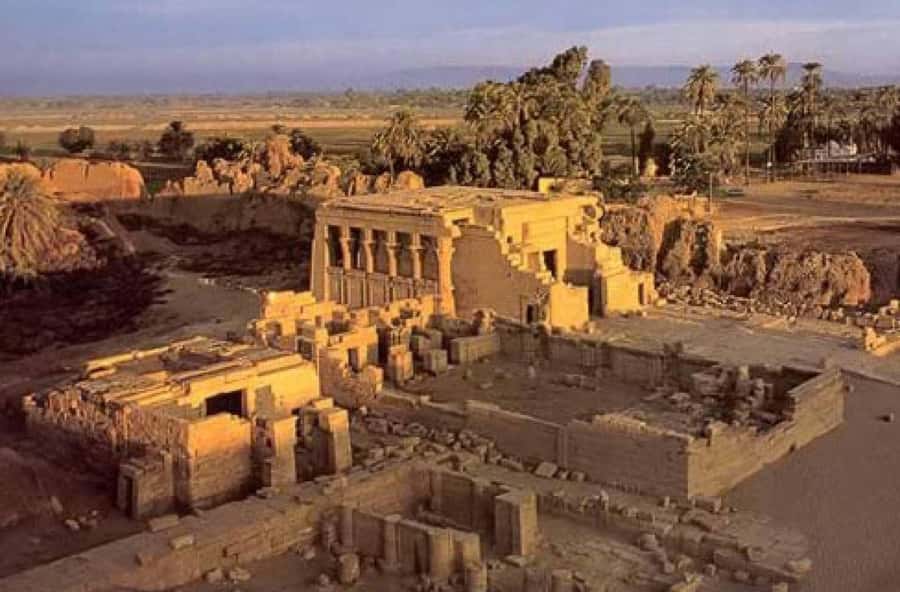
If you’ve already done Luxor’s classic hits like Karnak and the Valley of the Kings, this day trip scratches a different itch. Dendera and Abydos feel like they belong to the same ancient map, but they don’t feel identical when you’re standing inside.
At Abydos, the theme is the afterlife. The temple is tied to Osiris, the ancient Egyptian god associated with the underworld, and the belief that an important burial place exists there. That gives you a reason to pay attention to the way rooms, corridors, and images are arranged. It’s not just decoration. It’s a story machine.
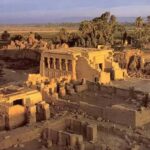
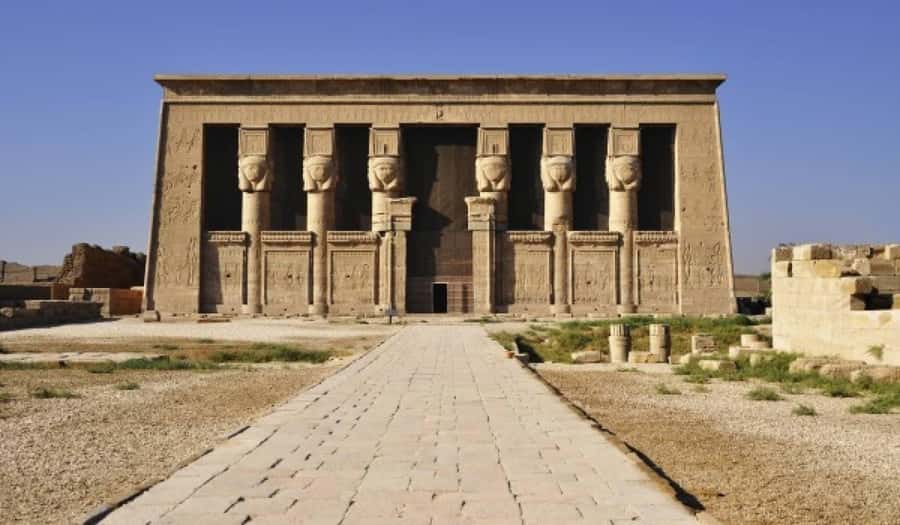
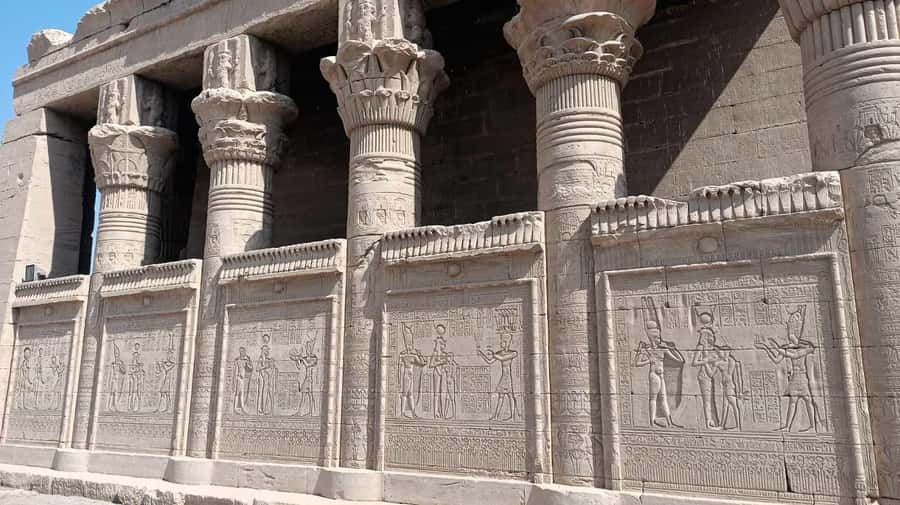
Then you shift north to Dendera. The Temple of Hathor is often described as exceptionally well preserved, with full color still visible on its walls. In practical terms, that means less squinting and guesswork. You can see patterns, scenes, and details that make the whole place feel close to its original look.
One reason this combo is so satisfying: both temples are famous for keeping features high and intact, including areas where you can still appreciate the quality of carving and painted surfaces. That’s a big difference from parts of Egypt where time has erased more of the fine work.
From Luxor Pickup to Temple Doors: The 10-Hour Logistics That Matter
This is built as a door-to-door day. You’re picked up from your hotel or Nile cruise in Luxor by your tour guide, then transferred in a private A/C vehicle. You also get hotel pickup and drop-off, which sounds basic, but it changes everything when you’re doing a far-out temple day.
The overall timing is about 10 hours, and your day is organized around guided time at both complexes. In other words, you’re not stuck in a long transfer with random stops. You get actual structured time to walk, ask questions, and take photos.
A tip that can make a real difference is the start time. Some guides strongly recommend an early departure (one traveler specifically praised a 6am start for getting quieter moments at Dendera). If you can choose, earlier often helps you avoid the hardest heat and get better temple photos with fewer people in the frame.
Also, this tour is set up to reduce friction: it includes skip-the-line entry. That matters because ticket lines can eat hours in peak seasons.
You can also read our reviews of more tours and experiences in Luxor.
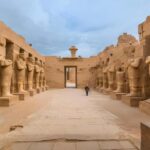
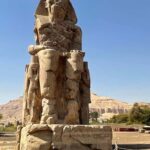
Abydos Temple of Seti I: Osiris, the Osireion, and the Wall Writing You’ll Notice
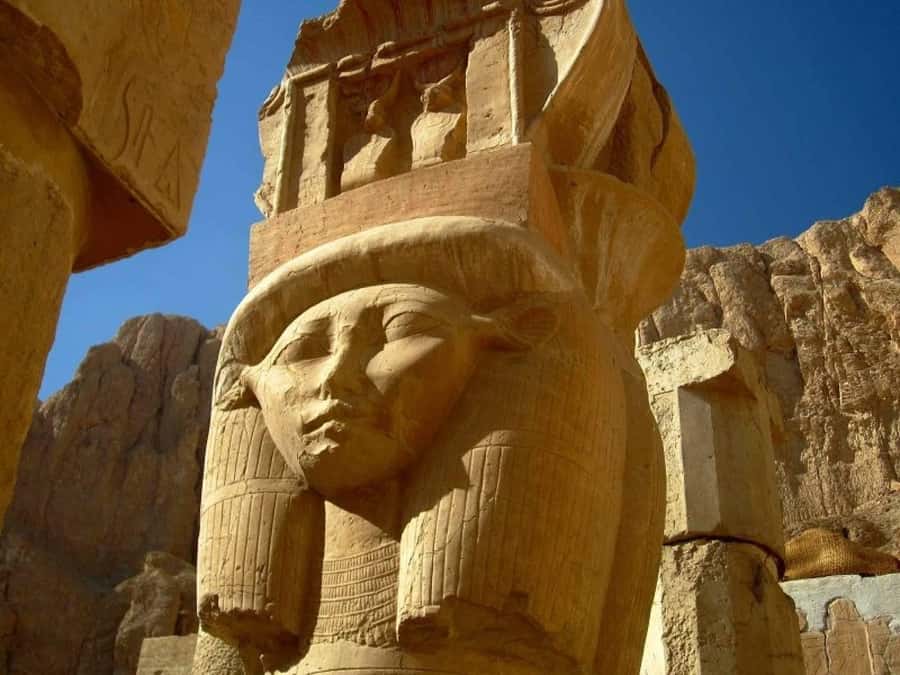
Abydos is the kind of place where the details feel like they reward your attention. You begin your guided time at the Abydos Temple complex, dedicated to the underworld and tied to Osiris mythology. If you like connecting myth to stone-and-carving reality, this is where the day clicks.
Here’s what makes Abydos memorable on a guided visit:
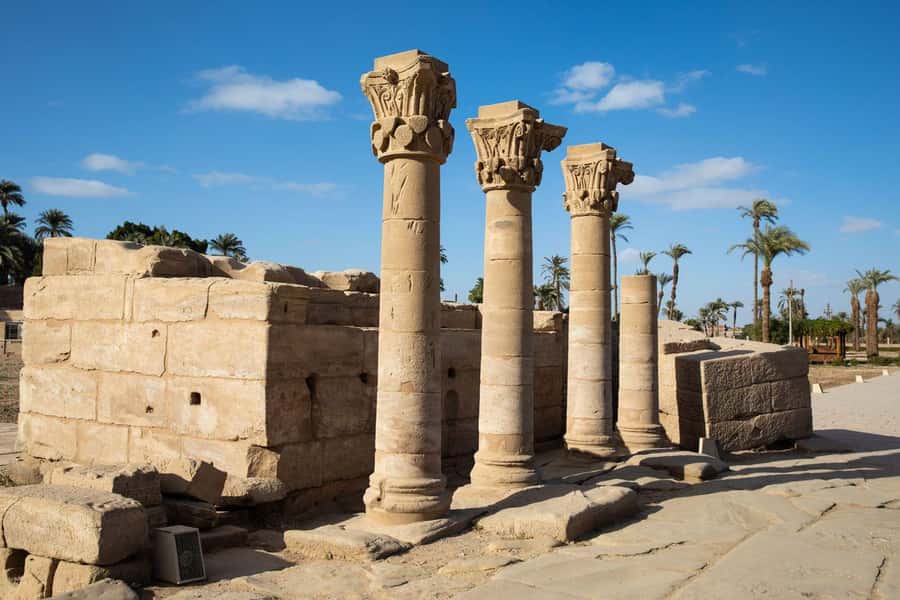
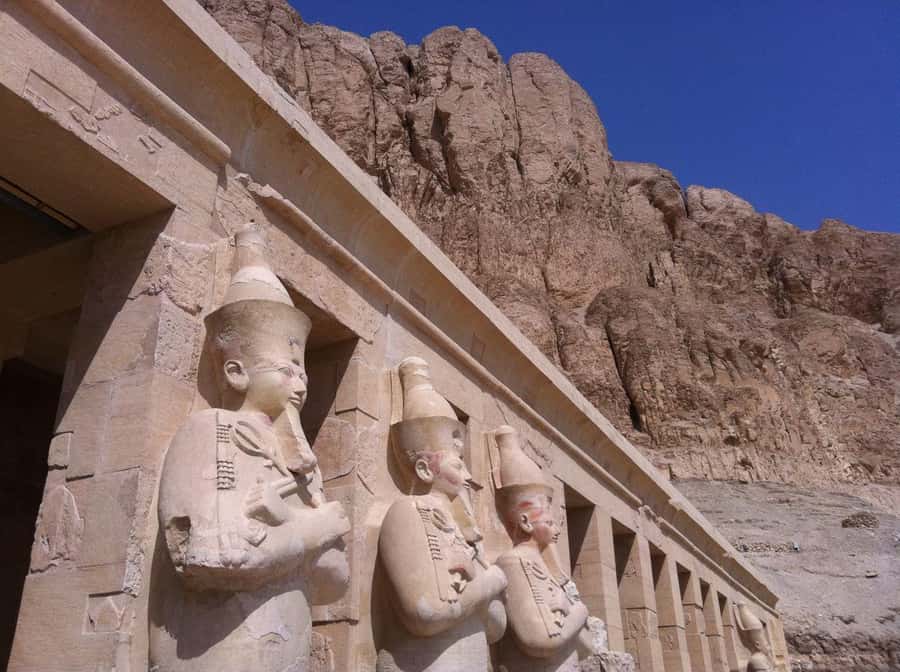
- The Temple of Seti I (Great Temple of Abydos) was built by Seti I and completed by Ramses II. That layering matters because you can often sense shifts in style and emphasis between reigns.
- At the rear of the temple complex sits the Osireion, a key element that adds depth beyond the main halls.
- One standout detail is the Abydos graffiti, including ancient Phoenician and Aramaic graffiti found on the temple walls. You don’t just see Egyptian art. You see evidence that people long after the pharaohs visited, wrote, and left their mark.
Why this is valuable for you: a guided explanation turns the site from “I walked around impressive ruins” into “I understand what I’m looking at.” When you’re given context for what the scenes and spaces are meant to represent, Abydos becomes easier to process in your head during the visit, not just later with photos.
If you’re the type who likes symbolism, ask your guide where to look first for the main themes inside the complex. In this kind of temple, your eye can wander fast. A good guide helps you aim your attention.
Dendera’s Temple of Hathor: Where Preserved Color Changes Your Experience
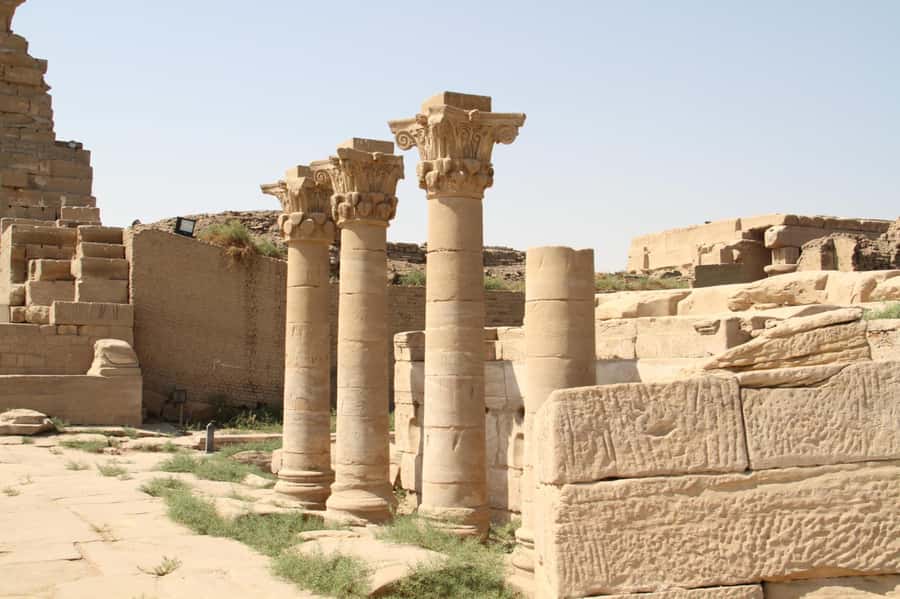
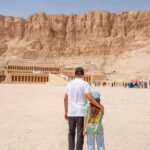
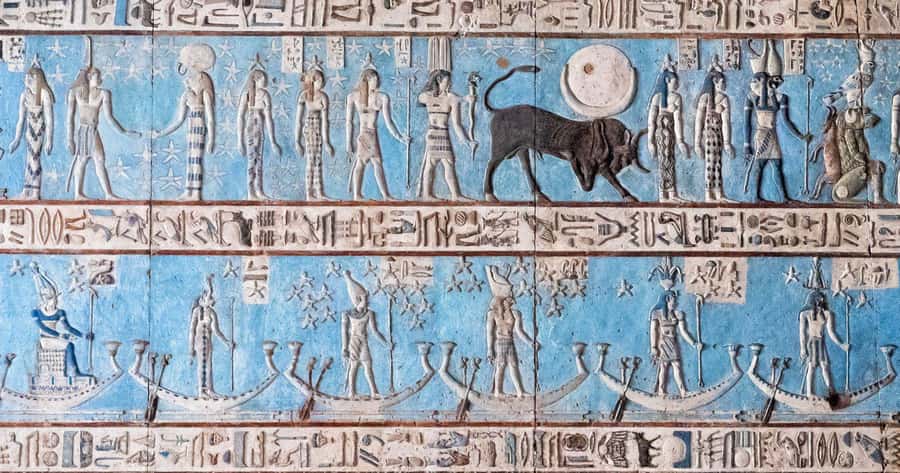
Dendera is often the highlight for good reason. The Temple of Hathor is described as possibly the best preserved in Egypt, with full color still visible on the walls. When color survives, it changes your whole perception. You don’t just see shapes and reliefs. You see contrasts and scene structure that help you understand the meaning behind the images.
Dendera is dedicated to Hathor, often associated with love and joy in ancient Egyptian belief. That’s not just a label on a sign. When you’re inside the space, you can see how Hathor’s role connects to the temple’s symbolism and iconography, and a guide can point out where the themes show up.
You’ll typically spend guided time here as well, and you should expect enough walking to feel you’ve actually been inside the complex, not only at the entrance. Some travelers noted that their guides allowed extra time and even helped them access higher viewing areas at Dendera, like second-floor or rooftop spaces, depending on what’s possible during the visit.
If photography matters to you, Dendera is a smart place to linger. Even people who found Luxor’s most famous sites busy often report that Dendera can feel less crowded, especially with an early start. More space means better photos and less stress when you’re trying to capture wall scenes.
Comfort on a Long Day: Heat, A/C, and When You’ll Actually Get Time to Breathe
This tour is built around a private transfer, which is the difference between tolerating the day and enjoying it. You have an A/C car, and that’s a must for a Luxor-to-temples day because you’re out in the countryside for much of it.
Still, plan for the long day. One traveler described a very hot day around 47°C and noted constant cold water stops. That’s the kind of practical detail that matters: not just having water included, but actually taking breaks before you burn out.
What I suggest you do to make the ride easier:
- Wear something light but sun-protective (hat, sunglasses, breathable layer).
- Keep water within reach during transfers.
- If you’re prone to fatigue, choose the earliest start you can.
Also, some guides incorporate short breaks and quick food stops. One traveler specifically mentioned falafel between sites, which helped because lunch was later on the schedule. That’s a smart strategy when you’re balancing a full temple day with food timing.
Lunch That Feels Local: What’s Included and What Might Cost Extra
Lunch is included, and it’s usually eaten at a local restaurant as part of the day. The food can be simple but satisfying, and travelers mentioned traditional Egyptian meals like falafel and sweet potato. The point isn’t gourmet cooking. It’s fueling you so you can keep walking through temple halls without getting cranky.
Bottle water is included as well. That’s important in Egypt, where the weather and sun can hit hard even if you’re not directly in the blazing exposure for hours.
One small caution: drinks during lunch may cost extra at the restaurant. That’s normal, but it’s worth knowing so you don’t get surprised when you sit down.

The Real Difference: Your Egyptologist Guide and How They Change What You See
The best thing about this tour isn’t only the temples. It’s the way the tour is guided.
You’ll have a private licensed English-speaking Egyptologist guide, and the tour is built around explaining what you’re seeing while you’re seeing it. That’s exactly why so many people talk about their guides by name.
In the reviews data you shared, several guides came up again and again, including Dr Mike or Dr Michael, Bahget, Sahra, Omar, Peter, Tayeh, Hamid, Ashraf, and Bahgat. People specifically praised them for:
- making the past feel real through clear storytelling
- helping with hieroglyph and symbol interpretation
- being patient and not rushing you out of spaces
- giving practical photo help, like where to stand for better angles
- letting you shape the day around what you care about most
Drivers also get credit when the day goes smoothly. Names that appeared include Abo Nofel, Sajid, Abu S, Mahmoud, Kaleb, Adam, and Marmoud. When your driver is steady and punctual, it reduces stress, and that matters on a long travel day.
One extra thing to note: some guides may recommend an alabaster shop or other sales stops as part of the day. One traveler called out an overpriced shop experience and explained how to handle it by simply skipping that stop if you don’t want it. My advice: decide in advance whether you want to shop. If not, it’s totally reasonable to say no and keep your time for the temples.
Skip-the-Line Entry and Entrance Fees: Time You’ll Feel Right Away
This tour includes entrance fees to the mentioned sites and skip-the-ticket-line access. That combo is where value becomes real, because your time in Egypt is limited and temple visiting is schedule-based.
Without skip-the-line entry, you can lose momentum waiting at gates. With it, you get moving while your energy is still high. For a day that already has two major sites, that efficiency helps a lot.
You’re also not piecing together tickets across multiple organizations. The day is handled as one connected experience, which is exactly what you want when you’re traveling.
Price and Value: Is $80 Worth It?
At $80 per person, this day trip can feel like a deal if you compare it to doing it independently. Here’s what’s included in your cost:
- private A/C transportation with hotel pickup and drop-off
- a private licensed English-speaking Egyptologist guide
- entrance fees to the temples
- lunch
- bottle water
What you’re really paying for is not only transport. It’s the guide time and the friction removed. Guide explanations at Abydos and Dendera can easily be the difference between “great photos” and “I actually understood what I saw.”
Also, the day is set up as a private group, not a packed bus. That typically means better pace control and fewer awkward moments when someone lags or everyone wants photos at the same spot.
If you’re the kind of traveler who likes independent wandering, this won’t replace that style. But if you want a structured day where the temples make sense and you don’t waste time, $80 can be good value.
Who This Luxor Day Trip Is Best For
This tour fits best if you want:
- a quieter, less crowded temple feel compared to the most famous Luxor sites
- two high-impact complexes in one day
- guided explanations that connect Osiris mythology and temple symbolism to what you’re seeing
- a private day with A/C comfort and fewer hassles
It’s also a good match for photographers because both Dendera and Abydos give you wall scenes that benefit from slower attention. If you hate rushing, choose the early start and then lean into the guided pacing.
If you get motion sick or hate long car rides, this may feel like a tough day. The comfort helps, but it is still a long schedule.
Should You Book This Dendera and Abydos Day Tour?
I think you should book this tour if you have one full day in Luxor and you want something that feels different from the usual temple checklist. Dendera’s preserved Hathor temple walls and Abydos’s Seti I complex with the Osireion and ancient graffiti make this pairing unusually memorable.
Book it especially if you care about explanations and want your questions answered on the spot. Many visitors in your data highlighted that the day felt relaxed and flexible with guides like Dr Mike/Dr Michael, Bahget, Sahra, Omar, Peter, and Tayeh, who helped them learn more than they expected.
Skip or reconsider if you’re not comfortable with a long day away from Luxor. Also think twice if you dislike shopping stops. You can always focus on the temples and decline extra purchases.
If you can choose your start time, go early. It’s the simplest way to feel more calm inside both complexes and make the day feel less rushed.
FAQ
Which temples are included in this Luxor day tour?
The tour visits Abydos Temple (including the Temple of Seti I and the Osireion) and the Temple of Hathor at Dendera.
Where do you get picked up in Luxor?
Pickup is from your hotel or Nile cruise in Luxor, within the Luxor Governorate area.
How long is the tour?
The duration is 10 hours.
Is this tour private, and is transportation air-conditioned?
Yes, it is a private group tour, and you travel in a private A/C vehicle.
What’s included for the guide and temple access?
You get a private licensed English-speaking Egyptologist guide, and entrance fees to the mentioned sites are included.
Is lunch included?
Yes, lunch is included, along with bottle water.
What languages can the guide speak?
The guide can speak Arabic, English, and German.
Do I need to budget for tipping?
Tipping is not included.
Is free cancellation available?
Yes, you can cancel up to 24 hours in advance for a full refund.