REVIEW · LUXOR
From Safaga Port: Trip To Luxor
Book on GetYourGuide →Operated by Ramses tours · Bookable on GetYourGuide
Four temples in one long day. You get a guided Luxor outing built around the big-name sites: Karnak Temple and the Valley of the Kings, with an Egyptologist bringing it to life as you move. I also like that the day feels “complete” in practical ways, with air-conditioned round-trip transport, lunch, water, and all entry fees included.
One thing to plan for: if you want a very specific live language (like German), the live Egyptologist may not match your preference. The tour runs with a live guide in English and Arabic, with audio support in many other languages.
In This Review
- Key highlights you’ll actually care about
- Safaga Port to Luxor: the long-day reality and why it works
- Karnak Temple and the Hypostyle Hall: where scale becomes the point
- Lunch break in Luxor: a real pause, not a rushed stop
- West Bank classics: Colossi of Memnon and the scale check
- Valley of the Kings: tombs cut into rock, with treasures for the afterlife
- Hatshepsut at Deir el-Bahari: terraces, limestone cliffs, and a rare queen
- Egyptologist guide quality: what makes the day feel worth it
- Private vs shared: choosing the right pace for your style
- Skip-the-ticket line and the audio guide: how to reduce friction
- Price and value: is $190 a good deal for a Luxor day?
- Who should book this Luxor day trip from Safaga Port?
- Should you book Ramses tours for Luxor from Safaga Port?
- FAQ
- FAQ
- Where does the tour start and end?
- How long is the trip?
- What major sites are included?
- Is lunch included?
- What’s included in the price besides the guide?
- What languages are available for the guide and audio?
Key highlights you’ll actually care about
- Egyptologist-led touring: You’re not just looking at walls; you’re getting guided explanations as you go.
- Karnak Temple and the Hypostyle Hall: Giant pillars, and the story of how the complex grew over time.
- A packed West Bank route: Colossi of Memnon, then the Valley of the Kings before Deir el-Bahari.
- Hatshepsut Temple at Deir el-Bahari: Terraces rising out of the desert plain and meeting the limestone cliffs.
- Lunch plus water included: Fewer decisions for you, and less “what now?” during a long day.
- Up to 30 people: Shared option can be great value, but you still move as a group.
Safaga Port to Luxor: the long-day reality and why it works

This is a straightforward shore-excursion-style day: you start at Safaga Port, ride into Luxor in an air-conditioned van or car, and come back to the port at the end. The duration is listed as 12 hours, so it’s not a quick hop. But the upside is you get a real “greatest hits” loop in one go: Karnak, the West Bank monuments, and Hatshepsut’s temple.
What I like about this setup for you: it’s structured enough that you can focus on the monuments, not on logistics. Once you’re in the vehicle, you’re already in guide mode. You’ll spend about 3 hours traveling to Luxor while your guide explains what you’ll see. That matters, because Luxor’s sites don’t “click” on their own. Having context before you hit the stone makes the day feel less rushed and more meaningful.
The small trade-off is physical. Even if the transportation is comfortable, the day is long, and you’ll want to pace yourself once you’re walking. If you’re the type who gets tired fast in heat, bring sensible sun protection and plan for short breaks when the guide pauses.
You can also read our reviews of more tours and experiences in Luxor.
Karnak Temple and the Hypostyle Hall: where scale becomes the point
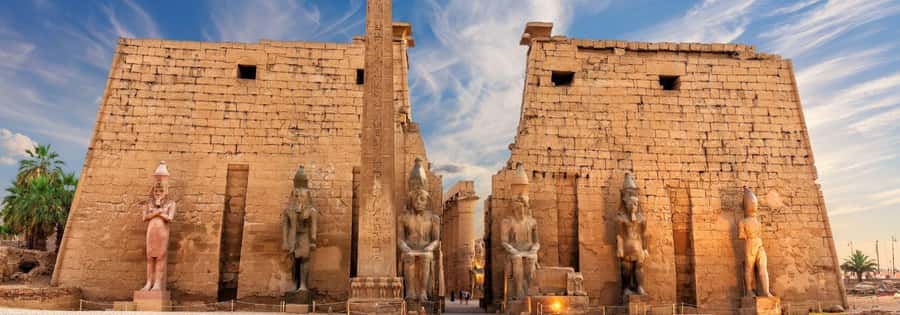
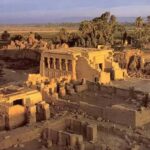
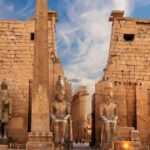
Karnak Temple is the first big wow moment, and the tour leans into it. You’re taken to the Karnak Temples, described as the largest place of worship ever built and a major example of worship in history. That’s marketing language, sure. But it’s also a fair warning: this place is about size and complexity.
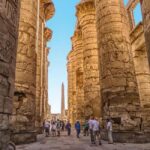
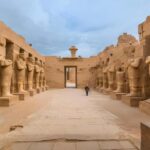
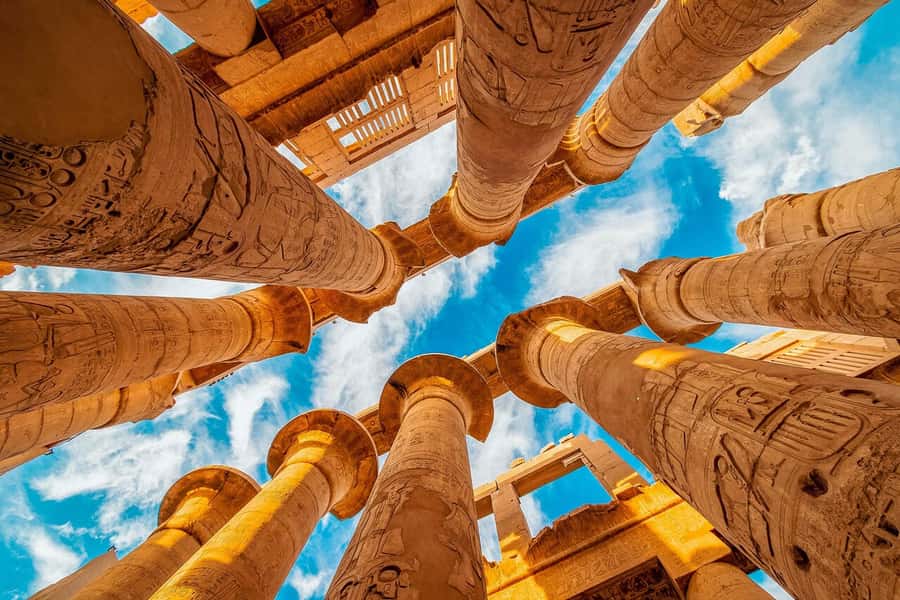
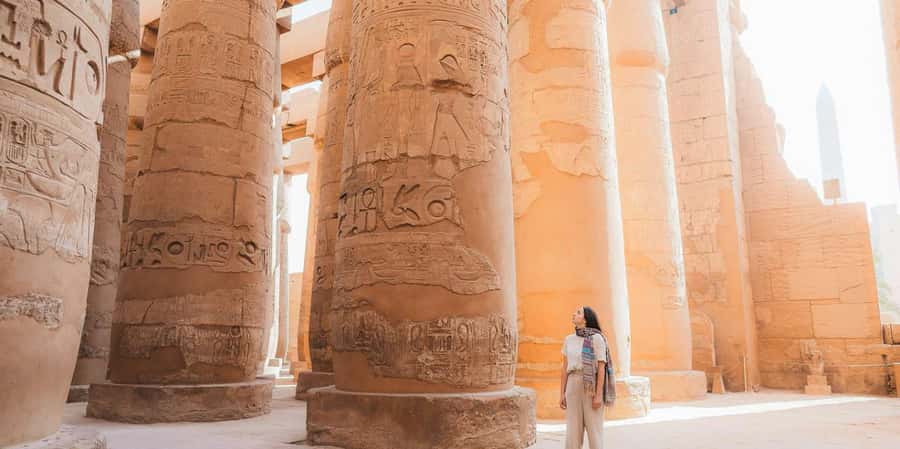
Inside the complex, you’ll see the Hypostyle Hall, a forest of giant pillars. This is one of those spaces where you don’t just look forward. You notice the way the columns repeat, how the ceiling space feels like it goes on forever, and how quickly your brain shifts from sightseeing to orientation.
A special value here is the way the guide frames the complex’s construction across eras. Your Egyptologist tour includes the idea that Karnak grew from the Middle Kingdom through the Greco-Roman period. That timeline context helps you stop thinking of Karnak as one building and start seeing it as a long project that different rulers shaped over time.
Practical tip for you: arrive mentally ready for “stone on stone.” If you’re expecting a single neat highlight, Karnak will feel bigger than your expectations. Give yourself permission to slow down for 5 minutes inside the Hypostyle Hall area. That’s where the scale starts to make sense.
Lunch break in Luxor: a real pause, not a rushed stop
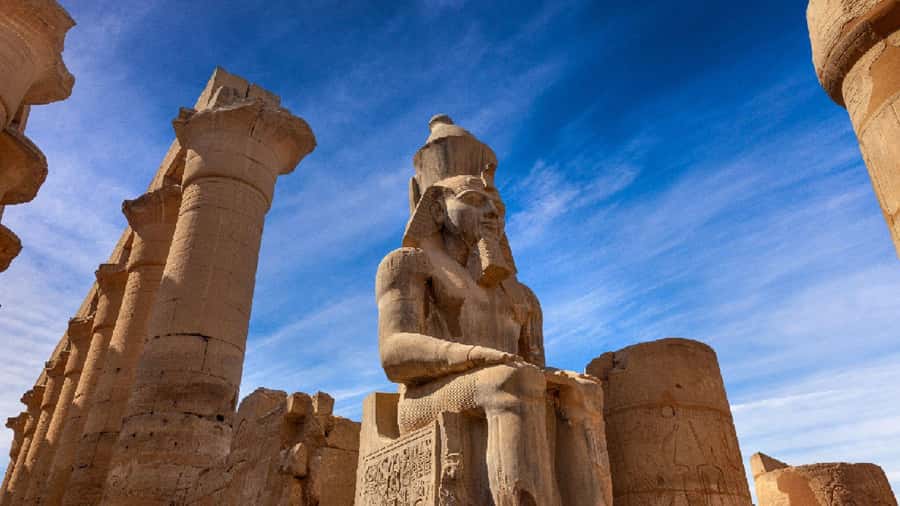
After Karnak, the plan includes lunch at a local restaurant. The key detail is that lunch is included in the price, so you’re not burning your limited time at Luxor trying to find something that fits your budget or dietary needs.
This also gives you a chance to reset your day. Karnak can be intense—heat, crowds (even in a group), and lots of walking. A sit-down meal helps you keep energy for the West Bank stops, especially since the itinerary continues to Colossi of Memnon and then the Valley of the Kings.
If you’re sensitive to heat, use lunch to do two things: drink water and eat something steady. You don’t want your afternoon momentum to depend on luck.
West Bank classics: Colossi of Memnon and the scale check
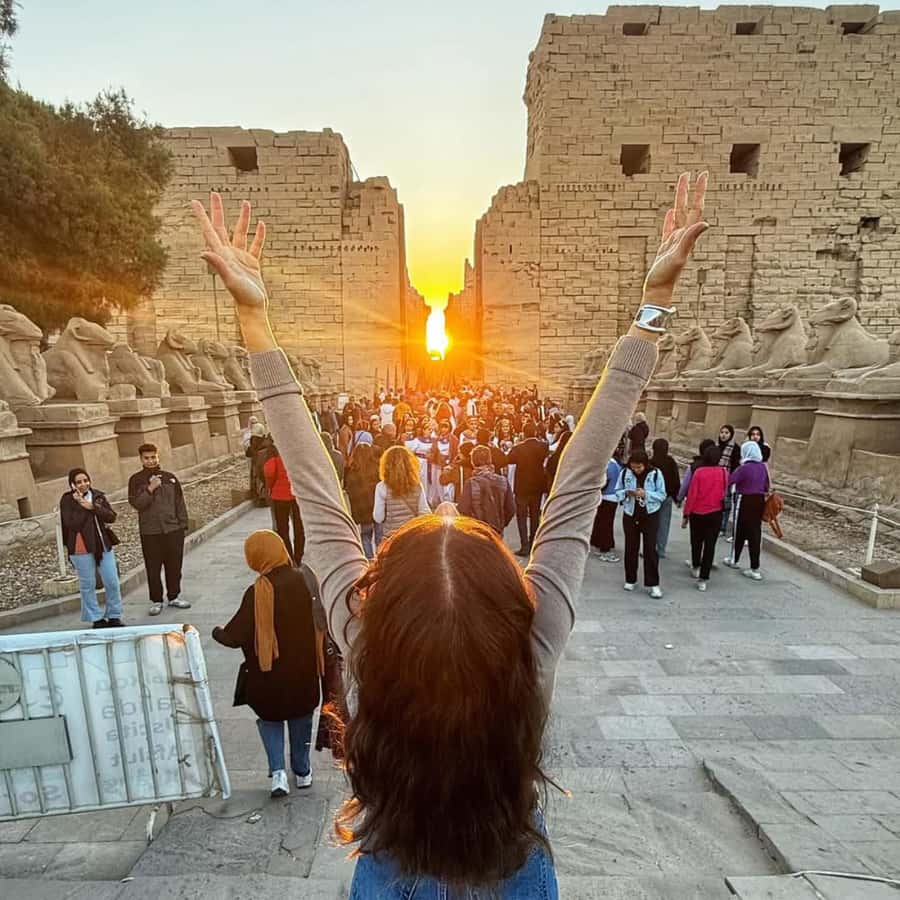
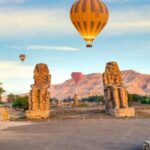
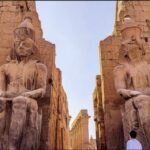
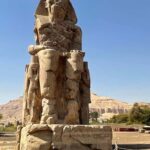
Next up is the West Bank of the Nile, where you visit the Colossi of Memnon—two colossal statues of Amenhotep III. Even though the statues are only two main figures, the “colossal” label is earned. This stop is less about maze-walking and more about scale.
Why this matters: it’s a good bridge between Karnak’s pillar maze and the Valley of the Kings, which is all about tombs cut deep into desert rock. Seeing giant statuary first helps your brain calibrate before you switch gears.
Your guide also connects the statues to pharaoh history. Even if you’re not a walking museum encyclopedia, that framing helps. You’re not just collecting photo locations; you’re building a mental map of how different parts of Luxor relate.
Practical tip: this is a good moment to take photos quickly and then look around. The statues work best when you notice their setting and how they sit in the wider West Bank area.
Valley of the Kings: tombs cut into rock, with treasures for the afterlife
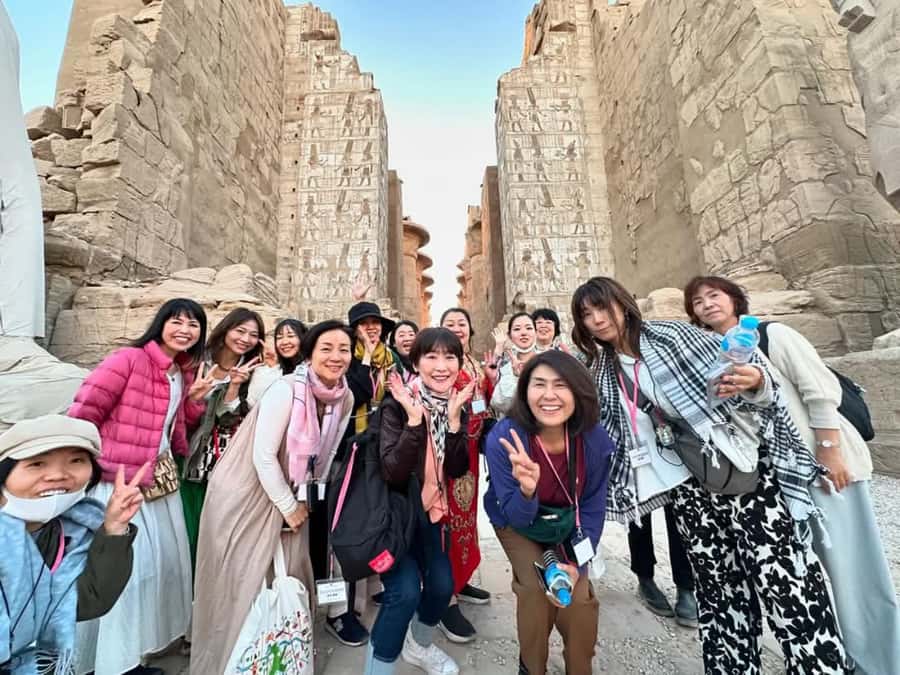
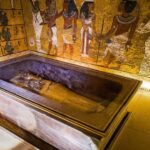
The itinerary then takes you to the Valley of the Kings, where tombs of ancient kings were discovered. The tour description emphasizes that the tombs are curved deep into the desert rock and richly decorated, filled with treasures for the afterlife of the pharaohs.
Here’s how to make the most of this stop: treat it like a guided storytelling moment, not a checklist. When your Egyptologist points out what to look for, you start seeing the tombs as a system of beliefs and design choices—not just carved chambers.
Drawback to be aware of: Valley of the Kings areas can feel compressed and busy compared with open-air monuments. If you like space and slow wandering, this stop can be mentally demanding. The fix is simple: listen closely during the guided moments, then step back when you need a breath before the next cluster of viewpoints.
If you’re traveling with camera patience, this is also where you’ll want it. Luxor photography often means timing, light, and not rushing your framing.

Hatshepsut at Deir el-Bahari: terraces, limestone cliffs, and a rare queen
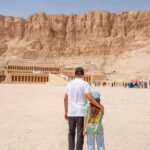
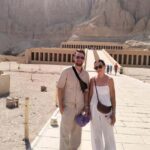
After the Valley of the Kings, you visit Hatshepsut Temple at Deir el-Bahari. This is one of the most distinctive parts of the day because it’s described as rising out of the desert plain in a series of terraces. It also merges with the sheer limestone cliffs that surround it.
What I like for you: this stop isn’t just about individual carvings. It’s about the architecture behaving like theater. Terraces create levels, and the cliff setting adds drama. Your guide can help you understand why this kind of design would matter to someone building for legacy and worship.
And it has a built-in hook: Hatshepsut is described as the only female pharaoh. Even if you already know the name, a guided visit is where that fact becomes more useful than trivia. The temple’s scale and presence do the talking.
Practical tip: Deir el-Bahari can feel hotter and more exposed than some other areas. Wear sun protection you actually trust, and don’t skip water. The tour includes water, but you still want to pace how you drink during outdoor time.
Egyptologist guide quality: what makes the day feel worth it
The biggest value lever here is the Egyptologist guide. The tour is built around live guidance, and that changes the experience from sightseeing to understanding.
In the feedback I’ve seen around this route, the standout theme is that guides pay attention to the group and help people get what they came for. One guide name that shows up is Ahmed, who’s described as careful to make sure each person saw or did what they wanted. That kind of follow-through matters on a schedule like this, because it’s easy for a group tour to become a “walk-fast, see-quick” pattern.
Also, pay attention to the driver and timing. Another practical strength mentioned is a skilled, courteous driver who keeps things moving. On a long day from a port, smooth transportation isn’t a luxury—it’s what keeps you from arriving frazzled.
Private vs shared: choosing the right pace for your style
This tour offers a choice between private and shared. If you’re traveling solo and want flexibility without planning a group ahead, the shared option can be a smart value move. When it’s done well, shared doesn’t feel crowded; it just means you follow the group’s rhythm.
If you’re the type who likes extra time in one spot—maybe you want more time around Karnak pillars or you want to linger for photos at the Colossi—private can be the better fit. With private, your guide can often adjust pacing within the same overall route.
For a group capped at 30 travelers, you’re not in endless crowd territory. Still, it’s not a silent museum date either. Decide whether you want an energy level that’s social and guided, or calmer and slower.
Skip-the-ticket line and the audio guide: how to reduce friction
Two logistics upgrades make this day easier to execute: skip the ticket line and an audio guide option.
Skipping the ticket line helps you lose less time to queues, which is a big deal when the itinerary is tight and the day is 12 hours. Audio guidance is also valuable because the live guide language runs with English and Arabic. If you’re not comfortable in those, the audio guide is included and listed as covering many languages (so you can match your preferred language support).
If you do rely on the audio, don’t treat it as background noise. Use it at key monuments while you’re standing still. That’s when you’ll notice the difference between hearing facts and actually connecting them to what you see.
Price and value: is $190 a good deal for a Luxor day?
At $190 per person, this tour isn’t a budget impulse buy. It’s priced as a full-day, guided shore excursion with transportation, entry fees, water, and lunch bundled in.
So the value question comes down to one thing: how expensive would it be for you to replicate this independently while also paying for an Egyptologist guide and handling entry tickets efficiently? Even without calculating every detail, you can tell why the package price makes sense for many people. You’re buying three big pieces:
- guided expertise with an Egyptologist,
- air-conditioned round-trip transport from Safaga Port,
- and included entry fees plus lunch.
If you’re traveling in a group or you’re the kind of person who wants everything handled, the package price can feel fair. If you’re a solo traveler who’s comfortable with public transport and self-guided planning, you might compare costs—but you’d also be trading away the built-in interpretation and time saved.
Who should book this Luxor day trip from Safaga Port?
I’d point you toward this tour if:
- you want the classic Luxor highlights in one day,
- you like guided context more than freeform wandering,
- you prefer the simplicity of included entry fees, lunch, and transport.
I’d think twice if:
- you strongly need a specific live language that may not be available,
- you dislike long days or prefer slower, more flexible pacing.
Also, if you care about your language support, plan for the reality of English and Arabic live guiding. Use the audio guide option to cover the rest.
Should you book Ramses tours for Luxor from Safaga Port?
If your goal is a well-run Luxor highlights day that saves you from queue hassle and keeps the story moving, this looks like a solid choice. The route includes the big monuments people come for—Karnak Temple with the Hypostyle Hall, the Valley of the Kings, Colossi of Memnon, and Hatshepsut Temple at Deir el-Bahari—plus the comfort of air-conditioned transport, water, and lunch.
The main decision point is language and pacing. If you’re comfortable with English/Arabic live guiding (or you’ll use the audio guide), you’ll likely find the day delivers what you want. If you need a specific live language and you can’t compromise, double-check how language support will work for your date.
FAQ
FAQ
Where does the tour start and end?
The tour starts at Safaga Port, where you meet your guide with a sign that has your name on it. It also finishes back at Safaga Port.
How long is the trip?
The total duration is listed as 12 hours.
What major sites are included?
You’ll visit the Valley of the Kings, Karnak Temple, Colossi of Memnon, and Hatshepsut Temple at Deir el-Bahari.
Is lunch included?
Yes. Lunch is included, served at a local restaurant during the day.
What’s included in the price besides the guide?
The tour includes round-trip air-conditioned transportation, an Egyptologist guide, all entry fees, water, and lunch.
What languages are available for the guide and audio?
The live guide is listed as English or Arabic. Other languages depend on availability, and an audio guide is included in many languages.