REVIEW · LUXOR
Hurghada: 2-Day Luxor Tour with Hotel, Balloon, & Boat Ride
Book on GetYourGuide →Operated by Nice Tours · Bookable on GetYourGuide
Sunrise in a balloon changes everything in Luxor. This 2-day jump from Hurghada stacks the big Luxor hits—hot-air balloon at sunrise, the East and West Bank temples, plus a Nile felucca ride—without you wrestling maps or timing.
What I like most is how much is handled for you: pickup/transport in a comfy vehicle, meals lined up, and an English-speaking guide ready to connect the dots. I also like that you get real variety, from Karnak’s giant scale to the Valley of the Kings and the view from the Nile.
One thing to keep in mind: balloon schedules can be weather-dependent, and the included 4-star hotel experience can vary by room and noise level, so it’s smart to pack with that in mind.
In This Review
- Key Things I’d Watch For
- Hurghada to Luxor: a fast ride that keeps you moving (without driving)
- Luxor Temple and Karnak: how the East Bank makes ancient Egypt feel huge
- Lunch, hotel drop-off, and the reset before the Nile
- Sunset felucca on the Nile: authentic style, not a full production
- Sunrise hot-air balloon: the main event, weather-aware
- Valley of the Kings: tombs, stories, and choosing your moments
- Hatshepsut’s Mortuary Temple: architecture that tells you why power mattered
- Colossi of Memnon and camel ride: iconic photos plus village color
- Meals and hotel stay: what’s included, and what you should expect from 4-star
- Price and logistics: does $270 feel fair?
- Getting the most from the day (and fewer hassles)
- Should you book this Luxor balloon-and-felucca tour?
- FAQ
- What’s the duration of the tour?
- What’s the price per person?
- Where do you get picked up from?
- What time is pickup on Day 1?
- What’s included in the tour package?
- What meals are included?
- Are entry fees included?
- Is the hot air balloon ride suitable for children?
- How does cancellation work?
Key Things I’d Watch For
- Sunrise hot-air balloon over Luxor: the flight is treated as the centerpiece, with balloons filling and lifting right on schedule when weather cooperates.
- East Bank temple power: Luxor Temple sets the mood, then Karnak delivers the massive “how did they build this?” feeling.
- West Bank hits in a tight plan: Valley of the Kings tombs, Hatshepsut’s Mortuary Temple, and Colossi of Memnon for classic photo angles.
- Felucca at sunset: a real Nile sailing moment, typically shorter and simpler than a full-on cruise, but very atmospheric.
- Guides can make or break the day: in past tours, guides such as Hassan, Aladdin, Hamdy, and Miriam have earned strong praise for storytelling and pacing.
- Hotel quality can be inconsistent: some guests reported small rooms or noise; breakfast was commonly described as solid.
Hurghada to Luxor: a fast ride that keeps you moving (without driving)
You start early. Day 1 pickup from Hurghada is at 5:00 am, followed by about a 4-hour private car ride to Luxor. The value here is simple: you’re not spending your day guessing transport, timing, or where to stop for snacks. You just show up, and the day flows.
You also get a useful rhythm. After the first temple-packed afternoon, the plan includes a hotel drop-off and rest before the sunset Nile portion. On Day 2, you check out early with your luggage, then head straight into the sunrise balloon window—so you don’t waste precious daylight.
Practical note: this is a “two big days” schedule. If you hate early mornings, or if you want long unstructured hours in each site, you may feel the pace. But if you like tight planning that still leaves room for photos, it’s a good fit.
You can also read our reviews of more boat tours in Luxor
Luxor Temple and Karnak: how the East Bank makes ancient Egypt feel huge
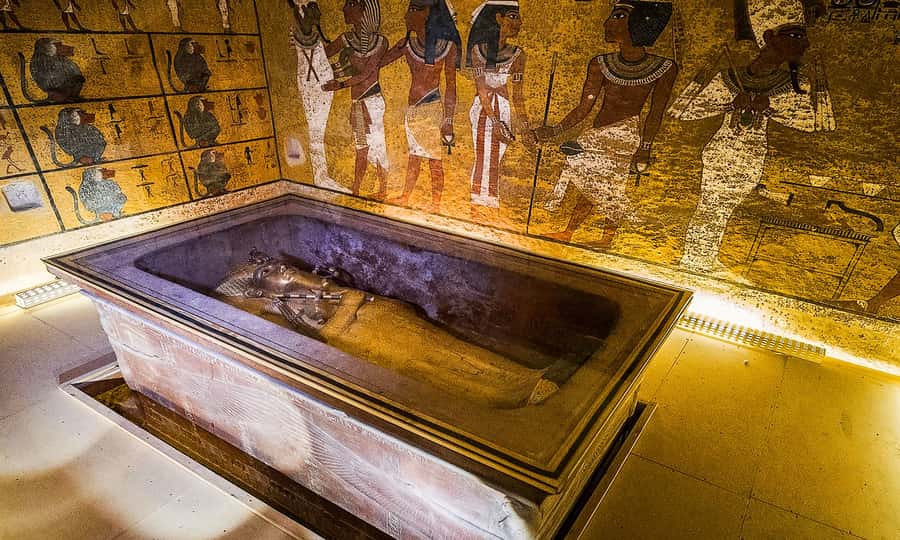
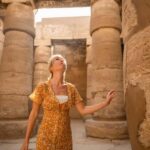
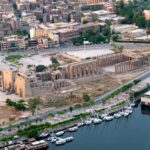
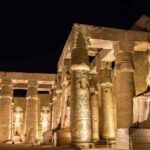
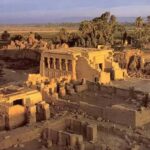
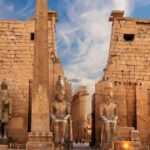
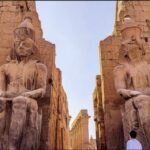
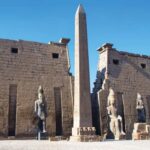
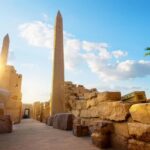
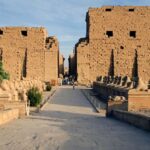
The East Bank start works because it builds atmosphere fast. You go to Luxor Temple first, a monumental complex associated with pharaohs over many centuries. It’s not just one-era decoration—it’s layered with rulers like Amenhotep III and Ramses II, plus later connections in the temple story. Even if you’re not a hardcore Egypt-history person, the scale and layout help you understand why this area mattered.
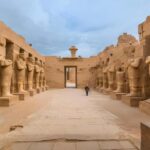
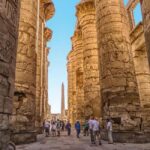
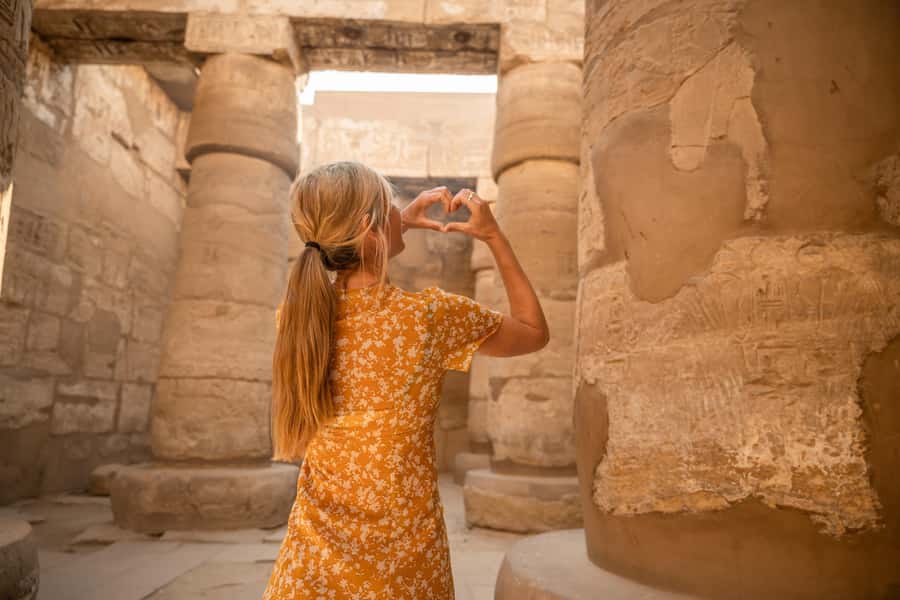
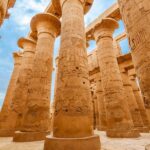
Then comes Karnak Temple, which is where the wow factor really hits. You’re looking at a massive temple complex where multiple pharaohs added their own constructions over time. The key idea you’ll want to listen for from your guide is that Karnak wasn’t only one temple for one god. It held major precincts tied to Amun-Re, and also areas associated with Mut and Montu.
What makes this stop worth your time is the combination of:
- architectural scale (you feel how big “religion” looked here)
- guided context (it helps you make sense of the ruins instead of just staring at stones)
If you happen to get a guide known for strong explanation—some tours have featured guides such as Hamdy, Hassan, Roman, or Aladdin—the temples tend to turn into a story you can follow, not a checklist.
Lunch, hotel drop-off, and the reset before the Nile
Between temples and the Nile ride, you get lunch on Day 1 at a local restaurant. That matters because you’re traveling from Hurghada early, and skipping meals is a quick way to turn ancient sites into a cranky blur.
After Karnak, the driver drops you at your included 4-star hotel in Luxor for a rest before pickup for the felucca ride. This is one of the smartest parts of the plan. You’re not stuck doing temple-to-temple with zero downtime, and you can recharge before sunset.
One caution from real-world experience: hotel rooms can vary. Some guests have mentioned that rooms were small, noisy, or had cigarette smells, even when breakfast was described as good. You can’t always predict that. If you’re sensitive to noise or strong odors, ask about room location when you arrive and plan to keep your expectations flexible.
Sunset felucca on the Nile: authentic style, not a full production
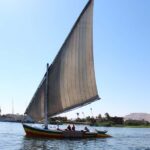
At sunset, you’re picked up again for an included felucca ride on the Nile. This is the kind of activity that feels “Egyptian” in the best way: a traditional sailboat experience where you’re watching the river move while Luxor’s lights and silhouettes build in the background.
The upside is the mood. A Nile ride at dusk is perfect for photos with friends or family, and it gives your day a softer edge after the hard angles of temples.
The possible downside is that it can feel short and simple. At least one guest felt the ride was quick and without entertainment, and suggested skipping it. That doesn’t mean it’s bad—it just means it’s not a long sightseeing cruise with a show.
If you know what you’re signing up for—quiet river time and classic views—you’ll probably enjoy it more.
Sunrise hot-air balloon: the main event, weather-aware
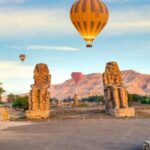
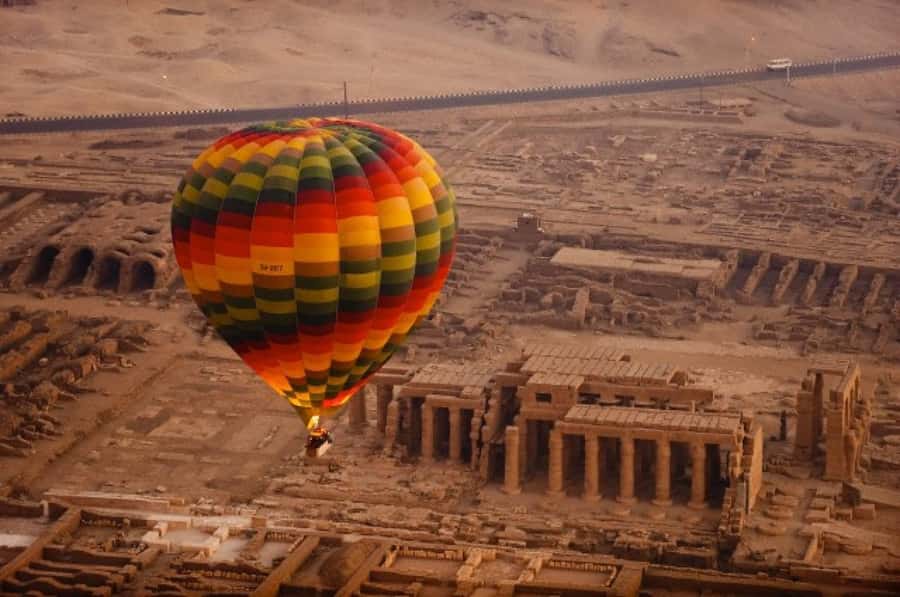
Day 2 is built around the sunrise flight. You get an early pickup, check out with luggage, and then head to the hot-air balloon airport. You’ll watch balloons get filled with hot air, then lift into the sky.
This part is famous for a reason: the view of Luxor as a city-sized open-air museum is exactly what you want from a balloon. From above, it’s easier to see how the temples sit in the wider layout of the city and how the West Bank story connects with the East Bank ruins.
A key practical reality: balloon flights can be disrupted by weather. One guest reported their balloon ride was canceled due to conditions, which turned the day more rushed. That’s not something any tour can fully control. What you can do is keep your morning patience and accept that wind and safety checks come first.
If your goal is the single best photo moment, this is it. Even people who usually don’t care about balloons tend to love the calm, wide-angle perspective.
You can also read our reviews of more tours and experiences in Luxor

Valley of the Kings: tombs, stories, and choosing your moments
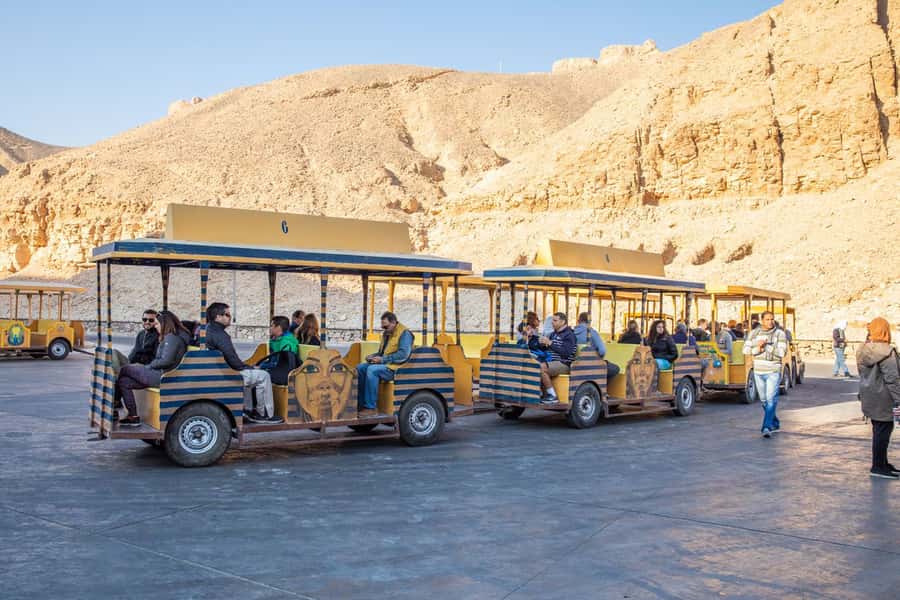
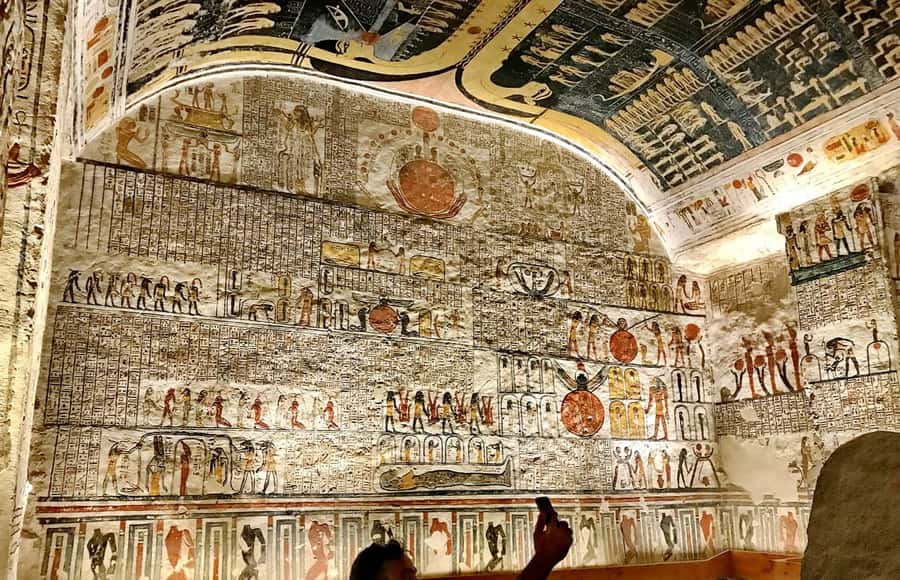
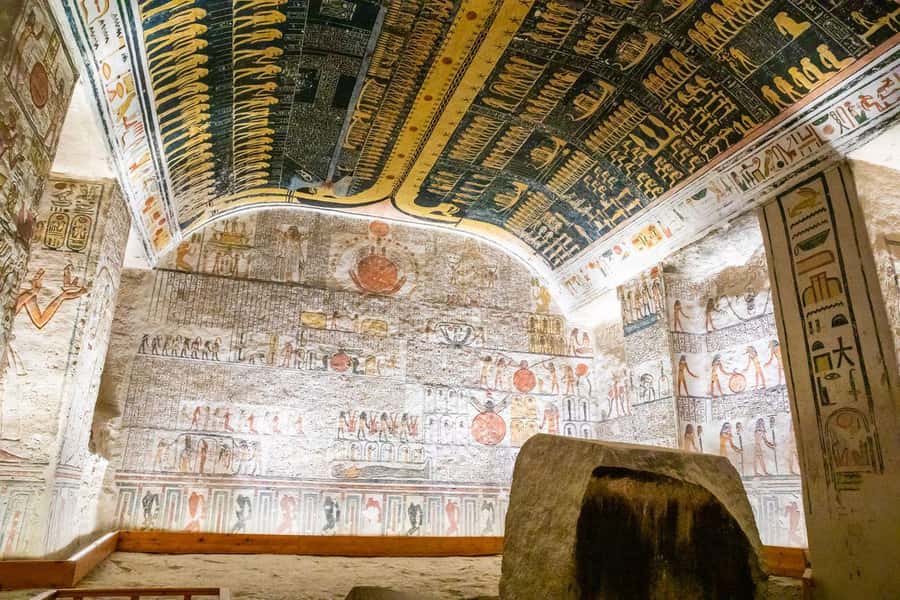
After the balloon, you head to the West Bank. First stop is the Valley of the Kings, once described as a necropolis of royal tombs. The planning advantage here is focus: you’re visiting a concentrated set of major sites on a schedule that still allows time to look and take photos.
What makes this location click is variety. The Valley of the Kings includes many tombs with different designs and themes. With a good guide—some have been described as “like a history teacher” with excellent English—you’ll get explanations that make the carvings feel intentional, not random.
You’ll want comfortable shoes. The Valley areas can mean uneven steps and walking in heat. Bring water and a hat, and keep an eye on your pace so you don’t burn out before the best viewpoint moments.
If you’re with a guide who can recommend which tombs to prioritize, that can save time and keep your energy where it matters most. Several guides mentioned in past tours were praised for directing people to the most impactful stops.
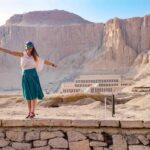
Hatshepsut’s Mortuary Temple: architecture that tells you why power mattered
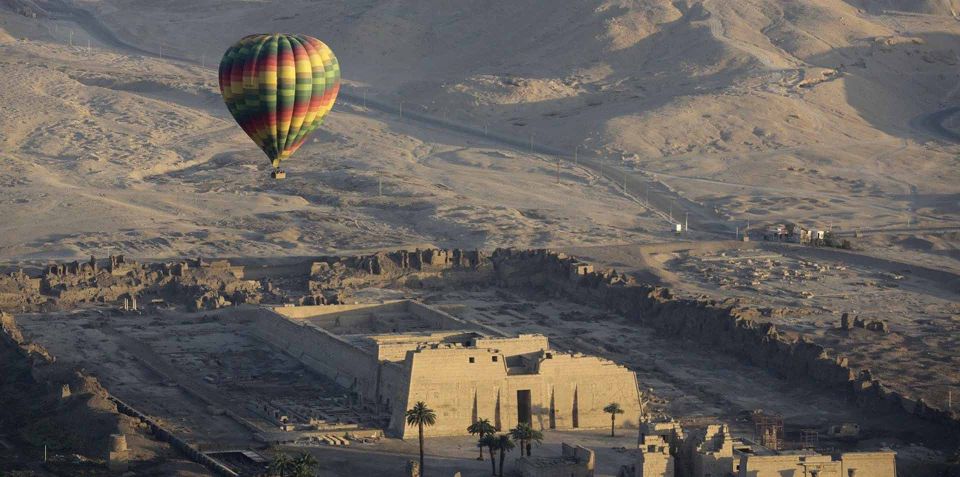
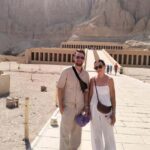
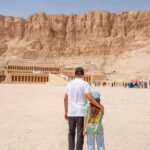
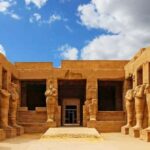
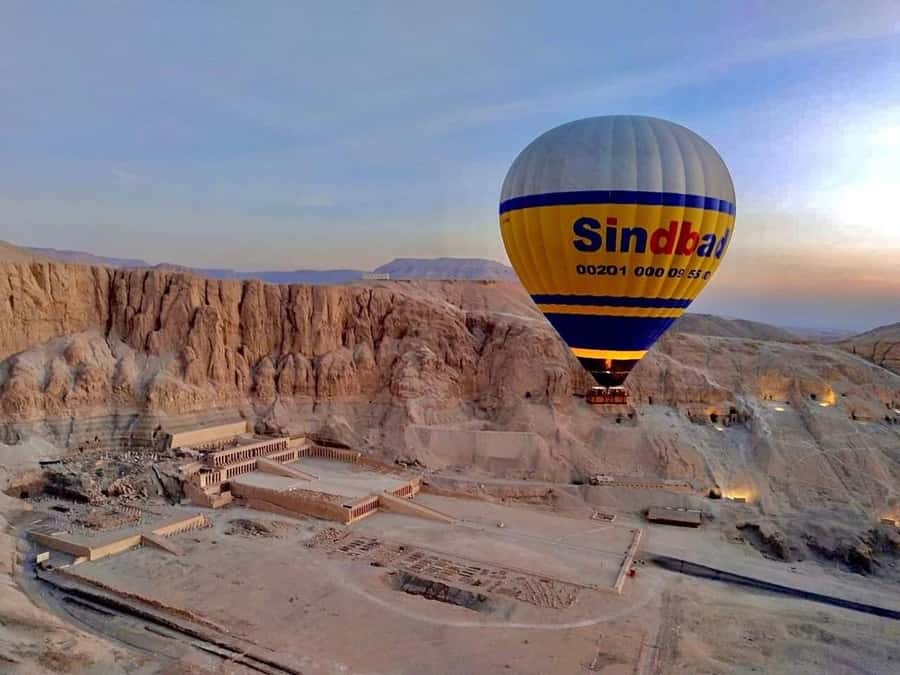
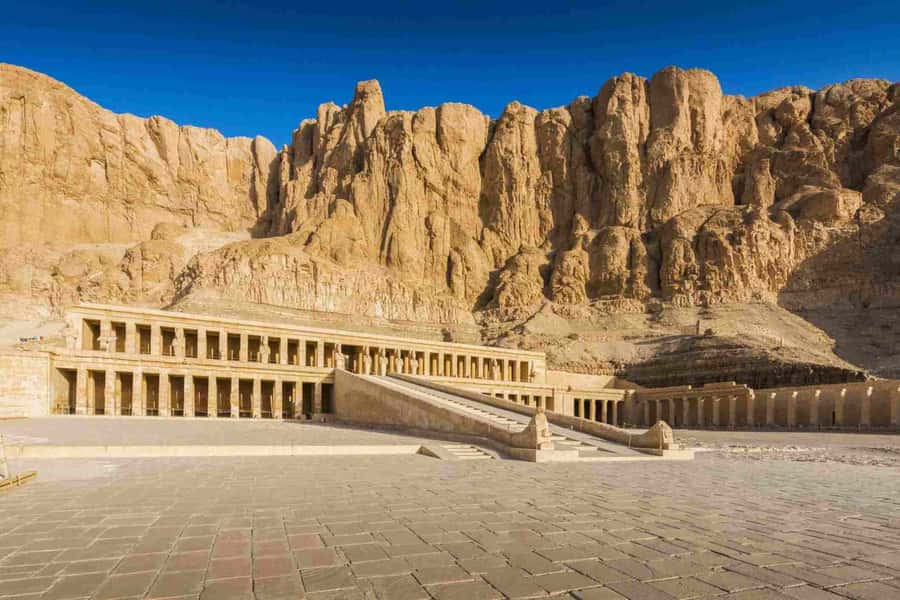
Next is the Mortuary Temple of Queen Hatshepsut. This is a stop where you can actually feel politics through stone. Your guide will likely point out that Hatshepsut’s temple was designed to mirror an earlier model associated with Mentuhotep II—then built on a grander scale right next to it.
That comparison matters because it shows you how rulers used architecture to claim legitimacy. Even if you’re only half listening, the temple’s structure helps you visualize the message.
Some guides also give practical listening tips: where to stand for views, and what lines to track in the carvings. That’s the kind of guidance that turns a “we saw a temple” day into “we understood what we saw” in real time.
If you’re the type who likes a little drama (in history), Hatshepsut’s story tends to land well. It’s one of the reasons this West Bank portion is often described as a highlight.
Colossi of Memnon and camel ride: iconic photos plus village color
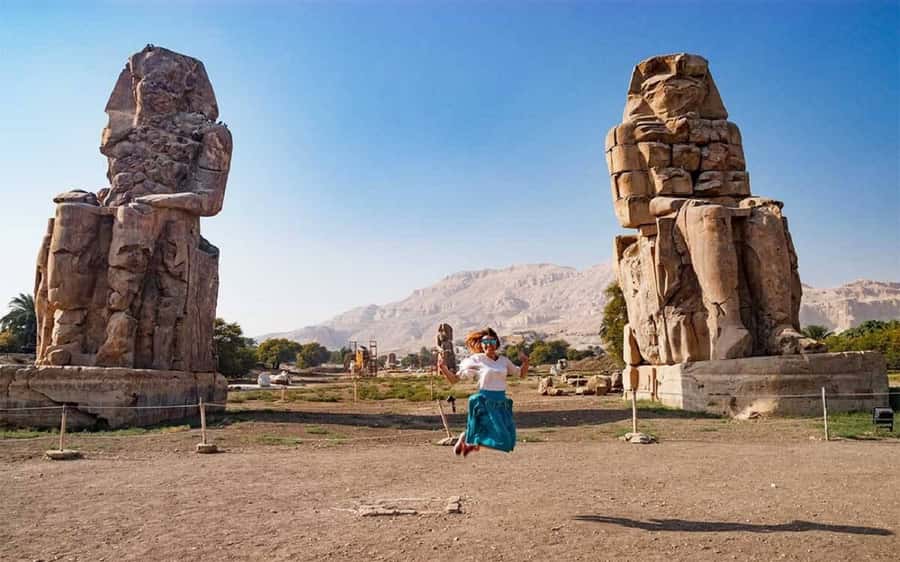
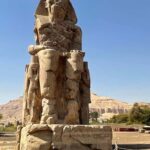
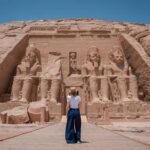
You finish with quick photo time at the Colossi of Memnon—massive statues that are easy to aim your camera at and hard to forget once you see them. It’s the classic Luxor image stop, and it works as a visual punctuation mark at the end of a long day.
Then there’s the camel ride. The plan includes passing through villages and seeing how local people live and work the land. That’s a nice change of pace from temple walking. It also helps you shift from “museum brain” to “real life on the Nile side.”
One practical note: camel rides can be short depending on timing, so don’t expect a long, meandering tour across the countryside. Think of it as a quick cultural snapshot plus photo opportunities.
Meals and hotel stay: what’s included, and what you should expect from 4-star
Your package includes:
- Luxor hotel accommodation (4-star) with breakfast
- Lunch on both days
- Dinner on Day 1
- Guide and driver support between all included activities
In real use, breakfast is often described as good, while hotel specifics vary. Some guests mentioned clean, air-conditioned rooms at places such as Grand Cleopatra Hotel and other included 4-star options, but also reported issues like cigarette smell, noise on busy streets, or being moved to a different room category.
So here’s the approach I’d take if I were you:
- treat the hotel as a solid base, not a luxury resort
- bring earplugs if you’re noise-sensitive
- pack a small flashlight or phone light for quick room checks
- keep your expectations aligned with a tour hotel that prioritizes location and schedule
Food-wise, the plan is at least trying to keep meals local and timed well so you’re not starving between sites. If you have diet needs, it can help to confirm them with your guide during pickup.
Price and logistics: does $270 feel fair?
At $270 per person for two days, you’re paying for a lot more than just tickets. You’re getting:
- round-trip transport between Hurghada and Luxor
- an included sunrise hot-air balloon ride
- English-speaking guiding with Egyptologist-style explanations
- Luxor Temple + Karnak Temple + West Bank stops
- felucca ride, camel ride
- hotel with breakfast plus multiple included meals
The big “value” point is time. Getting Luxor out of your schedule with early pickup and professional driving saves energy and reduces decision fatigue. You’re also paying for guides who can prevent you from feeling lost at the sites.
The main cost you might still face is that entry fees aren’t included, and drinks aren’t included. That doesn’t kill the value, but it can change the final number. When you book, ask what site entry fees you’ll need to cover and budget for water and soft drinks during long hot stretches.
If you want the balloon and you don’t want to plan a multi-leg trip yourself, this package often feels like a fair trade.
Getting the most from the day (and fewer hassles)
Here are the small moves that make this kind of Luxor whirlwind work:
- Wear closed shoes with grip for temple floors and Valley walking.
- Keep your water handy. Even with meals included, the time between stops can be long.
- Plan for photos but stay flexible. Some guides are excellent at photo timing and positioning, and groups with guides like Andreas-Aladdin, Muhammed, or Aladdin have praised how well photos came out.
- Expect some vendor pressure around tourist sites. Several guides were praised for protecting their groups from pushy sellers and steering people toward fairer choices.
- If your balloon depends on weather, don’t argue with the sky. Safety decisions come first. If it’s delayed or canceled, your best bet is staying calm and trusting the guide’s plan for rerouting.
Should you book this Luxor balloon-and-felucca tour?
Book it if you want a strong “greatest hits” Luxor experience with everything timed for you: sunrise balloon, Luxor and Karnak, Valley of the Kings, Hatshepsut, plus a Nile felucca and camel ride, all backed by driver and guide.
Pass or reconsider if:
- you’re extremely sensitive to early mornings
- you need a luxury hotel feel (4-star tour hotels can vary)
- you’d be very upset if the balloon changes due to weather (it can happen)
If you’re flexible, this is the kind of two-day plan that gives you real Luxor without the planning pain.
FAQ
What’s the duration of the tour?
It runs for 2 days.
What’s the price per person?
The price is $270 per person.
Where do you get picked up from?
Pickup starts in Hurghada from your accommodation, with an early departure on Day 1.
What time is pickup on Day 1?
You’re picked up at 5:00 am on Day 1.
What’s included in the tour package?
Included items are hotel pickup and drop-off, a sunrise hot air balloon ride, 4-star hotel accommodation in Luxor with breakfast, an English-speaking guide, an air-conditioned vehicle, driver, camel ride, felucca ride, lunch on both days, and dinner on Day 1.
What meals are included?
Lunch is included on both days, and dinner is included on Day 1.
Are entry fees included?
No. Entry fees are not included.
Is the hot air balloon ride suitable for children?
Children under 6 years can’t join the hot air balloon flight due to civil aviation rules.
How does cancellation work?
Free cancellation is available up to 24 hours in advance for a full refund.