REVIEW · LUXOR
Luxor: Private 2-Day Tour to Philae & High Dam & Abu Simbel
Book on GetYourGuide →Operated by Nice Tours · Bookable on GetYourGuide
Abu Simbel starts with an early wake-up. This private 2-day run from Luxor strings together Philae Temple by motorboat and the big names of Aswan, guided end-to-end by an Egyptologist. I like how the day is built around seeing the temples in the right rhythm, not just collecting stamps at each gate.
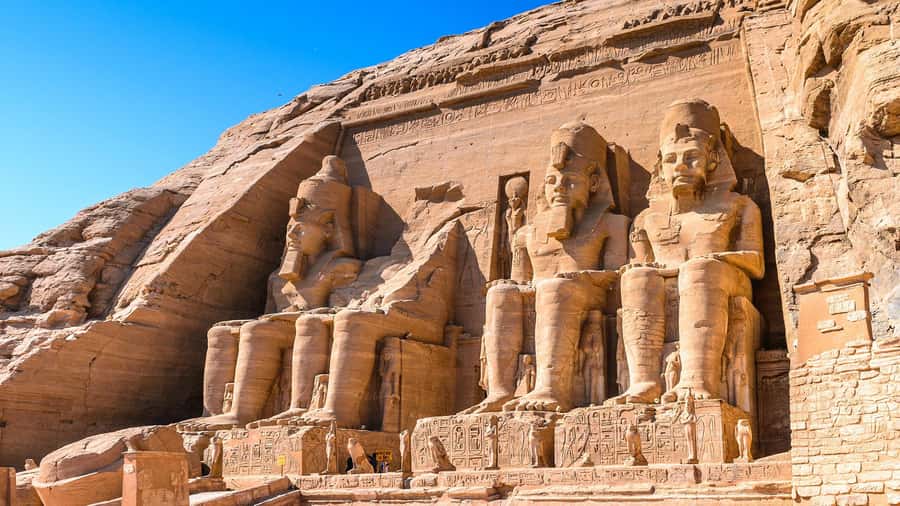
What I really like is the mix of ancient and modern in one breath, especially the contrast between Philae and the High Dam. You’ll also appreciate the pace at Abu Simbel, with enough time to take in the four giant seated statues and the façade details without feeling rushed. One heads-up: accommodation isn’t included, so you’ll need to book your Aswan overnight on your own.
In This Review
- Key points before you go
- Why this Luxor-to-Abu Simbel plan feels efficient
- Day 1: Philae Temple by motorboat, then Aswan’s High Dam
- What you should watch for at Philae
- The High Dam follows, and the contrast is the point
- The High Dam stop: beyond the photos
- Day 2: Abu Simbel early, with enough time to see the façade
- How to make Abu Simbel worth your time
- Private guide impact: what it adds on Philae and Abu Simbel
- Transportation and comfort on two long days
- What’s included (and what you’ll plan around)
- Price and value: is $200 per person a fair deal?
- Who this tour suits best
- Should you book this 2-day Luxor to Philae and Abu Simbel private tour?
- FAQ
- What sites are included in this 2-day tour from Luxor?
- Is hotel accommodation included?
- Does the tour include a guide?
- Are entrance fees included?
- Is there lunch during the tour?
- Are drinks (including water) included?
- Does this tour skip the ticket line?
- Should you consider the cancellation option?
- Should you book this 2-day Luxor to Philae and Abu Simbel private tour?
Key points before you go
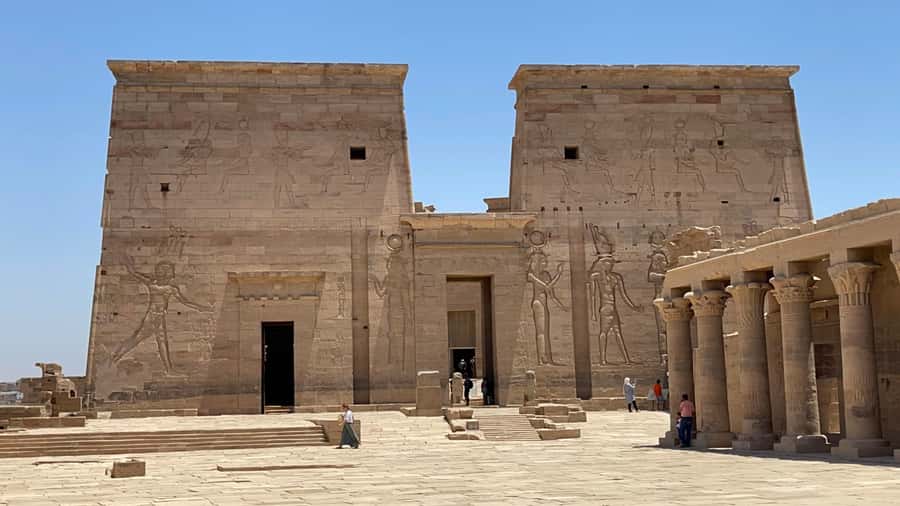
- Philae by motorboat: a Nile approach that makes the temple complex feel instantly cinematic
- Abu Simbel with time to look: you’re not shoved through; you can actually study the façade
- High Dam engineering stop: the scale is part of the experience, not just a photo-op
- Private, English-speaking guide support: plus Arabic, French, German, and Spanish options
- Lunch included both days: two planned meals keep long drives from turning into chaos
- Skip the ticket line: less standing around helps on tight timing
Why this Luxor-to-Abu Simbel plan feels efficient
This is one of those rare itineraries where the hard part is handled for you: transport, entrances, and guides are all lined up across two big days. You start in Luxor, land in Aswan with a full afternoon of sights, then head back out early the next morning for Abu Simbel.
The value here is the private setup. You get an English professional tour guide (and other languages too) plus private transportation, so you spend less time coordinating and more time looking. It’s also a smart way to cover both Aswan highlights and Abu Simbel without turning your trip into a transportation puzzle.
One more practical win: the tour includes all entrance fees and lunch on both days. That matters because Abu Simbel can be a schedule-heavy day, and sudden decision-making usually costs time and energy.
You can also read our reviews of more private tours in Luxor
Day 1: Philae Temple by motorboat, then Aswan’s High Dam
Day 1 starts early with pickup from your Luxor hotel and an air-conditioned private car ride to Aswan. The early start isn’t a gimmick. It sets up a smoother day so you can see Philae before the heat and crowds get heavy.
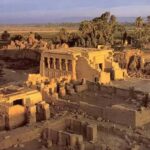
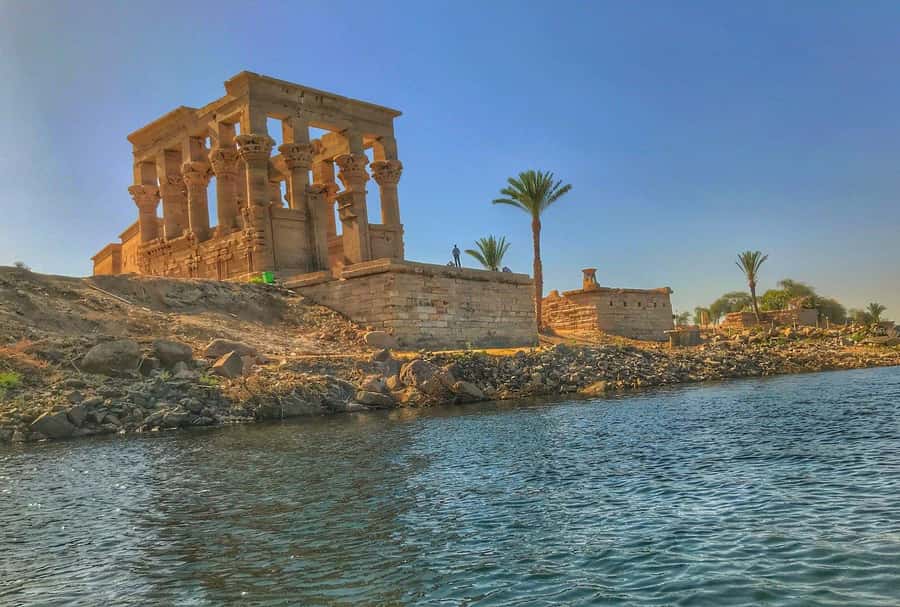
When you arrive in Aswan, you meet your guide and take a motorboat ride for a special view of the Nile on the way to Philae. Approaching Philae from the water changes how you read the site. Instead of arriving as just another temple stop, you get a sense of why this location mattered along the river.
Philae Temple is famous for its ancient allure, and it has a rare story for a place this old. The Temple of Isis was among the last ancient Egyptian temples to remain active, continuing into the reign of Byzantine Emperor Justinian I (527–565 A.D.). That detail helps you connect the dots: this wasn’t only a worship site in one era. It kept meaning through shifting power.
What you should watch for at Philae
Philae is not just about big ruins. It’s about patterns: carved elements, temple layout, and the feeling of a complex that was designed to guide visitors through ritual space. With a private guide, you can spend more time on the parts that click for you and less time guessing what you’re looking at.
If you’re the kind of person who likes understanding symbols, the guide time is where this tour pays off. Guides can explain the temple’s later life—what it meant that the site stayed in use long after older dynasties faded.
The High Dam follows, and the contrast is the point
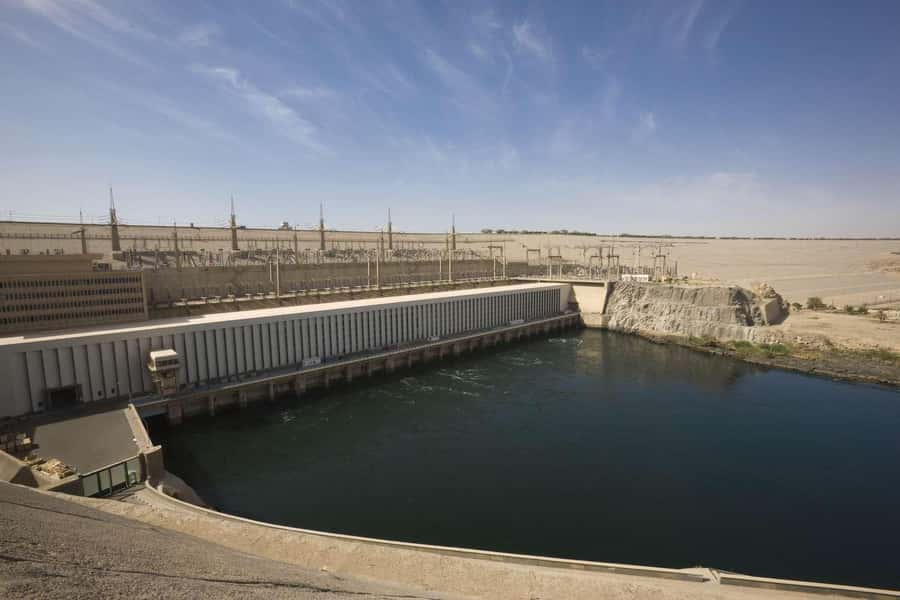
After Philae, you’ll head to the High Dam. This stop is modern in every sense—yet it belongs in the same trip as Philae because it explains what changed (and what still depends on the Nile’s water).
You’ll learn the dam’s scale: it’s 3,600 meters long, 980 meters thick at the base, and 111 meters tall. Those numbers sound like engineering homework until you see them framed against the river. In person, the structure becomes a reminder that Egypt’s monumental building tradition didn’t stop with ancient stone.
The tour then includes lunch at a restaurant, and after that you’re dropped back at your hotel in Aswan. Since accommodation is not included, you’ll need to plan your overnight so you can actually enjoy the next early morning without stress.
The High Dam stop: beyond the photos
High Dam is one of those places where your reaction can be either instantly impressed or oddly distant—unless someone helps you translate what you’re seeing. That’s where having a guide matters.
You’re not just looking at a wall across the river. You’re seeing a structure that changed the region’s water management and shaped the way life along the Nile works today. This is a useful counterweight to Philae, because one place tells you about ancient ritual time, while the other shows you modern control of river time.
If you’re sensitive to how “touristy” a stop can feel, keep in mind this one is mostly informational and visual. It’s not built around long wandering like a temple complex might be. Still, the dam’s size gives you something solid: a real sense of scale you can carry with you when you later imagine how ancient Egypt planned around the Nile’s cycles.
You can also read our reviews of more tours and experiences in Luxor

Day 2: Abu Simbel early, with enough time to see the façade
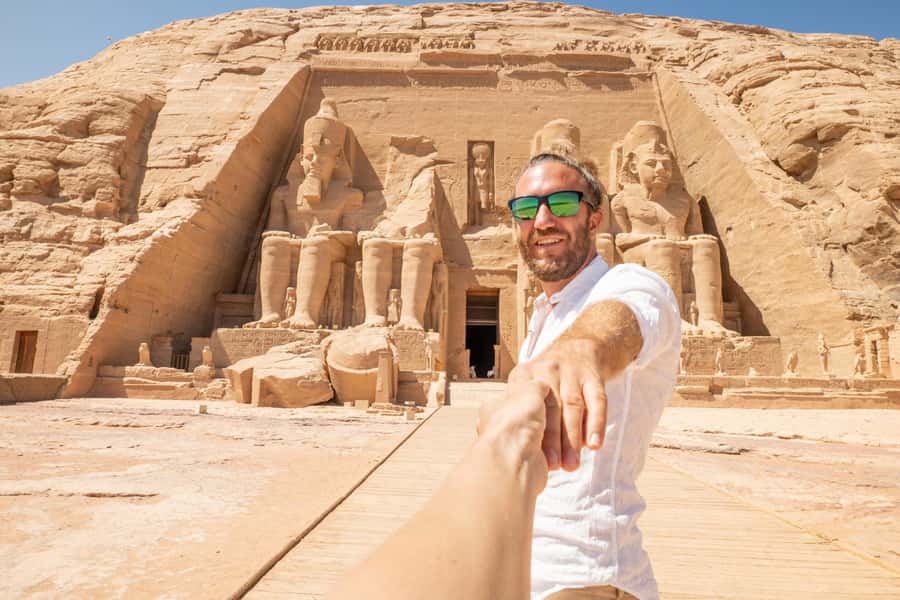
Day 2 also starts with early pickup—this time from your Aswan hotel—followed by an air-conditioned private car ride to Abu Simbel. Again, the early timing is practical. It helps you get the most out of a day that could otherwise feel like you’re always rushing between checkpoints.
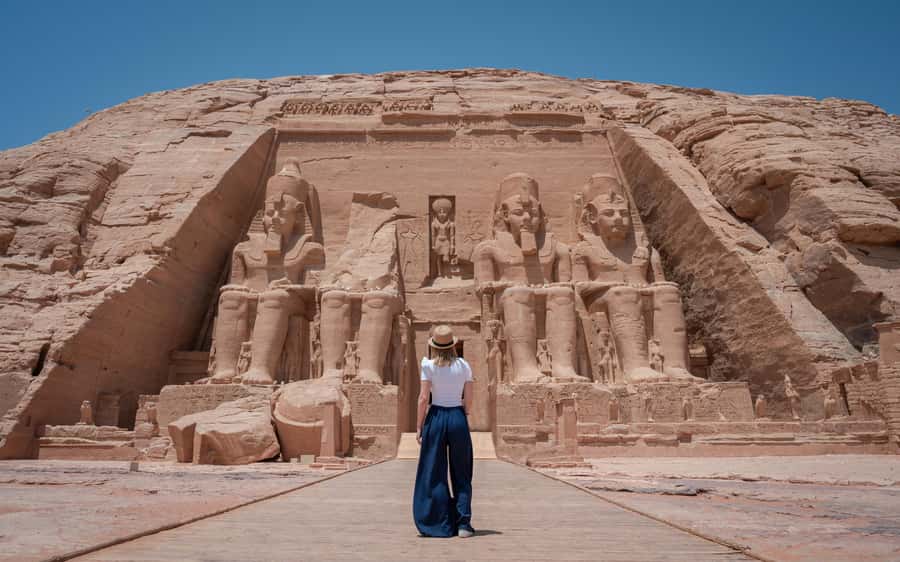
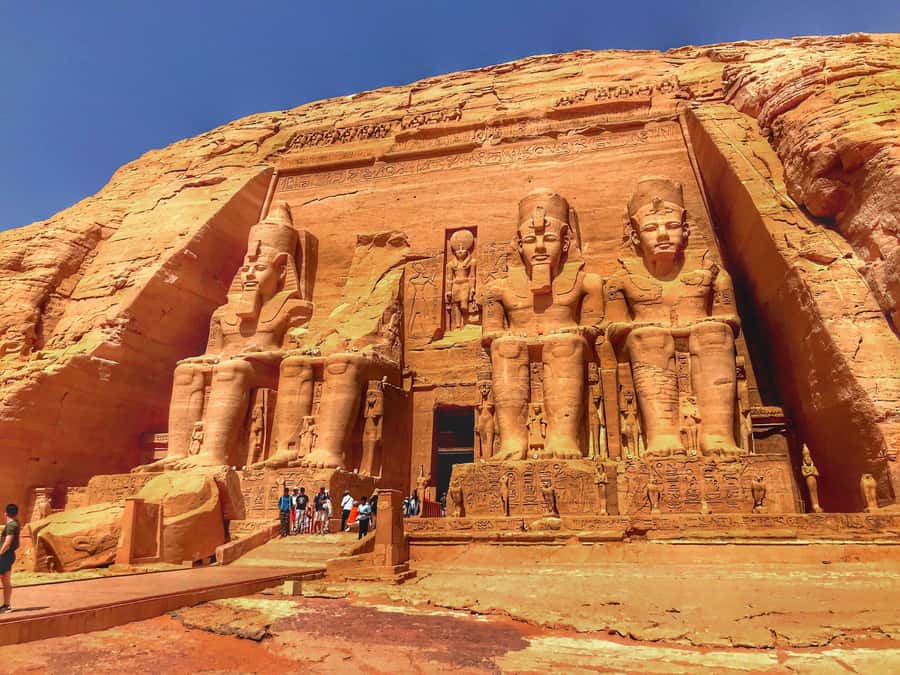
Once you arrive, your guide is waiting. Then you get your main event: a visit to Abu Simbel Temple, a UNESCO World Heritage Site and one of Egypt’s most iconic monuments.
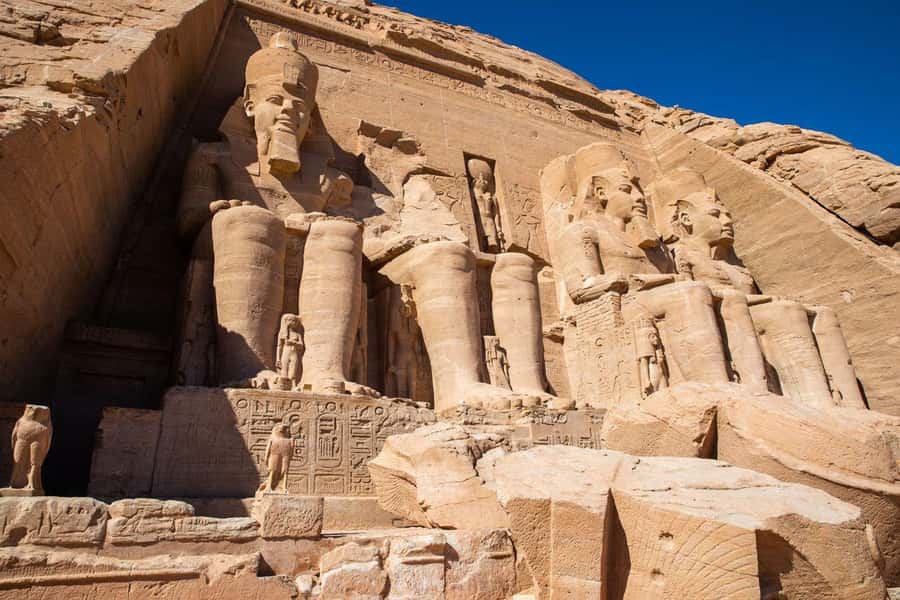
Abu Simbel is famous for its four huge seated statues on the façade. That’s the headline detail, and yes, it’s impressive from the outside. But what I like most is that this tour gives you time to look beyond the first wow moment—so you can notice proportions, carvings, and how the façade dominates the space.
How to make Abu Simbel worth your time
Give yourself permission to slow down. The best Abu Simbel visits aren’t the ones where you take the fastest photos. They’re the ones where you connect what you see to why the place was built that way.
With an Egyptologist-style guide, you can also get context behind the monument’s importance. That context matters here because Abu Simbel feels like a statement from the moment you arrive. The explanation helps you read it as more than just a giant façade.
Lunch is included in Aswan at the end of your Abu Simbel time. After lunch, you’ll transfer back to your hotel in Luxor. So the tour finishes the loop: Aswan sights on Day 1, Abu Simbel punch on Day 2, then back toward Luxor.
Private guide impact: what it adds on Philae and Abu Simbel
This tour is built around a private guide, and that changes everything. At Philae, the temple is complex, and the symbolism is easy to miss if you’re moving too fast. At Abu Simbel, the monument is dramatic, but knowing what you’re looking at turns drama into understanding.
In the guide team you may meet during similar trips, names like Mary Kamal and Mido show up with strong “explain it clearly” energy. One guide style that’s especially helpful is the one that adjusts explanations to your pace—so you can ask questions instead of feeling like you’re being rushed through.
There’s also a driver component that matters more than most people expect. On the Abu Simbel day, drivers such as Bebo have been known to coordinate lunch and keep the journey informative, adding context about points along the highway. On the Abu Simbel side, guides like Walid (with Khalid also mentioned) have provided extensive explanations and helped with picture moments.
None of that is about being flashy. It’s about removing friction so you can focus on the sights, the story, and the photos.
Transportation and comfort on two long days
This is a road-based itinerary, meaning a lot of time is spent traveling between Luxor and Aswan and then out to Abu Simbel and back. The good news is that it uses private transportation in an air-conditioned vehicle.
That makes a real difference on schedule days. It also means your guide can manage timing around the sights rather than waiting for a shared group bus to regroup. The tour is also a private group, so you’re not stuck in the chaos of matching different paces and interests.
One note: the listing says drinks including water are not included. Still, some guides have been described as providing water during travel time. I’d treat water as something you should have on hand mentally, not as guaranteed extra. Bring a bottle if you can, and follow whatever the guide team directs once you’re on the road.
What’s included (and what you’ll plan around)
Here’s the practical breakdown that helps you budget and pack smarter:
Included:
- Hotel pickup and drop-off from Luxor
- English professional tour guide
- All entrance fees
- Private tour
- Private transportation
- Lunch on Day 1 and Day 2
- Philae motorboat
Not included:
- Hotel accommodation
- Drinks, including water
This arrangement is why the price can feel reasonable even with two full days. You’re not paying extra for entrance tickets, and two lunches are planned. What you do need to account for is the overnight in Aswan.
If you’re traveling with a friend or partner, this format can also feel like a fair deal compared with piecemeal bookings, since you avoid double-paying for logistics.
Price and value: is $200 per person a fair deal?
At $200 per person for a 2-day private Luxor-to-Aswan-plus-Abu-Simbel experience, the value comes down to what you’re not paying separately.
You’re getting:
- private vehicle transfers (including the long Abu Simbel day)
- a professional guide with entrance access
- all entrance fees
- two included lunches
- Philae’s motorboat ride
- skip-the-ticket-line convenience
Where you should be clear-eyed is the “not included” items: accommodation and drinks. Also, the day-to-day schedule is packed. That isn’t a downside if you want highlights efficiently, but it’s not a slow, wandering vacation.
If your ideal trip includes long-distance travel covered for you, plus expert guiding at Philae and Abu Simbel, this price can make sense. If you’d rather rent your own driver or build your own Abu Simbel day, you might find cheaper options—but you’re trading off the guided context and the built-in timing.
Who this tour suits best
This private 2-day tour is a good fit if you want Egypt’s headline monuments without the stress of planning the logistics yourself. It also works well for travelers who like having an expert explain what they’re seeing, especially at temples where symbols and layout matter.
You’ll likely enjoy it most if you:
- want to cover Philae + High Dam + Abu Simbel in one streamlined package
- appreciate a private guide over large-group walking
- don’t want to manage ticket queues and entrance logistics
- are okay with early mornings and long road time
If you’re the type who hates feeling scheduled, you might find it too tight. But if your goal is to see the big names and understand them, this tour hits the right targets.
Should you book this 2-day Luxor to Philae and Abu Simbel private tour?
Yes, you should consider booking if you’re committed to making Abu Simbel part of your Egypt trip and you want the Aswan context to go with it. The big reason is the pairing: Philae gives you the ancient temple story up close, and the High Dam adds the modern Nile story. Then Abu Simbel caps it off with the monumental façade and enough time to actually look.
Book it if you’re comfortable handling your own overnight in Aswan and you’re fine with drinks not being included. If you’re looking for a slow travel pace or you’re trying to minimize driving time at all costs, you might look for a different format.
FAQ
What sites are included in this 2-day tour from Luxor?
You’ll visit Philae Temple (with a motorboat ride), the High Dam, and Abu Simbel Temple over the two days.
Is hotel accommodation included?
No. Hotel accommodation isn’t included, so you’ll need to arrange your overnight stay in Aswan.
Does the tour include a guide?
Yes. An English professional tour guide is included, and live guiding is available in Arabic, English, French, German, and Spanish.
Are entrance fees included?
Yes. All entrance fees are included.
Is there lunch during the tour?
Yes. Lunch is included on both Day 1 and Day 2.
Are drinks (including water) included?
No. Drinks, including water, are not included.
Does this tour skip the ticket line?
Yes. The tour includes skip-the-ticket-line entry.
Should you consider the cancellation option?
The tour offers free cancellation up to 24 hours in advance for a full refund.
Should you book this 2-day Luxor to Philae and Abu Simbel private tour?
If Abu Simbel is on your must-see list and you want Philae and the High Dam handled with a private Egyptologist-style guide, this is a strong booking. Just plan for your Aswan hotel and remember drinks are not included, so you can travel comfortably from pickup to drop-off.