REVIEW · LUXOR
Luxor: Temple of Hatshepsut QR Ticket – Skip The Line
Book on GetYourGuide →Operated by FTS Travels · Bookable on GetYourGuide
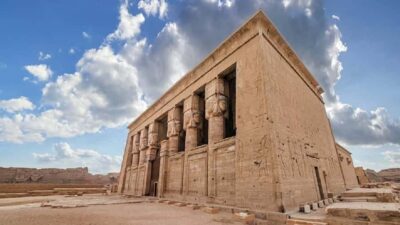
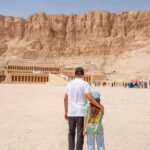
Three terraces, one powerful story. The QR skip-the-line ticket gets you into the Temple of Hatshepsut without the usual waiting, and it’s a great way to see Egypt’s afterlife symbolism up close. What I like most is the chance to explore at your own pace, plus the temple’s striking layout: three massive terraces rising from the desert into the cliffs of Deir el-Bahari.
I also like that you’re not just buying a ticket—you’re stepping into a specific memorial idea built for Hatshepsut’s legacy. The centerpiece is the mummified statue of Hatshepsut as Osiris, with pillars and an afterlife-focused sanctuary concept tied to New Kingdom temple styles. The only drawback to consider is that this is self-entry: there’s no guide included, so you’ll want to be ready to read and look without an expert walking you through every detail.
Key things to know before you go
- Skip-the-line QR entry: show your QR/entry ticket at the site entrance so you don’t waste time waiting.
- Three-terrace visit: expect to move upward from desert level to the upper courtyard area.
- One standout focal point: the mummified statue of Hatshepsut as Osiris is built into the experience.
- Clear visit window: opening hours are 09:00 to 17:00, all days, so plan around daylight and crowds.
- Self-guided experience: you’ll go in without a guide, so bring a bit of curiosity (and time).
In This Review
- Temple Of Hatshepsut: Why This Ticket Is Worth It
- Skip-The-Line QR Entry in Luxor: What It Means on the Ground
- Opening Hours and Timing: Plan Your Day Around 09:00–17:00
- Entering the Temple: What the Layout Teaches You
- The Three Terraces and the Upper Courtyard: Your Walking Route
- The Mummified Statue of Hatshepsut as Osiris: The Moment to Don’t Rush
- Price and Value: Is $15 Fair for a QR Skip-The-Line Ticket?
- Who This Ticket Fits Best (And Who Might Want More)
- Practical Tips That Keep This Smooth
- Should You Book This Luxor QR Skip-The-Line Ticket?
- FAQ
- FAQ
- What is included in the Luxor Temple of Hatshepsut QR ticket?
- What are the opening hours for the Temple of Hatshepsut?
- How do I receive my ticket and when will I get it?
- How long should I plan for my visit?
- What documents should I bring?
- What if I’m told the ticket is not valid?
Temple Of Hatshepsut: Why This Ticket Is Worth It
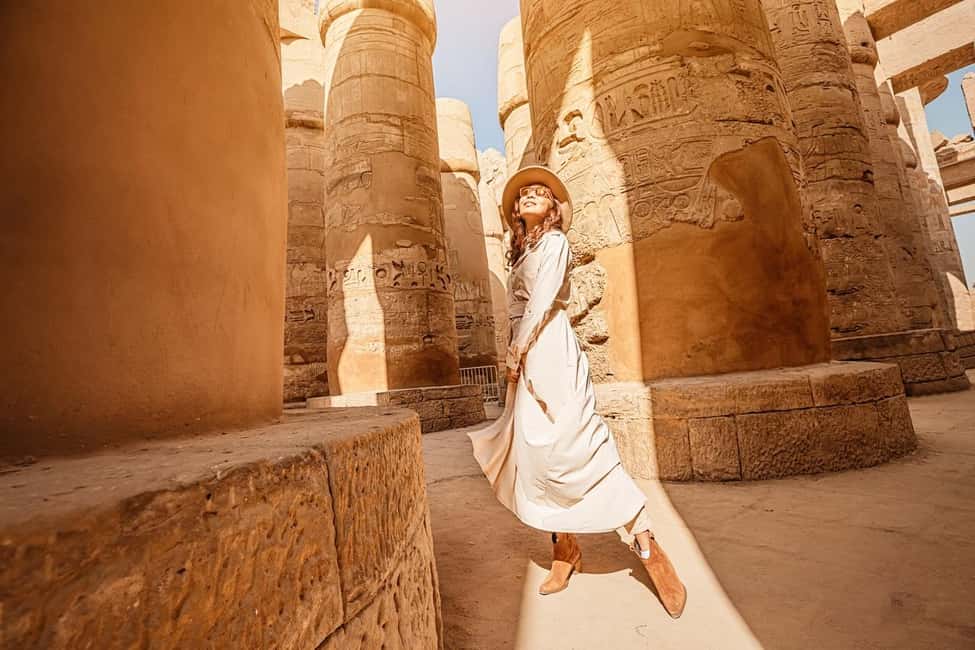
The Temple of Hatshepsut rewards people who like real artifacts and real layout. This isn’t a stop where you just glance and move on. It’s a site designed in levels, so your eyes naturally travel upward from the desert edge to the upper spaces cut into the cliffs.
I like that the ticket experience matches the way the temple is meant to be visited. With a QR entrance ticket, you can focus on the physical details right away: terraces, courtyards, and that unmistakable Hatshepsut-as-Osiris statue. If you’re spending limited time in Luxor, this format helps you avoid one of the most annoying travel moments: standing in a line while your best hours tick away.
There’s also value in what the temple represents. You’ll be looking at a memorial sanctuary idea tied to the afterlife, not just decoration. And the temple’s construction is noted as reflecting later New Kingdom temple styles, which gives you a bigger picture while you walk.
Skip-The-Line QR Entry in Luxor: What It Means on the Ground
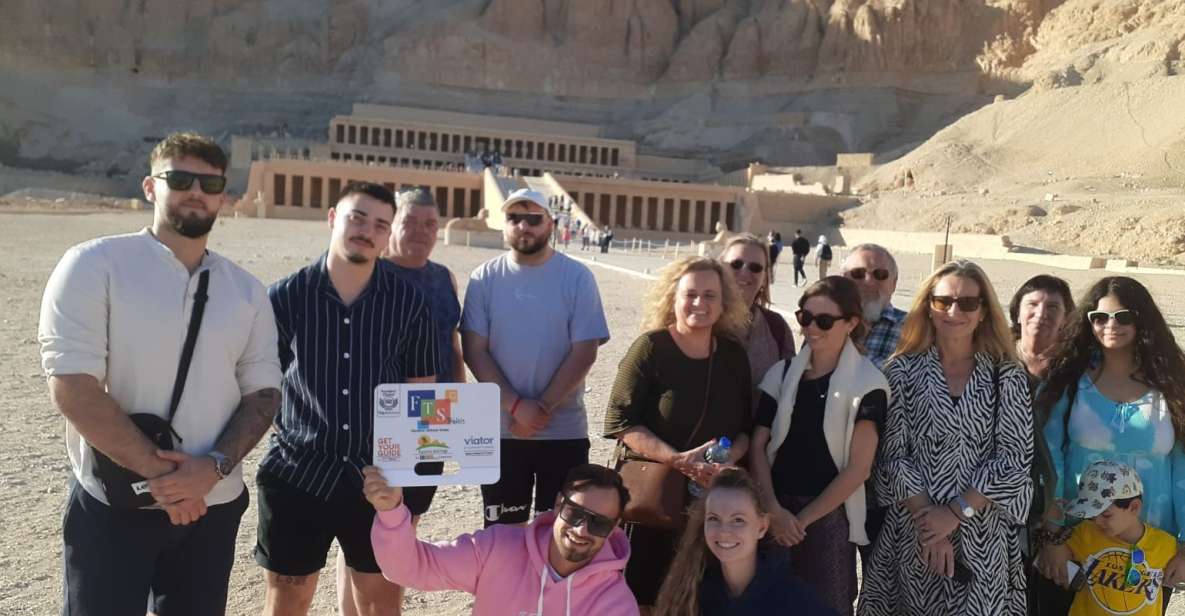
This experience is built around one job: getting you inside. Instead of buying something at the door and hoping it works, you’re given an entry ticket from your supplier (sent up to one day before). The key is that it’s a QR entrance ticket, and your job at the site is simple—show the entry ticket and go in.
That matters in Luxor because time inside these sites is limited by daily opening hours, and because waiting can turn an easy plan into a rushed one. When you skip the friction, you’re more likely to actually slow down and look at what’s in front of you: the terraced structure and the upper courtyard setting.
One practical point that’s worth taking seriously: the instructions say that if someone tells you the ticket is not valid, you should call your supplier immediately and do not pay again. That’s a good rule for preventing accidental double charges. Keep your entry ticket ready on your phone (and double-check the name details when you book, since full names must match).
Also note what’s not included. There’s no hotel pickup/drop-off, no guide, and no drinks. So the “skip-the-line” part is about entry only. Everything else depends on how you get there and how long you plan to stay.
You can also read our reviews of more tours and experiences in Luxor

Opening Hours and Timing: Plan Your Day Around 09:00–17:00
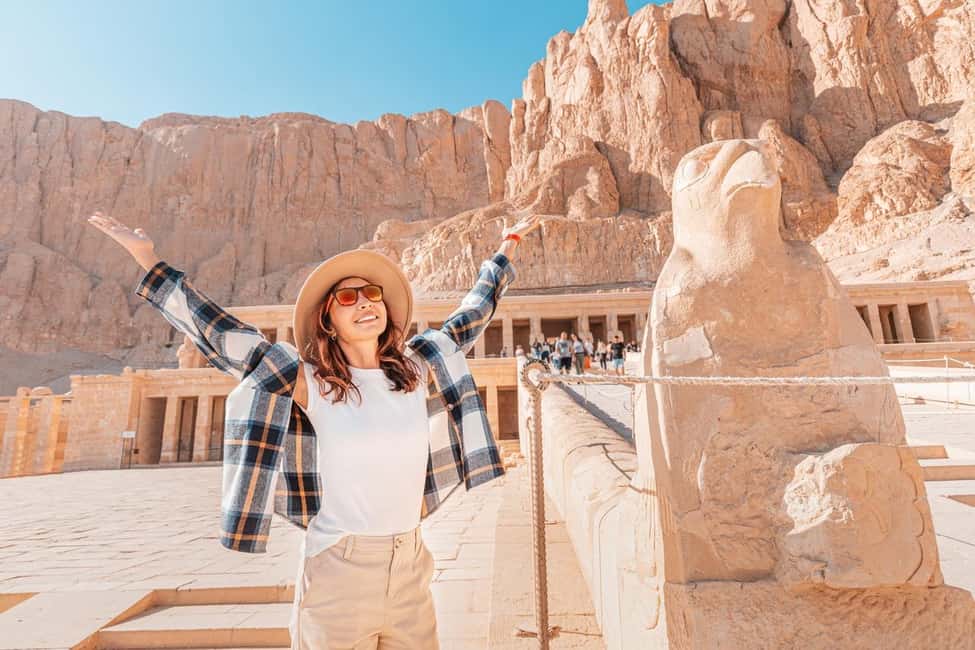
The temple’s opening hours are listed as 09:00 am to 05:00 pm, all days. This is a simple window, but it’s still important because it sets the rhythm for your day in Luxor.
The instructions also mention an average visit time tied to that same window. Translation: treat this as a full daytime visit, not a quick 20-minute photo stop. Even if you move quickly, the temple’s terraces and upper courtyard spaces are meant for looking—not just passing through.
Here’s how I’d plan your timing using only what the ticket information supports:
- If you want the calmest experience, aim for earlier in the day so you can move at a steady pace through terraces and into the upper courtyard area.
- If you’re building your day around photos or slower viewing, keep breathing room inside that 09:00–17:00 slot.
- If you’re in a tight schedule, don’t assume you can sprint through. The site layout naturally takes time because you’re moving between levels.
Entering the Temple: What the Layout Teaches You
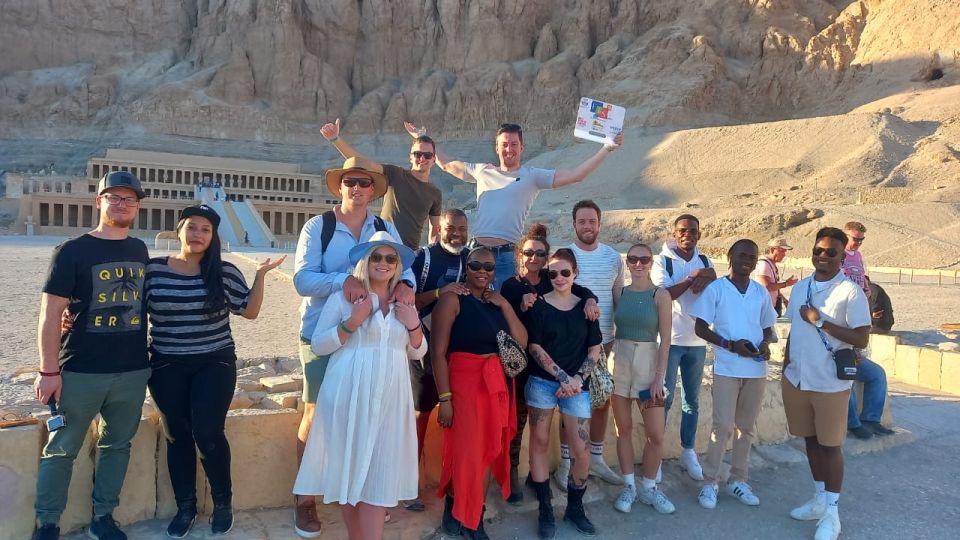
When you arrive, the most important thing is that you’re stepping into a designed experience. The temple consists of three massive terraces that rise above the desert floor and into the cliffs of Deir el-Bahari. That simple description is actually the best “map” you could ask for.
Think of it as a vertical story. You start at the lower context level, then work upward. As you climb, you’re not just moving physically—you’re moving through the temple’s intended progression. Terraces act like pauses. They give you moments where you can stop, look back, and then continue to the next level.
On the top floor, there’s an open courtyard behind the porch. That’s a key detail: you’re not only looking at carved stone from one angle. You’ll shift into an open space where the setting feels different, even if you’re still inside the same temple complex.
If you’re self-guiding, this layout helps you. You don’t need an elaborate route. Just follow the terraces up to the upper courtyard area, and you’ll naturally arrive at the temple’s big symbolic moments.
The Three Terraces and the Upper Courtyard: Your Walking Route
Here’s the route logic you can use without guessing anything extra.
First, you’ll move through the three terrace levels. Each terrace is described as massive, rising above the desert floor and up into the cliffs. That means you should expect a real change in elevation, not just a flat walkway.
Then, you’ll reach the top floor, where there’s an open courtyard behind a porch. That courtyard is part of what makes the temple feel “complete” rather than fragmented. Courtyards tend to slow people down because there’s space to look around.
What to watch for (based on what’s described):
- The terrace structure itself: how the temple uses elevation to shape the visitor’s viewpoint.
- The transition into the top-floor courtyard behind the porch.
- Where the statue area sits within the top-level presentation.
Even without a guide, the temple’s architecture gives you structure. You can treat the terrace movement as your itinerary and then let your attention rest where it’s anchored.
The Mummified Statue of Hatshepsut as Osiris: The Moment to Don’t Rush
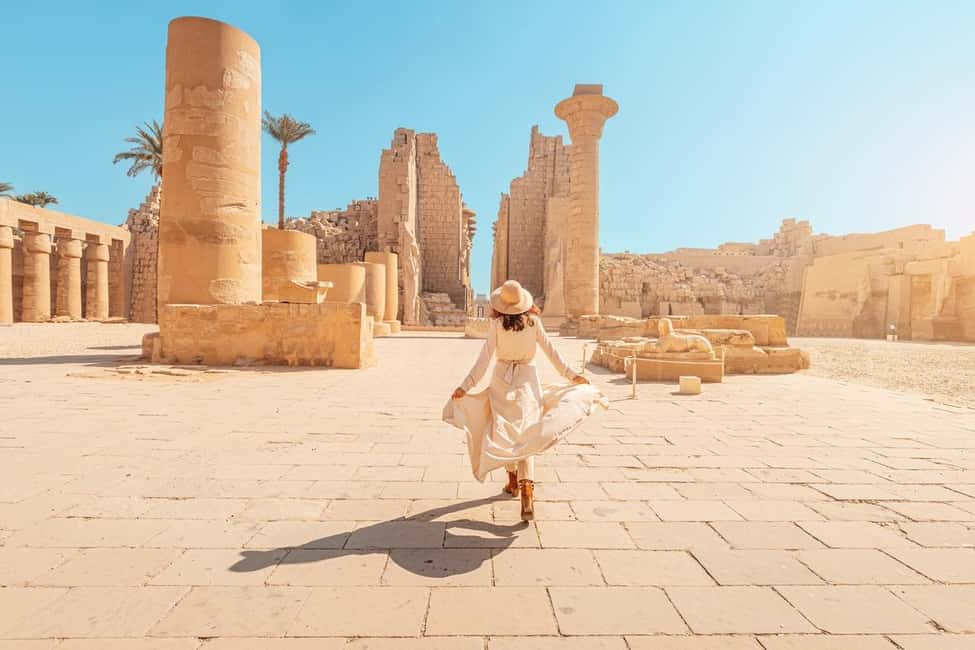
This is the main reason to choose this ticket. The instructions call out the mummified statue of Hatshepsut as Osiris, the god of death. It rests on pillars, and that placement is part of the visual weight.
Why this matters: the temple isn’t presenting Hatshepsut like a distant historical figure. It places her within an afterlife framework. The information provided says this statue and temple concept empowered the pharaohs and included a memorial sanctuary dedicated to gods connected with their afterlife.
In plain terms, you’re looking at a “meaning machine.” The statue isn’t isolated. It’s connected to the larger idea of afterlife protection and continuity. And the note that the temple’s construction reflects later New Kingdom temple patterns gives you a sense that the message was influential.
If you only have one stop to spend extra time at, make it here. Don’t treat it like a quick photo. If you’re self-guiding, let your eyes linger on the statue’s setting and the fact that the pillars and arrangement reinforce the theme of sanctity and permanence.

Price and Value: Is $15 Fair for a QR Skip-The-Line Ticket?
At $15 per person, this ticket price is positioned as a straightforward value: you’re paying for a QR entrance ticket with skip-the-line access. That means you’re not paying for transportation, a guide, or drinks.
So how do you judge value? Use the “what you’re buying” list:
- Included: QR entrance ticket for the Temple of Hatshepsut.
- Not included: hotel pickup and drop-off, guide, drinks.
For me, the best value comes from the skip-the-line part. When entry is the bottleneck, saving time becomes a real payoff, not a marketing phrase. If you’re the type who hates waiting, the advance QR format can turn the day smoother.
It’s also a good price point if you’re traveling independently and comfortable exploring on your own. But if you want a detailed guided walk through symbols, inscriptions, and temple theology, you’d likely feel the absence of a guide. This ticket helps you get in. It doesn’t replace interpretation.
Who This Ticket Fits Best (And Who Might Want More)
This experience fits best if you:
- Want to see the Temple of Hatshepsut with fast entry rather than waiting at the entrance.
- Are okay exploring without a guide and you enjoy reading what’s in front of you.
- Plan to spend enough time in the 09:00–17:00 opening window to actually enjoy terraces and the upper courtyard.
You might want a different add-on (or a different tour style) if you:
- Prefer a guide to explain the statue’s meaning in more detail than the provided context.
- Expect pickup and drinks as part of the day. Those aren’t included here.
For couples, solo travelers, and small groups who want control over pace, this is a clean setup. The QR ticket approach also makes it easier to plan day-by-day, since you don’t have to rely on something last-minute at the gate.
Practical Tips That Keep This Smooth
A few small things can prevent headaches. Here are the practical points supported by the provided info:
- Bring passport or an ID card. The instructions list both options.
- Use the correct full names when booking, because the ticket requires traveler names.
- Expect a second email confirming your order code, sent by the local operator.
- Remember the ticket is valid for only one day. Don’t book far in advance for a date mismatch.
- Keep your entry ticket accessible, since you’ll receive it from your supplier up to one day before the activity.
Also, match your expectations to what’s included. This is entrance only with a QR ticket. You’ll handle your own arrival logistics and your own refreshment plans.
If you’re the type who likes to prepare, skim the temple’s core details before you go. Knowing the three-terrace layout and the Hatshepsut-as-Osiris statue concept helps the visit feel more connected, not just visually impressive.
Should You Book This Luxor QR Skip-The-Line Ticket?
Yes, I’d book it if your top goal is getting into the Temple of Hatshepsut without delays and you’re fine exploring on your own. At $15, the price is built around the ticket itself and the practical benefit of skip-the-line entry, not around transportation or guiding.
Skip this option or consider pairing it with a guided add-on if you want someone to interpret symbols and temple theology for you. Since no guide is included, you’ll rely on your own attention at the terraces, the top-floor courtyard area, and especially the mummified statue of Hatshepsut as Osiris.
FAQ
FAQ
What is included in the Luxor Temple of Hatshepsut QR ticket?
You get a QR entrance ticket for the Temple of Hatshepsut. Hotel pickup/drop-off, a guide, and drinks are not included.
What are the opening hours for the Temple of Hatshepsut?
The temple is open every day from 09:00 am to 05:00 pm.
How do I receive my ticket and when will I get it?
You will receive the entry ticket from your supplier a maximum of one day before the activity. You’ll show the entry ticket at the entrance.
How long should I plan for my visit?
The average time required to visit is approximately from 9 am to 5 pm, matching the listed opening window.
What documents should I bring?
Bring your passport and/or ID card, as the instructions list both.
What if I’m told the ticket is not valid?
If someone tells you the ticket is not valid, call your supplier immediately and do not pay again.