REVIEW · LUXOR
Luxor 2 Days Tour from Hurghada By Car
Book on GetYourGuide →Operated by Egypt Excursions Online · Bookable on GetYourGuide
Ancient Egypt, right on a tight clock.
This 2-day Luxor package is built around the big-name sights: Karnak Temple and the Nile felucca sunset. I love the fact that you’re not just “seeing,” you’re moving through Luxor with a private Egyptologist guide, so the myths and layouts make sense fast. I also like the pacing: a full day of temples and tombs, then a second day that hits the Valley of the Kings and Queen Hatshepsut, ending with a Nile ride that feels like the trip’s exhale. One consideration: the included overnight hotel has been a weakness for this package, with cleanliness and hot-water problems flagged by multiple booking experiences.
You’ll be collected at 05:00 from your Hurghada hotel and driven to Luxor in a modern air-conditioned vehicle. If you get a guide with a helpful, personable style (one name that came up is Hazem Hassan), the whole day feels smoother—questions get answered, and you spend less time guessing what you’re looking at. Just know this tour isn’t a great match if you need wheelchair access, and the long travel days mean comfy clothes and shoes matter a lot.
In This Review
- Key things to know before you go
- Your 05:00 start from Hurghada: the road-trip reality
- Karnak Temple and Luxor Temple: where the story becomes visible
- Colossi of Memnon: the city of the dead, without the fluff
- Valley of Kings and Queen Hatshepsut: big architecture, real mental payoff
- Nile Felucca at Banana Island: sunset you can actually feel
- Price and logistics: what you’re really paying for
- Your comfort checklist: what to bring, what to wear
- Tour guide languages and what it changes for you
- Who this Luxor 2-day trip is best for
- Should you book this Luxor 2-day tour from Hurghada?
- FAQ
- What time do you get picked up in Hurghada?
- How long is the Luxor 2-day tour?
- Is the Karnak Temple stop included?
- Do you visit Luxor Temple as well?
- Which day do you visit the Colossi of Memnon?
- Do you go to the Valley of Kings?
- Is Queen Hatshepsut’s temple part of the itinerary?
- Do you ride a felucca on the Nile?
- What’s included in the price?
- What do I need to bring, and is there anything not allowed?
Key things to know before you go
- A 05:00 pickup from Hurghada sets the tone; plan an early night and good sleep
- Karnak + Luxor Temple gives you both the religious center and the Amun-Ra story in one sweep
- Valley of Kings timing matters because you’re stacking iconic tombs and viewpoints in one day
- Queen Hatshepsut’s temple adds variety beyond the typical “royal tomb” route
- Felucca on the Nile is the memorable sunset payoff, with Banana Island in the mix
- Hotel quality is the risk point in this package, so confirm expectations before you commit
Your 05:00 start from Hurghada: the road-trip reality
This tour is designed for action, not drifting. You’ll be picked up from your Hurghada hotel at 05:00, then driven to Luxor and back over two days. That early departure is what makes it possible to pack in Karnak, Luxor Temple, Colossi of Memnon, the Valley of Kings, and Queen Hatshepsut’s temple—plus a felucca ride—without turning it into a rushed museum crawl.
For you, the smart move is to treat the drive as part of the experience. Bring sunglasses and set your expectations: Egypt’s sites are big, but the day starts with logistics. The package includes all transfers by modern air-conditioned vehicle, which helps on the drive, especially if you’re traveling in warmer months.
Also, you’ll want comfortable shoes. These sites have uneven stone, stair steps, and long walking stretches. Even if you’re fit, your feet will feel it by the second day.
You can also read our reviews of more tours and experiences in Luxor
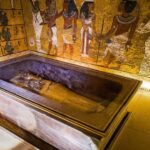
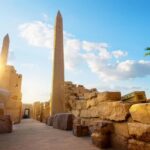
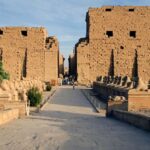
Karnak Temple and Luxor Temple: where the story becomes visible

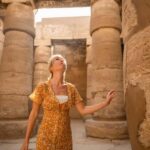
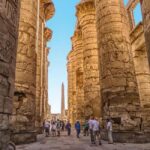
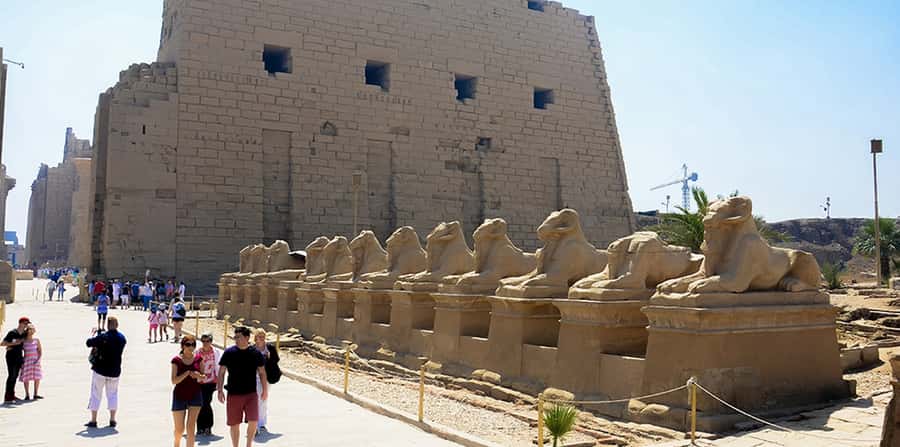
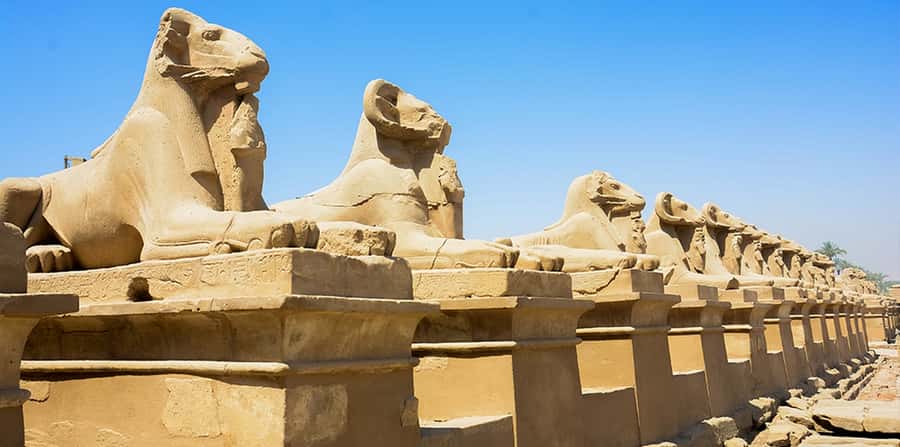
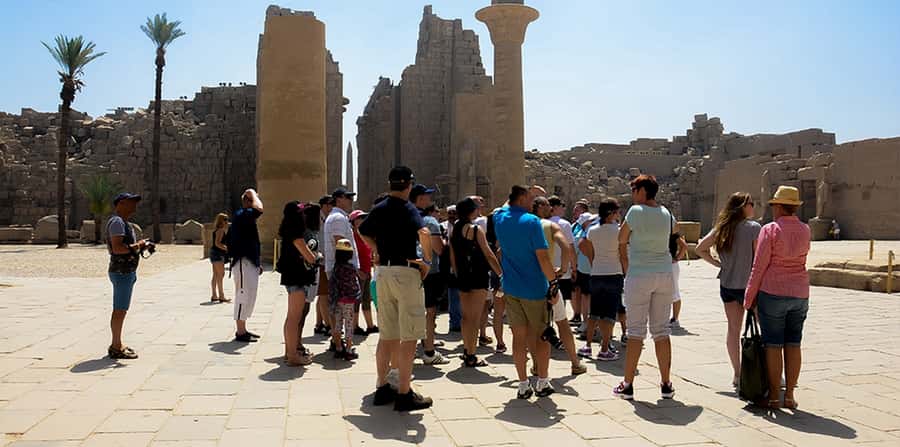
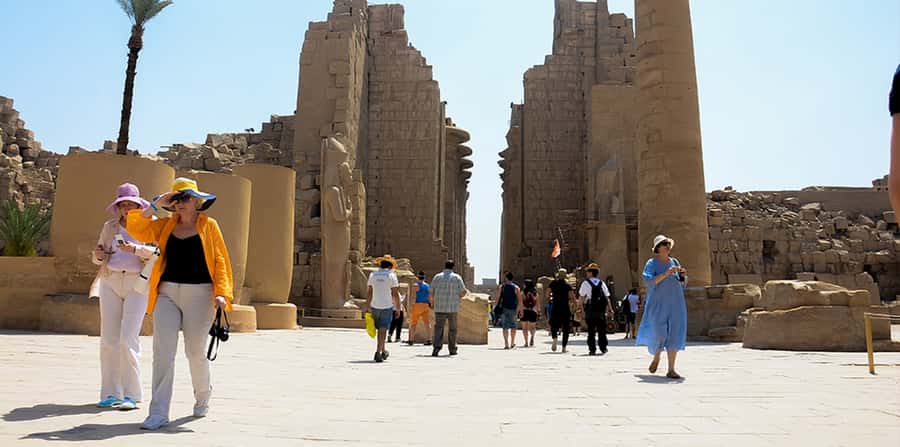
Day one is built around two heavyweight temple experiences: Karnak Temple and Luxor Temple. Karnak is presented as the greatest example of worship, and you can see why once you’re there. It’s not just one building—it’s a full sacred complex, the kind that makes you understand how seriously the ancient Egyptians treated ceremony, processions, and ritual space.
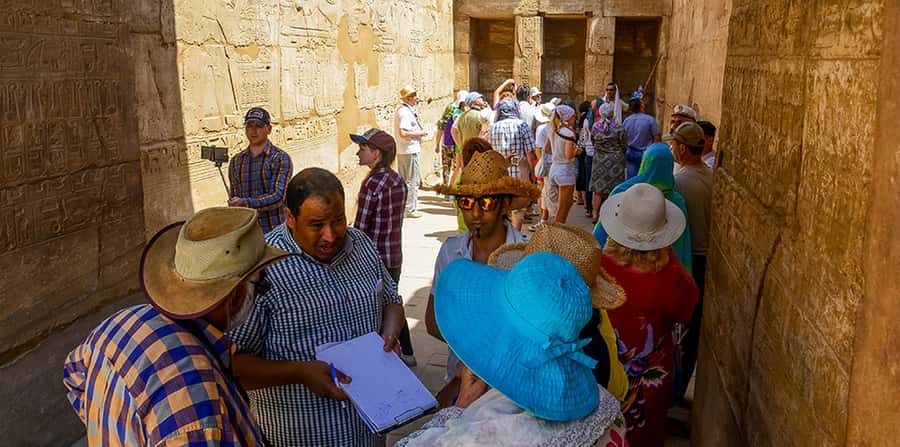
The practical advantage of starting with Karnak is that it sets the “rules of the world” for your visit. If you want the explanations to land, this is the place. With a private Egyptologist guide, the temple’s layout and symbolism won’t feel like random walls and columns. You’ll also be able to pace yourself better because the guide helps you decide what to look at first.
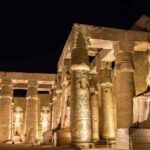
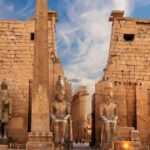
Next you head to Luxor Temple, dedicated to the god Amun-Ra. A key visual here is the Obelisk of Ramses II sitting in front of the 1st Pylon. If you like landmarks you can orient around, this is a good one. You’ll get the feeling of a living monument—something designed to be approached and seen from specific angles, not just photographed from one side.
The day ends with a drive back to your hotel to check in and rest. That break isn’t optional in practice. Day two is where the tombs and big viewpoints come in, so you’ll want energy—not just curiosity.
Colossi of Memnon: the city of the dead, without the fluff
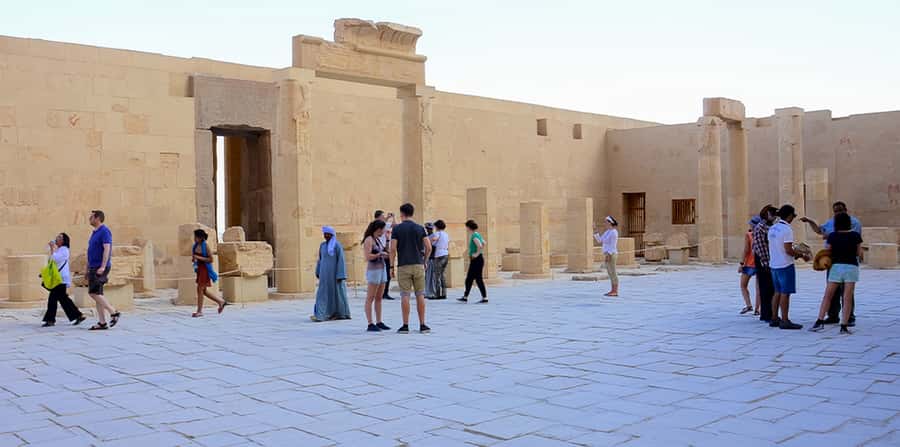
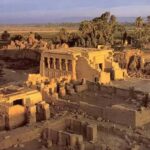
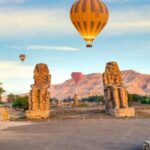
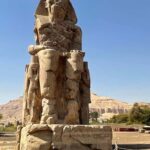
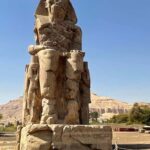
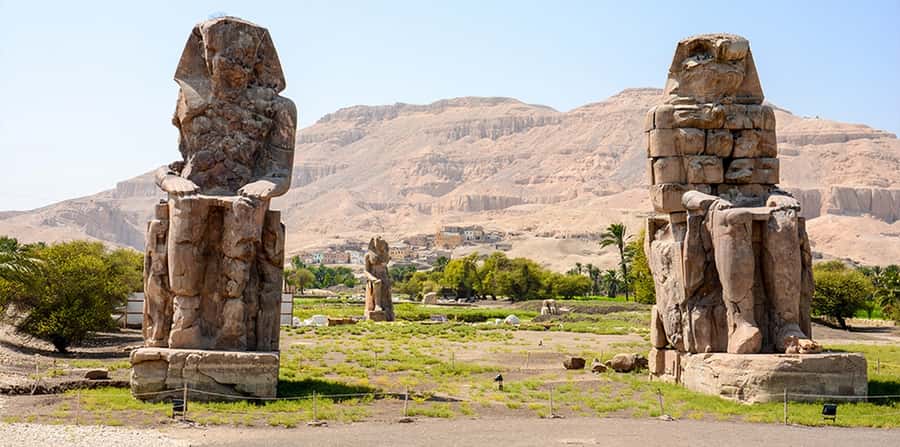
Day two begins with a stop at the Colossi of Memnon, described as the only remnants of the temple of Amenhotep III. This is one of those moments where the scale hits you quickly. Even though you’re looking at “remnants,” the figures still feel imposing—big stone presences that have outlasted empires.
You’ll also get the concept of the city of the dead here. Rather than treating these sites like isolated monuments, the tour frames them as part of a broader ancient landscape. That helps you understand why the Valley of Kings later feels like the logical next step. You’re moving through locations that were meant for different kinds of eternal life—public worship at temples, and private royal destiny in the rock.
The guide’s role matters most at stops like this. When someone explains what you’re seeing and why it was placed where it is, you stop thinking of stone statues as decoration and start treating them like history markers.
Valley of Kings and Queen Hatshepsut: big architecture, real mental payoff
The Valley of Kings is the headline stop for tomb lovers, but what I like about this itinerary is how it balances spectacle with context. The Valley is famous for the splendor of its architecture, and you feel it in the way the layout funnels you through sight lines, rock-cut spaces, and layered purposes.
You’re not just walking around—you’re moving through a royal narrative. Even if you don’t know the dates, the guide can connect what you see to who ruled, what they believed, and why they built like they did. It’s one of those rare places where good explanations make the difference between seeing and understanding.
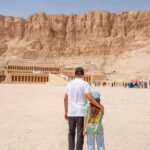
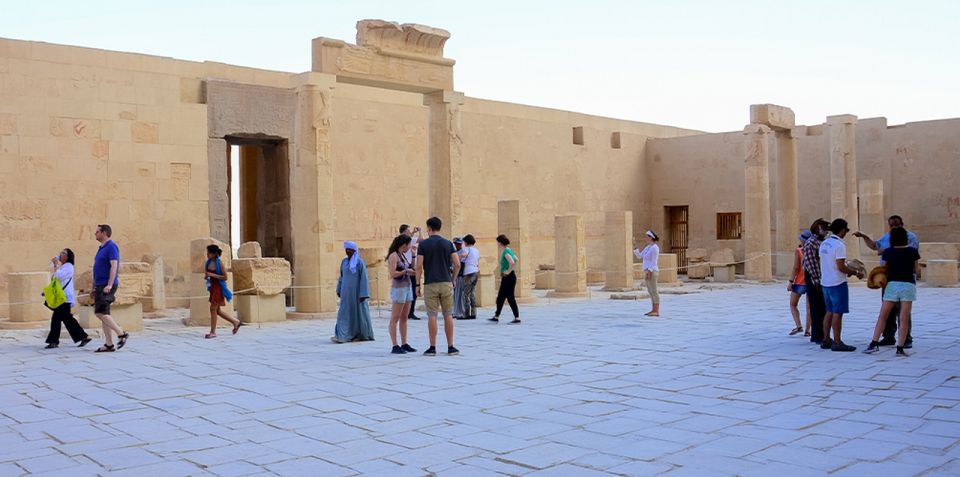
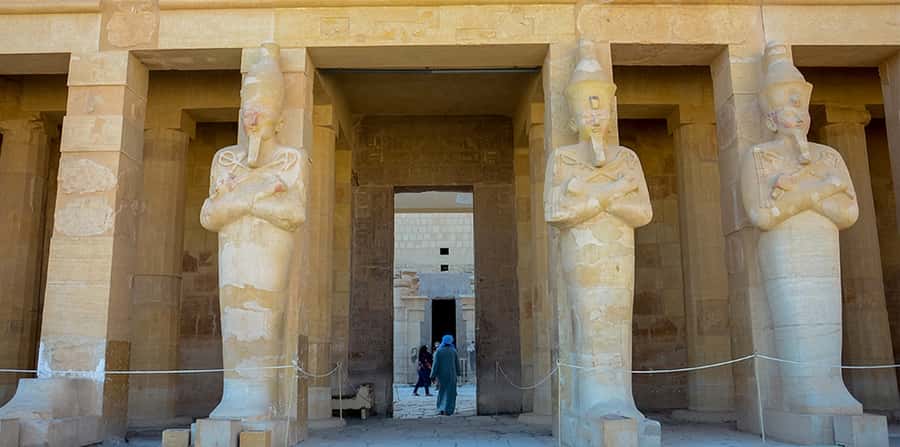
Then comes the Temple of Queen Hatshepsut, highlighted as the only pharaonic woman who ruled Ancient Egypt. That detail matters because it changes the emotional tone of the visit. It’s not only about royalty in general—it’s about a specific kind of power and legacy. When the tour places this temple right after the tomb-focused Valley of Kings, you get a strong contrast: after the silence of burial spaces, you get a statement of rule and ideology made in stone.
Quick practical note: this portion can feel like a lot in one day. If you’re the type who likes to linger, you may want to slow down at fewer stops and let the guide’s highlights do the heavy lifting.
Nile Felucca at Banana Island: sunset you can actually feel
The final experience is the felucca ride on the Nile, timed for an amazing sunset view—specifically with Banana Island mentioned in the itinerary. This is the part where the trip’s pace changes. After temples and tombs, you suddenly have water, sky, and a quieter rhythm.
What you’ll like most is that this isn’t just a photo stop. On a felucca, the slow movement makes you look up more. You’re less “tour mode” and more “Egypt in motion,” watching the river do what it has done for thousands of years.
You’ll also appreciate the timing. Sunset light can turn stone temples and cliffs into softer shapes. Even if you’ve already seen dramatic architecture earlier, this feels like a different kind of wow—less monumental, more atmospheric.

Price and logistics: what you’re really paying for
The price is $187 per person for a 2-day tour from Hurghada, and it includes more than most short Luxor trips. You’re getting:
- Hotel accommodation with breakfast
- Hotel pickup and return transfers from Hurghada
- Entrance fees included
- Air-conditioned vehicle transfers
- Lunch at a local restaurant
- Service charges and taxes
That inclusion list matters. It reduces the “surprise costs” that often add up when you start booking temples and transport separately.
But here’s the deal: in this package, the one variable that can spoil value is the overnight hotel. Multiple booking experiences attached disappointment to the included stay, including reports of unclean conditions and lack of warm water, plus a serious concern raised about pool cleanliness. I can’t promise your hotel experience will match those reports, but I can tell you the pattern is clear enough to take seriously.
So if you book, do this before you pay your final comfort:
- Confirm the hotel name you’ll use for the night.
- If warm showers matter, ask questions before you go.
- Pack simple bathroom essentials (even just a small towel or wipes), just in case.
If the hotel lines up with your expectations, then the trip offers strong value because almost everything else is structured and covered.
Your comfort checklist: what to bring, what to wear
This tour gives you a basic packing list, and it’s not fluff.
Bring:
- Passport or ID card
- Comfortable shoes
- Sunglasses
- Comfortable clothes
Add (from experience with hot, stone-heavy days): a hat if you tolerate them, and a refillable water bottle when allowed. You’ll be walking and standing a lot across two days, and the heat can hit harder than you think when you’re focused on ruins.
You’ll also want a camera. There are multiple “framing moments,” especially around the Obelisk of Ramses II at Luxor Temple and the wide views in and around the Valley of Kings.
Not allowed: pets.
And a heads-up for mobility: this tour is not suitable for wheelchair users. The sites involve uneven ground and steps, and the itinerary doesn’t mention accessible routes.
Tour guide languages and what it changes for you
The tour includes a live tour guide with language options: English, French, German, Romanian, Russian, Spanish. That matters because Luxor isn’t just scenery—you’ll get the most from it if the explanations match your language comfort.
If you can choose, pick the language you feel most confident with for history and names. Even basic clarity on timelines, deities, and architecture styles makes your experience feel less like “another set of ruins” and more like a connected story.
Also, keep an eye out for guide names like Hazem Hassan, who has been mentioned as particularly strong for friendliness and looking after the group. The best guides don’t just recite facts—they help you plan your attention.
Who this Luxor 2-day trip is best for
I think this works best for you if:
- You want a high-impact Luxor visit without handling tickets and transport on your own
- You like a guided route that connects temple locations and royal history into one sequence
- You enjoy photography but don’t want to spend hours figuring out logistics between sites
- You want a break at the hotel midday on day one so day two isn’t nonstop
It’s less ideal if:
- Hotel comfort is your top priority (because the included overnight stay can be hit-or-miss)
- You need wheelchair access
- You prefer slow travel with lots of free time (this itinerary is structured and site-heavy)
Should you book this Luxor 2-day tour from Hurghada?
If your goal is a classic Luxor highlight circuit—Karnak, Luxor Temple, Colossi of Memnon, Valley of Kings, Hatshepsut, plus a Nile felucca sunset—this is a solid way to do it with most essentials handled. The price feels fair for the scope since entrance fees, transfers, and the hotel-with-breakfast piece are included.
My advice is simple: book it if you confirm the hotel in advance and can tolerate a more standard overnight setup. Skip it or plan differently if you’re the kind of traveler who needs spotless facilities and reliable hot water at all costs.
If you want, tell me your travel month and hotel name you’re expecting, and I’ll help you plan a comfort-first packing and timing strategy for this exact 2-day flow.
FAQ
What time do you get picked up in Hurghada?
The pickup from your Hurghada hotel starts at 05:00.
How long is the Luxor 2-day tour?
The total duration is 2 days.
Is the Karnak Temple stop included?
Yes. Karnak Temple is one of the main included visits.
Do you visit Luxor Temple as well?
Yes. The tour includes Luxor Temple, dedicated to Amun-Ra, with the Obelisk of Ramses II in front of the 1st Pylon.
Which day do you visit the Colossi of Memnon?
You visit the Colossi of Memnon on the second day.
Do you go to the Valley of Kings?
Yes. The Valley of Kings is included on day two.
Is Queen Hatshepsut’s temple part of the itinerary?
Yes. The Temple of Queen Hatshepsut is included on the second day.
Do you ride a felucca on the Nile?
Yes. You’ll ride a felucca on the Nile for the sunset view, with Banana Island mentioned.
What’s included in the price?
The tour includes hotel accommodation with breakfast, pickup and return transfers from Hurghada, entrance fees, air-conditioned transfers, lunch, and service charges and taxes.
What do I need to bring, and is there anything not allowed?
Bring a passport or ID card, comfortable shoes, sunglasses, and comfortable clothes. Pets are not allowed, and the tour is not suitable for wheelchair users.