REVIEW · LUXOR
Hurghada: 2-Day Luxor Tour with Hotel, Balloon, & Nile Boat
Book on GetYourGuide →Operated by FTS Travels · Bookable on GetYourGuide
Luxor from Hurghada is a lot of ancient power in a tight time window, and the sunrise balloon is the kind of moment that makes the whole trip feel worth it fast. I like that you get major sights with a real guide (I’ve seen how guides like Omran and Yaya shape the day with patient storytelling), and I also like that the trip builds in breaks like hotel time and a calm Nile sail option. One thing to watch: some add-ons are optional, and the felucca ride is listed as not included even though it shows up in the day’s plan.
You’ll be on the move, but the schedule is built around the big-hit sites: Karnak’s massive scale, the Valley of the Kings’ rock-cut tombs, and Hatshepsut and Memnon’s huge monuments. If you want temples plus a genuine bucket-list sky moment, this hits the brief.
In This Review
- Key highlights that make this trip work
- Hurghada to Luxor: long hours, air-conditioning, and real-world pacing
- Karnak Temple and Luxor Temple: two temple moods, one unforgettable day
- A note on sellers and shopping pressure
- Nile River time: the felucca option and how to plan for it
- Your Luxor hotel night: 4-star comfort with half-board basics
- Sunrise balloon over the Valley of the Kings: what makes it special
- Valley of the Kings, Hatshepsut, and the Colossi of Memnon: pharaohs in three different scales
- Karnak at night? Light and sound is optional, but worth judging
- City of the Dead and Khan el-Khalili: a realistic slice of modern Luxor
- Organic oils and Cultural Egypt scarves: the add-ons, explained simply
- Guides and drivers: the real difference between a good tour and a great one
- Language options
- Price and value: where this tour is a smart trade
- Practical tips so your days feel smooth
- Should you book this Hurghada to Luxor 2-day tour?
- FAQ
- Where do pickups happen for this tour?
- How does the tour handle breakfast for an early sunrise balloon?
- What’s included in the hotel stay?
- Are two lunches included?
- Is the hot air balloon ride included?
- Is the light and sound show included?
- Is the Nile felucca ride included?
- Do I need a passport?
- Can I request a guide in Spanish, German, or French?
- What should I bring for the trip?
Key highlights that make this trip work
- Sunrise hot air balloon over the Valley of the Kings for wide aerial views of Luxor and the Nile
- English-speaking guiding at major temples, with storytelling that helps sites make sense quickly (you’ll feel the difference)
- Karnak + Luxor Temples in one flow, so you see two sides of the same ancient religion-world
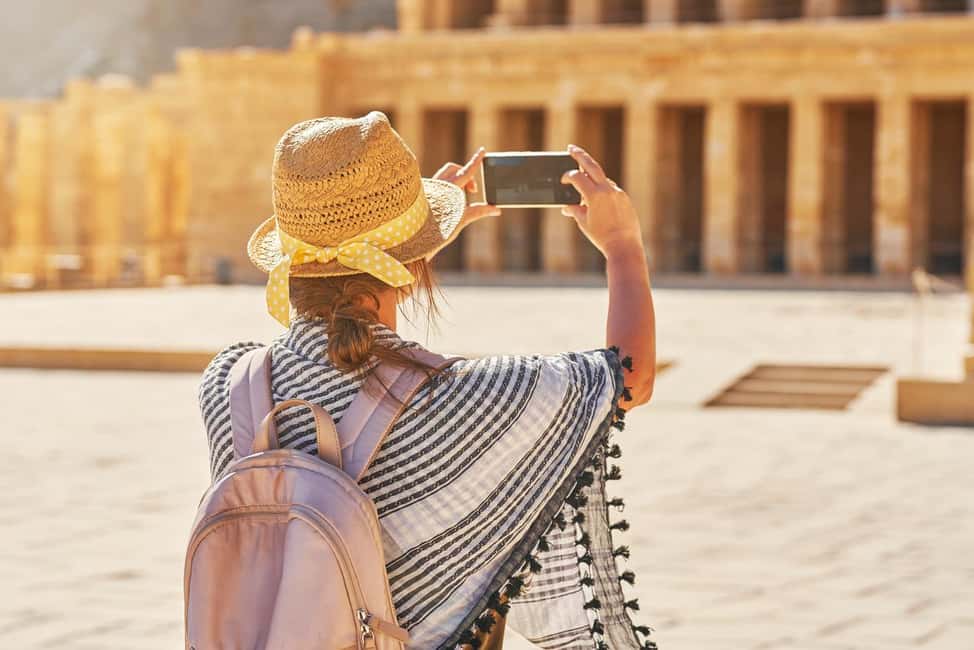
- Valley of the Kings plus key monuments like Hatshepsut and the Colossi of Memnon
- Light and sound show is available as an option for a night-time change of pace
- Shopping window around Khan el-Khalili, with time that doesn’t swallow your whole day
Hurghada to Luxor: long hours, air-conditioning, and real-world pacing
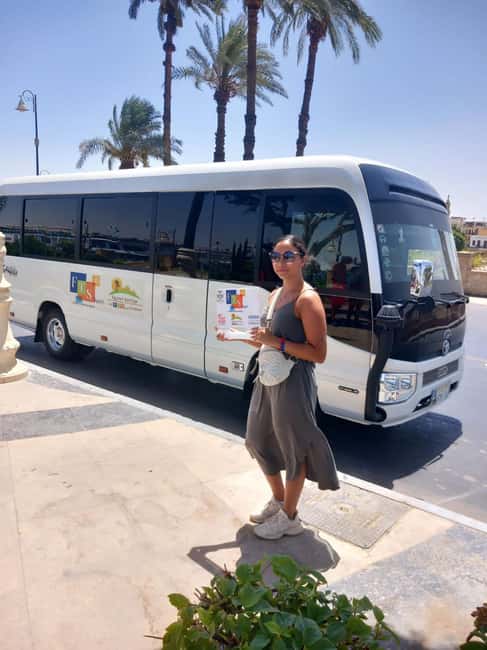
This is a straight two-day Luxor trip that starts with pickup from your hotel in Hurghada (other nearby areas can be added). The drive is the big “time cost,” but the tour does the practical right thing: you move in an air-conditioned vehicle with transfers included, and you’re not stuck planning logistics on your own.
What makes this feel better in real life is the driver factor. In the experience I reviewed, drivers like Mohamed and Abdo were described as punctual and reliable, and in one case the car experience included skillful stops for photo chances without dragging the schedule. When the day is mostly walking later, having a smooth ride matters more than you’d think.
If you’re the kind of traveler who wants to hit sites while your brain is still fresh, keep your expectations tuned: Luxor is the main event, and the ride is just the price of entry. Bring sun protection and warm layers—Egypt can shift fast between hot daytime and cooler early mornings (especially around balloon time).
You can also read our reviews of more boat tours in Luxor
Karnak Temple and Luxor Temple: two temple moods, one unforgettable day
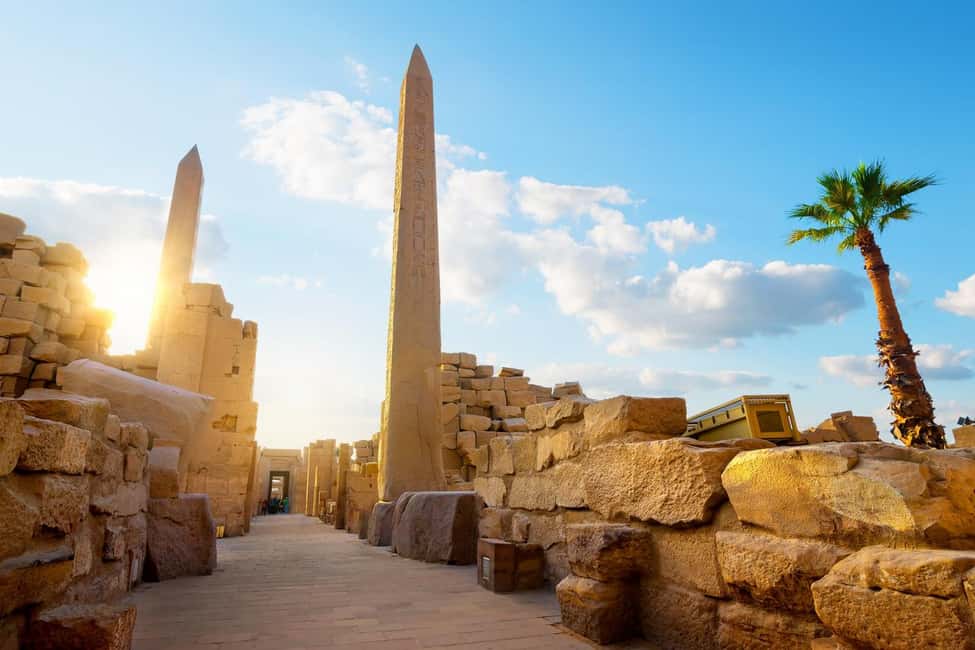
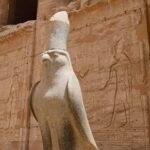
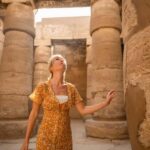
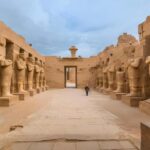
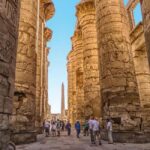
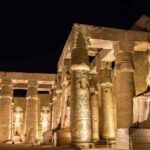
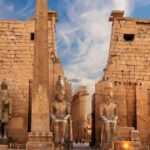
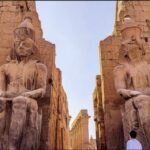
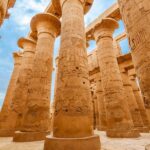
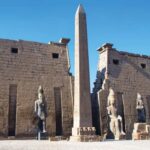
Day 1 is built around the two giants: Karnak Temple Complex and Luxor Temple. That pairing is smart. Karnak shows the empire’s scale—countless halls, statues, and sacred spaces that feel like you’re walking through an ancient city of stone. Luxor Temple feels more intimate by comparison, but still dramatic, with pillars and a strong sense of ceremonial layout.
This is where a good guide changes everything. Guides such as Waleed and Aziz were praised for answering questions and building context so you don’t just see ruins—you understand why each space mattered. When someone explains the sacred lake, the way corridors funnel movement, or how symbolism shows up again and again, your photos stop looking random and start telling a story.
You’ll also get lunch in a selected local restaurant. Drinks aren’t included, so plan to budget for water and soft drinks. Then, after Luxor Temple, you’re ready for a slower moment.
A note on sellers and shopping pressure
Luxor is Egypt. That means shop stops and side offers can appear fast if you’re alone. The guidance on this tour leans toward helping you avoid unwanted selling pressure—so you can still enjoy Khan el-Khalili when you want it, instead of getting pulled into constant negotiation.
Nile River time: the felucca option and how to plan for it
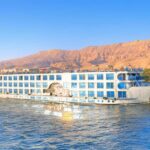
After temple time, the itinerary includes a calm Nile River felucca ride. Here’s the practical catch: felucca is listed under Not Included, so you should expect you may pay extra for it (or it may be handled as an add-on at the point of experience).
Even with that, the value is real. A short sail is a reset button. Temples demand attention and walking; the Nile brings breathing room and gives you a different angle on the city. If you’re planning your budget, treat the felucca as a “maybe” and decide when you’re standing there.
If you want to use the time well, bring an unhurried mindset. This is where you stop photographing everything and actually look at the riverfront and light.
Your Luxor hotel night: 4-star comfort with half-board basics
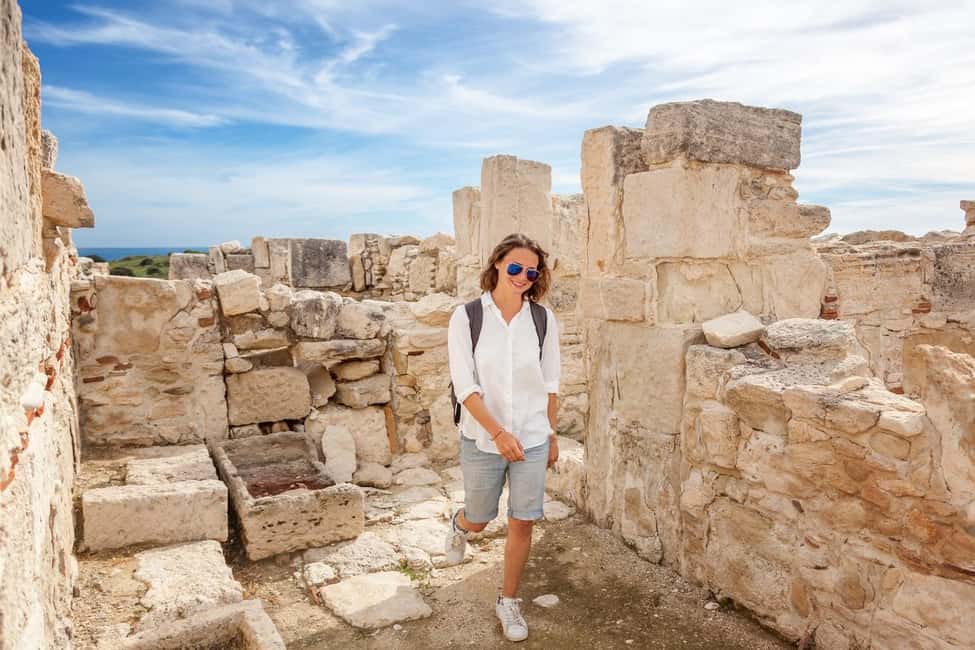
You get one night in a 4-star hotel with half-board: dinner, bed, and breakfast. That’s helpful because Luxor nights can be busy, and it’s nice not to hunt for food after a long day of walking and driving.
In one review, the hotel was described as right on the Nile, safe, and clean, which lines up with why half-board is valuable here. After a day like Day 1, you want predictable meals and a comfortable place to recharge without extra planning.
Also, think about balloon morning. You’ll want an early start. The tour lets you request a wake-up call at reception and a packed breakfast the day before, which is the kind of small service that keeps the trip smooth.
You can also read our reviews of more tours and experiences in Luxor

Sunrise balloon over the Valley of the Kings: what makes it special
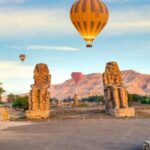
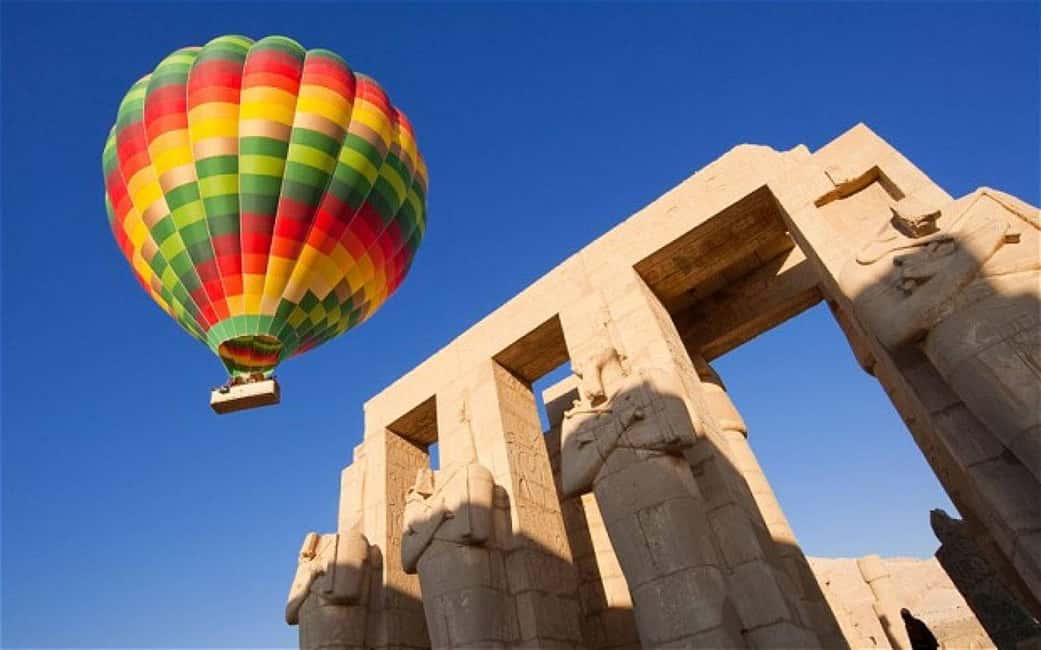
The second day is where the trip goes from impressive to unforgettable: a hot air balloon experience at sunrise over the Valley of the Kings. The description makes it clear the balloon is an optional add-on (if you selected the balloon option), but if it’s on your plan, treat it as the centerpiece.
Why it matters: sunrise light changes everything. From the air, the monuments look organized—roads, tomb locations, and the Nile’s curve become easy to “read.” It’s not just a view; it’s a map you experience.
This is also where timing matters. If you’re prone to being rushed in the morning, plan to be ready early. Bring warm clothing even if you’re expecting warmth later. Balloon mornings can feel cool before the sun climbs.
If you’re deciding whether to buy the balloon add-on, here’s the honest value view: the rest of Luxor is incredible on the ground, but the balloon is the one experience that turns a two-day plan into a true memory-maker.
Valley of the Kings, Hatshepsut, and the Colossi of Memnon: pharaohs in three different scales
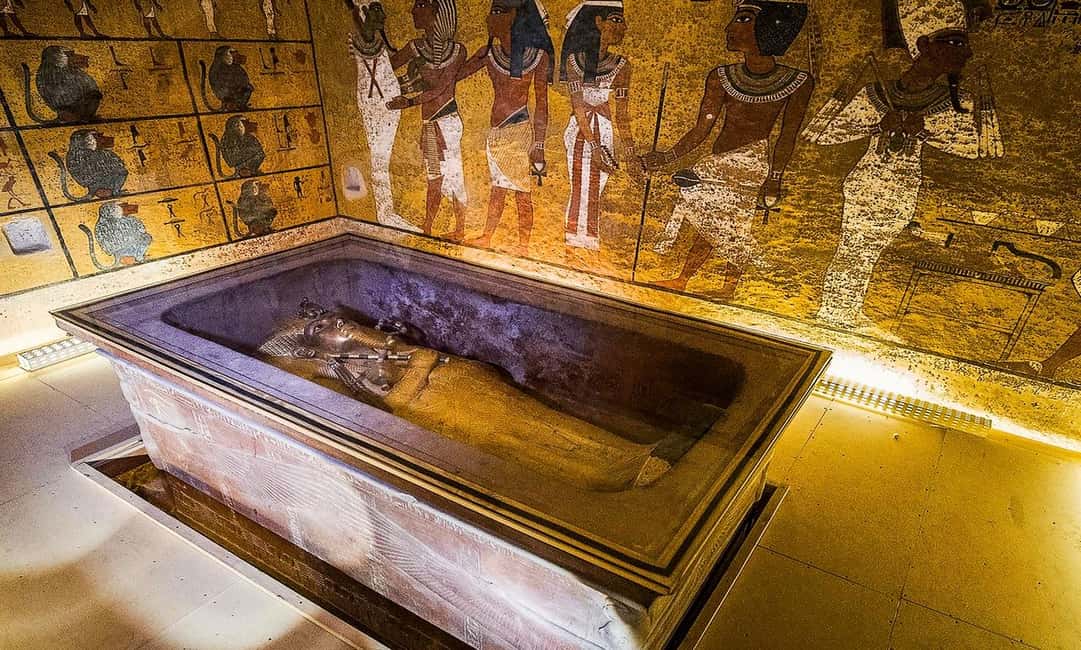
Day 2 continues with the heavyweights. You’ll explore the Valley of the Kings, which includes the final resting places of pharaohs. The tour notes that the famed tomb of King Tutankhamun may be included if selected—so if Tut is a must for you, double-check the option you chose.
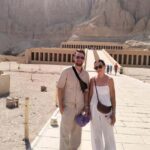
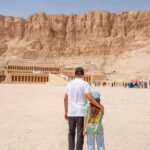
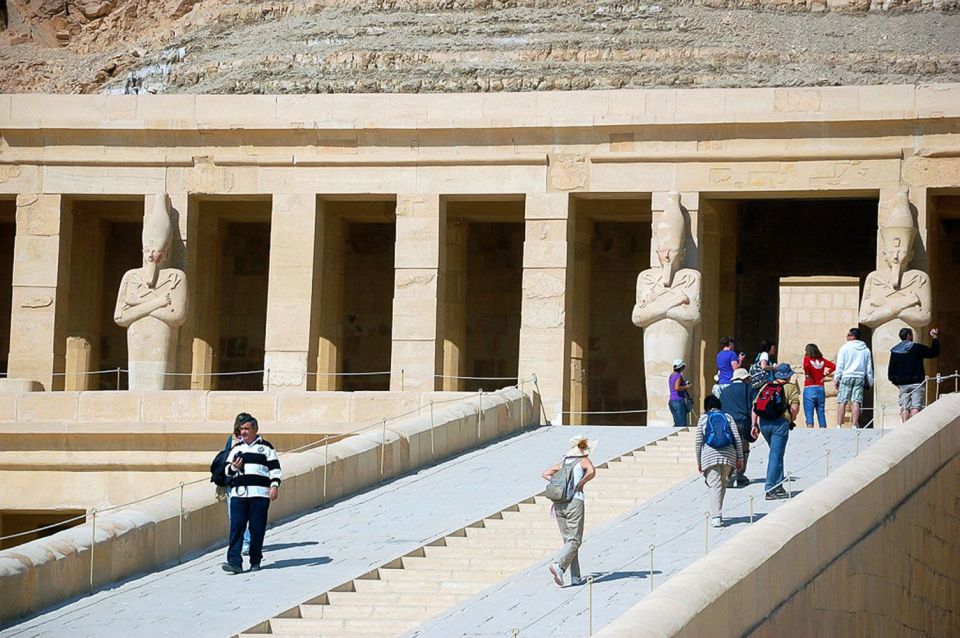
Then comes Temple of Hatshepsut. This one feels different because it’s tied to a powerful female pharaoh, and it shows how Egyptian architecture could carry both political message and religious purpose in stone. When a guide explains what you’re looking at, you’ll catch details faster than if you just walk through.
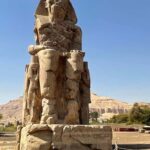
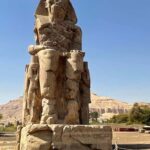
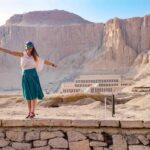
Finally, you’ll see the Colossi of Memnon—two towering statues that stand like sentinels. This stop is pure scale. Even if you’ve seen photos, standing close is a wake-up call.
Walking through these sites in a single day works well because each one hits a different angle:
- tombs underground or carved into rock (human mortality, power, ritual)
- a temple complex with political-religious intent
- massive statues that still project presence across centuries
Karnak at night? Light and sound is optional, but worth judging
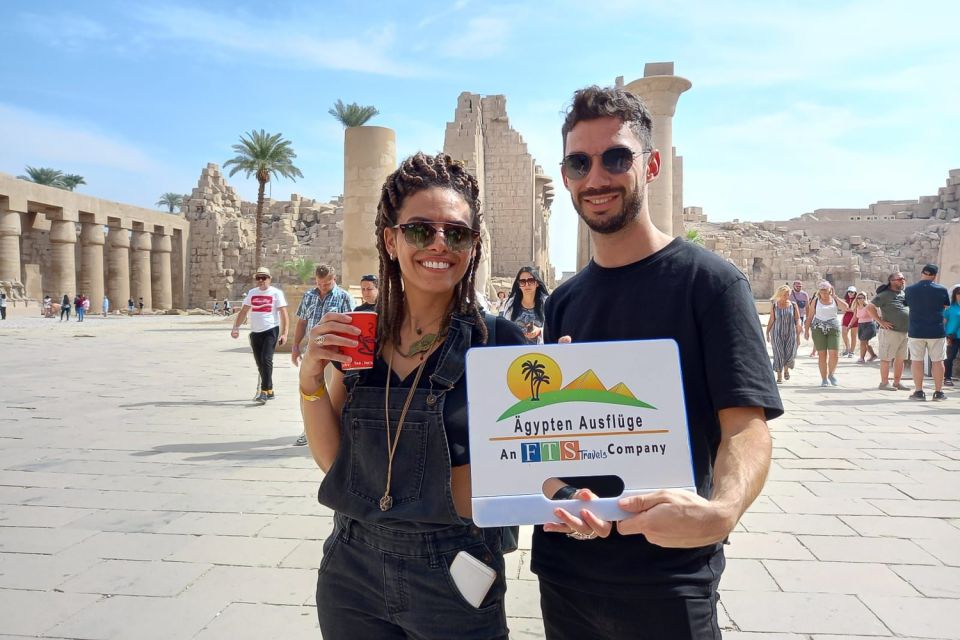
The tour offers a light and sound show as an optional add-on. Some people skip night programs to rest. Others enjoy it because it changes the tone of the temples—sound and lighting turn stone shapes into a narrative.
If you do it, go with a simple rule: keep your expectations practical. It’s not a museum exhibit you study for accuracy; it’s entertainment that helps you absorb the atmosphere.
If you prefer quiet evenings, you can skip it and still get a satisfying day.
City of the Dead and Khan el-Khalili: a realistic slice of modern Luxor
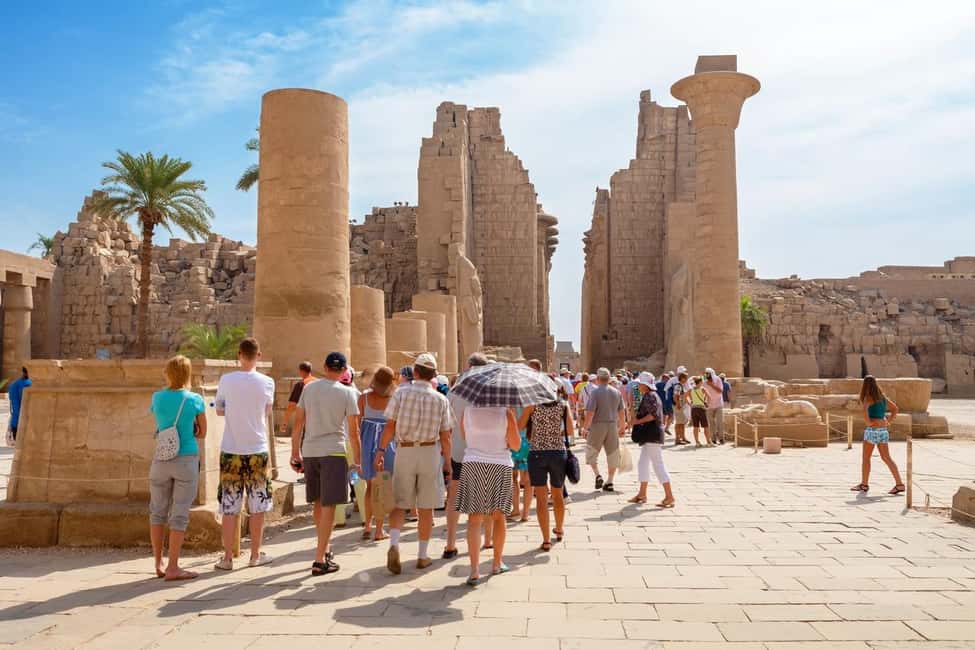
A highlight on this tour is the City of the Dead, plus impressive monuments like the Colossi. This area connects Luxor’s ancient world to the way the city lives around it now. Even if you don’t know every detail, it’s one of those places that makes the scale of time feel physical.
Then there’s shopping. The tour mentions time around Khan el-Khalili. Here’s how to make shopping time feel useful instead of distracting:
- decide what you want before you arrive (scarves, small crafts, oils)
- keep an exit plan so you don’t get stuck in long bargaining
- use your guide’s presence to reduce unwanted attention
Organic oils and Cultural Egypt scarves: the add-ons, explained simply
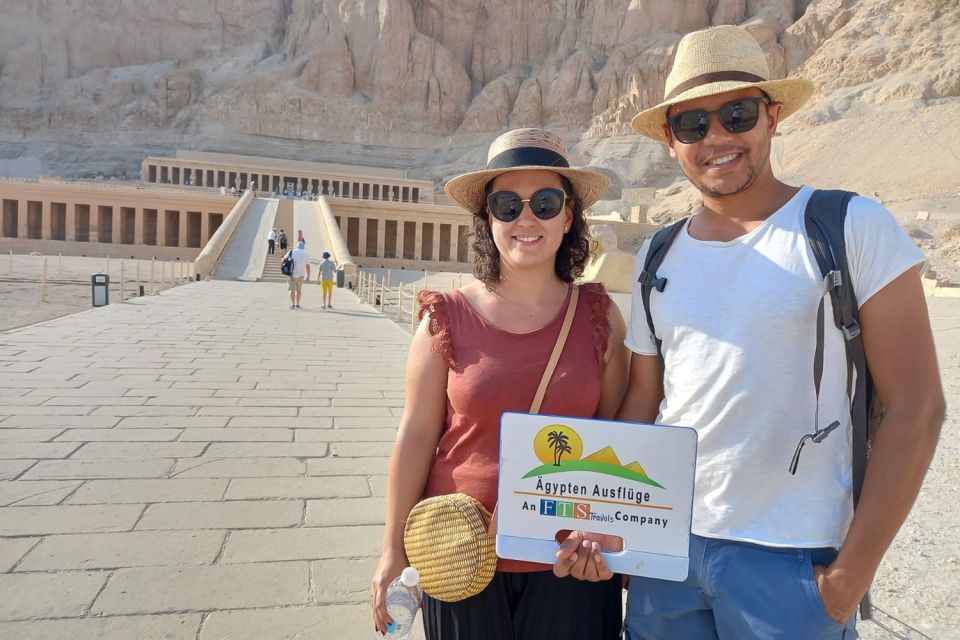
The tour can include FTS organic oils and Cultural Egypt scarves as add-ons. The oils list includes things like black seed oil, peppermint oil, French basil oil, rosemary oil, and geranium oil, each described with wellness-oriented uses (anti-inflammatory, immune support, soothing, focus, digestion, and skin health).
I’d treat these as personal wellness products rather than something I’d rely on for medical results. If you’re already into essential oils, you might appreciate the convenience. If you aren’t, skip them and put money into extra water, sunscreen, and small snacks.
The Cultural Egypt scarves, if included on your option, are an easy “souvenir you’ll actually use” in hot weather or for temple sun coverage.
Guides and drivers: the real difference between a good tour and a great one
This kind of trip lives or dies by how the guide handles pacing, explanation, and people pressure. In the feedback I saw, the guides consistently helped:
- by speaking clearly in English
- by explaining what you’re seeing, like Waleed’s storytelling style
- by keeping you on track while also letting you ask questions
- by helping you avoid unwanted sellers during temple time
Different guides made different choices. One guide focused on standard highlights plus extra small places that felt educational. Another focused on keeping you moving well between sites with strong driving by people like Emhed.
If you want the best experience, don’t be shy with questions. Ask what to look for at the next stop. Ask why a space was built. It speeds up your understanding and makes the hours feel less like a checklist.
Language options
If you need a Spanish, German, or French guide, you can request that via an add-on or pay cash on the spot. If you’re sensitive to lost context, choose the language option rather than relying on partial translation.
Price and value: where this tour is a smart trade
You’re paying for:
- hotel night in a 4-star property with half-board
- air-conditioned transfers
- a guide for both days
- entrance sightseeing covered through the planned stops
- two lunches
- optional add-ons: balloon, light and sound, and others
Then there are the practical items not included: restaurant drinks and the felucca ride. That means your total cost is partly about how many optional pieces you take.
Where this tour looks like strong value:
- you want sunrise balloon without arranging it yourself
- you want a structured 2-day plan that avoids time-wasting logistics
- you want a guide who helps you understand Luxor fast
Where it might not be the best fit:
- you hate early mornings (balloon is sunrise)
- you want total freedom with zero group structure
- you’re extremely price-sensitive about optional add-ons (balloon and night show can change the budget)
Practical tips so your days feel smooth
- Wear comfortable shoes you can walk in for temple stone floors.
- Bring warm clothing for early balloon hours and cooler evening air.
- Pack sun protection and a hat. Luxor sun can be relentless.
- Keep your passport or ID accessible; the tour requires passport/ID for traveler details.
- If you like extras, you may see small additional stops, but keep your priorities in mind so sellers don’t steer your day.
- If you’re offered shopping time, set a rough budget before you step in.
Should you book this Hurghada to Luxor 2-day tour?
I think you should book it if you want a balanced Luxor hit: major temples, a guided explanation that makes sites click, and a sunrise balloon that turns the trip into a standout story.
I’d hesitate if you’re not interested in sunrise mornings or if you prefer a slow, independent pace where you pick your own stops. In that case, you might feel squeezed.
If you do go, choose the balloon option if it’s within your budget. Everything else is impressive, but that sunrise sky view is the moment that makes the whole two-day drive feel like a good deal.
FAQ
Where do pickups happen for this tour?
Pickup and drop-off are available from hotels in Hurghada. Pickup and drop-off from El Gouna, Al Ahyaa, Sahl Hasheesh, Makadi, and Soma Bay are available as an add-on.
How does the tour handle breakfast for an early sunrise balloon?
You can request a wake-up call at reception and a packed breakfast the day before the trip.
What’s included in the hotel stay?
You get 1 night in a 4-star hotel on a half-board basis, with dinner, bed, and breakfast.
Are two lunches included?
Yes. The tour includes 2 lunches during the two days.
Is the hot air balloon ride included?
It depends on the option you select. The balloon ride is included only if you chose the balloon option.
Is the light and sound show included?
It’s included only if you select that option.
Is the Nile felucca ride included?
No. The felucca ride is listed under Not Included, even though it appears in the day’s plan.
Do I need a passport?
Yes. The tour requires you to bring a passport or ID card, and you may be asked to provide names and passport numbers after booking.
Can I request a guide in Spanish, German, or French?
Yes. You can choose from the add-ons or pay cash on the spot for a Spanish, German, or French guide.
What should I bring for the trip?
Bring your passport or ID card, comfortable shoes, a camera, warm clothing, and breathable clothing. The tour also notes food, which fits with the packed breakfast option.