REVIEW · LUXOR
Luxor: Hot Air Balloon Ride with Full-Day Sights Tour
Book on GetYourGuide →Operated by Sunrise ballooning luxor · Bookable on GetYourGuide
Lift off in the dark, float over history. This Luxor package pairs a hot air balloon ride with a full sightseeing day, so you see both the big picture and the details, with guides such as Abdallah and Sayed Salim often praised for making the monuments make sense fast.
I especially like that you get the rare mix of West Bank and East Bank highlights in one long day, from the Valley of the Kings to Karnak and Luxor Temple. You’ll also appreciate how the flow stays organized, with pilots like Ramadan called out for smooth, safe operations and clear in-flight pointing-out.
One drawback to factor in: the main tour price does not include site entry fees and lunch, and those costs can add up once you’re standing at the ticket counters.
In This Review
- Key things I’d bet on
- A 9-Hour Luxor Day That Starts With Smoke and Stars
- Getting Picked Up in Luxor and Getting to Takeoff Smoothly
- The Sunrise Hot Air Balloon Ride Over Luxor: What You Really See
- Valley of the Kings: Quick Guided Focus Plus Real Options
- What to watch for
- Hatshepsut’s Temple and the Colossi of Memnon: The West Bank Makes a Point
- Karnak Temple’s Scale: When Luxor Becomes Almost Too Big
- Luxor Temple at Golden Hour Energy (Even If It’s Not Actually Golden)
- Price and Entry Fees: The Real Cost of Seeing Luxor’s Best
- Transport Timing, Group Flow, and Photo Power Moves
- Lunch, Snacks, and the Alabaster Stop Question
- Who This Tour Suits Best (and Who Should Think Twice)
- Should You Book This Luxor Balloon Ride and Full-Day Sights Tour?
- FAQ
- How long is the Luxor hot air balloon and full-day sights tour?
- What is included in the tour price?
- Are entry fees included?
- Is lunch included?
- What sights are visited during the day?
- What languages are the guides available in?
- Does the tour cross the Nile?
- Is the tour guided?
- What is the cancellation policy?
Key things I’d bet on
- Sunrise balloon timing: You’re usually moving early, aiming for the best light and calm air.
- Views you can’t replicate: The balloon gives you instant scale over Luxor’s “open-air museum.”
- Guides who explain while you walk: People like Hussein, Bagdady, and Mansuor Hamed are repeatedly singled out for clarity and stories.
- A packed but paced route: You hit the big hits without feeling like a sprint to the next stop.
- Extra costs to budget: Entry tickets are not included, and lunch is on you.
A 9-Hour Luxor Day That Starts With Smoke and Stars
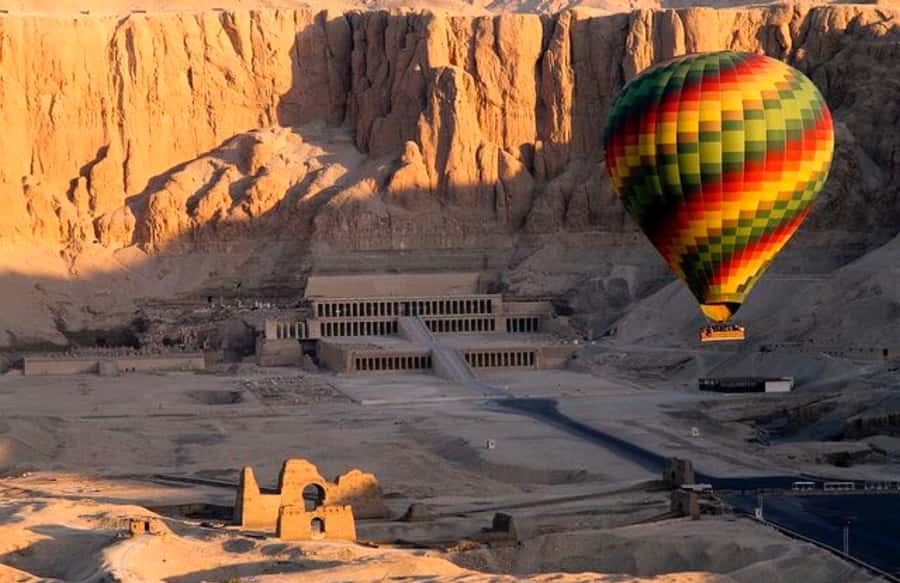
This tour is built around one goal: show you Luxor’s top ancient sites without making you plan five separate tickets, entrances, and meet-ups. You’ll start before the sun is up and spend your daylight hours bouncing between the West Bank (tombs and temples) and the East Bank (major temple complexes).
The hot air balloon part sets the tone. The ride is short by clock time, but it’s long on wow factor because you’re seeing temples and river bends from above, while other visitors are still getting their first coffee. Guides and captains you may meet (including pilots like Ramadan and Omar in the feedback) often help you spot landmarks and understand what you’re actually looking at.
At $104 per person, the value comes from bundling transportation and the balloon into one package. You do, however, need to accept that the day is full. If you hate early starts or you’re the type who wants slow, unstructured museum wandering, this itinerary may feel “efficient” instead of relaxed.
You can also read our reviews of more tours and experiences in Luxor

Getting Picked Up in Luxor and Getting to Takeoff Smoothly
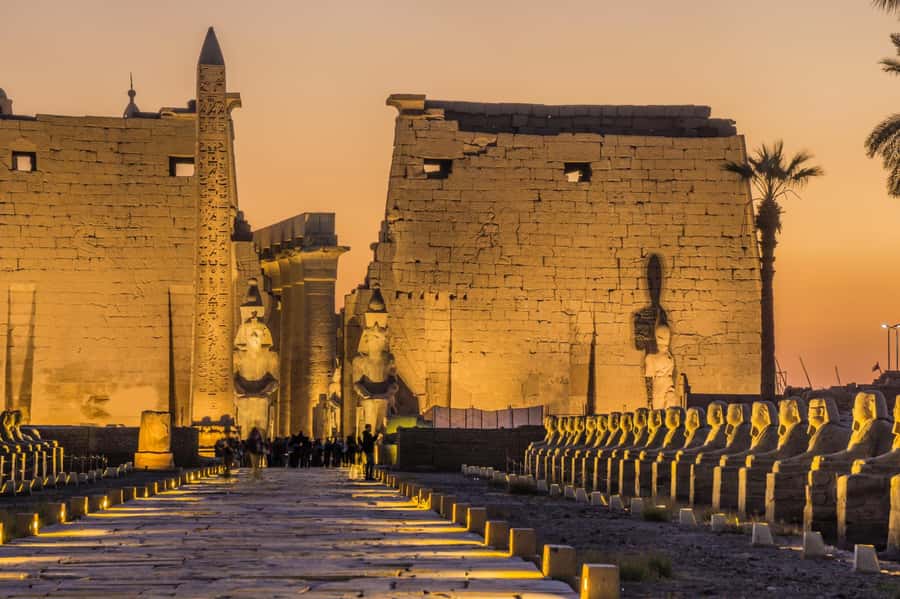
Pickup is included, and the tour begins in Luxor with a short van transfer to the balloon takeoff area. In practice, this is one of the easiest parts of the day: you’re not hunting taxis or negotiating routes before sunrise.
Expect a pickup-and-drive rhythm that’s designed around balloon timing. That matters because balloons are weather-dependent, and the launch schedule is usually handled by the balloon team, not by you. If weather shifts, some guests report temples being visited while plans adjust, which is a reminder to keep your morning flexible in spirit even if it’s set on paper.
Also, plan your morning so you’re comfortable during waiting time. Early starts mean you’ll want water, sunscreen, and something light to cover up later when the heat arrives.
The Sunrise Hot Air Balloon Ride Over Luxor: What You Really See
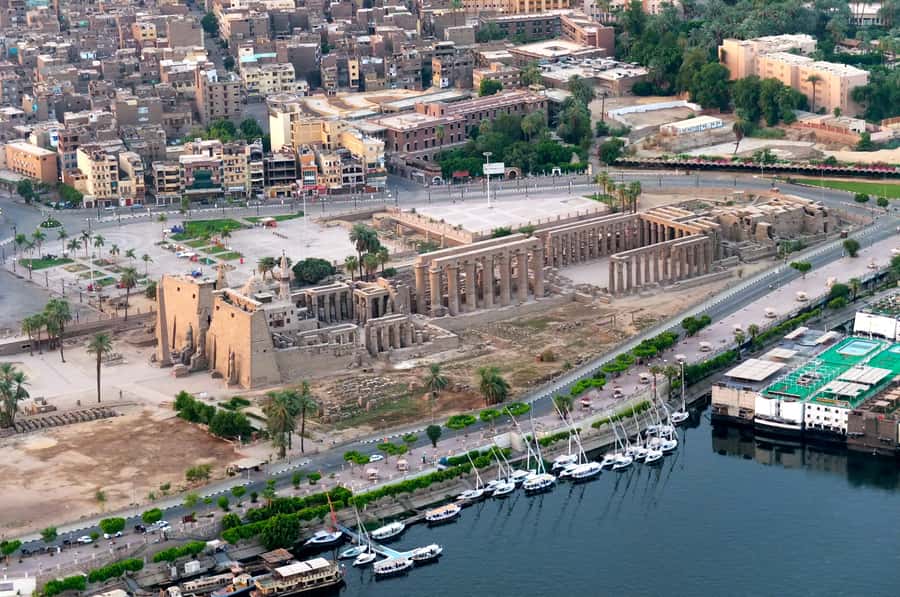
The balloon ride is about 30 minutes in the air, and that half hour becomes the anchor for the whole day. From above, Luxor stops looking like scattered ruins and starts looking like an organized ancient city—temple lines, river curves, and the separation between burial grounds and living areas become obvious fast.
What you’ll feel most is calm, not chaos. Many people highlight smooth takeoffs and landings and a steady ride with plenty of time to look around. Pilots like Ramadan and Capt. Omar are praised for professionalism, and that’s important here: the flames and the balloon setup can look intense on the ground, but a practiced captain makes it feel controlled.
A practical tip: photo planning helps. If you want clear shots, keep your phone or camera accessible before you’re airborne, because reaching for gear in a balloon basket is not the time to wrestle with zippers. The best photos usually come from simple angles: point the lens where the guide is directing and then sweep slowly as the balloon drifts.
Valley of the Kings: Quick Guided Focus Plus Real Options
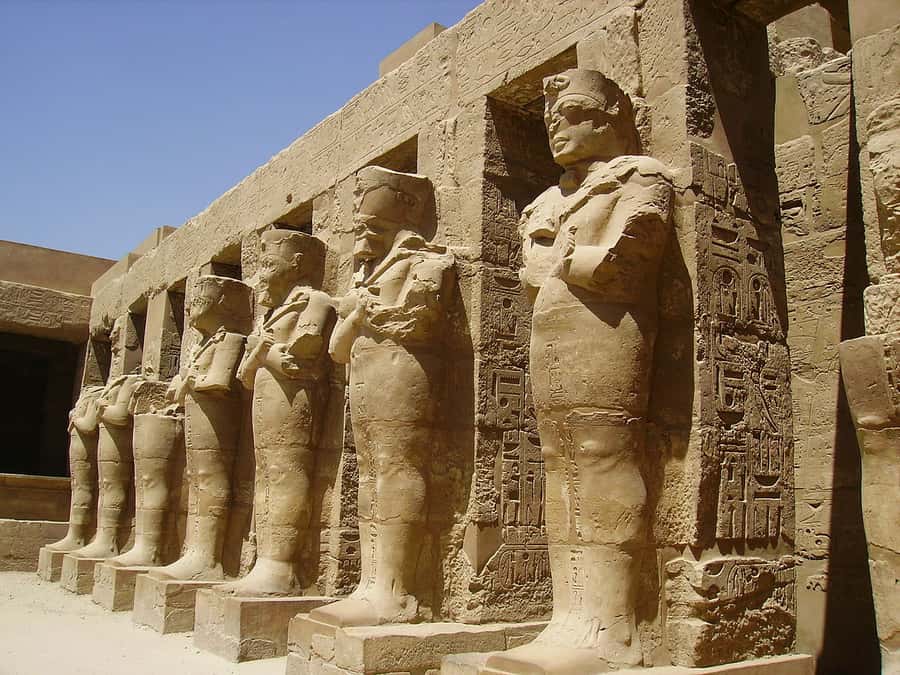
Once the balloon is done, the tour switches gears to monuments and walking. Your first major archaeology stop is the Valley of the Kings, with a guided visit and sightseeing time built in.
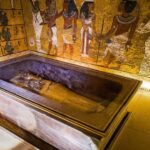
This stop is where the tour makes its promise land. From ground level, the Valley is striking, and the guided explanations give you context for the tombs’ function and the people who were buried there. Even with limited time, a guide can help you understand why certain carvings matter and what to notice when you’re inside a tomb’s dim corridors.
The time allocation here is compact (about 30 minutes in the Valley), so treat it like a “best highlights” window. If you want to go deeper than one or two tombs, you may need to add time or choose carefully. Some guests mention the ticket arrangement can include entry to three tombs, with the ability to add other tomb visits such as Tutankhamun’s. If you care about a specific tomb, ask before you enter which ones are most time-efficient for your group.
What to watch for
- The sun and heat hit fast after you’re done in shaded tomb spaces.
- You’ll move efficiently, not slowly, so wear comfortable shoes you trust on uneven paths.


Hatshepsut’s Temple and the Colossi of Memnon: The West Bank Makes a Point
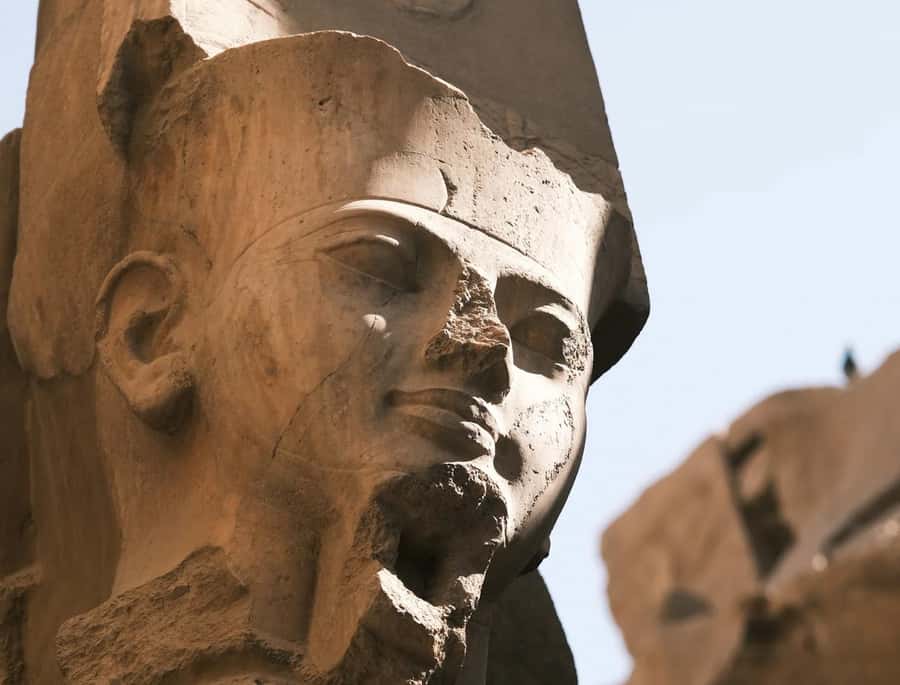
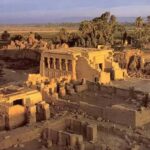
After the Valley, you head to the West Bank highlights: the Mortuary Temple of Hatshepsut and then the Colossi of Memnon.
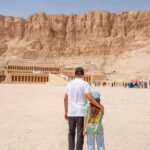
Hatshepsut’s temple visit is short (about 15 minutes), but it’s short in the way that still feels meaningful. The architecture and scale are the story here, and a good guide makes you see it as political power and religious messaging, not just big stone shapes. If your guide is the type who links what you’re seeing to who ruled and why they built, this is the stop that “clicks.”
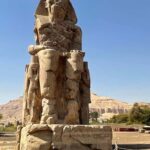
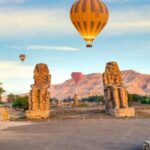
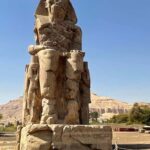
Then comes the Colossi of Memnon: two massive standing figures that feel almost surreal in the quiet of the ruins. The visit is brief (about 10 minutes), but it’s well targeted. These statues are the kind of landmark where your brain instantly understands why people used them as reference points even before modern archaeology.
If you’re traveling during hotter months, this portion of the day can be more tiring than you expect, not because the sites are exhausting, but because the walking and sun exposure stack up. Build in water breaks whenever you see a chance.
Karnak Temple’s Scale: When Luxor Becomes Almost Too Big
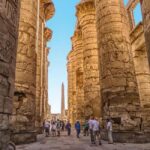
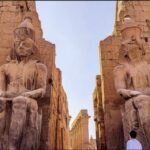
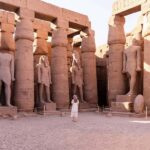
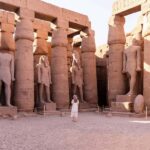
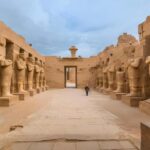
Crossing to the East Bank is where the day gets temple-heavy. Karnak Temple is the major stop, with about 45 minutes for guided time and sightseeing.
Karnak can overwhelm you if you don’t have any framing. A strong guide makes it navigable: they help you interpret axes, halls, and focal structures so you understand the logic of the complex instead of just trying to take in everything at once.
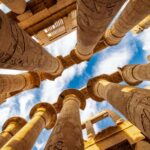
This is also a great stop to slow down with your senses. Pay attention to symmetry and transitions between spaces. Even if you’re only in the complex for under an hour, you’ll leave with the sense that Karnak wasn’t one temple, it was a whole system of sacred spaces.
If you’re the kind of person who likes asking questions, this is where your guide can earn their paycheck. Many guides are praised for answering everything from symbolism to practical “what would a visitor do here?” questions.
Luxor Temple at Golden Hour Energy (Even If It’s Not Actually Golden)
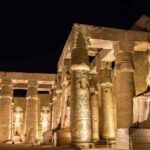
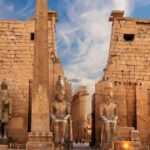
Next up is Luxor Temple, with about 30 minutes for guided sightseeing. This temple often feels more intimate than Karnak, and it’s a nice contrast after the massive East Bank scale.
Luxor Temple is also a strong “wrap-up” stop. By the time you’re here, you’ve already seen tombs on the West Bank and the complex structures at Karnak. So you can read Luxor Temple as the living counterpart: ritual space tied to the rhythms of ancient city life.
Time is limited, so go for what matters most to you. If you love inscriptions and carvings, focus on the surfaces and ask your guide what to notice. If you prefer structure and layout, look for how the spaces funnel you along the temple path.
Price and Entry Fees: The Real Cost of Seeing Luxor’s Best
Here’s the honest arithmetic. The tour price is $104 per person and it includes pickup/drop-off and the balloon ride. It does not include entry fees, parking fees, or lunch.
And entry fees are not a rounding error. One guest gave a specific warning about extra costs totaling around 2,000 EGP per person for site entries, and notes pointed out that the money can add up fast once you’re onsite. That means you should budget for extra spend on top of the package price even if the day feels like one bundled experience.
This is where value depends on how you travel. If you were already going to do a balloon ride and then pay separately for major temples, bundling can be a good deal. If you’re trying to keep expenses as low as possible, you’ll want to factor in the extra tickets early so there are no surprises when the group reaches the entrances.
Lunch is also not included. Some guests say lunch wasn’t clearly communicated in advance, and others mention restaurant quality can feel hit-or-miss depending on the stop and the vibe of the place. You’ll have a break time around the lunch window, but your meal choice is basically your responsibility.
Transport Timing, Group Flow, and Photo Power Moves
The day is built around van transfers and timed entry visits, so you’re not stuck waiting around for hours. A typical rhythm is: balloon transfer and ride, then a guided run of West Bank sites, then the East Bank temples.
Because it’s a full-day plan, you’ll want to prepare for two realities:
1) Early morning start, and
2) Heat later, even if the air feels cool at takeoff.
A good practical kit includes sunscreen, a hat, sunglasses, and water. Wear breathable clothing and shoes that won’t punish you after repeated walking on uneven surfaces. If you’re sensitive to heat, consider a light scarf or shawl for sun coverage.
For photos, remember that the balloon offers the widest views, while your temple photos will depend on guidance and timing. If your guide like Hussein or Abdallah is directing attention, take that seriously. Their pointers usually help you frame shots you would otherwise miss.
Lunch, Snacks, and the Alabaster Stop Question
Your itinerary includes a lunch break time, but lunch isn’t paid as part of the package. That means you may be funneled toward a set restaurant unless your group has time to split off (and not every plan allows easy solo wandering).
One extra stop you should mentally flag is an alabaster manufacturing unit. Some people call it unnecessary and time-consuming, while others don’t mind it as a pause. If you’re the sort of traveler who would rather spend every minute on temples instead of shop floors, you may want to set expectations going in and treat it as optional in your attitude even if it’s scheduled in the route.
In any case, carry some cash for small purchases if you like, but also be prepared that you’ll likely have to manage entry fees separately. The day runs on momentum, so having your wallet ready helps keep stress low.
Who This Tour Suits Best (and Who Should Think Twice)
This experience is a strong fit if you want the “Luxor greatest hits” without turning your trip into a project. You’ll be happy if you like a clear plan: balloon first, then temples on the East and West Banks with guided context at each stop.
It’s also a good match for first-time Luxor visitors who want the top sights in one day and don’t want to risk missing key monuments by managing bookings alone. The guided time helps you understand what you’re seeing, and the balloon adds a perspective that makes the rest of the day feel more connected.
You might think twice if you prefer slow travel, you dislike early mornings, or you’re traveling with a group member who needs frequent downtime. The schedule is full, and in very hot weather that can feel more tiring than you expect, even with decent pacing.
Should You Book This Luxor Balloon Ride and Full-Day Sights Tour?
I’d book it if you want a high-impact day: sunrise balloon visuals plus the major temple hits that define Luxor. At $104, it’s priced as a bundle where the balloon ride and transportation are doing the heavy lifting, and the guided temple stops are what turn the day from pretty to meaningful.
I’d be cautious if you’re on a tight budget or you hate surprise add-ons, because entry fees and lunch are not included and can materially change your total spend. If you go in with that knowledge, you’ll enjoy the day much more.
So my call: book this when you want maximum ancient-sight return in one run, and when you’re happy to accept early timing, extra ticket costs, and a packed schedule in exchange for a memorable Luxor overview.
FAQ
How long is the Luxor hot air balloon and full-day sights tour?
The total duration is 9 hours.
What is included in the tour price?
Pickup and drop-off are included, along with the hot air balloon ride.
Are entry fees included?
No. Entry fees are not included.
Is lunch included?
No. Lunch is not included.
What sights are visited during the day?
You’ll visit the Valley of the Kings, the Mortuary Temple of Hatshepsut, the Colossi of Memnon, Karnak Temple, and Luxor Temple, with a break time/lunch break in Luxor.
What languages are the guides available in?
The live tour guide is available in English, French, and Spanish.
Does the tour cross the Nile?
Yes. After the West Bank sights, the tour crosses to the East Bank to visit Karnak and Luxor Temple.
Is the tour guided?
Yes. The stops are guided with a live tour guide.
What is the cancellation policy?
Free cancellation is available up to 24 hours in advance for a full refund.