REVIEW · LUXOR
Luxor: West & East Banks & Tut’s Tomb Private Full-Day Tour
Book on GetYourGuide →Operated by Nice Tours · Bookable on GetYourGuide
Luxor in a single day feels like a sprint. I love the sweep from the Valley of the Kings to Karnak, with an English-speaking guide who keeps it understandable, and I love that it is private with entry fees and lunch handled. The only catch is the schedule: it’s 8 hours of heat, walking, and tomb stairs, so you’ll want solid shoes and a refillable water bottle.
This tour works best when you want structure without feeling boxed in. You’re not wandering around alone hunting for the right ticket line, and the day is paced to fit big stops like Karnak and Hatshepsut without turning into a blur. In real feedback, guides such as Manal, Mina, Hasan, and Salma show up often for a reason: they explain what matters first, then make sure you still have time to look and take photos.
In This Review
- Key points that make this Luxor day work
- Eight Hours of Luxor: West Bank tombs to East Bank temples
- Pickup, car comfort, and beating the Luxor heat
- Valley of the Kings: the tombs you came for
- The Tutankhamun ticket question
- What your guide should do here
- Valley of the Queens: royal burials beyond the headline name
- Hatshepsut’s mortuary temple: why the terraces hit so hard
- Colossi of Memnon: a quick stop with big presence
- Lunch break at a local restaurant: where the day slows down
- Karnak Temple: the Theban Triad and a lot of stone
- How to use your time here
- Luxor Temple: the closing act built over centuries
- Price and value: what you’re actually paying for
- Who should book this, and who should pick a different plan
- Should you book the Luxor West & East Banks and Tut’s Tomb private tour?
- FAQ
- How long is the Luxor West & East Banks tour?
- Is this a private tour?
- What’s included in the price?
- Which major sites are included?
- Is the Tutankhamun’s Tomb entrance ticket always included?
- What languages are available for the guide?
Key points that make this Luxor day work
- Private guide + English support: you get answers on the spot, not generic handouts
- Skip the ticket lines: you lose less time at entrances
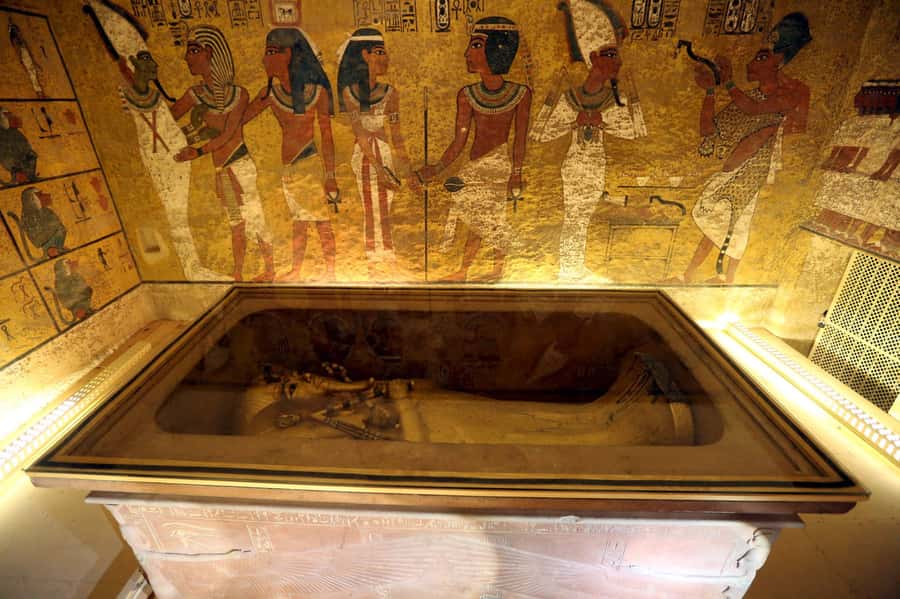
- Valley of the Kings tomb set: includes 3 tombs, with Tutankhamun as the headliner
- A full West-to-East arc: West Bank monuments first, then Karnak and Luxor Temple on the East Bank
- Local restaurant lunch included: a real break in the middle, not just a snack stop
Eight Hours of Luxor: West Bank tombs to East Bank temples
Luxor is two different moods stitched together by the Nile. On the West Bank you’re in the world of kings, queens, and the afterlife. On the East Bank you see temples built for gods and daily ritual. This private day tour strings those moods into one practical loop, with pickup in Luxor and a full, guided run through the highlights.
The structure is smart if your time is short. You get the iconic stops that people travel halfway around the world for, but also enough context from your guide that the monuments stop being just big stone and start meaning something.
That said, this is not a sit-on-a-bench kind of day. Expect walking, stairs, and plenty of sun exposure. Even with good pacing, you’ll feel it.
You can also read our reviews of more private tours in Luxor
Pickup, car comfort, and beating the Luxor heat
You’re collected from your hotel in Luxor and shuttled between sites by private driver. Multiple reviews mention air-conditioned comfort, which matters a lot when Luxor is pushing summer temperatures.
Two practical tips help a lot:
- Bring water and drink early. Waiting until you feel thirsty is how people get cranky and slow.
- Wear shoes that handle uneven ground. Tomb areas and temple approaches can be rough and dusty.
A theme in the feedback is that drivers are attentive at stops—showing up at the entrance rather than leaving you to hunt for the car. That small detail saves energy when you’re already moving all day.
Valley of the Kings: the tombs you came for
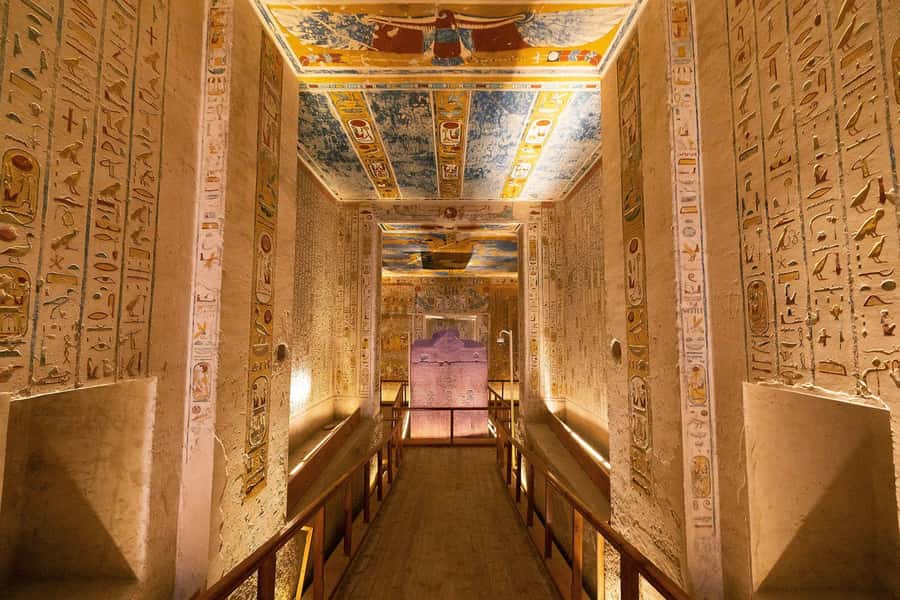
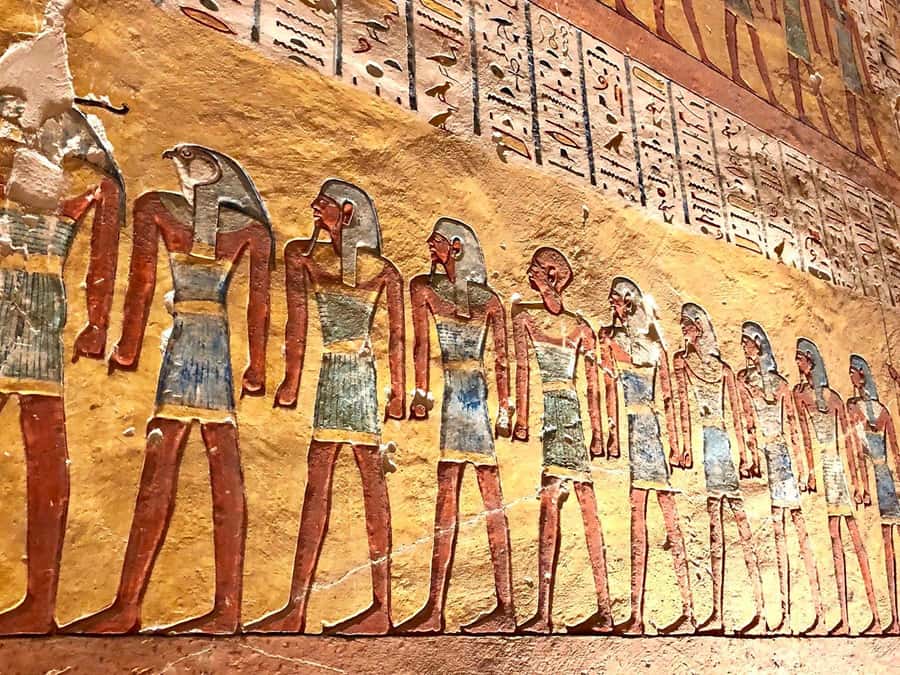
The day starts on the West Bank in the Valley of the Kings, also called the Valley of the Gates of the Kings. This is where the pyramid-era mythology turns into rock-cut realities. Your guided time here is about 2 hours, with entrance into multiple tombs.
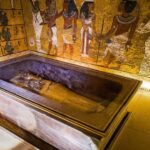
You’ll see 3 tombs, including Tutankhamun’s Tomb. That combination is the big win for first-timers. Tut’s tomb is famous for a reason, but seeing a couple of additional royal burials helps you understand the pattern: the layout, the symbolism, and why certain scenes repeat.
The Tutankhamun ticket question
Your tour includes entry fees, and it’s designed around visiting Tutankhamun’s tomb. Still, one review notes that the entrance to Tutankhamun’s tomb was an extra payment of 700 Egyptian pounds for that traveler in December 2025. That likely means ticket rules can vary by date or ticket type.
My advice: ask your provider ahead of time if Tutankhamun’s tomb entry is included for your exact day, so there are no surprise add-ons when you’re already standing at the entrance.
What your guide should do here
In this kind of site, the guide’s job is to give you the “how to read the place” in plain language. Reviews repeatedly praise guides like Mina, Hasan, and Gabriel for staying on-topic and explaining details without turning it into a lecture. If your guide points out what you’re looking at before you step inside, your photos and memories get better.
You can also read our reviews of more tours and experiences in Luxor



Valley of the Queens: royal burials beyond the headline name
Next comes the Valley of the Queens. This stop lasts about 1 hour and focuses on tombs connected with queens, princesses, and other high-ranking officials.
People sometimes treat this as a side quest to the Valley of the Kings, but that’s a mistake. The scale feels quieter, and the tombs can feel more intimate because you’re not trapped in the same “biggest name” pressure. The story shifts from king-only prestige to the wider royal family network.
In a practical sense, this is also a good time for your brain. After Tutankhamun-level intensity, you get a different set of visuals and a new angle on ancient Egyptian power.
Hatshepsut’s mortuary temple: why the terraces hit so hard
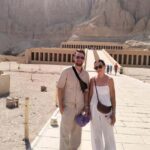
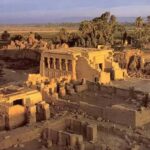
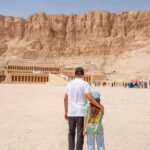
Queen Hatshepsut’s Mortuary Temple is one of Luxor’s most photogenic masterpieces, and it’s also one of the most interesting to understand. Your guided time is about 1 hour, and the setting is striking: massive terraces rising above the desert floor toward the cliffs of Deir el-Bahari.
What makes this stop special is the mix of architecture and symbolism. This isn’t just a pretty structure. It’s designed to impress, to control views, and to communicate legitimacy. Hatshepsut ruled like a king, and the temple’s scale helps explain how a woman pharaoh projected authority in a male-dominated power system.
Reviews repeatedly call this temple phenomenal, with visitors emphasizing its terraces and the feeling that you’re standing before a designed landscape of ceremony. Even if you’re not an Egyptology nerd, the sightlines and geometry make it easy to grasp why it mattered.
Colossi of Memnon: a quick stop with big presence
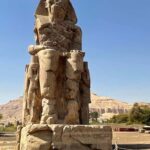
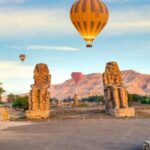
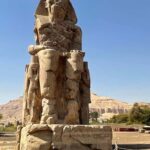
The Colossi of Memnon are brief—about 30 minutes in this schedule. Two towering statues don’t sound like much on paper, but they’re dramatic in person. They connect to the mortuary temple of Amenhotep III, so even though you’re there for a short time, you’re still in the same broader story arc of kings leaving monuments that outlasted them.
This is also a useful checkpoint in a long day. It gives you a chance to regroup, stretch your legs, and reset before Karnak.
Lunch break at a local restaurant: where the day slows down
Lunch is included and takes about 30 minutes at a local restaurant. Reviews describe a tasty buffet style meal with local Egyptian food, often with views or a pleasant outdoor feel.
Two meal realities:
- Drinks are usually extra, even when the buffet is included. Build that into your budget.
- You may eat slightly faster than you want because the tour schedule continues after lunch.
Still, the included lunch is a major value point. Instead of chasing food on your own, you get a planned stop with less hassle.
One smart note from feedback: a guide helped avoid overpriced souvenir stops while keeping time efficient. That’s another way lunch ties into the value—your day stays under control.
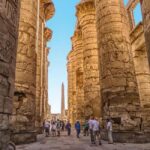
Karnak Temple: the Theban Triad and a lot of stone
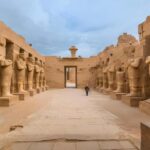
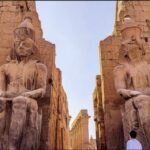
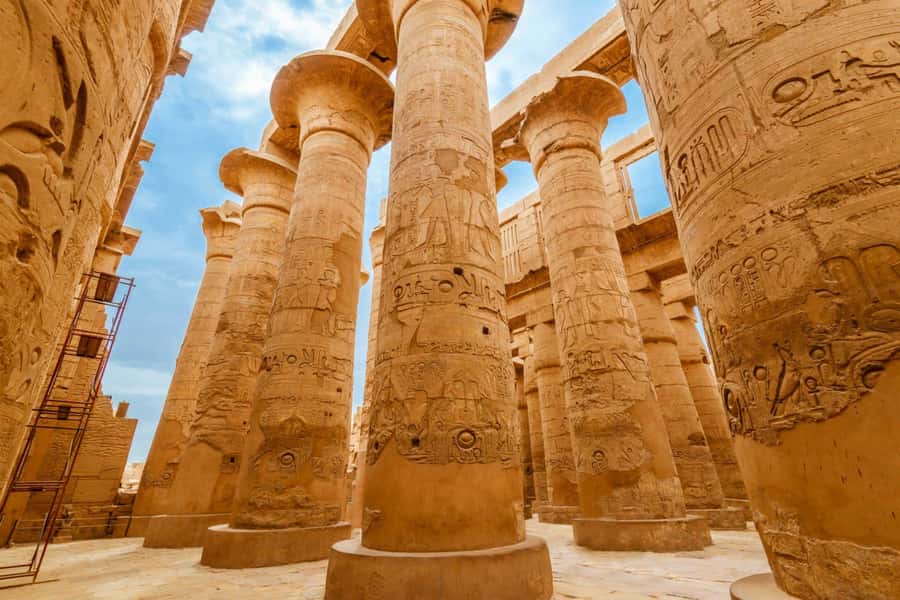
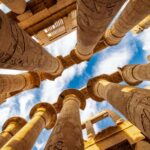
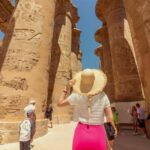
Then you head to Karnak Temple, dedicated to Amun and his family—Amun, Mut, and Khonsu, often referred to as the Theban Triad. Your guided time is about 2 hours.
Karnak’s scale is hard to process at first. The biggest mistake you can make is rushing through it like it’s a checklist. A good guide helps you “zoom in” mentally: one courtyard, one hall, one axis of power at a time.
How to use your time here
You’ll get history and mythology explained, but the best part is how it turns physical. Karnak is basically an Egyptian power document in stone, with rooms built and rebuilt across reigns. That means you can understand it more quickly if your guide tells you what each major area was for.
Also, keep expectations realistic: one review notes Karnak deserves more time on your own because 2 hours may not be enough to absorb everything. So treat this as the guided orientation that gets you oriented fast, then leaves you wanting a return visit.
One extra tip from reviews: if there’s time, ask about the papyrus gallery. It’s a practical way to learn how paper objects were made and it’s also a straightforward place to buy something small and real.
Luxor Temple: the closing act built over centuries
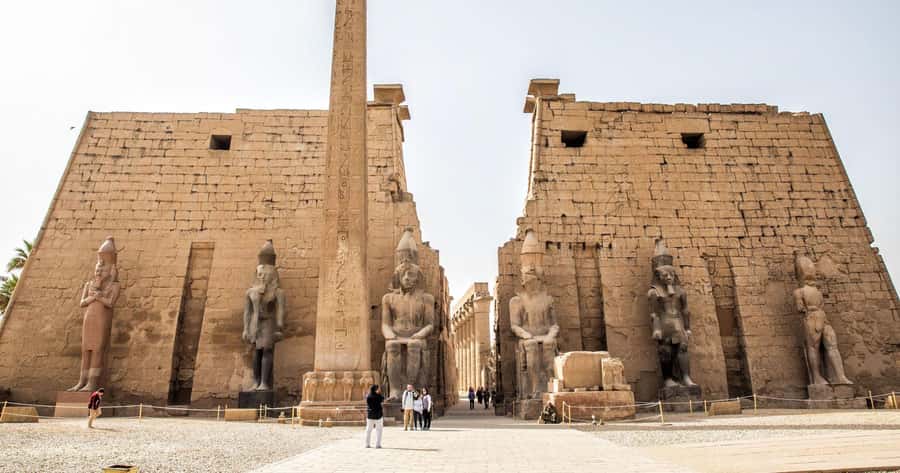
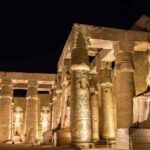
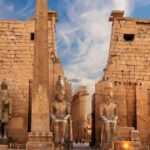
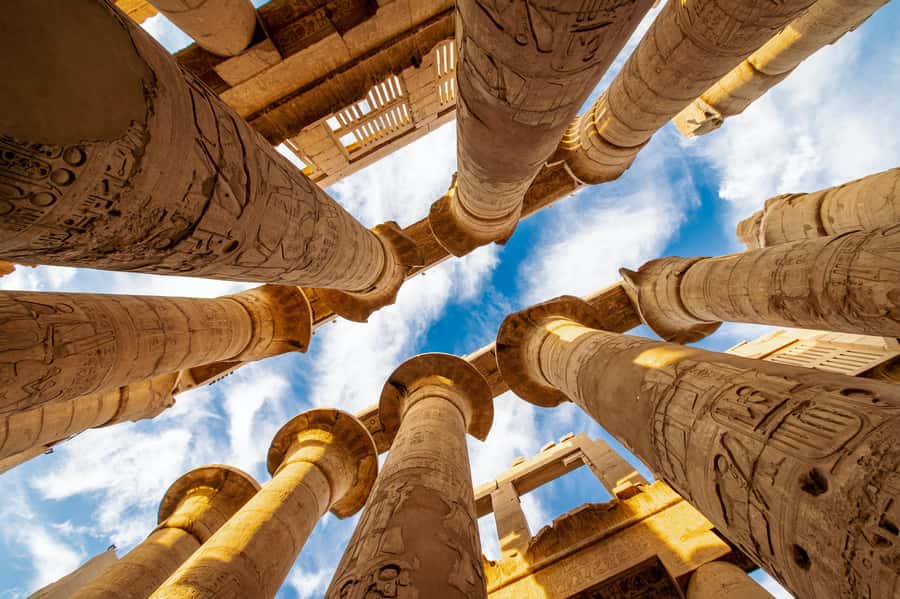
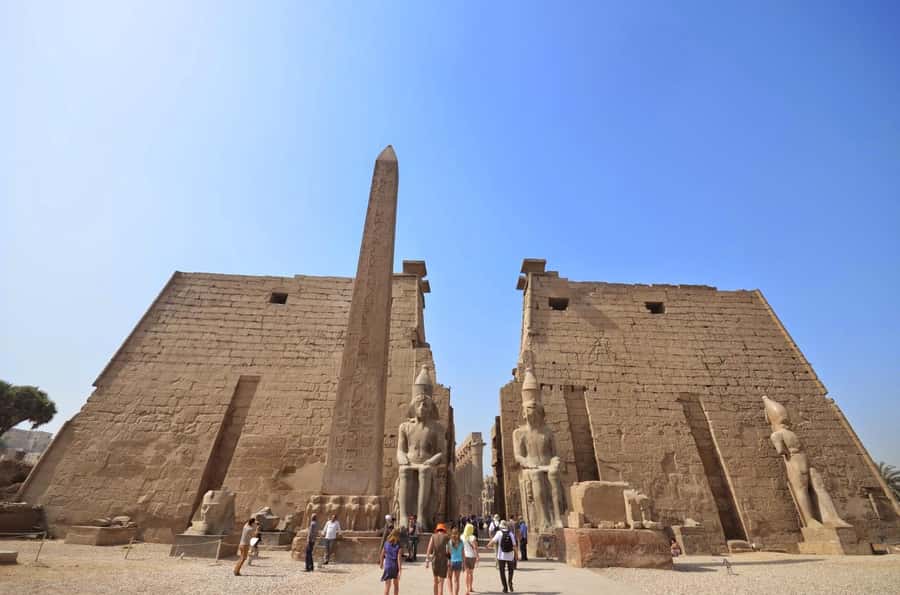
The tour ends at Luxor Temple, with about 1 hour on site. This temple was built by Amenhotep III and completed by Ramses II, so it has that feeling of layers—earlier work, later influence, and a long timeline of construction and ritual use.
This final stop matters because it shifts your perspective. After the tomb-focused drama of the West Bank and the huge temple complexity of Karnak, Luxor Temple feels like the grand but more human closing scene. It’s easier to connect the dots: gods, kings, ceremonies, and how monuments were used to shape belief.
If you like photos, this is often a good place to slow down. You can take in the facades and columns without the same “deep interior” feeling as tombs.
Price and value: what you’re actually paying for
The price is $140 per person for an 8-hour private full-day tour with hotel pickup/drop-off, an English-speaking guide, entry fees, lunch, and skip-the-ticket-line support.
That’s not cheap, but it’s not random either. You’re paying for:
- Private transport so you’re not waiting on a mixed group schedule
- A guide who can explain the why behind the big monuments
- Admissions coverage for the core sites
- Lunch that prevents you from losing time hunting for food
- A day plan that fits both West and East Bank anchors
For many people, the value sweet spot is time. If you only have a day in Luxor, this route gives you the biggest names without the stress of coordinating everything yourself.
One realistic consideration: because Tutankhamun’s Tomb entry may be handled differently depending on date or ticketing, you should confirm whether it’s fully included for your specific day. That’s the one potential “value wobble” to verify upfront.
Who should book this, and who should pick a different plan
This private day tour is a great fit if:
- You want the headline West Bank and East Bank sites in one day
- You’d like a guide to make the monuments make sense
- You prefer structure with fewer logistics headaches
- You’re okay with a packed itinerary and walking
I’d consider alternatives if:
- You want a slow, museum-style pace with fewer stops
- You’re sensitive to heat and long walks
- You’d rather spend extra time at Karnak on your own without the schedule pressure
Also, if you love talking with a guide, this tour is built for that. Reviews highlight guides making time for questions and adjusting the day when needed, including flexible time for photos and wandering.
Should you book the Luxor West & East Banks and Tut’s Tomb private tour?
Yes, if your goal is a high-impact Luxor day with less friction. The route covers the major anchors that make Luxor famous—Valley of the Kings (with Tutankhamun), Valley of the Queens, Hatshepsut, Karnak, and Luxor Temple—so you don’t leave with the feeling that you missed the point.
Book it with two smart checks:
- Confirm whether Tutankhamun’s Tomb entry is fully included for your specific date, since one December 2025 booking reported an extra 700 Egyptian pounds.
- Plan for the walking and heat. Bring water, wear supportive shoes, and don’t schedule anything intense right afterward.
If you do that, this is the kind of day that turns Luxor from a photo destination into a place you understand.
FAQ
How long is the Luxor West & East Banks tour?
It runs for 8 hours.
Is this a private tour?
Yes, it is a private group tour.
What’s included in the price?
Hotel pickup and drop-off, entry fees, an English-speaking guide, lunch, and skip-the-ticket-line support.
Which major sites are included?
You visit the Valley of the Kings (including Tutankhamun’s tomb area as part of the tomb visits), the Valley of the Queens, the Mortuary Temple of Hatshepsut, the Colossi of Memnon, Karnak Temple, and Luxor Temple.
Is the Tutankhamun’s Tomb entrance ticket always included?
The tour is described as including entry fees, but one verified review notes that Tutankhamun’s Tomb entrance was an additional payment of 700 Egyptian pounds for that date. It’s wise to confirm with the provider for your exact day.
What languages are available for the guide?
The guide can speak Arabic and English.