REVIEW · CAIRO
Cairo: Tour of Azhar Masjid and Cairo Islamic Sites
Book on GetYourGuide →Operated by Egypt Excursions Online · Bookable on GetYourGuide
Mosques in Cairo make street noise feel sacred. You’ll spend the day with an Egyptologist guide tracing how Old Cairo fits together, including a walk on Al Muizz Street and stops at standout sites like Al Mouayyed Mosque. I especially like the way the guide connects architecture to meaning, and how you get that rare chance to look up at Al Mouayyed’s delicate turrets instead of just passing by. One thing to consider: this is a full, active 6-hour route, so you’ll want comfortable shoes for busy lanes and frequent walking.
You’re in good hands on timing and pacing: 6 hours with hotel pickup, transport between sites, and lunch included. The tour also runs with live guidance in multiple languages (English, German, French, Russian, Romanian, Italian), which matters here because details about form, symbolism, and history are half the fun.
In This Review
- Key Points That Make This Tour Worth It
- Islamic Cairo Feels Like a Living City, Not a Museum
- How the Morning Flow Works (And Why It Matters)
- Al Muizz Street and Khan El Khalili: Where You Get Your Bearings Fast
- Al Azhar Mosque: The First Islamic University, Explained in Plain Language
- Al Mouayyed Mosque Turrets: Looking Up Is the Whole Point
- Bab Zuweila: A Gate Stop That Explains the City
- Al Hussein Mosque and Beit El Seheimy: Sacred Space Meets a House Museum Feel
- Al-Hakim Mosque and the Nearby Gates: Fatimid Stories at City Scale
- What the Citadel Fact Stops Add (Even Without a Big Detour)
- Value Check: Is $80 Worth It for This Much Site Time?
- Guide Quality: The Real Difference You’ll Feel
- Practical Tips: What to Bring and How to Stay Comfortable
- Who This Tour Suits Best
- Should You Book This Cairo Islamic Sites Tour?
- FAQ
- How long is the Cairo: Tour of Azhar Masjid and Cairo Islamic Sites?
- Where does pickup happen, and when should I be ready?
- Which mosques and sites are included?
- What’s included in the price, and what isn’t?
- What languages is the live guide available in?
- Is free cancellation available?
Key Points That Make This Tour Worth It
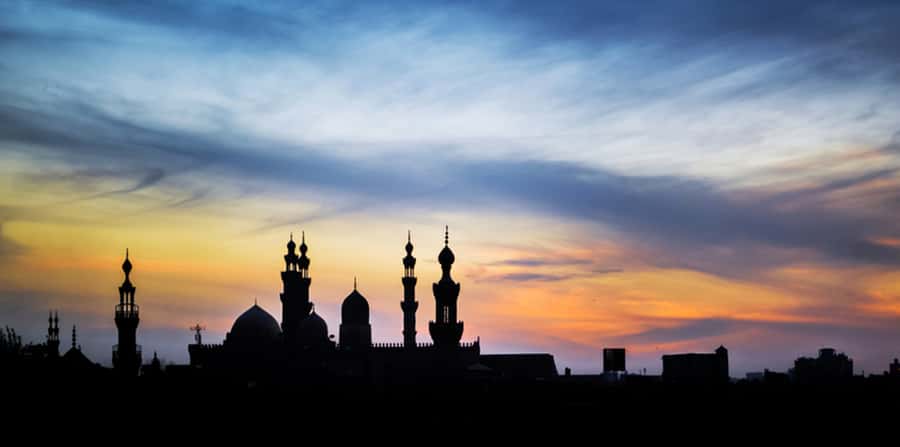
- Islamic Cairo on foot: Al Muizz Street and nearby Old Cairo streets give you context you’d miss wandering alone
- Al Azhar Mosque with an education angle: Cairo’s first Islamic university is explained in a way that clicks
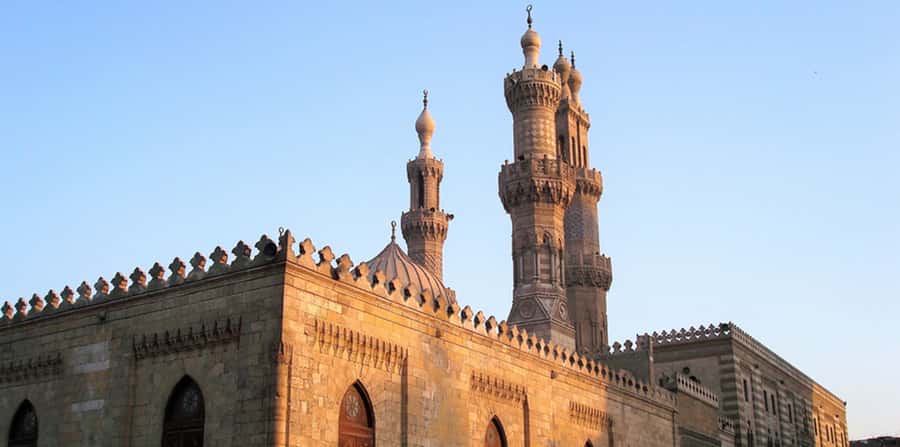
- Al Mouayyed Mosque’s turrets: you’ll spend time looking upward at the kind of detail most people skip
- Gate-hopping in the Old City: Bab Zuweila and the gates near Al-Hakim (Bab al Fetouh, Bab Al Nasr) help you understand the city layout
- Fatimid-era storytelling at Al-Hakim Mosque: you’ll hear the construction story tied to Gawhar El Sakaly
- Guide quality can be a highlight: names like Fatma, Ali, Ahmed, Aya, and Mohammad Ammash show up in past guides, often praised for clear explanations and friendly energy
Islamic Cairo Feels Like a Living City, Not a Museum
Cairo’s Islamic sites can either feel like scattered “check-the-box” stops or like one connected world. This tour leans hard into connection. You’re not only visiting buildings; you’re walking the streets that surround them—especially the Old Cairo lanes around Al Muizz Street—so the mosques don’t sit in isolation.
What helps most is the guide’s approach: architecture isn’t treated like trivia. You learn why shapes matter, why certain buildings sit where they do, and how the city’s spiritual life overlaps with daily life. That’s what turns a normal sightseeing day into something you actually remember.
If you like a day that’s part history class, part street walk, and part “wait, look at that” photography time, you’ll enjoy this format.
You can also read our reviews of more tours and experiences in Cairo.


How the Morning Flow Works (And Why It Matters)
The day starts with pickup from your hotel reception. You should plan to be ready in the lobby about 10 minutes before your scheduled pickup time. Then you’re off with transportation included, which is a big deal in Cairo: it saves energy and keeps the route efficient.
The tour runs for 6 hours, so there’s a clear sense of momentum. You’ll move from site to site with guided time for listening and looking, but you’re not stuck in one place for hours. That’s ideal if you want a strong overview of Islamic Cairo’s major landmarks without turning the day into a marathon.
Al Muizz Street and Khan El Khalili: Where You Get Your Bearings Fast
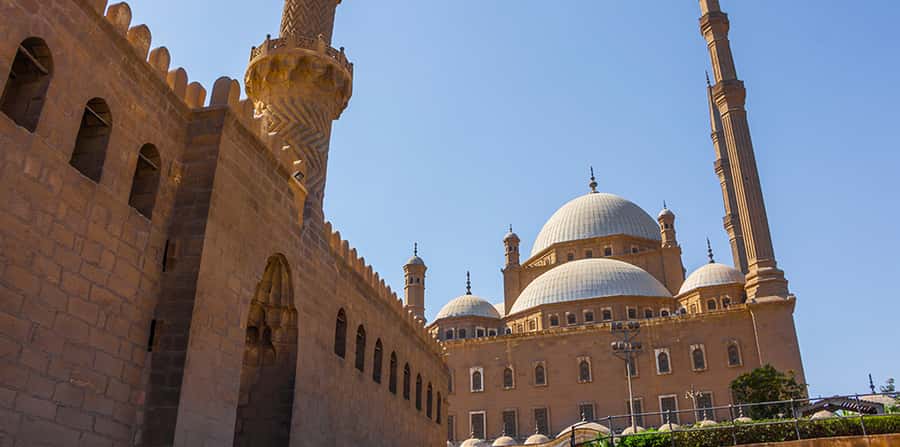
One of my favorite parts of this kind of tour is the “orientation” walking. Here, it’s Al Muizz Street and the Old Cairo lanes around it. This is where you see how people actually move through the area—shop fronts, street life, and the scale of the buildings.
You’ll also have time to browse Khan El Khalili Bazaar. Even if you’re not shopping heavily, it’s useful. The bazaar gives you that human, everyday texture that makes the surrounding monuments feel real.
Practical note: bring your patience and your best walking shoes. This area can be busy, and you’ll be out and about between stops.
Al Azhar Mosque: The First Islamic University, Explained in Plain Language
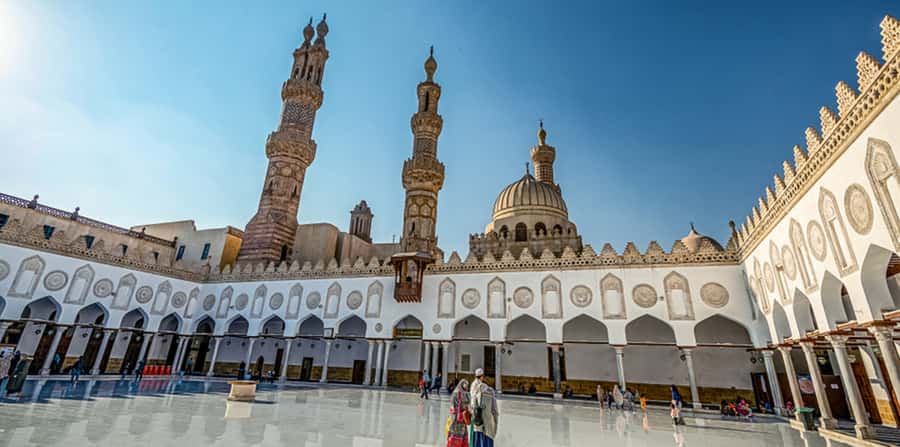
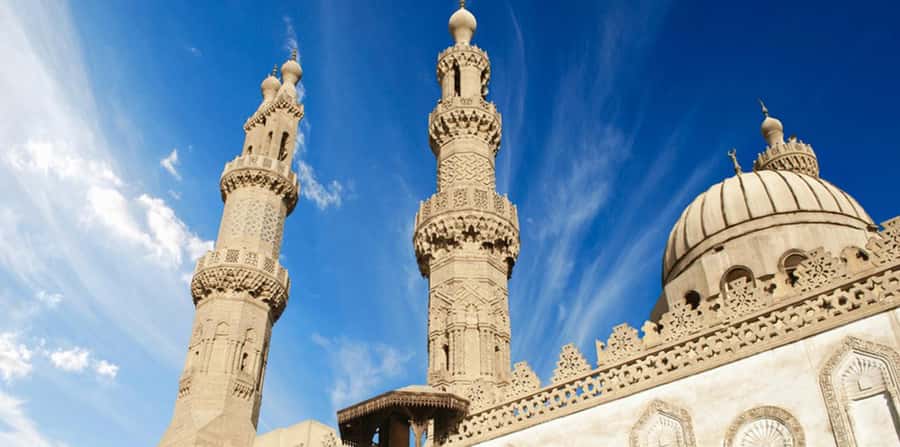
The tour’s morning stop centers on Al Azhar Mosque, described as the first Islamic university. That framing matters. You’re not only looking at a religious building; you’re stepping into a place built around learning and scholarship.
Expect time on the grounds with your Egyptologist guide explaining the institution’s background and the architecture you’re seeing. The goal isn’t to memorize dates. It’s to understand why Al Azhar matters, and how that importance shows up in the physical space—through layout, design choices, and what the building symbolizes.
If you want a guided “why this place exists” moment before you move into smaller mosques and gates, Al Azhar is a strong start.
Al Mouayyed Mosque Turrets: Looking Up Is the Whole Point
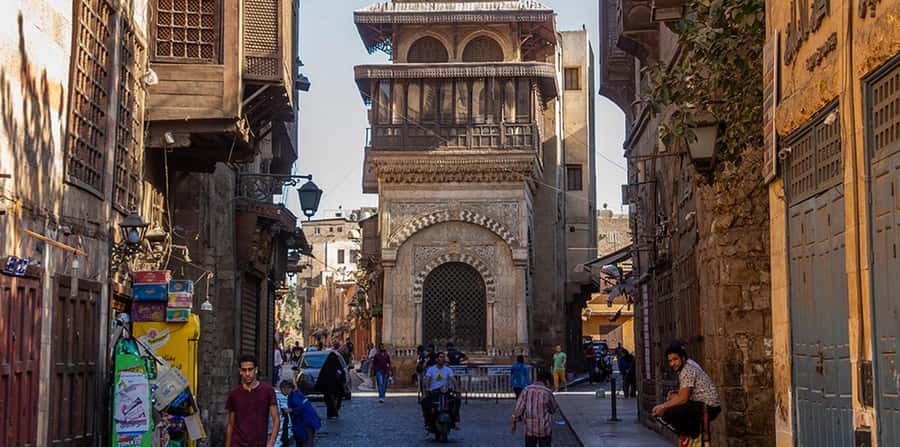
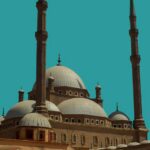
After Al Azhar, the route moves to Al Mouayyed Mosque. This is one of those sites where your neck muscles might do a little overtime, because the standout detail is visual and vertical: the delicately designed turrets.
This stop is valuable even if you’ve seen lots of mosques before. The guide helps you slow down and notice the design logic behind the decoration. Instead of just thinking it’s beautiful, you start to understand what makes the style recognizable and why it matters.
This is also where your photos will improve. The turrets invite a higher-angle shot, and guided time means you’re not scrambling for the perfect moment.


Bab Zuweila: A Gate Stop That Explains the City
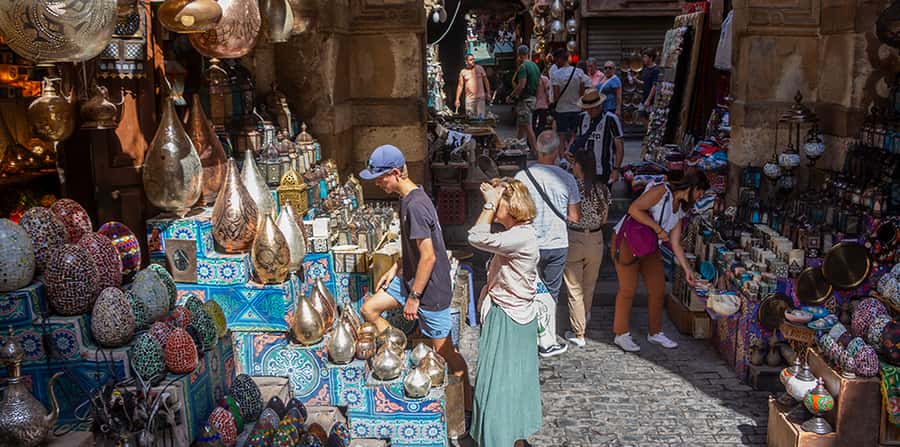
A lot of tours treat city gates like quick photo backdrops. Here, Bab Zuweila is part of the story.
You’ll learn what the gate represents and how it relates to the city’s structure and movement. When someone explains a gate properly, it stops being a wall you walk past and becomes a map in stone—one more clue about how Cairo’s older parts were organized.
If you enjoy “city logic” more than pure monument touring, Bab Zuweila is a highlight.
Al Hussein Mosque and Beit El Seheimy: Sacred Space Meets a House Museum Feel
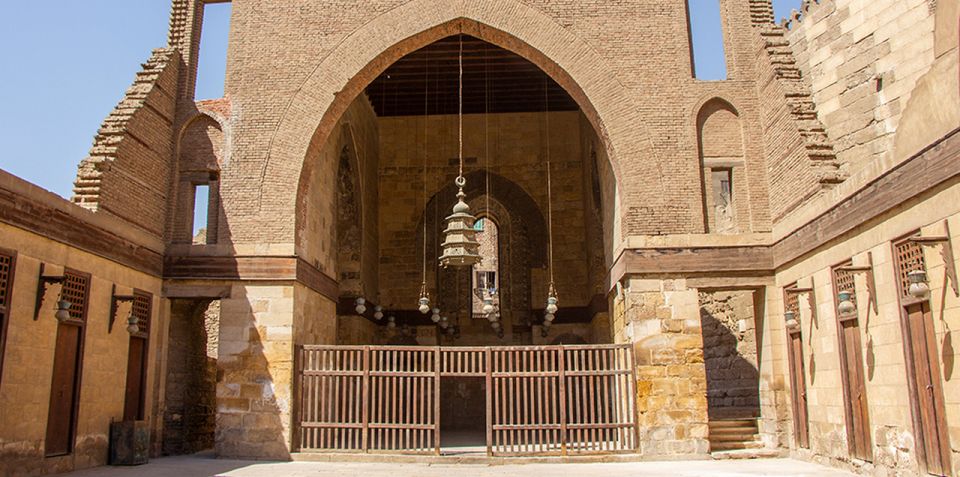
Next you’ll visit Al Hussein Mosque and Beit El Seheimy (also spelled Beit El Seheimy in the tour details). Together, these two stops give a useful contrast: public religious space versus a more intimate, home-like setting.
At Al Hussein, the guide’s job is to frame what you’re seeing so you can connect the architecture to the spiritual importance of the mosque. Expect to spend guided time looking and listening rather than rushing.
Then Beit El Seheimy adds something different. A guided visit to an Islamic house structure helps you see how art and design weren’t only reserved for grand mosques. You start to recognize patterns in ornamentation and layout that make the wider Islamic Cairo scene feel consistent.
If you like when a tour mixes big monuments with quieter, human-scale places, this pairing works well.
Al-Hakim Mosque and the Nearby Gates: Fatimid Stories at City Scale
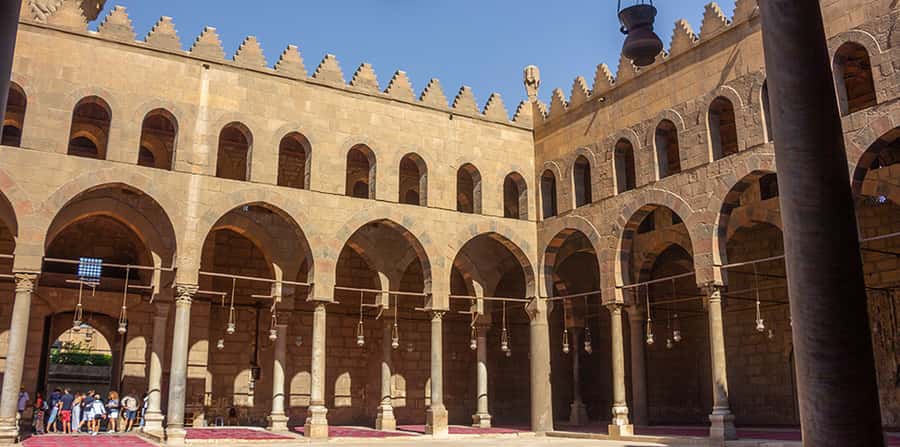
The later part of the day includes Al-Hakim Mosque, described as one of the Fatimid mosques. You’ll also hear how it connects to nearby gates, including Bab al Fetouh and Bab Al Nasr.
One of the most specific details in the tour description is the construction story under the supervision of Gawhar El Sakaly. That kind of detail helps you picture the mosque as something made through effort and planning, not just something that appeared.
This stop also does something smart for your understanding: by tying Al-Hakim to the gates nearby, the guide helps you grasp how the city’s monumental points relate to each other. You get a sense of Cairo as a designed system—routes, entrances, and spiritual anchors—rather than a random set of buildings.
What the Citadel Fact Stops Add (Even Without a Big Detour)
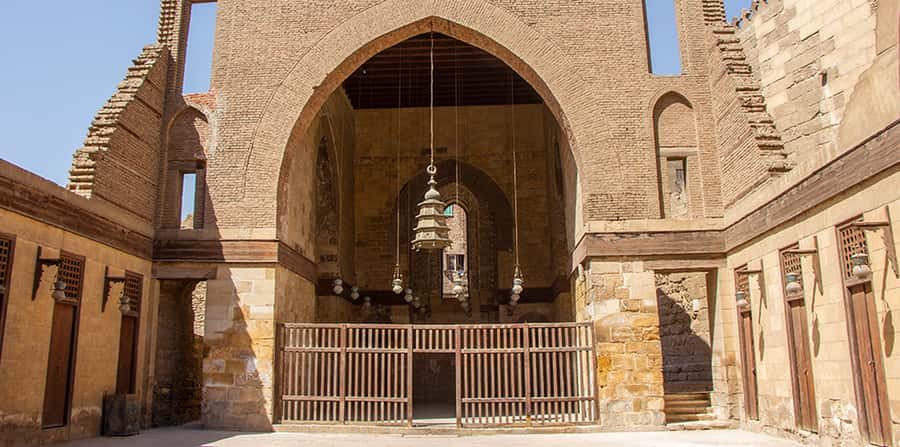
The tour notes that you’ll hear facts about the Citadel and other sites you might miss if you’re moving on your own. Even if you’re not making a long separate stop there, these context pieces matter.
They help you connect the Islamic Cairo landmarks to the wider city. On a first trip, that kind of “in the bigger picture” commentary prevents that common feeling of getting to the end of the day and thinking: I saw a lot, but I don’t know how it all fits.
Value Check: Is $80 Worth It for This Much Site Time?
At $80 per person for 6 hours, the big question is value. Here’s what you actually get based on the tour details:
- Egyptologist guide (the biggest cost driver)
- Transportation between stops
- Lunch
- Entrance fees
- Multiple key monuments and gates, including Al Azhar, Al Mouayyed Mosque, Bab Zuweila, Al Hussein Mosque, Beit El Seheimy, Al-Hakim Mosque, plus the nearby gates Bab al Fetouh and Bab Al Nasr
What’s not included is mainly personal spend and drinks. So the practical way to think about it is: if you were pricing guide time + getting yourself between sites + entrance fees + lunch, you’re already most of the way to the total.
This is a good value pick if you want a guided overview and don’t want to spend your day figuring out logistics.
Guide Quality: The Real Difference You’ll Feel
A tour lives or dies on its guide. This one has a track record of strong storytelling and clarity, and some names you might encounter include Fatma, Ali, Ahmed, Aya, and Mohammad Ammash. Past guidance has been described as clear, patient, and full of extra details, with a friendly tone that makes the architecture feel understandable instead of overwhelming.
If you book, your best move is simple: ask questions during walking breaks and listen for what the guide repeats. In good guided tours, certain themes come up again and again—like how decorative choices connect to identity, or how city gates link to how the area functioned.
You’ll get more out of the day that way.
Practical Tips: What to Bring and How to Stay Comfortable
This isn’t a sit-and-stare tour. You’ll be walking through Old Cairo areas and spending time in and around mosques.
Bring:
- Passport or ID card (passport should have at least 6 months validity)
- Comfortable shoes
- Sunglasses and sunscreen
- Comfortable clothes
- Camera if you want photos
Also note:
- Pets are not allowed.
One more practical thought: for lunch, confirm what’s provided in the moment with your guide. Drinks are not included, so if you want water beyond what might be offered with lunch, plan on buying it separately.
Who This Tour Suits Best
This tour is a great match if you:
- Want Islamic Cairo highlights without building a plan on your own
- Like your sightseeing with explanation—especially architecture and the meaning behind it
- Prefer an active day that still feels organized, with transport and a lunch break
It might feel less ideal if you want a slow, independent museum-style experience, because the schedule is intentionally packed across multiple sites.
Should You Book This Cairo Islamic Sites Tour?
I’d book it if you’re looking for a guided day that connects the dots between Al Azhar, major mosques, and the Old City street network around them. The combination of an Egyptologist guide, multiple entrance-paid sites, and lunch at a price that’s close to what you’d pay if you tried to DIY it makes the math work.
If you’re the type who gets tired of hearing generic facts, aim to engage with the guide and ask questions—this tour is set up for that. And if your priority is the most iconic monuments only, you might still find it useful, because the gates and the house stop add a layer that many Cairo tours skip.
Bottom line: for a first or second trip, this is one of the cleaner ways to understand Islamic Cairo in a single day.
FAQ
How long is the Cairo: Tour of Azhar Masjid and Cairo Islamic Sites?
The tour lasts 6 hours.
Where does pickup happen, and when should I be ready?
Pickup is included. You should wait in the hotel lobby 10 minutes before your scheduled pickup time.
Which mosques and sites are included?
The included stops are Al Azhar Mosque, Al Mouayyed Mosque, Bab Zuweila, Al Hussein Mosque, Beit El Seheimy, Al-Hakim Mosque, Bab al Fetouh, and Bab Al Nasr. The day also includes walking through Al Muizz Street and browsing Khan El Khalili Bazaar.
What’s included in the price, and what isn’t?
Included: Egyptologist guide, transportation, lunch, entrance fees, and the sites listed in the itinerary. Not included: drinks and personal expenses (plus any other services not listed).
What languages is the live guide available in?
The live guide is offered in English, German, French, Russian, Romanian, and Italian.
Is free cancellation available?
Yes. You can cancel up to 24 hours in advance for a full refund.