REVIEW · LUXOR
From Luxor: Guided Tour to East or West Banks with Lunch
Book on GetYourGuide →Operated by OceanAir Egypt · Bookable on GetYourGuide
Luxor hits different when you cross the river. This guided tour strings together the East Bank and West Bank highlights in one plan, with an Egyptologist guide, entry tickets, lunch, and transport in an air-conditioned vehicle.
I especially love the Valley of the Kings stop for how the tombs come alive with a guide who explains the who’s-who and why these places mattered. And I like that Karnak Temple isn’t just a walk-by; you get the big-picture story fast, then enough time to look closely and take photos.
One thing to consider: this is a pack-it-in day. Free time at stops can be brief, so if you prefer to linger for long stretches, you’ll want to go in with a realistic pace and good heat strategy.
In This Review
- Key things to know before you go
- How the day flows: hotel pickup, AC riding, then monuments
- Valley of the Kings: tombs, not just names
- Hatshepsut’s temple: the female ruler stop that people remember
- Colossi of Memnon: huge statues, quick context, good photo angle
- Lunch at a local restaurant: why this break matters
- Karnak Temple: the fastest way to understand why Luxor is famous
- Luxor Temple: a calmer finale on the East Bank
- Boat cruise on the Nile: a simple add that changes the mood
- The guide quality is the real value (and it shows in the details)
- Price and logistics: is $64 worth it for a full Luxor hit?
- Who this tour suits best (and who should consider splitting days)
- Should you book this East or West Banks guided tour?
- FAQ
- What’s the meeting and pickup like?
- Do West Bank hotel pickups cost extra?
- How long is the tour?
- Can I choose East Bank only or West Bank only?
- Is lunch included, and are drinks included?
- Are entrance tickets included?
- Does the tour include a boat cruise?
- If I want a felucca ride, is it guaranteed?
- What should I bring?
- Is it wheelchair accessible?
- What’s the cancellation policy?
Key things to know before you go
- Egyptologist guiding on every big stop: you won’t just follow a route; you’ll get the meaning behind what you see.
- East and/or West Bank choice: book the side you want, or do both if you’re trying to maximize a short stay.
- Air-conditioned transport plus mineral water: the ride matters in Luxor heat.
- Lunch included, and it’s usually a highlight: people often rate it better than expected.
- A Nile boat cruise is part of the experience on the full route (and felucca-style adds depend on wind).
How the day flows: hotel pickup, AC riding, then monuments
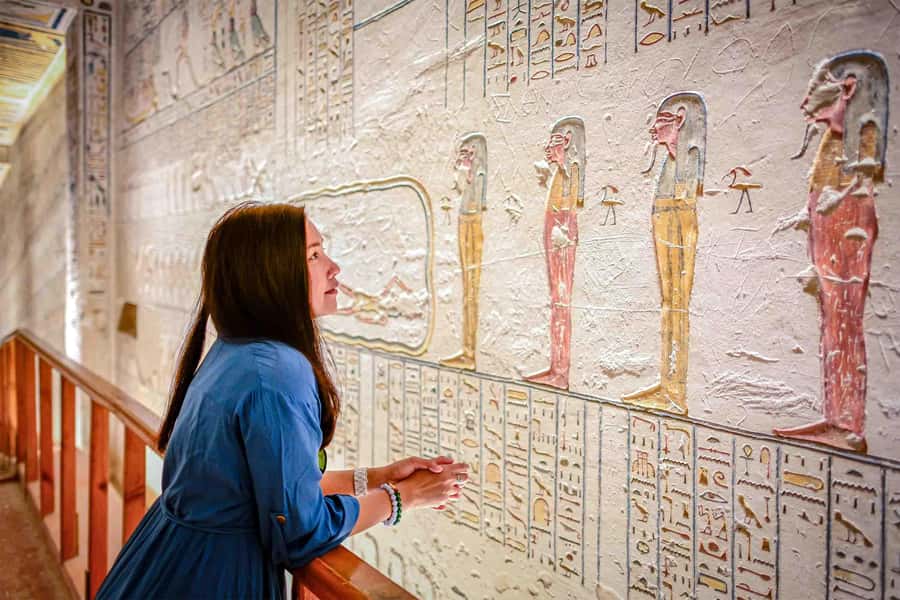
The tour starts with pickup in Luxor and moves you quickly from your hotel into a comfortable, air-conditioned vehicle. That matters more than it sounds, because Luxor’s heat can turn a “short walk” into a sweaty mission.
From there, you’ll follow a logical sequence: West Bank monuments first (tombs and major mortuary sites), then East Bank temples (where the scale goes from impressive to almost unfair). A pro driver keeps things moving, and you typically get mineral water during travel—a small inclusion that becomes a big deal on a long day.
One neat perk in practice: guides often help you “decode” the sites early. When you understand the basics—pharaoh, purpose, and time period—you’ll enjoy the details more without needing a separate guidebook marathon.
You can also read our reviews of more guided tours in Luxor

Valley of the Kings: tombs, not just names
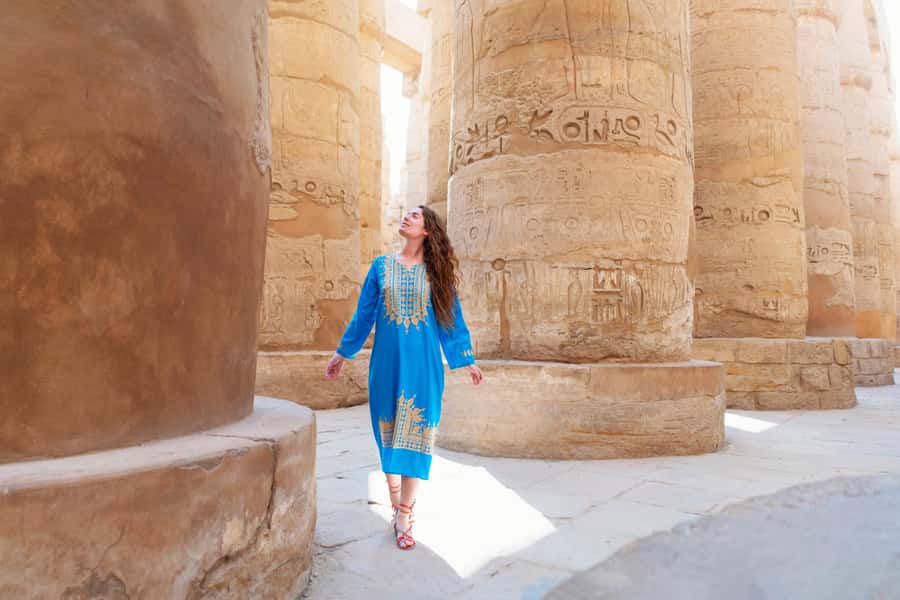
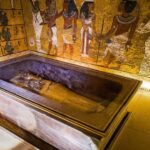
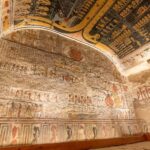
The West Bank’s Valley of the Kings is the kind of place where a guide changes everything. Instead of seeing entrances and carvings in a blur, you get a guided walk that helps you understand what you’re looking at and who built these resting places.
The tour focuses on visiting the notable tombs of several pharaohs, including Ramesses III, Ramesses VI, and Merneptah. Those names can feel like trivia if you arrive cold. With an Egyptologist-style explanation, the tombs become a story about power, belief, and the way rulers wanted to be remembered.
Practical note: tomb areas are uneven and there are lots of steps. If your feet are sensitive, wear supportive shoes and pace yourself. Your guide should keep the group moving sensibly, and you’ll usually get short breaks to look around and take photos.
Hatshepsut’s temple: the female ruler stop that people remember
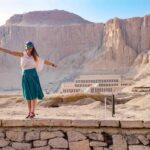
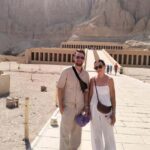
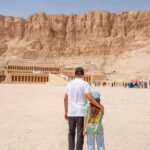
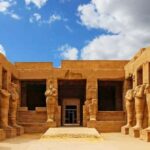
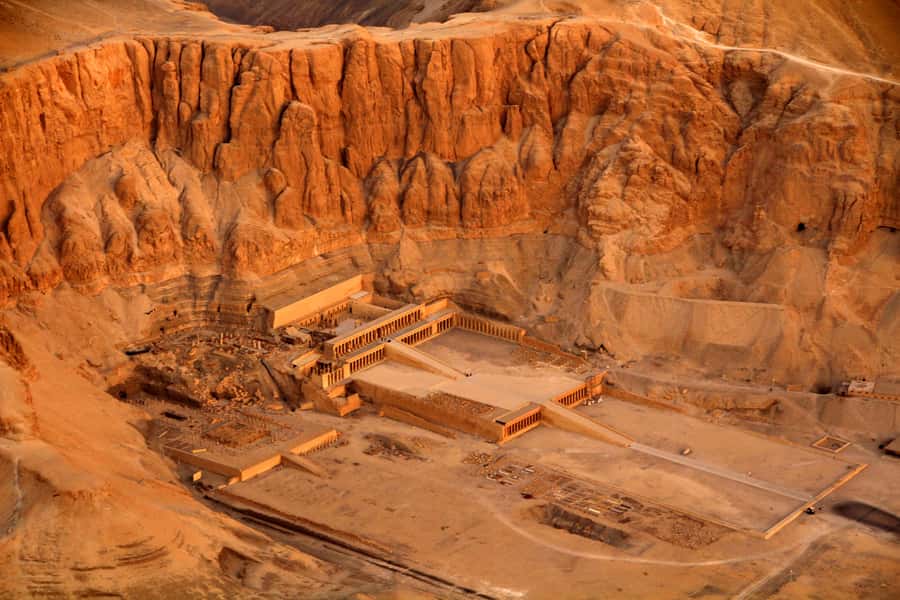
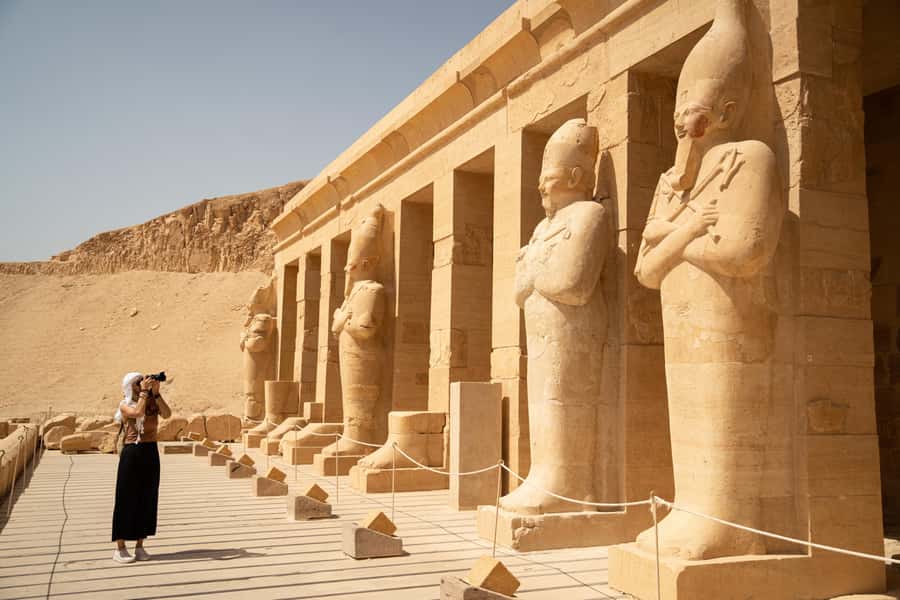
After the Valley, the day shifts to the Mortuary Temple of Hatshepsut. This is one of those Luxor stops that feels both grand and oddly human. You’re seeing the architectural choices of a ruler who broke the usual mold—Hatshepsut ruled for about 20 years and is linked with prosperity and stability.
The guide typically frames the temple so you’re not only admiring stonework, but also tracking what the complex was meant to communicate. You’ll get time to explore the space at a comfortable pace, then move on with context rather than just collecting “wow” moments.
If you’re into Egypt’s leadership stories (not only battle stories), this stop is the one that tends to stick in memory.
Colossi of Memnon: huge statues, quick context, good photo angle
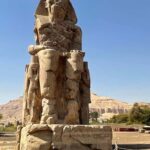
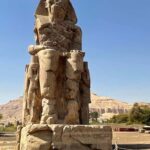
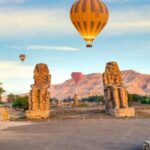
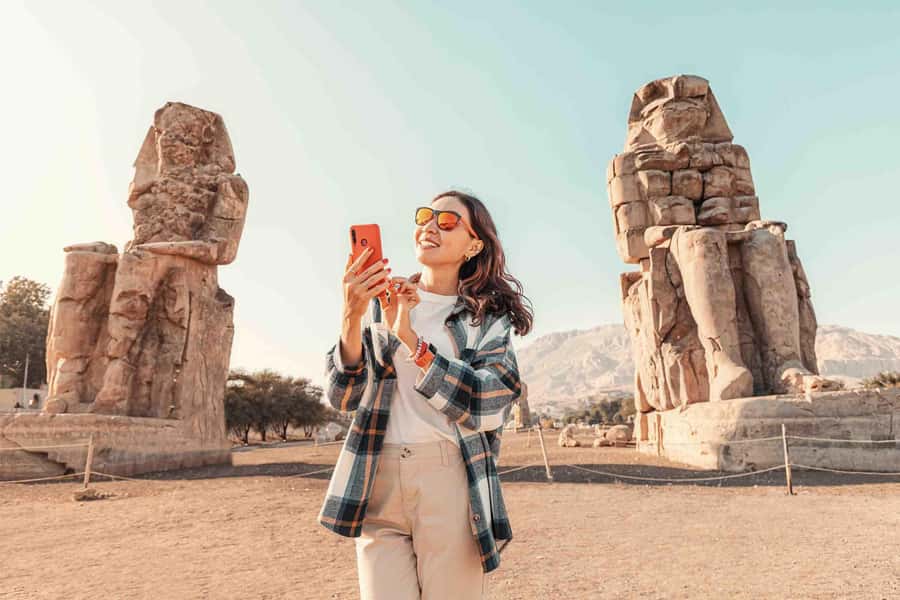
Next come the Colossi of Memnon, two massive figures associated with the mortuary setting of Amenhotep III. At first glance, it’s straightforward: giant statues. But with a guide, you learn what they were for and how they fit into the larger mortuary landscape.
Because the statues sit in the open, it’s also a good photo moment—especially if your guide helps you find angles that don’t feel chaotic. The visit is shorter than the tomb and temple stops, but that can be a feature: you get the impact without burning your whole energy budget on one site.
Lunch at a local restaurant: why this break matters
You’ll stop for lunch at a local restaurant after the West Bank highlights. Drinks during lunch aren’t included, but lunch itself is part of the package, and that’s one reason people rate this day so well.
This break does two jobs:
1) It resets your energy before the East Bank crowds and long temple walks.
2) It gives you a chance to keep the day feeling like a real human schedule, not a nonstop sprint.
Based on common feedback, the meals are often better than first-time visitors expect. If you have dietary needs, it’s smart to plan simply and choose options that are easy for kitchens to handle, since the tour doesn’t list special meal customization.
You can also read our reviews of more tours and experiences in Luxor

Karnak Temple: the fastest way to understand why Luxor is famous
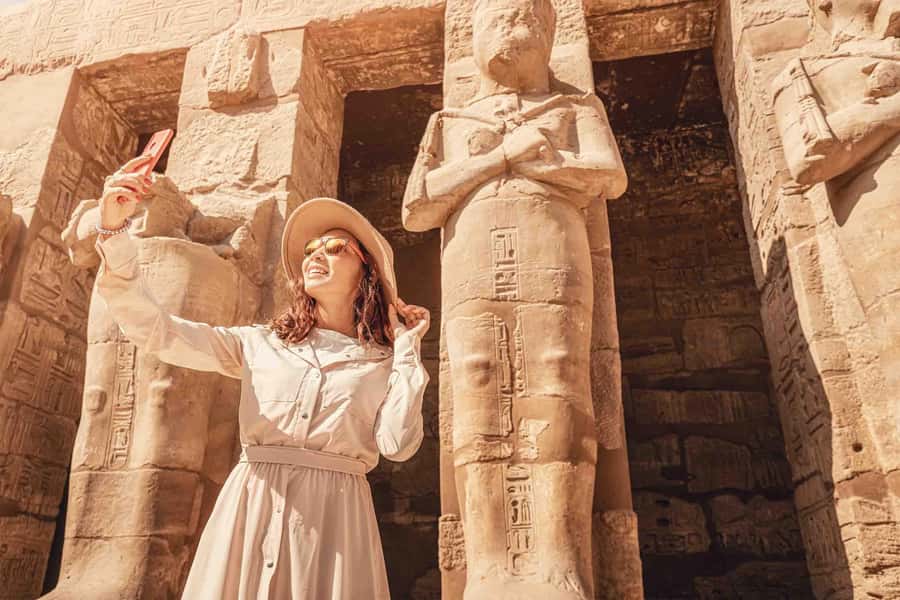
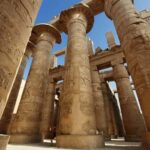
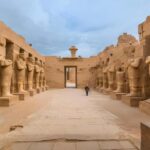
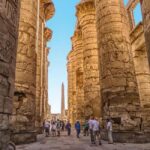
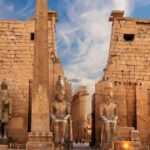
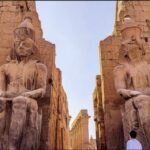
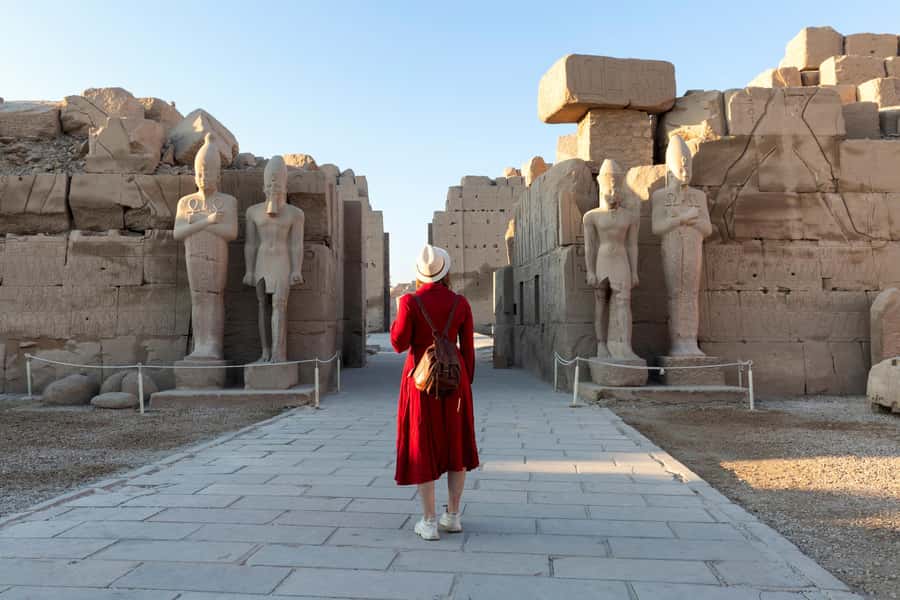
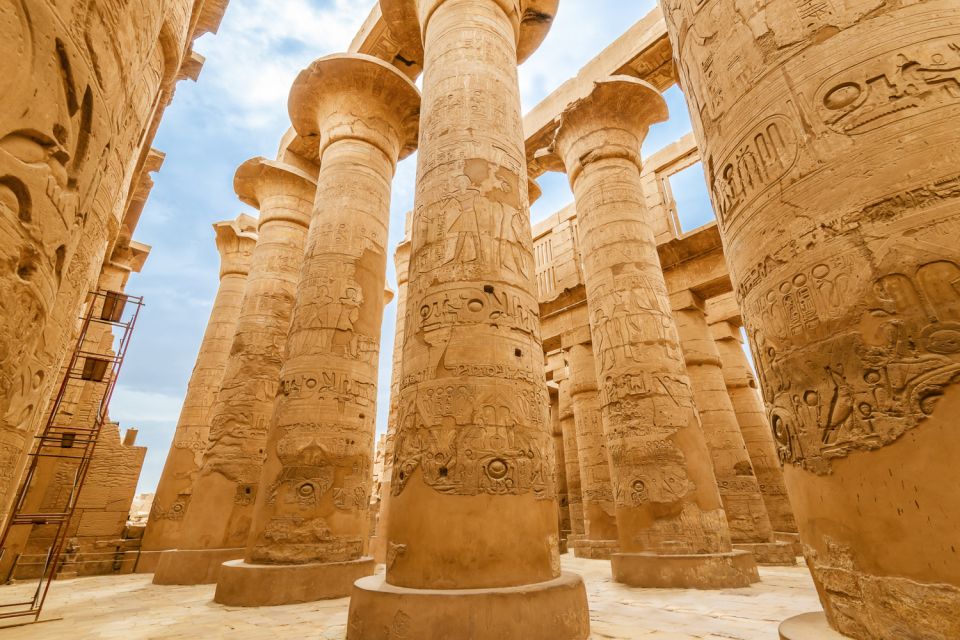
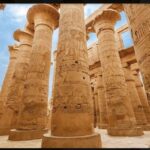
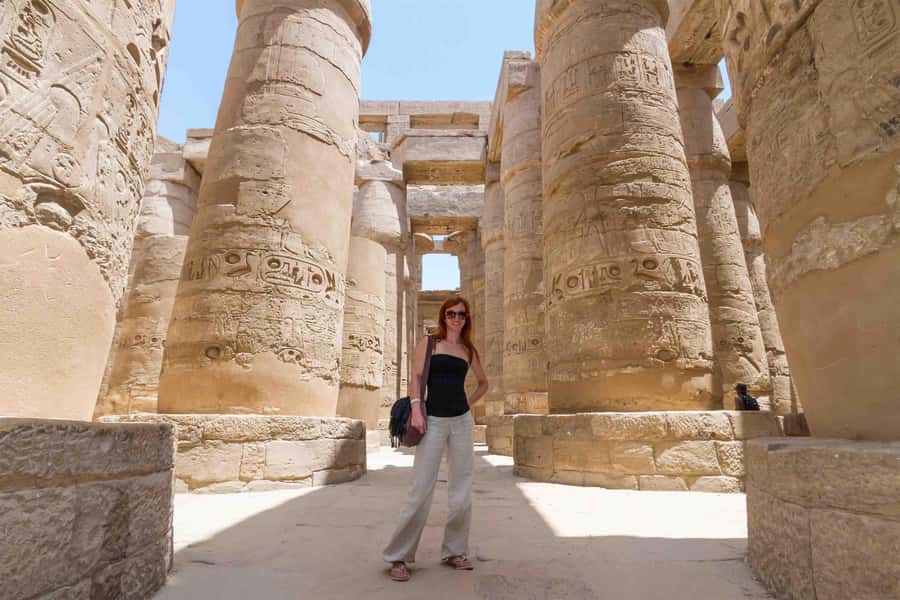
When you reach Karnak Temple, you’re stepping into a site that can feel like multiple temples layered together over centuries. The guide’s job here is to give you a mental map quickly—what sections you should notice, how the areas relate, and what each era added.
This is usually the tour’s “scale” moment. People don’t come to Luxor expecting a place you can barely picture in your mind before you’re standing there. Karnak is that, plus it rewards attention. With the right explanations, you start seeing repeated motifs, symbolism, and how massive building campaigns were organized.
Even with a relatively short time window, your guide should help you focus on the most important parts—like the older pylons and key chapels—so you leave feeling like you got the point, not just the geography.
Luxor Temple: a calmer finale on the East Bank
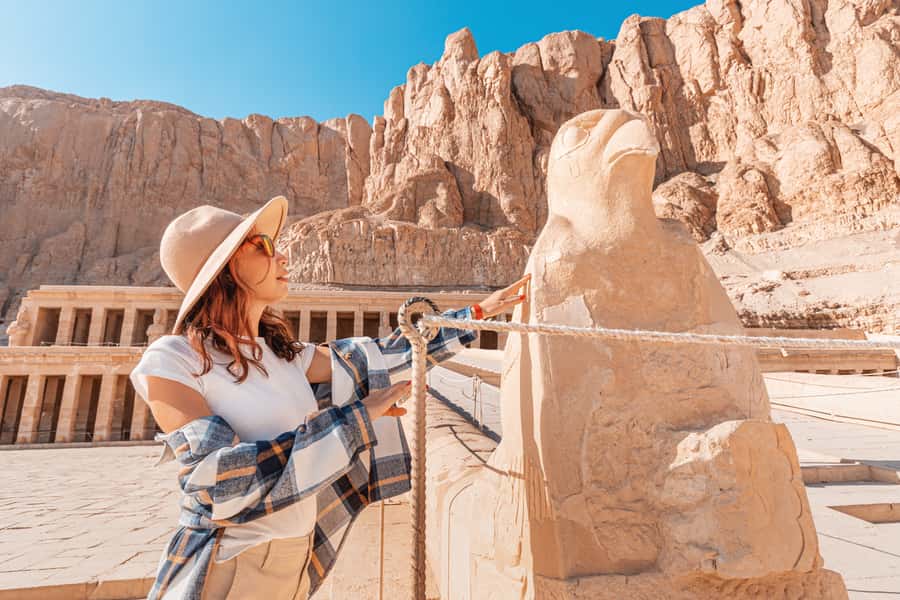
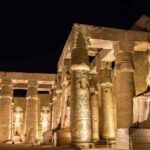
After Karnak, the itinerary continues to Luxor Temple. This stop feels different from Karnak—less about “how big can we go” and more about how the sacred space worked day to day.
You’ll typically have enough time for a guided walk plus personal wandering. If you’ve enjoyed the explanations so far, Luxor Temple is where you can slow down and connect the dots: processional routes, temple symbolism, and the way Egyptian kings presented themselves through architecture.
It’s also a nice emotional landing spot—by the time you reach Luxor Temple, you’ve already absorbed tombs and mortuary stories, so the symbolism reads more clearly.
Boat cruise on the Nile: a simple add that changes the mood
Later on, you’ll enjoy a boat cruise for about an hour as part of the full route. This is one of those “small” parts that can be surprisingly satisfying. After all the stone and stairs, being on the water gives your brain a break and lets you watch Luxor from a different angle.
If you want a felucca-style experience, note that felucca rides depend on wind conditions. If there’s no wind, the operator may provide a motor boat instead. Either way, it’s a good pacing tool.
The guide quality is the real value (and it shows in the details)
This tour earns a high rating because the guide experience often lands well in the practical stuff, not only the facts.
Across recent departures, guides such as Ayman, Mahmood, Adel / Adeli, Bahgat, Mohamed, and even Dr. Nagha (Noga) have been praised for:
- clear explanations in English
- patient pacing (including when roads feel uneven)
- letting people roam for photos instead of forcing a constant shuffle
- keeping the tone friendly while still teaching you the meaning
You don’t need a PhD to enjoy Egyptian monuments—but you do benefit from a guide who can translate the logic of the sites into normal language. That’s the difference between a checklist day and a day that feels like you gained real context.
Price and logistics: is $64 worth it for a full Luxor hit?
At $64 per person, the value depends on what you’d otherwise pay and how many monuments you want to cover.
This price bundles several big-ticket items:
- hotel pickup and drop-off on the East Bank
- a professional Egyptologist tour guide
- entrance tickets
- lunch
- mineral water during travel
- a full day’s worth of organized transport across the West and East Banks
If you were to DIY this—plus tickets plus hiring someone to explain what you’re seeing—you’d likely spend more and lose time getting sorted. The main thing you’re trading is flexibility: the schedule is tight, and you’ll follow the day’s rhythm.
Also, double-check pickup details before you go. Pickup is included for East Bank hotels, and if you stay on the West Bank you’ll meet at El Mesala Hotel. West Bank hotel pickup is available for an extra $10 per person. If you’re arriving via Luxor Airport, pickup is an additional cost.
Who this tour suits best (and who should consider splitting days)
This works best if:
- you have limited time in Luxor and want the big East and West highlights
- you like guided context, not just scenery
- you want lunch and entry tickets handled for you
It may feel less ideal if:
- you hate structured schedules
- you want to spend long stretches alone in tombs and temples
- you’re traveling with mobility limits, since the tour is not suitable for wheelchair users and involves walking and steps
If you’re particularly sensitive to heat, consider booking the East or West Bank option rather than both. Luxor is beautiful, but your comfort choices matter more than anyone expects.
Should you book this East or West Banks guided tour?
I’d book it if you want a high-impact Luxor day without the planning stress. The combination of an Egyptologist guide, included tickets, lunch, and air-conditioned transport means you’re more likely to leave feeling like you understood what you saw—not just that you survived a long day.
I’d pass or adjust plans if you know you need lots of quiet time at each site, or if your mobility is limited. In those cases, a slower, side-specific day can feel far better.
If you do book, come with sensible shoes, a little patience for crowds at major temples, and the mindset that you’re here for the story behind the stones. That’s when this tour really pays off.
FAQ
What’s the meeting and pickup like?
Pickup is included from your accommodation on the East Bank. If you’re staying on the West Bank, you meet at the meeting point at El Mesala Hotel.
Do West Bank hotel pickups cost extra?
Yes. West Bank hotel pickup is available for an extra $10 per person.
How long is the tour?
The duration is listed as 5 to 9 hours, depending on the starting time and the option you choose.
Can I choose East Bank only or West Bank only?
Yes. You can book a tour that covers both banks or select just one side of the Nile.
Is lunch included, and are drinks included?
Lunch is included at a local restaurant. Drinks during lunch are not included.
Are entrance tickets included?
Yes. Entrance tickets to the listed attractions are included in the activity.
Does the tour include a boat cruise?
The experience includes a boat cruise for about an hour on the full route.
If I want a felucca ride, is it guaranteed?
No. A felucca ride (as an add-on) depends on wind conditions. If there’s no wind, you may get a motor boat instead.
What should I bring?
Bring your passport or an ID card. A copy is accepted.
Is it wheelchair accessible?
No. The tour is not suitable for wheelchair users.
What’s the cancellation policy?
You can cancel up to 24 hours in advance for a full refund.