REVIEW · LUXOR
From Hurghada: Luxor Private Guided Day Tour with Lunch
Book on GetYourGuide →Operated by Emo Tours Sweden · Bookable on GetYourGuide
One day in Luxor feels like a whole era. You get private transport from Hurghada and an Egyptologist guide that keeps the sites in a smart order: Karnak, Luxor Temple, Valley of the Kings, and more.
I love that the plan hits both the big ceremonial centers and the quieter, more characterful monuments. You also get practical comfort built in, like bottled water plus lunch at an Egyptian restaurant, with long stretches handled in an air-conditioned vehicle.
The trade-off is simple: it’s a long, hot day. You’ll drive about 240 km each way, and you may run into chaotic roadside stalls or rougher scenery along the way—so wear comfortable shoes and keep your expectations flexible.
In This Review
- Key highlights you’ll feel on this tour
- Hurghada to Luxor: the 240 km drive and what to expect
- Luxor Temple and Karnak Complex on the East Bank
- Luxor Temple: the southern sanctuary feeling
- Karnak Temple Complex: a construction story that spans eras
- Lunch in Luxor: fuel for the West Bank day
- Valley of the Kings: why these rock-cut tombs feel so different
- Hatshepsut’s Mortuary Temple at Deir el-Bahari
- The Colossi of Memnon and the Theban Necropolis mood
- Price and value for a private Egyptologist day
- Who this tour suits best (and who should rethink it)
- Should you book this Luxor private guided day tour?
- FAQ
- What does the tour include?
- How do I get to Luxor from Hurghada?
- Which sites will I visit during the day?
- Is lunch included, and what kind of lunch is it?
- What should I bring for the day?
- What languages is the tour guide available in?
- Do I need to pay entry fees separately?
- Can I pay later or keep plans flexible?
- What is the cancellation policy?
Key highlights you’ll feel on this tour
- Private pickup and an Egyptologist guide: it’s not a drop-off and hope situation.
- East Bank momentum: start with Luxor Temple, then move straight to Karnak’s temple complex.
- A full lineup across the Nile: Valley of the Kings, Hatshepsut’s mortuary temple, and the Colossi of Memnon on the West Bank.
- Comfort items that matter in the heat: bottled water, plus guides who were praised for managing shade and refueling time.
- Lunch included: planned into the day so you’re not scrambling for food between monuments.
- All entry tickets included: you spend time seeing, not negotiating.
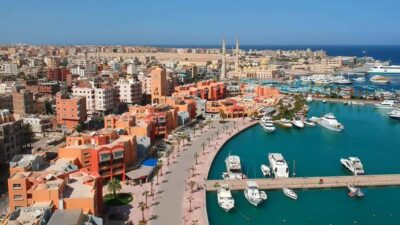
Hurghada to Luxor: the 240 km drive and what to expect
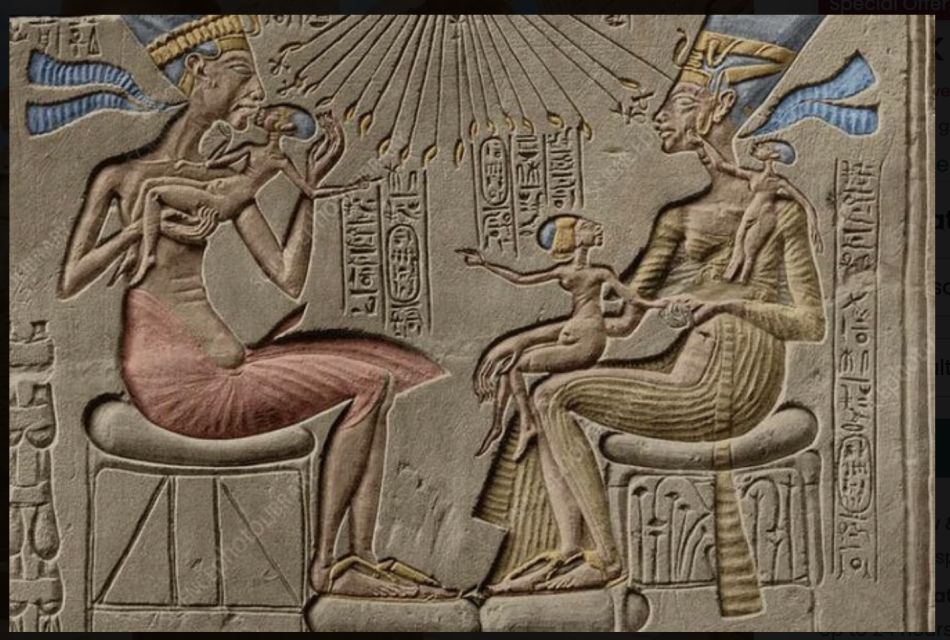
This is a true day trip, meaning the day starts with pickup and a drive. You’ll leave Hurghada by private transportation in an air-conditioned vehicle, then head roughly 240 km to Luxor. That distance is why this tour works well as a “one big day” format: you’re maximizing time on the monuments while the travel time is handled for you.
One helpful detail from experience: depending on where you start along the coast, the drive can sometimes be faster when newer highway routes are in play. For example, there’s been a report of a route from areas like Makadi Bay to Luxor taking around three hours after a newer highway opened. Your exact timing can vary, but the point is this—do plan for a full day, and build in patience for road conditions.
What you can control:
- Bring comfortable shoes and clothes you can wear for walking and standing.
- Keep your water bottle habits consistent. The tour includes bottled water, which helps a lot.
- Expect some parts of the route to feel busy. One comment flagged a mess at stalls, and another mentioned you’ll pass through less polished regions. That’s part of the real-world setting, not a flaw in the tour itself.
If you’re the type who gets anxious when things feel chaotic, you’ll still be okay—just remember that your priorities today are the monuments, not the scenery from the window.
You can also read our reviews of more guided tours in Luxor

Luxor Temple and Karnak Complex on the East Bank
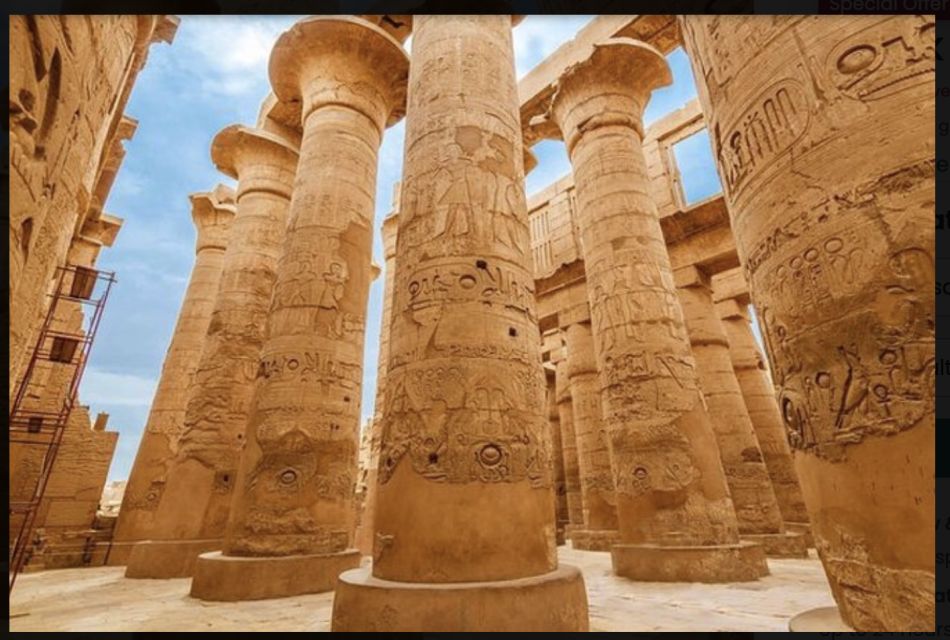
Your Luxor morning is built around the East Bank, where the ancient Egyptians placed many of their most important temples. This matters because the East/West split is the backbone of how Luxor’s history reads. It’s not just geography—it’s story structure.
Luxor Temple: the southern sanctuary feeling
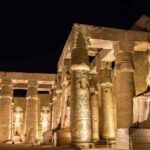
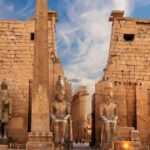
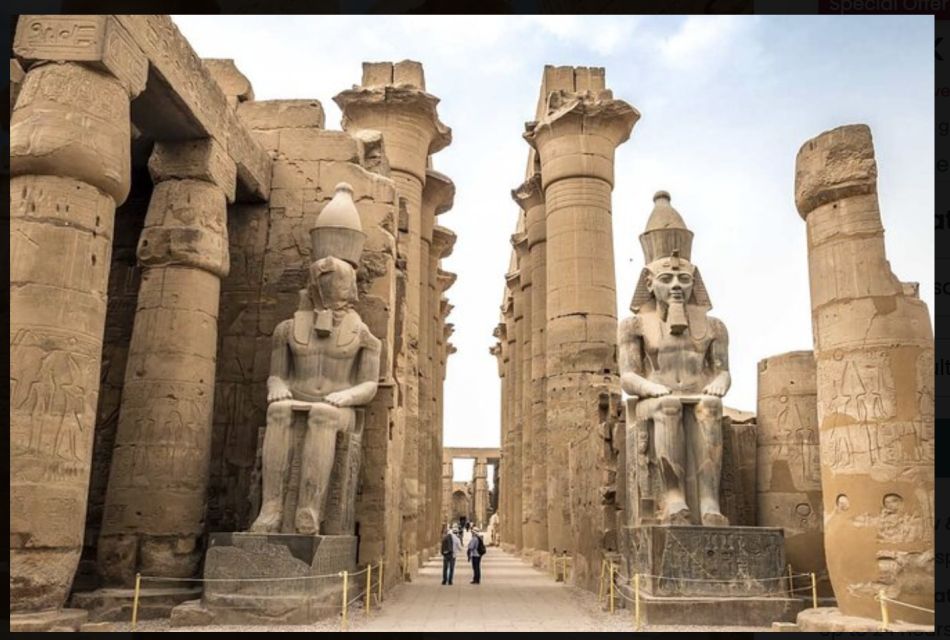
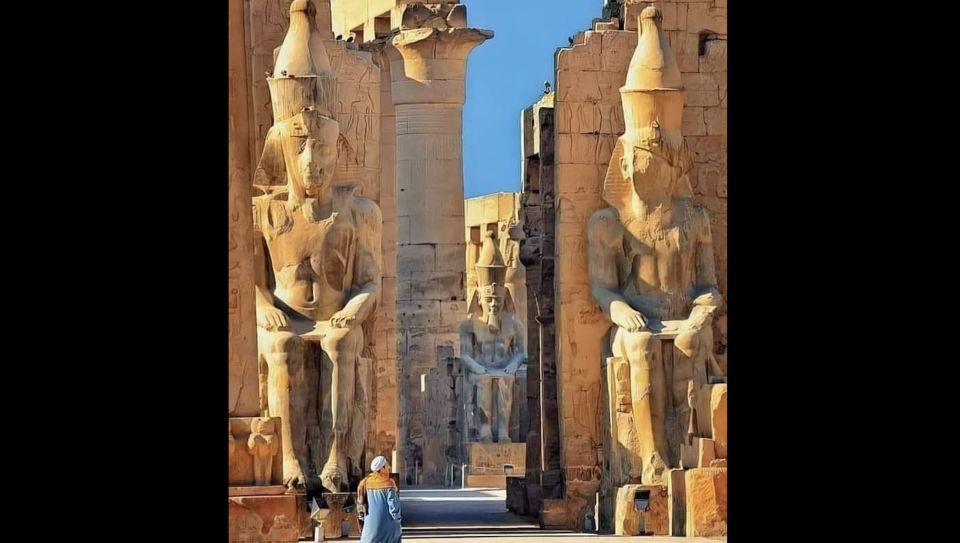
You’ll begin with the Luxor Temple complex on the east bank of the Nile. It’s described as a large ancient Egyptian temple complex, constructed around 1400 BCE. The name in Egyptian language is ipet resyt, meaning the southern sanctuary.
Even if you’re not a “temple person,” this stop gives you a fast foundation. You’re seeing a major religious and ceremonial space tied to ancient Thebes, and you’re getting your bearings before the day gets even bigger.
Practical tip: arrive ready to look up and slow down. Temples like this reward patience. If you try to speed-run it, you miss the way the space guides your attention.
Karnak Temple Complex: a construction story that spans eras
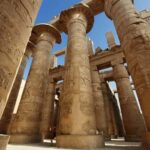
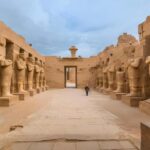
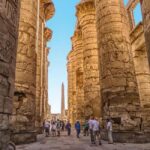
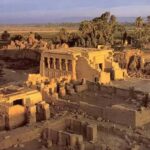
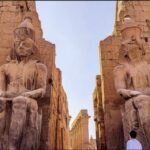
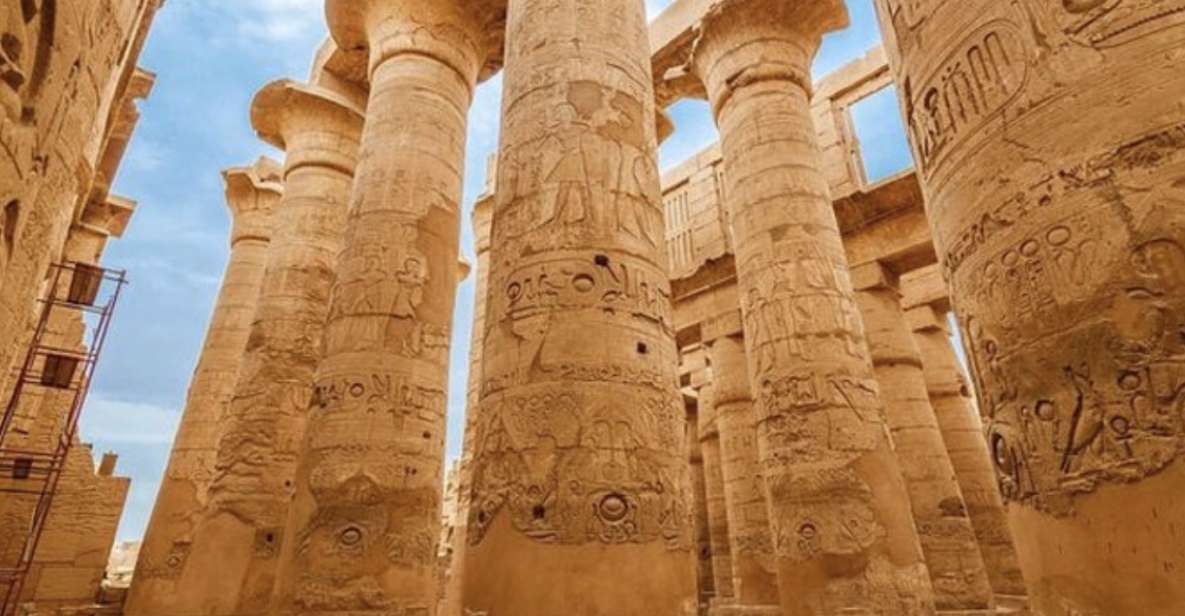
Next comes the Karnak Temple Complex. It’s described as a vast mix of decayed temples, chapels, pylons, and other buildings near Luxor. And what really makes Karnak special for your understanding is the timeline: construction began during the reign of Senusret I in the Middle Kingdom (around 2000–1700 BC), and it continued into the Ptolemaic period (305–30 BC).
That means Karnak isn’t a single “snapshot.” It’s a living record of how rulers kept adding, modifying, and expanding sacred spaces over centuries. With an Egyptologist guide, you’re not just scanning stone—you’re putting those layers into context.
If you’re short on energy, Karnak can still work because the guide helps you pace the highlights in a private setting. Still, plan for uneven walking and time spent outdoors.
Lunch in Luxor: fuel for the West Bank day
After Karnak, the tour includes lunch at one of the Egyptian restaurants. This might sound like a minor detail, but on a day like this, lunch is what keeps you steady for the West Bank stops.
Here’s what I like about having lunch included rather than guessing:
- you don’t lose time hunting food between temples
- you stay on the guide’s rhythm
- you’re less likely to arrive to the next site dehydrated or stressed
And yes, heat is part of the equation. In the tour feedback you provided, guides like Hosam and Mohammad Hisham were praised for making sure people had water, food, and shade and for staying attentive when temperatures climb. That kind of care makes the day feel smoother, especially if you tend to get wiped out easily.
You can also read our reviews of more private tours in Luxor

Valley of the Kings: why these rock-cut tombs feel so different
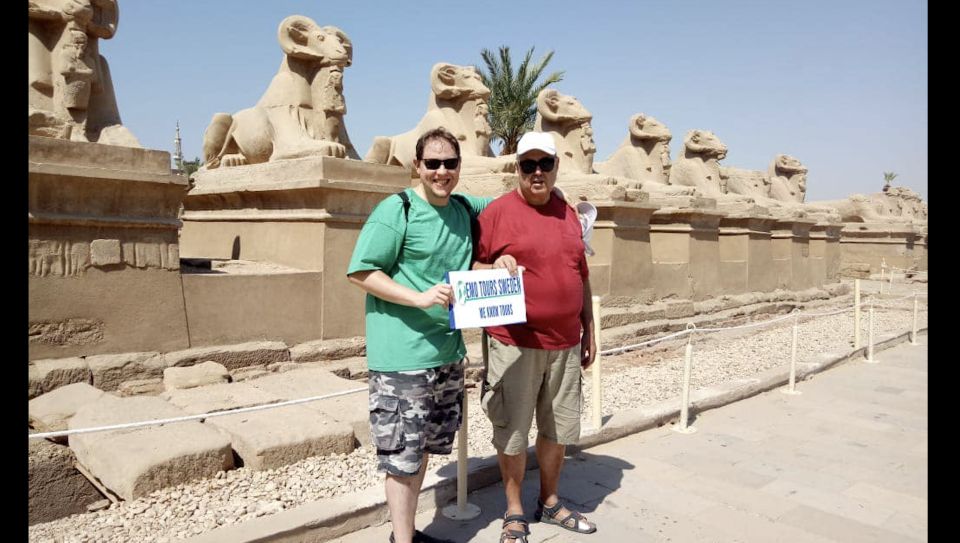
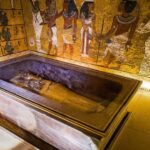
Next you’ll head to the Valley of the Kings, also called the Valley of the Gates of the Kings. This is the spot where the day shifts into New Kingdom funerary history.
What to expect here is very specific: it’s a valley in Egypt where, for nearly 500 years (from the 16th to 11th century BC), rock-cut tombs were excavated for pharaohs and powerful nobles of the New Kingdom. That time span is part of the power of the place—you’re not looking at one tomb for one ruler. You’re looking at a tradition that lasted for centuries.
Why this stop is valuable:
- You’re seeing how beliefs about power and afterlife shaped architecture.
- It’s different from temple complexes. Temples are public and ceremonial. The Valley of the Kings is about burial and protection of memory.
One consideration: this site is outdoors and can be physically demanding. The tour includes bottled water, and you’ll benefit from the “comfortable shoes” advice in the packing list. If you’re sensitive to heat, treat shade and pacing as part of your sightseeing plan, not an afterthought.
Hatshepsut’s Mortuary Temple at Deir el-Bahari
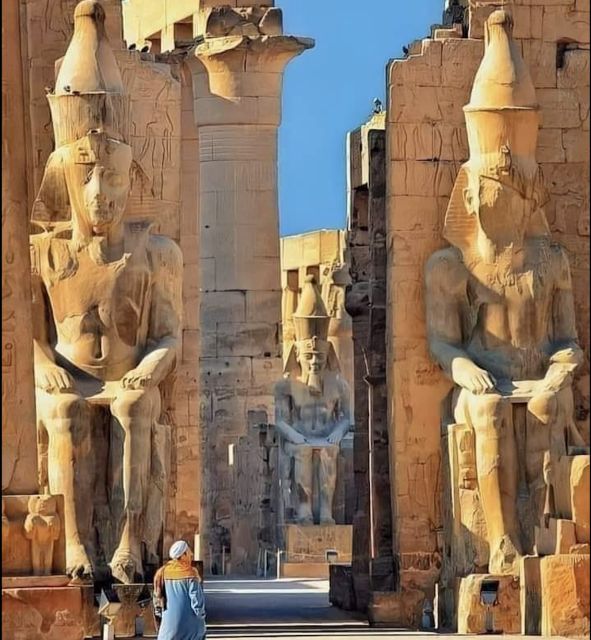
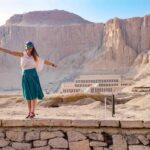
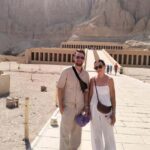
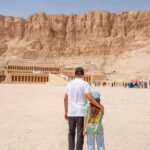
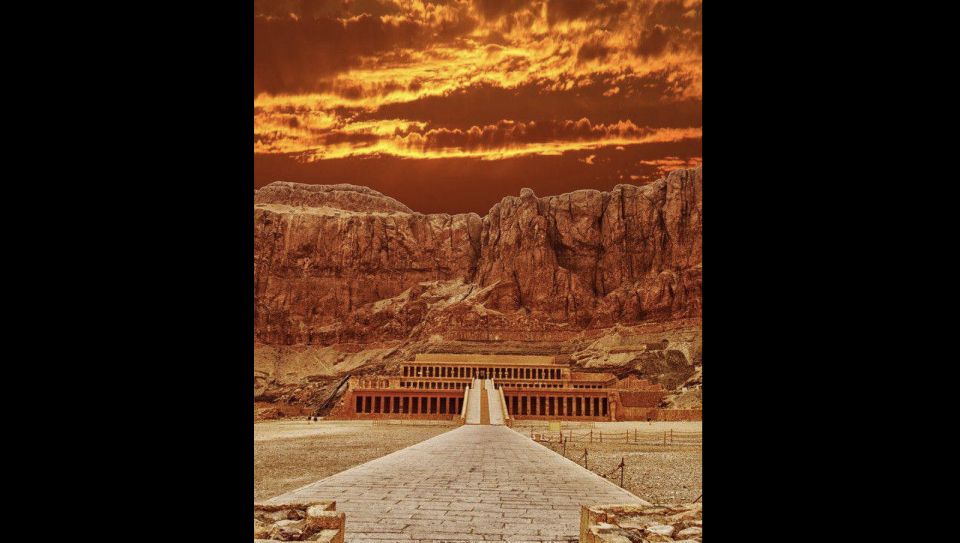
After the Valley of the Kings, you’ll visit the Mortuary Temple of Hatshepsut, also known as Djeser-Djeseru. It’s located beneath the cliffs at Deir el-Bahari on the west bank of the Nile near the Valley of the Kings.
This stop hits differently because it’s tied to one of the most striking personalities in Egyptian history. Built for the 18th Dynasty pharaoh Hatshepsut, she died in 1458 BC. The temple’s setting under cliffs is exactly the kind of geography that makes the story feel real.
Why I think this is a must-include on a day like this:
- You get a major temple built for a specific ruler, not just a general site.
- The location near the Valley of the Kings reinforces the funerary landscape theme.
- It breaks up the tomb-and-statue feel with a monumental temple environment.
If you like your sightseeing to have both scale and meaning, you’ll probably enjoy this stop a lot. Just note that being “under cliffs” can still mean walking outdoors in sun. Dress accordingly.
The Colossi of Memnon and the Theban Necropolis mood
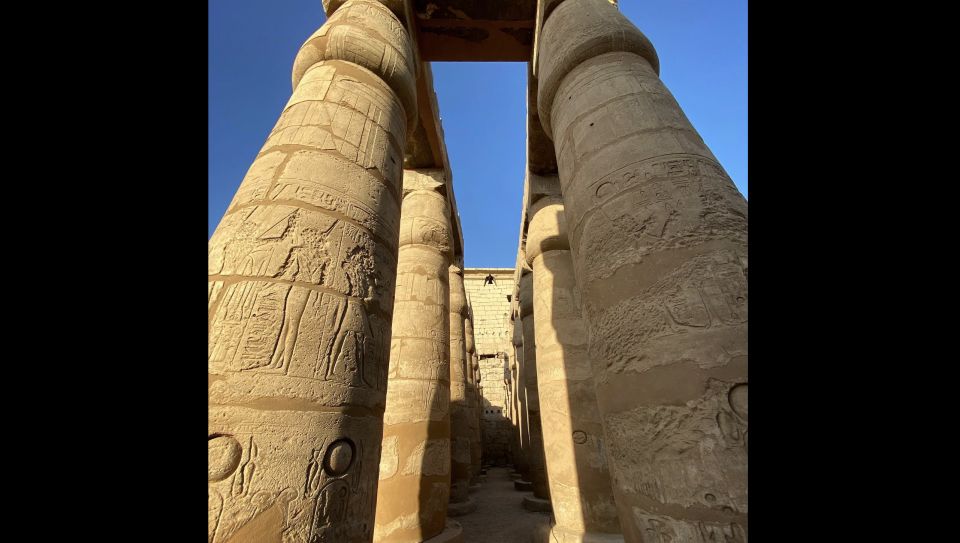
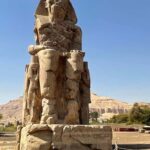
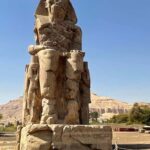
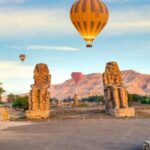
To close the tour, you’ll visit the Colossi of Memnon—two massive stone statues of the Pharaoh Amenhotep III. He reigned in Egypt during the 18th Dynasty, and the statues have stood since about 1350 BCE in the Theban Necropolis, located west of the River Nile from modern Luxor.
This is a great ending because the Colossi are iconic and relatively easy to understand at a glance. You see scale immediately: two enormous statues, standing in the Theban Necropolis. Even without heavy explanation, the sheer size communicates importance.
The guide’s role matters here too. A good Egyptologist tour guide (like Hani, who was praised for being full of knowledge) helps you connect this ending back to the rest of the day—temples, tomb tradition, and the broader west-bank landscape.
Then you return by drive to Hurghada—hotel drop-off or airport, depending on where you started.
Price and value for a private Egyptologist day
At $223 per person, this isn’t a budget bus tour. But it is priced like what it is: a private day trip with real structure.
Here’s where the value comes from:
- Private transportation in an air-conditioned vehicle (so you’re not sharing long travel time with strangers).
- Entry tickets to all the mentioned sites included.
- An Egyptologist tour guide included.
- Lunch included.
- Bottled water included.
- Landing and facility fees included.
When you add it up, you’re paying not just for access to monuments, but for a full-day “planning and interpretation package.” That matters because Luxor isn’t just about seeing stones. It’s about understanding what you’re seeing—especially at Karnak, the Valley of the Kings, and Hatshepsut’s temple.
The risk at this price point isn’t whether the sites are impressive. The risk is matching expectations. If you want a slow, relaxed vacation pace, this tour may feel intense because the drive is long and the day is packed. If you want one strong day that covers the headline sites with a guide, the price can feel fair.
Who this tour suits best (and who should rethink it)
This tour is a good fit if you:
- want a private Egyptologist-guided day and don’t want to coordinate bus transfers
- like history that’s anchored to specific rulers and specific time periods
- enjoy a structured itinerary where someone else handles tickets and pacing
It may be less ideal if you:
- dislike long drives and hot weather
- prefer a more relaxed schedule with lots of free time
- get thrown off easily by chaotic market-stall scenes or less polished roadside areas (you may pass through them on the way)
And one small but real point: because the day covers multiple major sites on both sides of the Nile, you’ll benefit from being comfortable with walking and standing for stretches.
Should you book this Luxor private guided day tour?
If you’re choosing between “doing Luxor on your own” versus “having it organized,” I’d lean toward booking if you want the most meaningful day possible. The mix here is strong: Luxor Temple and Karnak for temple history, then Valley of the Kings and Hatshepsut for the west-bank funerary and memorial world, finishing with the Colossi of Memnon for a bold visual wrap-up.
Book it if you value:
- private guidance
- included entry tickets and lunch
- a day plan that hits the core sights without you micromanaging logistics
Pass or consider alternatives if you know you struggle with heat, long travel days, or jam-packed schedules. In that case, you might enjoy Luxor more with a slower multi-day approach instead.
FAQ
What does the tour include?
The tour includes private transportation, an air-conditioned vehicle, entry tickets to all mentioned sites, an Egyptologist tour guide, lunch, bottled water, and landing and facility fees.
How do I get to Luxor from Hurghada?
You’ll be picked up from your hotel or airport, then drive about 240 km to Luxor in a private air-conditioned vehicle.
Which sites will I visit during the day?
You’ll visit Luxor Temple, Karnak Temple Complex, the Valley of the Kings, the Mortuary Temple of Hatshepsut (Djeser-Djeseru), and the Colossi of Memnon.
Is lunch included, and what kind of lunch is it?
Lunch is included at one of the Egyptian restaurants, with Egyptian cuisine.
What should I bring for the day?
Bring comfortable shoes and comfortable clothes, since you’ll do walking and time outdoors.
What languages is the tour guide available in?
The tour is available in English, Spanish, German, Italian, Arabic.
Do I need to pay entry fees separately?
No. Entry tickets to all the mentioned sites are included in the tour price.
Can I pay later or keep plans flexible?
The tour offers reserve & pay later, meaning you can book your spot and pay nothing today.
What is the cancellation policy?
You can cancel up to 24 hours in advance for a full refund.