REVIEW · LUXOR
Aswan to Luxor: 4-Day Luxury Dahabiya Nile Cruise Adventure
Book on GetYourGuide →Operated by Oceanus Tours · Bookable on GetYourGuide
A Nile cruise without the big-ship noise is a rare treat, and this Dahabiya trip nails it. I like the panoramic deck views you get while sailing, plus the way the schedule keeps you close to the temples without feeling rushed. One thing to plan for: entrance fees for the sites are not included, so you’ll want to budget extra before you go.
This 4-day, Aswan-to-Luxor luxury cruise is built around comfort—door-to-door A/C transfers, an expert guide in English or French, and meals served onboard from day 1 lunch through day 4 breakfast. If you’re sensitive to overnight cool evenings on the Nile, bring warmer layers, because nights can feel chilly even in Egypt’s dry seasons.
In This Review
- Key things I’d prioritize before you book
- Dahabiya Luxury: What changes when the boat is small
- The real value of the price (and what it covers)
- Day 1: Aswan pickups, Philae Temple, and your first night aboard
- Day 2: Sailing views, Kom Ombo, and a Nile swim you can actually do
- Day 3: Gebel El-Silsila, a local village, Edfu Temple, and the feel of a goodbye
- Day 4: Esna disembark, Luxor monuments, and a full temple day
- Valley of the Kings
- Hatshepsut’s Mortuary Temple
- Karnak Temple (East Bank)
- Service, cabins, and onboard details that affect comfort
- Who should choose this cruise (and who might want a different fit)
- Getting the most out of each day: what to pack and how to plan
- Should you book Aswan to Luxor on a Dahabiya?
- FAQ
- Are entrance fees included for the temples and sites?
- What meals are included during the cruise?
- Where do pickups in Aswan happen?
- What languages does the live tour guide speak?
- What is the cancellation policy?
- Can you swim in the Nile during the cruise?
Key things I’d prioritize before you book
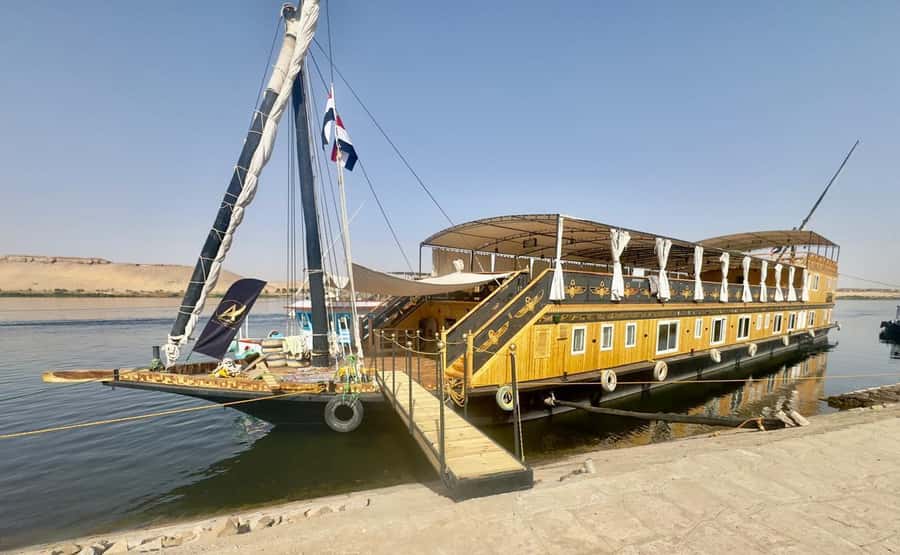
- A quiet, intimate Dahabiya vibe: far less bustle than the large diesel boats on the river
- Nile views from your own deck: sailing time is a feature, not just travel time
- Temple visits with context: you get an expert guide and time to take it all in
- Swim option in a safe, warm area: included as an activity you can choose
- Food is a highlight, but plan for stomach sensitivity: a few reviews mention stomach issues after meals
- Guides and staff matter: names like Hussein, Rambo, Hazem, Mahmoud, Sherif, and Mohamed show up often in feedback
Dahabiya Luxury: What changes when the boat is small
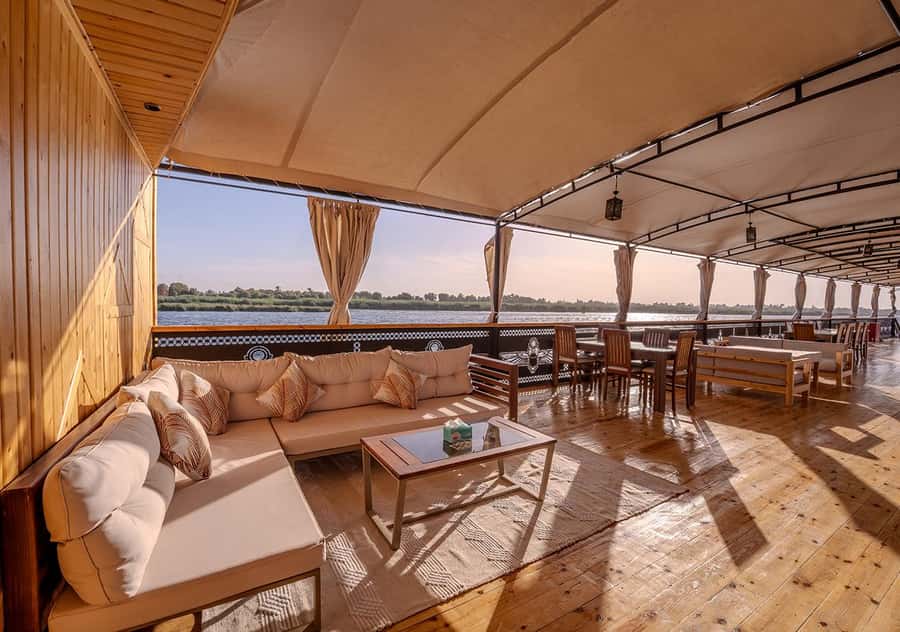
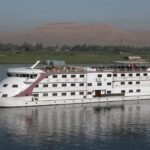
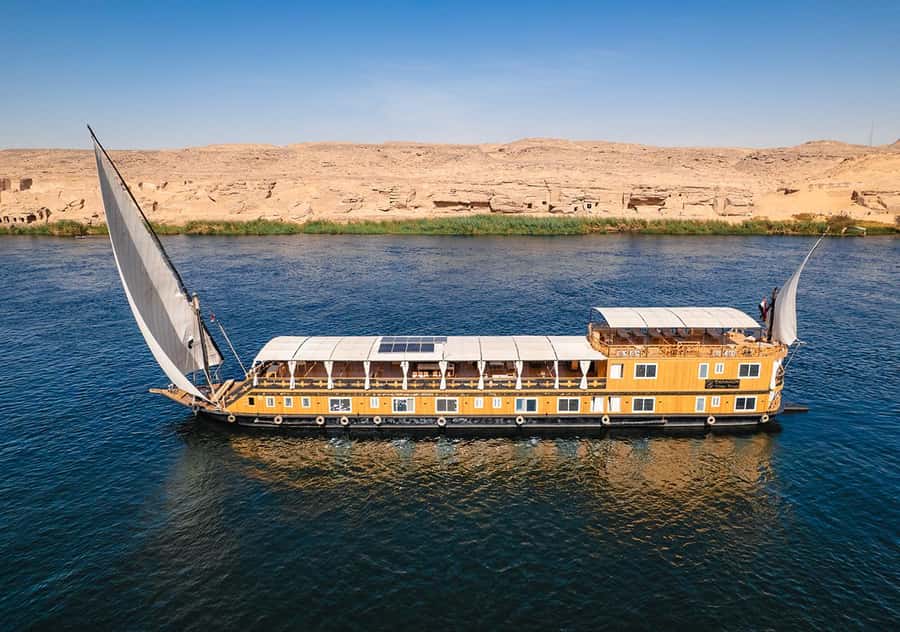
The Dahabiya concept is simple: you trade crowds for calm. Instead of being herded on and off a massive ship, you live at a slower pace. You can watch the river bend, see palm-lined banks pass by, and feel like you’re traveling with Egypt rather than through it.
This itinerary also leans into “comfortable discovery.” You get onboard breaks between sites, plus a sun deck rhythm that makes the days feel lighter than the typical whirlwind tour. One practical bonus: a review notes that the Dahabiya doesn’t sail completely on its own—it’s tugged by a smaller tug boat. The upside is that sailing stays very quiet, so you can actually hear the river and enjoy the views without engine chaos.
You can also read our reviews of more boat tours in Luxor
The real value of the price (and what it covers)
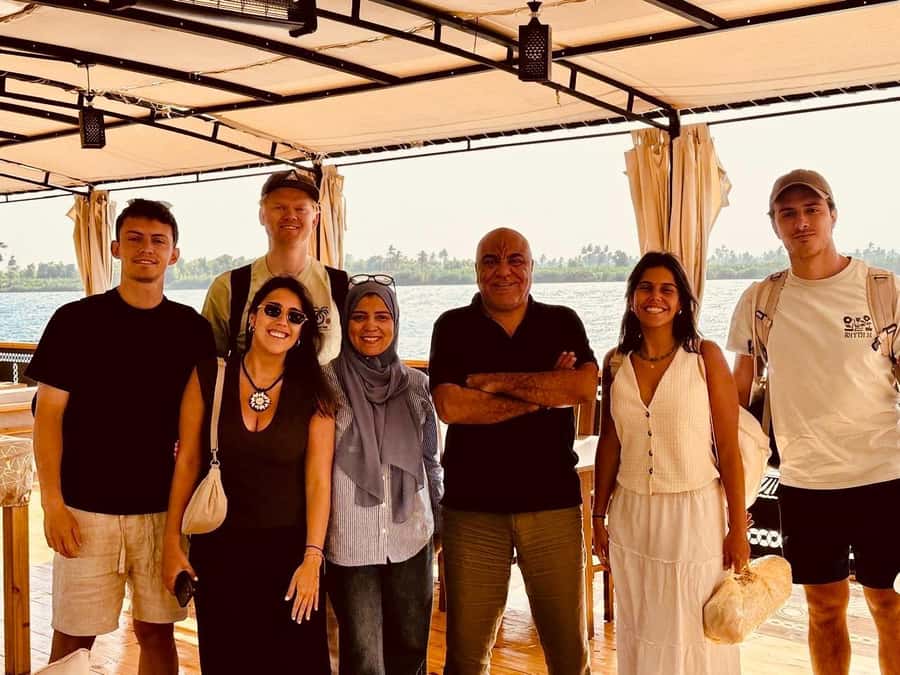
At $950 per person for 4 days, you’re paying for more than transportation. Here’s where the value comes from based on what’s included:
- 3 nights onboard in the Nile Dahabiya (Aswan to Luxor)
- All meals from the first lunch to the final breakfast
- Water and hot drinks during your stay
- A/C door-to-door transfers for Aswan and Luxor
- An expert guide and all listed stops
What’s not included is the one “gotcha” to plan for: entrance fees for the temples and monuments. The itinerary is packed with major sites—Philae, Kom Ombo, Edfu, Valley of the Kings, Hatshepsut, and Karnak—so those fees can add up. If you’re budgeting tightly, ask your booking partner for an entrance-fee estimate before you lock it in.
Also, think of this as a luxury upgrade over a land-only tour: you’re essentially buying time and comfort—your base moves with you along the Nile.
Day 1: Aswan pickups, Philae Temple, and your first night aboard
Your day starts with an A/C pickup from Aswan airport, the train station, or your hotel on the east bank. You’ll check in, settle onboard, and then head out for your first big temple moment: Philae Temple on the island of Philae.
Philae is one of those places that hits you visually before you even get the details. The setting in the Nile is the point: you’re not just visiting a building—you’re stepping into a sacred location surrounded by water. The guide-led storytelling matters here too, because temples like this are easier to appreciate when someone connects the dots between architecture, religion, and daily life along the river.
Back onboard in the evening, you’ll get time to relax, then listen to your expert guide explain the “hidden culture” of Egypt. That first-night framing is more useful than it sounds. It helps you understand what you’re seeing the next day so the itinerary doesn’t feel like a checklist.
Practical tip: bring a sun hat and sunglasses for the daytime temple walking, and pack something warmer for the evening because Nile nights can cool off.
Day 2: Sailing views, Kom Ombo, and a Nile swim you can actually do
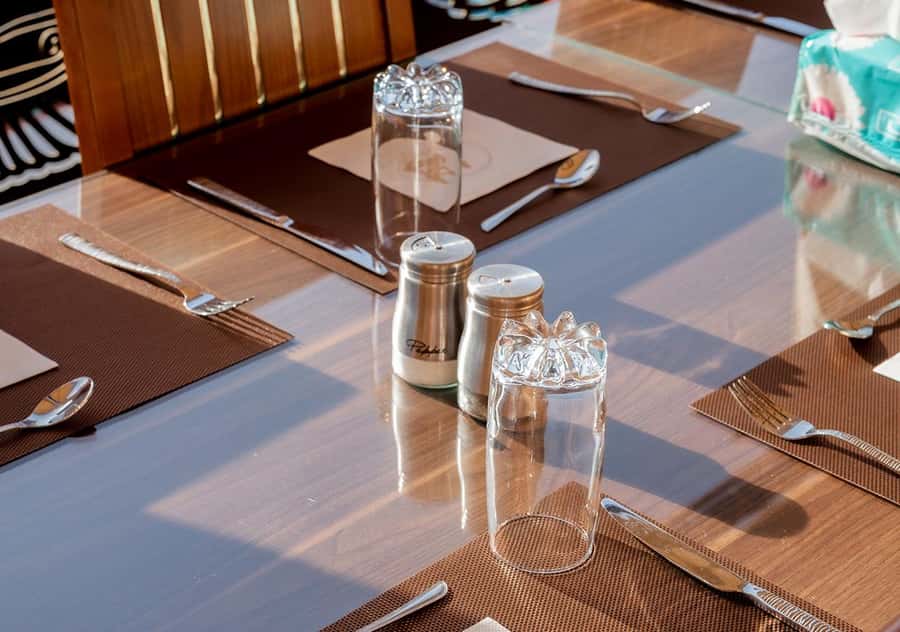
Day 2 is built around slow sailing and one major stop: Kom Ombo Temple. You’ll enjoy the river scenery from the comfort of the Dahabiya, then visit Kom Ombo, a temple with its own distinctive identity on the Nile.
The standout detail here is that Kom Ombo’s religious setup is unusual—its worship area features two identical gods. It’s also tied to a story about how Egyptians avoided danger from crocodiles, which gives you an extra layer beyond “just another temple.” When a guide explains the reasoning behind temple features, the site feels more alive.
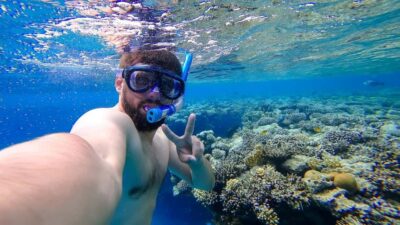
Then comes the activity many people don’t expect on a cruise: swimming in the Nile. You’re told you can swim in a safe and warm area as you wish. This isn’t a reckless “jump in anywhere” promise; it’s offered as a controlled option so you can enjoy the water without turning the day into a stress test.
Back onboard, you’ll also have time for a local drink on the sun deck during sailing. It’s one of those moments that turns the trip from sightseeing into a real travel experience.
Practical tip: pack beachwear even if you think you won’t use it. The Nile swim option is the kind of thing you’ll be glad you can say yes to.
Day 3: Gebel El-Silsila, a local village, Edfu Temple, and the feel of a goodbye
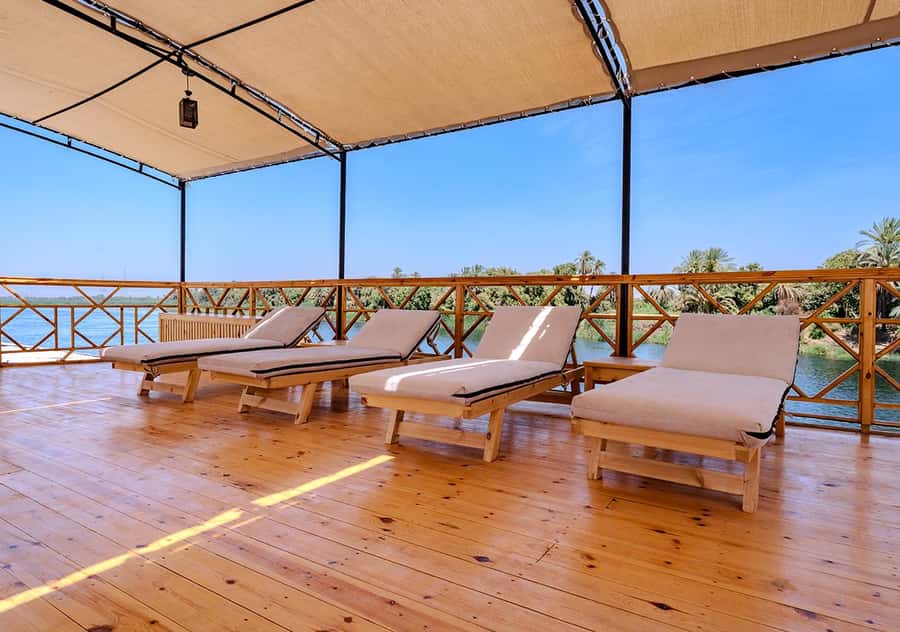
On Day 3, the pace gently sharpens: scenery, geology, everyday life, and another temple. From the sundeck, you’ll be able to appreciate Gebel El-Silsila, described as the “mother of all temple” area where stonework shaped monumental building.
You’ll hear the story of how giant stones were cut using only chisel and hammer. That detail does something important: it slows your brain down. Instead of rushing to photos, you start picturing tools, labor, and time—human effort embedded into the rock itself.
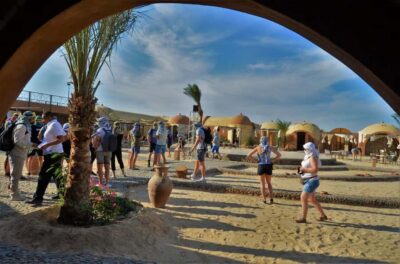
Next comes something that breaks up the monument pattern: a local village visit. You’ll learn daily life rhythms and get a feel for the “Nile Islands” simplicity. This is where the trip feels less staged. You’re seeing a living river culture, not only ancient stone.
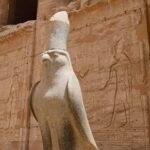
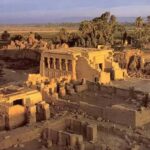
Then you visit Edfu Temple, noted as Egypt’s second-largest temple and in excellent condition. The guide will connect the temple to the story of Horus defeating Set—so again, you’re not just touring walls, you’re understanding why the carvings matter.
On the way toward Luxor, the day ends with a simple goodbye party onboard. That kind of low-key send-off is exactly what fits a small-boat cruise. You don’t leave feeling like you were in a theme park; you leave feeling like you were part of a journey for a few days.
Practical tip: wear comfortable shoes that can handle temple stairs and uneven ground. You’ll thank yourself later.
Day 4: Esna disembark, Luxor monuments, and a full temple day
After breakfast, you disembark from Esna and drive to Luxor. Luxor is loaded with monuments, and this day focuses on three of the most famous areas, in a logical order that helps you see the story of ancient Egypt unfold.
Valley of the Kings
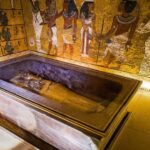
You’ll visit the Valley of the Kings, with more than 60 tombs in the area. The key point is to understand what you’re looking at. This isn’t only a cemetery—it’s described as a kind of afterlife palace setting. With that framing, the valley feels less like a graveyard and more like a spiritual city built for permanence.
Hatshepsut’s Mortuary Temple
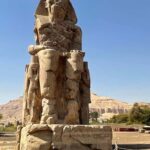
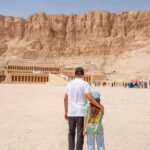
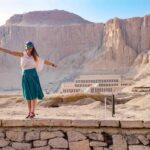
Next is the Mortuary Temple of Hatshepsut, where you can get close to the story of Egypt’s famous female pharaoh. This stop is one of the most emotionally vivid in the itinerary because it’s tied to personal power—who held it, who challenged it, and how her legacy survives in stone.
Karnak Temple (East Bank)
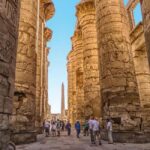
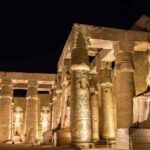
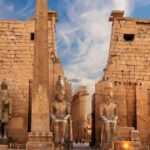
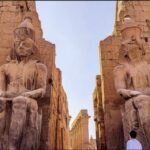
Finally, you’ll reach Luxor’s East Bank and Karnak Temple, described as one of the greatest temples ever. Even if you’ve seen pictures, Karnak works best when you stand there and let the scale hit you. The guide’s role is crucial here because Karnak is big enough to overwhelm without context.
The tour ends with a final transfer depending on your destination in Luxor. Then you get to carry the photos, yes—but also the feeling that the monuments connect, one scene to the next.
Service, cabins, and onboard details that affect comfort
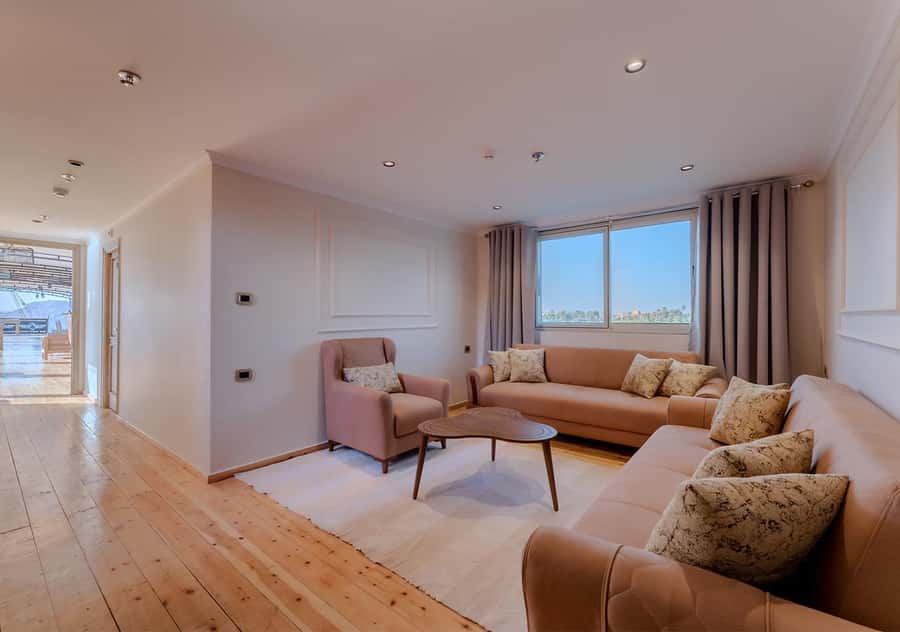
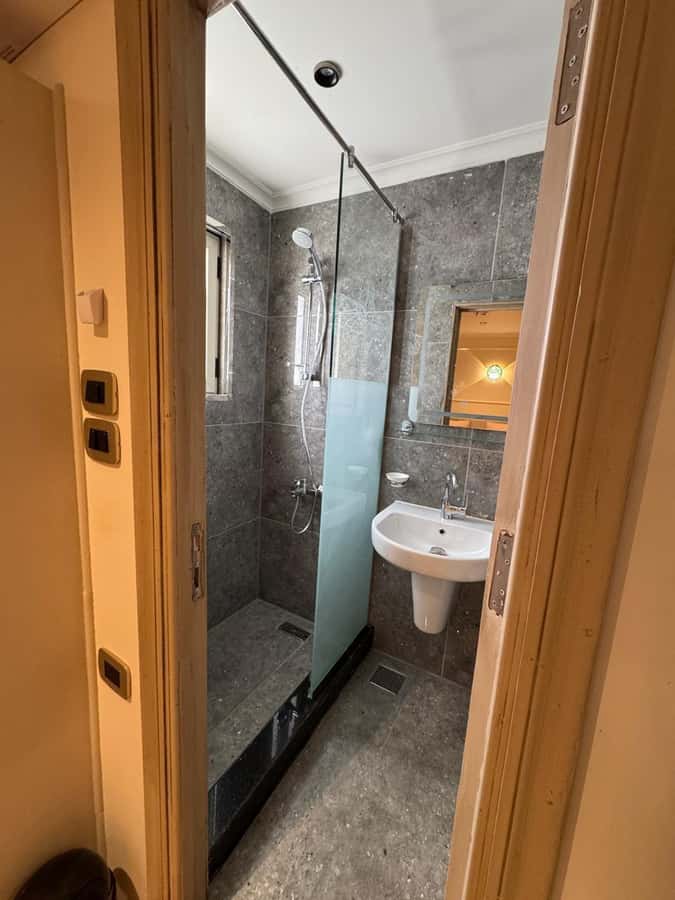
The brochure promise is “luxury,” but what matters on a Nile cruise is the day-to-day comfort: your cabin, meals, and how staff keep things running.
From reviews, the onboard staff hospitality stands out. Names like Hussein and Rambo appear alongside Sherif and other team members as people who make you feel welcomed. That kind of personal attention is a big part of why Dahabiya cruises feel special compared with big ships.
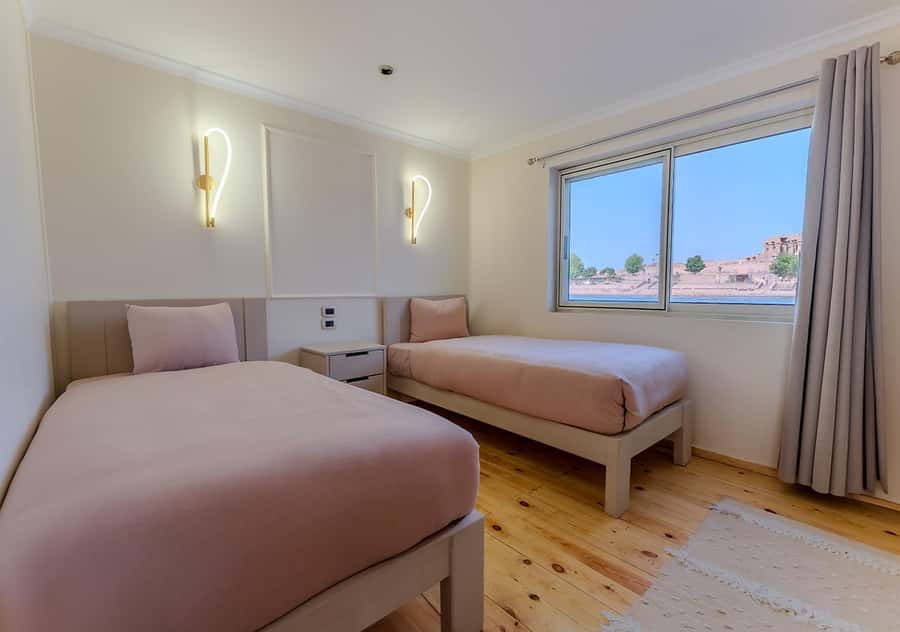
Cabins can vary. One review mentions an upgrade to a suite with a small balcony, which is the sort of detail that can change your whole experience. If you care about private outdoor time, ask about upgrade options when booking (if available).
Room cleaning is another real-world detail. One review suggests rooms should be cleaned daily rather than only upon request. If daily housekeeping matters to you, it’s worth mentioning your preferences when you check in.
Two more practical notes from feedback:
- WiFi can be unstable, so rely on your own mobile data if you need connectivity.
- Food is generally praised, but at least one review mentions stomach problems after meals. If you’re sensitive, eat lightly the first day and choose simpler dishes.
Who should choose this cruise (and who might want a different fit)
This tour is a strong match if you want:
- A luxury but quiet Nile experience
- A balance of temple time and relaxing sailing
- A guided trip with enough explanation to make monuments understandable
It may not be ideal if:
- You hate walking on uneven temple paths (you’ll want solid shoes)
- You expect full onboard tech reliability (WiFi may not be consistent)
- You’re extremely sensitive to rich meals (a couple of reviews mention stomach issues)
There’s also one hard limit: it’s not suitable for people over 95 years.
If you’re traveling as a couple or solo, a smaller ship can feel calmer and more personal. If you’re traveling with friends and want to split attention between photos and guidance, the small groups on visits can help.
Getting the most out of each day: what to pack and how to plan
Bring:
- Comfortable shoes
- Sunglasses and a sun hat
- Sunscreen
- Comfortable clothes
- Beachwear (for the Nile swim option)
- Your passport (a copy is accepted)
Plan for river weather:
- Even in warm seasons, nights can be cool on the Nile.
- Use layers so you can move from sun deck heat to evening breeze without freezing.
Also note the rules:
- No pets
- No drones
- No smoking indoors
- No bikes or scooters
- No firework and no making fire
Should you book Aswan to Luxor on a Dahabiya?
If you want a Nile cruise that feels more like slow travel than a moving buffet line, this is an easy yes. The included meals, onboard drinks, expert guide, and the temple lineup across Aswan to Luxor make this a high-value package—especially when you compare it to doing these sites by land plus paying for transfers and separate guide time.
But make your decision with two practical checks:
- Budget for entrance fees since they’re not included.
- Pack for comfort (shoes + layers + hat), because the trip’s best moments happen on decks and in temples.
If small-boat calm and guided temple context are your priorities, this is the kind of trip that sticks with you long after the photos fade. It’s not just about seeing Egypt—it’s about experiencing the river pace that made Egypt possible in the first place.
FAQ
Are entrance fees included for the temples and sites?
No. Entrance fees for the mentioned sites are not included in the price.
What meals are included during the cruise?
All meals are included starting with lunch on the first day and ending with breakfast on the last day.
Where do pickups in Aswan happen?
You’ll be picked up from Aswan airport, train station, or your hotel on the east bank of Aswan. You should share your exact location at least 24 hours before the tour starts.
What languages does the live tour guide speak?
The live tour guide is available in English and French.
What is the cancellation policy?
You can cancel up to 24 hours in advance for a full refund.
Can you swim in the Nile during the cruise?
Yes. The experience includes the option to swim in the Nile in a safe and warm area as you wish.