REVIEW · LUXOR
Luxor: Sound And Light Show
Book on GetYourGuide →Operated by Nice Tours · Bookable on GetYourGuide
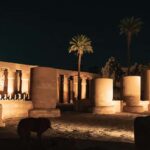
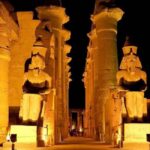
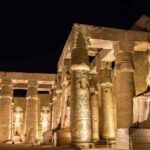
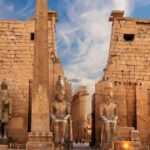
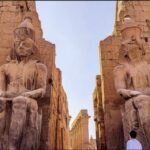
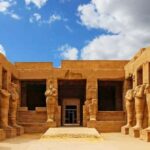
Karnak Temple at night turns stones into storytellers. This Luxor sound and light show is built around pharaohs narrating key chapters of ancient Egypt, so you’re not just watching lights—you’re following a guided script across the temple.
My favorite part is how the show uses poetic descriptions to connect kings, temples, and events into something you can actually track. I also like that you get headsets for translations, with multiple languages available, so you can enjoy the story even if your Arabic is still in development.
One thing to consider: the production value feels like a gamble for some people. With an overall rating around 3.5 and at least one comment calling the lighting effects and sound mediocre, you should go in expecting a classic audio-visual show, not a high-budget modern spectacle.
In This Review
- Key things to know before you go
- Karnak after dark: why this format works
- Private East Bank transfers and ticket pick-up: the practical win
- Inside Karnak: walking through a guided script
- Sound effects and poetry: how the headset makes or breaks it
- The Great Sacred Lake segment: the colorful punctuation mark
- What you’re paying for: the real value equation ($56)
- Who this suits best in Luxor
- Tips for a smoother night at Karnak
- Should you book the Luxor Sound and Light Show?
- FAQ
- Where does the Luxor sound and light show take place?
- Is hotel pickup included?
- Do you provide translations during the show?
- What’s included in the $56 per person price?
- What’s not included?
- What languages are offered?
- Can I reserve and cancel if plans change?
Key things to know before you go
- Pharaoh narration inside Karnak: the storyline is paced through the temple’s spaces, with kings taking the lead.
- Multilingual headsets: translations are available in Arabic, French, English, Spanish, and German.
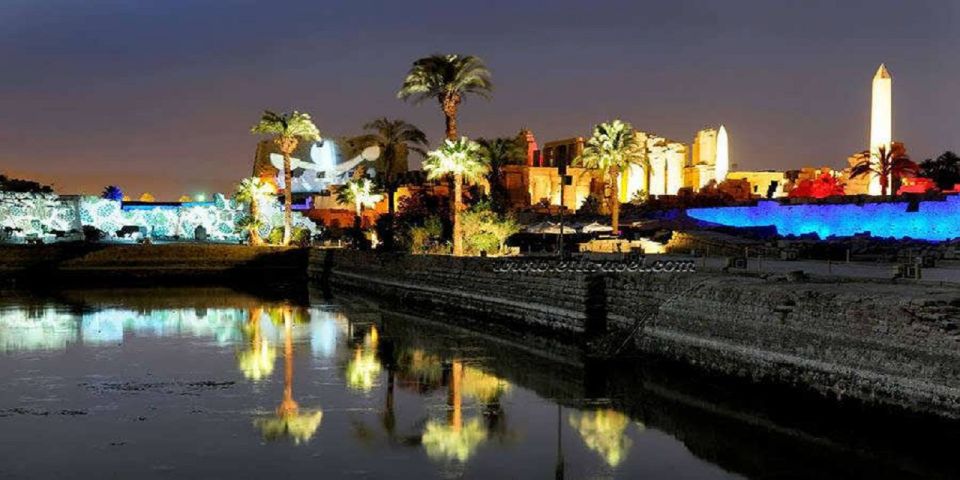
- Great Sacred Lake moment: the show includes a colorful segment at the lake’s edge.
- Private, comfortable East Bank pickup: hotel-to-temple transfer is handled in a private A/C vehicle.
- Tickets handled for you: a representative gets your admission in place before the show starts.
Karnak after dark: why this format works
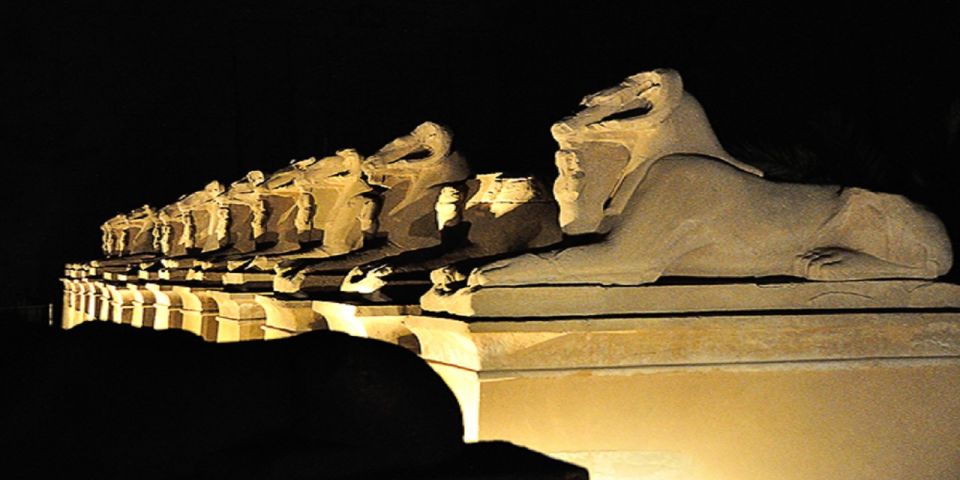
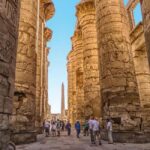
Karnak Temple is impressive even in daylight. At night, the experience shifts from sightseeing to storytelling, and that changes how your brain processes what you’re seeing.
Instead of trying to read every carving or puzzle out who built what, the show gives you a framework: ancient kings rise, narration flows, and the audio guides you through the temple’s dramatic setting. If you’ve ever wished Egypt’s monuments came with a clear storyline, this is the kind of show that tries to give you one.
A big plus here is the pacing. The narration focuses on achievements and major events of the great kings, with poetic descriptions designed to be easy to follow. You don’t need to already know the full chronology to get something out of it.
The downside is also baked in: if you’re expecting cutting-edge special effects, you might find the visuals less satisfying. One rating called the visual effects poor, so keep your expectations aligned with a traditional sound-and-light production.
You can also read our reviews of more tours and experiences in Luxor
Private East Bank transfers and ticket pick-up: the practical win
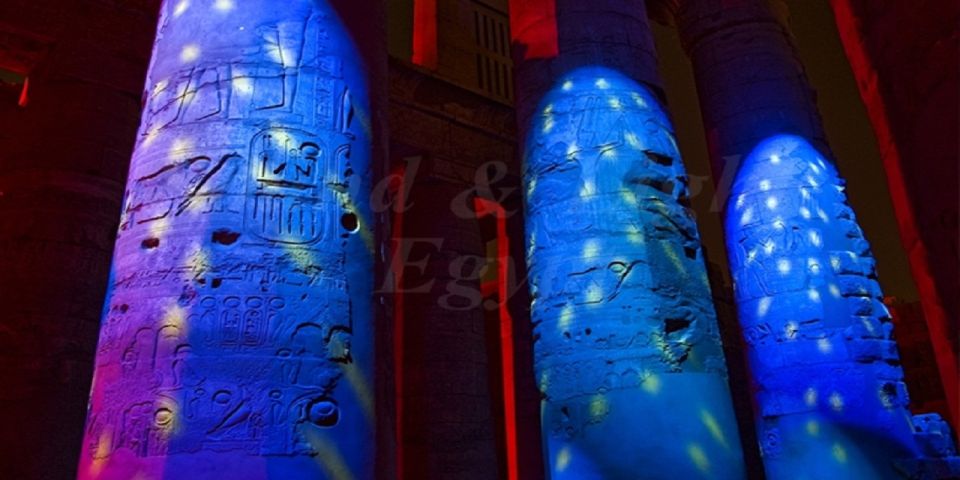
The tour is set up to reduce hassle in Luxor. In the evening, you’re picked up from your accommodation in the East Bank area, then you ride in a private A/C vehicle to Karnak Temple.
When you arrive, a representative takes care of the tickets for you. That matters more than it sounds—Kyoto this is not. The tempo in Egyptian sites can be fast, and having your admission sorted before you sit down helps you avoid unnecessary stress.
You’ll also get bottle water, and after the show you’ll be transferred back to your hotel safely. That round-trip structure is especially helpful if you don’t want to figure out evening transport on your own.
One consideration: the information specifically says hotel pickup and drop-off in the East Bank are included. West Bank pickup is available, but it costs $5 per person extra, so decide which side of town you’re staying on before you commit.
Inside Karnak: walking through a guided script
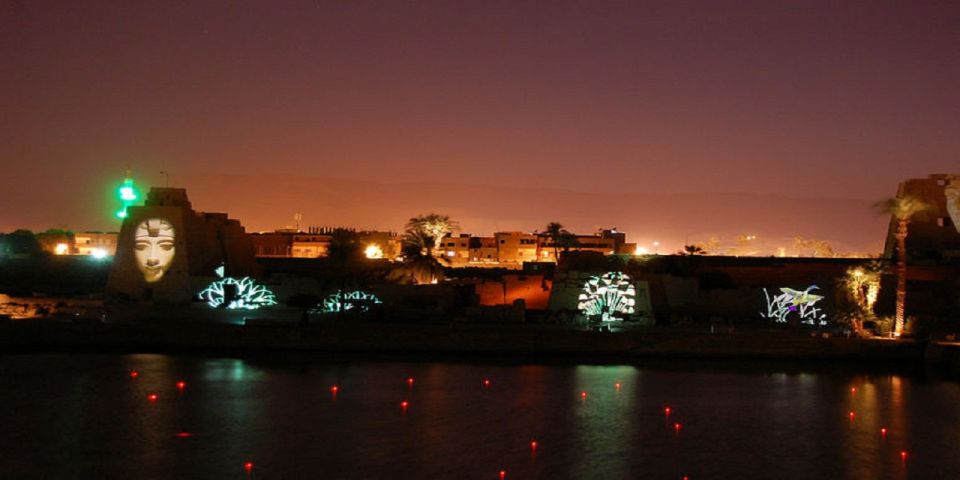
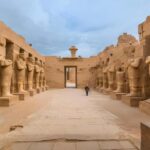
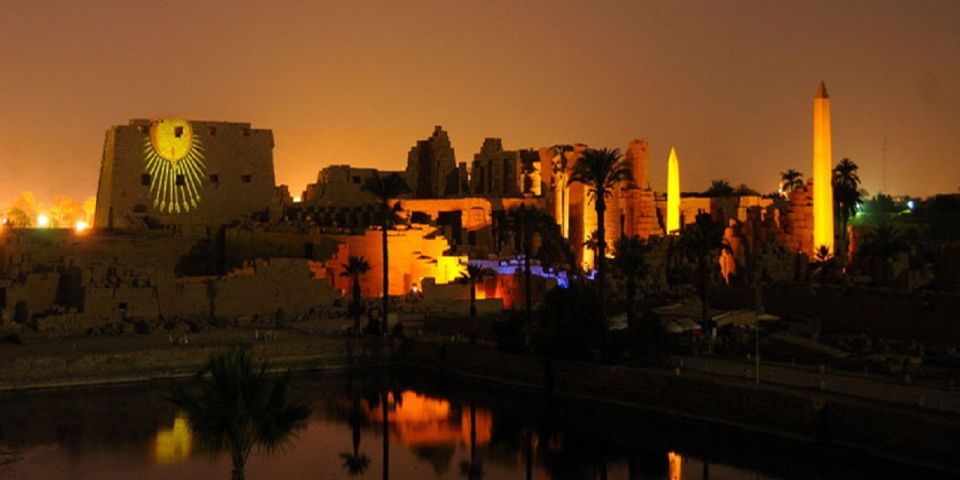
The show doesn’t treat Karnak like a photo backdrop. It’s designed around the temple experience—walking through the largest temple in Egypt and letting the narration bring the space to life.
The story centers on the ancient city of Luxor, highlighting achievements and events tied to Egypt’s great kings. The phrasing in the show description is focused on what those rulers did, and how temples connect to their power and legacy. In practice, that means you’re hearing a storyline while the setting stays monumental and physical.
You’ll also notice the show uses sound in a way that’s meant to guide attention. The description mentions hunting music that flows mysteriously through the ancient temple. That’s not just ambiance—it’s part of how they shape your sense of movement and scene changes inside a vast, stone environment.
How to get the most out of this portion: don’t treat it like background noise. If you’re using the headset, actively follow the named kings and major events the narration points to. When your ears have something to track, the visual complexity of Karnak stops feeling overwhelming.
Sound effects and poetry: how the headset makes or breaks it
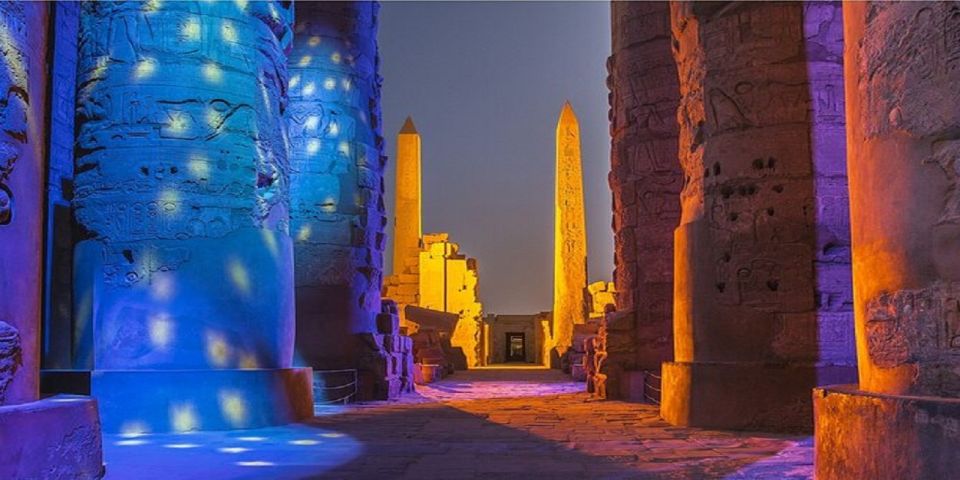
This show is fundamentally audio-led. The narration, sound effects, and poetic descriptions are the main vehicle for meaning.
Good news: headsets are available for translations in multiple languages. The listed options are Arabic, French, English, Spanish, and German. If you’re traveling as a couple or small group with mixed language skills, this is a straightforward way to keep everyone synced to the same story.
If you’re the type who hates relying on a headset, you’ll still get something from the overall atmosphere. But the show is clearly designed to be followed, and a big chunk of the value is that you can understand what’s being said.
Now the caution: at least one person said the sound was mediocre and the lighting effects were uninteresting. That doesn’t mean the show is objectively bad, but it does mean you should judge it by the format, not by the promise of modern cinematic magic. Think: storytelling + staged sound in a real ancient temple, not a high-tech movie theater.
The Great Sacred Lake segment: the colorful punctuation mark
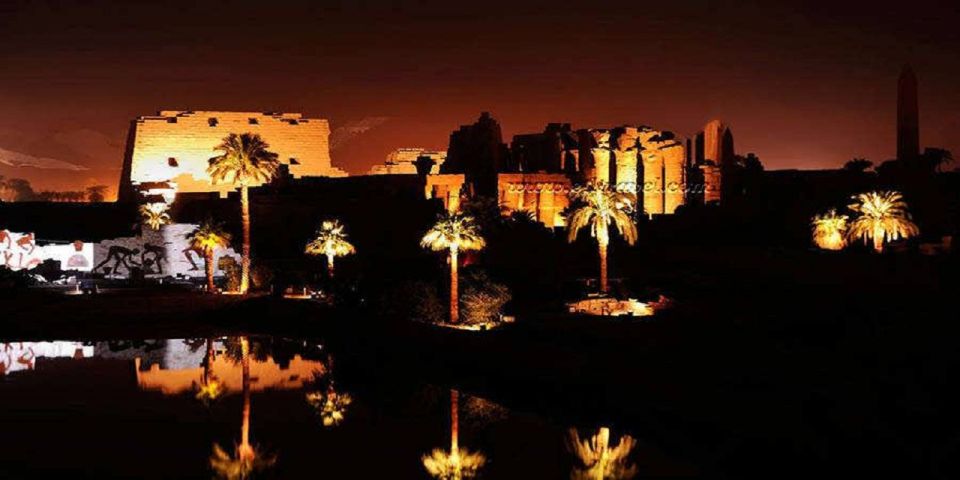
One of the highlights is the colorful show at the edge of the Great Sacred Lake. This matters because it changes the visual texture of the evening.
Karnak is mostly stone and shadow. Adding a lake-side sequence gives you contrast—your eyes get a different horizon line, and the production uses that space to mark the show’s emotional beats. Even if the lighting is not “wow” level by modern standards, that kind of location-based effect can still feel memorable.
If you’re trying to photograph, aim for a patient approach. Night lighting in historic sites often looks best when you let the moment guide you rather than chasing the perfect shot. You’ll likely get better photos by staying flexible than by sprinting to one spot the second you see color.

What you’re paying for: the real value equation ($56)
At $56 per person, you’re not just buying admission. You’re buying a package: private A/C transport, hotel pickup and drop-off on the East Bank, bottle water, and entry/admission to the Luxor sound and light show.
That can be good value if you’d otherwise spend time figuring out tickets and evening logistics. In many travel plans, the cost difference is actually a time-savings fee, and the private ride reduces friction when it’s dark outside and you want to keep your evening smooth.
But there’s another side of the value story. One negative comment said it was overpriced compared to the price without a tour operator, adding that the ticket alone was worth less than €20. That’s a real consideration if you’re comfortable handling transport and tickets yourself.
So here’s my practical way to think about it:
- If you want convenience and you’re staying on the East Bank, this package likely feels reasonable.
- If you’re price-sensitive and you’re happy to go it alone, you might feel the markup.
Bottom line: decide what you value more—your time and stress level, or maximizing budget.
Who this suits best in Luxor
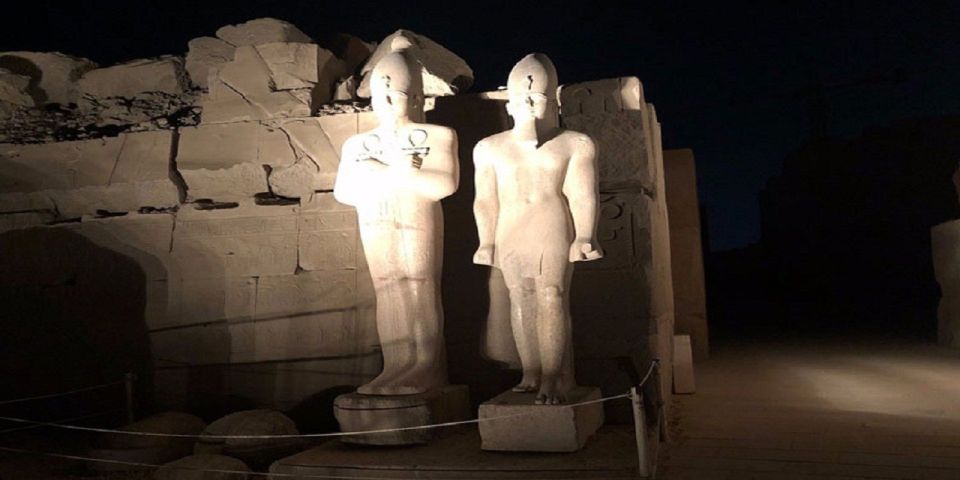
This experience is a smart fit if you want a guided way into Karnak. It’s also a good match for travelers who feel overwhelmed by the sheer scale of ancient sites and need a storyline to anchor their visit.
It’s especially practical if:
- your group has mixed language skills (headsets are available),
- you want an organized evening plan,
- you prefer private evening transfers rather than figuring things out at night.
It might not be the best fit if you’re chasing modern special effects or you strongly dislike staged audio-visual shows. One set of feedback specifically complained that the effects looked poor and the activity felt uninteresting. If that’s your taste, consider spending your evening differently.
Tips for a smoother night at Karnak
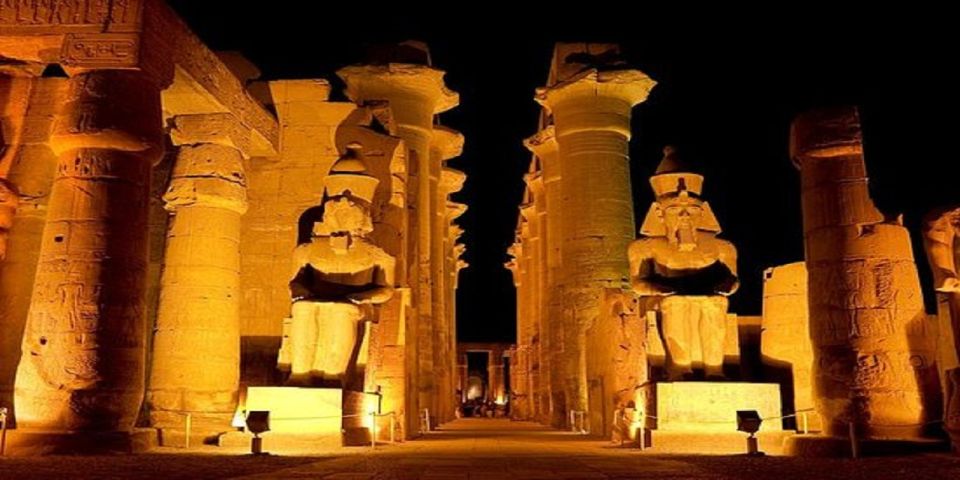
Here’s how I’d set yourself up for success based on how the show is designed and what’s included.
First, use the headset from the start if you can. Since the narrative is the main driver, you’ll get more out of the temple when you’re following the story in your language.
Second, treat the East Bank pickup as the default included service. If you’re staying on the West Bank, budget the additional $5 per person for pickup and drop-off.
Third, pack with the “evening” mindset. Even though the data doesn’t specify weather, night plans in Egypt can shift quickly, so wear something you can comfortably sit through and move in.
Finally, plan for tipping. Tips aren’t included, so have some cash set aside if you want to reward the people handling your evening service.
Should you book the Luxor Sound and Light Show?
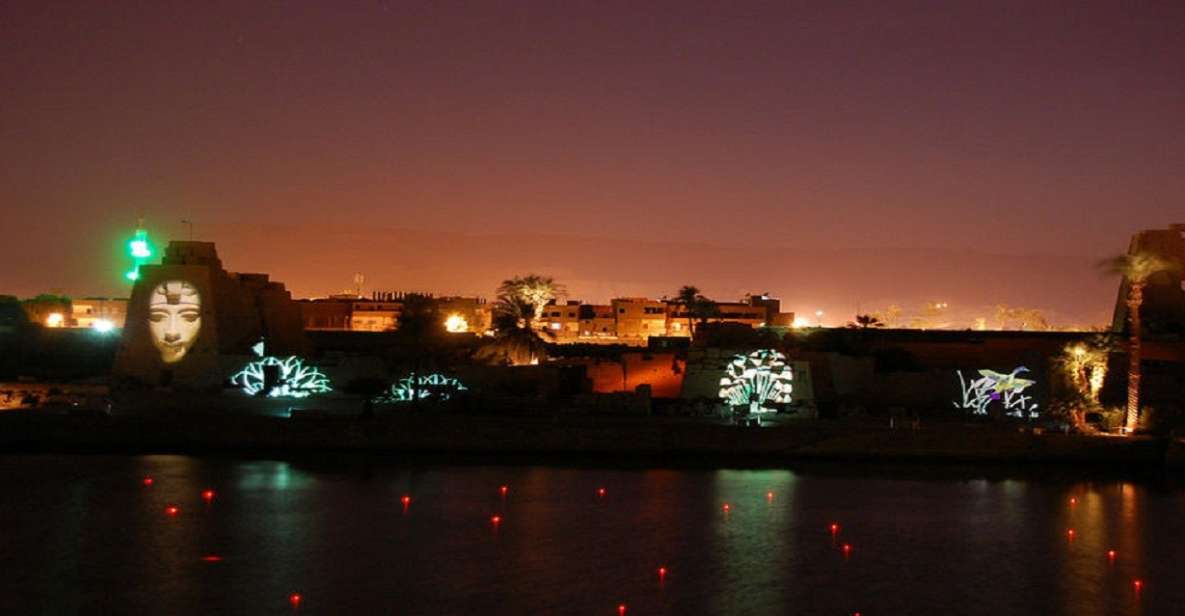
Book it if you want an evening, story-driven introduction to Karnak Temple with multilingual headsets and a private East Bank transfer. The structure—pharaoh narration, sound-led guidance, and the Great Sacred Lake moment—fits travelers who like meaning, not just monuments.
Skip or rethink it if you’re mainly looking for high-tech production values. With a mid-range rating and at least one strongly negative note about lighting and sound, this show can disappoint if you expect movie-grade effects.
If you’re on the East Bank and you want convenience plus a clear narrative, the $56 package can make sense. If you’re watching the budget closely, compare alternatives before you commit.
FAQ
Where does the Luxor sound and light show take place?
The show takes place at Karnak Temple in Luxor.
Is hotel pickup included?
Yes, hotel pickup and drop-off in the East Bank are included. West Bank pickup is available for an extra $5 per person.
Do you provide translations during the show?
Yes. Headsets are available for translations in Arabic, French, English, Spanish, and German.
What’s included in the $56 per person price?
Included are all transfers by private A/C vehicle, East Bank hotel pickup and drop-off, bottle water, and entry/admission for the Luxor Sound and Light Show.
What’s not included?
Tipping is not included. West Bank pickup and drop-off cost extra at $5 per person.
What languages are offered?
Arabic, French, English, Spanish, and German.
Can I reserve and cancel if plans change?
The option is offered to reserve & pay later. Cancellation is allowed up to 24 hours in advance for a full refund.