REVIEW · LUXOR
Luxor: All-Inclusive West Bank Tour, Sound & Light Show
Book on GetYourGuide →Operated by Nice Tours · Bookable on GetYourGuide
A West Bank sweep can change how you see Egypt.
This all-inclusive day pairs the Valley of the Kings with the Karnak Sound and Light Show, so you get both daytime tomb drama and an evening spectacle that turns ruins into a story. I like that the itinerary is built around Egypt’s big power players—pharaohs, queens, and battlefield kings—so your brain connects the dots instead of hopping between random monuments. The guide is a big part of the value too, with English-speaking names like Hamdy, Manal, Summer Hilmy, Aladdin, Beshoy, Majed Hassan, and Isa showing up as standouts for making the sites feel clear and secure.
The main thing to watch is expectations around inclusions. The day is packed, and a short felucca ride may feel more like a quick “sail-and-photos” than a long cruise, plus you should confirm that nothing extra is required for the sound and light show or add-on tomb stops.
In This Review
- Key Points I’d Plan Around
- East Bank Pickup to West Bank Sites: How the Day Moves
- Valley of the Kings: Entering Royal Tombs (and the Afterlife Mindset)
- Hatshepsut at Deir el-Bahari: Power Carved Into the Cliffs
- Medinet Habu and Ramses III: A Fortress-Like Battle Temple
- Valley of the Nobles and Colossi of Memnon: More Personal Tomb Art
- Lunch at a Local Restaurant: The Pause That Matters
- Felucca Ride Reality Check: A Scenic Nile Break
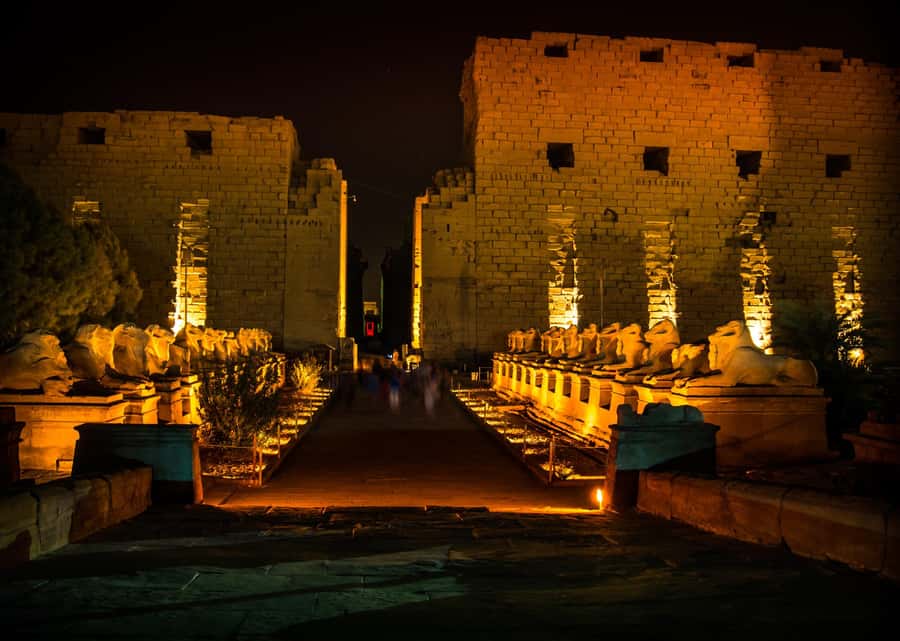
- Karnak Sound and Light Show: Ruins That Narrate Thebes at Night
- Guide and Transport: The Private Setup That Makes It Worth It
- Price and Value: Is $130 a Good Deal Here?
- Should You Book This West Bank Tour with Karnak Sound and Light?
- FAQ
- What is included in the Luxor All-Inclusive West Bank Tour?
- How long is the tour?
- Where do I get picked up and where do I get dropped off?
- Is a guide available in multiple languages?
- What sites are visited during the day?
- Is the Karnak Sound and Light Show included?
- What is the cancellation policy?
Key Points I’d Plan Around
- Private Egyptologist guide for clear connections between tombs, temples, and afterlife beliefs
- Valley of the Kings inside access to elaborately decorated royal tombs
- Hatshepsut at Deir el-Bahari: a cliff-carved temple with a powerful queen’s story
- Valley of the Nobles: elite officials’ tombs that can feel more personal than royal ones
- Felucca on the Nile as a calm break between monuments
- Karnak Sound and Light Show for an evening narrative set in the temple ruins
East Bank Pickup to West Bank Sites: How the Day Moves
You’ll start with hotel pickup on the East Bank of Luxor, then cross to the West Bank with a private, air-conditioned vehicle. That matters because the West Bank can eat time if you’re relying on shared transport. Here, the route is built for a nonstop history day: tombs and temples in the morning, a quieter Nile moment mid-afternoon, then an evening show.
It’s also a good reminder to plan your energy. Twelve hours is long, and the day is designed for seeing a lot. If you like a tight route and don’t want to choose between major sites, this format fits well. If you prefer slow strolling and extra time per stop, you may find the pace brisk.
The payoff is that you don’t just see monuments—you see how they connect across the West Bank: royal burials, royal power on temple cliffs, battlefield religion, then a change of scale into the nobles’ private world.
You can also read our reviews of more tours and experiences in Luxor
Valley of the Kings: Entering Royal Tombs (and the Afterlife Mindset)
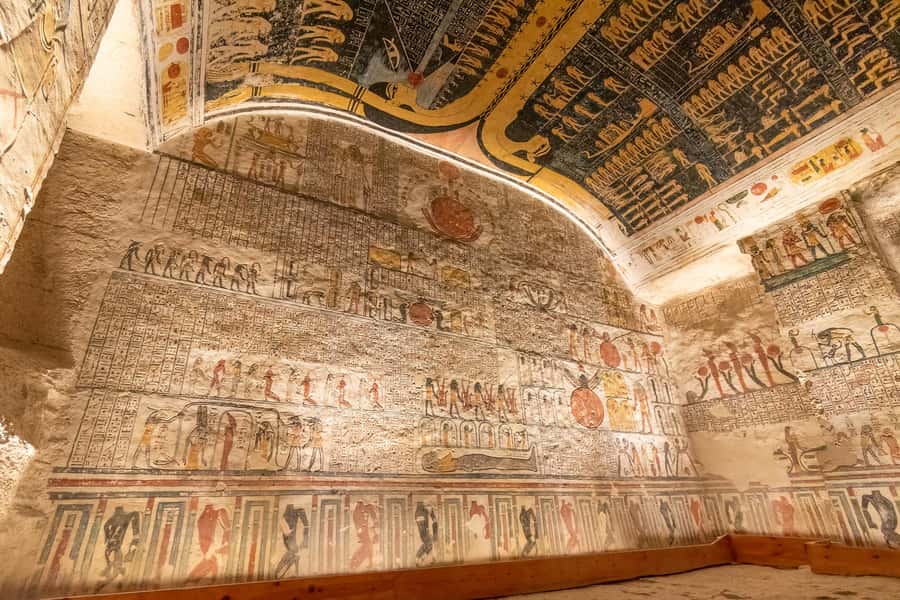
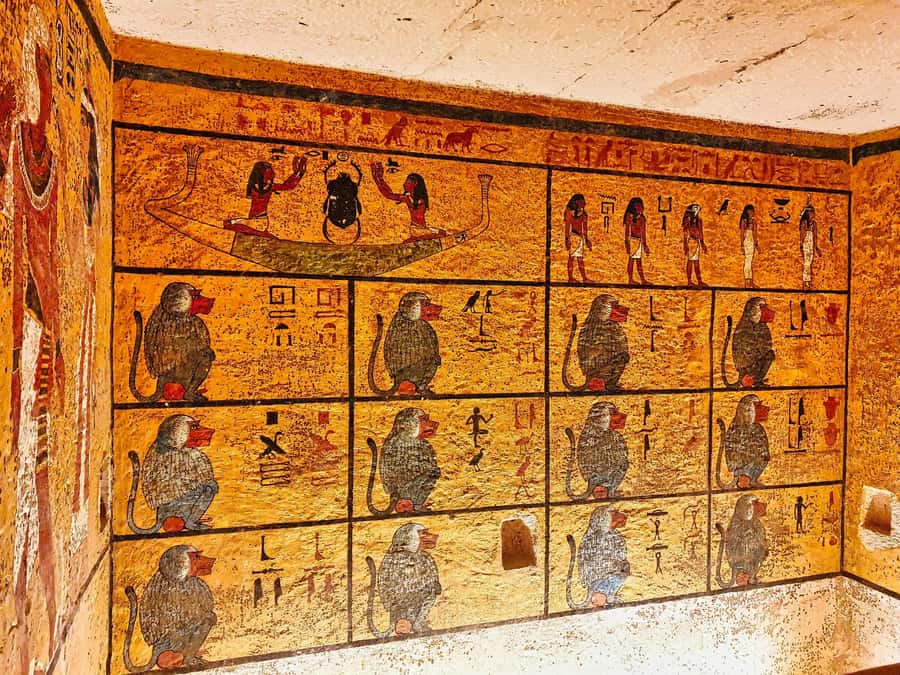
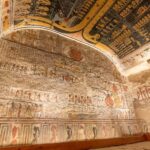
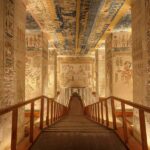
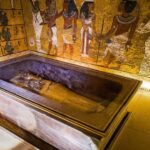
The day begins at the Valley of the Kings, the New Kingdom pharaohs’ burial ground. This is the kind of place where “seeing” turns into “understanding,” because you’re not just looking at rock—you’re stepping into how Egyptians pictured the afterlife. You’ll enter a selection of elaborately decorated tombs, which is where the guide earns their keep. The beliefs and rituals around death aren’t abstract here; they’re painted into the walls and built into the tomb layout.
This stop also sets the tone for the rest of the tour. The West Bank isn’t one single story. It’s multiple layers of power and belief—so once you understand how a royal tomb was meant to work, the later temple visits make more sense.
Two practical notes: wear comfortable shoes for uneven ground, and expect some tomb interiors to feel dim compared with the sunlight outside. If you want the “real” feel, this is where it starts.
Hatshepsut at Deir el-Bahari: Power Carved Into the Cliffs
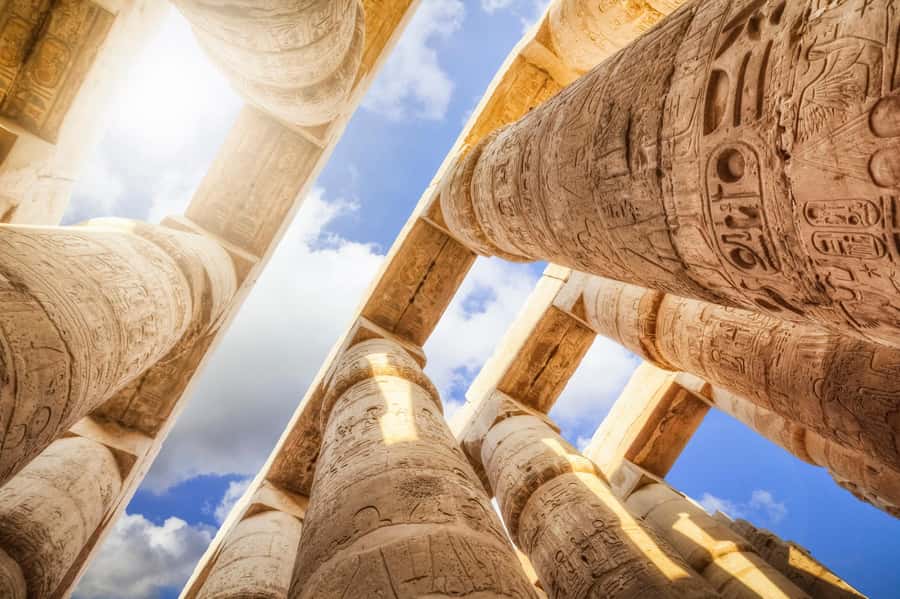
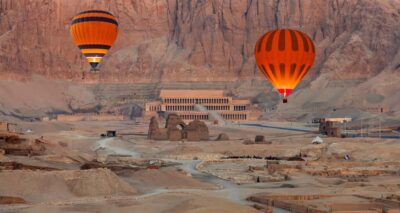
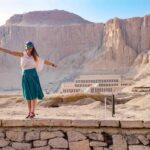
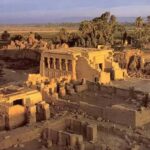
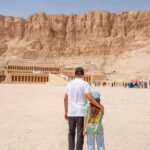
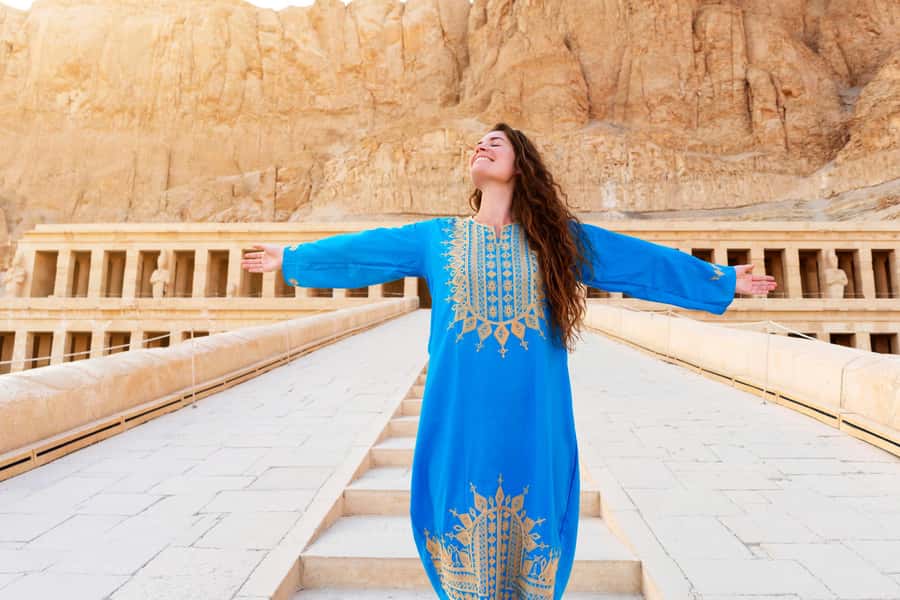
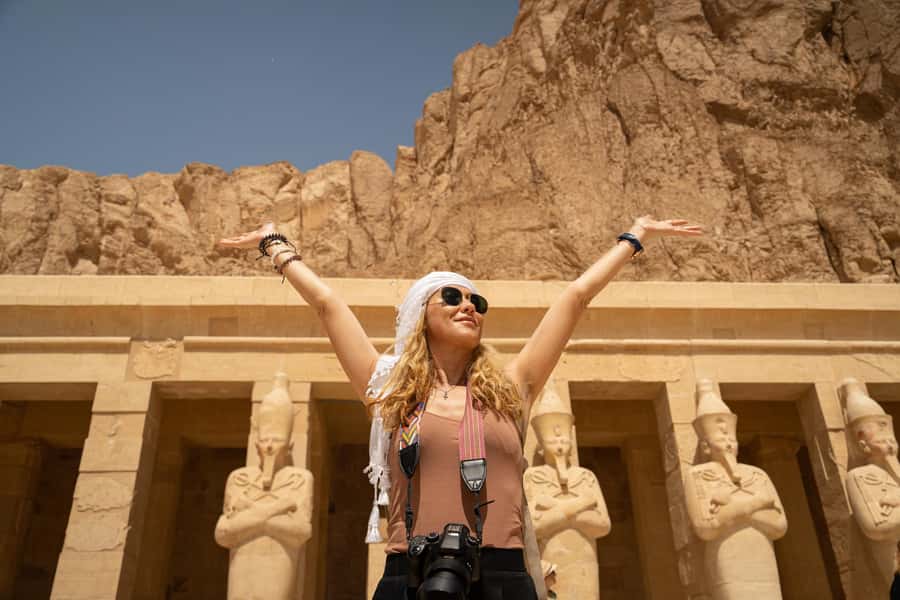
Next comes the Mortuary Temple of Queen Hatshepsut at Deir el-Bahari, built dramatically into the cliffs. This is a site that can impress even if you’re not a hardcore history person—partly because of the setting, and partly because of the story your guide will put in context.
Hatshepsut’s role stands out because you’re dealing with Egypt’s image of legitimacy and authority. In your visit, you’ll hear her story alongside what the temple looks like and how its design fits into her mortuary purpose. That combination is important: the architecture isn’t just “pretty stone,” it’s part of the message.
This is also a nice emotional shift from the Valley of the Kings. Tombs are about the afterlife and the final journey; Hatshepsut’s temple brings you into a world of political power, representation, and memory.
If you like learning who held authority and how they used monuments to shape it, this is one of the day’s best sections.
Medinet Habu and Ramses III: A Fortress-Like Battle Temple
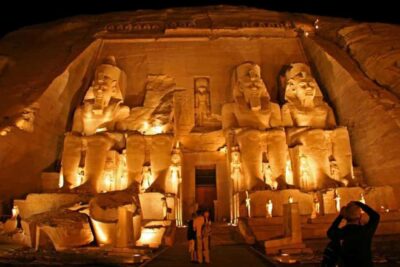
Then you move to Medinet Habu, Ramses III’s mortuary temple. The first impression is its commanding, fortress-like feel—especially the towering entrance and the vivid carvings you’ll see on the walls.
This is where the tour keeps one foot in the religious world and another in the political world. You’ll be learning what the carved scenes are telling you: battle victories and divine power. The combination is the key. Egyptians didn’t separate war from worldview. A temple could project victory, legitimacy, and the idea that rulership was supported by the gods.
If you’re the kind of person who likes to make sense of what you’re looking at, this stop is strong because it gives you a narrative hook beyond the visuals. You’re not only noticing the scale; you’re learning what the scale is trying to communicate.
This is also a good “mid-to-late morning” stop: by now you’ve built context from the first two sites, so Medinet Habu lands with more meaning than it would as a standalone visit.
Valley of the Nobles and Colossi of Memnon: More Personal Tomb Art
After Medinet Habu, you’ll head to the Valley of the Nobles, another burial area—but with a different feel. Here, tombs belong to elite officials and nobles. The big difference is the tone of the decoration. You’ll see beautifully preserved wall paintings and private scenes of daily life, which often feel more intimate and colorful than what you’d expect from the royal tombs.
This contrast is one of the tour’s smartest choices. It prevents the day from becoming only about pharaohs and kings. It’s still Egypt’s elite, but you get a wider slice of what elite life looked like, and how it connected to burial traditions.
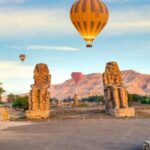
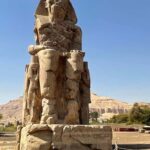
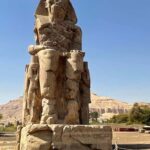
Then you’ll stop at the Colossi of Memnon—two towering statues of Pharaoh Amenhotep III. They’ve stood for over 3,000 years, and they’re a straightforward photo moment. Just as important, your guide will explain what once stood behind them: the vanished mortuary temple. That context helps you see the statues as part of a larger complex, not isolated rocks.

Lunch at a Local Restaurant: The Pause That Matters
Between temples and tombs, you’ll take lunch at a local Egyptian restaurant. Lunch is included, so you’re not hunting for food during your tight schedule. This break is more than a meal; it’s a reset before the afternoon shift into the Nile and then the evening show.
One reason I like keeping lunch inside the tour flow is timing. You stay on track. You also avoid the small chaos of negotiating options mid-day when your brain is already full of ancient names and carvings.
To get the most from the afternoon, treat this lunch like a breather. A quiet meal helps you absorb everything you just saw—especially because the second half of the day changes style from tombs and temples to the open air, the Nile breeze, and then nighttime storytelling.
If you’re sensitive to long days, this lunch stop is also your best chance to recharge before the final push.
Felucca Ride Reality Check: A Scenic Nile Break
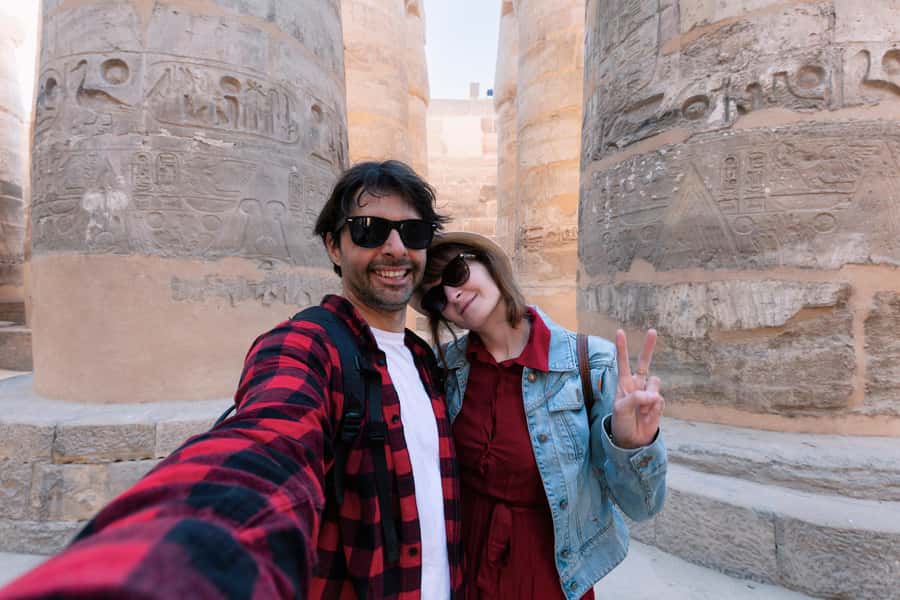
After lunch, you’ll take a traditional felucca ride on the Nile River. This part of the day is there on purpose. It cools things down after the density of carvings and corridors, and it gives you a change in pace and scenery—palm groves and rural surroundings you wouldn’t see while standing in temple shadow.
One consideration: the felucca portion is a ride, not an all-day cruise. You should expect it to function as a relaxing break with a short scenic sail, ideal for photos and fresh air. Think of it as a reset button, not a full river experience.
If you’re trying to do everything in Luxor’s West Bank in a single day, this is a helpful balance. You get monumental history plus a calmer moment on the river, so the Karnak show in the evening doesn’t feel like you’re continuing in a museum marathon.
Karnak Sound and Light Show: Ruins That Narrate Thebes at Night
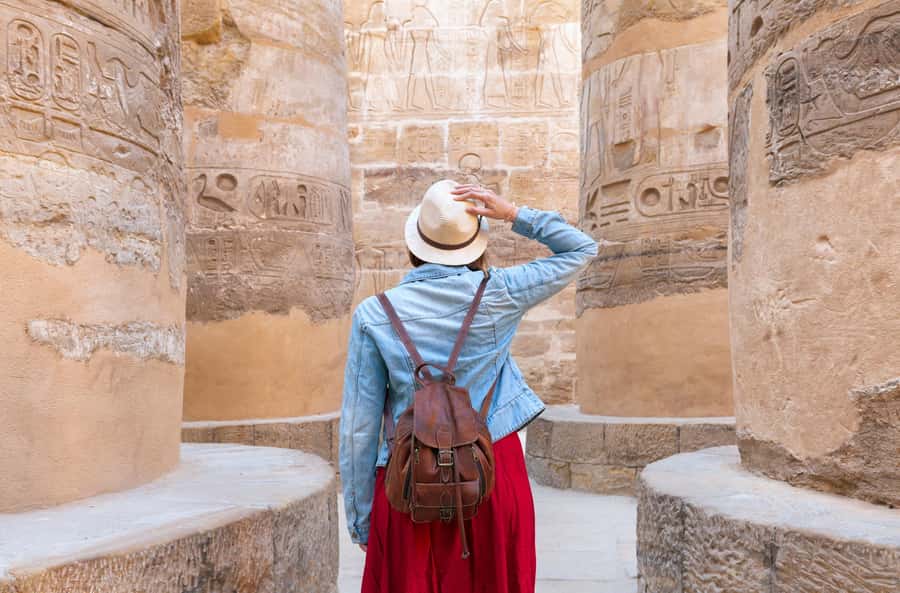
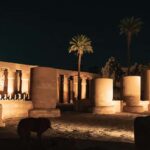
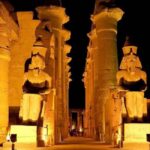
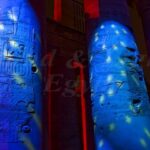
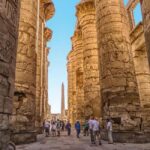
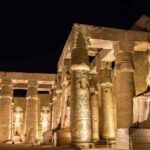
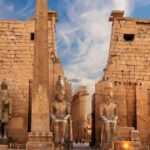
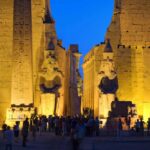
In the evening, around 6 PM, you’ll rejoin your driver and head to the Karnak Sound and Light Show. This is the tour’s big nighttime finish: Karnak Temple is lit up, paired with music and narration that tells the story of ancient Thebes.
The value here is the format. Daytime visits show you artifacts and spaces. The sound and light show gives you a guided narrative arc that ties together the bigger picture of what you just saw across the West Bank. You’re not just staring at columns; you’re listening to a story built for the setting.
This is also a practical win. Instead of searching for something on your own after a long day, you already have a planned experience that fits the evening hours. It’s also a good way to make the trip feel complete, especially since Luxor can be intense when you’re only doing temples one-by-one.
Arrive ready to sit back, listen, and let the lighting do some of the work.
Guide and Transport: The Private Setup That Makes It Worth It
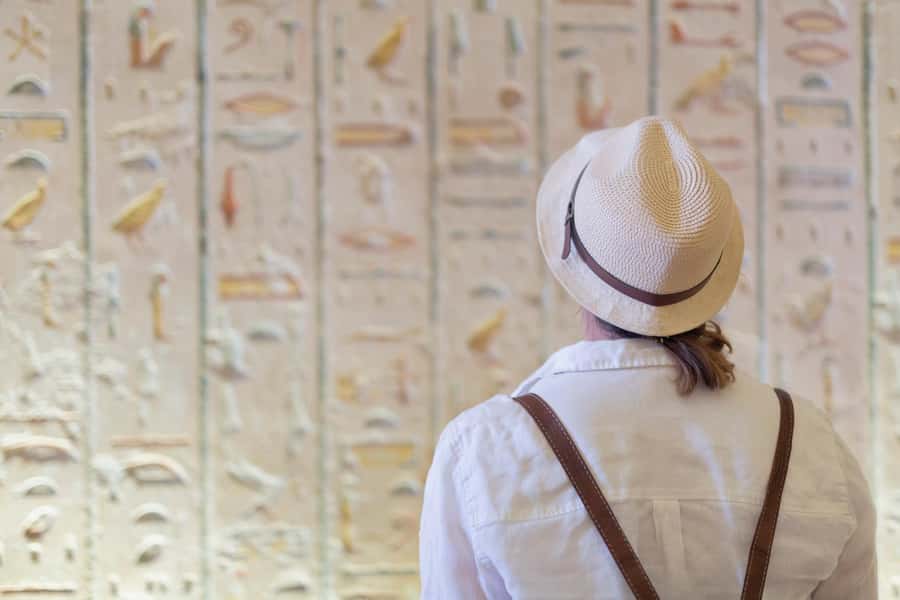
This is a private guided day with a professional Egyptologist English-speaking guide, plus included entrance fees and transfers. In practice, that means you’re not just passing through sites—you’re getting context and explanations as you go. The strongest praise I saw centers on guides who make you feel secure and who know how to explain complicated temple-and-tomb logic in a way that sticks.
Names that have come up as excellent guides include Hamdy, Manal, Summer Hilmy, Aladdin, Beshoy, Majed Hassan, and Isa. If any of those names appear when you book, that’s a good sign. Even if your guide is someone else, the overall pattern is consistent: the guide is the difference between a day of monuments and a day of meaning.
Transport also matters for value. With a private vehicle and hotel pickup and drop-off (East Bank), you don’t spend your time wrangling connections. The day stays focused.
One more thing: the tour includes entrance fees and lets you skip the ticket line, which reduces dead time when you’d rather be inside looking around.
Price and Value: Is $130 a Good Deal Here?
At $130 per person for a 12-hour private, all-included day, the value depends on what you would otherwise pay separately. You’re covering: professional guide time, entrance fees, lunch, a felucca ride, and all transfers by private air-conditioned vehicle, plus service charges and taxes.
If you were to DIY Luxor’s West Bank with a guide, you’d still end up piecing together transport, tickets, and time. This tour bundles those parts into one package, which is the main reason the price feels reasonable for people who want a full, structured day.
Now, the careful part: because the day is packed, it’s smart to confirm what is included for every stop—especially anything that might be optional or handled differently for the sound and light show. If you’re the type who hates surprises, ask ahead so you know exactly what’s covered.
Overall, if you want the West Bank’s biggest names plus Karnak’s evening narrative in one shot, this price-to-output ratio is solid.
Should You Book This West Bank Tour with Karnak Sound and Light?
I think this is a great booking for first-timers to Luxor who want a structured West Bank day without decision fatigue. It’s also a strong choice if you want the contrast: royal tomb interiors at the Valley of the Kings, Hatshepsut’s cliff temple, Ramses III’s battle temple energy, then the nobles’ more personal tomb scenes, followed by a Nile reset and a nighttime Karnak story.
Book it if you like clear guidance and you’re comfortable with a full schedule. Consider skipping (or pairing differently) if you want a slower pace or you’re picky about how long the felucca time should feel.
If you can handle a long day and you like your history with a narrative thread, this tour earns its place.
FAQ
What is included in the Luxor All-Inclusive West Bank Tour?
It includes a professional private Egyptologist English-speaking guide, entrance fees, lunch at a local restaurant, all transfers by a private air-conditioned vehicle, the felucca ride, hotel pickup and drop-off in the East Bank, and all service charges and taxes.
How long is the tour?
The duration is 12 hours. Starting times depend on availability.
Where do I get picked up and where do I get dropped off?
Pickup and drop-off are included for your hotel on the East Bank. West Bank pickup is available for an extra cost of $5 per person.
Is a guide available in multiple languages?
The live tour guide is available in Arabic, English, French, German, and Spanish. A French, German, or Spanish guide has an extra fee of $65.
What sites are visited during the day?
You’ll visit the Valley of the Kings, Hatshepsut’s Mortuary Temple at Deir el-Bahari, Medinet Habu (Ramses III’s temple), the Valley of the Nobles, the Colossi of Memnon, and you’ll end with the Karnak Sound and Light Show in the evening.
Is the Karnak Sound and Light Show included?
Yes, the tour includes the Karnak Sound and Light Show as the evening activity.
What is the cancellation policy?
Free cancellation is available up to 24 hours in advance for a full refund.