REVIEW · LUXOR
Luxor: Habu, Deir El Medina, Shared tour, Guide, and Lunch
Book on GetYourGuide →Operated by Special Egypt · Bookable on GetYourGuide
Painted stone that feels strangely alive. This 5-hour shared tour brings Luxor’s best-preserved scenes to life, with Deir el-Medina showing everyday worker life and Medinet of Habu delivering standout color and detail for photos. I like that the pacing is simple and focused: three major stops, each with a clear story to follow.
One possible drawback: it’s a shared, time-tight route, so you’ll have less wandering time than if you hire a private guide. Also, lunch is included, but the food choices aren’t described in detail, so if you have dietary needs, plan to speak up when you book.
In This Review
- Key Things to Know Before You Go
- Getting Oriented in Luxor: Pickup, Shared Group, and a 5-hour Rhythm
- Deir el-Medina: Where Worker Life Becomes the Main Event
- The Tomb Scenes: What to Look For When the Guide Points Things Out
- Medinet Habu: The Colorful Temple Stop Built for Great Photos
- Colossi of Memnon: Ancient Power, Acoustic Legend, and Real Scale
- Lunch at a Local Restaurant: Simple Fuel After Three Big Stops
- Value for $40: What This Tour Includes and What You Should Check
- The Guide Makes the Difference: Examples of How This Tour Gets Explained
- Practical Tips for Photos and Comfort at All Three Stops
- Who This Tour Fits Best in Luxor
- Should You Book This Luxor Tour?
- FAQ
- How long is the tour?
- What sites are included?
- Is lunch included?
- Do I get hotel pickup and drop-off?
- Is there an English-speaking guide?
- Are entrance fees included?
- Is this a private tour?
- Can I cancel for a refund?
Key Things to Know Before You Go
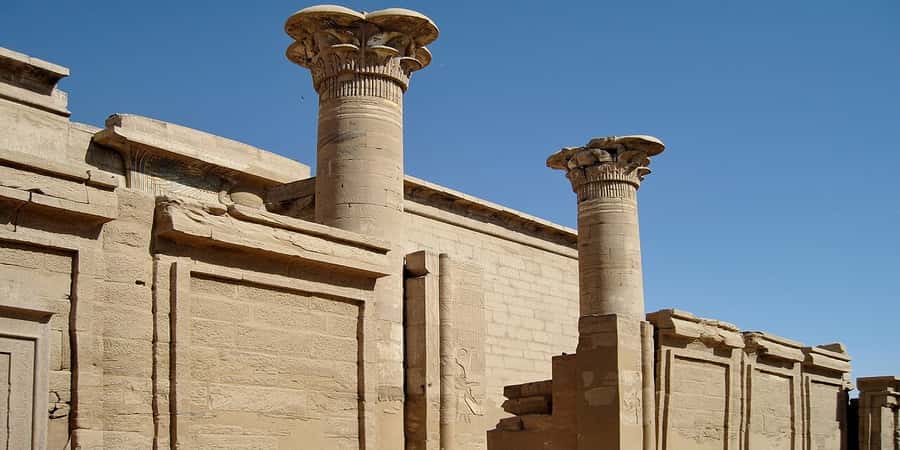
- Deir el-Medina’s workmen’s village context helps you understand the tomb scenes, not just see them.
- Medinet Habu’s oxen hunt relief is the kind of carving you’ll want to photograph from multiple angles.
- Guides with strong Egyptology storytelling show up often, including names like Asma and Prof. Mahmoud Hasan in past tour groups.
- Comfortable hotel pickup and drop-off keeps the morning from turning into a logistics puzzle.
- Skip-the-ticket-line means more time at the sites and less time waiting.
- Lunch included gives you a built-in break so the day stays enjoyable, not just educational.
Getting Oriented in Luxor: Pickup, Shared Group, and a 5-hour Rhythm
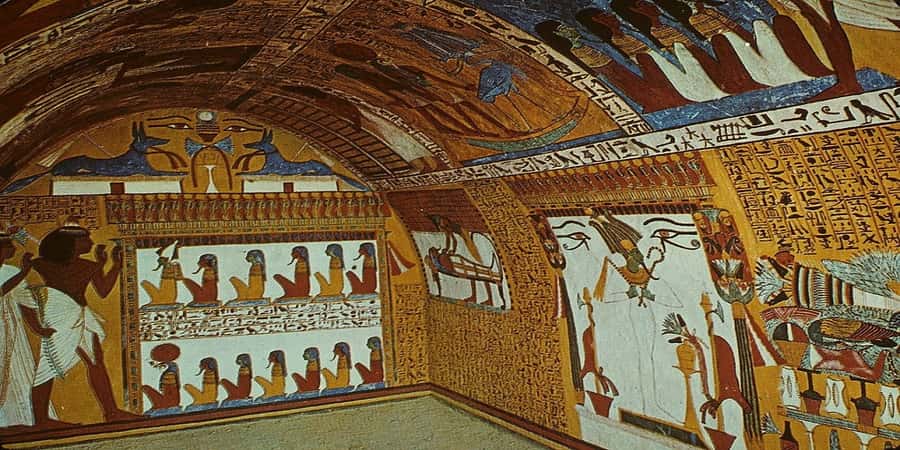
This tour is built for people who want a solid Luxor day without getting lost in details. You start with hotel pickup and drop-off, then join a small shared group for the main sites. The total time is listed as 5 hours, which is long enough to see three big attractions, but short enough that you shouldn’t expect long, slow museum-style browsing.
You’ll also have the benefit of an English-speaking guide included. If you’d rather travel with another language (Arabic, French, German, Spanish), that’s available as a live guide option, but it’s not always included by default—so check when you reserve.
Another practical plus: the tour is designed to help you keep moving. The itinerary goes in a logical order—first Deir el-Medina, then Medinet Habu, then the Colossi of Memnon—so you’re not zig-zagging across the West Bank. And with skip-the-ticket-line, you trade waiting around for more time looking.
You can also read our reviews of more guided tours in Luxor

Deir el-Medina: Where Worker Life Becomes the Main Event
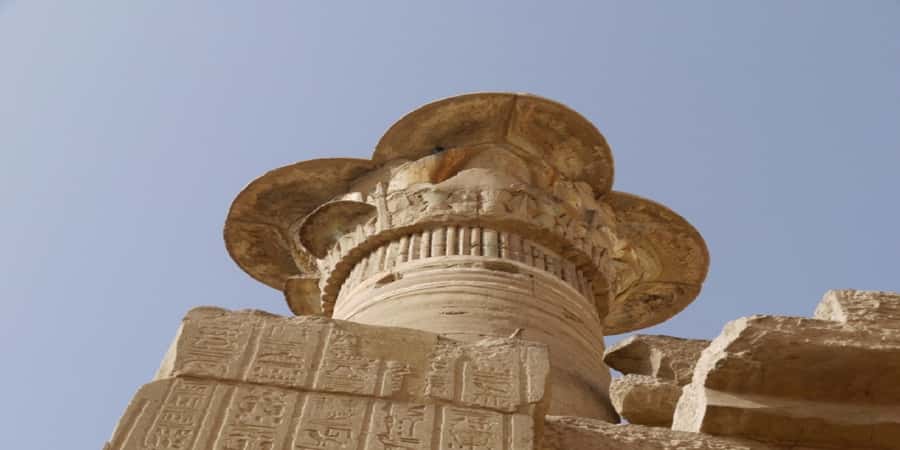
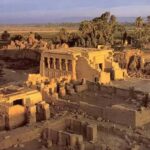
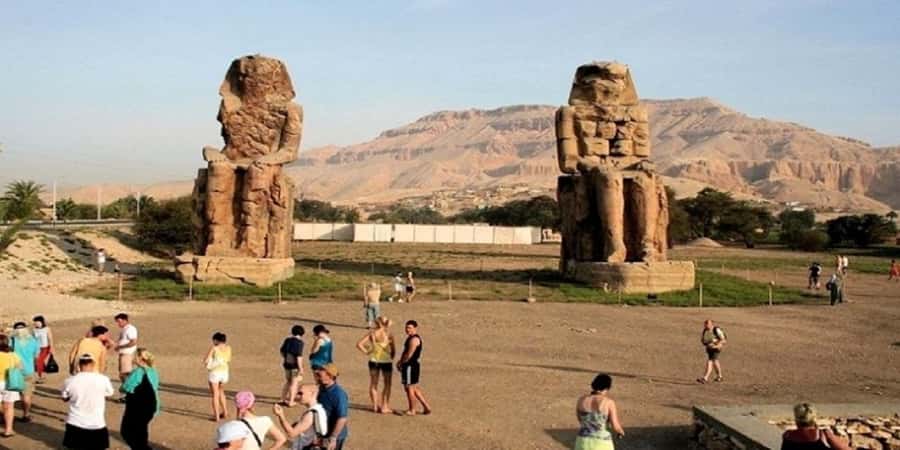
If you’ve ever wondered why some ancient sites feel like living rooms while others feel like monuments, Deir el-Medina is the answer. This part of the tour focuses on the largest open-air museum feel in the area, where you don’t just see royal grandeur—you see the people who actually built and decorated the world you’re visiting.
The temple stop here is tied to major divine themes, including Hathor (goddess of pleasure and love) and Maat (goddess of truth and cosmic order). That matters because it shapes how you read the scenes. When a guide points out symbolism like that, the carvings stop being random decoration and start becoming a worldview.
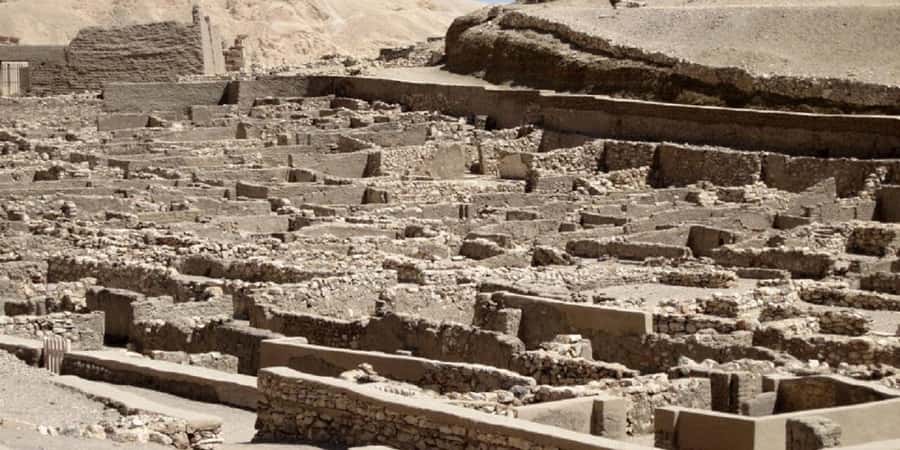
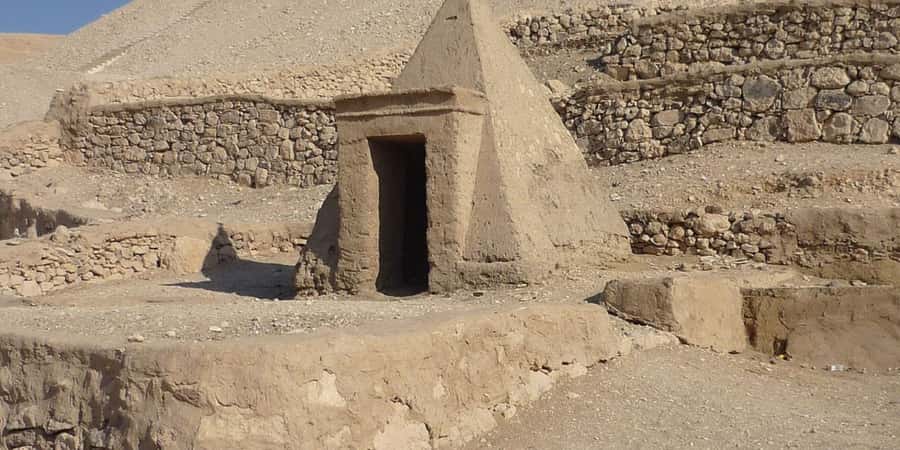
Right in front of the temple you’ll see the remains of the workers’ village. Much of it is low walls, but there are also traces like ancient irrigation pipes. That small detail helps you picture the real logistics of life back then: people didn’t just come for ceremonies. They managed water and daily work, and those routines show up in the tomb imagery.
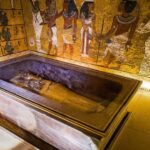
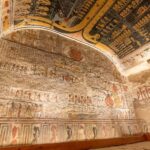
Here’s what I think you’ll love most: unlike king’s tombs that lean heavily toward elite afterlife themes, these scenes also show visions of the afterlife and parts of everyday life. That blend is why Deir el-Medina hits differently. You’re not only learning myth—you’re seeing routine, roles, and what people thought mattered.
The Tomb Scenes: What to Look For When the Guide Points Things Out
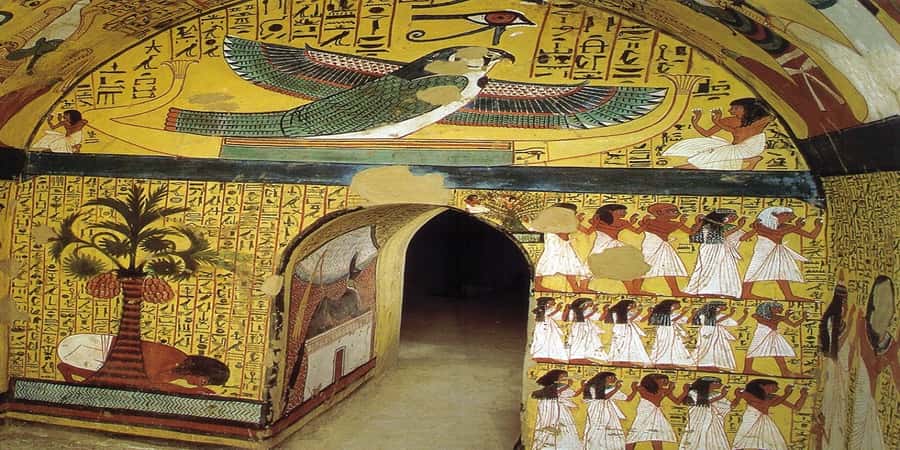
This tour is often at its best when the guide slows down just enough for you to notice details. Past guides have included people like Hassan, Abnoub, and Gerges, and the common thread is clear explanations and time spent on questions. You’ll get practical context to interpret what you’re seeing.
Here are a few ways to get more out of the tombs:
- Pay attention to daily-life references. Even if hieroglyphs are hard to read, the “what’s happening” scenes are usually clear: work, family, or routines.
- Watch for afterlife scenes. The contrast between daily life and beliefs can make the artwork feel more human.
- Use your guide’s hierarchy cues. When someone points out what the scene is meant to communicate, your photos become more meaningful because you know the story you captured.
And yes, you’ll likely take lots of pictures. The stonework here is described as colorful and detailed, which means you’re not just recording landmarks—you’re recording texture and expression.
Medinet Habu: The Colorful Temple Stop Built for Great Photos
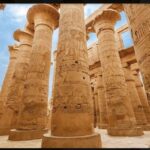
After Deir el-Medina, the route moves to Medinet Habu, another major highlight of Luxor’s West Bank. This temple complex is famous for some of the best-preserved relief work in the area, and the details are the star.
One standout scene is carved on the back of the southern tower: the oxen hunt. The depiction shows Ramses III, leading his chariot and hunting wild oxen. What makes this scene more than action decoration is the way the sculptors handle emotion and injury—pain is shown in a direct, visual way.
If you like photos with story, this is your stop. Try photographing from:
- front-facing angles for readability and symmetry
- slight side angles to catch depth in the relief
- different times of day (if the light shifts where you stand) to see how shadows bring out the carving
In past tour groups, guides such as Asma have been praised for explaining clearly and focusing on what you’re seeing. That kind of guiding can turn a “wow, carvings” moment into an “I understand the scene” moment.
Also, Medinet Habu is noted for its color preservation. That matters for your pictures. Old stone can look flat if you only rely on contrast and outline; here, color gives you stronger visual detail.
Colossi of Memnon: Ancient Power, Acoustic Legend, and Real Scale
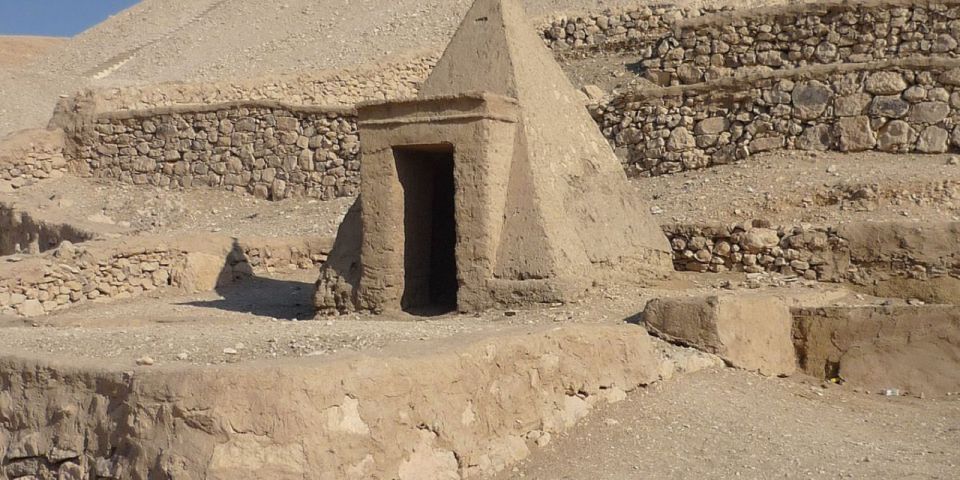
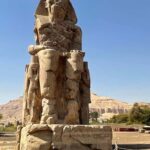
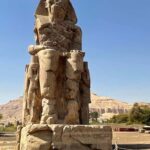
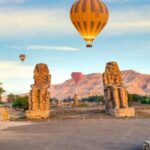
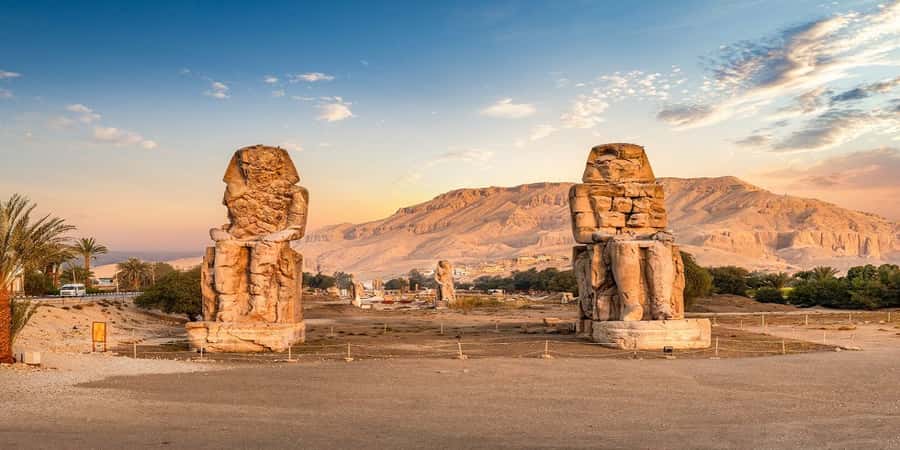
The last stop is the Colossi of Memnon, two enormous statues that are among the best-preserved examples of ancient Egyptian art and architecture. You’ll want to stand back for the full scale first, then move in for details.
These statues are known as an acoustic wonder of the ancient world, and even if you don’t experience anything magical in sound during your visit, the legend adds a layer of curiosity. The statues don’t just look impressive—they also connect you to how ancient cultures explained the world. When something is described as acoustic, it makes you think about sound, ritual, and observation.
This stop works as a cool-down from the more narrative tomb reliefs. Deir el-Medina gives you daily life stories; Medinet Habu gives you dramatic action; the Colossi gives you presence. It’s the kind of finale that helps you end the day feeling grounded in the scale of what you came to see.
You can also read our reviews of more tours and experiences in Luxor

Lunch at a Local Restaurant: Simple Fuel After Three Big Stops
After the sightseeing, you’ll head to lunch at a local restaurant. The tour includes lunch, and it’s one of the practical parts that makes the day feel easier. Instead of trying to find food on your own between sites, you get a scheduled break that keeps your energy up.
Based on what’s been described, lunch is generally considered good and sufficient. Still, because the menu details aren’t spelled out, I suggest you plan for normal Egyptian restaurant variety and speak up for dietary needs when booking.
One more small tip: take a minute after lunch to drink water and adjust your walking comfort. By this point, your feet will have absorbed the day, and a quick reset makes the last photo stop feel less like a sprint.
Value for $40: What This Tour Includes and What You Should Check
Let’s talk value in plain terms. At $40 per person for a 5-hour experience, you’re paying for more than tickets. You’re getting:
- an English-speaking guide
- hotel pickup and drop-off
- lunch
- all taxes and service charges
- and skip-the-ticket-line
There’s one item to confirm at booking: entrance fees are included only if you choose that option. Many tours list entrance fees separately or as an optional add-on, so check the package details before you commit.
Why this matters: when entrance fees are included, your day becomes predictable. When they aren’t, you might spend time sorting payments on-site. With a tight 5-hour schedule, predictability is a genuine form of comfort.
Also, this is a shared tour, which usually means a lower cost than private guiding. The trade-off is the schedule is fixed. The upside is that you still get a professional, English-language guided experience rather than being left alone to interpret carvings.
The Guide Makes the Difference: Examples of How This Tour Gets Explained
This type of tour can go two ways. You either get a fast walk-through, or you get explanations that help you decode what you’re seeing. The best parts of this experience usually come from the guide’s clarity.
In past groups, people have been guided by specialists like Prof. Mahmoud Hasan, with praise for impressive knowledge of gods and hieroglyphics. Others have mentioned guides such as Asma, Abnoub, Pola Salah, Gerges, Hassan, and Mahmoud Issa—often with notes about friendly, clear explanations and answering questions.
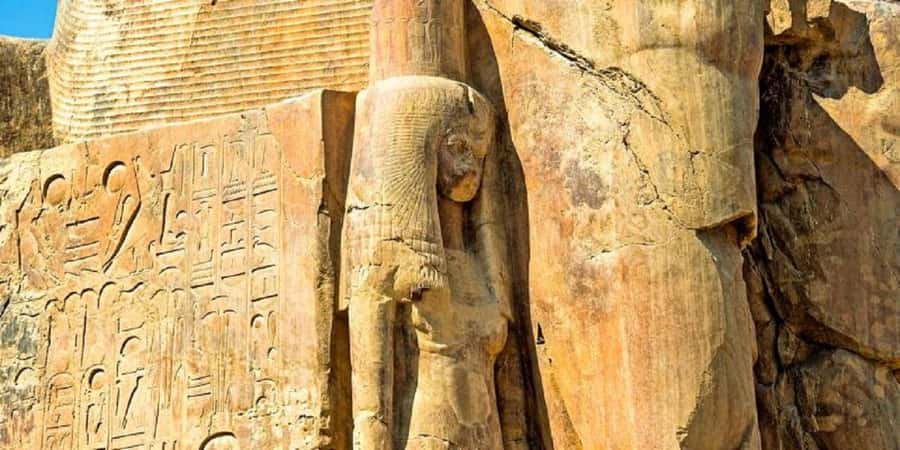
I like that pattern because it matches what you need for these sites. Hieroglyphs are hard if you don’t have context. Temple symbolism can blur if you don’t have someone pointing out what matters. When the guide connects the carvings to themes like Hathor and Maat, or to specific scenes like the oxen hunt, you end up leaving with stories you can actually repeat.
Practical Tips for Photos and Comfort at All Three Stops
You’ll take photos at every stop, but the best results come from small choices:
- Wear shoes you don’t mind in uneven ground. Even when walking isn’t long, surfaces can be rough.
- Use your guide’s timing. If the guide says to look from a specific angle for a relief scene, it’s usually because a detail becomes visible when shadows hit a certain way.
- Expect to pause often. The tour is designed for learning, so don’t plan to power through without stops.
- Bring a light layer. Luxor sun can be strong, and mornings can still feel cool depending on the season.
For etiquette, keep it simple: listen when the guide is pointing something out, and avoid standing in a way that blocks others’ view of the carvings.
Who This Tour Fits Best in Luxor
This is a great match if you want a focused Luxor West Bank day and you care about understanding what you’re seeing.
It’s especially good for:
- first-time Luxor visitors who want three major stops in one go
- people who prefer an Egyptologist-style narrative over self-guided wandering
- families and friends who want photos with context, not just landmarks
- anyone who wants a comfortable day flow with pickup, lunch, and drop-off included
If you want maximum free time, you might prefer a private arrangement. But if your goal is to see Deir el-Medina, Medinet Habu, and the Colossi without turning your trip into a logistics project, this structure hits the right balance.
Should You Book This Luxor Tour?
I’d book it if your priority is well-explained ancient art in a short, manageable schedule. The combination of Deir el-Medina’s daily-life tomb scenes, Medinet Habu’s dramatic oxen hunt relief, and the Colossi’s iconic scale makes for a day with strong variety.
I’d think twice if:
- you’re sensitive to a busier pace (because it’s a shared tour)
- you have strict dietary requirements (lunch is included, but specifics aren’t provided)
- you haven’t confirmed whether entrance fees are included in your option
Overall, for $40 with a guide, skip-the-ticket-line, and lunch, you’re getting a lot of structure for the time you’ll spend. If you like learning as you go and you want your photos to mean something, this tour is a smart Luxor pick.
FAQ
How long is the tour?
The duration is listed as 5 hours.
What sites are included?
You visit Deir El Medina, Medinet of Habu, and the Colossi of Memnon.
Is lunch included?
Yes. Lunch at a local restaurant is included.
Do I get hotel pickup and drop-off?
Yes. The tour includes hotel pickup and drop-off in Luxor.
Is there an English-speaking guide?
An English-speaking guide is included.
Are entrance fees included?
Entrance fees are included only if you select the option for all entrance fees.
Is this a private tour?
No, it’s a shared tour with a small group.
Can I cancel for a refund?
Yes. Free cancellation is available up to 24 hours in advance for a full refund.