REVIEW · LUXOR
Luxor: East and/or West Banks Guided Tour with Lunch
Book on GetYourGuide →Operated by OceanAir Egypt · Bookable on GetYourGuide
Luxor’s tombs and temples are unforgettable. This guided route connects the big West Bank storytelling of royal burials with the East Bank “wow” factor of Karnak’s scale, then throws in a real sit-down lunch. I especially like the focus on the Valley of the Kings tombs and the chance to stand inside Karnak Temple, not just pass by from a bus window. The main drawback to watch for is uneven guide pacing and how firmly you can keep the day to the scheduled sights.
I also like the practical setup: air-conditioned pickup, an Egyptologist guide, mineral water during travel, and entrance tickets handled for you (plus skip-the-ticket-line). And because the tour can be shaped around interest—either East-and-West together or one side—you can avoid feeling like you’re rushing through Luxor just to check boxes.
In This Review
- Key points to know before you go
- East Bank vs West Bank: what this tour actually gets right
- Hotel pickup and the air-conditioned rhythm of the day
- Valley of Kings: the West Bank’s royal storytelling in 2 hours
- Hatshepsut’s mortuary temple: when a female pharaoh takes center stage
- Colossi of Memnon: what you’re seeing and why it matters
- Karnak Temple: the “largest temple” stop that needs good pacing
- Luxor Temple: the other big East Bank must-see
- Lunch at a local restaurant: included, simple, and timed
- Nile boat time and the felucca add-on option
- Guide quality matters: what to watch for on this kind of tour
- Price and value: is $62 a fair deal?
- Who this Luxor East and West Banks tour suits best
- Should you book this Luxor guided tour?
- FAQ
- FAQ
- How long is the Luxor East/West Banks guided tour?
- What does the tour include if I choose East Bank only?
- What does the tour include if I choose West Bank only?
- Is pickup from my hotel included?
- Do I get entrance tickets included?
- Is lunch included, and are drinks included too?
- Are water and transport covered?
- Is the felucca ride included?
- What should I bring for the tour?
- Is this tour wheelchair accessible?
Key points to know before you go
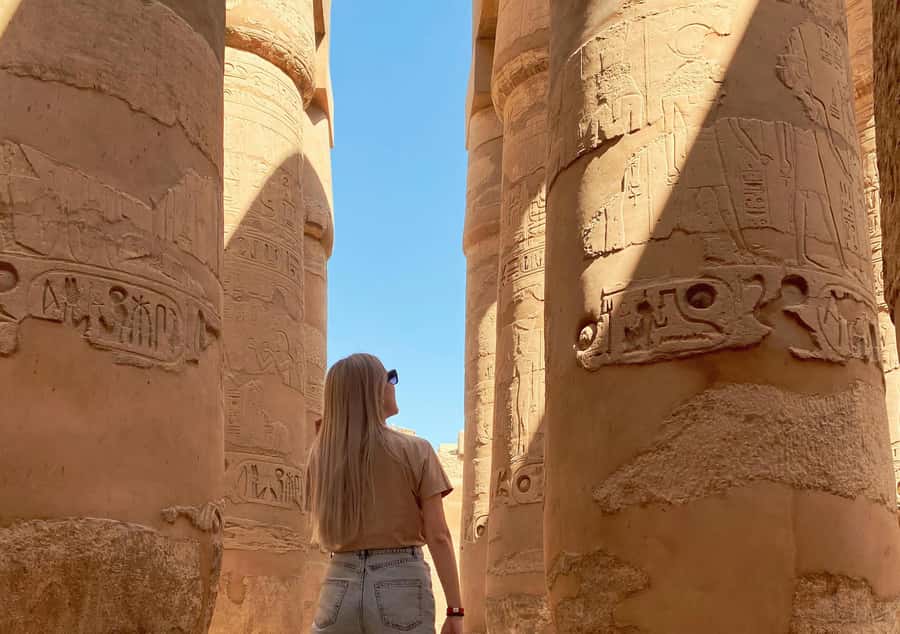
- East and West Bank mix: You’ll see tombs on the West side and the big temple complexes on the East side.
- Egyptologist-led timing: Most stops include a guided walk with time set aside for the main monuments.
- Lunch included, drinks not: Plan on food being covered, but not beverages.
- Shopping pressure can happen: Some guides may steer toward paid extras; you’ll want clear boundaries.
- Comfort basics matter: Comfortable shoes, sun hat, and sunscreen are a must for the walking and heat.
East Bank vs West Bank: what this tour actually gets right
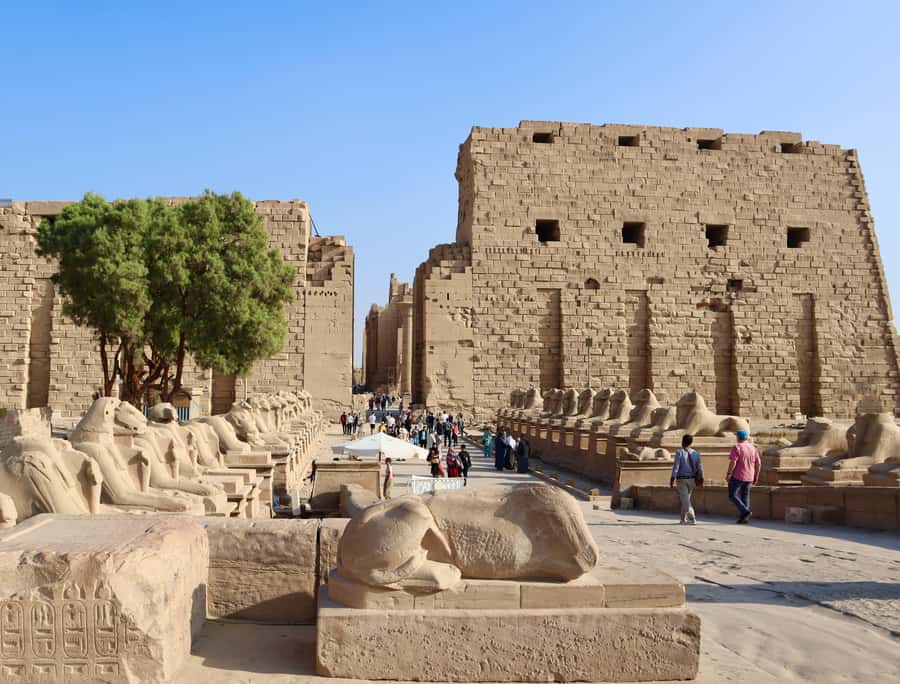
Luxor can feel like two different worlds depending on which side of the Nile you’re on. This tour leans into that split in a helpful way. On the West Bank, you focus on the story of royalty and burial sites—so you’re not just looking at ruins, you’re following the way power was memorialized. On the East Bank, you shift to the major temple experience, with Karnak Temple front and center, described as the largest temple in the world, and Luxor Temple as another major highlight.
What I like is that the day doesn’t force you into a one-size-fits-all plan. You can go East-and-West or focus on one side based on your interests. If you already know you want the temples more than the tombs (or vice versa), this structure helps you spend time where your curiosity is strongest.
You can also read our reviews of more guided tours in Luxor

Hotel pickup and the air-conditioned rhythm of the day
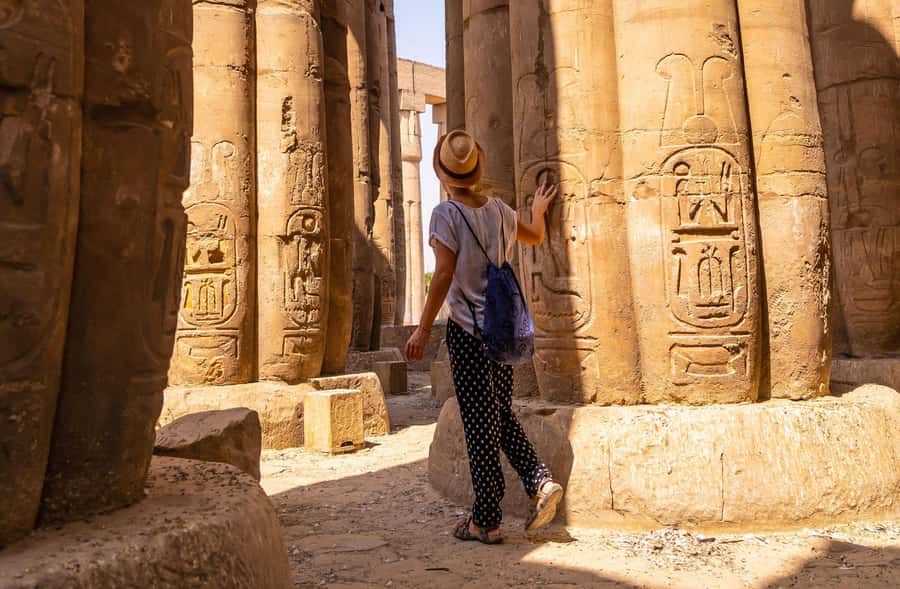
The day starts with pickup from your accommodation on the East Bank of Luxor. If your hotel is on the West Bank, you won’t get the same pickup—you meet at the El Mesala Hotel meeting point instead. If you’re coming from Luxor Airport, pickup is available but costs extra.
Once you’re with the group, you’ll travel by air-conditioned vehicle and get mineral water during transit. That sounds like a small detail until you’re out under the sun between sites—Luxor heat makes “small details” feel like survival tools.
Also pay attention to what’s not allowed: luggage or large bags aren’t part of the experience. If you’re traveling with a big suitcase, keep it light for this tour or plan separate handling.
Valley of Kings: the West Bank’s royal storytelling in 2 hours
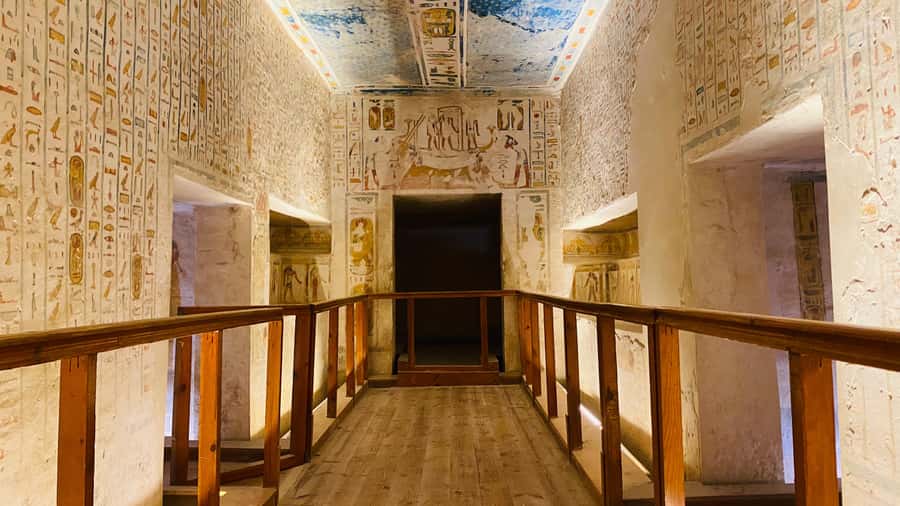
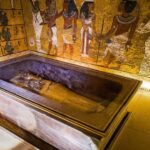
The Valley of the Kings is where the West Bank focus kicks in, with about 2 hours set aside for a guided visit and sightseeing walk. This is the stop that turns “ancient Egypt” into something more personal. You’re not just seeing impressive stonework; you’re visiting the resting places of kings.
The tour description includes tombs connected with three pharaohs and specifically calls out the burial sites of Ramesses III, Ramesses VI, and Mrenptah. That’s useful because it gives you real names to hold onto while you’re walking. When your brain has anchors like that, the Valley feels less like a blur of entrances and more like a timeline you can track.
Practical tip: this is a walking stop. Comfortable shoes matter more than you think, especially if you want to linger at key points rather than speed through.
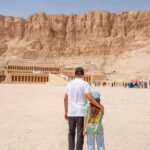
Hatshepsut’s mortuary temple: when a female pharaoh takes center stage
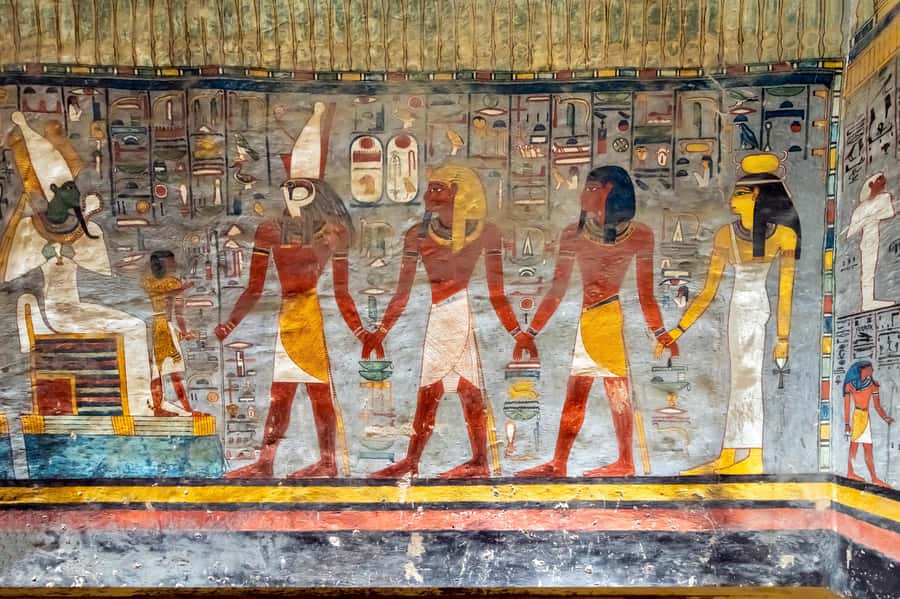
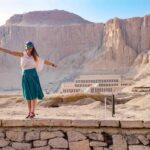
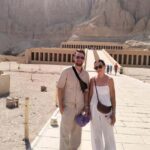
Next comes the mortuary temple of Queen Hatshepsut, with about 1 hour allocated for guided sightseeing and walking. This stop has a strong theme: the temple was built in memory of a ruler described as a strong female pharaoh who reigned for two decades, bringing wealth and peace.
That framing matters. Many people show up expecting scenery and carvings; the guide can help you see how the monument is part of a political message—how power is presented through stone.
If you like biographies and motives (not just architecture), this is the stop where your guide’s explanations can really change the experience.
Colossi of Memnon: what you’re seeing and why it matters
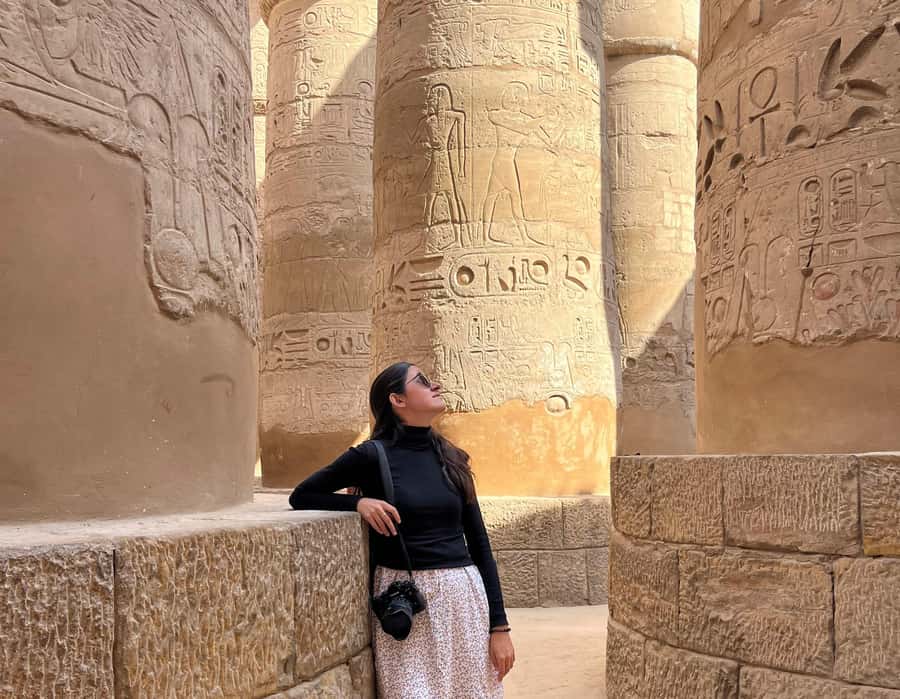
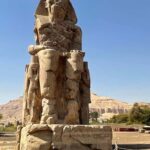
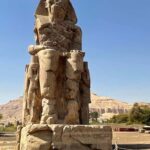
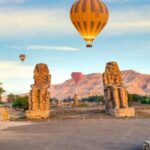
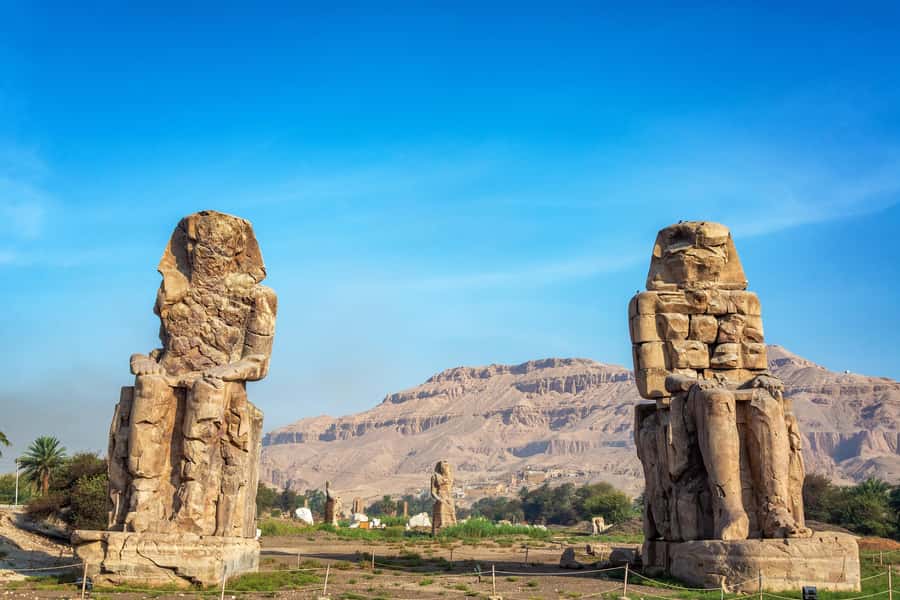
The tour then shifts to the Colossi of Memnon area, with about 30 minutes scheduled. These giant statues are tied in the tour description to the mortuary temple of Amenhotep III, so you’re not just admiring size—you’re connecting the landmark to a broader complex and a specific ruler.
Thirty minutes is tight. That’s not automatically bad, but it’s a signal that you should ask questions quickly if something sparks your interest. If you tend to get lost in reading details, pick one or two things to focus on here so you’re not constantly thinking about time.
You can also read our reviews of more tours and experiences in Luxor
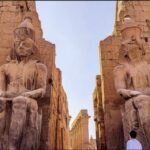
Karnak Temple: the “largest temple” stop that needs good pacing
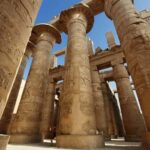
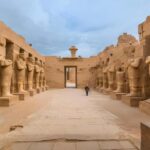
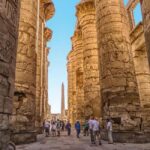
On the East Bank, the centerpiece is Karnak Temple, described as the largest temple in the world. You’ll typically get about 1 hour for guided sightseeing and walking. It’s a stop that can feel overwhelming if your guide doesn’t steer you.
This is exactly where an Egyptologist matters. A strong guide helps you separate what’s visually huge from what’s historically connected to the parts you’re seeing. If your guide is hurried, you may feel like you didn’t get enough time inside the complex to understand the layout.
My advice: if you feel rushed at Karnak, focus on one major cluster of structures and let that be your anchor. Don’t try to “see everything.” Karnak doesn’t reward that mindset.
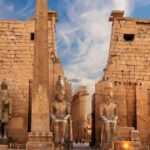
Luxor Temple: the other big East Bank must-see
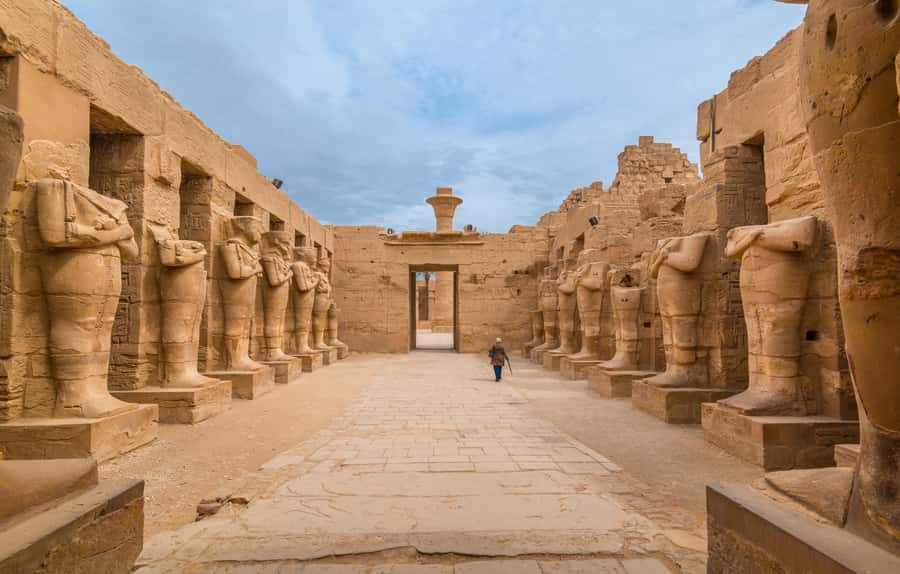
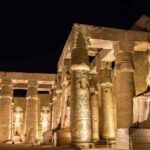
After Karnak, the day includes the Luxor Temple, also with about 1 hour for guided sightseeing and walking. The tour description calls it one of the largest ancient temples in Egypt.
Luxor Temple is often easier to emotionally connect with after Karnak because you’re not fighting scale in the same way. You can shift from “how big is this” to “what does this place feel like,” which makes the second temple stop feel more complete.
If heat or time feels tight, prioritize what your guide highlights most here. Luxor Temple can reward attention to the details, not just the overall size.
Lunch at a local restaurant: included, simple, and timed
Lunch is scheduled as a break time of about 1 hour, with a meal at a local restaurant included. Drinks during lunch aren’t included, so if you want a soda or bottled water with your meal, have a plan for that cost.
This lunch stop is more than fuel. It gives you a rare pause between monuments, which helps you actually remember what you saw. If your guide is going fast, lunch is often the moment where the day either regains balance or stays rushed—so use that time to reset mentally.
Nile boat time and the felucca add-on option
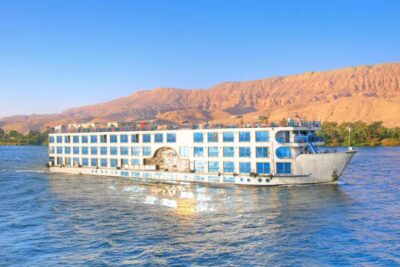
There’s also a Luxor boat cruise included on the schedule for about 1 hour. That’s a nice change of pace after temple walking because you get a different angle on the city and a breather for legs and focus.
Separately, there’s a felucca ride available as an add-on. The key detail: it depends on wind conditions. If there’s no wind, the operator may use a motor boat instead of a felucca ride. So don’t treat felucca as guaranteed in every weather scenario—think of it as a bonus that follows conditions.
If you’re choosing between the included cruise and paying extra, I’d only add the felucca if you specifically want that traditional sail experience. Otherwise, the scheduled boat time is already your river moment.
Guide quality matters: what to watch for on this kind of tour
This tour lives or dies by the guide.
On the positive side, one guide named Mohamed was described as super helpful and explained things well, with people calling him a strong source of knowledge about Egypt. Another positive experience praised a friendly guide and a fun time. When the Egyptologist is confident and not rushing, the stops make more sense fast—especially at Karnak and the Valley of Kings.
On the downside, some experiences point to time pressure. If a guide is in a hurry, you might feel you’re being moved along before the monuments “land” in your mind. There are also concerns about extra stops that feel like tourist-trap shopping—like steering you toward paid photo opportunities or specialty shops with added pressure to buy.
Here’s how I’d handle it as your practical checklist:
- Stick to your priorities. If you came for tombs and temples, politely say you want to keep your time at the scheduled sights.
- Set boundaries early. If someone nudges you toward overpriced extras, you can decline without starting a debate.
- Comfort matters. One negative account described behavior that crossed personal boundaries, including unwanted invitations and the use of a pet name. If you’re traveling solo or you strongly prefer professional, no-flirt guidance, trust your instincts and set clear limits right away.
Bottom line: you can’t control every guide, but you can control your response. Decide in advance what you will and won’t do.
Price and value: is $62 a fair deal?
At $62 per person for a 5 to 8 hour tour, the value comes from what’s bundled. You get:
- an Egyptologist guide
- pickup and drop-off from East Bank hotels (with a different meeting point for West Bank hotels)
- entrance tickets for the included monuments depending on your East/West option
- mineral water during travel
- lunch at a local restaurant
- skip-the-ticket-line access
That’s a lot included for one price. The main things not included are drinks during lunch and any felucca add-on. So if you’re trying to keep costs controlled, plan for drinks separately and decide ahead of time whether you want the extra river ride.
If you’re the type who likes history explained while you walk (instead of doing a DIY visit), this price looks like a solid bargain. If you’d rather wander independently and read everything yourself, you may feel the time limits.
Who this Luxor East and West Banks tour suits best
This tour is a strong fit if you want:
- a guided, structured way to see both sides of Luxor
- the “big hitters” named in the route—Valley of the Kings, Hatshepsut’s temple, Colossi of Memnon, Karnak, and Luxor Temple
- lunch included so you’re not hunting for food between sites
It’s less ideal if you:
- hate guided schedules and prefer to linger
- need wheelchair accessibility (this tour is not suitable for wheelchair users)
- are traveling with large luggage (you can’t bring luggage/large bags)
Should you book this Luxor guided tour?
I’d book it if you’re going for the classic Luxor hits and you want an Egyptologist to connect the monuments into a story. The included tickets, skip-the-line access, air-conditioned pickup, and lunch make it easy to manage a hot day without thinking too hard.
I’d also go in with eyes open. Guide pacing can vary, and some extra shopping moments can appear if you’re not firm about your boundaries. If you get a guide who’s rushed, you’ll want to steer the day back toward the key sights.
If you’re flexible, bring good walking shoes, and treat the lunch as your reset point, this is a practical way to see a lot of Luxor without turning the day into logistics.
FAQ
FAQ
How long is the Luxor East/West Banks guided tour?
The duration is listed as 5 to 8 hours, depending on the starting time and the option you choose.
What does the tour include if I choose East Bank only?
If you book an option that includes the East Bank, it includes visits to Karnak Temple and Luxor Temple (with entrance tickets included based on your option).
What does the tour include if I choose West Bank only?
If you choose the West Bank option, it includes visits to the Valley of the Kings, Temple of Queen Hatshepsut, and the Colossi of Memnon (with entrance tickets included based on your option).
Is pickup from my hotel included?
Pickup and drop-off are included from accommodations on the East Bank. If your accommodation is on the West Bank, you’ll meet at El Mesala Hotel.
Do I get entrance tickets included?
Yes. Entrance tickets are included for the attractions based on the option you booked, and you also get skip-the-ticket-line access.
Is lunch included, and are drinks included too?
Lunch at a local restaurant is included. Drinks during lunch are not included.
Are water and transport covered?
You get mineral water during travel, and you’re transported by air-conditioned vehicle.
Is the felucca ride included?
No, felucca is an add-on. It depends on wind conditions, and if there’s no wind the operator may provide a motor boat instead.
What should I bring for the tour?
Bring comfortable shoes, a sun hat, and sunscreen.
Is this tour wheelchair accessible?
No. It is not suitable for wheelchair users.