REVIEW · LUXOR
Marsa Alam : Over Day Tour to Luxor & Balloon Ride & Felucca
Book on GetYourGuide →Operated by Nice Tours · Bookable on GetYourGuide
Two days can change your sense of time. This Marsa Alam to Luxor tour mixes a sunrise balloon with an authentic felucca ride, so your biggest wow-moments come fast. You get real ancient sites plus an easy schedule handled by a driver, not you wrestling with maps and timing.
I also like the mix of sights across both banks: Luxor Temple and Karnak Temple in the East, then the big West Bank icons the next morning. With a private Egyptologist-style guide (I’ve seen names like Manal, Pola, Samar Helmy, and Basim), the stops feel connected instead of like a checklist.
One watch-out: entrance fees are not included, and some guests felt extra stops or cash requests can pop up. If you hate surprise add-ons, set expectations early and keep some cash for drinks at meals and any paid options (entrance fees and on-the-spot payments are common friction points).
In This Review
- Key Highlights You’ll Actually Feel
- Getting to Luxor From Marsa Alam: why the 5:00 am start works
- East Bank temples: Luxor Temple and Karnak with an on-site story
- Luxor Temple: built across reigns, not a single moment
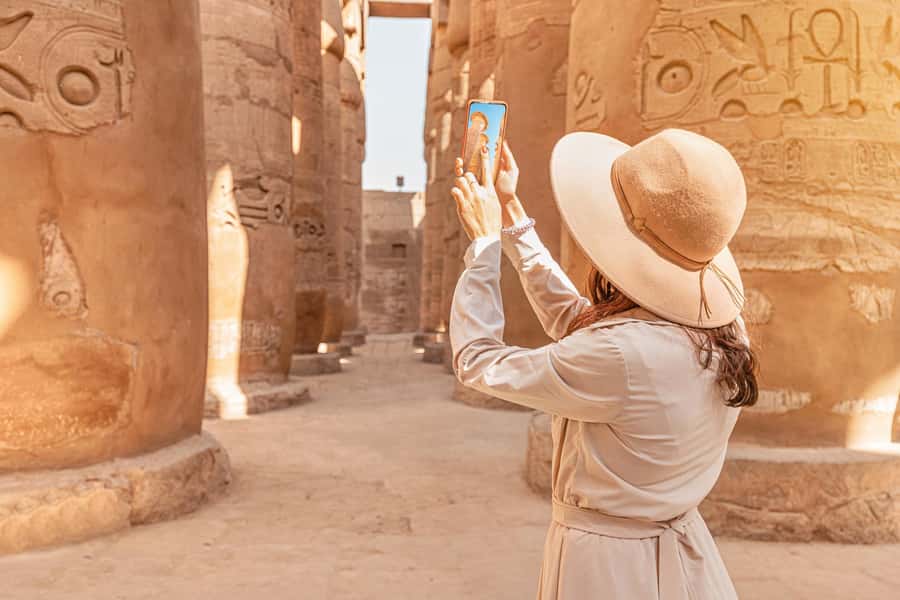
- Karnak Temple: more than one temple, one big sacred zone
- Lunch and rest in Luxor: the quiet advantage
- Sunset felucca on the Nile: the slow ride that makes the photos
- The balloon morning: how sunrise changes everything
- Who tends to love this part most
- West Bank day: Valley of the Kings, Hatshepsut, and the Memnon photos
- Valley of the Kings: the Place of Truth for tomb lovers
- Mortuary Temple of Queen Hatshepsut: a temple built like a conversation
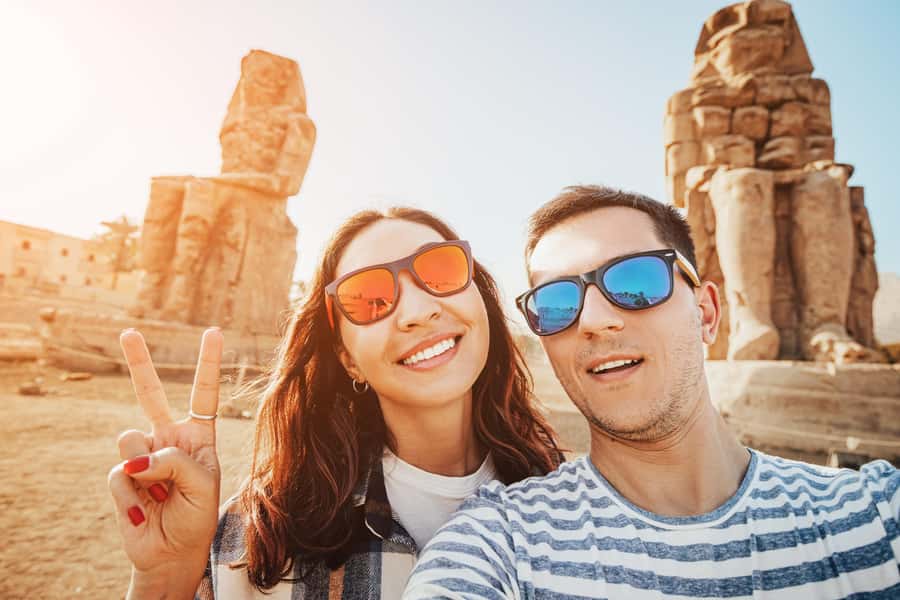
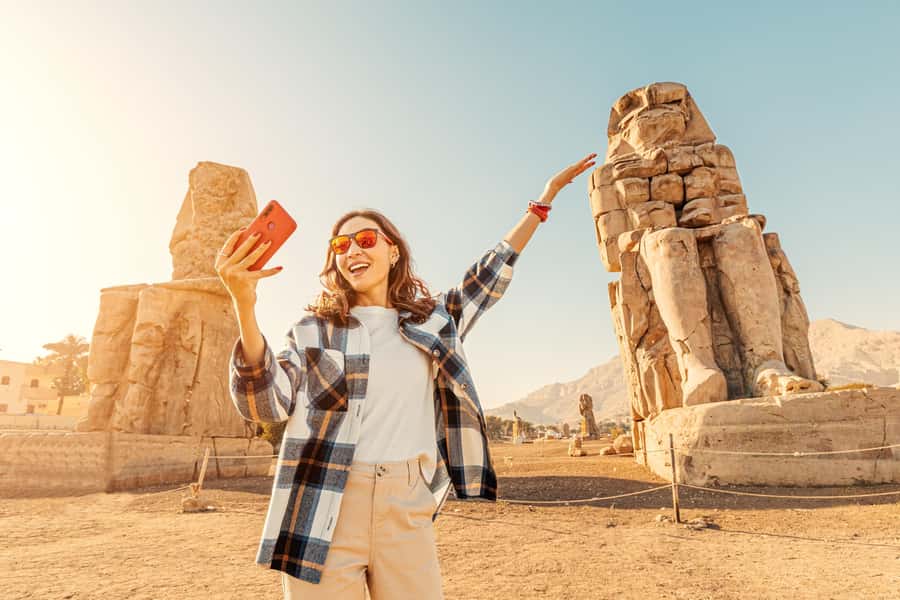
- Colossi of Memnon: quick photo stop with big presence
- Camel ride through villages: where the tour touches daily life
- Food, drinks, and entry fees: the money checkpoints
- Guides, drivers, and that feeling of being cared for
- How to make it feel truly personal
- Price and logistics: where value holds up, and where it can wobble
- Who should book this Luxor combo
- Should you book this tour?
- FAQ
- What time is pickup in Marsa Alam on the first day?
- What’s included in the balloon ride?
- Which Luxor sites are visited on the East Bank?
- Which West Bank sites are visited on the second day?
- Are entrance fees included?
- What meals and hotel arrangements are included?
Key Highlights You’ll Actually Feel
- Sunrise balloon over Luxor with that slow, floaty view of temples and the city below
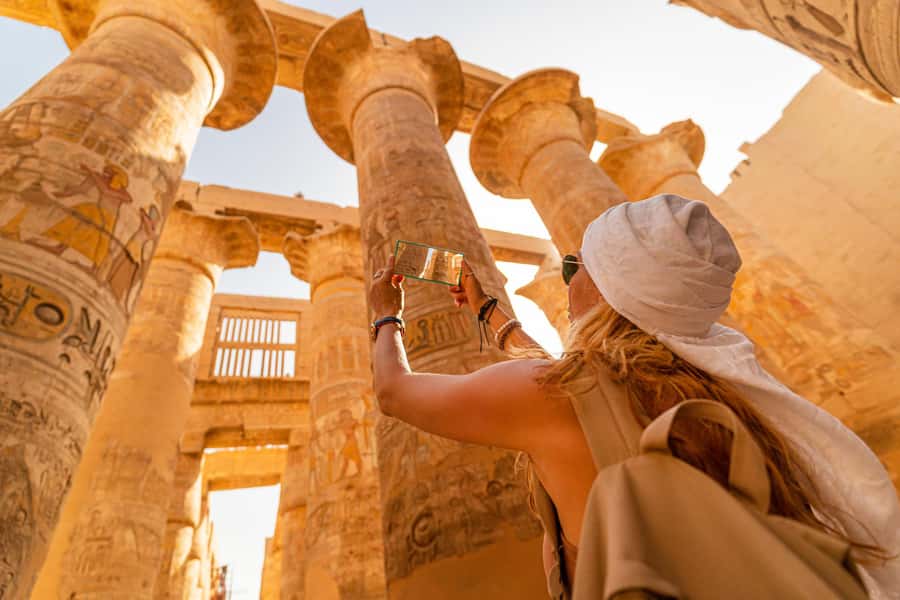
- East Bank temples at the right pace, including Luxor Temple and Karnak
- Sunset felucca on the Nile for photos that look like postcards
- Full West Bank day with the Valley of the Kings, Hatshepsut’s temple, and Memnon colossi
- Camel ride through villages to add everyday life after the tombs
- Meals handled for you in Luxor, so you spend less time searching and more time looking up
Getting to Luxor From Marsa Alam: why the 5:00 am start works
Your day begins early—pickup from Marsa Alam is at 5:00 am. The ride to Luxor takes about 4 hours in a comfortable private, air-conditioned vehicle. That early departure matters more than it sounds. In practice, it helps you arrive before the day gets too hot and gives you time to hit the East Bank temples properly.
This is where the tour’s “value” shows up: you don’t drive, you don’t navigate, and you don’t negotiate transport across two different days. You’re also not trying to solve Luxor logistics right after a long transfer. You’re simply dropped into the next step of the plan—lunch, then temples, then a break at your Luxor hotel.
You can also read our reviews of more tours and experiences in Luxor.
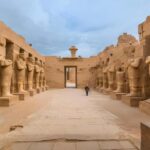
East Bank temples: Luxor Temple and Karnak with an on-site story
The East Bank portion is built around two mega-sites that make ancient Egyptian religion feel concrete.
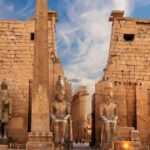
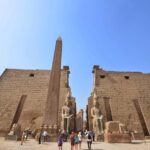
Luxor Temple: built across reigns, not a single moment
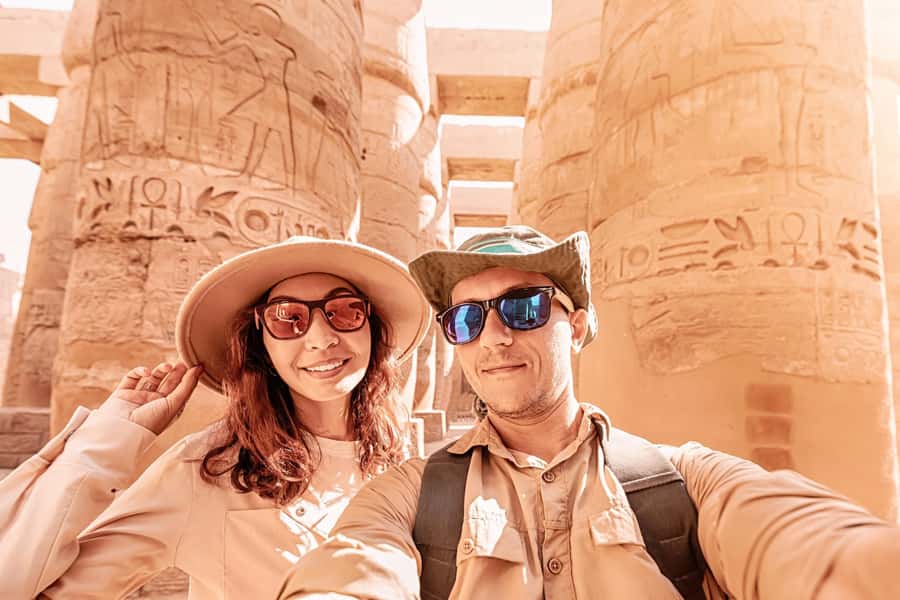
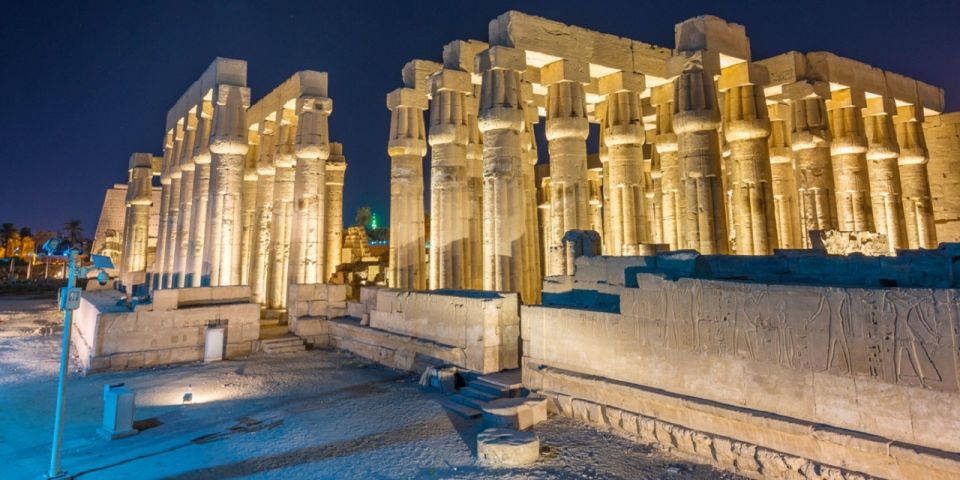
You’ll visit Luxor Temple, described as a major religious center linked to pharaohs over centuries, including Amenhotep III, Ramses II, and Tutankhamun. That detail helps you understand what you’re seeing. This place isn’t one block of history. It’s layers—additions, changes, and the way rulers kept shaping what mattered.
A strong guide makes a difference here. Several people specifically praised guides such as Manal and Samar Helmy for explanations that make the carvings and layout feel understandable, not random stone.
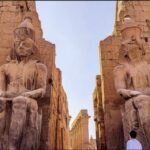
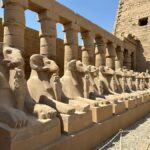
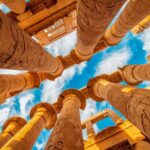
Karnak Temple: more than one temple, one big sacred zone
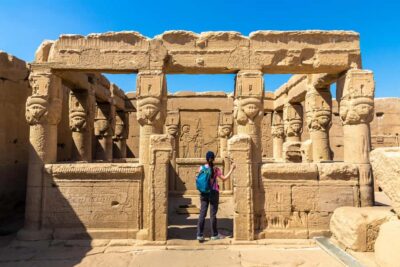
Next comes Karnak Temple, a massive complex where multiple pharaohs added their own constructions. It’s not just one temple to one god. It includes key precincts dedicated to Amun-Re, and also areas associated with Mut and Montu.
The practical benefit of visiting both Luxor Temple and Karnak on the same day is mental momentum. You can move from the grandeur of Luxor Temple into the scale of Karnak without losing the thread. It’s also less switching of plans and fewer “what do we do next” moments.
After the East Bank, you’re dropped back at your Luxor hotel for rest. That break is not filler. After a long drive and temple walking, you’ll want a real pause before sunset activities.
Lunch and rest in Luxor: the quiet advantage
Lunch is included on the first day, served at a local restaurant in Luxor. The tour doesn’t claim drinks are included, and one downside that shows up in feedback is that lunch can feel limited if you expected beverages included. So plan to budget for drinks if you want more than water.
The hotel stay is also a big deal: your package includes accommodation at a 4-star hotel with breakfast. That means you’re not scrambling for a place to sleep right after temples. You also get a real reset before the evening Nile cruise and dinner.
If you get a good contact point (for example, Marina has been noted as responsive), the schedule feels smoother. If you don’t, it can still work, but you’ll want to confirm pickup times clearly the day before.

Sunset felucca on the Nile: the slow ride that makes the photos
At sunset, your driver picks you up again from the hotel for a felucca ride on the Nile. This is one of those experiences that turns “history sightseeing” into a more Egyptian rhythm. You’re not in a rush. The boat ride is a calmer chapter where you can look at the river, the sky, and the light bouncing off the water.
It’s also very photo-friendly. People talk about it as one of the most memorable parts because it’s visual and atmospheric—like giving your camera a reason to stay out.
One practical caution: felucca experiences can vary in comfort and in how close you are to the dock/parking area. If you care about minimizing transfers, you might want to ask about how the ride starts and ends.
After the boat, you’ll go to dinner at a restaurant and then return to the hotel for the night.
The balloon morning: how sunrise changes everything
The second day starts early, and you’ll need to check out before leaving with your luggage. Then you head to the hot air balloon take-off area.
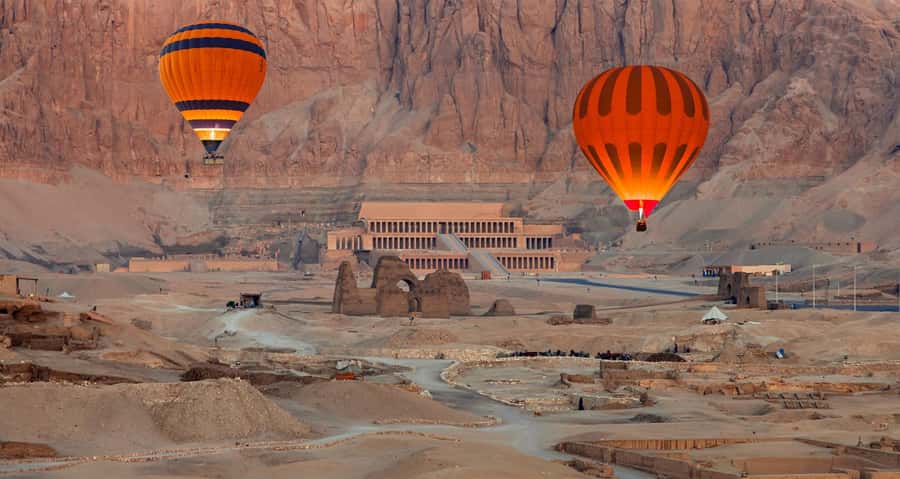
What you’re doing in that pre-flight window is part of the magic: you’ll watch the balloons get filled with hot air and begin rising. Even before you’re airborne, you’re surrounded by people in full camera mode, and the whole scene has a festival-like energy.
Once the balloon lifts, you get majestic views of Luxor, including the sense of seeing Luxor as a kind of open-air museum. The balloon is described as a chance to fly over the temples, which is where the value really hits. From above, the layout becomes clearer. You stop thinking of “a bunch of monuments” and start seeing how the city and ruins relate to each other.
Who tends to love this part most
If you like photography, this is a top pick. If you love grand viewpoints but you also want a moment that feels special rather than just crowded sightseeing, the sunrise flight is hard to beat.
West Bank day: Valley of the Kings, Hatshepsut, and the Memnon photos
After the balloon, you explore the West Bank, the area that was once the capital of ancient Egypt. This day is temple-and-tomb focused, and it’s a lot, but it’s paced.
Valley of the Kings: the Place of Truth for tomb lovers
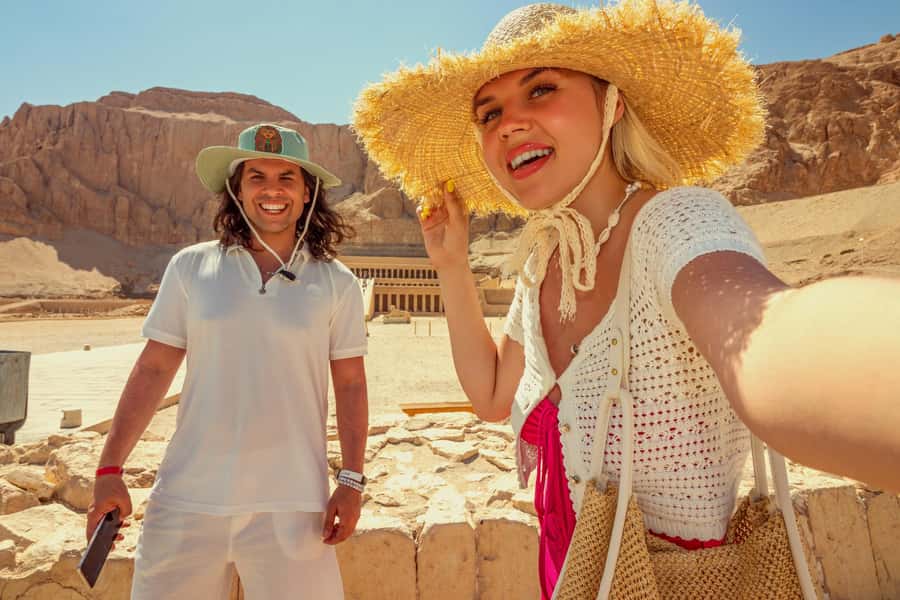
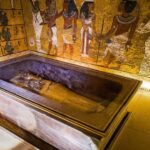
Your first major West Bank stop is the Valley of the Kings. It’s also known as the Great Necropolis of Millions of Years and the Place of Truth. There are 63 royal tombs, and while you won’t see every tomb in one day, the setting gives you a real sense of why this valley mattered so much.
A good guide helps here because tombs can look similar at a distance. What changes is the carvings, the symbolism, and the story behind each ruler and tomb. When explanations are clear, you feel like you’re walking through a set of chapters rather than a maze.
Mortuary Temple of Queen Hatshepsut: a temple built like a conversation
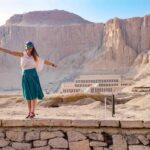
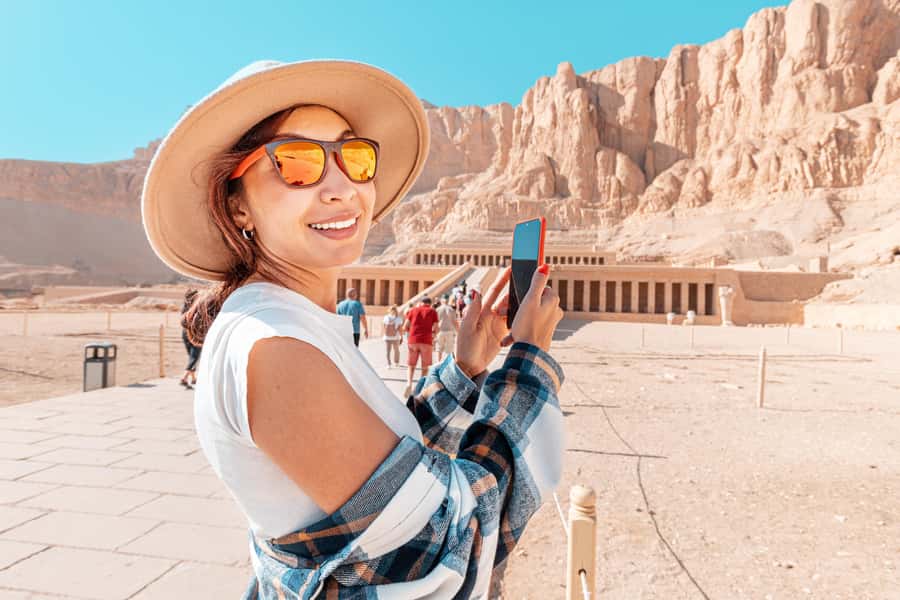
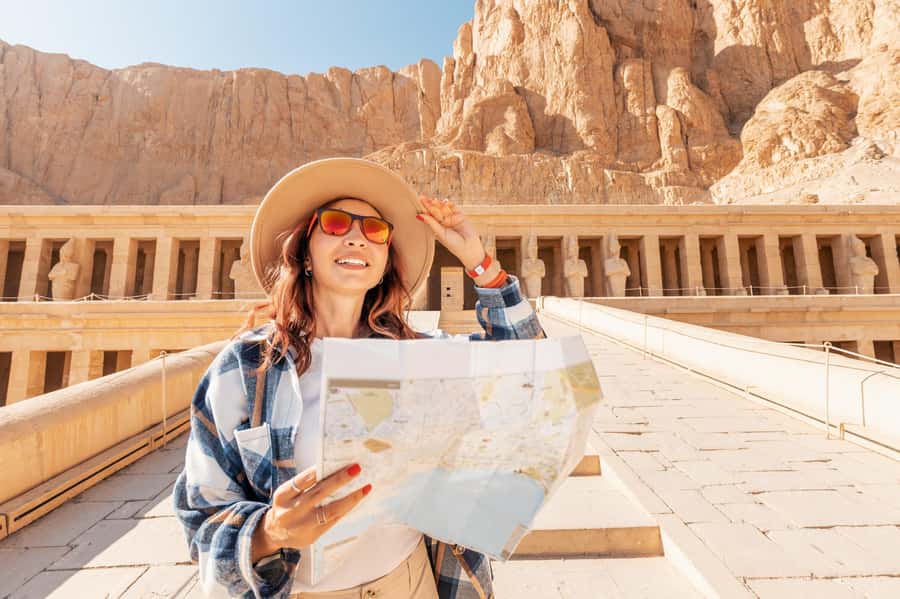
Next is the Mortuary Temple of Queen Hatshepsut. The tour frames it as an admirer of Mentuhotep II’s temple, with her own design meant to mirror it but on a grander scale—built right next to the older temple. That “built nearby” detail is helpful. It means you can compare styles and understand the message: power, legitimacy, and continuity.
This is another spot where guide quality shows. People have praised guides like Basim for explaining history across the sites, which is exactly what makes a temple stop feel complete.
Colossi of Memnon: quick photo stop with big presence
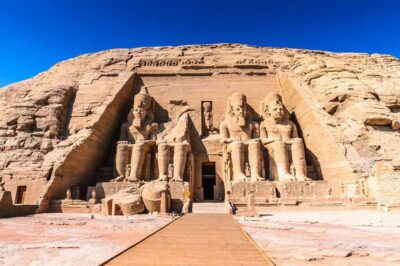
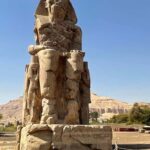
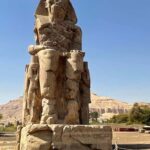
You end with a quick visit to the Colossi of Memnon for pictures. Don’t expect a long deep-stay here; it’s described as a picture moment. But these statues have a strong visual pull. Even in a brief stop, you’ll understand why they’re still used as a West Bank icon.
Camel ride through villages: where the tour touches daily life
After the tombs and temples, you add a camel ride. The description focuses on passing through villages and seeing how local people live and work the land.
This isn’t about conquering a desert fantasy. It’s more of a change in mood. You go from royal monuments to everyday scenery, which helps the day feel less like a museum corridor and more like a place with real people and rhythms.
This part is also useful after a packed itinerary. It gives you motion and changing views without feeling like another stone temple lecture.
Food, drinks, and entry fees: the money checkpoints
Here’s the honest practical layer: entrance fees are not included. That’s a must-know, because the biggest sites you’ll want to enter can add up fast.
Also, lunch and dinner are included, but drinks may not be. One piece of friction described is that lunch was included but not drinks, and drinks were priced separately. So if you like soda, juice, or bottled water beyond the basics, bring cash and avoid expecting meals to be all-inclusive.
If you’re planning a smooth day, I suggest you keep a small budget envelope for:
- entrance fees once you know what’s required for each stop
- drinks during meals
- any optional items the guide may suggest along the way
Guides, drivers, and that feeling of being cared for
This tour leans heavily on people who manage the flow: guide and driver.
On the positive side, several guides have been singled out by name. People highlighted Manal for friendly, detailed explanations and feeling almost like a private tour. Pola was praised as attentive and knowledgeable, with a top-notch driver called Assan. Samar Helmy and Basim were both praised for clear site explanations and a fun, helpful approach.
Drivers like Usman and Youssef were mentioned as punctual and easy to meet at the right times. That matters in Luxor, where timing and meeting points can decide whether your day feels smooth or stressful.
How to make it feel truly personal
You can’t control everything, but you can control communication:
- Ask your guide at the start what you’ll focus on most: tomb details, architecture, or symbolism.
- If you want fewer stops, say so early and confirm the final route.
- If you care about photos, tell the guide when you want time for close shots at Colossi of Memnon and during the felucca ride.
Price and logistics: where value holds up, and where it can wobble
Let’s talk value. Two full days in Luxor with transfers from Marsa Alam, sunrise balloon, 4-star hotel, felucca, camel ride, an English guide, and multiple included meals is not a small package.
But value depends on two things:
- What you consider included vs optional
- How clean the schedule stays
One person felt that at a price around €325, the experience should come with better treatment and less pressure for additional paid stops and cash arrangements. They refused one extra stop that wasn’t on the program, and they described the overall food as cold and disappointing, plus separate costs for drinks. In a different instance, a person noted guides and transportation changed during the plan, which can reduce confidence and increase stress.
I can’t promise your trip will match anyone else’s. Still, you can protect yourself:
- Before leaving, ask for a written or clear verbal rundown of the exact stops.
- Confirm whether any additional factory/family visits are optional.
- Remember entrance fees are not included, so you’ll likely pay at some point.
If you handle that part calmly, the core highlights—balloon at sunrise, East and West Bank temples, and the Nile ride—are the kind of experiences that justify doing Luxor this way.
Who should book this Luxor combo
This tour is a good fit if you want:
- big Luxor highlights over two days without planning transportation
- a guide to explain what you’re seeing at Luxor Temple, Karnak, the Valley of the Kings, and Hatshepsut
- an itinerary that includes a relaxing sunset felucca moment
- the convenience of a 4-star hotel with breakfast in Luxor
It’s less ideal if you:
- strongly dislike any extra paid stops not clearly part of the plan
- hate paying entrance fees on top of the package
- prefer total autonomy and minimal coordination
Should you book this tour?
If your priority is to get the “Luxor greatest hits” with minimal hassle, I think this is a smart way to do it. The big winning pieces are the sunrise balloon and the fact that you’re guided through both banks with a history-focused companion, not left to wander.
Book it if you can handle:
- early mornings and a check-out on day two
- entrance fees that you’ll pay separately
- the usual cash reality for drinks and any optional add-ons
Skip it (or choose a tighter version) if you want zero surprises and zero off-program suggestions. In that case, ask very directly what is fixed and what is optional before you commit.
FAQ
What time is pickup in Marsa Alam on the first day?
Pickup from your accommodation in Marsa Alam is at 5:00 am on day 1.
What’s included in the balloon ride?
You get a sunrise hot air balloon ride, including the time at the take-off area where balloons are filled with hot air and then rise for the flight.
Which Luxor sites are visited on the East Bank?
The East Bank includes Luxor Temple and Karnak Temple.
Which West Bank sites are visited on the second day?
The second day includes the Valley of the Kings, the Mortuary Temple of Queen Hatshepsut, and a quick visit for photos at the Colossi of Memnon.
Are entrance fees included?
No. Entrance fees are not included.
What meals and hotel arrangements are included?
A 4-star hotel in Luxor is included with breakfast. Lunch is included on both days, and dinner is included on the second day.