REVIEW · CAIRO
From Cairo: 2-Day Abu Simbel & Luxor Tour
Book on GetYourGuide →Operated by Emo Tours Egypt · Bookable on GetYourGuide
Crammed but worth it. You’re buying two days of Upper Egypt with domestic flights and a guide who keeps the history clear while you hop between the big-name sites. I especially liked the smooth logistics—airport pickup, car transfers, and skipping the ticket line—and the way the stops connect into one story from Ramses II to the Luxor temples. The only real drawback: this is a busy, early-start kind of itinerary, so if you want slow travel, you’ll feel the schedule.
I also liked that you get an overnight in Aswan at the Pyramisa Isis Hotel with breakfast, which helps you avoid the “one-day whirlwind” feeling. And because it’s a private group with a multilingual Egyptologist guide (English, Spanish, German, Arabic), you’re not stuck watching everyone else while you wait.
In This Review
- Key highlights worth caring about
- From Cairo to Aswan: the flight shortcut that saves your legs
- Philae Temple and the High Dam: classic Aswan, old Egypt, and modern Egypt
- Abu Simbel: Ramses II in a rock-cut thunderclap
- Aswan hotel night: 4-star comfort as a travel strategy
- Luxor West Bank: Valley of the Kings and Deir el-Bahari
- Colossi of Memnon and Hatshepsut’s Temple: big statues, big contrasts
- Luxor East Bank: Luxor Temple’s calmer rhythm
- Karnak Temple: Hypostyle Hall is the real headliner
- Price and logistics: what you’re really paying for
- Who should book this Abu Simbel and Luxor tour
- The booking decision: should you go?
- FAQ
- How long is the Cairo to Abu Simbel and Luxor tour?
- What’s included in the price?
- Which sites will I visit?
- Is the group private?
- What languages are available for the guide?
- What’s the cancellation policy?
Key highlights worth caring about
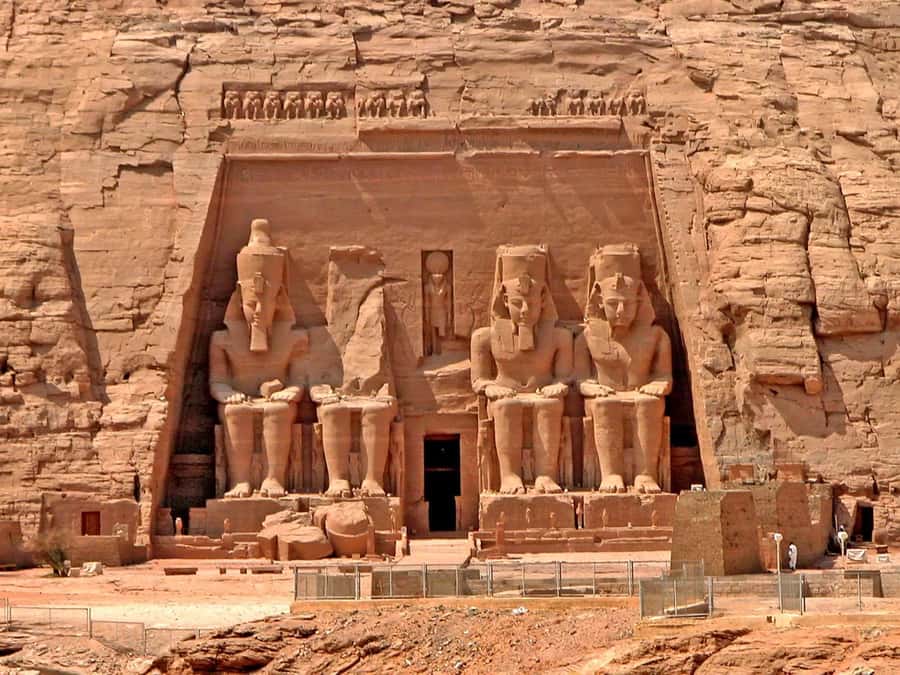
- Abu Simbel + Nefertari’s Small Temple in the same tour: two Ramses-era stops with different scales and details
- Karnak Temple with the Avenue of Sphinxes, Hypostyle Hall, and even the unfinished Propylon
- Egyptologist guidance (including named guides like Samir, Shireen, and Mostafa in some departures) so you know what you’re looking at
- Flight-backed routing from Cairo, with transfers in an air-conditioned car to reduce friction
- A real overnight in Aswan at a 4-star hotel, not just a day trip stretch
- Skip-the-line entry plus entrance fees handled, so your time stays focused on monuments
From Cairo to Aswan: the flight shortcut that saves your legs
This tour is built around one smart idea: use domestic flights to compress distance. You start with a hotel pickup in Cairo, then fly to Aswan. That matters because Cairo to Upper Egypt by road would eat your whole day. Here, you trade traffic and fatigue for daylight in the temples.
When you land, you meet the tour representatives at Aswan Airport and get moving right away by car. It’s also one reason this feels smoother than doing the same sites independently: you don’t have to coordinate timing between different attractions that are spread out.
If you’re the kind of traveler who likes to keep momentum (and you’re okay with early departures), this will feel like good value. If you’re the kind of traveler who hates rushed mornings, you’ll still enjoy the places, but you might wish for a slower pace between stops.
You can also read our reviews of more tours and experiences in Cairo

Philae Temple and the High Dam: classic Aswan, old Egypt, and modern Egypt
Your Aswan day includes Philae Temple and the High Dam, two landmarks that balance each other.
Philae is one of Egypt’s most photogenic temple settings, tied to the Nile and the goddess Isis. In practical terms, you should expect a short “crossing and arrival” setup to reach the temple area, and one recent guide-run experience noted the boat ride to Philae was smooth and easy. Once you’re there, the key is to take your time with the carvings and layout rather than only shooting pictures.
Then you shift to the High Dam. This is where you see the Nile not just as scenery, but as a managed system. It’s a good pairing: temples built for a river life, then the modern engineering that changed how that river behaves.
The main thing to watch for here is time pressure. This is a full-day block, so don’t plan on lingering forever at either stop.
Abu Simbel: Ramses II in a rock-cut thunderclap
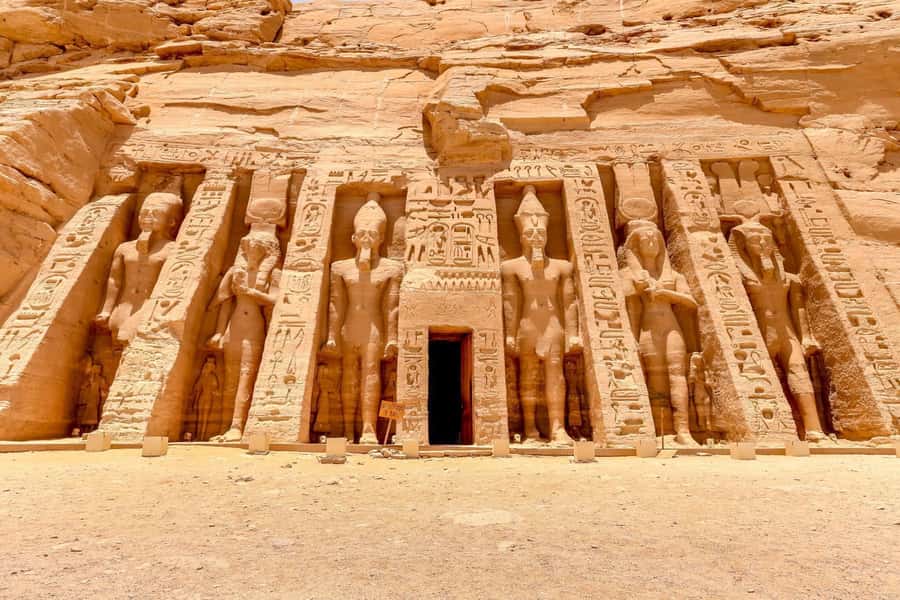
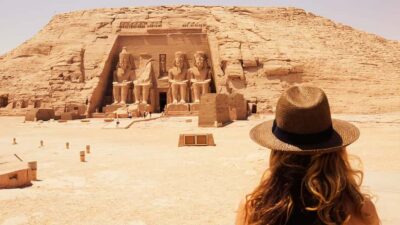
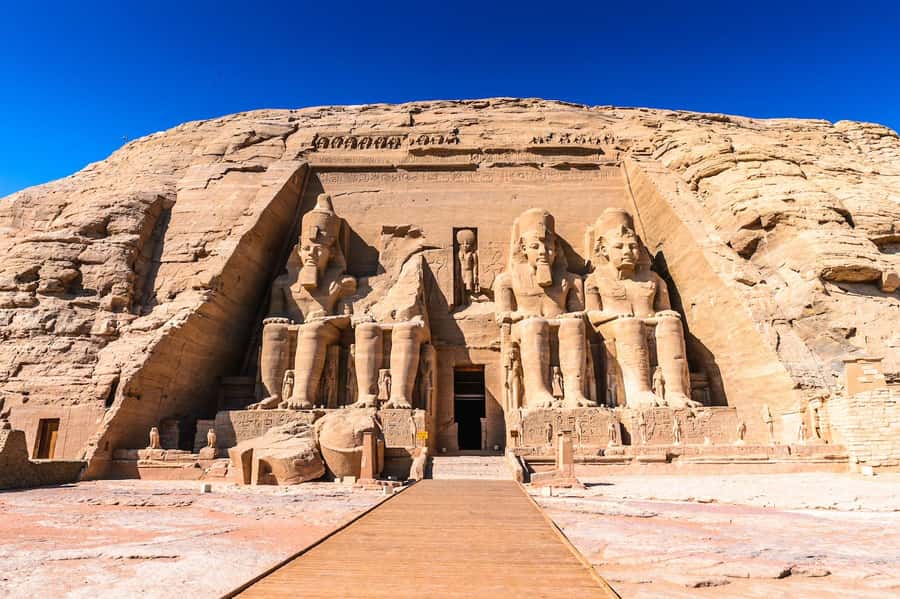
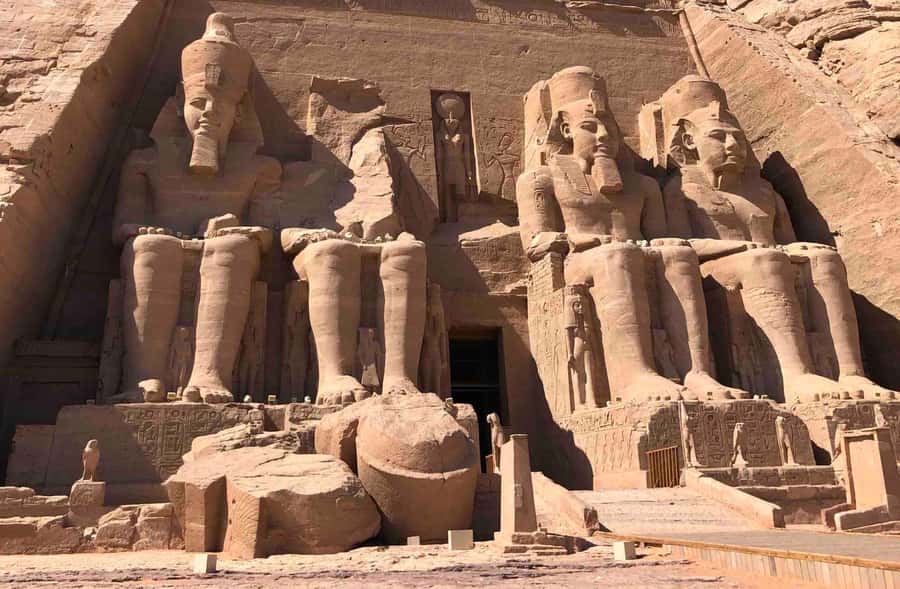
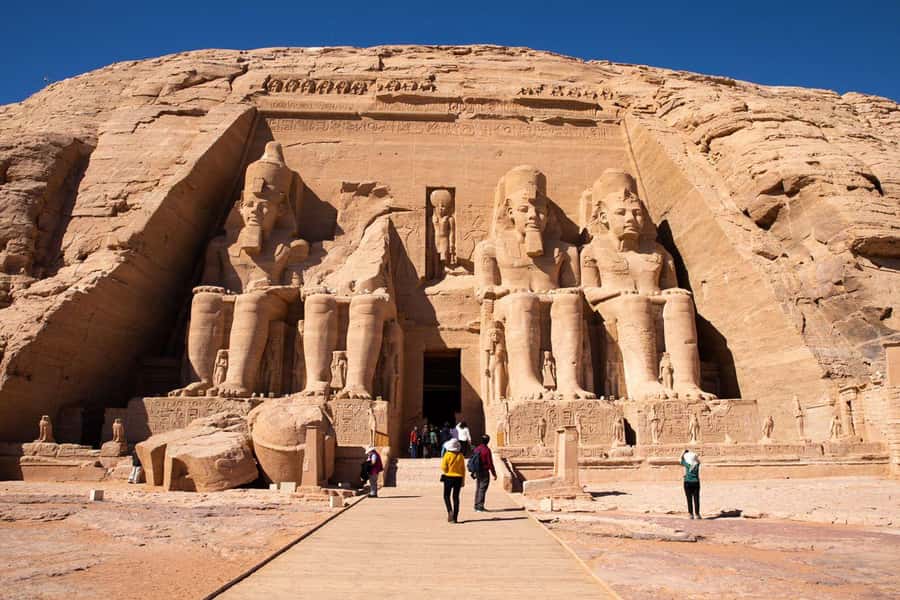
Abu Simbel is the headline. You’re walking into a sandstone cliff where Ramses II commissioned an enormous temple complex. The façade is the first shock: massive scale, crisp iconography, and the feeling that you’re seeing the power of an empire made physical.
What makes this stop special is that it isn’t only about the general “wow.” You’re also there to notice the deities represented on the façade and the way the monument announces Ramses’ role through monumental art. Even if you’re not a monument-nerd, the guide’s explanations make the carvings start to feel like a message instead of just decorative stone.
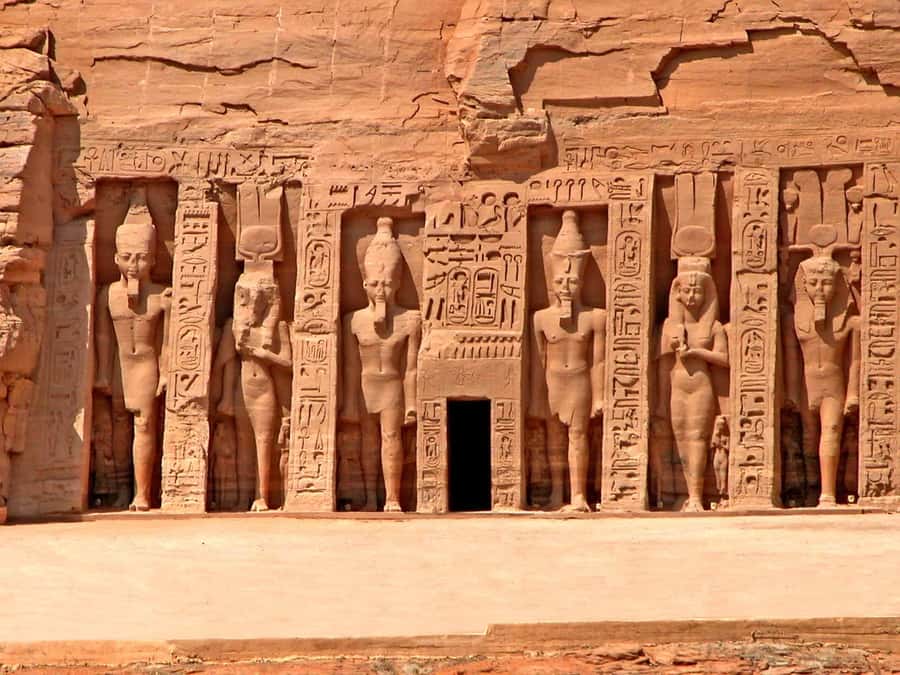
Then you also visit the Small Temple of Nefertari, dedicated to the goddess Hathor. It’s smaller, but the shift in focus helps you understand the site as a whole: Abu Simbel isn’t one temple, it’s a statement with multiple layers.
A practical note: the day’s timing matters a lot for comfort. One booking mentioned early starts as part of the schedule, and Abu Simbel typically demands that kind of discipline. Bring patience, water, and comfortable shoes.
Aswan hotel night: 4-star comfort as a travel strategy
After the Abu Simbel day, you drive back and overnight in Aswan at the Pyramisa Isis Hotel with breakfast included. This hotel stop isn’t just a perk. It changes the entire feel of the tour. Instead of returning late and immediately leaving, you get a real break point.
In a couple of experiences, the hotel was described as nice with a view, and the after-temple relaxation time was genuinely appreciated. That matters if you’re doing Luxor the next morning—your legs will thank you.
That said, hotel quality can vary in real life. One booking flagged concerns about a different property used for some hours due to late flights, and another mentioned a hotel charging issue. Nothing about the core hotel guarantee is spelled out beyond the included 4-star stay, so keep this in mind: you’re buying a tour with strong logistics, but hotels are still living businesses.
Luxor West Bank: Valley of the Kings and Deir el-Bahari
The next morning you transfer to Luxor after breakfast. Then you hit the West Bank, starting with the Valley of the Kings.
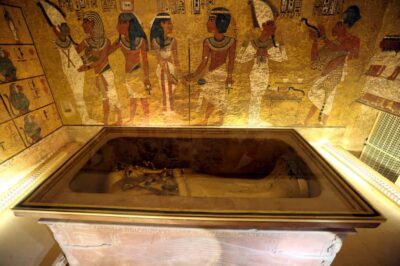
This is where the tour’s pace starts to test your stamina, because the West Bank sites are spread out and the experience is timed. But the payoff is huge. The Valley of the Kings is known for tombs of different dynasties, and that “dynasty timeline” feeling really clicks when you’re guided through it rather than trying to self-navigate.
You also stop near Deir el-Bahari, which pairs naturally with the West Bank focus. This is an especially good combo because it makes the area feel less like random ruins and more like a purposeful sacred landscape.
If you want an easy win here: listen closely when the guide explains what you’re seeing before you start walking. That’s when the Valley stops being just an entry ticket and becomes a place with meaning.




Colossi of Memnon and Hatshepsut’s Temple: big statues, big contrasts
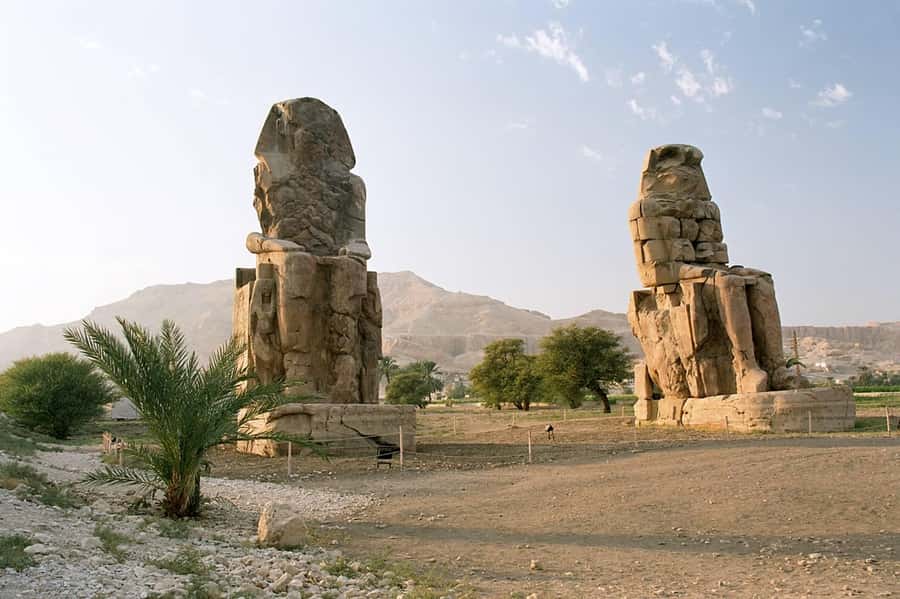
Next up are the Colossi of Memnon. These two gigantic seated statues face the Nile and give you a classic “scale moment.” Even if you’ve seen photos, standing there is different. It’s the kind of stop that resets your brain between tombs and temples.
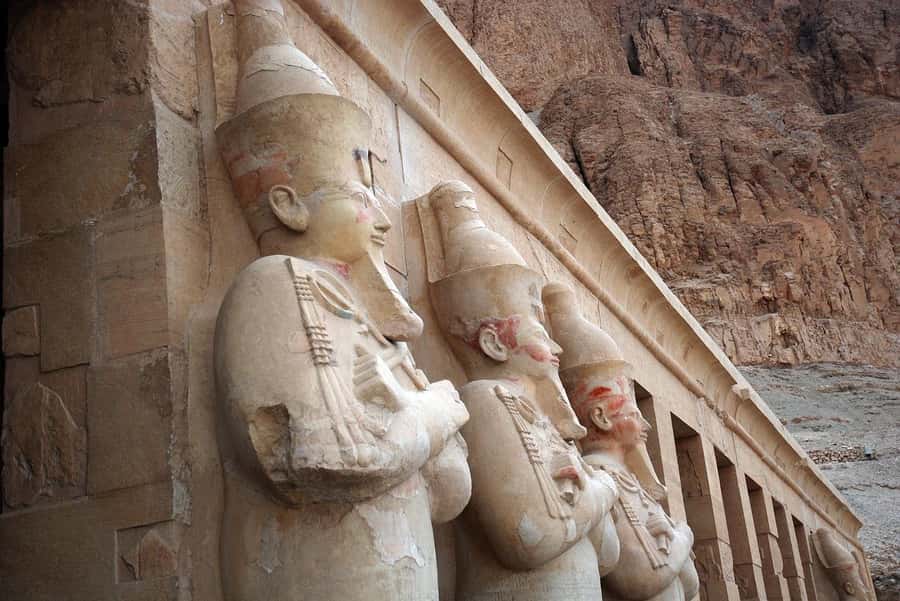
Then you visit the Temple of Queen Hatshepsut. Hatshepsut’s story is one of Egypt’s most compelling, and the temple’s design reflects how seriously the power structure wanted to be seen. In short: this stop feels less like sightseeing and more like stepping into a political statement carved in stone.
One practical consideration: when your schedule is packed, you need to pace yourself. Take a few minutes to look from the outside first, then go in with the guide’s context. You’ll remember more, and you’ll feel less rushed.
Luxor East Bank: Luxor Temple’s calmer rhythm
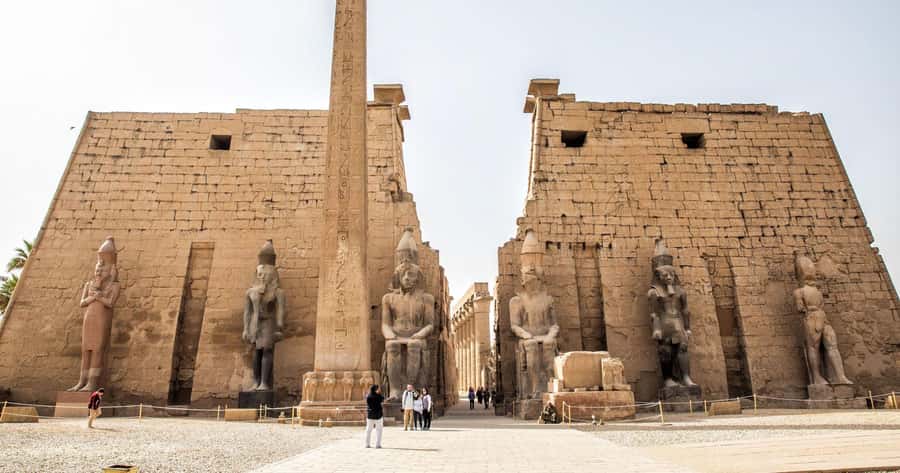
After West Bank monuments, you switch to the east bank for Luxor Temple.
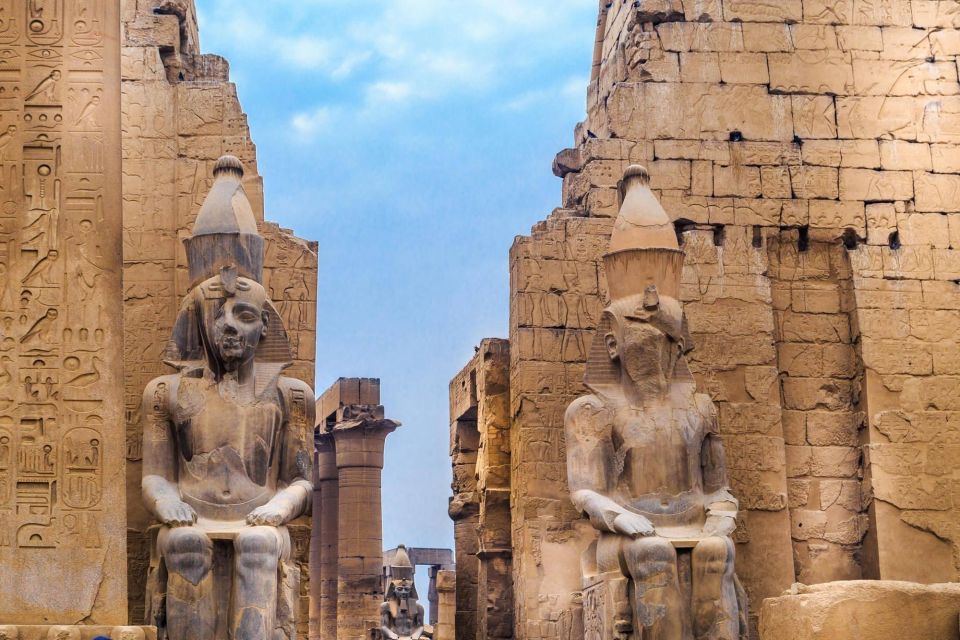
Luxor Temple is a strong change of pace. Instead of tombs and cliffs, you’re in a temple complex atmosphere with courtyards and monumental statuary. One of the itinerary notes includes granite statues of Ramses the Great, which is a good anchor point: you can connect what you saw at Abu Simbel back to the Luxor setting and notice repeated royal motifs.
Stroll is the right mindset here. This isn’t a site you should sprint through if you want the details to land.
Karnak Temple: Hypostyle Hall is the real headliner
Karnak Temple is where the tour’s biggest architecture moments stack up.
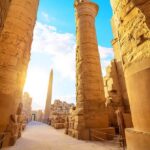
You start with the Avenue of Sphinxes, then continue to the unfinished Propylon and the Hypostyle Hall, with 134 gigantic columns. This is the stop that makes a lot of people go quiet (even when they’re trying to chat). The scale forces you to stop thinking in terms of “a temple” and start thinking in terms of centuries of building.
The itinerary also calls out the obelisks of Queen Hatshepsut, which ties back nicely to the West Bank experience. It helps the entire trip feel like one continuous conversation across time.
One practical tip: in Hypostyle Hall, your eyes will bounce around fast. If your guide points out a few key areas, follow those cues. You’ll leave with a mental map instead of just a blur of columns.
Price and logistics: what you’re really paying for
At $815 per person, the price isn’t pocket change. But look at what you’re getting: Cairo–Aswan–Luxor–Cairo domestic flights, air-conditioned car transfers, a multilingual tour guide, entrance fees, and included lunch, plus a 4-star hotel night with breakfast.
That combination is the value. This tour isn’t just tickets to monuments; it’s coordination across distances, timed pickups, and guided access so you spend your hours on sites—not on chasing details.
Could it cost less if you planned it yourself? Maybe. But if you’re only in Egypt a limited number of days and you want to maximize the Upper Egypt highlights without turning it into project management, this structure makes sense.
Two other value notes from real experiences:
- People praised the organization and on-time transfers, including smooth airport-to-hotel-to-airport flow.
- Some appreciated that guides and drivers were friendly and helpful, with specific guide names like Samir (Aswan) and Shireen (Luxor) mentioned for strong explanations and attention.
Who should book this Abu Simbel and Luxor tour
This is a great fit if you:
- Want to see major Upper Egypt highlights without doing a Nile cruise
- Like having a guide handle the tricky parts and explain what’s in front of you
- Don’t mind a packed schedule and you can handle early starts
- Appreciate private group attention instead of a big bus herd
You might skip it (or consider a slower alternative) if you:
- Want long, unhurried time in each site
- Struggle with tight timing between remote monuments
- Are very sensitive to uneven hotel experiences
The booking decision: should you go?
I’d book this tour if you want the “greatest hits” of Abu Simbel and Luxor in a short window and you value time saved by flights and transfers. The most compelling part isn’t just that the sites are famous—it’s that the itinerary is structured to keep you moving efficiently while you still get guided context at the big monuments like Karnak and Abu Simbel.
Before you commit, be honest about one thing: you’re buying intensity. If that sounds like your kind of adventure, you’ll likely feel this was money well spent.
If you want, tell me your travel month and whether you prefer early starts or slower pacing, and I’ll suggest how to prepare so you get the most out of each stop.
FAQ
How long is the Cairo to Abu Simbel and Luxor tour?
The tour duration is listed as 10 hours, with the itinerary spanning two days including domestic flights and an overnight in Aswan.
What’s included in the price?
Included items are domestic flights (Cairo–Aswan–Luxor–Cairo), transfers in an air-conditioned car, a multilingual tour guide, entrance fees, lunch, and a one-night stay in a 4-star hotel with breakfast.
Which sites will I visit?
You’ll visit Philae Temple and the High Dam, Abu Simbel Temple, the Small Temple of Nefertari, the Valley of the Kings, the Colossi of Memnon, the Temple of Queen Hatshepsut, Luxor Temple, and Karnak Temple.
Is the group private?
Yes, it’s listed as a private group.
What languages are available for the guide?
The live tour guide is available in English, Spanish, German, and Arabic.
What’s the cancellation policy?
Free cancellation is available up to 3 days in advance for a full refund.