REVIEW · LUXOR
From Luxor: 3-Night Nile Cruise to Aswan and Hot Air Balloon
Book on GetYourGuide →Operated by Nice Tours · Bookable on GetYourGuide
One sunrise changes Luxor. This 3-night Luxor-to-Aswan cruise lines up a Sunrise hot-air balloon ride with guided temple visits that hit both the east and west banks. I also love how the trip is wrapped in door-to-door private transfers, so you spend less time hunting for guides and more time seeing monuments. One thing to consider: early wake-ups are real, and the balloon can shift or cancel when weather rules it.
What makes this feel worth it is the temple focus and how the days are paced around it. I like how the guides work you through the big-ticket sites like Karnak Temple and the Valley of the Kings, not just a quick stop and photo. The practical downside? Some cruise ships (and schedules) can be a bit inconsistent, with reports of rushed timing and occasional service quirks.
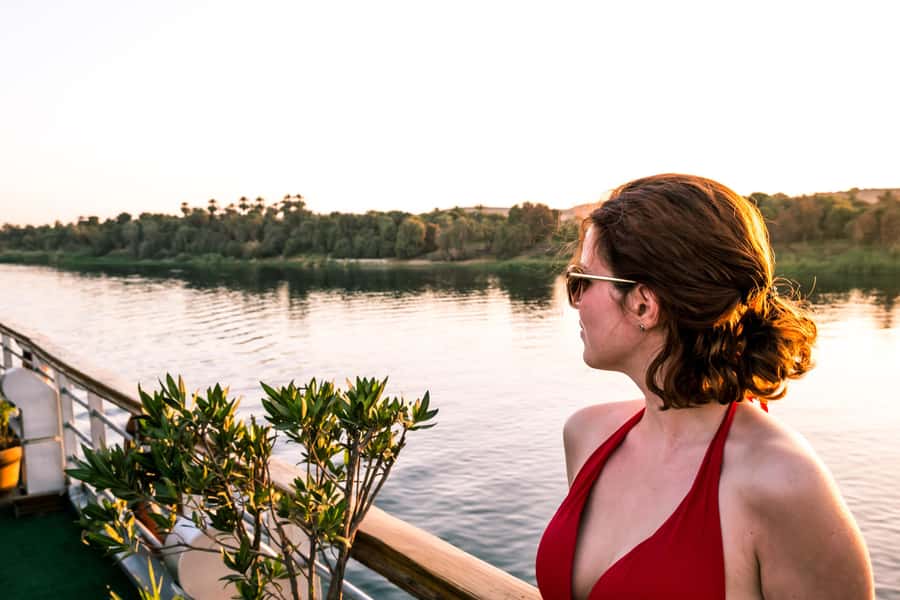
Still, the “human support” factor is strong. Many travelers highlight the operator contact person Arwa, including fast messaging and daily plan updates, which matters a lot when you’re juggling pickup times, boats, and monument tickets. And yes, the Nile views from the top deck and the included felucca ride are the kind of Egypt moments that stick.
In This Review
- Key Things I’d Plan Around
- Luxor to Aswan: The Real Value of This 4-Day Rhythm
- Day 1 in Luxor: Karnak, a Felucca Breeze, and Amenhotep III’s Luxor Temple
- Day 2: Sunrise Balloon Views, Valley of the Kings, and Hatshepsut’s Mortuary Temple
- Day 3: Edfu by Horse-Drawn Carriage and Two-God History at Kom Ombo
- Day 4: Abu Simbel’s Twin Temples and the Aswan Drop-Off
- The Sunrise Hot-Air Balloon: Why It’s Worth the Risk (Weather Included)
- Cruise Ship Comfort: 5-Star Label vs Real-World Ships
- Guides, Transfers, and the Anti-Stress Factor (Arwa Comes Up a Lot)
- Price and Value: What $1,100 Covers (and What You’ll Add)
- Who This Tour Fits Best (And Who Should Rethink)
- Should You Book This Luxor-to-Aswan Nile Cruise With Balloon?
- FAQ
- FAQ
- What’s the overall trip length and routing?
- What’s included in the price?
- Are entry fees and drinks included?
- Will I still go to Abu Simbel if the balloon is canceled?
- Do I need to pay extra to reach the Aswan airport or train station?
- Is the hot-air balloon ride suitable for children?
- Can the tour accommodate special diets?
Key Things I’d Plan Around
- Sunrise hot-air balloon: the star event, with early timing and weather rules
- East + West Bank temple day structure: Karnak/Luxor Temple plus Valley of the Kings/Hatshepsut
- Real sail time on the Nile: felucca on day 1, cruising between temple stops
- Temple logistics handled for you: private guides and private air-conditioned transfers
- Long day trip to Abu Simbel: amazing temples, with more driving than the earlier days
Luxor to Aswan: The Real Value of This 4-Day Rhythm
This tour is built around one smart idea: do Egypt’s most famous temple areas without playing transport Tetris all by yourself. You’re moving south along the Nile, and each day has a clear “main scene,” with guided context so you don’t just see walls—you understand what you’re looking at.
The other value piece is flow. You start in Luxor, sleep on the Nile for three nights, and end in Aswan, with transfers and pickup points handled. That matters because Egypt monument days can get chaotic fast if you’re doing it independently—especially when you’re dealing with early starts.
The tour also includes a mix that most people crave: one big adrenaline hit (the balloon), several “wow” temple visits, and downtime on the boat. That balance is part of why many people rate it so highly, even when they point out a few rough edges.
You can also read our reviews of more boat tours in Luxor
Day 1 in Luxor: Karnak, a Felucca Breeze, and Amenhotep III’s Luxor Temple
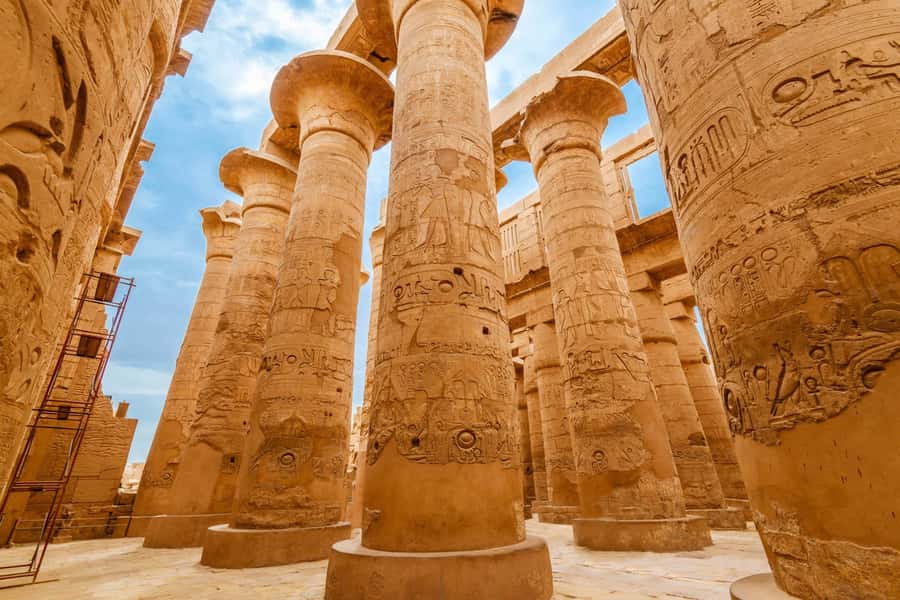
Day 1 starts with pickup from your Luxor hotel and a private air-conditioned ride to your Nile cruise ship. Once you’re settled in your cabin, the day begins at a comfortable pace with a buffet lunch onboard.
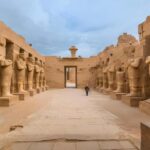
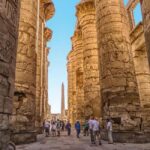
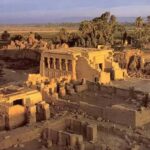
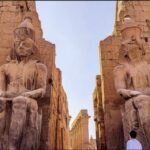
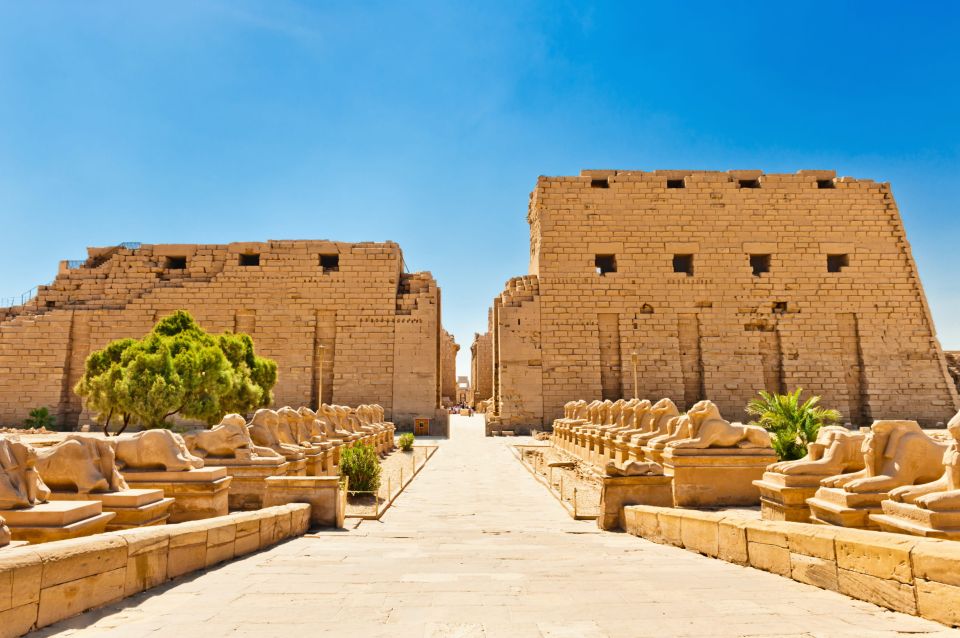
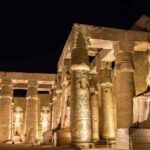
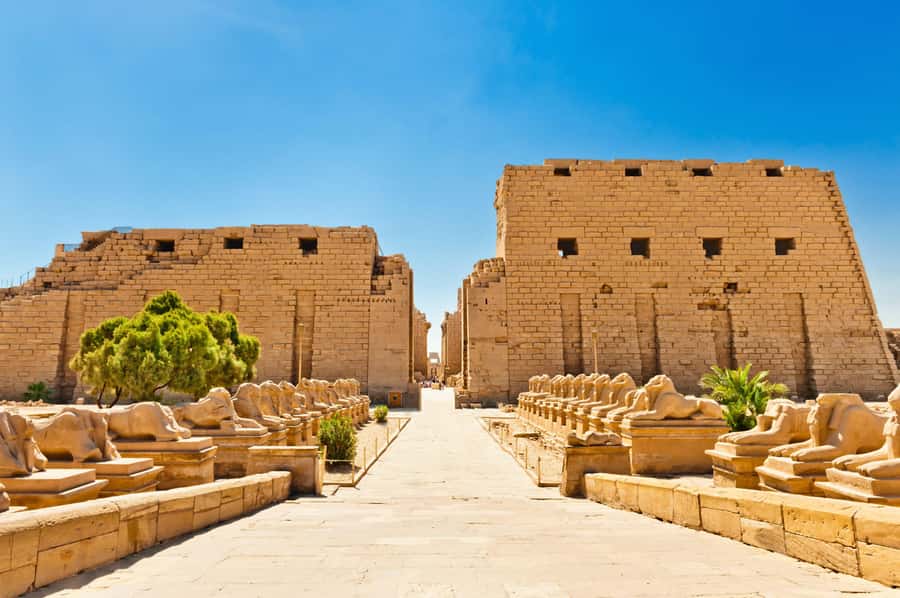
Before you tour, you’ll meet your English-speaking guide for Karnak Temple, the huge temple complex tied to the pharaohs who shaped Thebes. Karnak is the kind of place where you’ll feel lost without guidance—there are too many halls, pylons, and layers to “self-navigate.” A good guide helps you connect what you see to the people who built it.
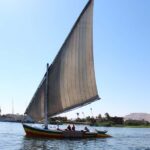
Later in the afternoon you’ll take a felucca ride on the Nile. It’s simple, peaceful, and a great reset after temple walking—especially when the air cools down a bit. You’ll get Luxor river views from the water, which is often one of the best memory-makers from this whole region.
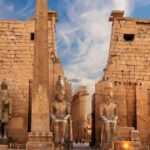
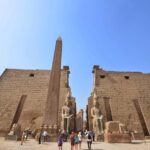
Then you’ll visit the Luxor Temple built by Amenhotep III in the 18th Dynasty. Afterward, you return to the ship for dinner, plus an Egyptian folklore party—an included cultural extra that keeps the night from feeling purely logistical.
One practical note: Karnak + Luxor Temple can mean a lot of walking and standing. If you’re even mildly sensitive to heat and dust, plan to take breaks when your guide offers them.
Day 2: Sunrise Balloon Views, Valley of the Kings, and Hatshepsut’s Mortuary Temple
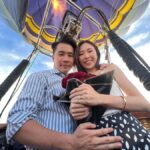
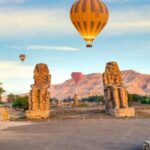
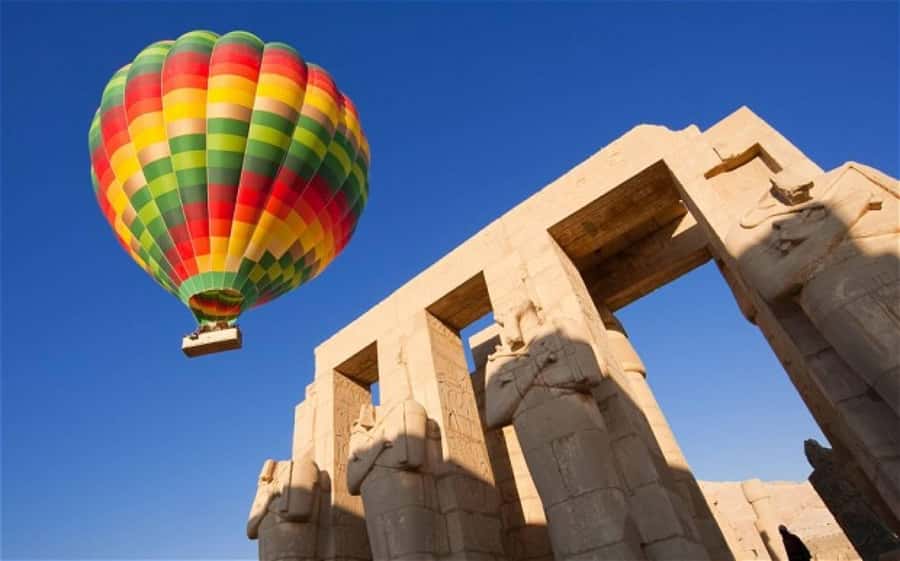
Day 2 is built for early morning eyes. You get ready for the sunrise hot-air balloon ride, designed as a VIP experience. The goal is simple: lift off at dawn for the best light over Luxor and a bird’s-eye view of the city and surrounding land.
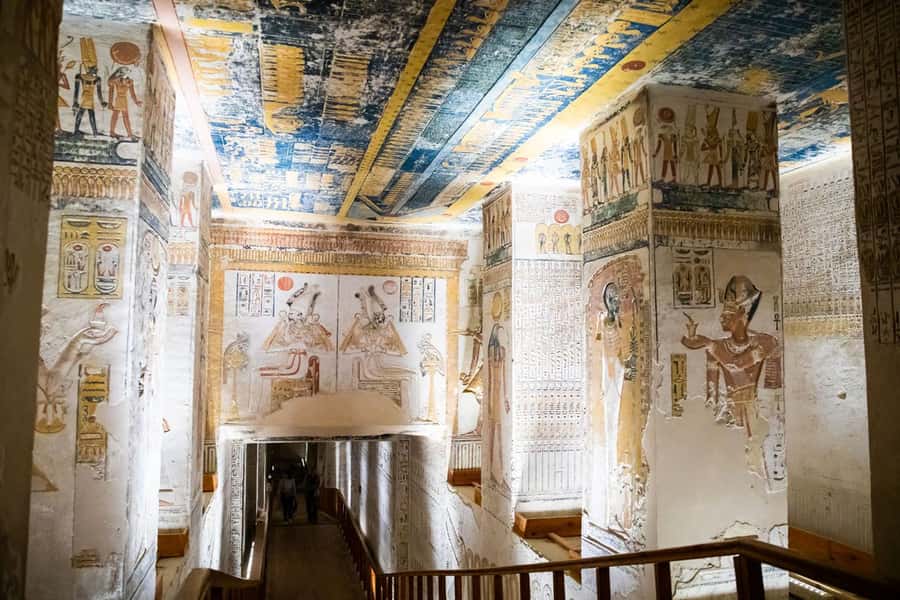
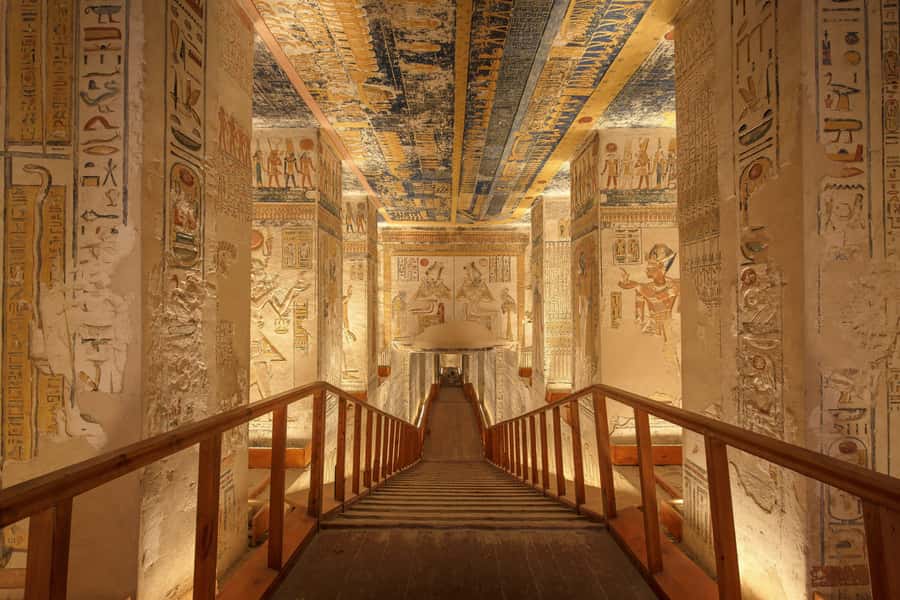
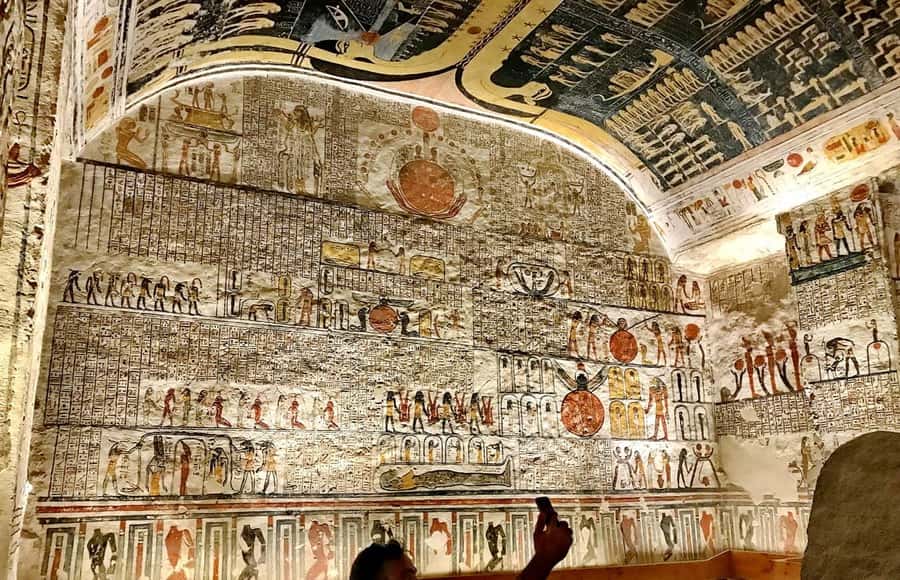
After you land, your guide is waiting to shift you straight to the West Bank of Luxor. The main stop is the Valley of the Kings, where you can see tombs connected with rulers such as Merneptah, Ramesses III, and Ramesses VI. This is one of those areas where having a guide really matters, because the names and family connections become meaningful when someone ties the tombs to what you’re seeing.
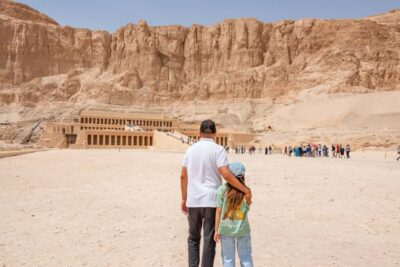
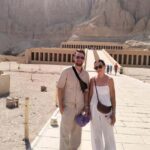
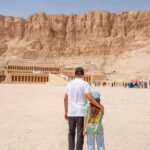
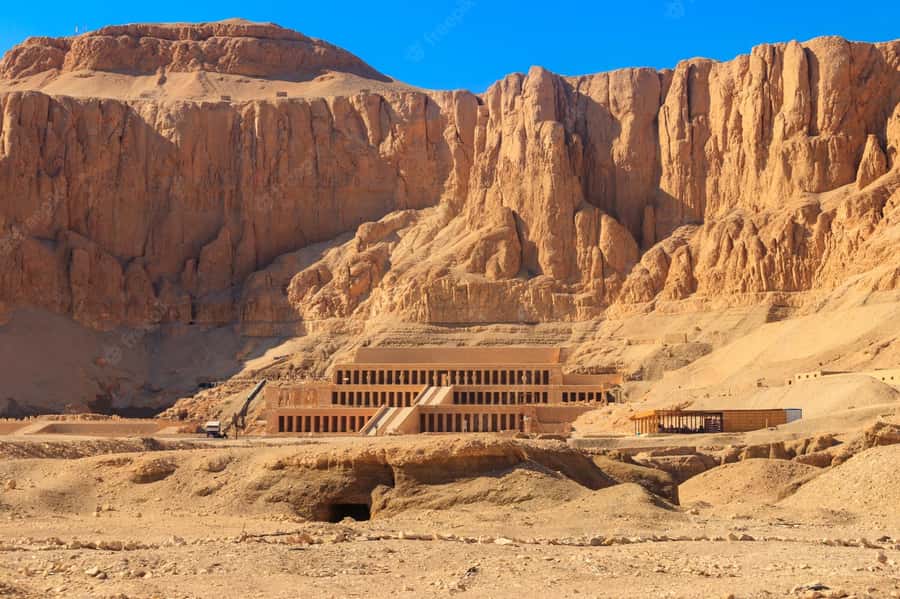
Next comes the Mortuary Temple of Queen Hatshepsut. This is the kind of stop that helps you remember Egypt wasn’t only male pharaohs and simple dynasties. Hatshepsut’s temple tells a story about power, legitimacy, and the long effort it takes to build a monumental legacy.
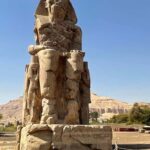
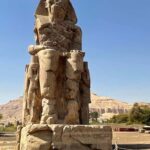
After that you’ll visit the Colossi of Memnon, where the giant statues connect the valley story back to Amenhotep III. It’s a smaller stop than some of the others, but the scale lands hard.
You’ll return to the ship for dinner. This is also the day where jet-lag logic doesn’t apply—you’ll feel your body notice the early hours. I’d treat it like a “two-day workout” and keep your pace honest.
Day 3: Edfu by Horse-Drawn Carriage and Two-God History at Kom Ombo
Day 3 starts after breakfast onboard. You then head to Edfu, and the tour includes a horse-drawn carriage ride. This is one of those “Egypt flavor” moments—slow-moving, visual, and very different from the private vehicle transfers the rest of the tour uses.
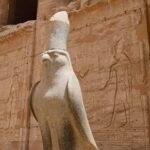
Your guided highlight here is the Temple of Horus. The key selling point is preservation: it’s described as the most well-preserved religious place in Egypt, with imposing sandstone structures that help you feel the temple’s original purpose. If you’ve only ever seen ruins in photos, this will feel like a real architectural experience.
Back onboard, you’ll enjoy a buffet lunch as the ship sails to the next destination. That sailing time isn’t just downtime—it’s how you break up intense temple days without sacrificing the southbound journey.
In the afternoon you’ll visit the Temple of Kom Ombo, known for honoring two great gods. This is an unusual temple setup compared to many single-deity sites. You’ll learn how the structure reflects that dual worship idea, so the symmetry and layout actually make sense.
After the visit, you return to the ship for dinner and free time. Many people like this day because it offers temple power, but also real boat rhythm in between.
Day 4: Abu Simbel’s Twin Temples and the Aswan Drop-Off
Day 4 is an early start with one main payoff: Abu Simbel. You’ll meet your guide at the temple and explore the twin temples of Ramesses II and Nefertari, carved into the mountainside.
This is the stop that people often label as a highlight. Part of the magic is scale—you’re seeing rock-cut architecture built to last. Another part is the “effort factor”: reaching Abu Simbel takes time, so the visit feels like an accomplishment, not a checkbox.
After your visit, you return toward the ship and then get dropped off in Aswan. If you’d rather not stay overnight, there’s an option to finish at the Aswan airport or train station for an additional fee.
From a reader’s perspective: Abu Simbel is a long-day energy test. Even when everything is well organized, you’ll feel the driving time. I’d keep expectations realistic and plan to be patient if the day runs on “Egypt time.”
You can also read our reviews of more evening experiences in Luxor


The Sunrise Hot-Air Balloon: Why It’s Worth the Risk (Weather Included)
The balloon ride is the signature experience here, and it’s easy to see why it gets such strong praise. Sunrise flight time means softer light and calmer viewing, and the views over Luxor can feel almost unreal compared with the street-level city.
Now the honest part: balloon operations depend on weather. In the information you provided, there’s at least one example of balloon cancellation due to weather, with a temple substitution added (Philae temple appeared as an alternative in one case). That doesn’t make the trip worse—it just changes the exact day’s shape—so I’d mentally budget for flexibility.
If you’re traveling with kids: children under 6 can’t join the balloon flight under civil aviation rules. Also note that dietary needs like vegan, vegetarian, and halal can be accommodated, so you’re not forced into a one-size-fits-all onboard meal plan.
When the balloon does fly, it becomes the kind of memory that outlives the photos. When it doesn’t, you’ll want to stay flexible and focus on what else the day gives you.
Cruise Ship Comfort: 5-Star Label vs Real-World Ships
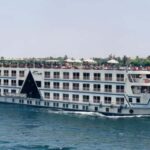
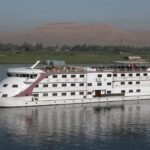
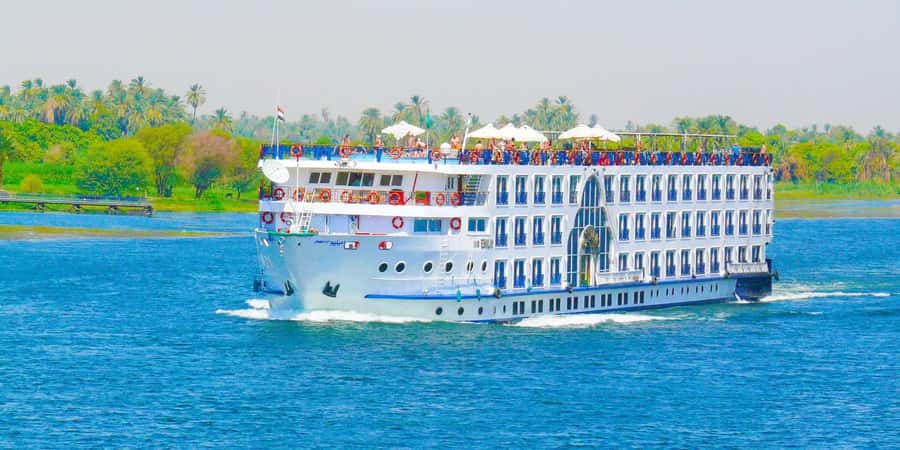
This part needs a little nuance. The trip is described as a 5-star Nile cruise, and many people report comfortable, clean cabins and friendly staff. You’ll spend three nights onboard and get full-board meals, which is a big help when you’re moving temples all day.
At the same time, the feedback includes real-world differences between ships. Some reports mention issues like bathroom leaks, engine noise you can hear even from higher decks, limited control over air-conditioning temperature, and the pool being too cold at times. There are also mentions of water not being free (with tea and coffee free at certain meal times).
So here’s my practical take: treat the ship as a comfortable base and a scenic “moving hotel,” not a luxury resort. The real star is the Nile view, the top deck time, and the way the boat keeps your days from turning into nonstop transport marathons.
Food gets strong marks overall. Still, you should expect buffet-style meals and occasional operational shortcuts, like bagged breakfast quality that varies.
Guides, Transfers, and the Anti-Stress Factor (Arwa Comes Up a Lot)
A big reason this tour gets repeat recommendations is communication and logistics. The operator contact Arwa shows up in many experiences as responsive, proactive, and helpful with day-by-day updates. People describe WhatsApp check-ins and schedule confirmations, which matters when you’re coordinating early pickups and tight temple timing.
You’ll also have an English-speaking guide on tours, and the program runs with private air-conditioned vehicle transfers. That’s a quality-of-life upgrade, especially in Egypt where road conditions and pickup points can turn into a time sink if you don’t have a driver waiting.
Private guiding is another advantage. Several guides are named in the information you provided, including Aladdin (Luxor), Asma (Luxor), Hassan (Karnak/Valley of the Kings support), Mohra and Samar (Luxor planning/guide roles), along with others like Doaa and Hafiz for specific temple days. That variety is a clue: guides matter, and this tour tries to staff you with people who can explain what you’re seeing.
One drawback that pops up: occasionally, communication between the back office and a guide can feel messy, and some itineraries can run rushed. There are also mentions of guides pushing shopping stops or expecting tips. If that happens to you, you can still ask for more time at the temples, but I’d go in prepared to be firm about what you came for: monuments.
Price and Value: What $1,100 Covers (and What You’ll Add)
At about $1,100 per person for four days and three nights, this is not a cheap “basic tour.” But it’s also not just paying for a boat ride. You’re buying a bundle:
- a 5-star cruise stay with full-board
- private hotel pickup in Luxor and private transfers throughout
- English-speaking guiding across the major sites
- felucca ride and multiple guided temple visits
- the VIP sunrise hot-air balloon ride
- hotel drop-off in Aswan
What’s not included is important: entry fees and drinks. So your total trip cost will be higher once you add those. If you prefer to control your spending, budget separately for tickets and bottled water or beverages.
Do I think it’s good value? If you’re the kind of traveler who wants the monuments without the stress of arranging every piece, yes. The hardest parts to DIY are often the timing (early mornings), the guides (for interpretation), and the ground transfers (so you don’t waste a day getting from place to place).
Who This Tour Fits Best (And Who Should Rethink)
This tour fits best if you:
- want a Luxor-to-Aswan overview without running your own itinerary
- care about understanding the temples, not just photographing them
- like a mix of big moments and downtime on the Nile
- prefer private transfers and private guiding
It may be less ideal if you hate early mornings. Day 2’s balloon start and West Bank touring require serious getting up. Abu Simbel on day 4 also comes with long driving and a tighter-feeling day.
If you’re very sensitive to ship noise or potential cabin issues, I’d consider reading carefully for recent ship details before you book. The program’s quality depends partly on which specific Nile cruise vessel you’re placed on.
Should You Book This Luxor-to-Aswan Nile Cruise With Balloon?
I’d book it if you’re serious about the main sights—Karnak, Valley of the Kings, Hatshepsut, Edfu, Kom Ombo, and Abu Simbel—and you want someone else to handle the transfers and timing. The sunrise balloon is the kind of experience you’ll be thankful you didn’t try to organize solo.
I’d pause before booking if you’re expecting a perfectly consistent luxury ship experience every single time or if you’re not comfortable with early mornings and possible day-of weather changes for the balloon. In that case, you can still enjoy the trip, but you’ll want flexible expectations for schedule and balloon outcomes.
FAQ
FAQ
What’s the overall trip length and routing?
It’s a 4-day trip with 3 nights onboard a Nile cruise. The route runs from Luxor to Aswan, with guided temple visits along the way.
What’s included in the price?
The package includes hotel pickup in Luxor, accommodation on a 5-star cruise with full-board, an English-speaking guide, all destination transportation and private air-conditioned transfers, a felucca ride, and a sunrise VIP hot-air balloon ride. It also includes private tours for all sites listed and hotel drop-off in Aswan.
Are entry fees and drinks included?
No. Entry fees and drinks are not included.
Will I still go to Abu Simbel if the balloon is canceled?
The information provided shows that balloon cancellation can lead to substitutions, including one case where Philae temple was included instead. However, the exact replacement can vary by circumstances.
Do I need to pay extra to reach the Aswan airport or train station?
Yes, drop-off at the Aswan airport or train station is available for an additional fee.
Is the hot-air balloon ride suitable for children?
No. Children under 6 can’t join the hot air balloon flight due to civil aviation rules.
Can the tour accommodate special diets?
Yes. Vegan, vegetarian, and halal diets can be accommodated.