REVIEW · GIZA
Cairo: 3-Day Siwa Oasis Tour, Safari, Camp & Historical Site
Book on GetYourGuide →Operated by OceanAir Egypt · Bookable on GetYourGuide
Siwa feels like another planet. This 3-day trip swaps Cairo crowds for Siwa Oasis swims and a proper desert 4×4 safari, with the bonus of stopping at the El Alamein WWII Military Museum on the way. I also like the pacing: you get real time for photos, tea, and wandering (not just a rush from point A to B). One thing to consider upfront: this is a long overland journey from Cairo, so you need patience for the drive and early mornings.
The best part is how smoothly it runs as a small-group outing. The group is capped at 13 people, you ride in an air-conditioned vehicle, and the tour guides and drivers described here focus a lot on timing, comfort, and safety during the road hours. You’ll also choose between staying 2 nights in an oasis lodge or doing 1 lodge night plus 1 night in a Bedouin camp, which changes the vibe from cozy to proper desert.
If your idea of a good Egypt trip includes history, warm hospitality, and dust-in-your-shoes fun, this one works. If you’re sensitive to long road time, keep your expectations realistic and plan your energy accordingly.
In This Review
- Key takeaways
- From Cairo to Siwa: why the long drive is part of the magic
- El Alamein Military Museum: World War II meets desert route reality
- Siwa Oasis on day 1: swimming, floating, and sunset tea
- Mountain of the Dead and Si-Amun tombs: ancient, physical, and worth the effort
- Cleopatra’s Spring and the salt lakes: multiple water stops, big visual payoff
- Desert 4×4 safari, sandboarding, and Bedouin camp night
- Shali city and Siwa Old Souq: karshef architecture and real wandering time
- Price and logistics: is $361 actually good value?
- Who this tour fits best (and who should think twice)
- Should you book the Cairo to Siwa 3-day tour?
- FAQ
- How long is this Siwa Oasis tour?
- What type of overnight stay is included?
- What does the tour include for meals?
- How many people are in the group?
- Where is pickup available from?
- What languages are the tour guides?
- What should I bring, and what is not allowed?
Key takeaways
- El Alamein WWII Military Museum adds a serious dose of North Africa history before the desert fun starts
- Siwa Oasis water time includes swimming, floating, and scenic tea moments
- Mountain of the Dead and Si-Amun tombs deliver ancient atmosphere with real physical effort
- Cleopatra’s Spring and salt lakes mean multiple natural-water experiences in one package
- 4×4 dune bashing, sandboarding, and sunset tea turns the desert into the main event
- Shali city and its karshef architecture let you walk through the version of Egypt most people only picture
From Cairo to Siwa: why the long drive is part of the magic
The drive is the price you pay for getting to Siwa. You’re looking at roughly a 13-hour journey on day 1, and the road time is long enough that comfort matters. The setup here helps: you travel in a shared, air-conditioned vehicle, and the day is broken up with stops for food and toilet breaks along the way.
I like that the pacing doesn’t treat the drive as dead time. Guides and drivers paired with this route tend to keep things lively, with snacks along the road and enough interruptions that you arrive in Siwa ready to move, not just survive. The road also works like a mood shift: the further you go, the less your trip feels like Cairo-with-a-day-trip, and the more it feels like an adventure.
One practical note: pack layers. Even in dry desert regions, early starts and open-vehicle time can make you wish you brought a windbreaker. Sunglasses and a sun hat aren’t optional either.
You can also read our reviews of more tours and experiences in Giza.

El Alamein Military Museum: World War II meets desert route reality

You start with something very different from the oasis. The El Alamein World War II Military Museum stop is built around North Africa’s World War II story, shown through items like cannons and armored vehicles, plus details tied to soldiers’ faith and everyday life.
This stop works for two reasons. First, it gives you context for why this region mattered so much beyond pharaohs and temples. Second, it breaks up the drive in a meaningful way, so you don’t feel like you’re just sitting in transit for most of day 1.
If you like museums, you’ll appreciate how tangible the exhibits feel. You can spend time looking around rather than just taking a quick glance. It’s also a good moment to reset your brain before the salt air and palm groves take over.
Siwa Oasis on day 1: swimming, floating, and sunset tea

Once you reach Siwa, the mood changes fast. The first oasis experiences focus on water and views, including time to swim and float while you look out at the surroundings. Even if you’ve already done beach time elsewhere, the Siwa water moments feel different because the scenery is so stark and the oasis feels contained, like it’s been tucked into the Western Desert.
You’ll also get a classic Siwa rhythm: a scenic pause, tea time, and pictures at Fatnas Island as the day cools down. That Siwa tea moment isn’t just a drink stop. It’s your chance to slow down and notice the way desert life looks when people actually live with it, not just pose in it.
Dinner and sleep come after you check in at the Oasis Lodge for an overnight stay. I like that the lodge option keeps the first night comfortable, especially if you’re coming from Cairo and your body needs a normal bed and shower.
Mountain of the Dead and Si-Amun tombs: ancient, physical, and worth the effort
Day 2 begins with a guided ride to the Mountain of the Dead, where you can explore the tombs of Si-Amun. This is the kind of site that doesn’t read like a postcard. You feel the scale and the effort of reaching the tombs, and you understand why these places were chosen: the desert setting adds drama to what you’re seeing.
The tour also includes the Temple of the Oracle, a standout for architecture and layout. Even without being an expert, you’ll recognize the importance of the grand vestibule and forecourt. This is one of those stops where your guide’s storytelling matters because it helps connect the physical structures to what people once believed and practiced here.
The practical side: wear comfortable shoes with traction. You’ll be walking on uneven ground, and you’ll appreciate having footwear that doesn’t punish your ankles by day’s end.
Cleopatra’s Spring and the salt lakes: multiple water stops, big visual payoff
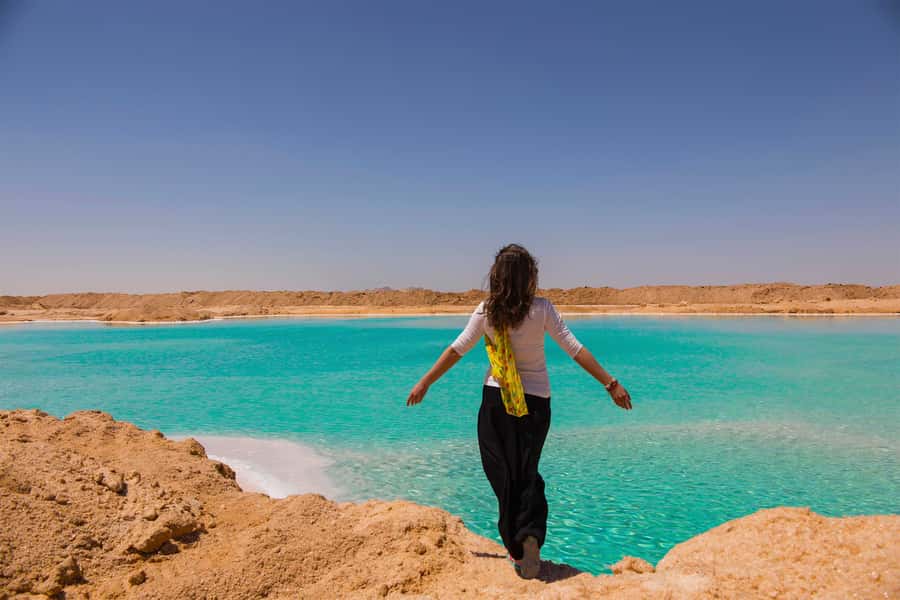
Siwa earns its reputation for water surprises. After the tomb and temple time, you go into dune-and-sun territory again, then land at the Siwa salt lakes for swimming. The color effects are intense, and the experience is physical in a fun way: floating, drifting, and taking your time rather than treating it like a quick splash.
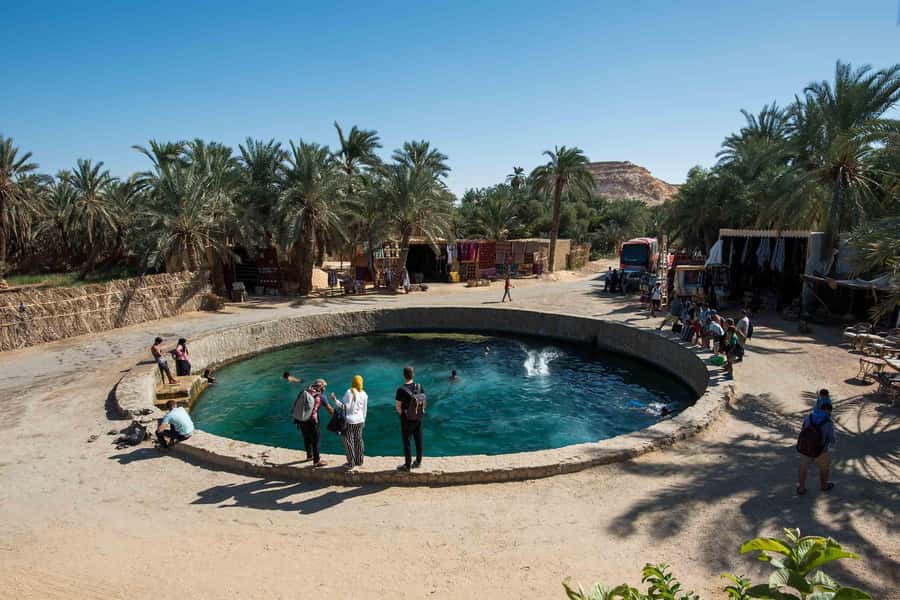
From there, you’ll visit Cleopatra’s Spring, described here as a natural spring water stone pool in the middle of a palm oasis. It’s the kind of stop that feels made for slow wandering around the water, with a chance to cool off and reset.
You’ll also get fruit juice while you’re enjoying the oasis landscape, which I find an underrated part of this day. In the desert, hydration and small food breaks keep the whole schedule from feeling like a grind.
Later, you’ll head to Hot springs and Cold lakes, where you get more dip time. That mix matters because it gives your body a variety of temperatures and your photos a variety of textures. Even if you’ve already swum once that day, these later water stops keep the experience from feeling repetitive.
You can also read our reviews of more museum experiences in Giza

Desert 4×4 safari, sandboarding, and Bedouin camp night
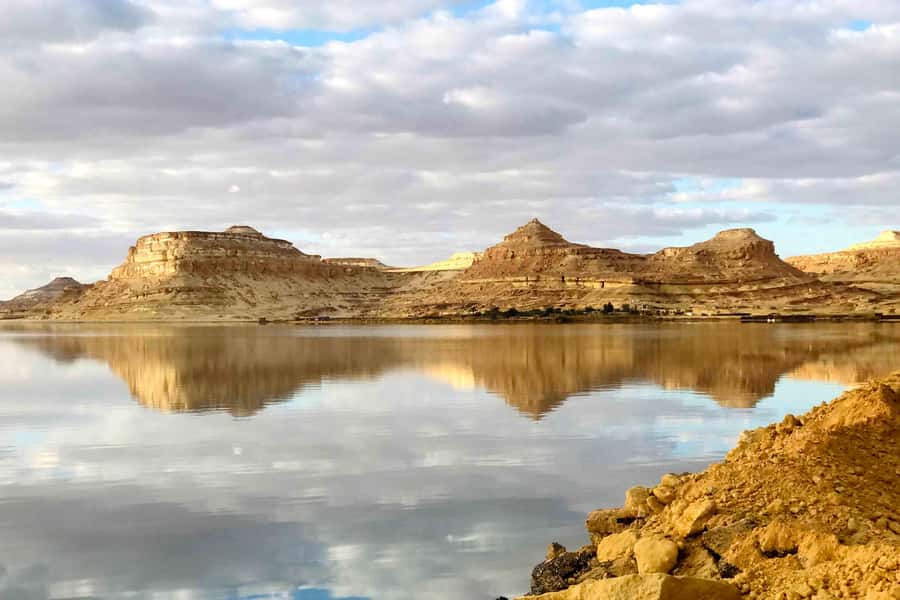
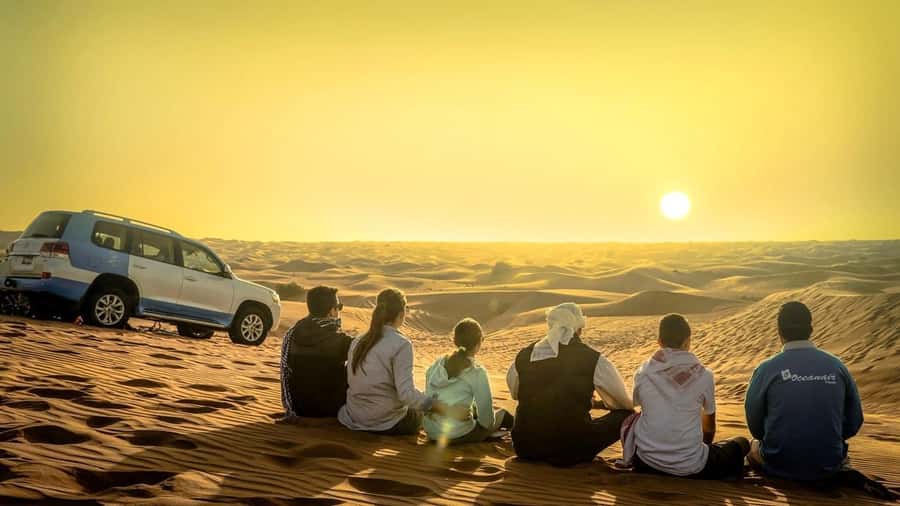
This is where Siwa turns into a full-on story. You’ll take a dune ride in a 4×4 vehicle, then drive across the Siwa Great Sand Sea during the late day. The emphasis here is sunset, and it makes sense: when the light changes, the dunes stop looking like sand and start looking like shape and movement.
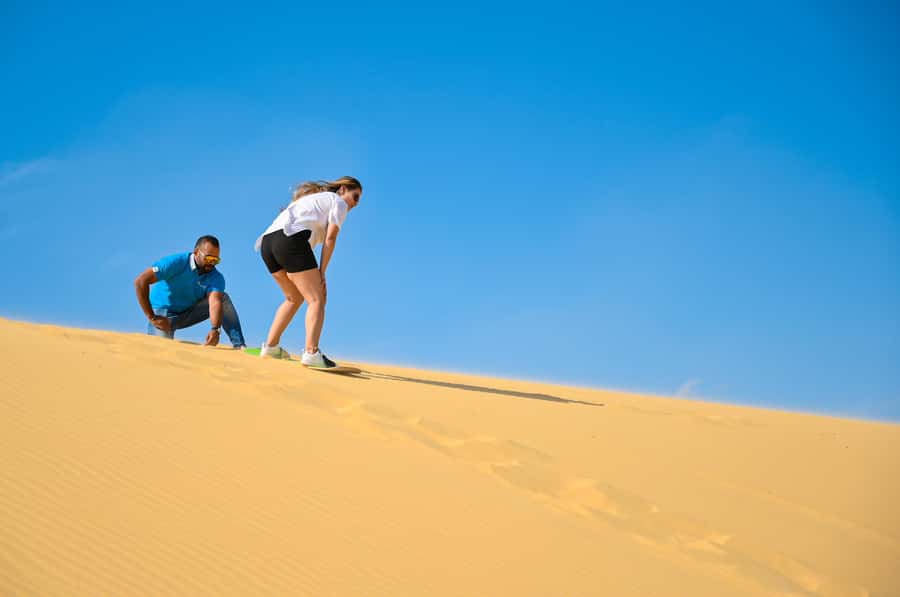
There’s an option to climb the highest dune for a sandboarding moment. If you enjoy trying one new active thing on vacation, this is a great place to do it because it’s built into the day rather than an extra add-on you have to manage yourself.
After the sand-time, you arrive at the Oasis Bedouin camp for an overnight stay. Dinner is BBQ, and the night is built for relaxing in tents. Tea and nuts are part of the evening rhythm too, so you’re not left searching for how to spend your night once the car stops.
One of my favorite practical impressions from the way this trip is run: the camp and safari segments feel organized, but not sterile. You’re allowed to enjoy the moment without feeling like you’re being marched through it.
Shali city and Siwa Old Souq: karshef architecture and real wandering time
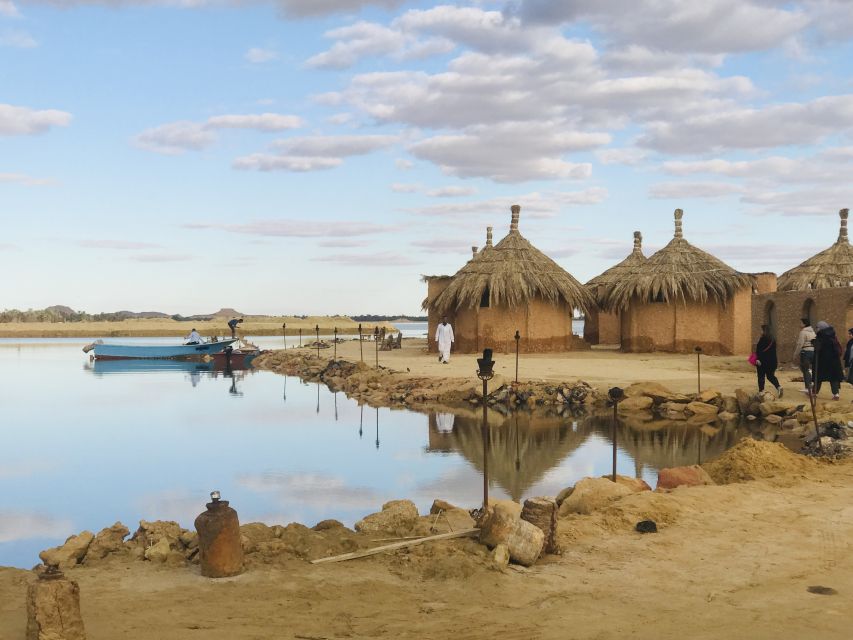
The last day returns you to Siwa’s built heritage. You’ll visit Shali city, built with karshef, a traditional Siwan construction material made from salt and clay. That material choice matters: it gives the city its distinctive look, and it helps you understand why buildings here feel more like a desert adaptation than a copy of Nile Valley architecture.
The tour also includes time at the Siwa Old Souq. This is your chance to slow down, browse, and shop at your own pace. I like having at least one flexible chunk like this at the end, because you can buy small things you actually want rather than rushing because the schedule says so.
Then it’s back on the road to Cairo/Giza for the return transfer.
Price and logistics: is $361 actually good value?
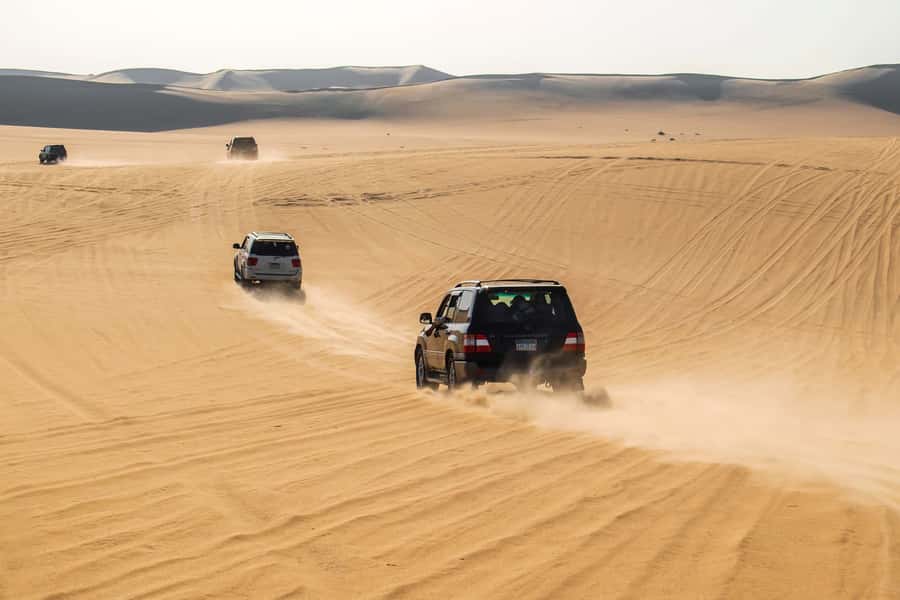
At $361 per person for 3 days, this trip doesn’t feel like a bargain, but it also doesn’t feel overpriced for what’s included. Siwa is far from Cairo, and the tour is built around a mix of paid experiences that are expensive to organize on your own: entrance tickets, an overnight stay (either 2 lodge nights or 1 lodge night plus 1 desert camp night), a 4×4 desert safari, and sandboarding.
You also get practical inclusions that add real value. Pickup and drop-off are included from Cairo/Giza (with wider pickup possible as an add-on option), lunches are included on day 1 and day 2, and there’s a BBQ dinner in the desert. Water is provided daily, and you’re traveling with a live guide in multiple languages.
The real value question for you is energy and interest. If you want a packed adventure without managing separate drivers, separate tickets, and separate hotel coordination, this price starts looking fair. If you already have a way to reach Siwa independently and you only care about one or two sites, you could potentially build a cheaper DIY plan. But most people don’t come to Siwa without wanting the whole story arc.
Who this tour fits best (and who should think twice)
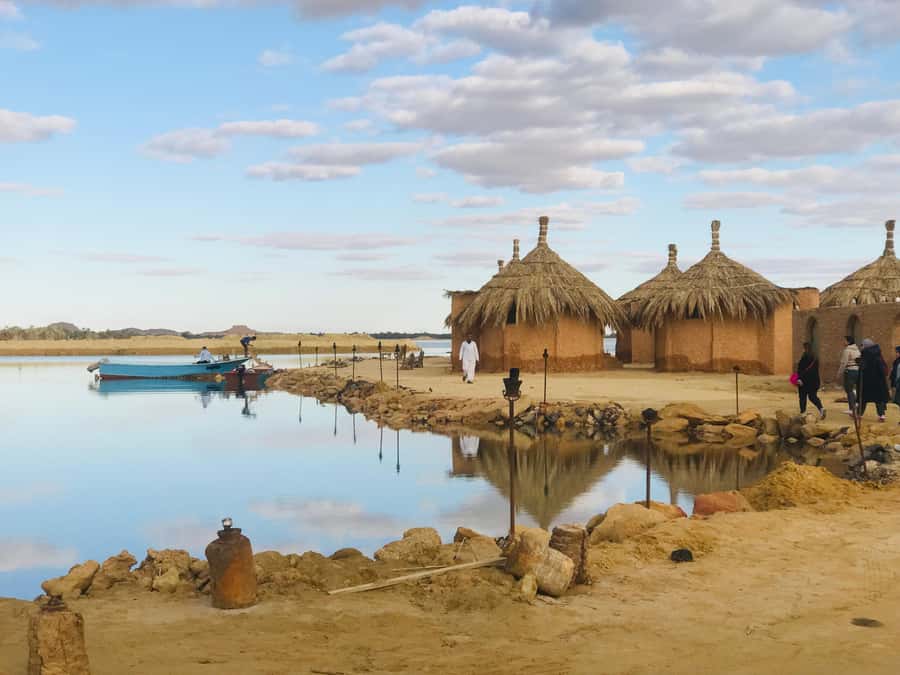
This is a strong fit if you want contrast. Cairo gives you big-city intensity. Siwa gives you desert calm, water surprises, tombs, and a desert night with BBQ and tea.
It also suits people who like active moments. The sand-time, walking at historical sites, and swimming stops mean you’ll be moving throughout the days. If you’re not into that kind of physical travel, you might find the schedule tiring.
The tour is not suitable for pregnant women or wheelchair users, based on the activity and transport setup described here.
If you do book, bring what the trip lists: a passport or ID card, comfortable shoes, windbreaker, sunglasses, sun hat, and a student card if relevant. Also note what’s not allowed: pets, oversize luggage, and alcohol and drugs.
Should you book the Cairo to Siwa 3-day tour?
I’d book it if you want Siwa to feel like a complete experience rather than a quick stop. The mix of El Alamein history, tombs at Mountain of the Dead, water at salt lakes and Cleopatra’s Spring, and a real desert safari with sandboarding gives you multiple “wow” moments without needing extra planning.
I’d pause and think twice if long road time is a dealbreaker for you, because the schedule is built around driving from Cairo and starting early. That said, the small-group feel, the air-conditioned vehicle, and the attention to timing and comfort from guides and drivers listed here make the journey feel more manageable.
If Siwa is on your Egypt list, this one is a practical way to make it happen, with the right balance of history, nature, and desert fun.
FAQ
How long is this Siwa Oasis tour?
It lasts 3 days.
What type of overnight stay is included?
You have 2 nights in a lodge in Siwa, or you can choose 1 night in a lodge and 1 night in a desert camp. The choice is optional with no additional cost.
What does the tour include for meals?
Lunch is included on day 1 and day 2, and there is a BBQ dinner in the desert on day 2. A daily light breakfast is also included.
How many people are in the group?
The group is small, limited to 13 participants.
Where is pickup available from?
Pickup is included from your accommodation in Cairo or Giza. There is also long-range pickup available as an add-on from several areas, including Alexandria, Cairo Airport areas, and multiple city districts listed in the options.
What languages are the tour guides?
The live tour guide is available in Arabic, English, German, Spanish, and Italian.
What should I bring, and what is not allowed?
Bring a passport or ID card, comfortable shoes, windbreaker, sunglasses, sun hat, and a student card (if applicable). Not allowed items include pets, oversize luggage, and alcohol or drugs.