REVIEW · LUXOR
From Luxor: 3-Day Nile Cruise to Aswan with Balloon Ride
Book on GetYourGuide →Operated by Special Egypt · Bookable on GetYourGuide
Flying over Luxor changes your morning. This 3-day Nile cruise package pairs a VIP hot-air balloon ride with guided temple days and two nights on a 5-star ship as you float toward Aswan.
I like two things a lot. First, the West Bank and East Bank days are built around an Egyptologist-style guide who explains what you’re seeing—Valley of the Kings inscriptions, Hatshepsut’s wall stories, and why Karnak is so mentally addictive. Second, the ship time is real “vacation mode,” with breakfast onboard on Day 2 and a lunch on the cruise while you transition toward Edfu. I also saw praise for guides including Mustafa, Mina Habib, Manel, and Emad Elsmaky, which is a strong sign you can get personable, helpful human direction when you’re on the move.
One consideration: balloon timing and whole-day pacing can get tight if there are scheduling shifts. A couple of reviews describe late pickups or a balloon wave that missed the advertised light, plus extra photo/video charges after landing—so I’d go in expecting early starts and being ready to move with the group.
In This Review
- Key highlights
- Balloon sunrise over Luxor: why the timing matters
- West Bank with a private Egyptologist: Valley of the Kings and Hatshepsut
- Colossi of Memnon and the East Bank shift to Karnak
- Sailing days on a 5-star Nile cruise: Edfu and Kom Ombo
- Horus Temple at Edfu: order, scale, and the Ptolemaic view
- Kom Ombo: the double temple you won’t forget
- Abu Simbel at 4:00 AM: the payoff temple run
- Price and value: what $750 buys (and what can cost extra)
- Who this trip suits best (and who should think twice)
- Practical tips to protect your time (especially with the balloon)
- Should you book this Luxor to Aswan Nile cruise with balloon?
- FAQ
- How long is the tour?
- When is pickup on Day 1 in Luxor?
- Is the hot air balloon ride included?
- What temples and sites are visited?
- What time is pickup for Abu Simbel on Day 3?
- Are entrance fees included?
- What languages are guides available in?
- Is airport or train station pickup included?
Key highlights
- VIP hot-air balloon ride with an early Luxor pickup (around 4:00 AM)
- Valley of the Kings + Hatshepsut with a private Egyptologist and guided context
- Karnak Temple on the East Bank, after the more dramatic West Bank stops
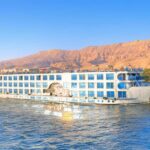
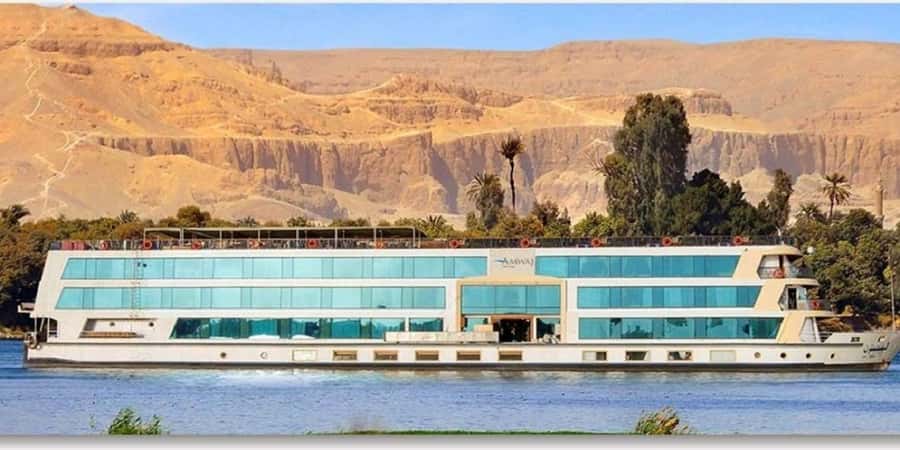
- 5-star Nile cruise comfort across 2 nights, including sailing toward Edfu and Kom Ombo
- Abu Simbel very early morning, with transfer in an air-conditioned vehicle
Balloon sunrise over Luxor: why the timing matters
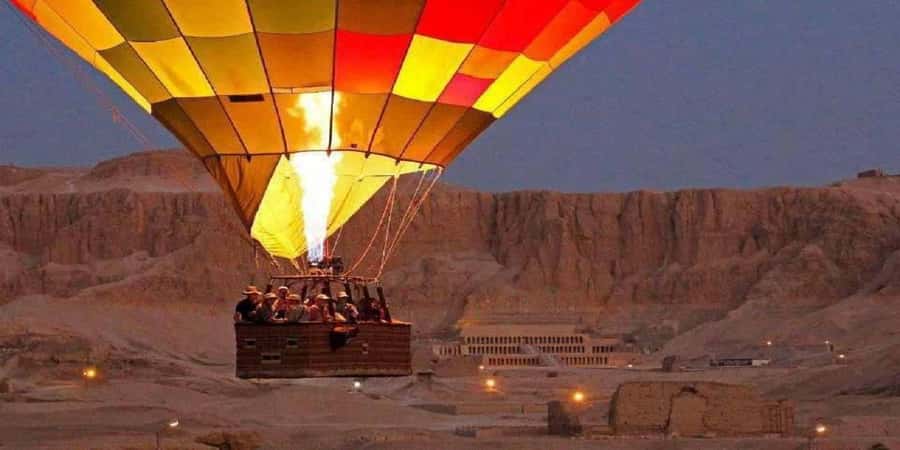
The whole trip starts before sunrise. On Day 1, you’re picked up from your Luxor accommodation very early—usually around 4:00 AM—to get you into the balloon experience while the air is still calm enough for a flight.
What makes the balloon part genuinely special is the angle it gives you. From above, Luxor doesn’t feel like a set of separate monuments. You see the Nile’s curve, the surrounding fields, and the way temples look like they belong to a bigger map of Egypt. It also sets the tone: you’re awake, you’re focused, and you remember what you came for—ancient Egypt, but seen with a modern sense of wonder.
Now for the practical reality. Balloon operations can be weather- and schedule-sensitive. In the feedback you shared, there were cases where the balloon didn’t happen as expected, or where the wave timing meant the ride didn’t line up with the light people hoped for. I can’t control that. But I can tell you what helps: be mentally prepared for very early logistics, and keep your expectations flexible on the exact “sunrise vs. sunset” feel.
You can also read our reviews of more boat tours in Luxor
West Bank with a private Egyptologist: Valley of the Kings and Hatshepsut
After the balloon, the day goes into full history mode, but in a way that should feel organized, not chaotic. You’re met with a private Egyptologist and driver for the West Bank route.
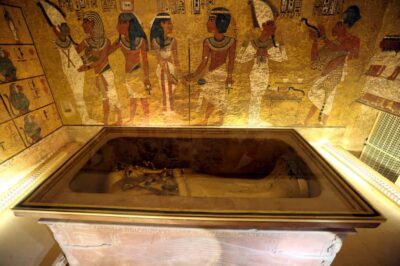
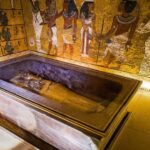
The first major stop is the Valley of the Kings. From the outside, it can look like dry rocky ground. Then the guided entry changes everything. The payoff here is the inscriptions and chambers—those painted stories that explain the afterlife worldview of ancient Egyptians. If you’ve ever wished temple tours came with a “what am I looking at?” cheat sheet, this is where it happens.
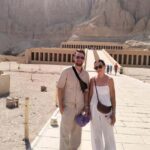
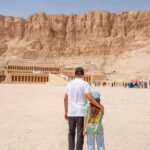
Next is the Temple of Hatshepsut. This stop is memorable because the walls tell stories you can connect to real geography. You’ll hear about Hatshepsut’s birth story and the trade trips to Punt—an area linked to modern regions such as Somalia or parts of the Arabian Peninsula. A good guide makes this feel less like trivia and more like a window into how Egypt saw power, trade, and legitimacy.
One small piece of travel wisdom: don’t try to “speed-run” the meaning. If you only catch half the explanations, you’ll still get the visuals. But when you do follow the guide’s threads, the valley feels like a coherent place instead of a checklist.
Colossi of Memnon and the East Bank shift to Karnak
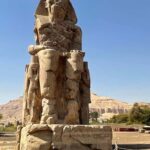
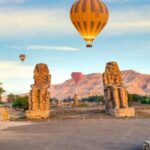
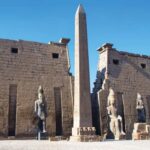
After the more tomb-heavy West Bank, you move to a monument that’s basically built for photos: the Colossi of Memnon. You get dramatic scale without needing a long walk, and it’s an easy spot to reset your brain after hours of inscriptions and temple carvings. In feedback, people specifically mentioned having fun and taking amazing pictures here.
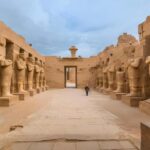
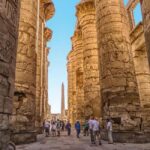
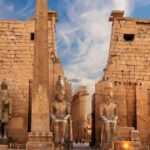
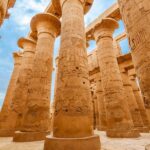
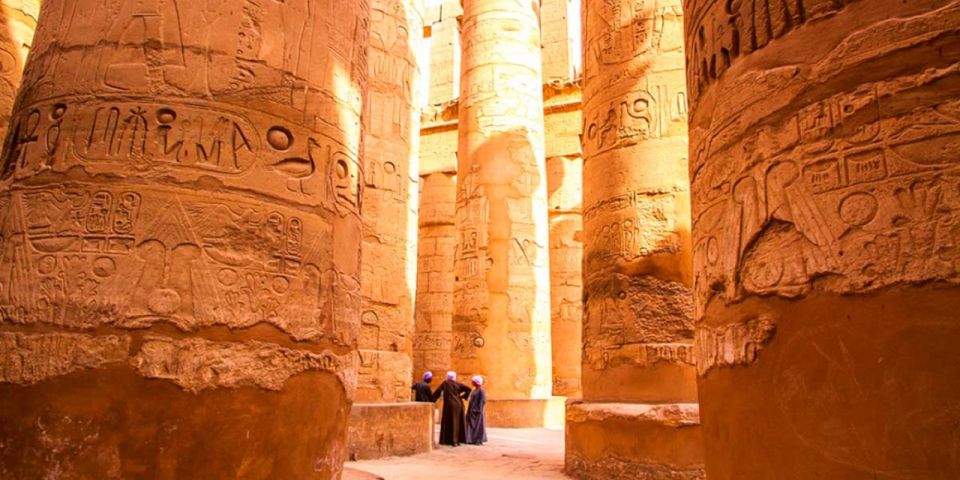
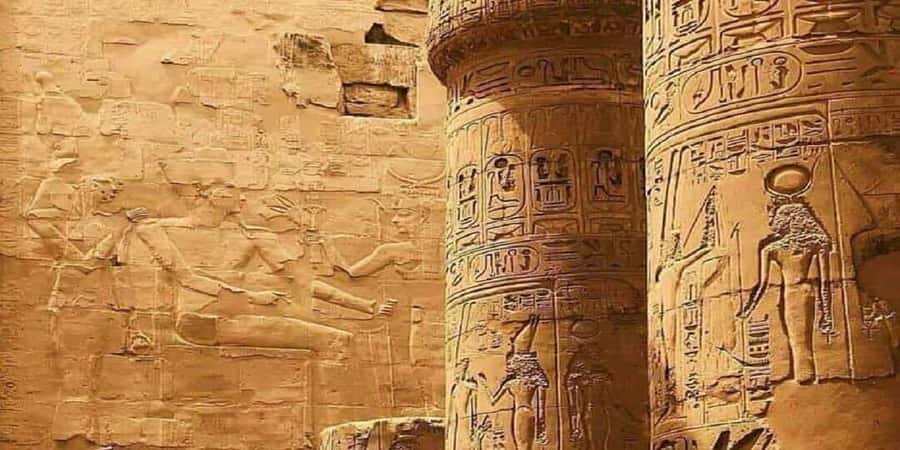
Then comes the East Bank, and the big one: Karnak Temple. Karnak can overwhelm you if you treat it like one stop. It’s really a whole temple complex, with three main temples, several smaller enclosed temples, and outer temples. That’s why guides matter here. You’re not just seeing ancient architecture—you’re tracing how different generations added to the site over a long timeline.
Karnak is also where you get a sense of Egypt’s long-building ambition. Even if you’re tired, Karnak has a way of pulling you back in because it’s visually dense. You keep noticing carvings, doorways, and structural rhythm. It rewards slow attention—so keep in mind pacing. If the day runs late (balloon schedule can affect this), you might have less time to linger where you want.
Sailing days on a 5-star Nile cruise: Edfu and Kom Ombo
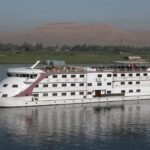
Once your Day 1 temple time ends, you’re rewarded with what you actually paid extra for: ship comfort. You’ll have lunch on the cruise ship, then start sailing up to Edfu. This is the first moment where the trip feels like a cruise instead of a moving temple tour.
Day 2 starts with breakfast onboard, then it’s back on land for two major temple stops, with sailing between them.
Horus Temple at Edfu: order, scale, and the Ptolemaic view
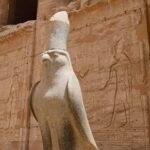
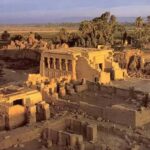
In Edfu, you’ll visit the Temple of Horus. The tour details you shared describe it as a “lost art” that shows the true spirit of ancient Egyptian civilization through the Ptolemaic dynasty lens. That’s a useful framing. It helps you understand why certain elements might feel different from earlier periods—this temple isn’t only about worship; it’s also about cultural continuity and how later rulers presented themselves as caretakers of Egyptian tradition.
You’ll likely get guided context that makes symbols feel less random. And you get to practice an important travel skill in Egypt: reading the temple like a story, not like separate decoration.
You can also read our reviews of more tours and experiences in Luxor


Kom Ombo: the double temple you won’t forget
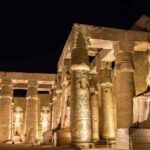
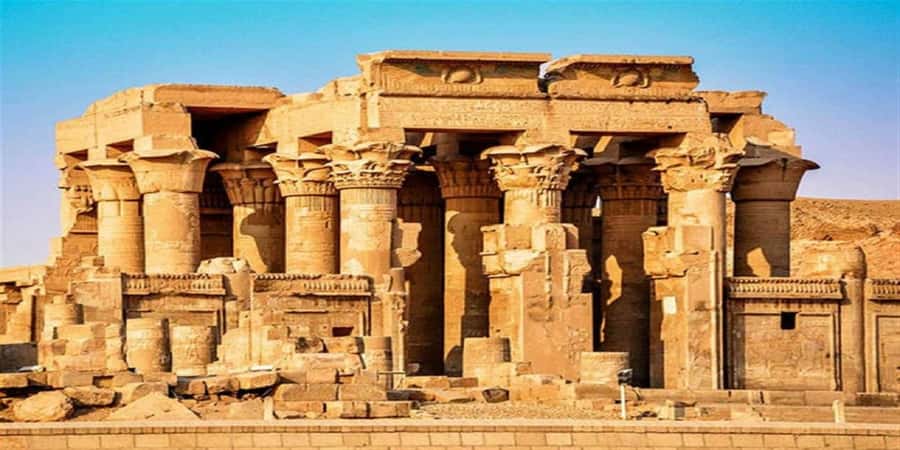
After Edfu, the ship continues sailing until Kom Ombo, where your guide meets you for the Temple of Kom Ombo. This one is special because it’s a double temple: dedicated to Sobek (crocodile god) and Horus (falcon-headed god). The layout combines two temples in one, with gateways and chapels on each side.
That dual structure is why this stop sticks. You’re basically comparing two religious “worlds” inside one building. If you like architecture that forces you to pay attention to organization, Kom Ombo delivers.
After the visit, you head back to the ship to relax and get ready for an early start the next morning for Abu Simbel.
Abu Simbel at 4:00 AM: the payoff temple run
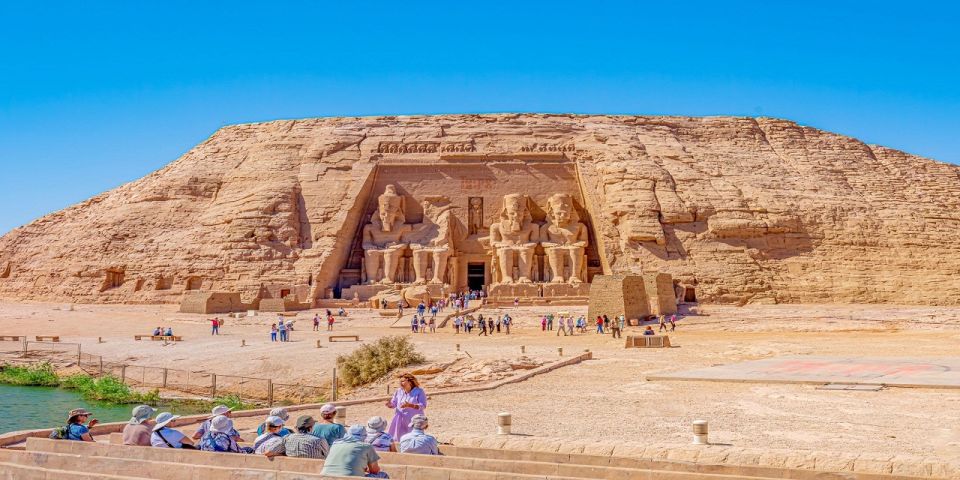
Day 3 is the early-morning final exam: you’ll be picked up from the reception very early—pickup for Abu Simbel is usually around 4:00 AM—and sent by air-conditioned vehicle to the Great Temple of Abu Simbel.
Before you go, the tour asks you to check out and leave your luggage in the reception. That’s not just housekeeping. It’s how the day stays efficient when you’re dealing with a long drive and a big must-see temple.
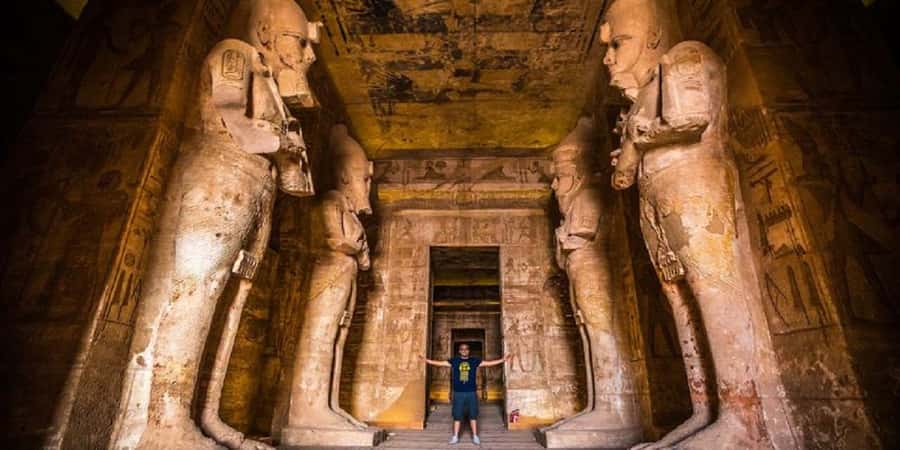
At Abu Simbel, you’ll explore a temple dedicated to Amun, Ra-Horakhty, Ptah, and Ramesses himself. The tour info frames it as one of the most beautiful temples commissioned during the Pharaoh’s reign, and the reason is fairly obvious: this is monumental propaganda made stone. When your guide explains the dedication and who’s represented, the temple stops being “just another famous one” and becomes a message in architecture.
After the visit, you return to the ship to collect your luggage and then get dropped off at your accommodation in Aswan.
Price and value: what $750 buys (and what can cost extra)
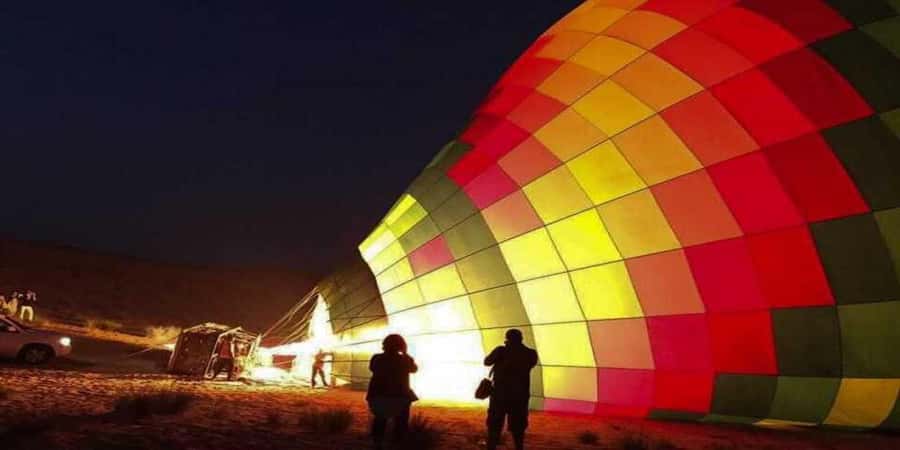
At $750 per person for 3 days, you’re paying for a bundle: transfers in air-conditioned vehicles, private pickup and drop-off, a professional English guide, a VIP hot-air balloon ride, and two nights on a 5-star Nile cruise with service charges and taxes.
Here’s how I’d judge value as a traveler:
- If you want the convenience of door-to-door transfers and set sightseeing flow, the package has real worth. Egypt can be smooth or stressful depending on organization.
- If you care about comfort during downtime, the 5-star cruise is the part that stops this from feeling like a relentless “temples all day” sprint.
- If you already have a guide you love and you’re traveling in a way that you can self-organize, $750 might feel steep.
But don’t ignore the “not included” items. Entrance fees to all attractions are not included, so you’ll want to budget for those on top of the $750. Also, while balloon photos/videos aren’t listed as included, some reviews mention extra charges after landing. I can’t guarantee your balloon team will do that, but it’s smart to assume there may be add-ons.
Who this trip suits best (and who should think twice)
This experience is a good fit if you want:
- a structured Luxor-to-Aswan arc with major highlights
- an expert guide helping you interpret what you’re seeing at key temples
- comfortable ship time between land visits
- a balloon ride treated as a real VIP activity
It may be less ideal if:
- you hate early starts and you need tight timing guarantees
- you dislike schedules that can shorten your “linger time” at museums and temples
- you’re the type who expects every included highlight to run exactly on the advertised timeline (balloon operations can shift)
Also, language matters. You’ll get a professional English guide, and there’s an option for Spanish, German, or French guides if you choose that option, which comes with an additional cost.
Practical tips to protect your time (especially with the balloon)
A few things will make a big difference on this kind of itinerary.
First: pack light and smart for the early morning. When you leave at around 4:00 AM, you don’t want to be hunting for chargers, sunscreen, or a hat at the last second.
Second: keep some flexibility about the balloon outcome. If the balloon wave shifts, it can affect the rest of the day’s pacing. If you’re the sort of person who needs “exactly 90 minutes at Karnak,” plan to be adaptable.
Third: at temples, don’t feel you must see everything equally. If a guide explains Hatshepsut’s Punt story, focus on that thread. If Karnak overwhelms you, pick a few areas to watch carefully and let the rest be context.
Fourth: about photos/videos. Since add-on requests show up in the feedback you provided, I’d treat any balloon media upsell as optional until you see what you’re actually buying. If you choose to pay, ask what the timeline is for delivery—then decide with your own risk tolerance.
Should you book this Luxor to Aswan Nile cruise with balloon?
I’d book it if you’re chasing a full package: balloon + expert-guided temples + comfortable Nile time over three days. The itinerary hits the obvious heavyweights—Valley of the Kings, Hatshepsut, Karnak, Horus at Edfu, Kom Ombo’s double temple, and Abu Simbel—and the cruise gives you breathing room.
I’d think twice if your balloon experience has to match a specific light moment, or if you’re not comfortable with the possibility of day timing getting squeezed. Since some reviews describe balloon delays and extra photo/video requests, you’ll sleep better if you go in expecting early logistics and potential add-ons.
If you do book, do it with one mindset: you’re buying convenience and big-name sites, not perfection on minute-by-minute timing. In Egypt, that mindset keeps the magic intact.
FAQ
How long is the tour?
The experience runs for 3 days.
When is pickup on Day 1 in Luxor?
Pickup from your accommodation in Luxor is usually around 4:00 AM.
Is the hot air balloon ride included?
Yes, a VIP hot air balloon ride is included.
What temples and sites are visited?
You’ll visit the Valley of the Kings, the Temple of Hatshepsut, the Colossi of Memnon, Karnak Temple, Horus Temple in Edfu, the Temple of Kom Ombo, and the Great Temple of Abu Simbel.
What time is pickup for Abu Simbel on Day 3?
Pickup for Abu Simbel is usually around 4:00 AM.
Are entrance fees included?
No. Entrance fees to the attractions mentioned are not included.
What languages are guides available in?
Arabic, English, French, Spanish, and German are available. A professional English guide is included, and there may be an additional cost to choose Spanish, German, or French.
Is airport or train station pickup included?
No. Airport/train station pickup and drop-off is not included.