REVIEW · LUXOR
From Hurghada: 3-Day Nile Cruise to Aswan & Hot Air Balloon
Book on GetYourGuide →Operated by Nice Tours · Bookable on GetYourGuide
Flying over Luxor is the headline here. I love the hot air balloon ride above Luxor’s temples and the way a 5-star Nile cruise strings Luxor and Aswan together without constant hotel moves; the trade-off is that early-morning timing and communication can be shaky, so you’ll want to stay alert on pickup details.
On the bright side, when everything clicks, the day-by-day pacing is excellent and the guidance can be strong. I’ve seen names like Hamdy and Wael tied to clear, well-explained visits, and Isaac for solid guiding, so it’s worth hoping you get one of the strong teams while you’re on board.
In This Review
- Key Highlights You’ll Actually Care About
- The 12:15 AM Pickup Grind (and Why You Should Be Ready)
- Hot Air Balloon Over Luxor’s Temples: Big Views, Short Patience
- West Bank Highlights: Valley of the Kings, Hatshepsut, and Photo Stops
- East Bank Karnak: When One Temple Becomes a Whole City
- The Nile Cruise Portion: Relax, Eat, and Check Your Cabin
- Edfu by Horse Carriage: One Temple That’s Surprisingly Easy to Appreciate
- Kom Ombo’s Double Temple: Sobek and Horus in One Stop
- Abu Simbel Day Trip: Ramses II’s Twin Temples Are a Lot to Take In
- Price and Logistics: What You’re Paying For, and Where Things Can Go Wrong
- Who This Trip Fits Best (and Who Might Want Another Option)
- Should You Book This 3-Day Hurghada to Aswan Package?
- FAQ
- What’s included in the price?
- Which temples and sites does the tour cover?
- Are drinks like water included?
- What languages are available for guiding?
- Is the hot air balloon ride suitable for children?
- What if I’m traveling alone and want my own room?
Key Highlights You’ll Actually Care About
- Hot air balloon over Luxor: Early start, big payoff, temples from above.
- Private guide time on both banks: West Bank tombs and East Bank Karnak in one flow.
- Temple hop that makes sense geographically: Edfu and Kom Ombo fit neatly between Luxor and Aswan.
- Abu Simbel in one day: Ramses II’s twin temples, including Queen Nefertari.
- Included meals on the boat: Lunch and dinner on Day 1, full-board on Day 2, breakfast box on Day 3.
The 12:15 AM Pickup Grind (and Why You Should Be Ready)
This trip starts the night before you really want to start anything. Expect a late-night pickup from Hurghada around 12:15 AM, followed by an air-conditioned private transfer to Luxor. The goal is simple: you need enough time to do the hot air balloon experience in the morning, plus temples later the same day.
Here’s the practical part: this is the stretch of the itinerary most likely to make people nervous. If you’re the type who hates unclear timing, set yourself up for success. Keep your phone charged, have your hotel contact info ready, and be prepared that pickup coordination can run late if a detail goes sideways. One person’s experience included confusion around pickup timing and missed sunrise balloon time, which is exactly the kind of chaos you want to avoid.
Tip I’d follow: confirm your exact pickup point and time with your operator the day before, even if you already booked. A quick check can save you from the worst-case scenario—being standing around, looking at your watch.
You can also read our reviews of more boat tours in Luxor
Hot Air Balloon Over Luxor’s Temples: Big Views, Short Patience
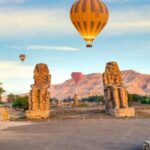
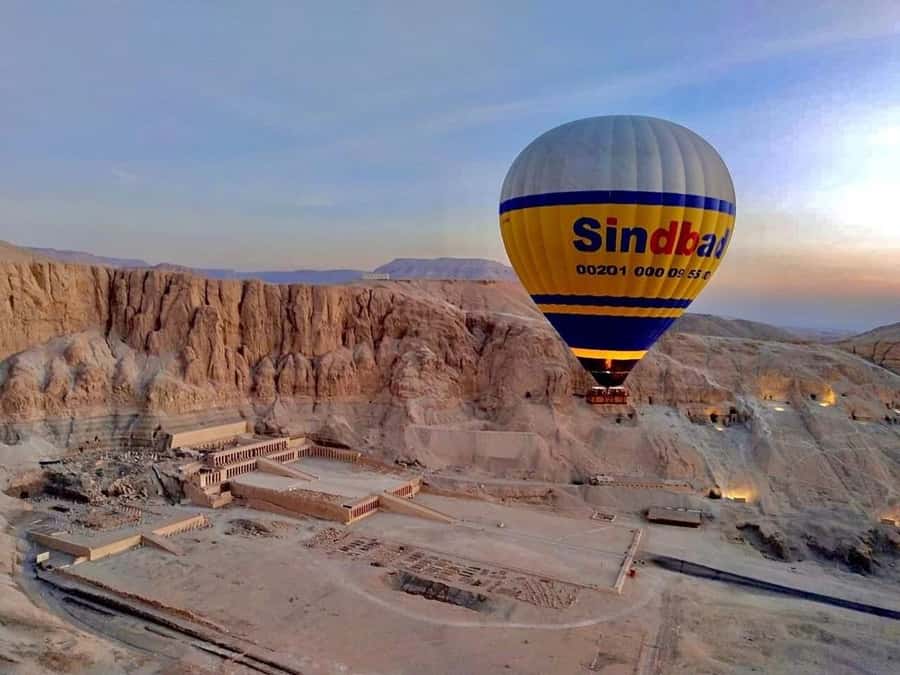
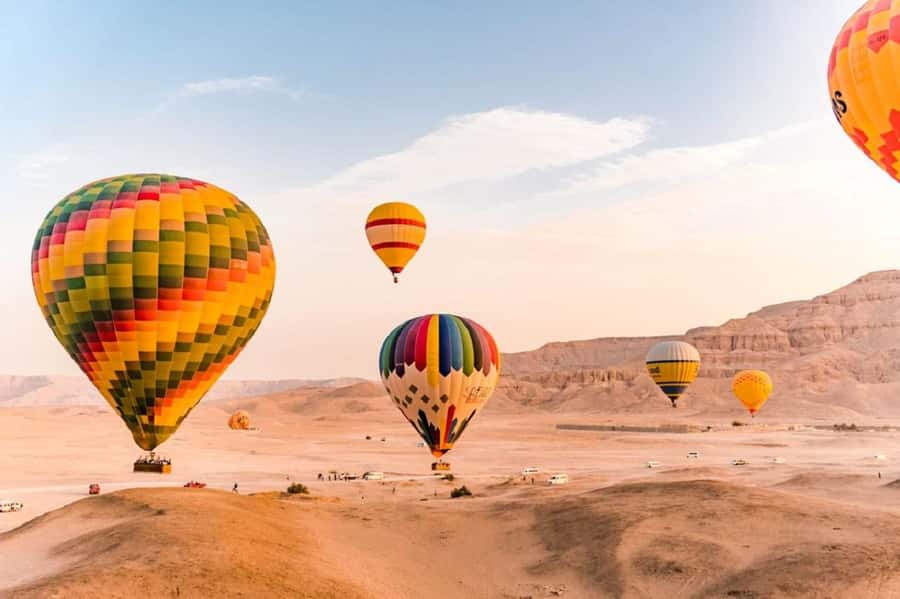
The hot air balloon ride is the emotional center of the whole program. After you land, you’re then able to explore Luxor’s West Bank with your private guide, so the day is designed like a one-two punch: sky first, then temples.
A key rule: the minimum age for the balloon ride is 6 years old. If you’re traveling with kids, plan around that requirement early so you don’t get stuck at the last minute.
What makes this balloon experience special is the combination. You’re not just floating over “Egypt somewhere.” You’re flying over a concentrated cluster of ancient sites and the Nile corridor. From the air, the temples and ruins look more orderly and intentional—like you’re seeing how the whole civilization was laid out across the river.
One more reality check: balloon schedules can be sensitive. Weather can affect timing. And yes, logistics matter here. If the pickup timing slips, balloon time can slip with it. That means you should treat your morning like you’re catching a flight: you give yourself breathing room, even if that feels annoying.
West Bank Highlights: Valley of the Kings, Hatshepsut, and Photo Stops
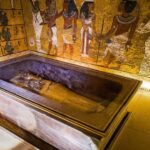
After balloon landing, your West Bank tour is the kind of classic Luxor route that most people only see once. You’ll head to the Valley of the Kings and enter three of its most famous tombs. Going inside a tomb is where history turns from “nice photos” into “wow, this was built for a purpose.” The paintings and layouts are specific, and each tomb has its own feel.
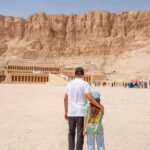
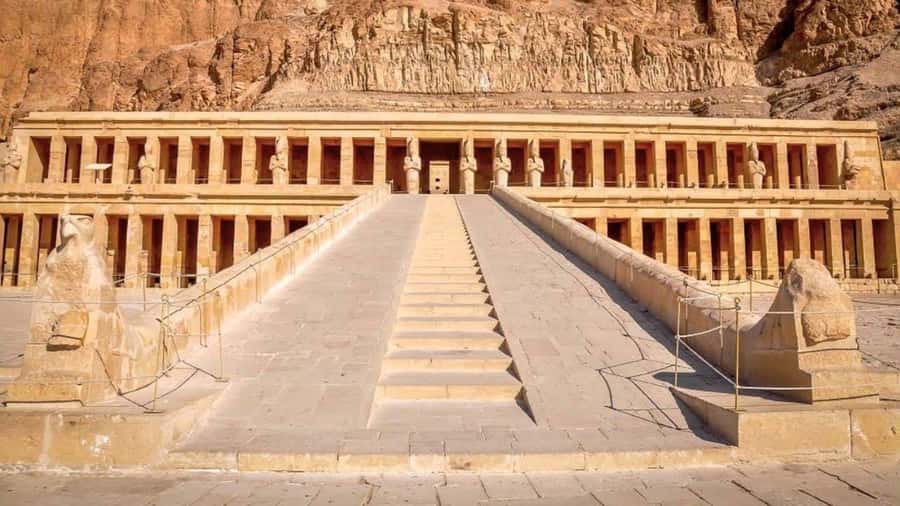
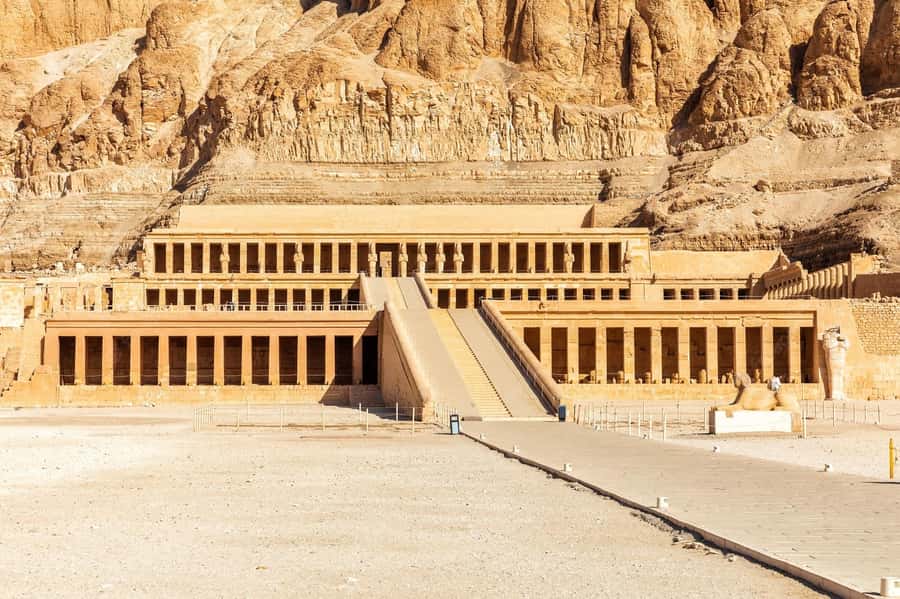
Next is Hatshepsut’s Mortuary Temple. This is one of the most striking temple designs on the West Bank—built into the cliffs with an “engineered into the rock” look that photographs well and feels even better in person. If you like visual geometry and dramatic architecture, you’ll probably understand why this is a must-do.
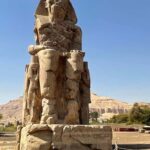
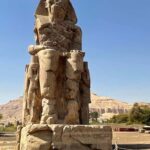
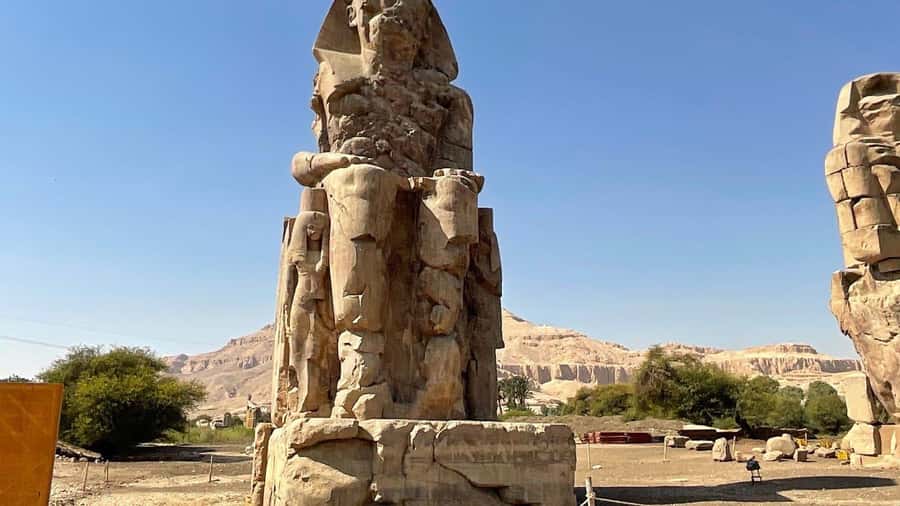
Then you stop at the Colossi of Memnon for photos. They’re not just background statues. Standing there makes you realize how massive ancient building projects were—and how the Nile and roads shaped what survived.
One thing I appreciate about doing these stops as a guided route is timing. With a private guide, you can ask questions and get straight answers instead of wandering and hoping. Some guiding experiences in the wider marketplace are uneven, but the stronger Egyptologists and guides I’ve seen mentioned—like Hamdy and Wael—tend to make the tombs and temple meanings click fast.
East Bank Karnak: When One Temple Becomes a Whole City
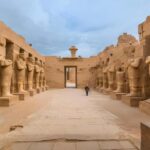
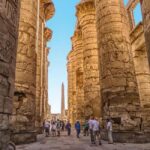
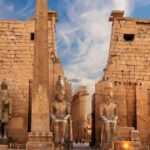
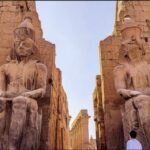
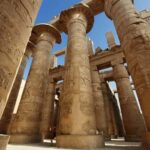
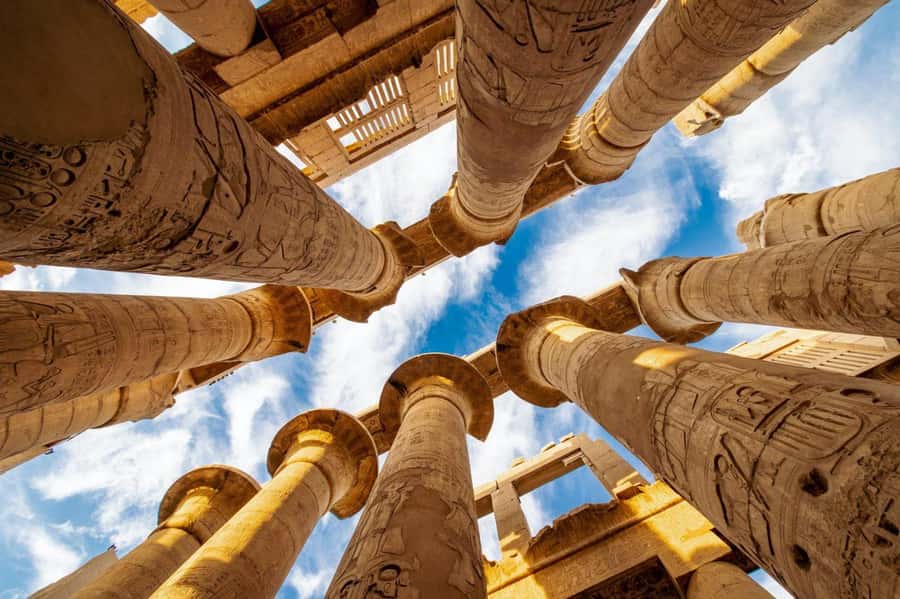
Karnak Temple is Egypt’s biggest religious complex dedicated to Amun and his divine family. You’ll likely feel the scale more than you expect. Karnak isn’t one building. It’s a sprawling site that grew over time, with spaces that change mood as you move through halls and courtyards.
This day is timed so you finish West Bank, then shift to the East Bank, then you head back to the cruise. That sequencing helps because you’re not trying to cram everything into one static day with no rhythm. You get West Bank drama, then East Bank monumentality, then a chance to reset on the Nile.
If you’re someone who likes architecture, Karnak gives you details to watch: the layout, the repeated columns, and the way the sacred axis pulls you forward. With the right guide, it stops being overwhelming and starts being understandable.
The Nile Cruise Portion: Relax, Eat, and Check Your Cabin
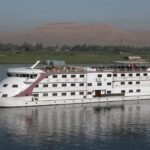
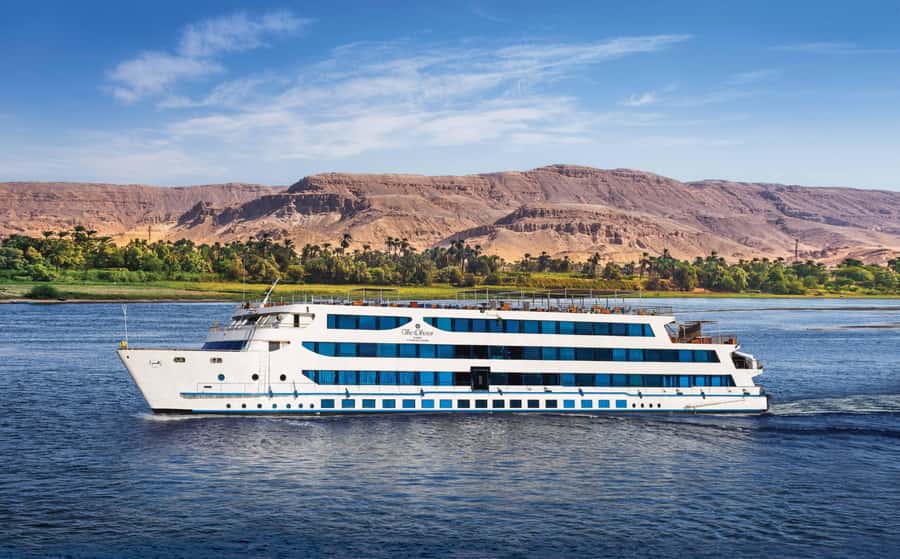
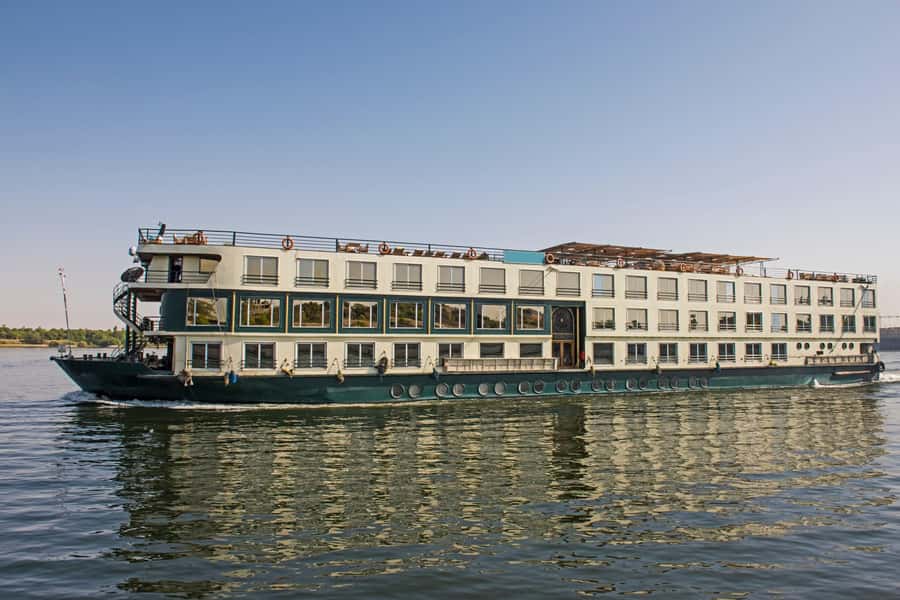
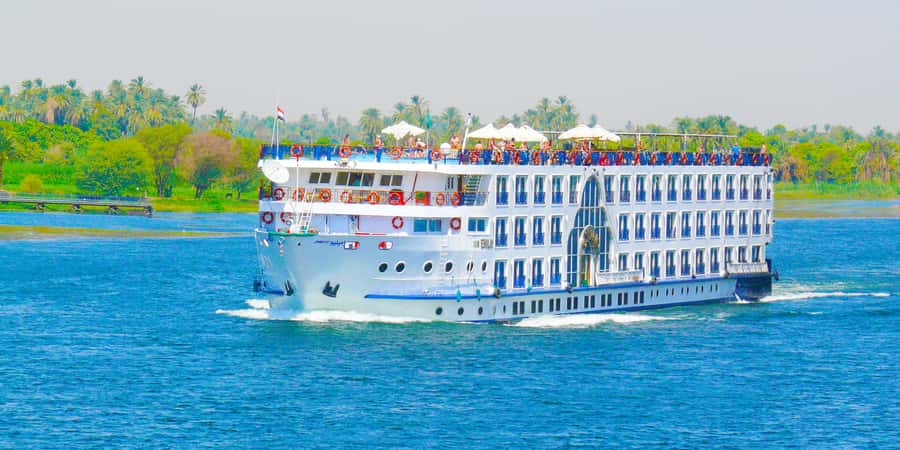
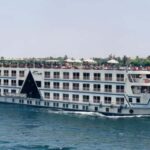
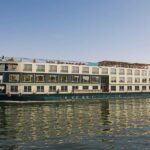
After your Luxor sightseeing, you board a 5-star Nile cruise. The ship part of this tour is built for downtime. You’ll have lunch and dinner onboard on Day 1, and Day 2 is full-board (breakfast, lunch, dinner). On Day 3, you’ll check out early and take a breakfast box with you.
Value-wise, this is smart. You’re not paying for a luxury hotel night and then paying again for internal travel logistics. The cruise turns the distance between cities into part of the experience.
That said, feedback on “5-star” can vary. In the broader world of Nile cruises, some ships are older than they advertise. I’d treat your cabin like a check-in, not a given. When you get to your room, take a few minutes to inspect cleanliness, bathroom condition, and bedding. If anything feels off, report it right away.
On the food side, meals are included, but drinks (including water) are not. So plan to budget for beverages onboard if you’re picky about water or prefer certain drinks.
You can also read our reviews of more tours and experiences in Luxor

Edfu by Horse Carriage: One Temple That’s Surprisingly Easy to Appreciate
Day 2 starts with breakfast onboard, then you head to Edfu by horse-drawn carriage. That carriage ride isn’t just a cute photo stop. It’s a reminder that the tourism route here is still shaped by local transport traditions, even as you’re visiting a major ancient site.
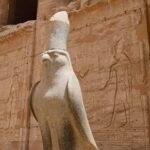
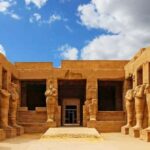
Edfu Temple is one of the best-preserved temples in Egypt and dedicated to Horus. It tends to be easier to connect with than some larger, more scattered sites because it’s so well preserved. You’ll see the temple’s structure clearly, and with a guide, the symbolism becomes far less mysterious.
After Edfu, you return to the cruise for lunch, then sail toward Kom Ombo. That “sail time” matters because it gives you a natural break before the next temple block.
Kom Ombo’s Double Temple: Sobek and Horus in One Stop
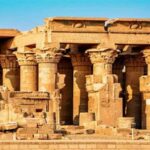
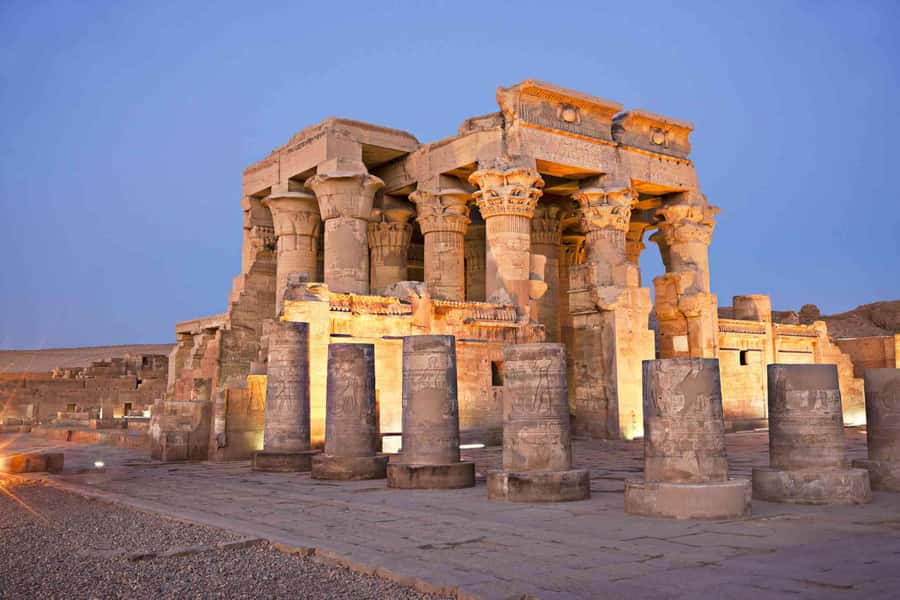
Kom Ombo is the unique double temple dedicated to Sobek and Horus. The design has symmetrical sanctuaries, and the Nile-side views are part of the appeal.
This stop works well in the itinerary because you’re shifting from one temple focus (Edfu/Horus) to a pair of cults (Kom Ombo/Sobek and Horus). With a good Egyptologist, you’ll start seeing patterns—how each site communicates power, protection, and the sacred order.
Also, because you’re on the cruise, you don’t have to wrestle with new hotel check-ins or long day logistics. You go to the temple, then return to the ship for dinner and overnight.
Abu Simbel Day Trip: Ramses II’s Twin Temples Are a Lot to Take In
On Day 3, you check out early and keep your breakfast box with you. Then you join a small-group tour to Abu Simbel, one of Egypt’s most awe-inspiring sites.
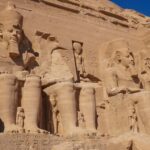
Abu Simbel features twin temples built by Ramses II. One is dedicated to him, and the other is dedicated to Queen Nefertari. The key feeling here is the scale of ambition. These temples were built to command attention, and they still do.
Ending around 2:30 PM gives you options. You can either stay in Aswan and be dropped off anywhere in the city, or take a private transfer back to Hurghada at no extra cost.
That flexibility is a real value. It lets you turn the trip into two styles of vacation: temple-focused in Aswan afterward, or go back to Red Sea relaxation immediately.
Price and Logistics: What You’re Paying For, and Where Things Can Go Wrong
At about $1,200 per person for 3 days, you’re paying for a bundle: transfers from Hurghada, a hot air balloon ride, private guiding, major temples across Luxor and Aswan, and two nights on a cruise with meals.
So where does the value come from?
- You’re stacking big-ticket experiences (balloon + multiple temples + Abu Simbel) into one coordinated run.
- Meals are included on the boat, which reduces daily spending.
- Entrance fees aren’t included, so your total trip cost depends on what you pay once you’re there.
- Drinks aren’t included, including water, so plan for onboard purchases.
Now the caution part. Mixed experiences show up around coordination. One account included multiple guide communication issues and even concerns about ship cleanliness. Another included balloon timing problems tied to pickup confusion. That doesn’t mean every departure goes badly. It means you should treat timing as your job on this trip.
If you want the best odds:
- Confirm pickup timing in advance (especially for the early morning).
- Make sure your language preference is clear before you go. The material says the Egyptologist is expert in English, and other languages are available (Spanish, German, French, Arabic as options).
- Keep a phone number accessible and don’t assume the driver will magically appear exactly on schedule.
When the guide is strong, the experience level jumps fast. The good names that pop up—Hamdy, Wael, Isaac, Zeinab—are linked to clear explanations and solid care. That’s the difference between seeing temples and truly understanding what you’re looking at.
Who This Trip Fits Best (and Who Might Want Another Option)
This tour is a great fit if you want:
- A high-tempo, highlight-heavy Egypt sampler (Luxor + Aswan + Abu Simbel).
- A single organized route where meals and overnight logistics are handled.
- The hot air balloon experience, not just another temple day.
It may be less ideal if you:
- Hate uncertainty around pickup times.
- Need strict control of daily schedule down to the minute.
- Are very sensitive about ship cleanliness and want guarantees in writing (because feedback varies).
Should You Book This 3-Day Hurghada to Aswan Package?
I’d book it if balloon time and temple sequence are your priorities and you’re willing to manage the one weak spot: early-morning logistics. The combination of hot air balloon, Luxor’s West Bank tombs, Karnak, Edfu, Kom Ombo, and Abu Simbel in a single trip is hard to beat.
Skip or reconsider if you know you’ll stress about timing on the first night pickup, or if “5-star” cleanliness is a non-negotiable for you without inspection. If you do book, do the proactive stuff: confirm pickup details, keep contact info handy, and treat Day 1 like the most important piece.
FAQ
What’s included in the price?
Pickup and drop-off from Hurghada, the hot air balloon ride, private tours, 2 nights and 3 days on a 5-star boat with a private cabin, meals, an expert English-speaking Egyptologist guide, and a horse carriage ride. Temple entrance fees and drinks (including water) are not included.
Which temples and sites does the tour cover?
You’ll visit Luxor’s West Bank sites (Valley of the Kings with entry to three tombs, Hatshepsut’s Mortuary Temple, and the Colossi of Memnon), Karnak Temple, Edfu Temple, Kom Ombo Temple, and Abu Simbel with the twin temples of Ramses II and Queen Nefertari.
Are drinks like water included?
No. Drinks including water are not included, even though meals are included on the cruise.
What languages are available for guiding?
Spanish, English, French, German, and Arabic are listed as available languages.
Is the hot air balloon ride suitable for children?
The minimum age for the hot air balloon ride is 6 years old.
What if I’m traveling alone and want my own room?
If each person wants their own room for single accommodations, you need to make separate bookings to get single rooms.