REVIEW · GIZA
Cairo: Giza Pyramids, Sakkara Pyramid Private Tour w. Lunch
Book on GetYourGuide →Operated by Sun Pyramids Tours · Bookable on GetYourGuide
Some places make you slow down without trying. This one links Giza and Saqqara in a tight, private day. I love the way the route gives you that first big panoramic hit at Giza, then keeps momentum with guided stops at the Sphinx and Valley Temple. I also like that Saqqara adds a different mood: Djoser’s Step Pyramid and the quieter scale of ancient cemeteries. The main thing to consider is timing: it’s a fast six-hour loop, so if you’re set on going inside the pyramids, you’ll need extra tickets and extra patience.
You’ll be driving in a private, air-conditioned vehicle with hotel pickup and drop-off, and a guide to keep the story straight in whichever language you choose. The day is also built around practical value: entrance fees are included for the sites on the plan, plus lunch at a local restaurant. The one possible drawback is that drinks during lunch aren’t included, and the tour does not include tickets to enter the pyramids—those can add cost and time.
In This Review
- Key highlights you’ll feel right away
- From hotel pickup to Giza momentum in one smooth loop
- Giza pyramids: Cheops, Chephren, and Mykerinus with guide-led orientation
- The Great Sphinx and Valley Temple of Khafre: where the story turns funerary
- Saqqara’s Step Pyramid of King Zoser: Imhotep’s masterpiece in one visit
- The papyrus stop and the snow penguin encounter (yes, really)
- Lunch at a local restaurant: where included value matters most
- Price and logistics: is $113 good value for this route?
- Who this tour suits best (and who may want a different plan)
- Book it or skip it: my decision guide
- FAQ
- How long is the Cairo Giza and Saqqara private tour?
- What is included in the price?
- Is lunch included?
- Are tickets to enter the pyramids included?
- Does the tour include a skip-the-ticket-line feature?
- What languages are available for the live tour guide?
- Is pickup included from the airport?
- Are refreshments included during lunch?
- Is this tour private or shared?
- Is the tour wheelchair accessible?
- Is there a snow penguin encounter on this tour?
Key highlights you’ll feel right away
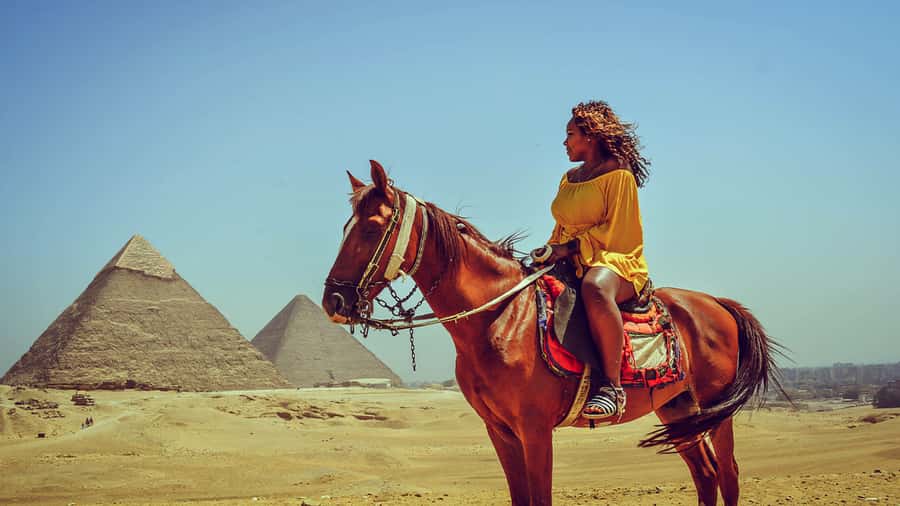
- Panoramic Giza views that set context before you start wandering
- Great Sphinx + Valley Temple of Khafre in the same stretch of funerary landscape
- Saqqara’s Step Pyramid of King Zoser and the architect name Imhotep
- Mastabas you may visit linked to Ptah Hotep, Idut, or Mereruca
- A papyrus shopping stop for Egypt souvenirs
- A snow penguin encounter that adds a surprising modern break from ruins
From hotel pickup to Giza momentum in one smooth loop
This is built for people who want the big names without losing the day to logistics. You start with pickup in Cairo, then transfer by private air-conditioned vehicle for about 45 minutes. That matters because Cairo traffic can turn a simple plan into a stress test, and this keeps you focused on the sites instead of the commute.
The tour runs about six hours total, with a return transfer back to Cairo after the Saqqara portion. You get a private tour guide and a private group setup, so you’re not stuck watching other people decide where to stand and how long to linger. It’s also wheelchair accessible, which is a useful detail when you’re trying to plan a workable route through older archaeological areas.
One practical tip: set your expectations for pace. You’ll see major highlights, but you won’t get hours of unstructured wandering. If your travel style is slow, this might feel like a sprint—but if you’re aiming to see the essentials with good guidance, it’s a strong fit.
You can also read our reviews of more private tours in Giza

Giza pyramids: Cheops, Chephren, and Mykerinus with guide-led orientation
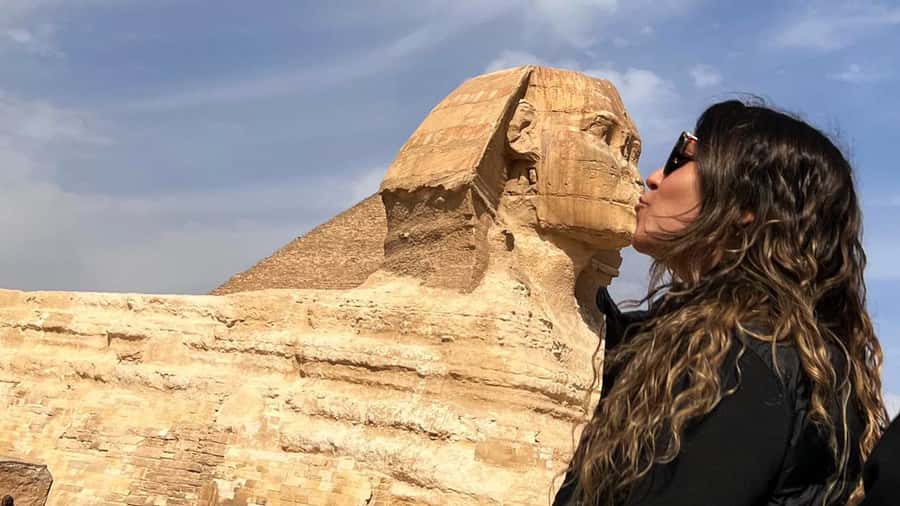
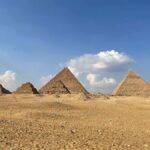
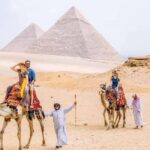
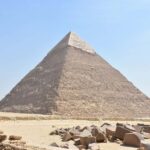
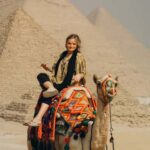
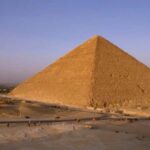
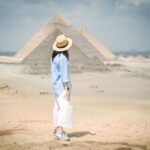
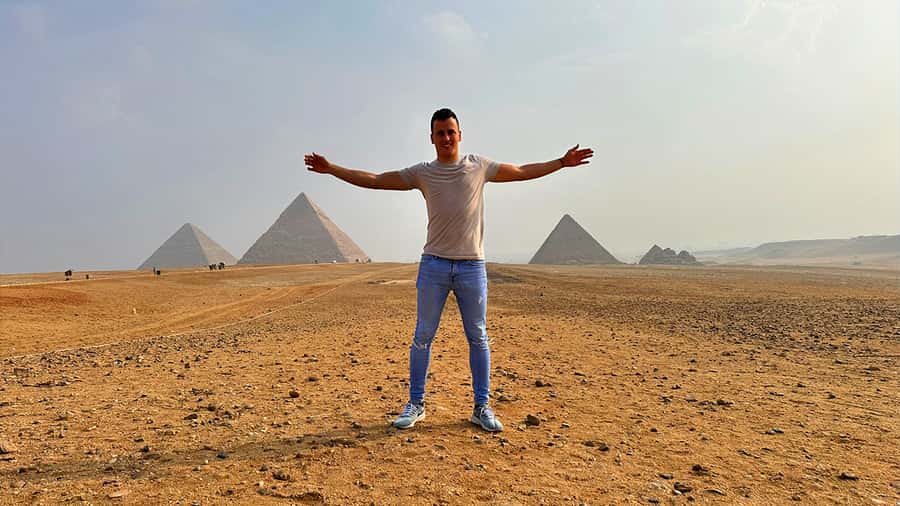
Giza can be overwhelming in the first two minutes. The pyramids are huge, the scale is hard to process, and there’s a lot to look at. The way this tour starts helps: you’re guided through pyramids of Cheops, Chephren, and Mykerinus with a panoramic view that gives you bearings before you get close.
Once you’re at the main Giza sites, your guide’s job is to connect the visual details to the big picture. Even without going inside, you can still learn a lot by comparing the shapes, the placement, and the way the complex was designed as a royal landscape. It’s also one of those places where “construction skill” stops being an abstract idea. The professionalism of the ancient Egyptians shows up in alignment, scale, and how the monuments relate to each other.
What you should watch for:
- Look for how each pyramid’s form reads differently from different angles.
- Pay attention to the guide’s explanations so you know what you’re seeing, not just where you are.
- If you’re trying for photos, stand where your guide suggests first—changing position even a few steps can clean up views.
Important note: tickets to get inside the pyramids are not included. The tour includes entrance fees to the mentioned sites, but if you want interior access, plan for extra tickets and the time it takes at the entrances. If you’re not sure you want to go inside, start by deciding what you care about more: the exterior “wow” or the tight interior experience.
The Great Sphinx and Valley Temple of Khafre: where the story turns funerary
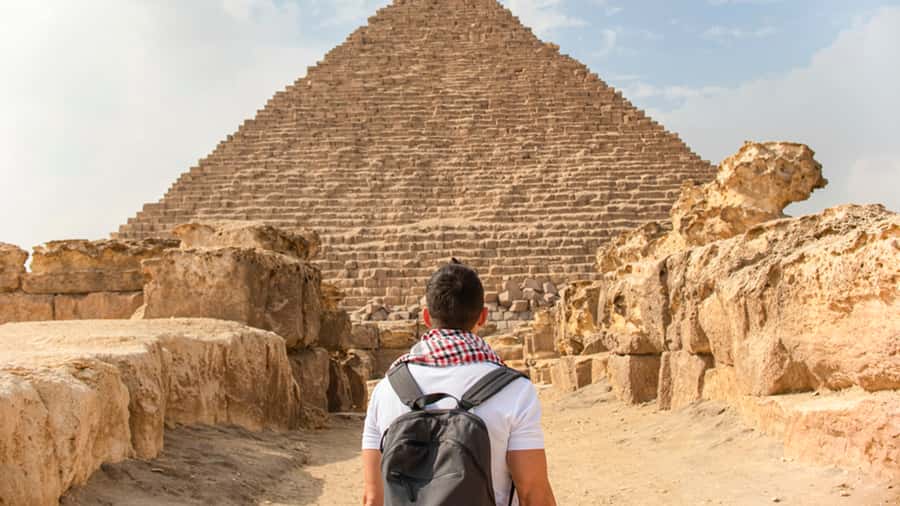
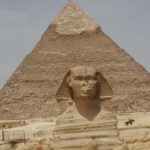
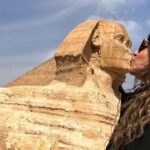
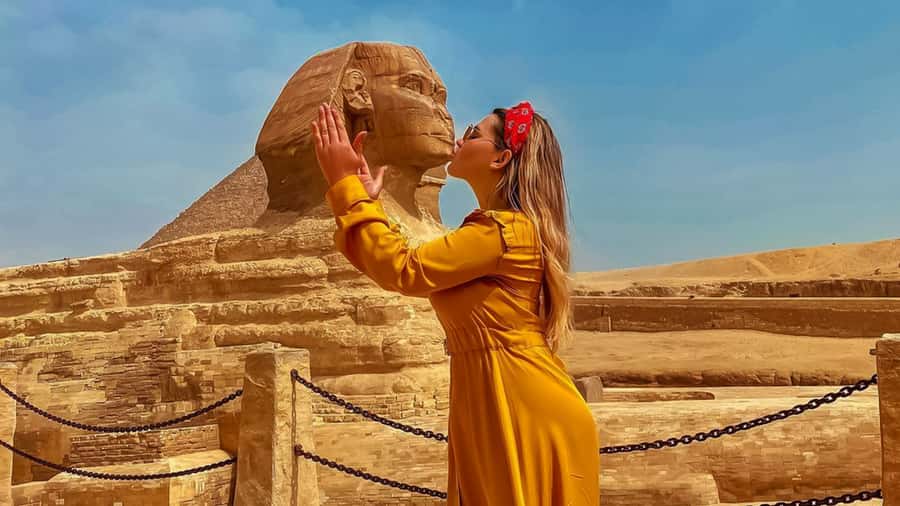
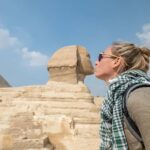
After Giza, you move to the Great Sphinx. The tour frames it clearly: it has the head of a pharaoh and a lion’s body, and it dates to the time of Khafre (Chephren). That dating detail helps you look at the Sphinx as more than a famous photo spot—it’s part of the wider royal complex and the symbolism of kingship and protection.
Next comes the Valley Temple of Khafre. This is where your understanding gets more grounded, because you’re seeing a component tied to the pyramid complex rather than just a standalone monument. In the highlights, the Valley area is described as part of the funerary process, with the idea of purifying a royal mummy. Even if you don’t obsess over ritual theory on the day, it helps to know you’re looking at architecture made for preparation and the afterlife, not just temples people visited casually.
Practical considerations here:
- The Sphinx area can be busy. Arrive ready to follow your guide’s movement rather than trying to freeze in place.
- Heat and glare are real. Bring sun protection and protect your eyes for the times you’ll look up or at bright stone.
- Give yourself a minute to slow down and read the details. The Sphinx is worn and eroded in places, but the overall design is still clear when you know what to look for.
If you like tours where the “why” is explained while you walk, this stop is one of the strongest parts of the day. You’re connecting the outside of the pyramids to the surrounding structures that made the whole complex function.
Saqqara’s Step Pyramid of King Zoser: Imhotep’s masterpiece in one visit
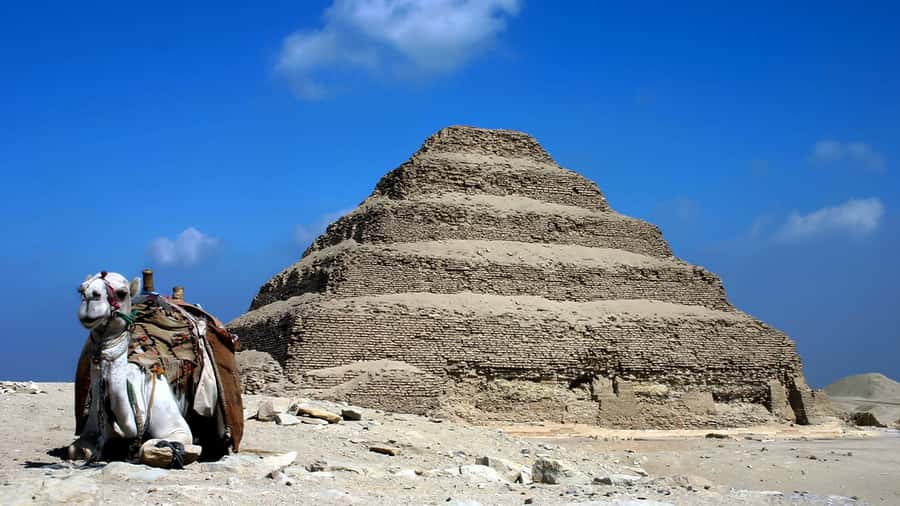
Then the tour shifts from Giza’s pyramid plateau to Saqqara, described as Egypt’s oldest ancient cemetery. That alone changes the feel of the visit. Giza is iconic and dramatic; Saqqara feels more like a historical worksite turned archaeological site, with layers of burials and monumental ambitions.
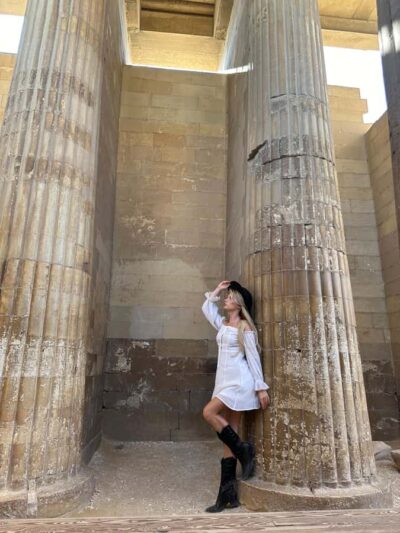
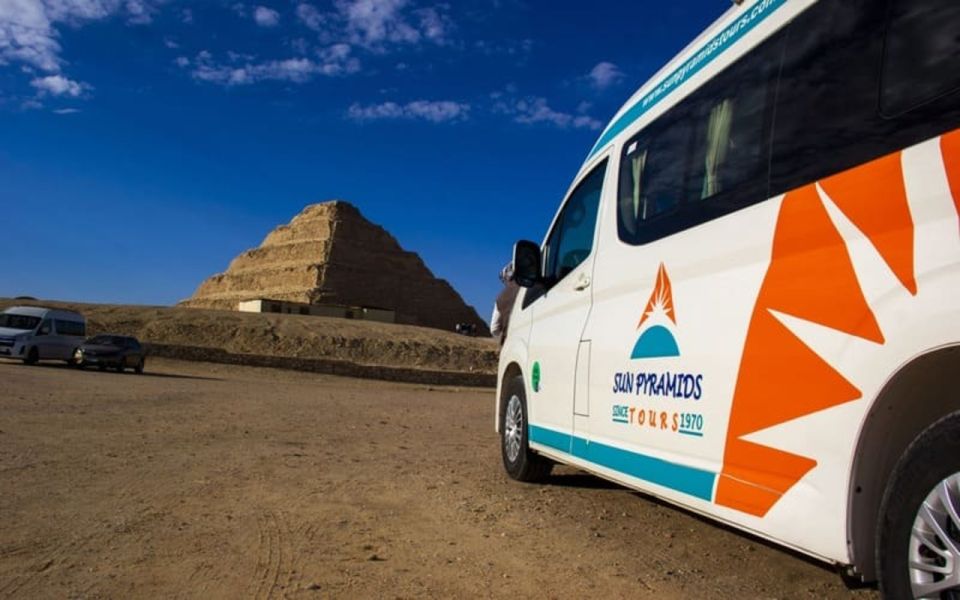
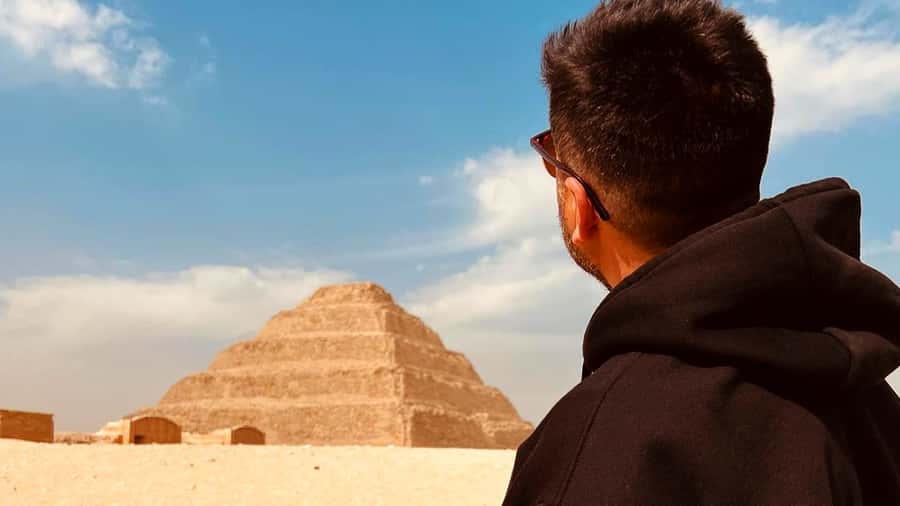
The big anchor here is the Step Pyramid of King Zoser. You’ll get a guided visit focused on the fact that it’s often considered the world’s first monumental stone building, and it was built under the engineering direction of Imhotep. That name is worth remembering. When you tie the architect to the structure, the pyramid stops being just a shape and starts being a milestone in engineering and royal planning.
You’ll also see mastabas—flat-roofed burial structures—associated with prominent figures. The tour notes you may visit mastabas of Ptah Hotep, Idut, or Mereruca. The exact selection can vary, but the value stays the same: mastabas show you how royal and elite burials worked around the main monument. It’s a reminder that Zoser’s Step Pyramid didn’t exist in isolation; it sat inside a larger system of tomb building.
How to make the most of Saqqara in a short time:
- Focus on the Step Pyramid’s tiers and how the shape creates that “stepping” effect.
- Use your guide’s explanations to connect the surrounding tombs to social status and burial practice.
- If the day is hot, pace yourself. Short breaks and water can keep you from turning the visit into a sprint you didn’t want.
The papyrus stop and the snow penguin encounter (yes, really)
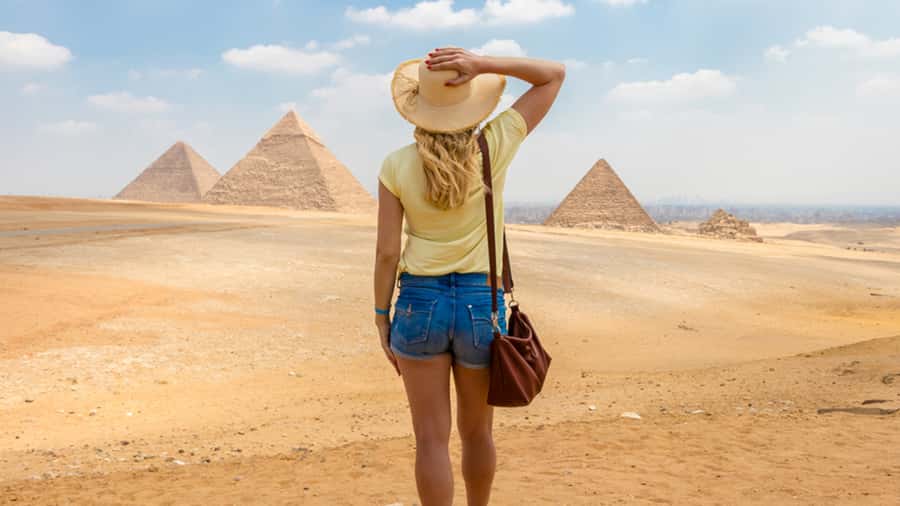
This tour includes a Papyrus Institute stop for shopping. That’s part practical and part cultural. You’ll have a chance to browse for Egyptian souvenirs, including items related to papyrus crafts. If you’re buying gifts, it’s smart to decide early what you’ll spend—papyrus-related products can range from simple souvenirs to more involved pieces.
Then there’s another highlight that will catch you off guard if you’re expecting only ancient sites: a snow penguin encounter. The tour data lists it as a unique meeting, so treat it as a scheduled break from the ruins. It’s a good way to reset your brain after hours of stone and sun, especially if you’re traveling with kids or you just want one fun detour built into the day.
Because details beyond the encounter aren’t provided, the best way to handle this stop is expectation management: plan for it as a short, separate experience rather than something you should measure like an archaeological museum visit.
You can also read our reviews of more tours and experiences in Giza

Lunch at a local restaurant: where included value matters most
Lunch is included, served at a local restaurant. I like that the meal is baked into the timing. In Giza and Saqqara, it’s easy for food plans to become chaotic—either you wait too long, or you end up paying tourist prices for something that doesn’t hit.
That said, keep an eye on what’s included and what isn’t. The tour includes lunch meal itself, but beverages and water during lunch are not included. Bottled water is provided during transfer, which helps, but once you sit down to eat, you’ll likely want to buy drinks on-site.
A couple of practical ideas:
- If you’re sensitive to heat, choose something easy to eat and not overly spicy.
- Eat early enough that you still have energy for Saqqara.
- Bring or buy a water option if you tend to get thirsty quickly.
This is one of those tours where the included lunch isn’t a throwaway detail. It’s part of the day’s quality control.
Price and logistics: is $113 good value for this route?
At $113 per person for about six hours, the value comes from what you don’t have to organize yourself. You’re getting:
- hotel pickup and return
- private air-conditioned transfers
- a private tour guide
- entrance fees to the mentioned sites
- lunch at a local restaurant
- bottled water during transfer
- taxes and service charges
- skip the ticket line
That’s a solid bundle for Cairo, where “just getting there” can eat time and energy.
What costs extra (and why it matters):
- Tickets to get inside the pyramids are not included. If you want that experience, budget for it and be ready for added time at the entrances.
- Tipping isn’t included. In practice, tipping is common on guided tours, but this is still something you should plan for rather than treating it as a surprise.
- Beverages and water during lunch aren’t included. That can be the difference between a straightforward meal and an unexpectedly pricey one.
- Additional pickup/drop-off locations (for certain areas like airport, New Cairo zones, and other specific districts) can cost extra. If you’re not staying in central Cairo, confirm how the pickup is handled.
Bottom line on price: if you want the big monuments with a guide and included entrances and lunch, $113 feels reasonable. If your main goal is entering pyramids, factor in the extra tickets and decide whether the time trade-off is worth it.
Who this tour suits best (and who may want a different plan)
This is a smart choice for first-time visitors who want Giza + Saqqara in one day without the stress of coordinating separate visits. It also suits you if you prefer a guide to explain what you’re seeing—especially because the tour explicitly connects key sites to names and functions like Khafre’s complexes and Imhotep’s role at Saqqara.
It’s also a good match if you care about logistics:
- private air-conditioned vehicle
- hotel pickup and return
- skip the ticket line
- wheelchair accessible
- multiple guide language options (French, Spanish, Italian, Arabic, English, Japanese, German, Portuguese)
Who might want something else:
- If you want long, slow museum-style time or multiple neighborhoods beyond the monuments, six hours may feel tight.
- If your top priority is going inside pyramids, you’ll likely want a plan that includes pyramid interiors or builds more time.
- If you dislike shopping stops, the papyrus stop is part of this day, and you should be prepared to browse quickly or set a clear shopping limit.
Book it or skip it: my decision guide
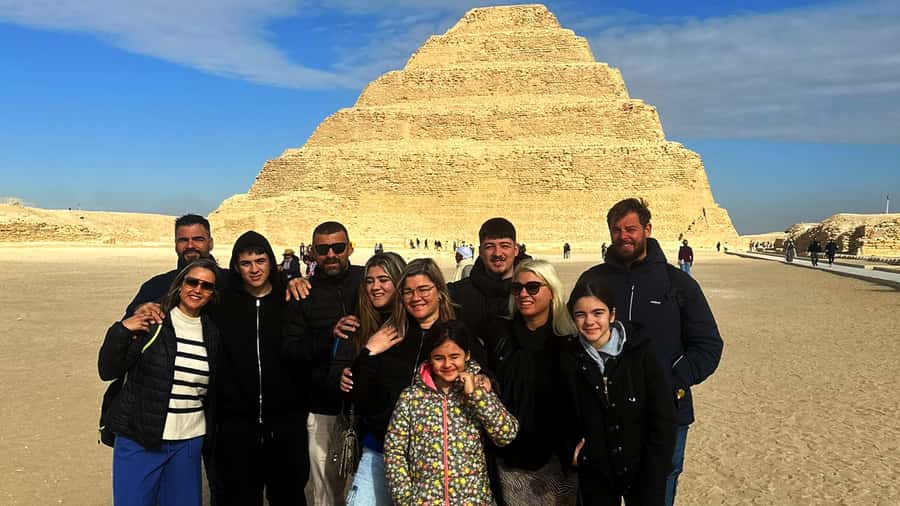
I’d book this tour if you want a well-paced highlights day that covers the essentials: Giza views, Great Sphinx, Valley Temple of Khafre, and then Saqqara’s Step Pyramid of King Zoser with Imhotep’s story. The included lunch, private guide, and entrance handling make it a good value for the time you’ll spend.
I’d pause and compare if you’re obsessed with going inside pyramids, want a lot of free wandering, or plan to spend extra time shopping. The tour is designed to be efficient, not endless.
If your goal is to get the big wow factor and the key context without turning your day into a checklist you dread, this is a strong choice.
FAQ
How long is the Cairo Giza and Saqqara private tour?
The duration is 6 hours.
What is included in the price?
It includes hotel pickup and return, private air-conditioned transfers, a private tour guide, entrance fees to the mentioned sites, lunch at a local restaurant, bottled water during transfer, and all taxes and service charge.
Is lunch included?
Yes, lunch is included at a local restaurant.
Are tickets to enter the pyramids included?
No. Tickets to get inside the pyramids are not included.
Does the tour include a skip-the-ticket-line feature?
Yes, it includes skip the ticket line.
What languages are available for the live tour guide?
French, Spanish, Italian, Arabic, English, Japanese, German, and Portuguese.
Is pickup included from the airport?
Pickup from Cairo airport and some other locations is available, but it may cost extra depending on where you are picked up from.
Are refreshments included during lunch?
Beverages and water during lunch are not included.
Is this tour private or shared?
It’s a private group tour with a private guide.
Is the tour wheelchair accessible?
Yes, it is wheelchair accessible.
Is there a snow penguin encounter on this tour?
The experience highlights include a snow penguin encounter.