REVIEW · GIZA
Sharm El-Sheikh: Full-Day Tour of Cairo and Pyramids by Bus
Book on GetYourGuide →Operated by FTS Travels · Bookable on GetYourGuide
That early start is the price of greatness. This Sharm El-Sheikh to Cairo day trip packs Giza Plateau sights and the Egyptian Museum into one long but well-guided day. I love the way the Egyptologist-style guide helps you connect what you’re seeing to how the pyramids were built, and I love that you get real photo help from guides and optional photographers. One possible drawback: it’s a long day with a very early pickup, and Cairo logistics (especially visa stamping if needed) can stretch the schedule.
You’ll ride from Sharm El-Sheikh in an air-conditioned van/bus setup with hotel pickup and drop-off, then hit Cairo in a sequence that tries to beat the heat: Giza first, museum after lunch. If you choose extras like the camel ride or a quick Nile boat trip, they add a fun change of pace without turning the day into a theme park.
In This Review
- Key things I’d prioritize before you go
- Sharm El-Sheikh pickup and the long ride to Cairo
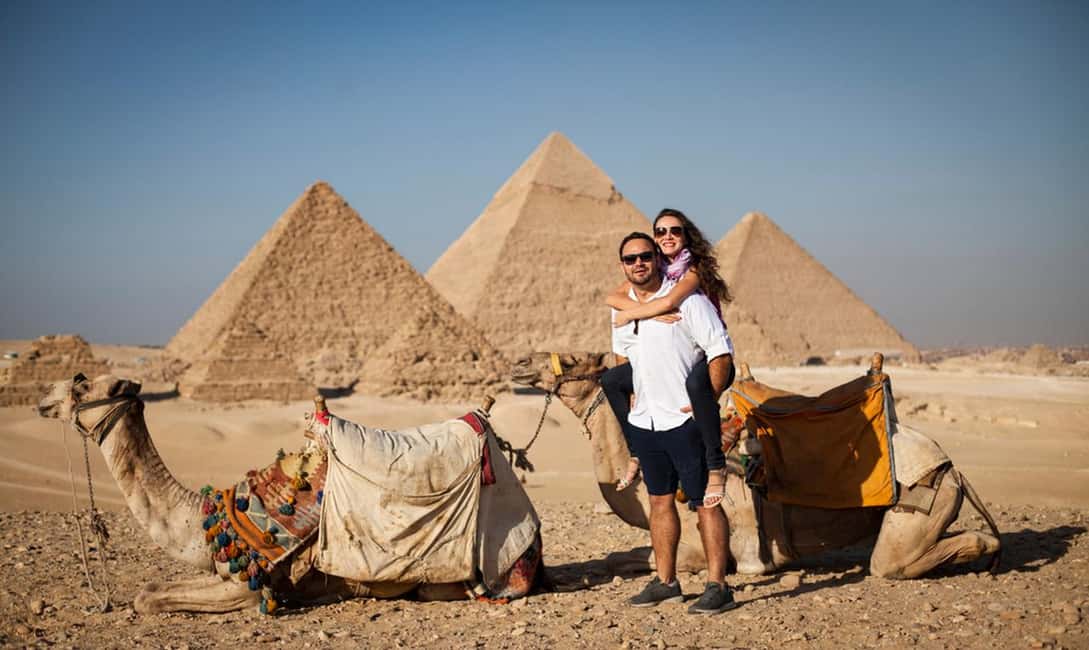
- Giza Plateau: seeing Cheops, Khafre, and Menkaure in one sweep
- Possible drawback at Giza
- The Great Sphinx: the stop that can’t be faked
- Photo strategy that actually helps
- Camel ride option: fun perspective, time-limited reality
- Lunch break and the shop stops you should plan for
- Oils and perfumes: a heads-up
- Egyptian Museum at Tahrir Square: getting your money’s worth in limited time
- How to get more out of the museum
- Optional Great Pyramid interior visit: the tradeoff is time and logistics
- Nile boat trip option: a nice reset before you head back
- Price and value: what $88 really buys you
- Who should book this day trip, and who should skip it
- Should you book the Cairo and Pyramids bus tour from Sharm?
- FAQ
- What does the tour include?
- Do I need a visa for Egypt?
- Is the camel ride included?
- Can I visit inside the Great Pyramid?
- How long is the trip from Sharm El-Sheikh to Cairo?
- Are there drinks included with lunch?
- What languages is the tour offered in?
- What should I bring and wear?
- What if I need to cancel?
Key things I’d prioritize before you go
- Beat-the-heat timing for Giza: going early makes the pyramids feel more manageable, even if the day is still long.
- Two big anchors in one schedule: Pyramids of Giza + Sphinx, then Egyptian Museum at Tahrir Square.
- Guide + practical warnings: good guides point out what to watch for around the pyramids and keep the group moving.
- Optional add-ons change the vibe: camel ride around the plateau and a Nile boat trip can be worth it if you like variety.
- You may want cash for small extras: drinks at lunch may not be included, and the visa cost (if required) is cash onsite.
- Transport can feel tight: if you’re tall or traveling with multiple stops, build in patience.
Sharm El-Sheikh pickup and the long ride to Cairo
This trip starts with an early hotel pickup in Sharm El-Sheikh. Exact timing depends on your hotel location, and you should confirm the pickup time the day before. A delay of up to 10 minutes can happen, so I treat the start like a morning flight: be ready, not rushed.
The drive is the biggest reality check. It’s several hours each way, and that’s why the air-conditioned bus/van matters. You’ll want comfortable shoes and easy clothes, plus water and a snack or two. Even with a rest stop, you’ll feel the day start to creep forward, especially if visa checks slow things down on the way in.
What I like here is the structure: you’re not left to figure out transfers, tickets, and meeting points on your own. You get a guide, a defined route, and a plan for when you’ll be outside versus in museums.
You can also read our reviews of more tours and experiences in Giza.

Giza Plateau: seeing Cheops, Khafre, and Menkaure in one sweep

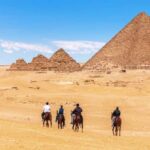
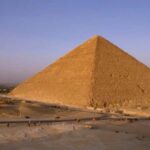
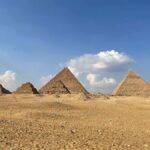
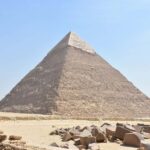
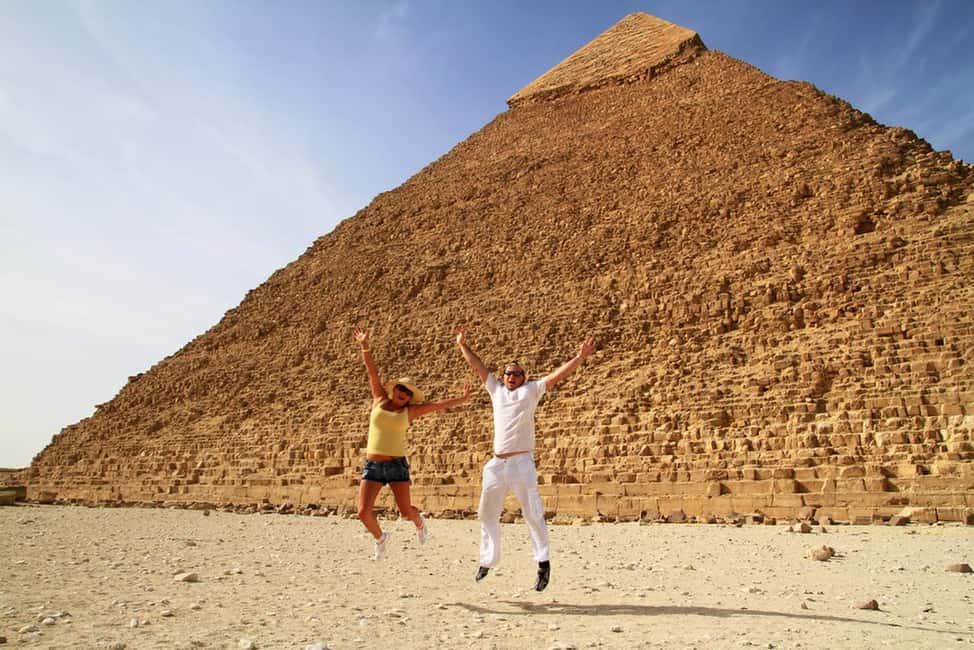
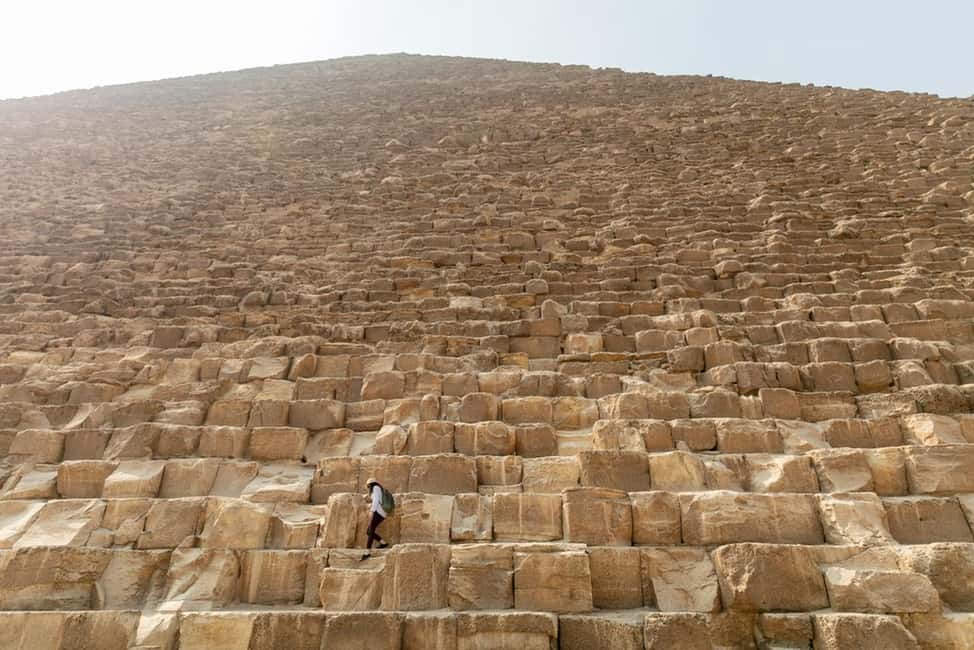
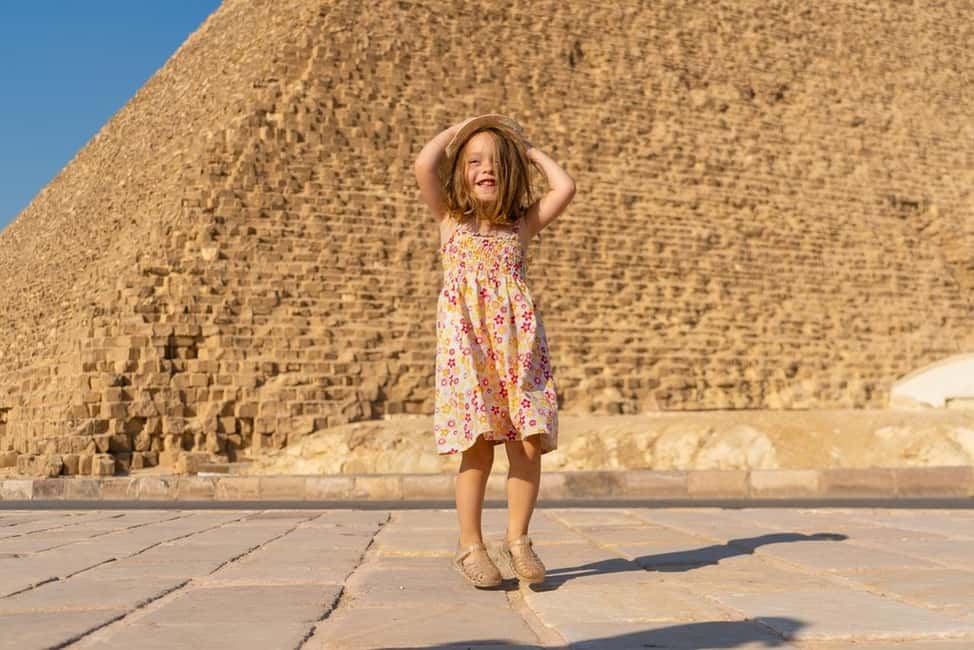
Once you reach Giza, the day turns into a full-on “this is real life” moment. You’ll explore the Giza Plateau and see the three main pyramids: Khufu (Cheops), Khafre, and Menkaure. Even if you’ve seen them in photos, up close they stop being “a sight” and start being a scale lesson.
Here’s where the guide adds real value. A good Egyptologist-style guide won’t just point at the pyramids. They explain the bigger story—how the monuments fit into the ancient world and how the pyramid-building process worked. On this kind of trip, that kind of explanation helps you look longer and understand what you’re actually viewing.
Practical tip: go slow at first. Look for alignments, slopes, and how the sightlines open up across the plateau. Then let the guide’s story reframe what you’re seeing. The best guides do that in small pieces, so you don’t feel like you’re sitting through a lecture.
Possible drawback at Giza
Crowds and sellers are part of the experience. Your best defense is your guide’s approach. Guides like Sarwat (based on past tour experiences) are known for warning you about scammers and keeping you clear of wasted time. If you’re nervous, tell your guide early that you want the group to stick together and move with purpose.
The Great Sphinx: the stop that can’t be faked
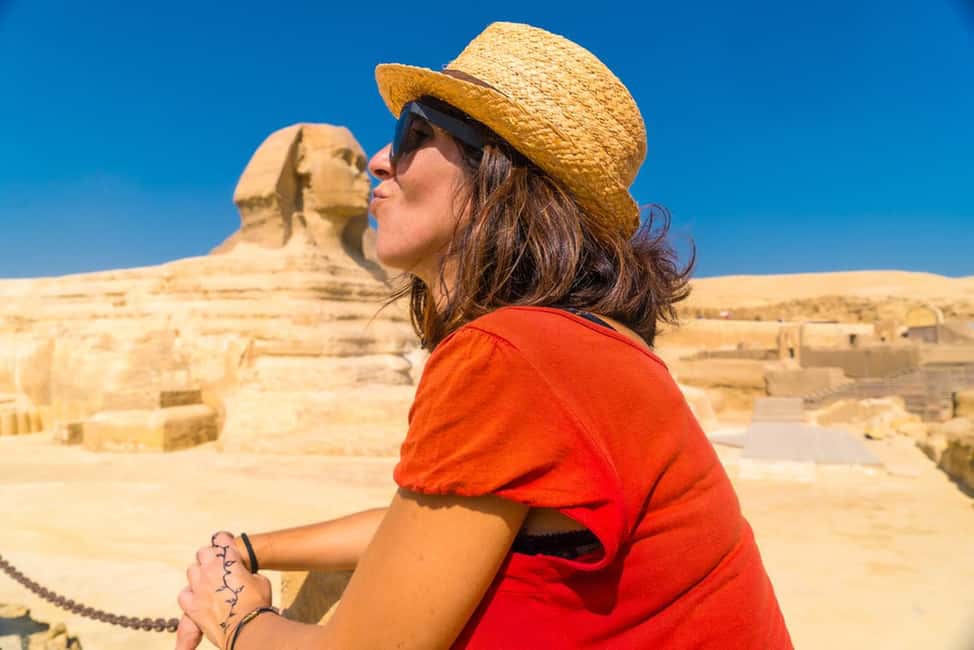
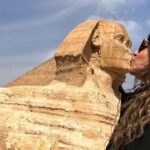
After you’ve taken in the pyramids, you’ll head to the Great Sphinx. This is one of those moments where “iconic” is actually accurate—not because it’s famous, but because it’s strangely powerful in person.
The Sphinx works best when you treat it as more than a photo backdrop. Your guide’s job here is to help you connect the Sphinx to the wider Giza complex and the ancient beliefs around it. When the explanation clicks, the face stops being just a big statue and starts being a clue.
Photo strategy that actually helps
If you’re the type who wants photos without standing in awkward positions for 20 minutes, this tour often makes it easier through guide and photographer support. Optional add-ons include a professional photographer, and many groups also get picture help from their guide.
If you skip the paid photographer, still ask your guide for simple photo suggestions—where to stand and how to frame the Sphinx with the right perspective. It’s one of the quickest ways to improve your results without losing sightseeing time.



Camel ride option: fun perspective, time-limited reality
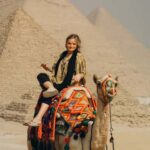
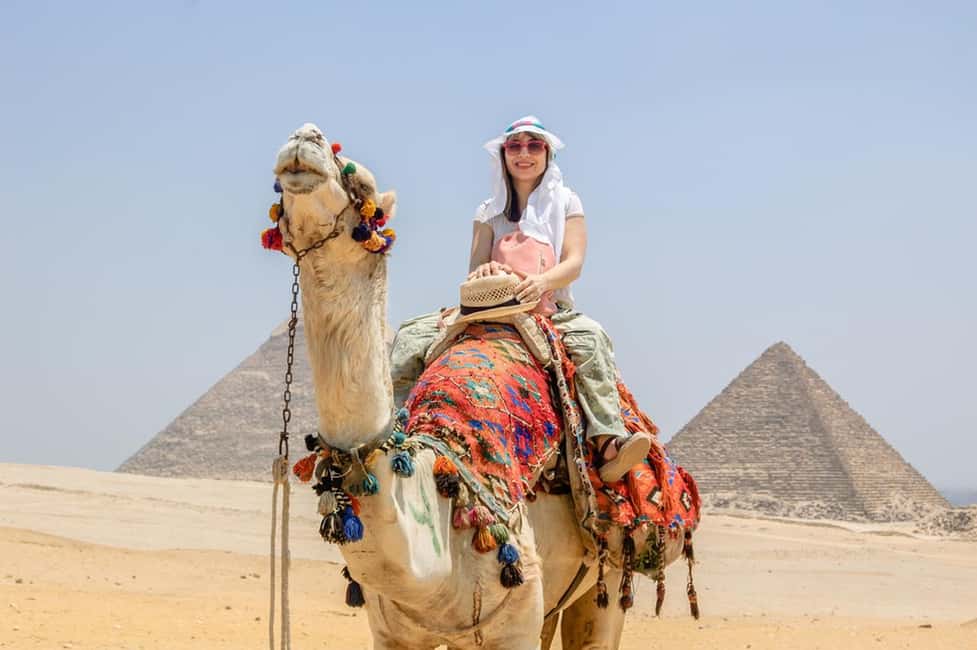
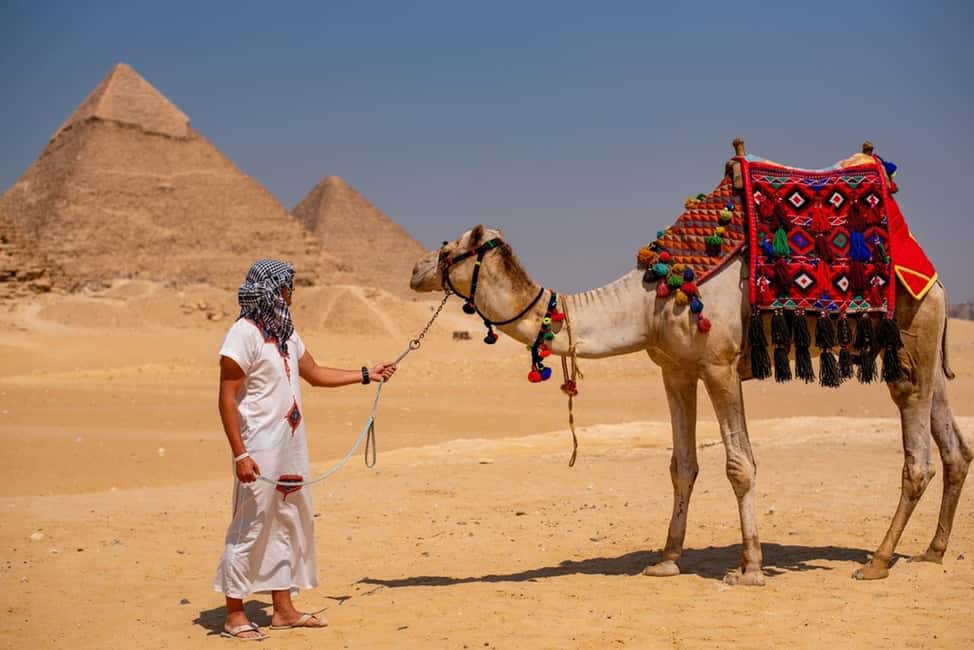
You may have the chance to do an optional camel ride around the Giza Plateau. This isn’t the kind of thing you want to overthink. Think of it as a short shift in perspective: you see the pyramids from a different height and angle, and you get a memorable story to take home.
The key here is timing and comfort. Camel rides can be bumpy and hot depending on the season, so bring sun protection and be ready for a quick experience rather than something that replaces sightseeing.
If you’re not into animals or you prefer to spend your time exploring on foot, you can still enjoy Giza fully without it. The pyramids and Sphinx are the core event.
Lunch break and the shop stops you should plan for
After the morning at Giza, the day shifts toward lunch. A restaurant lunch is included, and it usually serves as your energy reset before the museum.
Now, the fine print from real day-of experiences: drinks may cost extra, so keep some cash aside if you want something beyond water. Lunch itself tends to be buffet style, and it’s generally described as filling.
Depending on how your day flows, you might also see quick stops for souvenir shopping or demonstrations. Some groups report a papyrus-style demonstration or visits to traditional shops where items are customized or explained. Those stops can be a nice way to understand how local crafts are presented to visitors—but you should treat them as optional pace changes, not must-do moments. If you want more museum time later, say so early to your guide.
Oils and perfumes: a heads-up
A few experiences include promotional stops for oils and perfumes. If you don’t want that kind of sales pitch, you can still enjoy the rest of the day—just be firm about what you’re skipping. The guide can usually help keep the group on track.
Egyptian Museum at Tahrir Square: getting your money’s worth in limited time
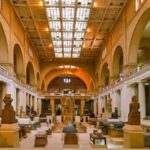
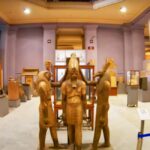
The Egyptian Museum in Tahrir Square is your second big anchor. Here you’ll explore a massive collection of ancient artifacts, including treasures from Tutankhamun’s tomb, plus statues and mummies.
The museum part is where you either feel like you’re in “wow mode” the whole time or you feel museum-fatigue. The trick is to let the guide set priorities. Good guides help you focus on what’s most meaningful and what’s easiest to miss when you’re wandering on your own.
How to get more out of the museum
- Pick a few themes before you go in your head: royalty (Tutankhamun), funerary culture (mummies), and daily power symbols (statues).
- When the guide mentions a specific object, look at it for a full minute. That’s long enough to notice details but short enough to keep the day moving.
- Don’t try to read every label. On a day trip, you’re buying experiences, not completing a textbook.
If you love museum time, you’ll wish you had more hours. If you’re on a tight schedule, this stop is still worth it because it connects the Giza monuments to the broader ancient Egyptian world.
Optional Great Pyramid interior visit: the tradeoff is time and logistics
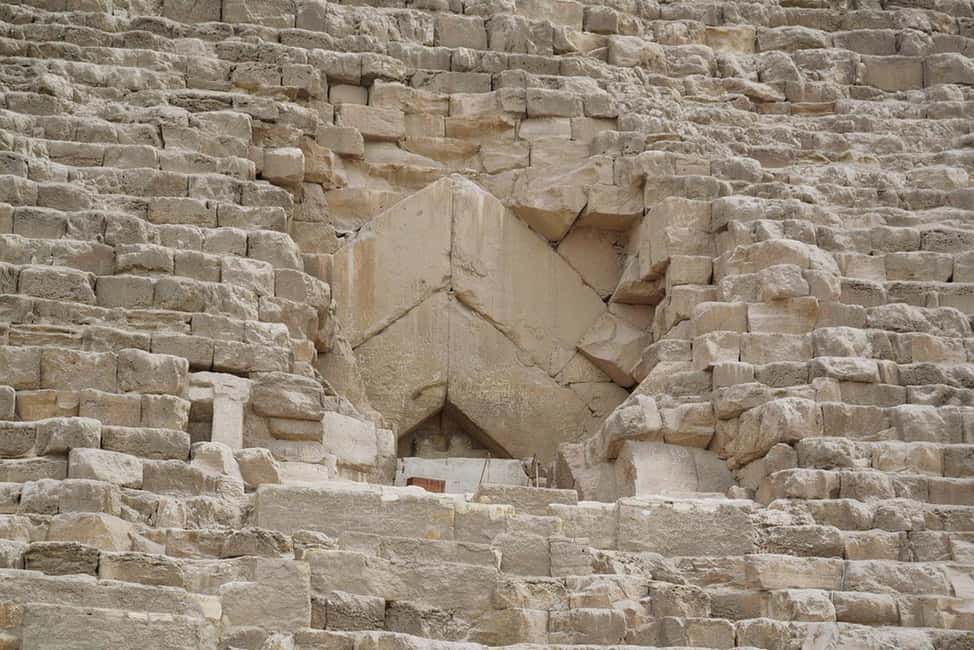
There’s an optional Great Pyramid interior visit, but it’s not automatic—it depends on the option you select. If you choose it, it can add a rare, close-up perspective. You’re not just looking at the outside anymore; you’re stepping into a part of the pyramid experience that most people only ever imagine.
The downside is time and physical comfort. Interiors can be crowded and warm, and you need to be ready for a different kind of visit than the plateau experience. If you’re claustrophobic or you hate delays, weigh this option carefully.
Nile boat trip option: a nice reset before you head back
Many versions of this tour offer a short Nile boat trip option. When it’s included, it gives your brain a break from standing under sun and stone.
Some groups describe it as a brief ride with photo opportunities and a chance to see the river from a different angle. Even 20–30 minutes feels like a reset because it changes the sensory input: less heat, more motion, different scenery.
If you’re trying to choose between add-ons, I see the Nile boat as the “breather.” Camel ride is the “fun angle.” Pyramid interior is the “rare access” option.
Price and value: what $88 really buys you
At $88 per person, the price is attractive for a Sharm El-Sheikh to Cairo day trip because it bundles the hard parts: hotel pickup and drop-off, air-conditioned transport, a guide, and lunch. For many travelers, that’s the real value—someone else handles the route, the meeting points, and the on-the-ground explanations.
But here’s how I’d evaluate it honestly:
- If you’re selecting options (like pyramid interior or Nile boat), the total value gets even better because you’re stacking meaningful experiences instead of just seeing monuments from the outside.
- Entrance fees are included only if you select that option. So check what’s bundled in your booking, then avoid the surprise of paying at the last moment.
- The biggest hidden “cost” isn’t money. It’s time. You’re committing to a very early start and a long return drive, so you’ll get the most value if you actually want to spend your day on-site rather than resting.
If you’re short on time in Egypt and you want the best highlights of Cairo and Giza in one go, this is a solid deal. If you’re the type who wants slow museum wandering with long breaks, you might feel rushed.
Who should book this day trip, and who should skip it
This tour fits best if:
- You want a big highlights day: pyramids, Sphinx, and the museum.
- You like being guided, especially for explanations and scam-smart navigation around the major sites.
- You’re okay with early mornings and long drives.
It’s less ideal if:
- You hate long car time and early wakeups.
- You want hours inside the museum with deep reading and no schedule pressure.
- You’re very sensitive to delays from visa stamping or start-of-day confusion.
If you do go, pick your priorities. If the pyramids are your goal, keep your morning flexible and let the guide lead the pace. If the museum is your goal, don’t spend all your energy shopping after lunch.
Should you book the Cairo and Pyramids bus tour from Sharm?
Yes, if you want the classic Cairo-and-Giza hits in one day and you’re comfortable with a long, structured schedule. The value is strongest when you use the guide well—ask questions, follow their timing, and let them help you avoid wasted stops around the pyramids. Optional extras like the camel ride and Nile boat can add fun variety without turning the day into fluff.
I’d say don’t book if you’re hoping for a relaxed vacation day. This is an efficient day trip. It delivers, but it demands energy.
FAQ
What does the tour include?
Hotel pickup and drop-off, transport by air-conditioned bus, a tour guide, and restaurant lunch are included. Entry fees are included for the attractions listed if you select that option. Extras like the Nile boat trip, Great Pyramid interior visit, and a professional photographer are included only if you choose those options.
Do I need a visa for Egypt?
If you need a visa, it’s $35, paid in cash onsite. Bring your passport or ID card as required.
Is the camel ride included?
The camel ride is optional. You’ll have the opportunity to do it around the Giza Plateau.
Can I visit inside the Great Pyramid?
You can, but only if the option is selected. Otherwise, you’ll still see the pyramids and the Sphinx from the outside.
How long is the trip from Sharm El-Sheikh to Cairo?
It takes several hours each way. Plan for an early start and a long day overall.
Are there drinks included with lunch?
Lunch is included, but drinks may cost extra. I recommend bringing some cash if you want beverages beyond water.
What languages is the tour offered in?
The tour is available in English, German, and Arabic.
What should I bring and wear?
Bring your passport or ID card, comfortable shoes, and sunglasses. If you need a visa, bring what you need for cash payment onsite.
What if I need to cancel?
You can cancel up to 24 hours in advance for a full refund.